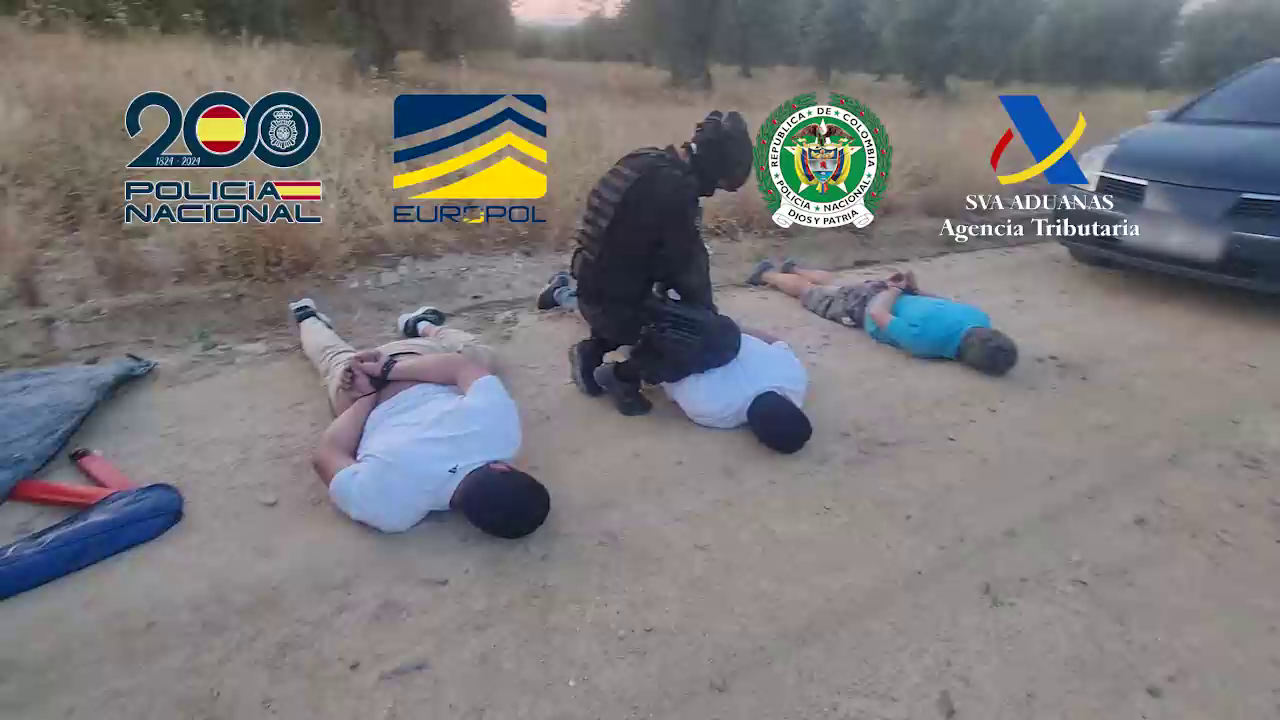
The seizures included large quantities of drugs and criminal assets:47 kilograms of freshly processed cocaine hydrochloride;20 kilograms of cocaine base (processed cocaine paste);2 kilograms of marijuana;3 000 litres and 300 kilograms of various chemicals;3 firearms;EUR 245 000 in cash;13 vehicles.Ingenious cross-ocean smuggling techniqueUsing a sophisticated method to avoid detection, the criminals injected cardboard boxes containing legal cargo (such as fruit) with cocaine base. Once successfully shipped in maritime containers from Colombia to Málaga, Spain, the organisation would extract the cocaine base from the cardboard and process it into the final consumable product, ready for distribution.Over the course of this joint law enforcement effort, the logistical and company structure used for developing and maintaining this criminal activity has been dissolved. Europol supported the investigation with analytical support and provided operational support on the two action days. Specialists from Europol’s dedicated Operational Task Force were deployed on the spot, providing forensic support and cross-checking new leads and information in real time against the Agency’s databases.This operation serves as an example of a trend highlighted in the EU Drug Markets Report by Europol and the European Union Drugs Agency (EUDA). Law enforcement authorities across Europe have observed an increase in the number, capacity and sophistication of laboratories set up for the extraction and further processing of the cocaine base (as well as, to a lesser degree, cocaine paste) into the final consumable product (cocaine hydrochloride). Typically, raw cocaine is transported to Europe concealed in a carrier material (such as charcoal) in order to reduce the risk of detection in entry points such as ports and airports.
28 arrested and cocaine lab dismantled in hit against drug traffickers