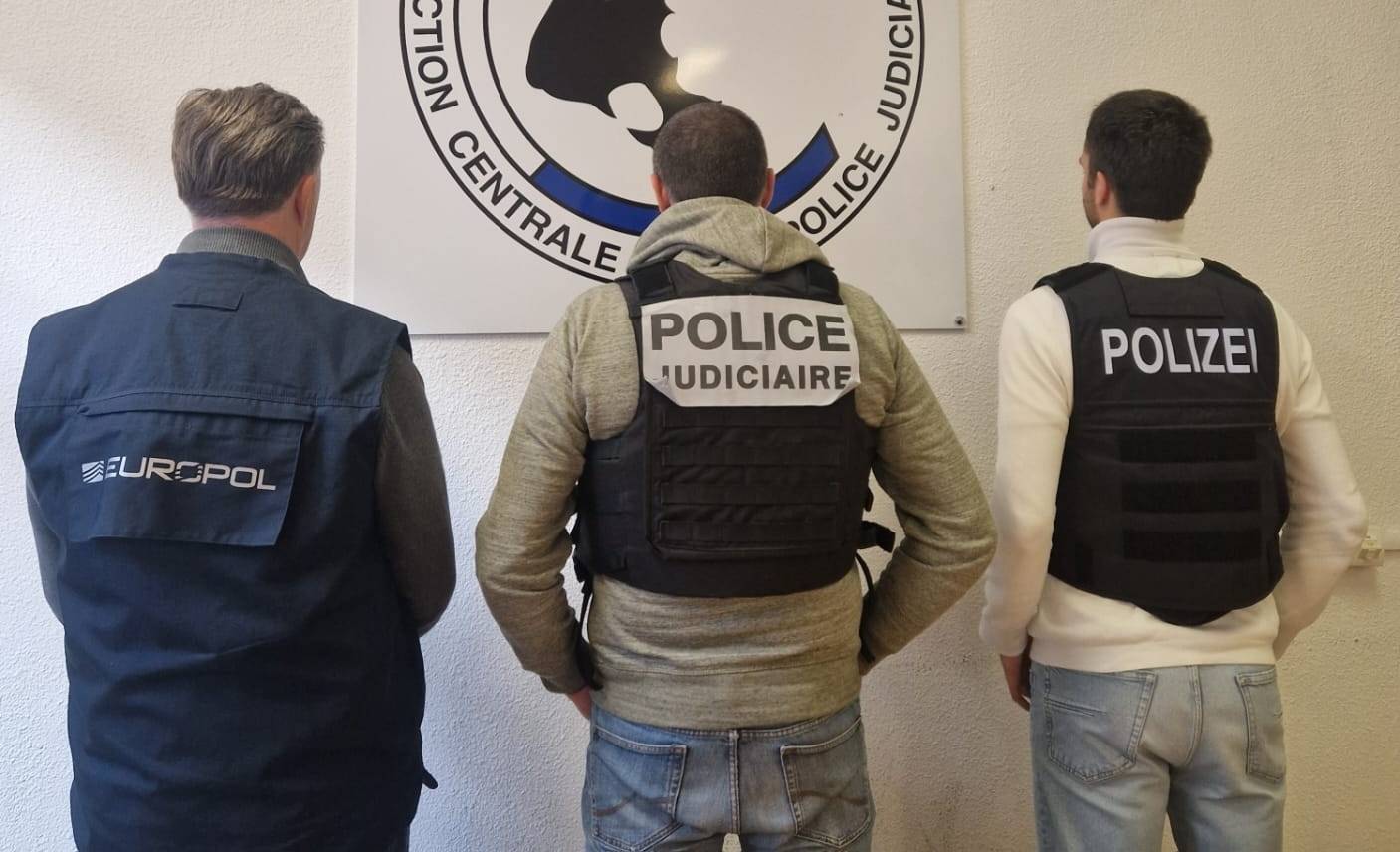
On 12 November 2025, Europol supported a German-led investigation targeting a group of mercenaries hired by a criminal network to kidnap the leader of a rival drug trafficking gang. The operation involved law enforcement authorities from Denmark, France, Latvia and the United Kingdom.The coordinated action focused on Latvian nationals, some of them with a background in the French Foreign Legion. These highly trained individuals were equipped with professional gear and were active on behalf of an organised crime group. They were contracted to abduct the leader of an Albanian drug trafficking network, who is suspected of orchestrating the theft of several tonnes of cannabis worth millions of euros.On the action day, four individuals were arrested in Denmark, France, Latvia and the United Kingdom, while other two, who had been arrested in October 2024 in Germany, have already been convicted by court. Europol played a crucial role by facilitating information exchange, ensuring operational coordination and providing analytical support. On the action day, Europol deployed an expert to Nice, France, to facilitate the real-time exchange of information and cross-check operational information against Europol’ s databases, providing immediate leads to investigators in the field.Mercenaries for hireThis operation is linked to the 'Violence-as-a-Service' phenomenon, in which perpetrators offer their services to commit violent acts on behalf of other criminal syndicates. In this particular case, highly trained specialists are hired by organised crime groups to carry out violent acts. This modus operandi is increasingly detected in various operations linked to serious and organised crime. Investigating the perpetrators' activities underscores the elevated level of this service, as it often involves the use of former special forces members.A few of the suspects in this case are former French Foreign Legion soldiers. This represents an alarming trend emerging from the war in Ukraine. Former combat-trained soldiers, returning from the front, might make use of their skills for organised crime, posing a potential threat. As the war in Ukraine continues and potentially intensifies in its aftermath, Europe may face an increased number of these highly trained individuals engaging in criminal activities. It is crucial to monitor this development and prepare for the potential security challenges it presents.Participating authorities:Denmark: Copenhagen Police/ Københavns Vestegns PolitiGermany: State Criminal Police North Rhine-Westphalia (Landeskriminalamt)France: National Police (Police Nationale) / Service Interdépartemental de la Police Judiciaire des Alpes-Maritimes, Nimes, Office central de lutte contre le crime organisé /OCLOLatvia: State Police of Latvia (Latvijas Valsts policija)United Kingdom: Metropolitan PoliceThis press release was updated following publication to implement last-minute text changes.
Six arrests in a kidnap plot against an Albanian drug trafficker