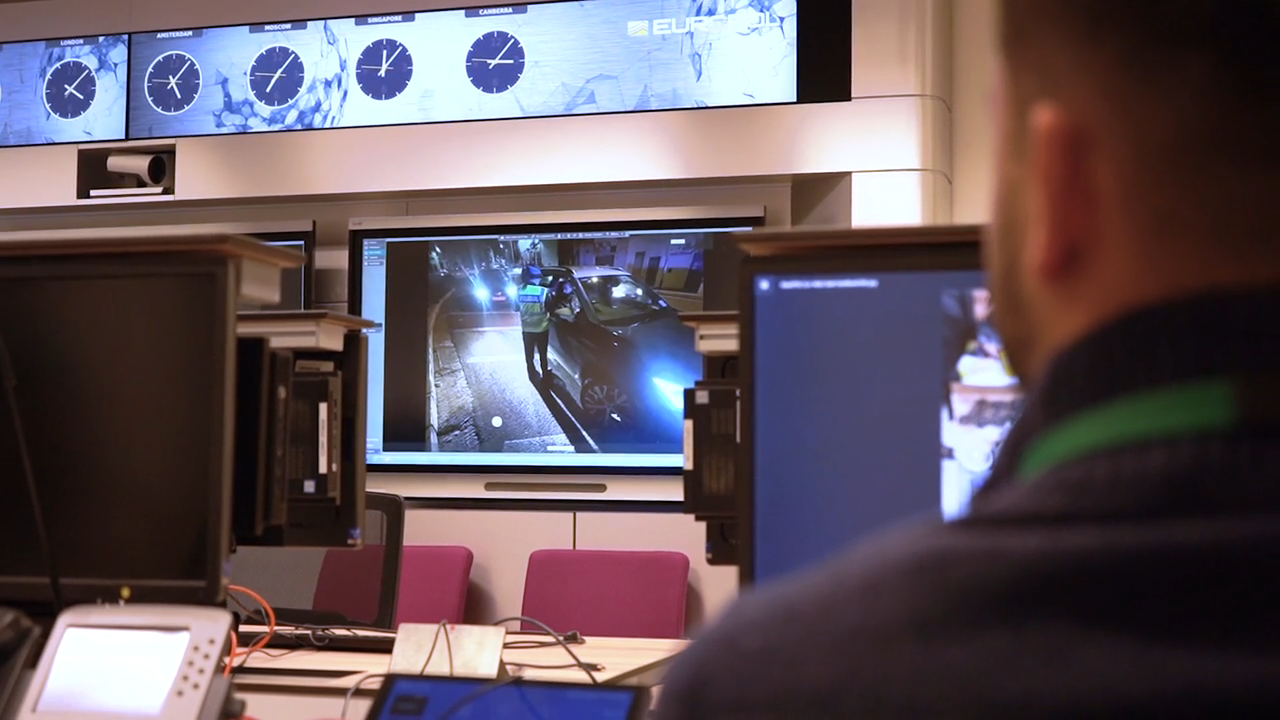
Results of the operation include:15 persons arrested18 victims or possible human trafficking victims detected4 new investigations initiated398 flights monitored13 harbours monitored19 postal services and express delivery companies monitored57 checkpoints at borders and hotspots establishedSerious organised crime coordinated from NigeriaNigerian criminal networks have long been renowned for trafficking in human beings and a variety of fraud, but in recent years they have also gained a strong foothold in drug trafficking across several EU markets. In this crime area, Nigerian drug traffickers are particularly active in transporting and distributing both cocaine and heroin. One of the most commonly observed modus operandi for transporting drugs in and out of the EU is by air. Drug mules from both Nigeria and the EU take frequent trips and smuggle drugs on their person typically swallowed, concealed in body cavities or hidden in luggage.In addition, the intelligence picture put together by international law enforcement shows that Nigerian criminal networks coordinate a large share of amphetamine trafficking. These drugs are usually sent from African countries via the EU towards Asian or Australian destinations. These criminal activities, while generally orchestrated from Nigeria, could pose a risk to the safety of citizens across the EU. Criminal leaders live luxurious and lavish lifestyles, directing their couriers and lower-level organisation members from a distance. To ensure drug mules or victims of human trafficking remain under their control, the kingpins apply measures such as severe threats, the use of extreme violence or intimidation with obscure religious practices.Typically, Nigerian criminal networks are well organised with an almost militia-style hierarchy. With the promise of protection and power, secret societies recruit new members. These secret societies are sometimes called confraternities. These crime syndicates have been established across the globe and act as the backbone of Nigerian organised crime.Europol’s roleGiven the alarming intelligence picture gathered by Europol and its partner countries and agencies, this joint operation was the first of its kind specifically targeting Nigerian criminal networks operating across Europe. Based on an intelligence-led approach, participating countries and law enforcement agencies targeted identified national hotspots and took action at airports, harbours and other border crossings.During the action phase in December 2023, Europol hosted an operational centre to coordinate the international activities and provide crosschecks against its database. INTERPOL supported the action with an analyst at the coordination centre as well as a team remotely cross checking all organisations’ databases and providing field expertise.The large-scale law enforcement effort was supported by EMPACT and funded by @ON. @ON is an operational network financed by the Internal Security Fund (ISF) and created to counter mafia-style serious and organised crime groups. The network focus on EU organised crime priorities outlined in the EU Policy Cycle and support actions adopted within EMPACT projects.This two-year long operational action was part of the EMPACT priority operational action plan “High Risk Criminal Networks” and led by Sweden and Belgium.Participating countries:Belgium, Bulgaria, Colombia, Germany, Greece, Iceland, Malta, Nigeria, Republic of Benin, Spain, Sweden, United States, United KingdomParticipating authorities:Europol, Frontex, INTERPOL, UNODC CrimJust, UK Home Office International Operations in Nigeria
15 arrested in intercontinental crackdown against Nigerian crime syndicates