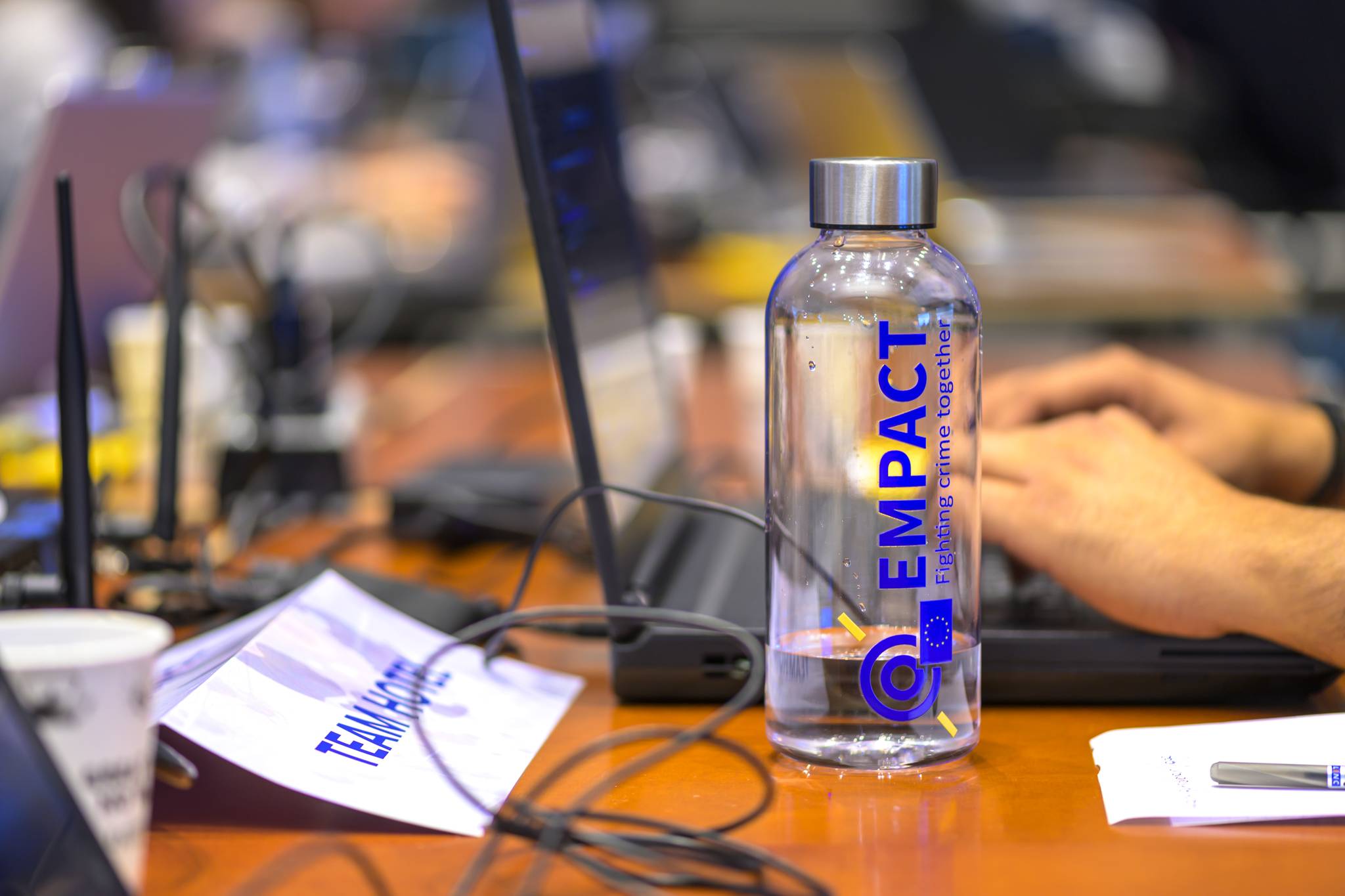
Over the course of the week, experts investigated social media platforms, marketplaces, dating apps, job searching portals, escort agency sites and instant messaging platforms in search of actors facilitating sexual or labour exploitation online. Their efforts uncovered indications of human trafficking across 44 online platforms and resulted in the below outcome:33 potential victims of human trafficking identified31 potential perpetrators identified53 platforms checked302 URLs related to THB detected137 social networks related to THB detected The operation revealed that escort agencies dominate the market for sexual services and operate across multiple EU countries, although these services appear to be coordinated by a few organised criminal groups. Authorities also observed that possible victims of trafficking for sexual exploitation were always accompanied by a man who appeared to act as their controller.Additionally, experts detected an increase in advertisements generated by artificial intelligence to lure victims, as well as a shift towards sophisticated payment methods, where only cryptocurrencies are accepted. Analysts also found platforms with indicators of organ trafficking and child sexual abuse material (CSAM) sites on the dark web, along with pages claiming to rent, buy and sell minors, including new born babies. Teaming up since 2022Europol participated in the operation by providing coordinated support on site. Its experts also contributed with cross-checking and operational analysis from Europol’s headquarters in The Hague. Eurojust provided analytical support and ensured the swift involvement of judicial authorities besides the Dutch judicial authority.The first EMPACT THB Hackathon was organised in 2022 and has now taken place for four consecutive years. The initiative has become a crucial tool for investigators to pool expertise, coordinate cross-border online monitoring, identify potential victims at an early stage, enhance the detection of trafficking networks and generate new investigations.A phenomenon with global interconnectionsTrafficking in human beings is increasingly nurtured by the online domain. Criminal networks misuse it to circulate fake job offers, build manipulative online relationships and post live-streamed sexual exploitation content, recruiting victims all across the world. A stronger and more visible presence of law enforcement online is crucial to prevent the phenomenon from escalating beyond control, hidden behind encrypted apps, social media platforms and the dark web. The following authorities took part in the investigation: EU countries: Austria, Belgium, Cyprus, Czechia, Finland, France, Germany, Greece, Hungary, Ireland, Italy, Latvia, the Netherlands, Poland, Portugal, Romania, Slovenia, Spain, Sweden.Third countries: Brazil, Georgia, *Kosovo, Moldova, Serbia, Ukraine, United Kingdom.EU Agencies: Europol, Eurojust.(* This designation is without prejudice to positions on status, and is in line with UNSCR 1244/99 and the ICJ opinion on the Kosovo declaration of independence.)The list of participating countries was updated on 13 October 2025.
Over 30 potential victims identified in action against human trafficking enabled online