Following the COVID-19 crisis, Europol highlighted the risks of fraud related to the recycling of spoiled or expired food to reduce production costs. This possible development was taken under consideration when planning the operation activities in the framework of the OPSON 2023 operation. National authorities involved in the operation performed checks of the food supply chain, while detecting a number of irregularities. During this year’s operation OPSON, the relatively new trend of relabelling expired food has been detected on an unprecedented scale. In the majority of cases, criminal organisations approach waste disposal companies and purchase food that should have been destroyed. They then erase the labels’ expiration dates and print new ones to replace them. The quality of the food is poor, but the food also presents dangerous health hazards, as occurred in a case involving canned fish.
Seizures reported to Europol:
8 000 tonnes of illicit products seized
6.5 million litres of mostly alcoholic beverages
400 inspections
143 arrest warrants issued
168 search warrants executed
119 individuals reported to judicial authorities
6 criminal networks disrupted
Main illicit products seized:
(in order of quantity)
Alcoholic beverages
Cereals, grains and derived products
Fruits/vegetables/legumes
Sweet and sugary products
Meat and meat products
Seafood
Dairy products
Food supplements/additives
Trafficking spoiled food across the EU
The exchange of information through Europol led to the detection of a company recycling spoiled or expired food in France, Germany, Italy, Lithuania and Spain. The criminal organisation, led by a Lithuanian citizen, was conducting illegal operations across these four countries, including the illegal relabelling and trafficking of spoiled and expired food. The first phase of the operational activities in Italy and Lithuania led to 27 arrests. The investigation, led by the Lithuanian Criminal Police Bureau (Lietuvos kriminalinės policijos biuras), led to 24 arrests, while the parallel case in Italy led to the arrests of three other individuals. The total seizures following the operational activities amounts to more than 1.5 million packages.
Rotten meat and fish off the plate
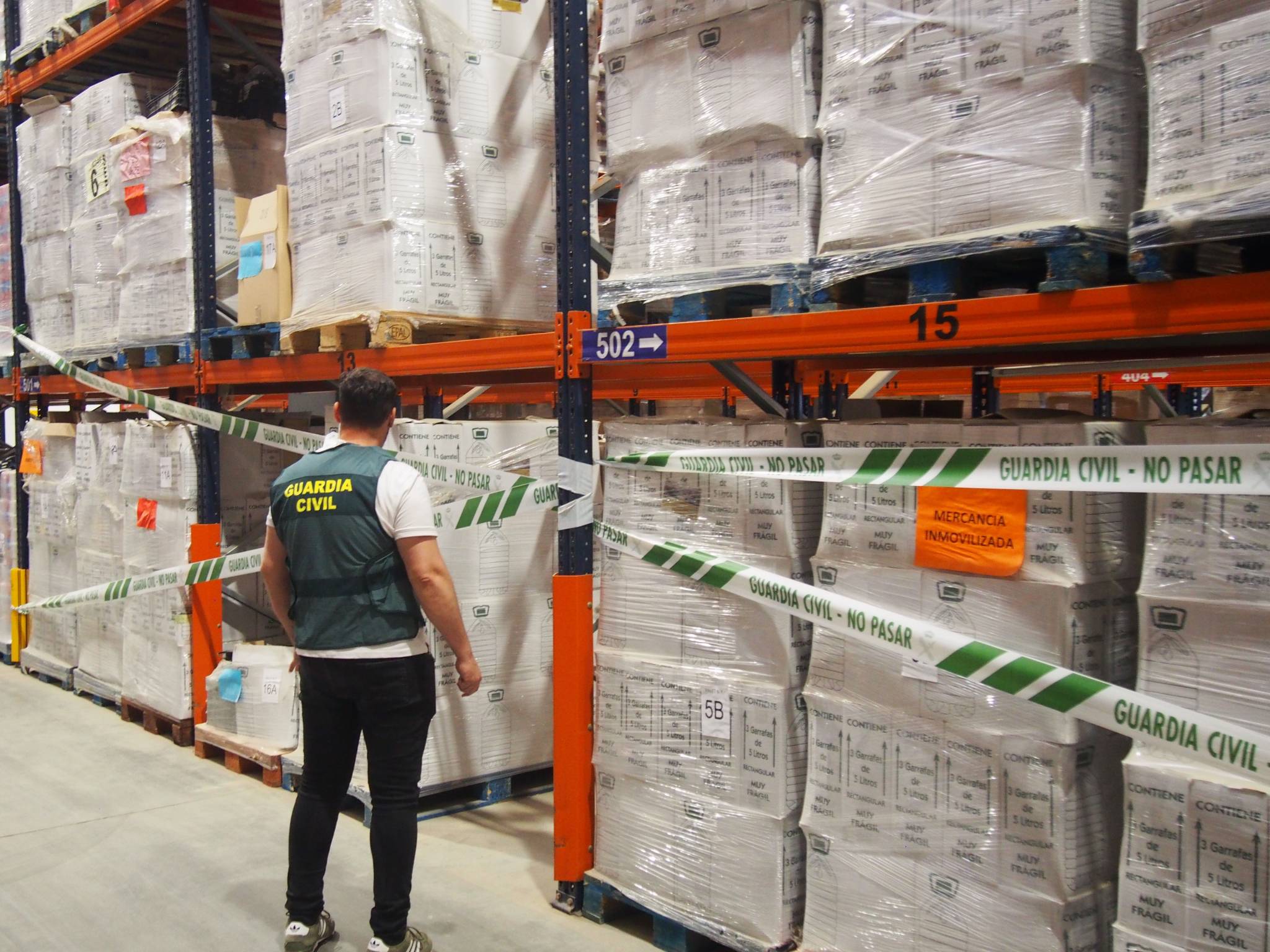
Two investigations led by the Spanish Civil Guard (Guardia Civil), one conducted in Seville and one in Zaragoza, targeted fraud involving meat products. In the first investigation, two individuals were charged with crimes against public health, forgery and fraud for trafficking ham without traceability and with a manipulated expiry date. The operation led to the seizure of 48 896 kg and 3 000 pieces of ham and sausage. The second investigation targeted a criminal network trafficking expired meats, fish and seafood. The suspects falsified the labelling and trafficking of the food without going through the mandatory regulatory process. The results of the operational activities include 8 arrests, 48 individuals under investigation and the identification, seizure and destruction of more than 25 tonnes of food products.
Sweet sugar wine
An operation led by the Spanish Civil Gard (Guardia Civil) in Albacete uncovered a sugar fraud perpetrated by three individuals and involving two companies. The suspects exported products from invert sugar, which they presented as grape derivatives and concentrated grape juice. This manoeuvre allowed them to double and in some cases triple the sale price and resulting profits. The main destinations of the exports were countries outside the European Union, mainly South Africa. The operational activities led to the seizure of two tanks containing 1.08 tonnes of invert sugar with a retail value of EUR 1.3 million.
Protected food names
The misuse of protected food names was also the focus of the operational activities. In the United Kingdom, authorities performed checks on protected food name products in food service establishments, such as restaurants, and in individual retailers. The checks identified cases of non-compliance with products, such as feta, Parmigiano Reggiano and Grana Padano cheeses, and meats such as Prosciutto di Parma and products of UK origin such as Welsh beef, Cornish pasties and watercress. The checks identified mislabelling, the temporary unavailability of a specified ingredient in restaurants, but also a lack of understanding of the regulations governing the use of protected food names.
Europol’s Intellectual Property Crime Coordinated Coalition is co-funded by EUIPO to combat intellectual property crime.
Participating countries:
Belgium, Bosnia and Herzegovina, Bulgaria, Croatia, Czechia, Denmark, Estonia, Finland, France, Georgia, Germany, Greece, Hungary, Iceland, Ireland, Italy, Lithuania, Moldova, Netherlands, Norway, Portugal, Romania, Spain, Switzerland, the United Kingdom.
Headquartered in The Hague, the Netherlands, we support the 27 EU Member States in their fight against terrorism, cybercrime and other serious and organised forms of crime. We also work with many non-EU partner states and international organisations. From its various threat assessments to its intelligence-gathering and operational activities, Europol has the tools and resources it needs to do its part in making Europe safer.
EUR 30 million worth of seizures in first OPSON Europe