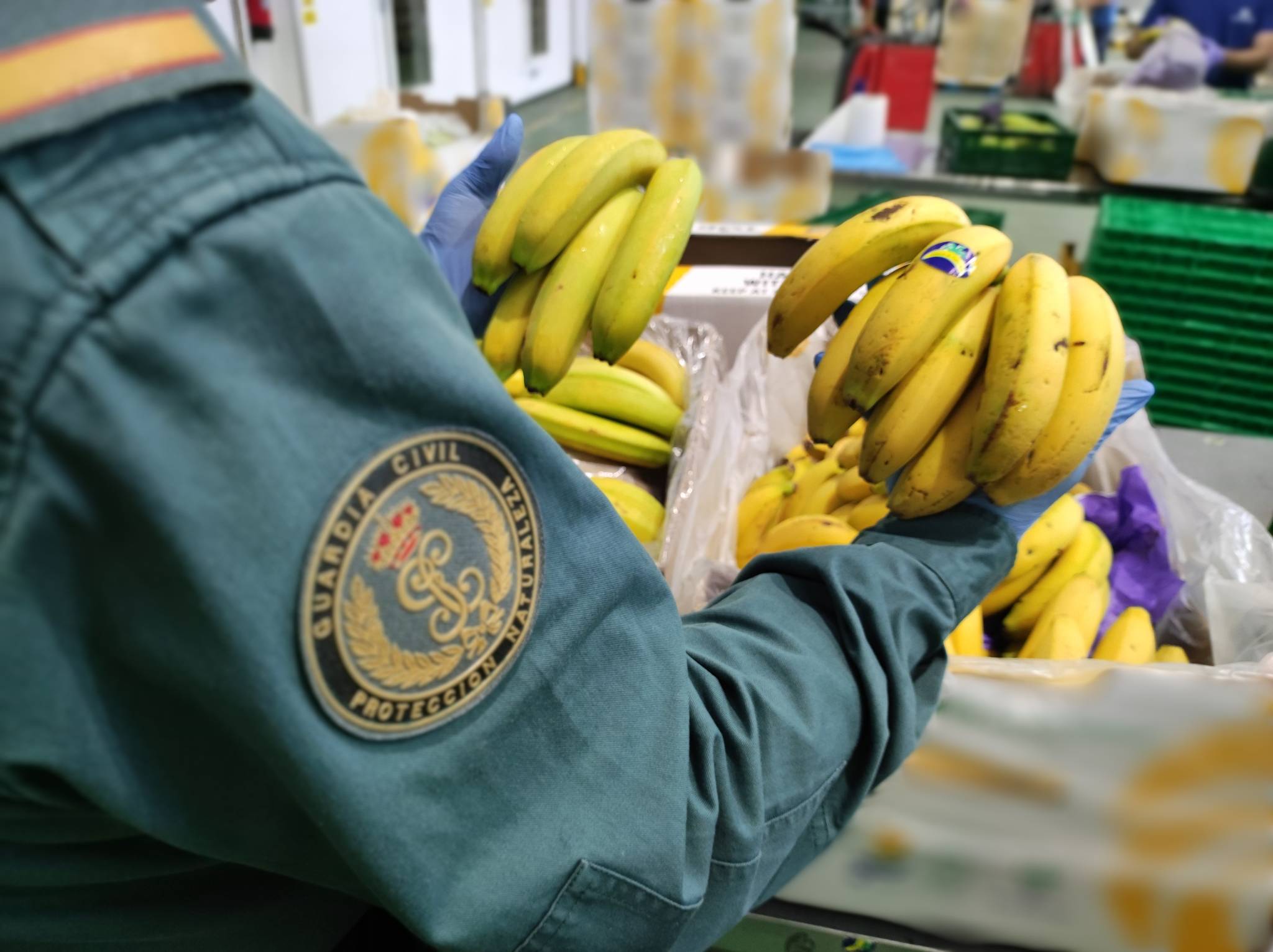
Overall, Operation OPSON XIV saw:631 individuals reported to judicial authorities;101 arrest warrants issued;13 organised crime groups disrupted;goods worth around EUR 95 million seized;31 165 checks and inspections performed. Expired goods reinserted into supply chainOne of the main trends identified this year was organised crime groups infiltrating waste disposal companies with the intent to get access to expired food awaiting destruction. The criminals then remove the original "best before" or expiration dates using solvents and print new, falsified dates on the packages. These relabelled products are then reintroduced into the supply chain. In terms of quality, they may not only be poor but often also pose a health risk, as seen in cases involving canned fish. As a criminal modus operandi, the practice of relabelling expired food is not entirely new, but its current scale is unprecedented.However, the range of fraud in the food and beverage sector is not only limited to reprinting false expiration dates. Counterfeiting of food and beverages and the abuse of geographical indications are amongst the most common fraudulent tactics. As far as counterfeit and wrongly designated foods are concerned, olive oil and wines featuring a protected designation of origin remain strongly affected types of products.In addition, authorities saw several instances of meat or meat products sold to restaurants or consumers despite having been stored in subpar conditions, or with slaughterers not respecting legal and necessary hygienic standards. Similar modi operandi were seen with seafood (e.g., bivalve molluscs), which was no longer suitable for consumer consumption but nevertheless sold.See a video below from the operation of an illegal slaughterhouse in PortugalChecks from raw material to final productFood and beverage fraud constitutes a significant and serious crime area in need of being tackled on a national as well as on an international level. Operation OPSON was established with the goal to protect public health and safety across the EU.The list of food and beverage items taken off market spans a wide range. Authorities seized staples such fruits, vegetables, poultry, meat, meat products and seafood. The list of food items also covers confectionary, fats and oils, with a special focus on olive oil. In addition, food supplements and additives were covered over the course of OPSON XIV.OPSON XIV operational highlights Europol coordinated OPSON XIV and supported many individual cases by deploying experts with a mobile office to action days. During these checks and raids, the experts on the spot could provide analytical and intelligence support to the national authorities. Moreover, Europol organised operational meetings for the spin-off cases. With hundreds of individual investigations and checks performed by police, customs and national food regulatory authorities in collaboration with private sector partners, more than a few stood out as examples to be highlighted in detail.ItalyAn investigation by the Carabinieri Anti-Adulteration and Public Health Units (Nuclei Antisofisticazione e Sanità dell’Arma dei Carabinieri, NAS) led to the issue of an arrest warrant for seven horse breeders and truck drivers. They were part of a criminal organisation operating in Umbria and Puglia, which clandestinely slaughtered horses treated with pharmaceuticals, posing a significant public health risk. Additionally, authorities discovered and seized a clandestine slaughter facility on a farm, along with a truck containing parts of illegally slaughtered animals.PortugalThe Economic and Food Safety Authority (Autoridade de Segurança Alimentar e Económica- ASAE) conducted an inspection in the northern part of the country, leading to the discovery and dismantling of an illegal slaughter operation. The site lacked proper technical, functional and hygienic conditions, while the meat from various animal species was distributed to restaurants and butchers without mandatory health inspections. This practice posed a significant risk to public health. As a result, criminal proceedings were initiated, and a suspect was arrested. Authorities seized 33 slaughtered animals, 159 sheep and goats, approximately 200 kg of offal, slaughtering instruments and two laptops. To ensure public safety, the slaughtered animals were sent to a legally approved subproduct processing unit to prevent their entry into the human food chain.SpainIn an operation published this summer, the Guardia Civil’s Nature Protection Service, the Portuguese Economic and Food Safety Authority as well as the Maritime Police, supported by Europol’s experts on environmental crime, dismantled a criminal network profiting from illegally harvested and contaminated clams. The operation resulted in 11 arrests and the seizure of over 7 tonnes of clams. Harvested from the River Tajo, the clams were distributed across Portugal, Spain, France, and Italy, posing significant health risks to consumers. Investigators estimate the criminal modus operandi generated up to EUR 2.5 million weekly profits. Apart from crimes such as environmental crime, money laundering, document fraud and health fraud, there are also elements of human trafficking and labour exploitation within the illegal fishing operation.In another operation, the Guardia Civil investigated a company that mislabelled bananas from Madeira as Canary Islands bananas with protected geographic indication. As this company used counterfeit customs documents for imports, this operation led to the investigation of an individual for alleged offenses related to geographical indications, market deception and document forgery. It was determined that approximately 2 000 tons of bananas were irregularly marketed as Canary Islands bananas.GeorgiaThe Investigation Service of the Ministry of Finance of Georgia uncovered a smuggling operation involving non-excised goods. Two non-Georgian citizens were detained for transporting large quantities of undeclared, non-excised alcoholic beverages, tobacco products and other goods across Georgia's customs border. They used false customs declarations and transferred the goods to another vehicle for further transportation and sale. The seized goods are valued at over EUR 73 000 (GEL 230 000).
Counterfeit and substandard food worth EUR 95 million seized in global operation