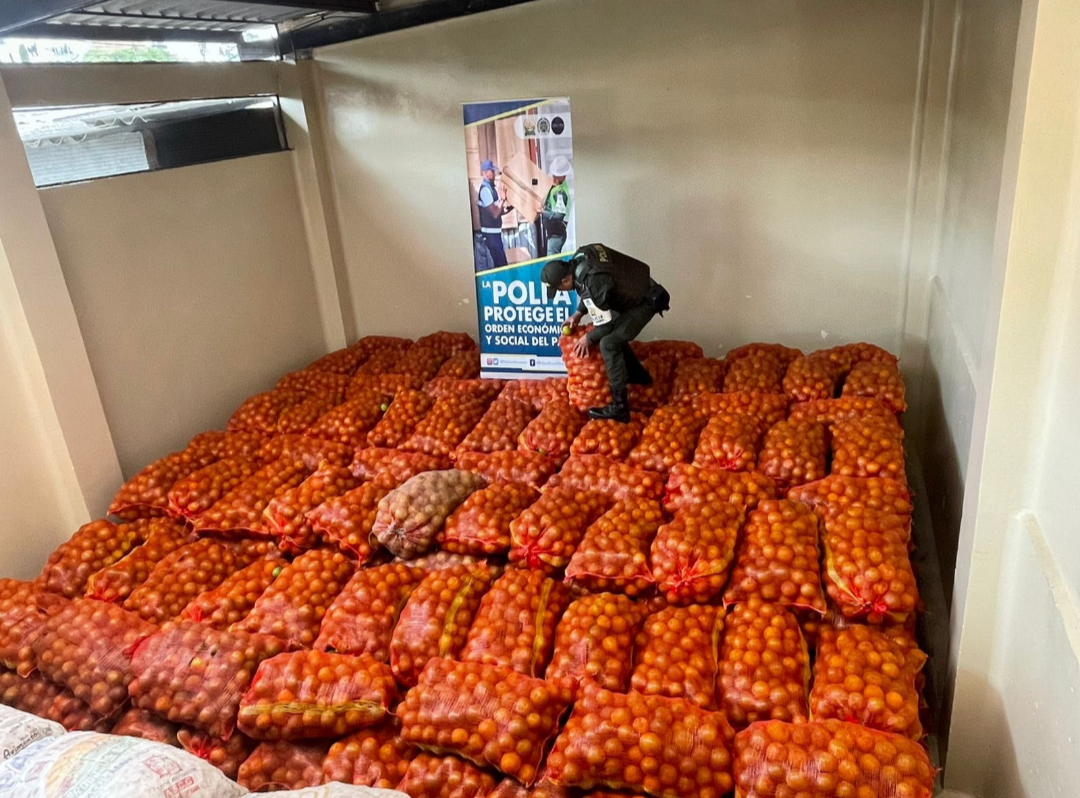
Operations against food fraud target criminal networks that can seriously harm consumer health and safety. From rotten tuna to fake vodka with methyl alcohol and counterfeit vitamins, illegal food and beverages are a serious threat to EU citizens, who are often unaware that they are consuming poisonous products. To detect criminal activities, the national authorities conducted checks in customs areas, in physical and online market places, and across the food supply chain. Operational actions focused on seafood fraud and conducted targeted actions on alcohol and wine.
Seizures and activities reported to Europol
26 800 tonnes of illicit products seized
15 million litres of alcoholic beverages
About 74 000 checks
80 arrest warrants
137 individuals reported to judicial authorities
175+ criminal cases opened
2 078 administrative cases opened
8 criminal networks disrupted
What are the main illegal products seized?
(in order of quantity)
Alcoholic beverages
Cereals, grains and derived products
Fruits/vegetables/legumes
Food supplements/additives
Sugar and sweet products
Meat and meat products
Seafood
Dairy products
Poultry products
Winemakers that faked it
The Italian NAS Carabinieri reported to the judicial authorities the owners of a winery who produced and marketed sophisticated and altered wine. The producers added water and sugar to some of the labels. To others, they added natural aromas, not corresponding to the quality of the wine advertised to the buyers. In some cases, they also declared a higher alcohol content than the actual one. The Italian authorities seized the winery, 11 motor vehicles and 1 million litres of wine.
A spicy smell of gardenia
The Spanish Civil Guard (Guardia Civil) dismantled a criminal network selling molecularly modified gardenia as the highly expensive saffron spice. The suspects imported the extract of gardenia from Asia. The national authorities investigated 3 companies, arrested 11 people and seized 10 000 kg of the gardenia extract, which – if sold as saffron – would have been worth about EUR 750 000. This case also highlights a growing phenomenon: more and more spices and condiments have been adulterated and trafficked recently.
Bad meat
The operational actions also targeted meat unfit for consumption. One action involved the Portuguese authority responsible for food safety and economic surveillance (Autoridade de Segurança Alimentar e Económica), which ran an operation against a clandestine slaughterhouse. The officers raided two homes suspected of being used as locations for the illegal slaughter and roasting of pigs. The actions resulted in the seizure of 60 piglet carcasses. The officers dismantled the sites, which had no license, poor hygiene conditions and no veterinary control – all of which are mandatory for such activities. Because the meat produced there could not be traced, it did not meet the minimum conditions for consumption. Other operations, which targeted the illegal meat trade, seized horse meat unfit for consumption, old meat to be reintroduced into the food supply chain and processed food with expired consumption dates.
Fresh or not
France, Italy and Switzerland carried out a sampling activity on fish. They were checking if the indication of ‘freshness’ declared on the label was ‘true’ or ‘fraudulent’.
The samples were collected and subsequently processed and analysed according to the standard operating procedure. The results provided fraud indicators, which will make future inspections more effective.
Europol’s Intellectual Property Crime Coordinated Coalition is co-funded by EUIPO to combat intellectual property crime.
Participating countries reporting to Europol
* Austria, Belgium, Bulgaria, Colombia, Croatia, Cyprus, Czechia, Denmark, Finland, France, Germany, Greece, Hungary, Ireland, Italy, Latvia, Lithuania, Luxembourg, Montenegro, Netherlands, Norway, Portugal, Romania, Slovenia, Spain, the United States.
Food fraud: about 27 000 tonnes off the shelves