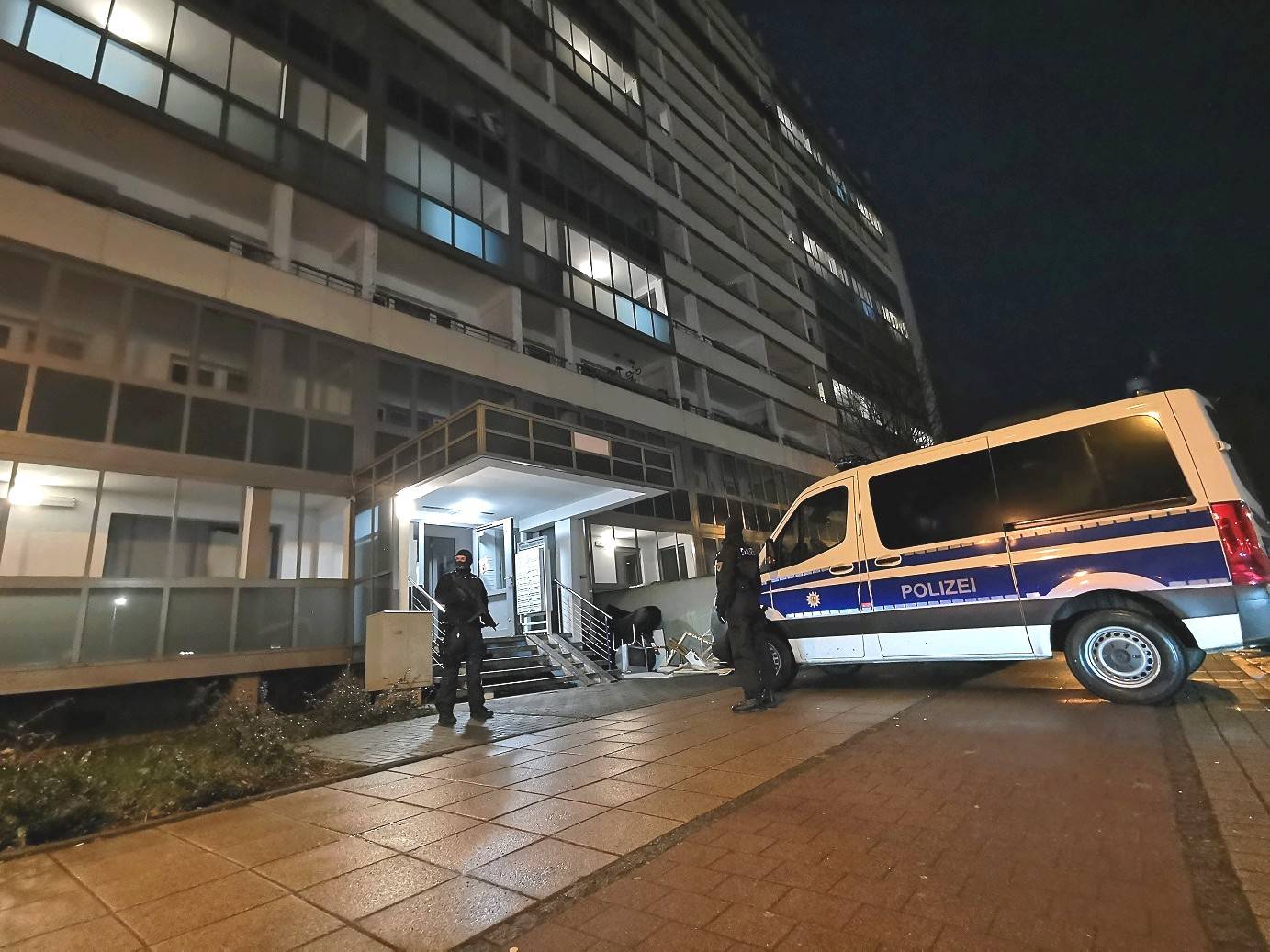
The criminal network, which has been active since 2020, predominantly consists of Syrian nationals. The suspects smuggled migrants mainly via flights from Athens to destinations in Germany. When the COVID-19 pandemic resulted in the limitation of flights, the criminals shifted their smuggling routes, opting for transportation via boat across the Mediterranean. The suspects used lookalike documents, taken from people they knew, to migrants mainly from Syrian origin. The network charged between EUR 3 500 and EUR 4 500 for each person they smuggled from Greece to their final destination in Western Europe.
Europol facilitated the exchange of information and provided analytical support. On the action day, Europol coordinated the police activities and crosschecked operational information against Europol’s databases in real time to provide leads to investigators in the field.
Headquartered in The Hague, the Netherlands, we support the 27 EU Member States in their fight against terrorism, cybercrime and other serious and organised forms of crime. We also work with many non-EU partner states and international organisations. From its various threat assessments to its intelligence-gathering and operational activities, Europol has the tools and resources it needs to do its part in making Europe safer.
A hit against criminal network smuggling migrants from Greece to Germany