Crime News

Europol Apr 9, 11:00

Welcome on board! Poland and Sweden join the Joint Cybercrime Action Taskforce to help fight this borderless threat

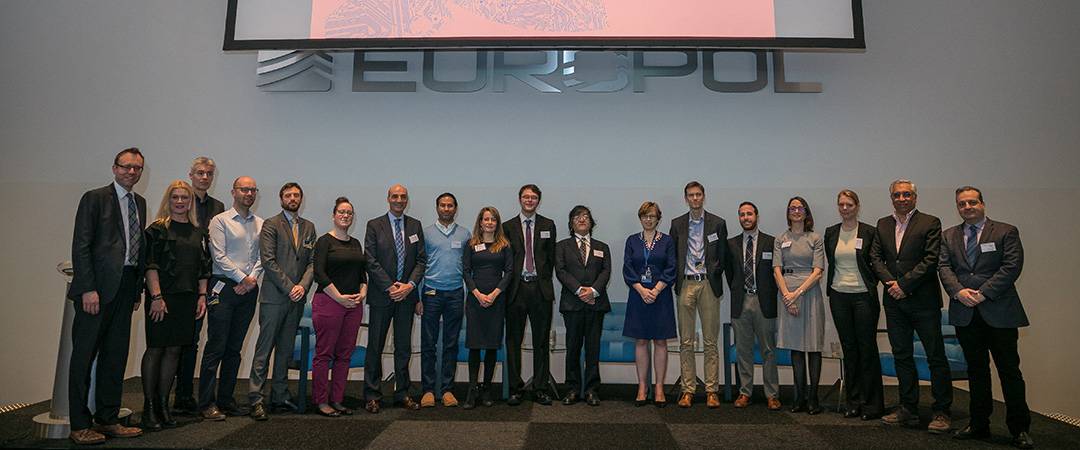
Today the J-CAT (Joint Cybercrime Action Taskforce) welcomed Poland as its newest member to strengthen the fight against cybercrime. In October 2018, Sweden was also accepted as a part of the Taskforce. Both members have officially deployed their cyber Liaison Officers to Europol to enhance further cooperation against cyber threats. The Taskforce is hosted within Europol’s European Cybercrime Centre (EC3) and comprises cyber liaison officers from 15 EU Member States and non-EU partners and 17 law enforcement agencies. The Taskforce is continuously growing and other countries have also expressed interest in the J-CAT Law Enforcement Attachment Scheme, a new initiative set up by J-CAT and EC3. The Scheme allows non-J-CAT countries with operational agreements with Europol to join the Taskforce temporarily to benefit from the J-CAT and EC3 platforms and if the case is of mutual interest. Key successes of 2018 Handling over 40 high profile cyber cases and holding numerous operational coordination meetings, the main objective of the J-CAT is to continue to enhance collaboration between law enforcement authorities and drive intelligence-led, coordinated actions to tackle major cybercrime threats and facilitate cross-border investigations by its partners. Notable successes include taking down the Luminosity-Link Remote Access Trojan, the webstresser platform and dismantling an organised crime group involved in banking fraud. Cybercrime knows no borders and remains a significant threat, which is why this type of stronger cooperation is necessary. Patrick Corder, Head of the Swedish Cybercrime Centre, said, "To answer the rapidly growing numbers of cybercrimes, Sweden is now joining the J-CAT. We look forward to contributing to the task force and being part of the important work to counter high-tech crime, online sexual exploitation of children and payment fraud. The combined effort of the countries involved, the constant support of EC3 and their allies in the private sector are all key components in a successful answer to the challenges posed by this complex, borderless criminality. Sweden is proud to be part of the J-CAT!" Mr Mariusz Lenczewski, Head of the Cybercrime Bureau of the Polish National Police Headquarters, stated: "Fighting against cybercrime every day becomes more and more difficult. Criminals resign of commonplace forms of offences and are using sophisticated methods more frequently to commit crimes in cyberspace. Only close international cooperation will allow law enforcement agencies to succeed in this difficult fight. We are happy that we could become a member of the J-CAT hosted by EC3 and undertake new challenges alongside specialised experts from around the world." Other J-CAT activities J-CAT-EC3 Roadshows: as part of the J-CAT strategy for 2018-2019, the J-CAT and EC3 have launched a pilot project to raise awareness and increase operational collaboration with regional and local cyber police units from the current J-CAT member countries. This is done through dedicated roadshows. Overall, two roadshows were held in December 2018 for Dutch cyber police and interested cyber prosecutors. In February 2019, a roadshow was held for the Swiss cyber police and cyber prosecutors, and in March 2019 the Norwegian cyber police benefited from the J-CAT roadshow. These events have already led to increased operational contributions to the EC3 and the J-CAT. The next roadshows will be in Germany and the UK. CEPOL webinars on the J-CAT: four webinars on J-CAT are planned for 2019 to raise awareness among law enforcement agencies about the Taskforce and how to cooperate with it. The first one was held in March in English, where close to 300 participants attended. The following three will be in German, French and Spanish over the coming months.
Read full story →
Europol Apr 9, 09:30

Terrorism evolving: insights from research to combat the threat

More than 250 experts from the public and private sector and academia will focus on topics linked to terrorism and its manifestations in Europe on 9 and 10 April 2019 at the third annual conference of the European Counter Terrorism Centre Advisory Network on terrorism and propaganda. In recent years, events outside Europe have had a significant impact on domestic extremist communities triggering an unprecedented number to travel to conflict zones and engage in violence abroad and at home upon their return. Mental health, social pressure or personal barriers: what does (or does not) make a person an extremist and what drives the radicalised individual to make the jump and become involved in violent extremism? The factors leading individuals to implicate themselves in terrorist organisations have become a major topic. Research can help us to better understand and ultimately counter and prevent homemade terrorism. The conference focuses on three main questions. How do geopolitics influence the development of terrorism? Changes outside Europe, be they on the political, military or ideological level, directly influence the security situation in Europe. But Europe also has its own history of terrorism and radicalisation to violence. What drives the extremist to become a terrorist? Often the borders between extremism and terrorism are difficult to define. Extremist communities, online and offline, evolve at the same time creating and being shaped by particular narratives and offering different roles for their members. However, if only a small proportion of European extremists turn to terrorism, what exactly triggers the transition from extremism to terrorism? In addition, the line between lone actor terrorist attacks and violent incidents by mentally ill individuals is increasingly blurred. How to tackle terrorist content online? With the increase of removals of terrorist content from the internet, online terrorist communities seek out new, less patrolled platforms. This challenges the monitoring and drives the constant adjustment of the monitoring strategies. Public-private partnerships are crucial to combating online terrorist content and develop advanced technology for detecting and removing of terrorist content. The respect of privacy in all this is extremely important to maintain the public’s trust and avoid creating new grievances. Sharing knowledge and capabilities is essential to effectively combating terrorism. To counter the constant evolution of the terrorist threat, Europol has initiated a close collaboration between law enforcement experts, the private sector and academia through the creation of the European Counter Terrorism Centre Advisory Network on terrorism and propaganda in 2016. This close collaboration contributes to better knowing and responding to rapidly shifting threats to public security. The work of the network has already resulted in the publishing of eight research papers presented during the first two conferences of the network.
Read full story →
Europol Apr 8, 15:04

Final whistle for an illegal sports betting network in Portugal

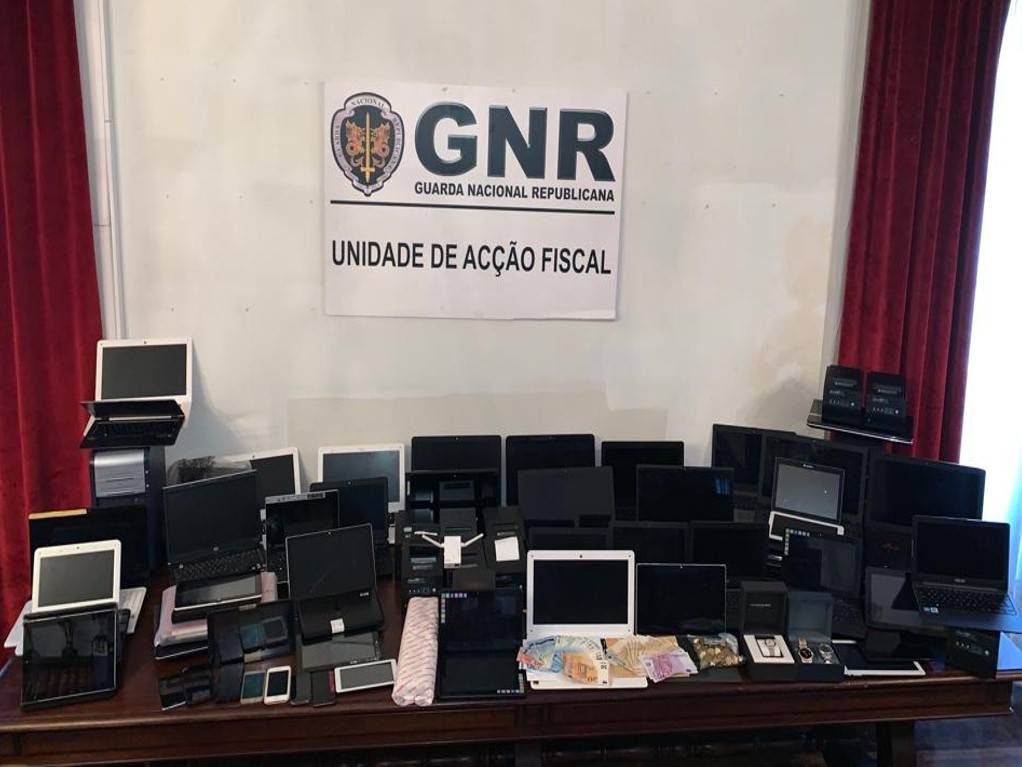
On Thursday 4 April, the Fiscal Action Unit of the Portuguese Republican National Guard (Guarda Nacional Republicana, GNR) carried out a successful operation against an illegal sports betting network based in Portugal. The GNR seized assets of more than €1 million on the action day, which was coined operation Showdown. Operation Showdown in numbers 41 houses searched in Braga, Porto and Vianna do Castelo 9 suspects arrested 50 motor vehicles confiscated with an estimated value of over €1 million More than 80 computers and devices and 7 gambling machines seized The crime group was taken down for illicit online gambling, forming a criminal association and tax fraud. Europol supported the operation by providing analytical support, organising and funding operational meetings between the involved countries and by deploying one of its mobile offices to the city of Porto during the operation. Given the transnational dimension of the investigation, the operation not only involved Europol but also Eurojust to coordinate international judicial cooperation.
Read full story →
Europol Apr 5, 14:52

Europol and MRC Europe join forces in the fight against e-commerce fraud

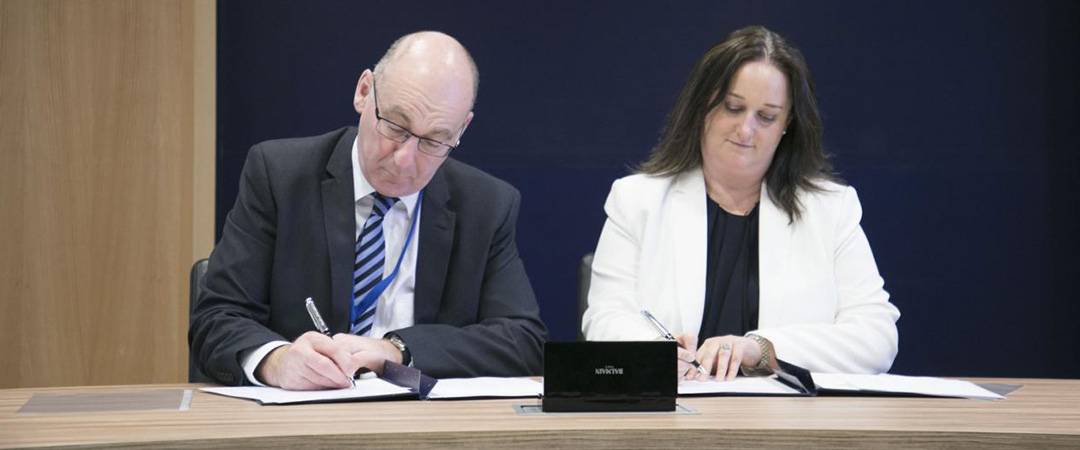
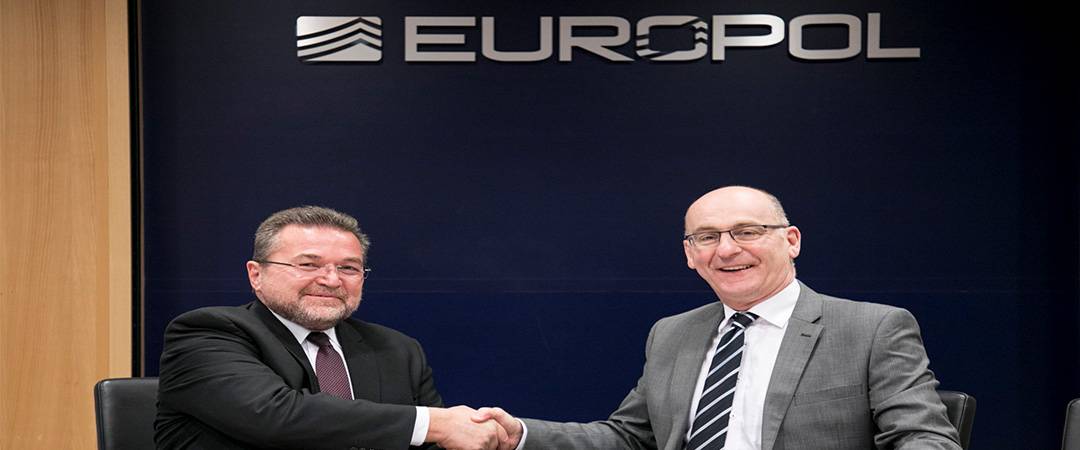
Today, Europol’s European Cybercrime Centre (EC3) signed a Memorandum of Understanding (MoU) with the European Merchant Risk Council (MRC Europe), an independent and not-for-profit business association engaged in fighting e-commerce fraud in Europe. The MoU was signed by Una Dillon, Managing Director of MRC Europe and the Head of EC3, Steven Wilson, at the Europol headquarters in The Hague. MRC Europe is a close partner of EC3 in taking action against e-commerce fraud in the European market landscape. As such, MRC Europe is a key stakeholder in the recurrent Europol e-Commerce Action, an international EMPACT operation targeting fraudsters and serious organised crime groups with the help of national competent authorities, as well as MRC’s network of 535 e-merchants. “An excellent platform to facilitate cooperation with hundreds of private sector partners in Europe” On signing the agreement, Steven Wilson commented “Partners like the Merchant Risk Council provide an excellent platform to facilitate cooperation with hundreds of private sector partners in Europe in the fight against serious organised crime groups. Combined with EC3’s network of law enforcement partners this MOU with the MRC is an important step forward to protecting the citizens of Europe.” Una Dillon said "The signing of this Memorandum of Understanding today further strengthens this relationship. Over the past ten years, e-commerce fraud has become increasingly sophisticated and our working relationship with Europol is of great strategic importance to both the public and private sector in helping to reduce and prevent this crime."
Read full story →
Europol Apr 5, 14:00

More than 60 arrested in series of police actions against Albanian mafia

With the support of Europol, 64 members of an Albanian-speaking organised crime network were arrested between 3-5 April during a simultaneous operation carried out in Belgium, France, the Netherlands and Italy and which saw the involvement of some 600 law enforcement officers. The suspects are believed to have been illegally producing and trafficking drugs, with links to trafficking in human beings, prostitution and money laundering. This sting follows a complex investigation looking into the activities of this organised crime group operating in Belgium, France, the Netherlands, Italy and the UK. The suspects are believed to have been managing at least a dozen cannabis plantations distributed across Belgium and in the north of France. Some of the same suspects were also involved in a case of trafficking of human beings in France. 55 individuals were arrested in Belgium, including the leaders of the OGG, 7 in the Netherlands and a further 2 in France in this investigation led by the Belgian Police Fédérale (Federal Police) in cooperation with the French Gendarmerie Nationale (National Gendarmerie), the Dutch Politie (National Police), the Italian Direzione Investigativa Antimafia (Anti-Mafia Investigation Directorate) and the British Metropolitan Police.  Europol supported the investigation from the outset by facilitating the exchange of information. On the action day, six Europol experts were deployed on-the-spot in Belgium, France and the Netherlands to allow for the real-time exchange of information, cross-checks of the data gathered in the course of the action against Europol’s databases, as well as providing technical support when dismantling the drugs production sites as well as forensic support, extracting 14 mobile devices seized. To this day, this operation has resulted in 39 premises searches, the dismantlement  of 15 indoor cannabis plantations and seizure of: 8255 cannabis plants; Around € 100.000 in cash and gold; 4 luxury vehicles; 63 electronic devices. This investigation is part of the Italian Direzione Investigativa Antimafia Project ONNET, an EU-financed initiative to tackle mafia-type organised crime groups active in Europe. The project was launched last November at Europol’s headquarters and comprises 6 Member States (Italy, Belgium, France, Germany, the Netherlands and Spain) and Europol. Project ONNET targets the mafia-style criminal groups in their entirety, rather than one or more of their specific criminal activities.  Albanian organised crime continues to remain a concern for countries across Europe, a threat which Europol takes very seriously. Back in March, experts on Albanian speaking organised crime convened at Europol’s headquarters in The Hague to discuss ways to better tackle these poly-criminal violent mafia-type clans. Further operations of this type are expected to take place in the near future as law enforcement ramps its response to this criminality.
Read full story →
Europol Mar 30, 10:00

Spanish euro counterfeit print-shop busted

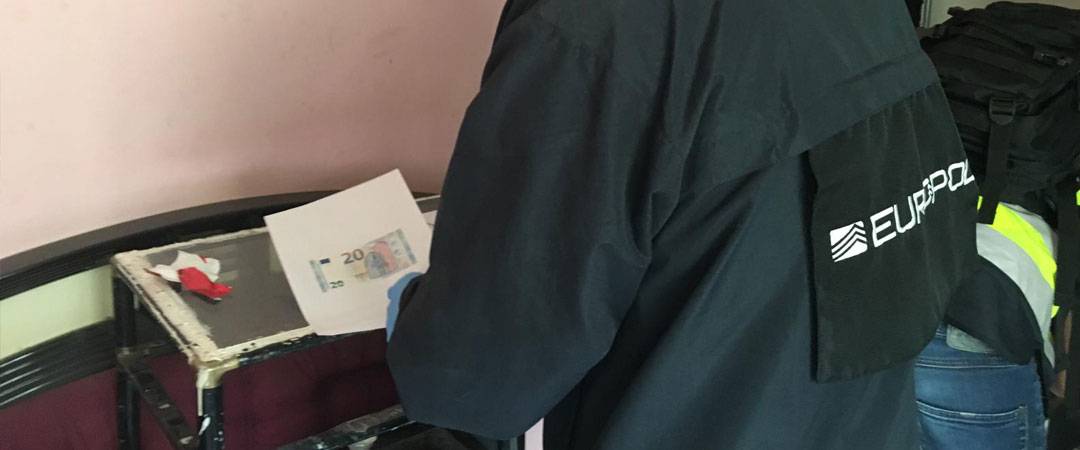
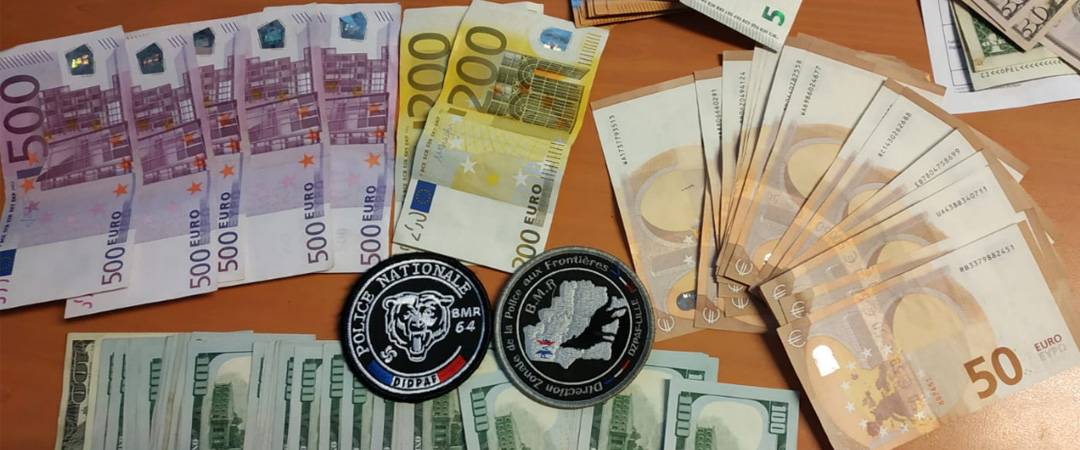
The Spanish National Police (Policía Nacional) have dismantled the most active counterfeit euro print shop in Spain with the support of Europol. The specialised crime ring, based in Tenerife, manufactured fake banknotes in 10 and 20 euro denominations, earning the gang around €7 500 every month. Four arrests and €15 500 in counterfeit banknotes seized Operation Malla began in July 2018 when investigators from the Brigade of Investigation of the Bank of Spain noted a significant increase in fake €10 banknotes in the Tenerife, Spain. The criminals circulated the money as legal currency exploiting all kinds of businesses in the Canary Islands, as the owners did not notice it was fake. The investigators noticed that the euro counterfeit banknotes produced by the criminal network was not only circulated in Spain, but also across Europe. On the day of the operation police arrested the four individuals responsible for producing the fake banknotes and carried out one house search in Tenerife, where a print shop producing fake €10 and €20 banknotes and ID cards was dismantled. A variety of printing equipment such as inkjet printers, computers, and the inks and paper needed to create the counterfeit banknotes was seized.In total, €15 500 in counterfeit banknotes (in 10 and 20 denominations) were confiscated: €9 000 during the search in Tenerife and €6 500 in circulation. Europol: the European Union's Central Office for Combating Euro Counterfeiting Europol supported this operation by providing financial, technical and analytical support from the beginning and deploying a mobile office on the action day for on-the-spot support. As the European Union's Central Office for Combating Euro Counterfeiting, Europol facilitates the exchange of information and provides expertise, criminal and forensic analysis, training, financial and technical support to law enforcement agencies inside and outside the European Union.   Watch the video
Read full story →
Europol Mar 29, 10:00

Italy Organises First National Victim Identification Taskforce

The Italian Postal and Communications Police (Polizia Postale e delle Comunicazioni) with the support of Europol’s European Cybercrime Centre (EC3) hosted the first Victim Identification Taskforce (VIDTF) workshop at the Criminal Police Central Directorate in Italy. The aim of the workshop was to enhance cooperation at national and international level when identifying child sexual abuse victims and perpetrators. It was the first time that an EU Member State organised a national VIDTF workshop with the support of Europol. Postal and Communications Police brought together 25 specialists in Rome from both regional departments and the Central Service of Postal and Communications Police. For 11 sets of images analysed during this workshop depicting 6 victims, the specialists were able to determine the likely countries of production. These countries were informed and started investigations to identify perpetrators and safeguard the victims. The specialists used a specific collaborative approach, analysing together over 224 000 images and videos targeted for this event, along with criminal intelligence, to find and exploit vital clues. More than 100 specific sets of analysed data have been uploaded to the International Child Sexual Exploitation Database (ICSE) hosted at Interpol. This allows investigators with access to ICSE to contribute to further investigative efforts. Identifying victims of child sexual exploitation and abuse is a priority for police services across the world. Child victims are re-victimised when their abusers record the crimes, and even further when these recordings are disseminated online across the globe. Law Enforcement’s efforts are challenged by the huge and increasing amount of child abuse material circulated online and by the technical resources available to hide the criminal traces and identities of both victims and perpetrators. Moreover, the number of children being sexually exploited is rising, as the offenders often organised in criminal networks are increasingly disseminating online child sexual abuse material depicting new victims. By gathering and coordinating a group of national specialists in victim identification, the rollout of the national VIDTF in Italy aims to develop tactics and investigative techniques that can be implemented across the country, so that children victims of this heinous crime will have a better chance of being identified and safeguarded.
Read full story →
Europol Mar 27, 13:00

Europol Teams up with Industry Experts to Combat Phishing

From 26 March to 27 March, Europol hosted a joint meeting of the EC3 Advisory Groups on Financial Services, Internet Security and Communication Providers, gathering 70 industry representatives to discuss the cyber-threat of phishing. Over the course of two days, global financial institutions, internet security companies and telecommunications providers shared insights into how phishing affects their respective industries and what can be done together with law enforcement to combat this type of cybercrime. The Joint Advisory Group meeting featured keynotes on phishing and machine learning and on business email compromise (BEC), as well as group discussions on potential solutions to this problem. Focusing on technical, operational and awareness-related solutions to mitigate phishing, law enforcement and industry experts came up with a number of recommendations and conclusions on what can be done collectively: Improve information-sharing across industries, as well as with law enforcement and other relevant public sector organisations; Implement the basics: secure authentication, domain blacklisting and blocking of common exploits; Train and educate users on a permanent basis, and not as a one-time effort; Embrace innovation such as machine learning to automatically detect phishing emails; Regularly review anti-phishing measures to keep up to date with ever-evolving criminal MOs.  On the basis of these conclusions, further guidance and recommendations will be published at a later stage this year, outlining the problem of phishing and possible mitigation measures from a law enforcement-centric perspective. Steven Wilson, Head of the European Cybercrime Centre, said: “Phishing is the engine and enabler of many cybercrimes, and can be used to cause significant harm to European citizens and their organisations. Only by working closely and across key industries with some of the leading experts in their field, can we ensure that we are able to counter this threat and keep the EU safe.” “Phishing is a persistent threat to data protection, used by everyone from entry-level criminals to sophisticated nation-state adversaries. This Europol cross-industry forum is a one-of-a-kind gathering of Advisory Groups from Internet Security, Banking, and Infrastructure to enhance awareness and share cybersecurity best practices.”, said Drew Bagley, VP & Counsel, Privacy & Cyber Policy at Crowdstrike. Bruce Nikkel, Director of Cybercrime Intelligence & Forensic Investigation at UBS, as well as Chairman of the European FI-ISAC, said: “Europol is a leader in leveraging private sector engagement to help fight cybercrime. This is demonstrated in the great success of EC3’s Advisory Groups which facilitate the sharing of new criminal trends observed by industry. Public-private partnerships like this ultimately improve the safety and security of our society.” EC3 established the Advisory Groups on Financial Services, Internet Security and Communication Providers to foster trust and cooperation between key private sector industries and law enforcement in their joint fight against cybercrime. They meet separately three times a year at Europol’s headquarters in The Hague to share strategic information related to cybercrime threats and trends in their respective business areas, as well as to agree on joint initiatives alongside law enforcement. A current list of members can be found here.  
Read full story →
Europol Mar 27, 09:00

Haulier in Spain caught cheating emission regulations designed to prevent air pollution

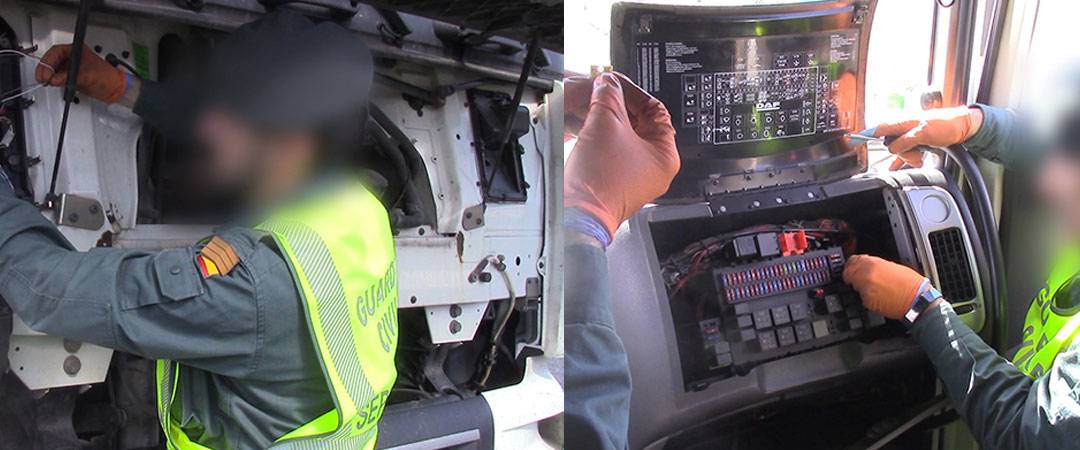
A road haulage company based in Madrid is under investigation by the Spanish Guardia Civil (Civil Guard), and four people have been arrested, after roadside checks uncovered high levels of use of cheat devices which disable pollution control system on lorries. 30 diesel vehicles from that company were caught with such cheat devices – called emulators. Adblue is an additive which converts harmful nitrogen oxide from a diesel vehicle exhaust into harmless nitrogen and water steam. This process considerably reduces the emission of nitrogen oxide, which is a major source of air pollution. The emulators work by tricking the lorry’s electronic system into “thinking” that the selective catalytic reduction (SCR) control system is functioning correctly, when in reality it is not functioning at all. Operators using these devices do not have to bear the cost of purchasing Adblue fluid or maintaining the complex SCR system on their vehicles. These emulators however allows the lorries to produce unregulated amounts of harmful nitrogen oxides well above the safe level. Initiated over a year ago by a regional unit of SEPRONA, this investigation was made possible thanks to the collaboration between the Spanish Guardia Civil, Europol, transport companies, lorry manufacturers and Adblue.  Intelligence uncovered during this investigation has been passed on to Europol as several connections were made with France and the United Kingdom.        
Read full story →
Europol Mar 26, 14:00

Global law enforcement action against vendors and buyers on the dark web

Law enforcement from Europe, Canada and the United States joined forces early 2019 to target vendors and buyers of illegal goods on dark web marketplaces. During the course of this operation, international law enforcement agencies made 61 arrests and shut down 50 dark web accounts used for illegal activity. Law enforcement executed 65 search warrants, seizing 299,5 kg of drugs, 51 firearms, and over €6,2 million (almost €4 million in cryptocurrency, €2,2 million in cash, and €35 000 in gold). They also conducted 122 interviews. By coordinating efforts and acting simultaneously, a strong signal has been sent to those active in selling and buying drugs, counterfeit goods, firearms, etc. on the dark web. This coordinated hit shows that if you are conducting illegal activities on the dark web, you can and will be tracked down by law enforcement. The dark web is a part of the internet that is only accessible through special software such as Tor (The Onion Router). While it provides a safe environment for personal privacy and freedom, it is also a fertile environment for criminals and individual illegal activities. Investigating these illegal activities online has become a priority for law enforcement all over the world. While you may have a higher level of anonymity on the dark web, you still have an identity; dark web applications are not an invisibility cloak or an immunity vaccine against the law. Cyber Patrol Action Week These global actions were launched during last year’s Cyber Patrol Action Week at Europol’s headquarters in The Hague. Between 2 and 5 July 2018, the second coordinated action week brought together a diverse group of online investigators and subject matter experts to patrol the surface web and dark web. Overall, 60 experts from 19 countries1, Eurojust and Europol looked for the illegal sale and signs of counterfeit goods and money, drugs, cybercrime, document fraud, non-cash payment fraud, trafficking in human beings and trafficking in firearms and explosives. The experts identified 247 high-value targets and developed intelligence packages that were disseminated to the concerned countries for further handling. Based on this information, hundreds of investigations are currently underway. Today we can already announce some results of recent law enforcement successes. Police and customs authorities in Germany have started investigations against 39 dark web users who were active on 21 different dark web markets. The 19 vendors and 20 buyers were trading illicit goods such as narcotics, firearms, counterfeit money, documents and pharmaceuticals and child sexual abuse material. These investigations are currently still ongoing. On 13 February, as part of a larger investigation, the State Police of Saxony-Anhalt and the Prosecutors Office of Halle arrested several suspects of drugs trafficking. They were selling their merchandise via the dark web. This led to the seizure of 36 kg of marijuana, amphetamines, cocaine and ecstasy tablets and packaging material and firearms. Large amounts of cash and cryptocurrencies were also seized. On 1 February 2019, in a joint operation, the German Public Prosecutor’s Office in Münster, the German Customs’ Investigation Office, the Dutch Specialised Prosecution Office for Fraud and Environmental Crime in Zwolle and the Dutch Fiscal Intelligence and Investigation Service  dismantled an organised crime group involved in international drug trafficking and money laundering. The suspects in the Netherlands prepared parcels or envelopes with drugs, which were sent to Germany. The perpetrators in Germany used various mailboxes and post offices to ship the packages on to recipients around the world. The orders were made online through the dark web, using cryptocurrency. In November 2018, the Austrian Federal Criminal Police Office (Bundeskriminalamt, .BK), special intervention units Cobra and Wega and the Vienna State Criminal Police Office arrested young men living a luxurious lifestyle, suspected of selling over 1 800 parcels of cocaine, heroin, amphetamine, methamphetamine and cannabis to customers all over the world, under the name Pablos Kitchen. The drugs were ordered through a dark web market and then sent by post. Considerable amounts of cash and drugs were seized during the house searches. A few weeks later, in December 2018, a group of Serbian perpetrators was halted who had been selling ecstasy tablets from Vienna to the US and Europe for almost ten years. The investigation revealed the main suspect received the profits of the dark web shop in the form of virtual currencies for almost €13 million. In total, 91 000 tablets were seized during the arrest of the main suspect. The Portuguese Judiciary Police have opened 13 new investigations which have led to five arrests and nine house searches so far. Ecstasy tablets, raw MDMA and LSD stamps and dark web market account details were also discovered. French Customs (Direction générale des douanes et droits indirects) was able to identify a vendor of firearms and 9 mm ammunition on a French dark web marketplace. Further investigations, as well as information received from Europol, led to the identification of the user. The perpetrator admitted to having sold between 350 and 400 9 mm cartridges. Several US agencies (FBI, DEA, HSI, CBP, USPIS, DOJ, DOD), with the support of Europol, conducted Operation SaboTor, a coordinated international effort targeting dark web drug trafficking organisations operating on the dark web. The operation aimed to detect and disrupt the most prolific opioid vendors on the dark web and dismantle the criminal enterprises facilitating their opioid trafficking. This was the second coordinated action of J-CODE, the Joint Criminal Opioid and Darknet Enforcement team. Europol’s Executive Director, Catherine De Bolle, commented: “The dark web is not as dark as you think. When you buy or sell illegal goods online, you are not hidden from law enforcement and you are putting yourself in danger. This international coordinated approach demonstrates law enforcement’s determination to tackle crime on the dark web and to reduce the number of people who fall victim to criminals selling life endangering products or scamming them for their own gain.” Perception versus reality Do you access hidden services on the dark web because you want to buy illegal goods anonymously? Then you should know that the risks are actually higher than those on the surface web. What actually happens after pressing the buy button from the comfort of your own home?  You expose your sensitive data to scammers who are only after your money and your personal details. You expose your device to some of the most damaging malware around. You may receive counterfeited products or nothing at all: drugs that could kill you, malfunctioning weapons, or cybercrime services that work against you. If you fall victim to a scam on the dark web, you have no one to turn to. Criminals don’t have a customer service department. Your usual digital consumer rights do not apply on the dark web. Dark web criminals know more about you than you know about them when you place an order. You give them personal information, while they remain hidden behind avatars. Any dispute can put your life in danger. In 2010 the EU set up a four-year Policy Cycle to ensure greater continuity in the fight against serious international and organised crime. In March 2017 the Council of the EU decided to continue the EU Policy Cycle for organised and serious international crime for the 2018 - 2021 period. This multiannual Policy Cycle aims to tackle the most significant threats posed by organised and serious international crime to the EU in a coherent and methodological manner. This is achieved by improving and strengthening cooperation between the relevant services of EU Member States, institutions and agencies, as well as non-EU countries and organisations, including the private sector where relevant. Cybercrime is one of the priorities for the Policy Cycle and the Cyber Patrol was delivered under this framework. 1Austria, Belgium, Canada, Czech Republic, Finland, France, Germany, Greece, Hungary Italy, Latvia, the Netherlands, Poland, Portugal, Romania, Spain, Sweden, the United Kingdom, the United States.
Read full story →
Europol Mar 26, 12:00

No money for terror

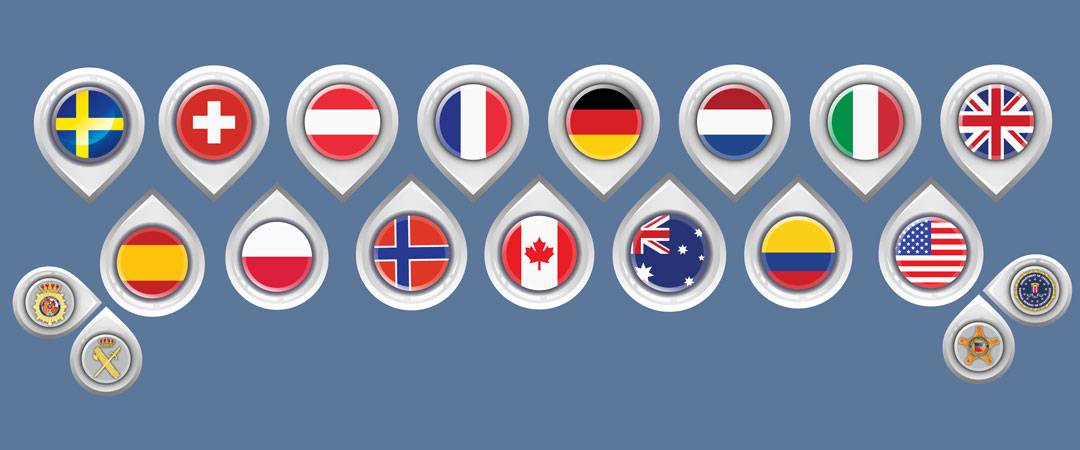
The conference is part of a two-year project coined BeCaNet (best practice, capacity building and networking initiative among public and private actors against terrorism financing). The BeCaNet initiative brings together public and private players and is directed by the German Federal Criminal Police (Bundeskriminalamt, BKA). Official partners of BeCaNet are the police state security units from France (Sous-Direction Anti-Terroriste, SDAT), the Spanish National Police (Comisaría General de Información, CGI), the United States Federal Bureau of Investigation (FBI) and Europol. Reflecting the complexity and importance of the topic of terrorism financing and looking for professional and flexible responses and solutions, the project brings together expertise from counter terrorism and financial intelligence. The event provided the participants with the opportunity to join two workshops: the first was led by a global money service business and focused on the possibilities and benefits of cooperating with the public sector. The second workshop was led by the project coordinator BKA and dealt with challenges in CTF investigations. Lively discussions demonstrated the dedication of the participants in enhancing the work in the field. The operational focus during the final day showcased real case examples and raised relevant issues, such as the risks associated with NGOs and charitable organisations and disentangling the funds flowing towards conflict or war zones. The relevance of the misuse of the informal value transfer services lies in the fact that criminal threats in money laundering, human trafficking and migrant smugglings as well as terror financing overlap. In addition, the experts noted the misuse of new payment methods and virtual currencies by the terror-support systems, as well as the misuse of social media platforms for propaganda with a high level of sophistication. The development of the two-year-long BeCaNet project will continue further with dedicated workshops and training sessions on financial data analysis for counter terrorism financial investigators. Seven one-week training sessions will support more than 100 CTF investigators and analysts to improve their analytical skills and thinking to better investigate CTF cases. In 2020, a follow-up conference will focus on public-private cooperation in the fight against terrorism financing. The BeCaNet project is funded by the European Union’s Internal Security Fund – Police. The content of this press release represents the views of the author only and is his/her sole responsibility for use that may be made of the information it contains. About Europol To ensure an effective response to the challenges of international terrorism, Europol created the European Counter Terrorism Centre (ECTC), an operations centre and hub of expertise that reflects the growing need for the EU to strengthen its response to terror. The ECTC is designed as a central hub in the EU in the fight against terrorism and provides operational support for investigations.The Financial Intelligence Unit within Europol has a broad mandate in the area of supporting investigations in the area of organised crime, cybercrime and terrorism with financial intelligence information. It also provides Member States with intelligence and forensic support to prevent and combat international money laundering activities, counter-financing of terrorism and support recovery of the proceeds of crime.
Read full story →
Europol Mar 25, 14:30

Operation Burza: Polish law enforcement detains transnational crime group.

A cross-border crime group smuggled drugs from Spain to Germany and the UK and from Poland to Norway and Sweden. Over several years, the group managed to smuggle up to four tons of narcotic substances and psychotropic drugs across Europe. Officers of the Polish Central Bureau of Investigation brought down the crime group, with support from law enforcement officers from the Netherlands, Norway and Sweden, coordinated by Europol. The joint law enforcement operation stopped the smuggling of nearly 800 kg of hashish and 50 kg of cocaine. Thirteen people have been detained by the National Prosecutor's Office in Poland. The operation to take down the criminals required extensive international coordination: officers from the Central Bureau of Investigation in Gdansk, Poland, supported by officers from the Maritime Border Guard Department in Gdansk, from Norwegian and Swedish Customs Services, as well as law enforcement from the Netherlands, Norway and Sweden, worked together on the case for three years. This cross-border investigation coordinated by Europol revealed that since 2013 the group had smuggled nearly four tons of hashish, marijuana and cocaine from Italy and Spain to Denmark, Germany, Latvia, Norway, Poland, Sweden and the United Kingdom. Centralising the investigation Over the last three years, law enforcement confiscated several hundred kilos of drugs from the crime group, including 390 kg of hashish in Norway, 355 kg of hashish in Sweden, 50 kg of cocaine in the Netherlands and 50 kg of hashish in Poland. The cases from these countries were combined into one investigation and led by officers from the Central Bureau of Investigation in Gdansk, with prosecutors from the Pomeranian Branch of the Department of Organised Crime and Corruption of the National Prosecutor's Office in Gdansk. Europol coordinated the operational activities from the very beginning and supported the investigation in both EU and non-EU countries with analysis, operational meetings, mobile office and preparing the action days.
Read full story →
Europol Mar 25, 13:00

A look back at the European Migrant Smuggling Centre activities in 2018

At times of reduced migration flows at EU external borders, the facilitation of illegal immigration within the EU poses a particular growing challenge. Law enforcement agencies across Europe also have to cope with increasingly exploitative criminal activities, associated with violence and serious harm to the life of irregular migrants. These are some of the findings of the European Migrant Smuggling Centre (EMSC)’s Annual Activity Report, released today on the occasion of the Annual Conference of Heads of Counter Migrant Smuggling Units, hosted by Europol at its headquarters in The Hague. The European Union continues to be a target for migrant smuggling services. This is reflected in the increasing number of cross-border criminal investigation supported by the EMSC’s – more than 5 258 new cases in 2018 alone. Europol’s Executive Director, Catherine de Bolle, said: “The growing number of victims should worry us all and be a sign that the fight against this heinous form of crime needs to continue. Europol as the EU criminal information hub meets the need for cooperation and for sharing information within EU agencies as well as with the countries of destination, origin and transit affected by illegal migration”.  EMSC – 2018 at a glance The EMSC third year activity report details how 26 215 operational messages were submitted to the Centre via Europol’s secure communication network SIENA. These messages contained data on over 42 790 items serving to identify migrant smugglers and traffickers, helping launch 5 258 new international investigations. The EMSC’s 49 experts helped Member States law enforcement agencies in tackling criminal networks during 53 Action Days on the ground, leading to more than 600 arrested suspects of migrant smuggling in 2018. Intelligence picture Hand in hand with the specialists and analysts providing direct support to Member States’ investigations, the EMSC delivered throughout the year strategic intelligence reports on migrant smuggling and human trafficking trends and modi operandi. This year’s activity report reveals that: Facilitated secondary movements gained significance specifically along the Balkan routes and across the English Channel, with France gaining in importance as a destination country. Migrants hidden in concealments of cars, vans or lorries remains the most common modus operandi. More than 6,600 detections of irregular migrants in vehicles via the Balkans have been reported to Europol in 2018; almost 80% were hidden in concealments or transported with in high-risk circumstances. Intra-Schengen flights to Northern EU countries by use of fraudulent document remains a frequently used modus operandi, with a steady increase in the number of migrants attempting to move directly from Greece to other parts of the EU’s Schengen area by using air routes, especially during the holiday season. Misuse of asylum procedures have been increasingly detected by EU Member States; irregular migrants are, usually in an organised manner, taking advantage of the freedom of movement that comes with the status of recognised refugee and leave reception centres to move to other (EU) countries. Visa free schemes or simple visa procedures between EU neighbouring countries and third countries may contribute to a rise of numbers of irregular migrants and victims of human trafficking. The introduction of the EU visa-free regime in June 2017 for Ukrainians did have an effect and is likely to further increase the number of trafficking from Ukraine as well as from Vietnam as it is an important transit country for Vietnamese migrants. Europol receives regular notifications of children being sold to criminal networks by their families for trafficking purposes. In some cases, they engage directly in the trafficking and exploitation of their own children. Female suspects play a key role in the trafficking and exploitation of minors, much more than in criminal networks that traffic adult victims. The need for tackling OCGs and their callous and inhuman business is higher than ever. Europol’s EMSC will keep on gathering relevant intelligence and provide agile and tailor-made operational support to Member States' investigations and to connect and coordinate among law enforcement agencies. Read the full report here: EMSC 3rd ANNUAL ACTIVITY REPORT – 2018
Read full story →
Europol Mar 21, 10:00

Hold the phone! The threats lurking behind a missed call and other forms of telecom fraud

As our society evolves, so does our reliance on telecommunications technology. Cybercriminals prey on our daily use of electronic devices and continuously seek out new ways to exploit vulnerabilities and access information. Cooperation and information-sharing between law enforcement and the private sector has therefore become essential in the fight against these types of crime. One example of this collaboration is the joint Cyber-Telecom Crime Report 2019, published by Europol and Trend Micro today. The report gives an overview of how telecom fraud works and serves as a technical guide for stakeholders in the telecoms industry. Over €29 billion per year This report highlights that telecom fraud is becoming a low-risk alternative to traditional financial crime. The reduced cost and increased availability of hacking equipment means this type of fraud is on the rise. The cost of telecommunications fraud is estimated to be €29 billion a year. At its heart, this fraud is the abuse of telecommunications products (mainly telephones and mobile phones) or services with the intention of illegally acquiring money from a communication service provider or its customers. The main goal of criminals is to gain access to customers’ or carriers’ accounts, where debt can be incurred in the criminal’s favour. The most common methods can be broken into different categories ranging from crude to highly sophisticated scams: Vishing calls. Vishing (a combination of the words Voice and Phishing) is a phone scam in which fraudsters trick victims into divulging their personal, financial or security information or into transferring money to them. One (ring) and cut or Wangiri -Japanese for ‘one ring and drop the call’ – is a telephone scam where criminals trick victims into calling premium rate numbers. A fraudster will set up a system to dial a large number of random phone numbers. Each call rings just once then hangs up, leaving a missed call on the recipients’ phones. Users often see the missed call and, believing it to be legitimate, call the premium rate number back. International Revenue Sharing Fraud (IRSF) has been the most damaging fraud scheme to date. It involves transferring monetary value from one carrier to another, based on the inter-carrier trust between telecom operators. Patient fraudsters wait for the logs to expire before executing any further money laundering steps. The cyber-telecom intelligence fusion The Europol EC3 CyTel working group, created in 2018, brings together more than 70 experts from law enforcement and global partners from the telecommunications industry, in order to share intelligence, knowledge and experience, and the techniques required to combat this type of fraud. The concept of a global telecom network, with unified telecommunications service providers and law enforcement, is essential for this fusion of cyber-telecom intelligence. ‘Telecommunications fraud is another example of criminals “hacking the system” in order to abuse legitimate enterprises for criminal gain,’ said Steven Wilson, Head of the Europol’s European Cybercrime Centre, ‘While this is not a new crime area, it does represent a new challenge for many law enforcement agencies throughout the European Union.’ Craig Gibson, Principal Threat Defence Architect at Trend Micro, added how vulnerable telecommunications can be and how it impacts  our daily life: ‘We trust that our phones will work, that we can work from home, that we can be paid through our ATM accounts, and that we can shop online. We tend not to think about what is under the covers of the unseen global network we rely on so much.’ Craig Gibson, Principal Threat Defence Architect at Trend Micro, added how vulnerable telecommunications can be and how it impacts  our daily life: ‘We trust that our phones will work, that we can work from home, that we can be paid through our ATM accounts, and that we can shop online. We tend not to think about what is under the covers of the unseen global network we rely on so much.’ Spot a scammer Want to know how to avoid fend off fraudsters or find out more about telecom fraud? Alongside the report, we have launched our #TelecomFraud awareness webpage.  
Read full story →
Europol Mar 18, 13:03

Serial burglars arrested in Athens

Europol has supported the Greek authorities in dismantling an organised crime group responsible for at least 28 domestic burglaries across Athens. Four suspects of the crime gang — made up of Georgian nationals — have been arrested; one of them is a high-ranking criminal (known as a ‘thief in law’) of the Eurasian criminal underworld. Another two suspects have been identified and the arrest warrants will be issued in due course. In five house searches on 13 March 2019, law enforcement seized four weapons, together with numerous stolen goods and burglary tools. The group used a specific modus operandi to break into the properties: unlocking security locks with a master key. Since October 2018, law enforcement officers have established 28 burglaries as being committed by this criminal group and the investigation is still ongoing. Europol has supported the investigation with analysis and deployment of its mobile office in Greece during the arrests.
Read full story →
Europol Mar 18, 10:00

Law enforcement agencies across the EU prepare for major cross-border cyber-attacks

The possibility of a large-scale cyber-attack having serious repercussions in the physical world and crippling an entire sector or society, is no longer unthinkable. To prepare for major cross-border cyber-attacks, an EU Law Enforcement Emergency Response Protocol has been adopted by the Council of the European Union. The Protocol gives a central role to Europol’s European Cybercrime Centre (EC3) and is part of the EU Blueprint for Coordinated Response to Large-Scale Cross-Border Cybersecurity Incidents and Crises1. It serves as a tool to support the EU law enforcement authorities in providing immediate response to major cross-border cyber-attacks through rapid assessment, the secure and timely sharing of critical information and effective coordination of the international aspects of their investigations. In 2017, the unprecedented WannaCry and NotPetya cyber-attacks underlined the extent to which incident-driven and reactive responses were insufficient to address rapidly evolving cybercriminal modus operandi effectively. The EU Law Enforcement Emergency Response Protocol determines the procedures, roles and responsibilities of key players both within the EU and beyond; secure communication channels and 24/7 contact points for the exchange of critical information; as well as the overall coordination and de-confliction mechanism. It strives to complement the existing EU crisis management mechanisms by streamlining transnational activities and facilitating collaboration with the relevant EU and international players, making full use of Europol’s resources. It further facilitates the collaboration with the network and information security community and relevant private sector partners. Only cyber security events of a malicious and suspected criminal nature fall within the scope of this Protocol; it will not cover incidents or crises caused by a natural disaster, man-made error or system failure. Therefore, in order to establish the criminal nature of the attack, it is fundamental that the first responders perform all required measures in a way to preserve the electronic evidence that could be found within the IT systems affected by the attack, which are essential for any criminal investigation or judicial procedure. Multi-stakeholder process The protocol is a multi-stakeholder process and entails in total seven possible core stages from the early detection and the threat classification to the closure of the Emergency Response Protocol. “It is of critical importance that we increase cyber preparedness in order to protect the EU and its citizens from large scale cyber-attacks”,  Wil van Gemert, Deputy Executive Director of Operations at Europol, said. “Law enforcement plays a vital role in the emergency response to reduce the number of victims affected and to preserve the necessary evidence to bring to justice the ones who are responsible for the attack.” As the EU Agency for law enforcement cooperation, Europol is mandated to support the Member States’ endeavours to effectively detect, investigate, disrupt and deter large-scale cyber incidents of a suspected criminal nature. -- 1Commission Recommendation (EU) 2017/1584 of 13 September 2017 on coordinated response to large-scale cybersecurity incidents and crises C/2017/6100
Read full story →
Europol Mar 11, 13:00

Coordinated hit against gun smuggling operation between France and the US

7 suspects were arrested in France on 26 February as a result of operation involving the French Gendarmerie Nationale (National Gendarmerie) targeting a criminal group suspected of importing firearms into France. An associate was also arrested on American soil earlier in the month. 60 handguns, 20 rifles and 9 sticks of dynamites were seized as a result of coordinated raids throughout France (Loiret, Nièvre, Savoie, Seine-et-Marne and Val-de-Marne). A Europol mobile office was deployed to Nemours, allowing for the real-time exchange of information between all involved parties. The inquiry was sparked in June 2018 after evidence was found during an unrelated house search which led to the identification of this organised crime group importing firearms into France. The firearms were bought legally in the United States by an associate, before being shipped illegally to France, broken down in parts spread across dozens of packages. It is believed that this organised crime group trafficked into France over 450 weapons for the year 2018 alone.  
Read full story →
Europol Mar 8, 13:00

Europol hosts 3rd Conference on Criminal Finances and Cryptocurrencies

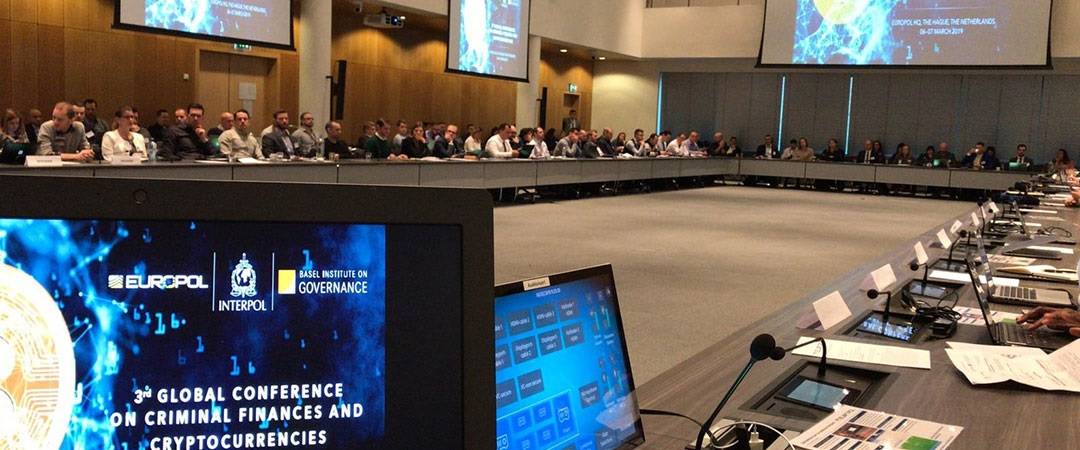
This week, over 230 participants from over 60 different countries convened at Europol’s headquarters in The Hague, the Netherlands, for the 3rd Global Conference on Criminal Finances and Cryptocurrencies. The participants comprised representatives from law enforcement and judicial authorities, Financial Intelligence Units (FIU), international organisations as well as representatives from the private sector. An initiative of the Working Group on cryptocurrencies and money laundering established in 2016 by Europol, INTERPOL and the Basel Institute on Governance, this conference focused on discussing the vulnerabilities and threats in cryptocurrencies leading to their misuse for money laundering and terrorism financing purposes. The event zeroed down not only on the threats but also on the innovations, solutions, tools, and building coalitions to combat these threats. The first day was open for participation from the private sector. The potential and solutions of the blockchain analysis to combat the criminal use of cryptocurrencies and other distributed ledger technologies were presented. This sector is expanding exponentially: while money launderers explore new ways to obscure the direct link with the proceeds of their crimes, private companies develop new solutions to follow these transactions, helping law enforcement in their investigations. The second day, restricted to public sector involved in this phenomenon saw investigators from different countries presenting and discussing case studies, sharing knowledge, experience, identified modi operandi and best practices on how to target the criminal abuse of virtual assets. The speakers reinforced the message that in cryptocurrencies-related investigations, following the financial trail albeit not appearing the traditional format is still a financial investigation – a successful approach leading to the identification of the perpetrators. Another important message was that virtual assets are exactly this – assets and as such, considering their criminal nature should be traced, seized and confiscated. The conference provided an excellent platform, to discuss and learn from recent developments and the current state of play in legal, technical, and investigate methods perspective. The event was closed by Europol’s Deputy Executive Director Operations, Wil van Gemert, who urged the participants to be bold and proactive, to build coalitions and become the respected gatekeepers ensuring an environment in which crime does not pay.
Read full story →
Europol Mar 8, 07:30

International women’s day 2019

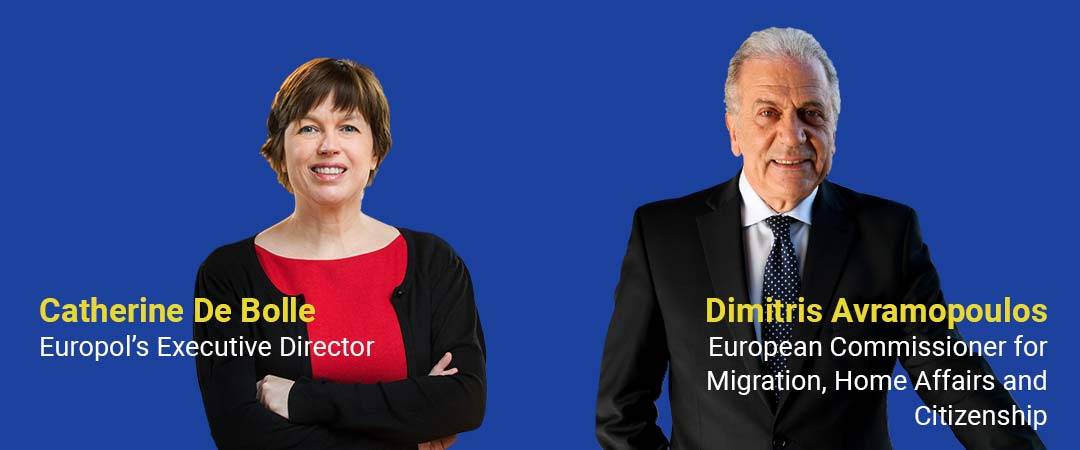
On international women’s day, we pay tribute to all the women in law enforcement who on a daily basis contribute to the security of our societies and our citizens. Whether it is leading criminal investigations, gathering and analysing intelligence, or protecting our streets and neighbourhoods, women are part and parcel of making Europe safer and more secure to live in. This has not always been the case unfortunately. While we should recognise and cherish the efforts and contributions of all our police officers every single day – both women and men – it is on international women’s day that we should remember that this equality has been hard-fought and hard-earned. On a day like this, we commit not only to acknowledge, respect and praise the invaluable work of women in law enforcement, but also to further facilitate and empower their role, at all levels. Joint statement by Europol’s Executive Director Catherine De Bolle and European Commissioner for Migration, Home Affairs and Citizenship Dimitris Avramopoulos.
Read full story →
Europol Mar 4, 16:59

Big Hit Against Cosa Nostra in Sicily

In the early hours of Monday 4 March, the Italian Direzione Investigativa Antimafia (Anti-mafia Investigation Department) and the Italian Carabinieri arrested 32 individuals, allegedly members of the Italian crime syndicate, Cosa Nostra. Law enforcement organised raids in several Italian cities, such as Agrigento, Catania, Palermo, Parma and Trapani. The arrests were the result of a long and complex investigation carried out by the Italian authorities with the support of Europol and the Belgian Federal Police. The investigation, labelled Operation Kerkent, started in 2015 and targeted the Cosa Nostra of Agrigento, in Sicily, that was known to be active not only in Sicily but also in the region of Calabria and in northern Italy. The mafia-structured organised crime group and its members were involved in international drug trafficking (cannabis, cocaine and synthetic drugs), weapons and explosives offences, as well as one case of kidnapping. Among the 32 arrested, was the leader of the Cosa Nostra family and a well-known leader of Ultras Bravi Ragazzi, an organised supporter group of the Italian football club Juventus F.C. The successful hit is the result of a fruitful exchange of information between Europol, Belgium and Italy. The success is a concrete example of cooperation in tackling the dangerous Italian criminal group Cosa Nostra, which spreads its illicit business outside Italy into many European Union Member States. Europol supported the case with the Top OCG Team, dealing with the most dangerous organised crime groups and its dedicated Analysis Project on Italian Organised Crime (AP ITOC). Europol provided analytical and operational support, such as organising dedicated operational meetings at its headquarters in The Hague. The investigation was also supported by the Italian @ON network (Operational Network), in which Europol and Belgium play key roles. The aim of the @ON network is to strengthen international police cooperation on mafia-style criminal groups, making it possible for EU Member States to request, in coordination with Europol, the deployment of specialised investigators.        
Read full story →
Europol Feb 28, 16:15

Combating Online Fraud: Perseuss and Europol strengthen cooperation

Today, Europol’s European Cybercrime Centre (EC3) signed a Memorandum of Understanding (MoU) with Perseuss, a global platform in sharing fraud intelligence. The MoU was signed by Maarten Alleman, CEO of Perseuss and the Head of EC3, Steven Wilson, at Europol’s headquarters in The Hague. Perseuss takes part in the annual Global Airline Action Days (GAAD), a major international law enforcement operation targeting airline fraudsters. During this action, Perseuss detects fraud patterns and provides relevant data to facilitate Europol-coordinated cross-border investigations. On the signing of the MoU, the Head of Europol's EC3, Steven Wilson, commented: “Public-private partnership initiatives such as the Global Airline Action Days are of crucial importance in helping us fight organised criminality. Perseuss has been one of our closest partners in this area and this Memorandum of Understanding is a great opportunity to further strengthen our cooperation. Only together can we tackle this highly lucrative, and equally dangerous type of crime.” Maarten Alleman, CEO of Perseuss, said: “Working with Europol has been a great synergy: combining our data and technology has accelerated our work enormously." He also added: "We've been working with Europol for over 5 years now and we're happy to play a key role in operations like the Global Airline Action Days. It is truly inspiring to see how so many institutions in both the private and public sector manage to work together on such a large scale. Although we have seen a slight decrease in fraud over these last years, there is still a lot to do. This partnership is a great step forward in our joint mission to fight fraud. We're excited to continue our work with Europol and local authorities in the future." Europol is the European Union’s law enforcement agency. Headquartered in The Hague, the Netherlands, Europol supports the 28 EU Member States in their fight against terrorism, cybercrime and other serious and organised forms of crime. With over 1 100 staff members, Europol uses state-of-the art tools to support some 40 000 international investigations each year, serving as a centre for law enforcement cooperation, analytical expertise and criminal intelligence. Perseuss is a global database used for fraud prevention and conversion optimisation by a global community of online merchants. When data sharing wasn’t as common as it is today, Perseuss was founded by a community of merchants who were victims of fraud.
Read full story →
Europol Feb 21, 09:31

Transatlantic partnership: fighting financial crime together

Today the Director of the Financial Crimes Enforcement Network (FinCEN) of the United States Department of the Treasury visited the Europol headquarters and discussed how the Europol and FinCEN can better work together to safeguard the international financial system from illicit use. FinCEN at Europol Mr. Kenneth A. Blanco, Director of the Financial Crimes Enforcement Network, and Mr Wil van Gemert, Deputy Executive Director of Europol, Operations Directorate, agreed to deploy a FinCEN Liaison Officer to the Europol headquarters in The Hague, the Netherlands. The Liaison Officer will support and coordinate the cooperation between FinCEN, Europol and EU Member States – in particular, when exchanging information. Wil van Gemert, Deputy Executive Director of Europol: “Europol is designed to operate in partnership with law enforcement agencies, governmental departments and other stakeholders. We embrace the idea of collective intelligence, in the sense of a large group of individuals that gather and share their knowledge, strategic views and skills for the purpose of preventing and combating all forms of serious international and organised crime, cybercrime and terrorism. The system of liaison officers ensures that the interests of our stakeholders are represented at Europol’s headquarters. “This agreement strengthens the already excellent partnership between FinCEN and Europol and will help facilitate the exchange of vital financial information in a more effective and efficient way in order to better protect our financial system and citizens from harm, “ said Director Blanco. “We are fortunate to be able to provide a dedicated and talented liaison who is committed to our mutual mission of keeping our nations and families safer on both sides of the Atlantic and beyond.”  Almost all criminal activities yield profits, often in the form of cash, that criminals then seek to launder through various channels. While money laundering is an offence in its own right, it is also related to other forms of serious and organised crime. Professional money launderers’ core business model is to perform money-laundering services on behalf of other criminal groups. A coordinated approach The scale of money laundering is difficult to assess, but it is considered to be significant. Europol’s Financial Intelligence Unit has a broad mandate in the area of combating money laundering, terrorism financing and asset recovery. The Financial Intelligence Unit provides Member States with intelligence and forensic support to prevent and tackle international money laundering and terrorism financing activities and to support Member States when recovering the proceeds of crime. The main objective of money laundering, terrorism financing and asset recovery investigations is to identify the criminals involved, disrupt their associates, and recover and confiscate the proceeds of their crimes. FinCEN’s mission is to safeguard the financial system from illicit use, combat money laundering, and promote national security through the strategic use of financial authorities and the collection, analysis, and dissemination of financial intelligence.   How we work FinCEN is a bureau of the U.S. Department of the Treasury and carries out its mission by receiving and maintaining financial transactions data; analysing and disseminating that data for law enforcement purposes; regulating banks and other financial institutions concerning the detection, reporting and prevention of money laundering and countering terrorism financing; and building global cooperation with its international counterparts. Europol is the European Union’s law enforcement agency. Headquartered in The Hague, the Netherlands, Europol supports the 28 EU Member States in their fight against terrorism, cybercrime and other serious and organised forms of crime. With over 1100 staff members, Europol uses state-of-the-art tools to support some 40,000 international investigations each year, serving as a centre for law enforcement cooperation, analytical expertise and criminal intelligence.    
Read full story →
Europol Feb 19, 15:55

Combating migrant smuggling through cross-border cooperation

Migrant smuggling remains one of the most profitable and widespread criminal activities for organised criminal networks worldwide. The migrant smuggling business is a large, lucrative and sophisticated criminal market, with document fraud being one of the main activities of the groups. To tackle the challenges ahead, cooperation frameworks have been established with partner countries along key migration routes. Europol’s European Migrant Smuggling Centre (EMSC) in cooperation with the International Centre for Migration Policy Development (ICMPD)brought together representatives from law enforcement authorities of EU Member States and non-EU countries ; the Romanian Presidency of the Council of the European Union; the European Commission; partner agencies and academia to collaborate and discuss cross-border crimes within the migratory context under Mobility Partnerships (MPs) and Common Agendas on Migration and Mobility (CAMMs). As Head of Europol’s European Serious and Organised Crime Centre, Jari Liukku said the meeting presented “a unique opportunity to share experiences on best practices and to discuss current and future challenges, but also the way we jointly define effective strategies to better face challenges associated to migrant smuggling.” “The EU-funded Mobility Partnership Facility (MPF) supports policy dialogues and operational cooperation with third countries by addressing quick-start actions with those partner countries that have signed non-legally binding agreements such as the Mobility Partnership or the Common Agendas for Migration and Mobility,” said Graziella Rizza from DG Migration and Home Affairs, European Commission. Ralph Genetzke, the Head of the ICMPD Brussels Mission, added, “Tackling transnational crime requires coordinated responses. The flexibility of the Facility allows the ICMPD as implementing authority to address priorities and needs by providing technical and financial support to EU Member States and partner countries while building synergies and mutual trust.” During the in-depth exchange, the experts shared experiences and developed new ideas to combat migrant smuggling. The purpose of the meeting was to enable a wide dialogue among law enforcement entities in the area of migrant smuggling and its links with document fraud. Participants were offered a unique opportunity to discuss strategic approaches and explore ways to enhance cross-border cooperation, within the framework of MPs/CAMMs.
Read full story →
Europol Feb 19, 09:03

No More Ransom to the Rescue: New Decryption Tool Released for Latest Version of GandCrab ransomware

The wait for the victims of GandCrab is over: a new decryption tool has been released today for free on the No More Ransom depository for the latest strand of GandCrab, one of the world’s most prolific ransomware to date. This tool was developed by the Romanian Police in close collaboration with the internet security company Bitdefender and Europol, together with the support of law enforcement authorities from Austria, Belgium, Cyprus, France, Germany, Italy, the Netherlands, UK, Canada and US FBI. In addition to versions 1, 4 and early versions of 5, the new tool resolves infections with version 5.0.4 through 5.1 – the latest version developed by the cybercriminals.  Why the fuss? GandCrab has surpassed all other strains of ransomware in 2018, having infected over half a million victims since it was first detected in January last year.  Back in October, a decryption tool was made available covering all but two versions of the then existing versions of the malware. This tool followed an earlier release back in February. Downloaded more than 400 000 times so far, these two tools have helped close to 10 000 victims retrieve their encrypted files, saving them some USD 5 million in ransomware payment. The GandCrab criminals have since released new versions of the file-encrypting malware, all of which are covered by the tool released today. The best cure against ransomware remains diligent prevention. Users are strongly advised to use a security solution with layered anti-ransomware defences, regularly back up their data and avoid opening attachments delivered with unsolicited messages. Find more information and prevention tips on www.nomoreransom.org  
Read full story →
Europol Feb 15, 14:22

Albanian-Belgian drug traffickers busted in Belgium and Switzerland

Europol has supported an investigation coordinated by the Federal Judicial Police of Leuven (Belgium) into an Albanian-Belgian drug trafficking gang. The coordinated action days took place between 4 and 6 February when police services intervened to bring down the organised criminal network at various locations in Belgium and Switzerland. In total, 22 suspects were arrested and six were sent to prison by the authorities in Leuven. Police searched 24 houses in Belgium and various actions were carried out in Switzerland at the same time.  The investigation led to the discovery of six cannabis plantations with a total of 4 500 cannabis plants. During the operation, an active cannabis plantation with 1 000 cannabis plants was found in a former strip club. This particular plantation was guarded by two suspects of Albanian origin. Similar set-ups were found where Albanians were illegally staying in the country to maintain and guard the plants. In addition, large quantities of cannabis, firearms, bulletproof vests and €10 000 in cash were seized. These complex criminal investigations were initiated in autumn of 2017 after police received information that a Belgian-Albanian organisation was importing and exporting narcotics on a large scale. Europol supported the investigation from the beginning by facilitating the exchange of intelligence throughout, as well as providing analytical, financial and technical support. In 2010 the EU set up a four-year Policy Cycle to ensure continuity in the fight against serious international and organised crime. In March 2017 the Council of the EU decided to continue the EU Policy Cycle for organised and serious international crime for the 2018 - 2021 period. This multiannual plan tackles the most significant threats posed by organised and serious international crime to the EU. This is achieved by improving and strengthening cooperation between the relevant services of EU Member States, institutions and agencies, as well as non-EU countries and organisations, including the private sector where relevant. Drug trafficking is one of the priorities for the Policy Cycle for the 2018 – 2021 period.  
Read full story →
Europol Feb 12, 14:43

One arrested in Spain for indoctrinating and recruiting young people to the so-called Islamic State

Europol supported Policía Nacional (Spanish National Police) in arresting a man in Ceuta (Spain) suspected of indoctrinating young people and promoting and disseminating jihadist terrorist propaganda. Police officers also carried out a search of his house. In 2001, he was serving prison time and made contact with other prisoners who shared their radical ideas with him. Since then, he had been arrested several times for illicit arms possession, robberies and drug-related crimes. While in prison, the suspect tried to recruit young people to the extremist jihad and spread his extreme ideas to prisoners by offering them money if they grew beards, read the Quran and obeyed his orders. The arrested man had been highly radicalised: he played loud jihadist songs, threatened people because of their sexual orientation and considered women inappropriately dressed. His high level of aggression, both in his behaviour and crimes, was very similar to other individuals who were radicalised in jail and who later carried out terrorist attacks. Europol supported Policía Nacional investigators from the specialised Spanish Counter Terrorism Unit (Comisaría General de Información) by providing analytical support, social media analysis and deploying one expert from the Europol’s European Counter Terrorism Centre to Spain on the spot. Watch video
Read full story →
Europol Feb 8, 09:35

Virtual Global Taskforce meets in Australia to discuss online child sexual abuse

The Virtual Global Taskforce (VGT) had its first Board of Management meeting of 2019 this week at the Australian Institute of Police Management in Manly, New South Wales, to take a closer look at the disturbing trends and dangers of online child sexual exploitation through cross-border collaboration. During the in-depth exchange, all the attending member countries highlighted the importance of prevention and the significant increase in the number of arrests, as well as in the number of children worldwide requiring protection from online child sexual exploitation. A number of priority areas were identified as a result of the discussion, including a need to leverage technological solutions to detect, block, and prevent the hosting of online child sexual exploitation materials. Close national and international collaboration play a crucial role in developing strategies for this phenomenon. Created in 2004, the VGT is an international law enforcement alliance dedicated to the protection of children from online child sexual exploitation and transnational child sexual offending which is currently chaired by the Royal Canadian Mounted Police. The VGT law enforcement members are supported by key partners within industry and non-government organisations from around the world. The following VGT members attended the meeting: Australian Federal Police; Dutch Politie (National Police); Europol; Interpol; Ministry of Interior of United Arab Emirates; National Crime Agency; New Zealand Police; Royal Canadian Mounted Police; US DHS Homeland Security Investigations.  
Read full story →
Europol Feb 5, 16:00

EMPACT Kick-off 2019: building a unified front throughout Europe to combat financial crime

Last month marked the kick-off of the 2019 Operational Action Plan for the EMPACT priority ‘Criminal Finances, Money Laundering and Asset Recovery’, an EU-financed initiative led jointly by the French Customs and Judicial Police. On this occasion, financial crime investigators from 25 EU Member States, together with specialists from Europol, CEPOL and Last month marked the kick-off of the 2019 Operational Action Plan for the EMPACT priority ‘Criminal Finances, Money Laundering and Asset Recovery’, an EU-financed initiative led jointly by the French Customs and Judicial Police. On this occasion, financial crime investigators from 25 EU Member States, together with specialists from Europol, CEPOL and the European Commission, convened at Europol’s headquarters in The Hague, the Netherlands, to agree on ways to tackle this cross-cutting criminal threat. As Driver of the priority, the head of unit at the French Customs and Excise Department praised the interagency approach of the Police-Customs Drivers’ team and proudly stated that a new financial investigators network arose within this priority. The Deputy-Head of the French Central office for the Suppression of Serious Financial Crime of the Judicial Police also congratulated the participants for their involvement. It enabled to strengthen cooperation among partners across the EU, create synergies and develop strategies in a brand new approach. Money laundering is considered the engine of organised crime, enabling and facilitating most, if not all, other types of serious and organised crime. Money laundering sustains and contributes to the growth of criminal markets across the EU and is one of the 13 priorities for fighting organised crime between 2018-2021. The priorities are based on Europol’s Serious and Organised Crime Threat Assessment and set out by the EU Council’s Policy Cycle. This meeting officially launched the operational action plan, which coordinates the work of law enforcement in this crime area. The action plan outlines 19 actions to be carried out throughout Europe in the upcoming year. This will include joint actions targeting money laundering syndicates offering money laundering services to other criminal networks, alongside some targeting organised crime groups making use of emerging new payment methods to launder criminal proceeds. Six EU Member States (Belgium, France, Germany, Ireland, the Netherlands and the United Kingdom) and two EU Agencies (Europol and CEPOL) have agreed to lead one or more of these operational actions.
Read full story →
Europol Feb 5, 15:02

19 arrested in France and Italy in multi-million gold laundering operation

On 21 January 2019, some 300 hundred officers from the Gendarmerie Nationale (French Gendarmerie) and the Guardia di Finanza (Italian Finance Corps) targeted suspects across both countries believed to be part of an organised crime group behind a large-scale international money-laundering scheme. The criminal cash flows are estimated at €5 to €7 million per month. The coordinated raids took place simultaneously in Paris, Ivry-sur-Seine, Bagnolet, Montpellier, Marseille, Fréjus, Grenoble and Orvault on the French side, and Florence, Arrezzo, Brescia and Rome on the Italian one. As a result, 19 suspects were arrested and some €550 000 in cash seized, alongside several luxury watches and vehicles. Authorities in Algeria seized gold with a value of almost €1 million.  The sting follows a two-year complex investigation looking into the activities of this criminal network believed to be very prolific. Money originating mainly from drug trafficking and tax evasion was collected by couriers in different cities in France, before being laundered via two distinct schemes – via the Hawala system, allowing the transfer of money without any physical transportation of cash – and via gold laundering, whereby part of the cash money collected was sent to Italy to buy gold from unscrupulous business intermediaries. The precious metal was then transported back to France and Spain in order to be exported by sea to Algeria, where the masterminds behind this scheme were based. Europol supported the investigation from the outset by facilitating the exchange of information. On the action day, two Europol experts were deployed on-the-spot in France and Italy to allow for the real-time exchange of information and for cross-checks of the data gathered in the course of the action against Europol’s databases.  
Read full story →
Europol Feb 1, 15:02

International drug trafficking network disrupted

Today, in a joint operation, the German Public Prosecutor’s Office (PPO) Münster, the German Customs’ Investigation Office, the Dutch Specialised Prosecution Office for Fraud and Environmental Crime in Zwolle and the Dutch Fiscal Intelligence and Investigation Service (FIOD) dismantled an organised crime group (OCG) involved in international drug trafficking and money laundering. The national investigations that culminated in the common action day were supported by Eurojust and Europol. A joint investigation team (JIT) was established in November 2018, which allowed the national authorities to quickly gather and safely exchange information and evidence. Eurojust provided financial support to the JIT and facilitated judicial and operational cooperation between the national authorities. Europol deployed a mobile office during the action and provided forensic support on the spot. All obtained data, particularly in relation to the  dark web and cryptocurrency accounts, will be further investigated by Europol experts. The national investigations into the OCG were initiated in September 2018. The OCG was composed of 13 members, including some of Afghan and Dutch origin. The suspects in the Netherlands prepared parcels or envelopes with drugs, which were mailed to Germany. The perpetrators in Germany used various mailboxes and post offices to ship the packages on to recipients around the world. The orders were made online through the darknet, using cryptocurrency, such as bitcoin and paysafecards, given the anonymity it offers. Members of the OCG are also suspected of being involved in money laundering activities related to their profits. Prior to today’s action, amphetamines, MDMA, cocaine, heroin and ecstasy, with a total street value of more than € 400 000, were seized. Today, 10 private residences and business premises were searched at the German-Dutch border. Large amounts of drugs, including 40 kg of amphetamine and 1 kg of ecstasy pills, as well as mobile phones, computers, documents and € 10 000 in cash, were seized. Twelve suspects were arrested, 4 under European Arrest Warrants. Sale and distribution of illegal drugs through the dark web is of increasing concern given the level of anonymity offered, also subsequent postal distribution. That said, law enforcement successfully target and combat such criminal activities. Europol is able to offer a range of specialist operational support services. This coordinated international cooperation proved useful in the disruption of this criminal group.
Read full story →
Europol Jan 28, 17:21

xDedic Marketplace Shut Down in International Operation

On 24 January, the U.S. Prosecutor’s Office for the Middle District of Florida, the FBI and the Internal Revenue Service (IRS) of Tampa (Florida), the Federal Computer Crime Unit (FCCU), the Federal Prosecutor’s Office and the Investigating Judge of Belgium, as well as the Ukrainian National Cyber Police and Prosecutor General’s office of Ukraine, with the support of the Bundeskriminalamt of Germany and Europol seized the xDedic Marketplace. The servers and domain names of the xDedic Marketplace were seized, and the website’s criminal activities stopped. The xDedic Marketplace sold access to compromised computers worldwide as well as personal data. It operated in both the clear and dark web. Users of xDedic could search for compromised computer credentials by criteria, such as price, geographic location, and operating system. The xDedic administrators strategically maintained servers all over the world. Furthermore they utilised Bitcoin to hide the locations of its underlying servers and the identities of its administrators, buyers, and sellers. The victims came from all around the world and involved all kind of industries. This includes local, state, and federal government infrastructure, hospitals, emergency services, major metropolitan transit authorities, accounting and law firms, pension funds, and universities. Authorities believe the website facilitated more than $68,000,000 in fraud. At the beginning of 2018, a Joint Investigative Team (JIT) agreement was signed between the Federal Prosecutor and the Investigating Judge of Belgium and the Prosecutor General of Ukraine, Europol and Eurojust. Europol organised operational meetings in its headquarters in The Hague and provided operational analysis, forensic support and on the spot support.
Read full story →
Europol Jan 28, 13:53

Data Protection Day 2019

Today is Data Protection Day and once again everybody is picking up on a topic which has dominated headlines throughout last year when the GDPR finally became applicable. Let me be honest with you: talking about data protection in the law enforcement community is sometimes still difficult. Since taking over the position of Executive Director in May 2018, I have travelled extensively across Europe. I have spoken to countless law enforcement representatives in order to understand what their precise needs are. I wanted to know their views on how we at Europol can provide them with even better support. Some of these conversations have rather quickly revolved around issues that have a very close link to data protection. I have enjoyed these discussions as I consider myself a ‘data protection believer’. Some might argue that in this sense I represent a minority in the law enforcement community – whether this is true or not does not even matter: I am used to representing minorities and proud to do so!  The concerns I have listened to across the continent are valid and deserve proper reflection. For instance, many online investigators feel that their work has become almost impossible ever since more and more forms of online communication are by default end-to-end encrypted. Furthermore, the internet offers anonymous marketplaces on the Darknet, which are used by criminals to trade all sorts of illegal commodities. This often leaves us with little or no chance to tackle issues such as the sexual exploitation of children but also the investigation of other forms of serious crime and terrorism, which nowadays often have an online communication component. Another challenge for law enforcement is the difference between the various data retention regimes at national level. We are confronted with a situation in which we often have to prioritise our crime analysis based on the shortage of retention periods in a given Member State rather than on operational and crime connected consideration points. I fully understand the need for encryption technologies in our digital information age and the many circumstances in which the legitimate use is essential, for instance for those individuals who have to survive in oppressive regimes. However, law enforcement agencies also need the tools to investigate serious crime and terrorism. Access to retained data, based on an EU legal framework respecting our fundamental rights including the right to data protection, would be essential in this context. Having a legal background myself, I am convinced that as European law enforcement we do not advocate general or indiscriminate data retention. In fact, we are committed to identifying practical ways in order to meet the criteria established by the European Court of Justice is we can ensure a proportionate approach. Last November I had the pleasure of hosting a conference here at Europol addressing the intense public debate about the right balance between freedom and security. This discussion often follows an “either/or logic” along the lines of “You can never have it all!” However, at Europol meanwhile, we are trying to move away from the traditional “balancing” tune. Any notion of balancing “freedom versus security” wrongfully implies a unitary dial: if we turn up our freedoms, we get less security, and if we turn down freedom, we get more security. Freedom and security are viewed as a zero-sum trade-off. There is no doubt that there is a relationship between freedom and security: A change to one will sometimes affect the other. But often it is also possible to increase security without decreasing our freedoms, and sometimes a decrease in privacy leads to no meaningful increase in security. The message I would like to give to you today is: at Europol we work hard to do our job in the right way. We are determined to make Europe a safer place, and full compliance with fundamental rights in Europol’s activities is a part of this safer Europe. I wish you all a happy Data Protection Day! Catherine De Bolle, Executive Director of Europol -- Read the Freedom AND Security: killing the zero sum process conference report.  
Read full story →
Europol Jan 28, 09:58

Authorities across the world going after users of biggest DDoS-for-hire website

The takedown by law enforcement in April 2018 of the illegal marketplace webstresser.org as part of Operation Power OFF has given authorities all over Europe and beyond a trove of information about the website’s 151 000 registered users. Coordinated by Europol and the Joint Cybercrime Action Taskforce (J-CAT) with the support of the Dutch Politie and the British National Crime Agency, actions are currently underway worldwide to track down the users of these Distributed Denial of Service (DDoS) attacks. webstresser.org is believed to have been the world’s biggest marketplace to hire DDoS services, having helped launched over 4 million attacks for as little as € 15.00 a month. In the United Kingdom a number of webstresser.org users have recently been visited by the police, who have seized over 60 personal electronic devices from them for analysis as part of Operation Power OFF. UK police are also conducting a number of live operations against other DDoS criminals; over 250 users of webstresser.org and other DDoS services will soon face action for the damage they have caused. The impact of successful DDoS attacks globally was highlighted recently by the sentencing of a 30-year-old hacker to almost three years imprisonment in the UK  after being found guilty of carrying out DDoS attacks against Liberia’s leading mobile phone and internet company, using rented botnets and stressers before developing his own botnet.  At their peak in November 2016, these DDoS attacks crashed the West African country’s entire internet access with one attack resulting millions of pounds worth of damage. In the Netherlands, the police and the prosecutor’s office have developed a dedicated project, known as Hack_Right, to deal with young first-time offenders in order to prevent them from going onto more serious crimes. A Dutch user of webstresser.org has already received this alternative sanction.   The countries to join the fight against DDoS attacks are Belgium, Croatia, Denmark, Estonia, France, Germany, Greece, Hungary, Ireland, Lithuania, Portugal, Romania, Slovenia, Sweden, Australia, Colombia, Serbia, Switzerland, Norway and the United States. While some are focusing their actions against the users of webstresser.org specifically, law enforcement agencies around the world have intensified their activities against the users of DDoS booter and stresser services more generally. To this effect, the FBI seized last December 15 other DDoS-for-hire websites, including the relatively well known Downthem and Quantum Stresser. Similarly, the Romanian police has taken measures against the administrators of 2 smaller-scale DDoS platforms and has seized digital evidence, including information about the users. Size does not matter – all levels of users are under the radar of law enforcement, be it a gamer booting out the competition out of a game, or a high-level hacker carrying out DDoS attacks against commercial targets for financial gain. The DDoS-for-hire trend is a pressing issue, mainly due to how easily accessible it has become. Stresser and booter services have effectively lowered the entry barrier into cybercrime: for a small nominal fee, any low-skilled individual can launch DDoS attacks with the click of a button, knocking offline whole websites and networks by barraging them with traffic. The damage they can do to victims can be considerable, crippling businesses financially and depriving people of essential services offered by banks, government institutions and police forces. Emboldened by a perceived anonymity, many young IT enthusiasts get involved in this seemingly low-level crime, unaware of the consequences that such online activities can carry. Cybercrime isn’t a victimless crime and it is taken extremely seriously by law enforcement. The side effects a criminal investigation could have on the lives of these teenagers can be serious, going as far as a prison sentence in some countries. Skills in coding, gaming, computer programming, cyber security or anything IT-related are in high demand and there are many careers and opportunities available to use these wisely. These actions are implemented in the framework of EMPACT. In 2010 the European Union set up a four-year Policy Cycle to ensure greater continuity in the fight against serious international and organised crime. In 2017 the Council of the EU decided to continue the EU Policy Cycle for the 2018 - 2021 period. It aims to tackle the most significant threats posed by organised and serious international crime to the EU. This is achieved by improving and strengthening cooperation between the relevant services of EU Member States, institutions and agencies, as well as non-EU countries and organisations, including the private sector where relevant.
Read full story →
Europol Jan 23, 16:42

Cryptocurrency IOTA: international police cooperation arrests suspect behind 10 Million EUR theft

Today, the UK’s South East Regional Organised Crime Unit (SEROCU), in a joint operation with the Hessen State Police in Germany, the UK’s National Crime Agency (NCA) and Europol, has arrested a 36 year-old individual on suspicion of fraud, theft and money laundering. The man was arrested by SEROCU following a search warrant carried out at an address in the city of Oxford, UK. A number of computers and electronic devices were also seized.  The operation was launched following the theft of around €10 million in the IOTA cryptocurrency from over 85 victims worldwide since January 2018. The investigation began in early 2018 when the Hessen State Police received several reports from citizens of money been stolen from their cryptocurrency wallets. Further investigations revealed the existence of fraud from the website Iotaseed.io, targeting the users of the IOTA cryptocurrency. IOTA wallets are protected by an 81 digit seed, which can be generated using seed-generators found online, such as on the official IOTA website. Among the sites promoted online was a malicious seed-generator running on iotaseed.io. Several victims created the seed on this website in good faith, however the seeds were stored in the background by the service provider. Later the criminal used these to gain access to the victims’ wallets and transferred their money to other wallets created with fake IDs.  In July 2018, German authorities identified a possible suspect behind the fraud case living in the UK. The case was given to the Joint Cybercrime Action Taskforce (J-CAT) hosted at Europol’s European Cybercrime Centre (EC3), where analytical support delivered allowed the J-CAT to coordinate the international cooperation between the different EU Member States involved.  In addition, an operational meeting was organised at Europol’s headquarters between German and British investigators and Europol’s EC3. The meeting proved to be an invaluable asset for the smooth exchange of intelligence and evidence between the German and British authorities, which has led to this arrest. Watch video>
Read full story →
Europol Jan 18, 15:00

French Gendarmerie capture key members of Armenian mafia

On 14 January, some 200 officers from the Gendarmerie Nationale (French Gendarmerie) and Customs, with on-the-field support of Europol, targeted suspects across France believed to be part of an Eurasian mafia group composed mainly of Armenian individuals involved in large-scale poly-criminal activities, including cigarette smuggling, extortion and money laundering. Over 27 house searches were carried out in Rennes, Gap, St. Etienne, Nancy, Strasbourg, Haguenau, Reims, Chalon-Sur-Saone, Paris, Nantes, Limoges and Brest. As a result, 21 suspects were arrested, including an individual believed to be a high-ranking member of this mafia group. Some €23 000 in cash were seized at the premises, alongside over 2 000 packs of cigarettes, 23 kg of raw tobacco and 6 weapons. The sting follows a lengthy and complex investigation supported by the Spanish and the German authorities looking into the activities of this criminal network. The suspects used a special modus operandi were cars were used a mean of payment for further criminal actions (ie. the exchange of drugs or cigarettes against cars).  Europol supported the investigation for the past year and a half by facilitating the exchange of information. On the action day, 2 Europol experts were deployed in Rennes to allow for real-time exchange of information and cross-checks of the data gathered in the course of the action against Europol’s databases.
Read full story →

Europol Jan 16, 11:00

13 car thieves with expensive taste arrested by the French Gendarmerie

After almost two years of a complex and lengthy investigation, the French Gendarmerie, supported by Europol, swooped on a criminal network behind the trafficking of high-value vehicles, estimated of having generated €4 million in criminal revenue. On the early morning of 14 January, 130 gendarmes carried out 13 house searches in Nimes (France), which resulted in the arrest of 13 suspects and the seizure of 26 vehicles. Several tens of thousands of euros were also frozen on bank accounts.   The illegal activities of this criminal network were carried across borders: after being stolen in Belgium, Germany or the Netherlands, the vehicles were ringed and sold locally in Nimes. The suspects focused on stealing prestigious brands, like Porsche and Lamborghini.   Involved in the investigation for the past year, Europol facilitated the exchange of information and provided analytical support before and during the action day. A mobile office was deployed on-the-spot in Nimes to help with the cross-checking in real-time of operational information against Europol’s databases.
Read full story →
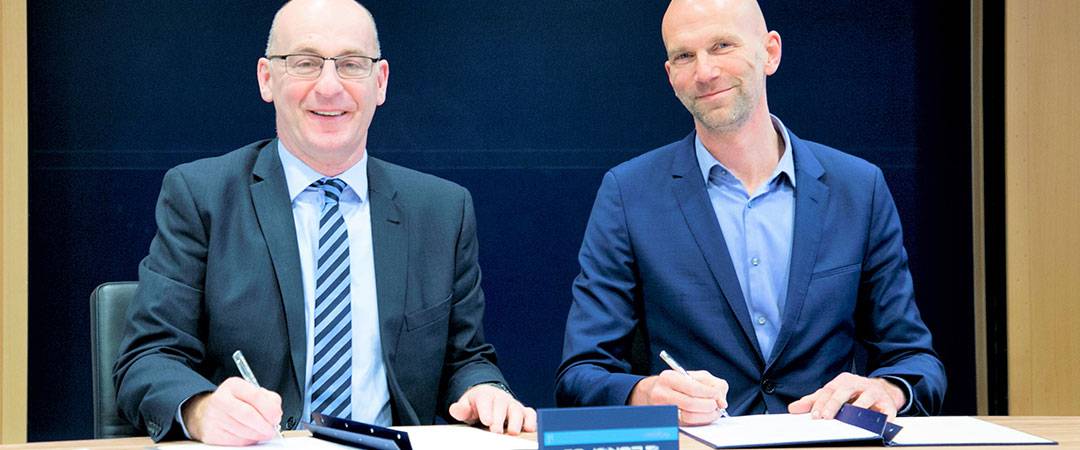
Europol Jan 15, 14:30

Criminal gang recruiting Portuguese women into sham marriages dismantled

An organised criminal group recruiting dozens of women into sham marriages was detected and dismantled by Belgian and Portuguese authorities, with the active support of Europol and Eurojust. Altogether 17 suspects were arrested today in Belgium and 3 in Portugal in an internationally coordinated action day. The criminal group was involved in the facilitation of illegal immigration by organising sham marriages, predominately between Portuguese and Pakistani nationals. Portuguese women were recruited to marry Pakistani men they had never met and in return, received several thousands of euros. The couples then travelled to Belgium, where the wives were soon employed by (believed to be bogus) Belgian companies. By purchasing shares in the companies, this allowed the husbands to stay in the EU, obtain resident permits and then profit unjustly from social and other benefits. The shares were later transferred between the wives, allowing new recruits to become partners of the companies. The women usually travelled back to Portugal and would occasionally return to Belgium for police and immigration checks. The investigation started in Belgium by the Belgian Federal Police in 2015 after authorities discovered a suspicious increase in the number of mixed marriage certificates in Ieper (Belgium). Due to the international nature of the crime, a Joint Investigation Team (JIT) was set up which culminated in a Joint Action Day today, 15 January 2019. Today’s operation was conducted simultaneously in Ieper and Brussels and in Lisbon and Algarve (Portugal). To facilitate direct cooperation, Belgian officers were present in Portugal while their Portuguese counterparts from the Immigration and Borders Service (SEF) travelled to Belgium. In Belgium, 18 house searches were carried out and 43 irregular migrants were discovered, mostly of Pakistani origin. Counterfeit documents and mobile devices were seized for further investigation. In Portugal, law enforcement arrested three suspects, searched nine houses and seized various pieces of technological equipment (laptops, desktops and other mobile devices). Europol supported the joint operation on-the-spot. Analysts were deployed to Belgium and Portugal for real-time information cross-checks and mobile phone forensics. This coordinated international cooperation proved very useful in the dismantling of this criminal network.
Read full story →
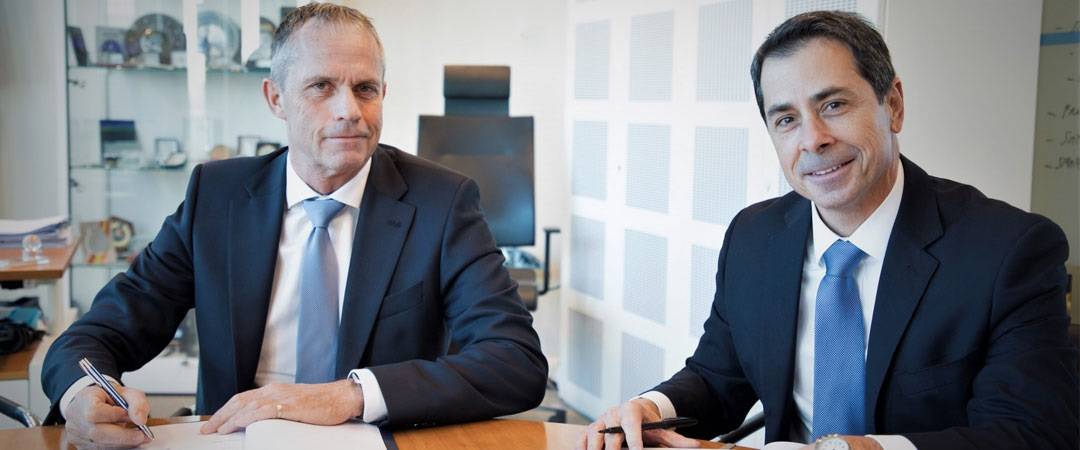
Europol Jan 10, 09:04

Fraud on the tennis court: criminal network gained millions fixing professional matches

The Spanish Civil Guard (Guardia Civil) arrested 83 individuals. Officers detected 28 professional tennis players involved in this case. One of them took part in the last US Open. An organised crime group involved in manipulating professional tennis competitions was dismantled in an operation led by the Spanish Civil Guard and coordinated by the National High Court of Spain (Audiencia Nacional), supported by Europol. In total 83 suspects were arrested, 28 of them are professional players. Armenian gang watching over the matches The investigation was triggered in 2017 when the Tennis Integrity Unit (TIU) denounced irregular activities related to pre-arranged matches in the ITF Futures and Challenger tournaments. The suspects bribed professional players to guarantee predetermined results and used the identities of thousands of citizens to bet on the pre-arranged games. A criminal group of Armenian individuals used a professional tennis player, who acted as the link between the gang and the rest of the criminal group. Once they bribed the players, the Armenian network members attended the matches to ensure that the tennis players complied with what was previously agreed, and gave orders to other members of the group to go ahead with the bets placed at national and international level. On the action day, 11 house searches were carried out in Spain in which €167 000 in cash was seized, alongside a shotgun, over 50 electronic devices, credit cards, five luxury vehicles and documentation related to the case. Furthermore, 42 bank accounts and their balances have been frozen. Europol has supported the investigation from the beginning by providing continued analytical support. On the action day, three Europol experts were deployed to Spain to provide on-the-spot assistance including real-time cross-checks, IT forensic support, and data analysis during the operation. International police cooperation across the European Union and beyond is a crucial factor in the fight against sports corruption. Watch the video
Read full story →

Europol Dec 21, 14:34

Swoop against German-Lithuanian organised crime gang

With the support of Europol and Eurojust, 12 Lithuanians suspected of luxury car theft in Germany were arrested earlier this week in Germany and Lithuania as part of a coordinated swoop against this organised crime group. Operation JIT EWALD resulted in the arrest of two suspects in Germany and eight in Lithuania. Altogether 6 premises were searched in Germany and 11 in Kaunas and Vilnius, Lithuania. The German authorities initiated an international investigation in November 2018 after receiving information that Lithuanian citizens had been targeting luxurious cars in Germany and then selling them outside of the EU. The damage done by this organised crime group is valued at over €1.5 million. Europol, the European Agency for Law Enforcement Cooperation, supported the investigation by facilitating information exchange and deploying experts and a mobile office on-the-spot in Lithuania. A joint investigation team (JIT) involving German and Lithuanian officers was set-up with the support of Eurojust, the European agency dealing with judicial co-operation in criminal matters. JITs are teams formed jointly by national law enforcement agencies to handle cross-border crime. Joint investigation teams coordinate the investigations and prosecutions conducted in parallel by several countries.
Read full story →

Europol Dec 21, 13:14

International drug trafficking between South America and Europe disrupted by police: 48 arrested

Police officers from the Spanish National Police (Policía Nacional), together with the Argentine National Gendarmerie, the Italian Finance Corps (Guardia di Finanza) and Europol have dismantled a criminal organisation responsible for cocaine trafficking from South America to Italy and Spain. Almost 50 suspects were arrested thanks to this joint operation involving more than 750 police officers: 31 in Spain, 17 in Argentina and 3 suspects are under investigation in Italy. This organised crime group was involved in the cultivation, sale and distribution of marijuana in the Costa del Sol region in southern Spain, and cocaine trafficking via maritime containers from Argentina, Bolivia, Colombia and Peru to Europe. The suspects, living in Argentina and Spain, were laundering money coming from the drug activities, sending it back from Europe to Argentina to then invest it into the property market. The Argentine law enforcement authorities have had this international criminal group on their radar for the last decade. Since the start of the European investigation in 2017, the suspects moved more than two tonnes of cocaine: 1 200 kg seized by the Spanish National Police and 1 100 kg by Argentine National Gendarmerie when it was being transported from Bolivia to Argentina, destined to Europe. During a Joint Action Day on 12 December 2018, 31 suspects were arrested in Spain, 17 in Argentina and 3 people are under investigation in Italy. In Spain, 25 house searches were carried out. Europol has supported this case from the beginning, providing both analytical and forensic support. On the day of the arrests, Europol experts were deployed on the spot, assisting the Spanish authorities with mobile forensics. In Argentina, more than 60 properties were searched and the authorities seized €350 000, numerous vehicles and 47 properties. The Italian Finance Corps conducted five house searches.
Read full story →
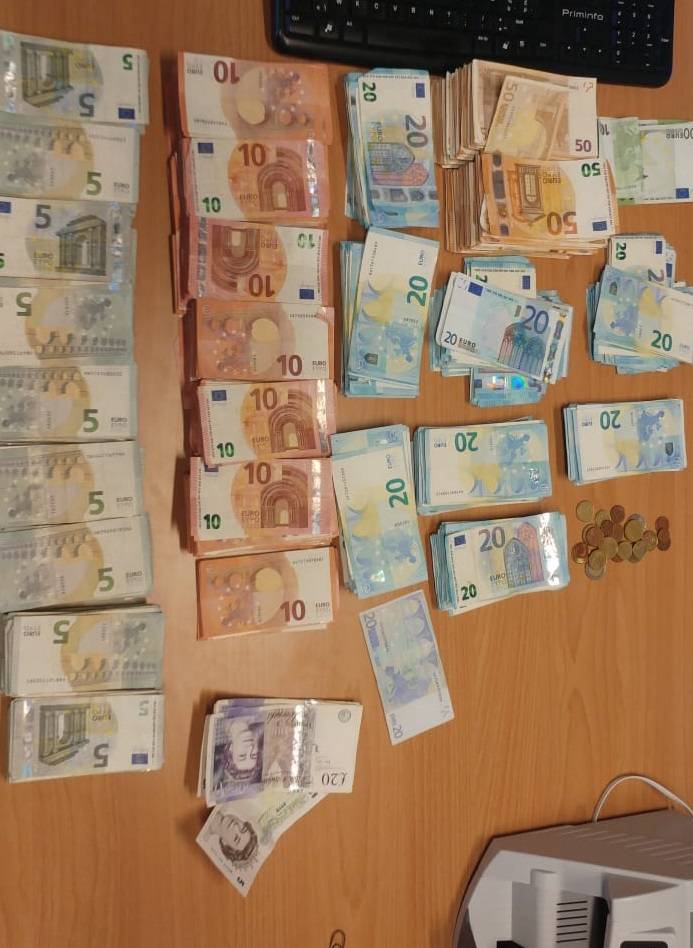
Europol Dec 21, 10:00

EMPACT Joint Action Days generate big results in 2018

In 2018 the Member States of the European Union joined forces with Europol and its institutional partners to fight organised crime groups active in the ten priority crime areas which fall under the European multidisciplinary platform against criminal threats (EMPACT). The outcomes of the Joint Action Days exemplify the tremendous impact that they had on some of the EU’s most threatening organised crime groups. 2018 EMPACT results: 1 026 investigations initiated; Over €1.4 million in cash seized 1 137 suspects arrested; 337 victims of human trafficking identified (including 52 minors); 730 kg of heroin seized 207 firearms seized. Over the course of 2018, eight cross-border law enforcement operations targeted serious international and organised crime in the EMPACT priority crime areas of: cybercrime; drug trafficking; facilitation of illegal immigration; organised property crime; trafficking in human beings; excise and MTIC fraud; illicit firearms trafficking; environmental crime; criminal finances and money laundering; document fraud. Europol’s Executive Director Catherine De Bolle: “I am very pleased to see this year’s results of the Joint Action Days 2018. They are more than just numbers and figures, as they clearly show how successful strategically planned international cooperation with strong partners can be. The EMPACT priority crime areas are the major crime threats facing the EU and the Joint Action Days involve complex international investigations. Every day we at Europol strive to provide analytical and operational support to the Member States in combating his kind of international and organised crime.” The European Commissioner for Migration, Home Affairs and Citizenship Dimitris Avramopoulos: “Security threats today are rapidly evolving and multiplying. Whether it is fighting cyber or organised crime, drugs or firearms trafficking, or terrorism, the only way we can do this effectively is through joint efforts. This is precisely what the intensified cooperation between Member States and Europol has demonstrated over the past year. Europol has been an essential partner in targeted and joint actions on the ground, delivering a Europe that effectively protects its citizens.” European Commissioner for the Security Union Julian King: “The most dangerous security threats we face today are cross-border in nature – criminals and terrorists are no respecters of national boundaries. That’s why we need strong and committed cooperation in the EU between all actors, as the excellent results of the EMPACT Joint Action Days show. Europol is a vital part of this cooperation, and I look forward to a similarly successful 2019.” Herbert Kickl, Austria's Minister of the Interior on behalf of the Austrian Presidency of the Council of the European Union 2018: “This is another example of the outstanding results EU law enforcement can achieve together with Europol and international partners. These operations are also the final highlight of the Austrian Presidency of the Council of the EU, whose motto “a Europe that protects” has been turned into reality.“ As the European law enforcement platform for information exchange, Europol supported the Joint Action Days with operational coordination, secure information exchange, cross-checking of data and operational analysis, as well as on-the-spot support. The EMPACT Joint Action Days 2018 are the fifth in a series of Joint Action Days as part of the EU Policy Cycle and the first under the new 2018 – 2021 EU Policy Cycle. The policy cycle is a methodology adopted in 2010 by the EU to address the most important criminal threats affecting the EU. Each cycle lasts four years and optimises coordination and cooperation on chosen crime priorities. The EMPACT Joint Action Days 2018 follow the successful operations 2017 Dragon; 2016 Ciconia Alba; 2015 Blue Amber; and 2014 Archimedes. The Standing Committee on Operational Cooperation on Internal Security (COSI) of the Council of the EU has provided strategic guidance for the planning of the Joint Action Days and is monitoring their implementation. For the current EU Policy Cycle 2018-2021, Europol will use the EMPACT brand name to promote the Joint Action Days in the fight against international crime.  
Read full story →
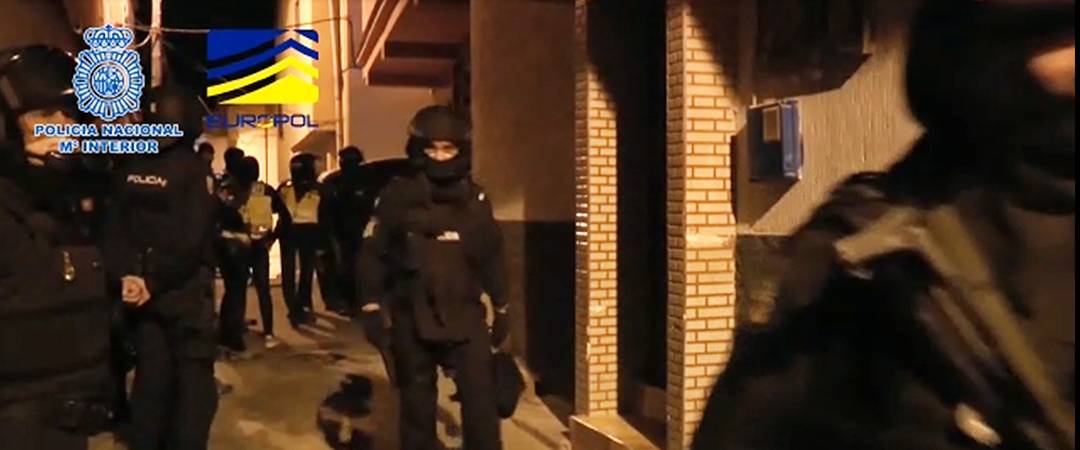
Europol Dec 13, 15:43

International motor vehicle crime in Germany

Four arrest warrants were issued this morning against two Germans, one Jordanian and one Polish national between the ages of 30 and 52. 18 search warrants in Berlin, Brandenburg and Lower Saxony against 16 other suspects were issued as well. As a result of the house searches, various pieces of evidence were confiscated, among which eight cars, a motorcycle, various data carriers, specialised tools for breaking into vehicles as well as cash and drugs. The operation involved around 250 police officers and was supported by Europol. Yesterday, investigators already arrested a 46-year-old suspended police officer, who is allegedly involved in the case. The complex investigation was coordinated by a specialised Office for Organized Crime at the Berlin Public Prosecutor's Office. Overall 23 suspects of different nationalities were identified and accused of different crimes; among them theft, fraud, falsification of documents and violations of the arms act as well as bribery. The investigations were initiated in November 2017, and revealed the registration of vehicles in addition to falsified Slovenian and Austrian documents as well as falsified registration certificates from Belgium, France, the Netherlands, and Sweden. The investigations covered various EU Member States (Austria, Belgium, France, Italy, Lithuania, Poland, the Netherlands, and Sweden) as well as Algeria.   
Read full story →

Europol Dec 13, 14:15

Italian operation arrests ten members of an organised crime group

An international operation successfully dismantled an organised crime group, suspect of money laundering and illegally trading gold. Italy's Guardia di Finanza (Bologna) led the operation. The Guardia di Finanza handles all areas of financial crime. Europol supported the case with codename Pietra Filosofale. House searches were carried out on 12 December in the Italian regions of Abruzzo, Basilicata, Emilia-Romagna and Tuscany. Ten members of the targeted organised crime group were arrested. During the operation, the Guardia di Finanza seized EUR 260 000. There are four arrest warrants for criminals in Romania and Turkey. The members of the organised crime group came from China, Italy, Romania and Turkey. In addition, the Judge for Preliminary the Investigations in Bologna ordered to freeze EUR 7.4 million in assets. The aim of the operation was to dismantle the group, which was active in international money laundering. The Guardia di Finanza had been collecting evidence against the group for two years. The investigation led to the seizure of over 70 kg of gold (valued at EUR 2.5 million) and EUR 1.5 million in cash. The main target, a 50-year-old Turkish national collected cash from Chinese businesspeople to commit tax evasion. He invested the collected cash and bought gold, which he traded on the legal gold market. He then transferred the profits to bank accounts in Romania and Turkey, and eventually to bank accounts in the UK owned by the Chinese criminals who led the crime group. International cooperation via Italy’s Guardia di Finanza and Europol played a crucial role in this complex case. Europol facilitated the rapid exchange of information and provided investigators with qualified support.
Read full story →
Europol Dec 7, 13:13

EU-wide action against buyers of counterfeit money on the Darknet

All over Europe, law enforcement agencies performed actions against suspects who bought counterfeit euro banknotes on illegal platforms on the Darknet. These actions, coordinated by Europol, started on 19 November and the majority of interventions took place from 3 to 6 December In total, almost 300 house searches were conducted in 13 different countries and 235 suspects were detained. Law enforcement also seized around 1 500 counterfeit euro banknotes. Drugs, weapons (firearms, nunchaku, illegal knives and blades), computers, mobile phones, Bitcoins and hardware for mining virtual currencies were also seized. In addition, German authorities discovered two marijuana growing facilities and in France one additional illegal euro counterfeit print shop and one cannabis plantation were discovered. These joint actions are a direct result of a successful case handled by the Austrian Federal Criminal Police Office in June in 2018 and supported by Europol, when a print shop was dismantled in Leoben, central Austria, and the producer was arrested. The suspect was making counterfeit 10, 20 and 50 euro banknotes and sold them on several illegal Darknet marketplaces. Over 10 000 counterfeit banknotes were shipped to buyers all over Europe. During the raid, the Austrian police found evidence of his transactions and communicated this data to Europol. This information was analysed, enhanced and forwarded to all the affected countries. During an operational meeting at Europol’s headquarters, the Member States decided to organise a coordinated action to achieve the best results possible. Earlier this week, Germany performed around 180 house searches, 28 were performed in France, 20 in Italy, 20 in Austria and actions also took place in Croatia, Cyprus, Finland, Ireland, the Netherlands, Portugal, Spain, Switzerland and the United Kingdom. Investigations in several countries are still ongoing. This joint effort of European law enforcement agencies shows once again that anonymity on the Darknet can be tackled with good international cooperation. Europol’s Deputy Executive Director of Operations, Wil van Gemert, said: “This joint effort highlights that complete anonymity on the internet and the Darknet doesn’t exist. When you engage in illegal activity online, be prepared to have police knocking on your door sooner or later. Europol will continue to assist Member States in their efforts of protecting the euro against counterfeiting, both in the real world as in the virtual one.”
Read full story →
Europol Dec 6, 15:09

International cooperation disrupts illegal fireworks network

Illegal fireworks are a huge Europe-wide problem. Their unregulated distribution causes considerable safety risks to those shipping and buying them due to their substantial explosive character, as well as millions of euro in tax losses for some economies. A remarkably high level of cooperation and coordination among judicial, police and customs authorities, and the extensive support of Eurojust and Europol, contributed to the successful dismantling of this sophisticated organised crime group (OCG). Action days in Poland, the Netherlands and Germany in the past three weeks have resulted in 35 OCG members arrested in Poland, nine of whom are still detained, and the seizure of fireworks, the blocking of webshops and more than 150 searches of residences and businesses. Four webshops involved in the sale of the illegal fireworks by the OCG, bombashop.com, ultrasshop.com, psychoeffect.eu and pyrofans.eu, were blocked at the request of the Dutch authorities, and their data were seized. In Poland, 80 tons of F4 fireworks were seized from a warehouse, an amount large enough to fill four large shipping containers. Unmarked parcels containing illegal fireworks were also intercepted and seized in Poland, the Netherlands and Germany prior to distribution to the buyers, thus avoiding possible harm to innocent people, including postal employees. The members of the OCG are being investigated by the Polish authorities for participation in a criminal organisation, trafficking in pyrotechnic material and explosives, tax fraud and money laundering. The Polish investigation targeted the OCG, which was active since 2012. The OCG, primarily composed of Polish nationals, was involved in the trafficking of fireworks illegally sold online to clients throughout Europe, and shipped by courier and normal post in unmarked packages. The OCG was suspected to have shipped approximately 1 500 kg of pyrotechnics, including approximately 500 kg of F4 class, every day to different Member States. The German investigation targeted the buyers of illegal fireworks in Germany, who ordered via one of the webshops without possessing licences for explosives. During simultaneous house searches of the 50 suspects throughout Germany, customs authorities seized large amounts of pyrotechnics, improvised explosive devices, firearms and ammunition. Several houses required evacuation to ensure that the pyrotechnics and explosives could be removed safely. In addition, 74 allegedly illegal postal shipments, with a gross weight of approximately 400 kg, were detected and checked at courier services. Pyrotechnics inside the shipments were seized. The objective of the Dutch investigation was to halt the activities of middlemen and consumers, as well as the distribution of illegal fireworks on behalf of the OCG in the Netherlands. The Dutch authorities blocked Dutch Instagram accounts from which illegal fireworks were sold. In preparation for the action day, multiple European Investigation Orders (EIOs) were exchanged between Poland, Germany, the Netherlands and France requesting searches of premises and seizures. Eurojust enhanced cooperation between parties and promoted discussions about the goals of the actions. It also supported coordination of the investigations during coordination meetings and facilitated the execution of EIOs. At Europol, multiple operational meetings were held since 2017. Data from the servers used by the online webshops was analysed, and intelligence packages were shared with all the involved Member States, informing them about suspicious clients who ordered pyrotechnics from these different webshops. Europol experts were sent to Poland to support the police actions there. Thanks to the success of this action, the flow of illegal fireworks in Europe has been greatly reduced, just in time to interrupt the New Year’s buying season.
Read full story →
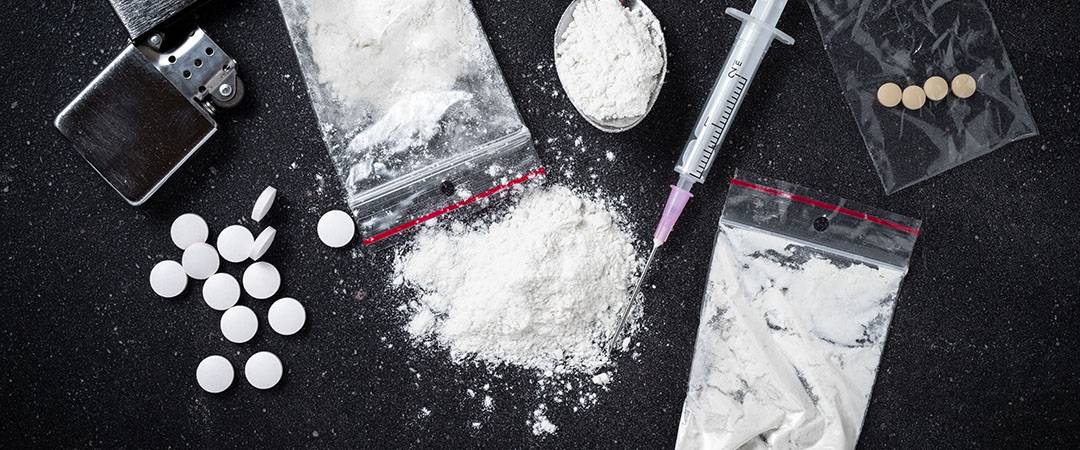
Europol Dec 6, 11:00

From Vietnam to Spain: an illegal journey costing EUR 18 000

The irregular migrants were smuggled from Vietnam via South America and finally into the EU in groups of 6 to 12 individuals. Each group was led by an English-speaking smuggler who travelled with them from the beginning and facilitated the communication during the journey. The network received EUR 18 000 from each migrant, which could be paid using several payment methods: either they paid the amount in their home country, gave up their land and property, or they paid in kind once in Europe through unpaid work. It is estimated that the criminal network gained over EUR 13 million. Ten house searches and over 100 beauty salons inspected After an eleven-month investigation, the Spanish Policía Nacional discovered that the migrant smuggling group was primarily based in Barcelona. The officers then searched ten houses and inspected over 100 beauty salons across the country. Law enforcement seized four vehicles, several devices and more than EUR 60 000 from the searches. Altogether 37 individuals were arrested, among them European ringleaders and an official who worked at the foreign office in Huelva, southern Spain, and who had links with a Vietnamese businessman. Both individuals helped counterfeit residency documents for the migrants. Europol supported the operation by providing full analytical support in the early stages of the investigation. During the coordinated operational activities, an expert from Europol was deployed for on-the-spot support with a mobile office and a Universal Forensic Extraction Device (UFED).
Read full story →
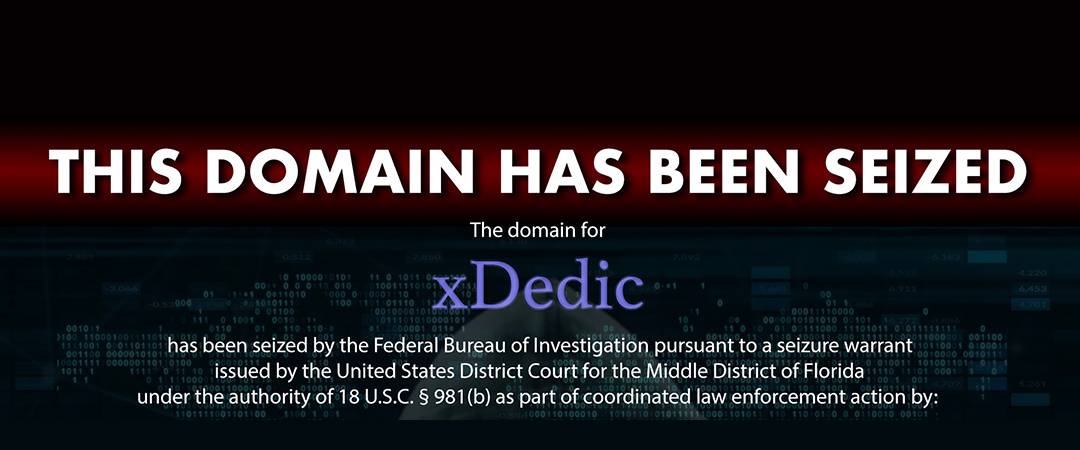
Europol Dec 6, 09:26

Masterminds behind German rooftop burglaries halted in Moldova

Two suspects of more than 20 high-profile burglaries in Germany were arrested on 5 December 2018 in Moldova. The arrests are the result of a successful international criminal investigation by the German and Moldovan authorities, supported by Europol. The burglars made their way into the victims’ houses through the roof, causing more than EUR 20 million worth of damage. Since 2017, the Hamburg law enforcement authorities (the Public Prosecutor’s Office of Hamburg and Hamburg Police) have been investigating a series of domestic burglary cases in the city of Hamburg and other areas in Germany. The offences are characterised by a special modus operandi: the offenders first remove panels from the roof of their victim’s house and then cut a hole in the film to gain access. The total damage in Hamburg alone amounts to more than EUR 20 million from 22 separate burglaries. Thanks to successful information sharing with the French authorities, a Moldovan suspect was identified, who then led police to investigate a Moldovan criminal group linked to the initial suspect. The investigations in Germany were carried out in close coordination with police authorities in the federal states of Berlin, Lower Saxony, North Rhine-Westphalia and Schleswig-Holstein. In addition, the Federal Criminal Police Office of Germany was closely involved in the investigation and supported it from the ISF project PRINZ Europol supported several operational meetings with Moldovan law enforcement authorities held between the end of 2017 and October 2018. The meetings revealed that the criminal group was linked to ongoing investigations by the Moldovan authorities. It was agreed that the investigations in both countries should be carried out at the same time. The concentrated approach of all partners involved proved to be very valuable and decisive in the success of this cross-border investigation. Based on the German and Moldavian investigations, extensive judicial measures were ordered against this organised crime group. These measures included search warrants for 18 residential properties, 3 arrest warrants and a freezing order. The actions took place on 5 and 6 December in Moldova, with on-the-spot support from judicial and law enforcement authorities from Hamburg and Europol. Two suspects were arrested yesterday and a few more during the investigation. Several weapons, EUR 25 000 cash, jewellery and luxury watches were seized.
Read full story →

Europol Dec 5, 12:52

Coordinated crackdown on 'Ndrangheta mafia in Europe

Unique joint investigation by judiciary and police forces in the Netherlands, Italy, Germany and Belgium culminates in the largest, coordinated joint action against an organised criminal group to date in Europe. During a joint action day starting in the early hours of 5 December 2018, judicial and law enforcement authorities in the Netherlands, Italy, Germany, Belgium and Luxemburg have taken coordinated and decisive action against the ‘Ndrangheta. This aggressive, mafia-style organised criminal group is one of the most powerful criminal networks in the world, and controls much of Europe's cocaine trade, combined with systematic money laundering, bribery and violent acts. The operation, code-named ‘Pollino’, is the biggest of its kind to date in Europe. Several hundred police, including special intervention units, were engaged in today’s action, together with prosecutors and investigative officers. The judicial authorities and law enforcement agencies involved have been working intensively together since 2016, including in a Joint Investigation Team (JIT) supported by Eurojust - the EU’s Judicial Cooperation Unit and Europol in The Hague, to prepare the action.  As a result of close cooperation, almost than 4,000 kg of cocaine and hundreds of kilos of other drugs have been detected across Europe during the course of the investigation.  By 12.00 on the action day,  84 suspects have been reported arrested, including high-ranking members of the mafia network. An estimated EUR 2 million in criminal assets are expected to be seized and many witness hearings and house searches will be conducted, securing important evidence to be used at trial. Actions are also taking place in Suriname.   The case originated in 2014 when the Dutch Fiscal, Information and investigation Service (FIOD) referred an investigation of possible money laundering to Eurojust. The investigation looked into partners of Italian restaurants in Horst and Venray in the Netherlands and showed connections to the Nordrhein-Westfalen region in Germany as well as to criminal activity in Reggio Calabria in southern Italy. The Dutch desk at Eurojust therefore proactively encouraged the other countries concerned to look into the case. The ‘Ndrangheta mafia network, that has its base in Southern Italy, is known to operate by starting legitimate businesses in other countries as a cover to expand overseas, smuggling drugs, laundering illicit profits and claim new territories as areas under their control. By splitting the activities per country, the mafia network aims to exploit legal differences between criminal jurisdictions and to escape attention, since each crime, if only investigated separately, may appear as an isolated act rather than part of an international operation.  The creation of a Joint Investigation Team by The Netherlands, Italy and Germany for Operation Pollino in October 2016 had a catalytic effect on the scale and intensity of the investigation. Essentially a legal framework, a JIT is a platform for judiciary and police from different countries to work directly together in a specific case and systematically exchange operational information. Step by step, the authorities involved in Operation Pollino, including investigative judges, worked  very intensively together to lay the puzzle, pool their knowledge and creativity in order to establish a joint strategy and uncover the actual magnitude and complexity of the criminal activity of the ‘Ndrangheta.   The exchange of evidence, which is essential to build solid prosecution cases, has been an important element to prepare today’s action. It is the first JIT with the participation of Italy. The practical support through EU Agencies like Eurojust and Europol has played a crucial role in Operation Pollino.  The JIT has been facilitated and financed by Eurojust, who also organised of a series coordination meetings to regularly bring the actors together, support the development of a joint strategy and facilitate the mutual understanding of the different judicial systems  at critical juncures of the investigation. Europol has contributed through extensive data analysis by in the context of Analysis Project ITOC, which supports cases investigating the criminal activities of mafia-structured OCGs originating in Italy and impacting other Member States. During the joint action day, prosecutors from the judicial authorities followed the action in real-time from the coordination centre at Eurojust, which allows for swift analysis of new data as it is being collected during the action and makes it possible to adapt the strategy as required. Europol has also assisted the Italian police with in the field with a mobile office. Filippo Spiezia, Vice-President of Eurojust and National Member for Italy, said: ‘Today, we send a clear message to organised crime groups across Europe. They are not the only ones able to operate across borders: so are Europe’s judiciary and law enforcement communities. By working together and using the unique tools at our disposal in the EU,  such as the possibility to form a Joint Investigation Team and with the practical support through EU Agencies like Eurojust and Europol, we are able to detect, investigate and prosecute this kind of serious, organised crime.” As of 11:00 on the joint action day, the following actions and results have been reported:  The Netherlands: 5 arrests. Seizures of almost 4,000 kg cocaine and 140 kg of XTC pills. Dutch investigators from FIOD and the Dutch Police have also helped to search in Italy and Germany. Authorities involved: The Fiscal, Information and investigation Service (FIOD), the Special Affairs Team, Eindhoven, Police National Unit, Dutch National Prosecution Service] Italy: The main focus has been in the regions Calabria and Catanzaro in Northern Italy. There have been 41 arrests. Authorities involved: Office of the public prosecutor Reggio Calabria Central Operative Service of the State Police (SCO) State Police Investigative Department of Reggio Calabria; Central Service of Investigation of the Guardia di Finanza (SCICO) Police Command for financial investigation of Guardia di Finanza (Valutaria GdF) Operational antidrug department of the Guardia di Finanza of Reggio Calabria (GOA) Germany: The main focus has been in the western parts of North Rhine-Westphalia due to its proximity to the ARA harbours.  There have been 15 arrests and [+6 in a related operation] Authorities involved: Staatsanwaltschaft Duisburg Bundeskriminalamt (BKA) There has also been close cooperation with other German Italian Organised Crime investigations, especially with the Organised Crime Units of the Landeskriminalamt NRW as well as the Office of the Public Prosecutor and the Police in Cologne, where coordinated arrests and searches have been executed today. Belgium: The main focus has been in Maasmechelen in Limburg. There have been 4 arrests and [+10 in a related operation] Authorities involved: The Public Prosecutor’s Office Limburg, The Federal Judicial Police, Limburg, Local Police of Lanaken-Maasmechelen, Limburg Luxembourg: Two suspects have been arrested and the national investigation is ongoing. Authorities involved: Police Lëtzebuerg Parquet de Luxembourg Cabinet d'instruction Luxembourg
Read full story →

Europol Dec 4, 10:03

Over 1500 money mules identified in worldwide money laundering sting

168 arrested, 1504 money mules and 140 money mule organisers identified, as a result of the fourth European Money Mule Action ‘EMMA 4’, a global law enforcement action week tackling the issue of money muling. The action took place over the course of three months (September-November 2018). 30 States took part in EMMA 4, alongside Europol, Eurojust, the European Banking Federation, supported by more than 300 banks. The joint money muling campaign #DontBeAMule kicks off today to alert the public to this crime. Working together with Europol, Eurojust and the European Banking Federation (EBF) , police forces from over 20 States arrested 168 people (so far) as part of a coordinated money laundering crackdown, the European Money Mule Action (EMMA). This international swoop, the fourth of its kind, was intended to tackle the issue of ‘money mules’, who help criminals launder millions of euros worth of dirty money. Held over the course of the past three months (September-November 2018), this year’s edition of EMMA saw the participation of law enforcement agencies from Austria, Belgium, Bulgaria, Croatia, Czech Republic, Denmark, Estonia, Finland, France, Greece, Germany, Hungary, Ireland, Italy, Latvia, Lithuania, Malta, Netherlands, Poland, Portugal, Romania, Slovenia, Spain, Sweden, Australia, Moldova, Norway, Switzerland, the United Kingdom and the United States. Across Europe and beyond, 1504 money mules were identified, leading to the arrest of 168, and 140 money mule organisers. 837 criminal investigations were opened, many of them are still ongoing. More than 300 banks, 20 bank associations and other financial institutions helped to report 26376 fraudulent money mule transactions, preventing a total loss of €36,1 million. The wider community of global and European banks provided support where needed during the three months of action and committed to raising awareness in their country. Once again, this highlights the importance of a quick and coordinated response by law enforcement and the banking sector. Why do people help criminals launder money? Money mules are individuals who, often unwittingly, have been recruited by criminal organisations as money laundering agents to hide the origin of ill-gotten money. Tricked by the promise of easy money, mules transfer stolen funds between accounts, often in different States, on behalf of others and are usually offered a share of the funds that pass through their own accounts. Newcomers to a State, the unemployed, and people in economic distress often feature among the most susceptible to this crime. This year, cases involving young people selected by money mule recruiters are on the rise, with criminals increasingly targeting financially-distressed students to gain access to their bank accounts. While mules are being recruited via numerous routes, criminals are more and more turning to social media to recruit new accomplices, through the advertisement of fake jobs or get-rich-quick posts. Although this may sound like quick and easy money — all it takes is a click to transfer money from an account to another — permitting a criminal group to use one’s bank account can have severe legal consequences. Mules may face lengthy imprisonments and acquire a criminal record that could seriously affect the rest of their lives, such as never being able to secure a mortgage or open a bank account #DontBeAMule To raise awareness of this type of fraud, the money muling awareness campaign #DontBeAMule kicks off today across Europe. With awareness-raising material, available for download in 25 languages, the campaign will inform the public about how these criminals operate, how they can protect themselves and what to do if they become a victim. For the next week, international partners from law enforcement and judicial authorities, together with financial institutions, will be supporting the campaign at national level. Do you think you might be used as a mule? Act now before it is too late: stop transferring money and notify your bank and your national police immediately.
Read full story →

Europol Dec 3, 13:19

Europol signs Working Arrangement with the National Police Agency of Japan

The Commissioner General of the National Police Agency of Japan (NPA), Shunichi Kuryu, and Europol’s Executive Director, Catherine De Bolle, today signed a Working Arrangement to initiate cooperation between Europol and Japan to combat international cross-border crime. The Working Arrangement will allow both parties to enhance future cooperative relations in the fight against terrorism, drugs, cybercrime and other relevant crime areas by establishing a secure communication line. The secondment of a liaison officer to Europol’s Headquarters will also facilitate the cooperation between Japan and the Member States of the European Union (EU). This will ensure the secure, timely and direct exchange of information between Europol and the NPA. This new level of collaboration is vital for tackling serious crime affecting both the EU and Japan. The signing ceremony for this Working Arrangement on 3 December was held at Europol’s headquarters in The Hague, the Netherlands. Catherine De Bolle said: “This working arrangement will establish cooperative relations between Europol and NPA to support the EU Member States and Japan in preventing and combating serious and organised crime, terrorism and other forms of international crime. Organised crime groups are as varied as the markets they service and the activities they engage in. In many cases, they reflect the societies, cultures and value systems they originate from. As societies globally become more interconnected and international in outlook, organised crime is now also more connected and internationally active than ever before. I am confident that today’s signed arrangement will facilitate effective cooperation between Europol and Japanese law enforcement agencies, making us all safer.” Commissioner General Shunichi Kuryu said: “This arrangement will establish a solid framework between the National Police Agency of Japan and Europol that will enable us to cooperate to combat crimes timely and effectively, in addition to the cooperation through the existing Agreement between Japan and the European Union on Mutual Legal Assistance in Criminal Matters. We especially value the opportunity of sending a liaison officer to Europol and enhancing the cooperation, as Japan will host the Games of the XXXII Olympiad and the Tokyo 2020 Paralympic Games.”
Read full story →
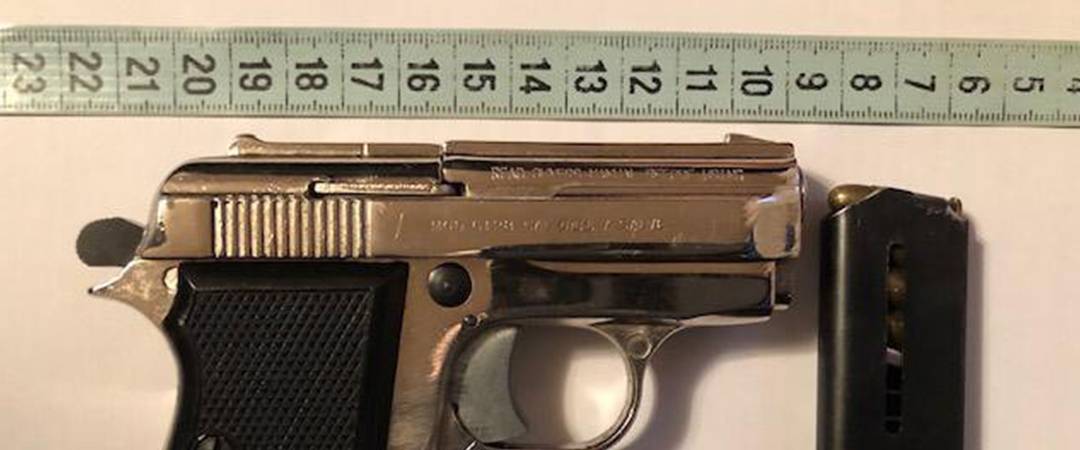
Europol Nov 30, 16:23

Europol coordinates its 12th referral action day to combat online terrorist content

On 29 November 2018, Europol’s European Union Internet Referral Unit (EU IRU) organised its 12th joint Referral Action Day with the national referral units of seven Member States and third parties, including Denmark, France, Germany, Ireland, Lithuania, Portugal and the United Kingdom. This joint action was coordinated from Europol’s headquarters in The Hague and targeted online material linked to terrorist activities. During the Referral Action Day, the parties involved thoroughly reviewed the referral process, from the detection of terrorist content to its flagging to the online service providers. The focus of this continuous initiative included the detection and referral of terrorist content from ten file sharing platforms. A total amount of 7 393 items were assessed and referred to the participating online platforms with a request to be reviewed against their terms of service. Europol promotes cooperative relations to combat terrorist online propaganda. Similar joint actions will continue to be organised frequently. Based within Europol’s European Counter Terrorism Centre (ECTC) , the EU IRU detects and investigates terrorist content on the internet. Furthermore the Unit produces strategic insights into jihadist terrorism and provides support to law enforcement authorities in the EU Member States in online criminal investigations.
Read full story →

Europol Nov 30, 13:13

Operation Trivium strikes again: Five years targeting mobile organised crime groups

Joint operation in four EU Member States: the Netherlands, Belgium, Germany and Lithuania, coordinated by the Dutch National Police Several hits led to further investigations by the German and Lithuanian authorities The operation was coordinated from Europol’s Coordination Centre Between 14 and 16 November 2018, law enforcement authorities from four EU Member States (the Netherlands, Belgium, Germany and Lithuania), coordinated by the Dutch National Police and with the support of Europol, carried out the fifth edition of operation Trivium targeting mobile organised crime groups (MOCGs) and their infrastructure across the EU. Europol hosted and coordinated the operation from the Coordination Centre, which was set up at Europol’s headquarters in The Hague with Dutch, German and Lithuanian authorities deployed to Europol and the Belgian authorities joining remotely. During the operation, police checked 350 people and over 130 vehicles in participating countries, which resulted in more than 40 hits and over 50 arrests. The multi-agency operation Trivium, launched in 2013, aims to tackle foreign national offenders who use the EU’s road network with a specific focus on disrupting criminality. Since the beginning, this operation has enjoyed growth and success across several operations. So far 58 746 vehicles have been checked and 36 997 activities carried out. Furthermore, this operation enhances road safety and the levels of trust and confidence in local communities by delivering law enforcement and educational activities – such as road traffic controls on personal and freight vehicles – which are designed to tackle criminality.  
Read full story →
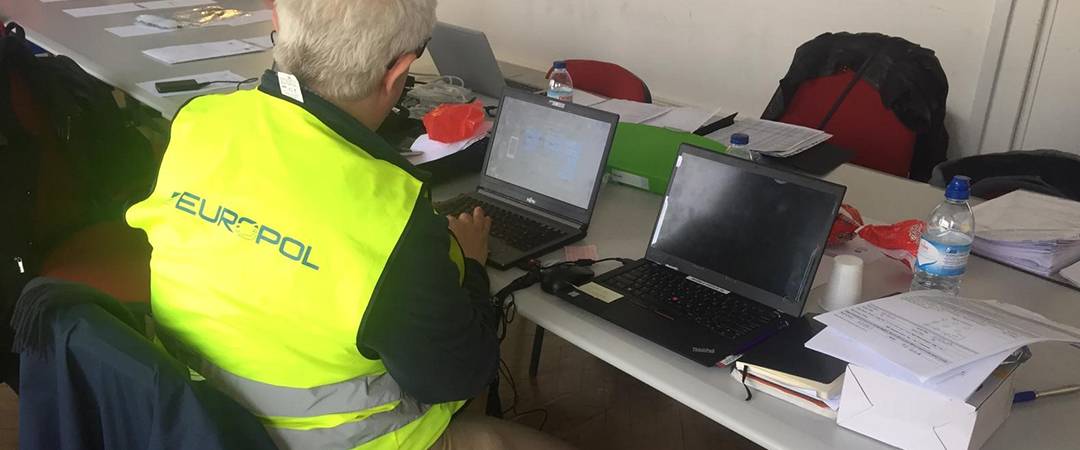
Europol Nov 28, 09:00

A new era dawns in the fight against mafia groups: Europol a key player in brand-new operational network

The Operational Network (@ON) strengthens international police cooperation on mafia-style criminal groups, making it possible for EU Member States to request, in coordination with Europol, the deployment of specialised investigators. The Italian Anti-mafia Investigation Department / Direzione Investigativa Antimafia (D.I.A.) prepared the project supported by Europol and authorities from Belgium, France, Germany, the Netherlands and Spain. The main criminal groups to be addressed are mafia-style Italian organised crime groups, Eurasian and Albanian criminal networks and Outlaw Motorcycle Gangs. The ONNET project, financed by the European Commission for 24 months, aims to fund the @ON network, which is composed of Italy (D.I.A. as a driver), Belgium (Federal Police), France (National Police and Gendarmerie Nationale), Germany (Federal Criminal Police Office), the Netherlands (National Police) and Spain (National Police and Guardia Civil). Kick-off meeting at Europol headquarters The overarching objective of the network is to achieve advanced international operational police cooperation by exchanging information, monitoring high-level criminals and addressing international investigations. Furthermore, the grant will support the implementation of the @ON network and the promotion of high-level conferences. The project’s main aim is to provide operational support with specialised investigative units in EU Member States and relevant third parties accredited by Europol. Investigators from the project, who are specialised in this criminal phenomenon, can be deployed to the Member States involved. The project was officially launched on 1 November at Europol’s headquarters in The Hague, the Netherlands. General Giuseppe Governale, Director of the D.I.A, will lead the project together with the international partners of ONNET and Europol representatives. Director Governale opened the project and held the first meeting together with the Head Europol’s European Serious Organised Crime Centre, Jari Liukku. The Italian Carabinieri General highlighted “The ONNET project, the @ON countries, with the support of Europol’s Organised Criminal Groups (OCG) team, will be able to propose a different, cross-cutting action, targeting criminal organisations as such, represented by the high-value targets (HVT) of criminal networks. ONNET will complement the current lack of EU funds in the fight against mafia-type criminal organisations, which is, at present, not an EMPACT priority (European multidisciplinary platform against criminal threats).” Europol’s Deputy Executive Director of Operations, Wil van Gemert, underlined the operational nature of the project and added: “The number of organised crime groups in the EU Member States is increasing and they have become more poly-criminal. This project represents a unique opportunity for Europol to provide full support to the law enforcement agencies to tackle these top-level international criminal groups constituting the highest risk to the EU Member States. What will be crucial for the projects to succeed will be identifying high-level criminals and setting up operational task forces between the countries involved to tackle these organised criminal groups and finally bring them to justice.
Read full story →

Europol Nov 26, 13:00

Operation takes down over 33 600 internet domains selling counterfeits goods

Countries from the EU and beyond worked together to seize domains selling fake products. Twelve suspects arrested and accounts worth over EUR 1 million seized. The Operation IOS (In Our Sites), now in its ninth year, is more successful than ever. As part of an international operation, Europol’s Intellectual Property Crime Coordinated Coalition (IPC3) has seized 33.654 domain names distributing counterfeit and pirated items online. The websites distrusted items such as counterfeit pharmaceuticals, pirated films, television shows, music, software, electronics and other bogus products. The joint international operation also involved the US National Intellectual Property Rights Coordination Center1 and law enforcement authorities from 26 countries including EU Member States and third parties2, which was facilitated by INTERPOL. Operation In Our Sites (IOS) is a continuation of a recurrent joint global operation, which was launched in 2014 and has since significantly increased. The ninth edition of this worldwide operation in 2018 saw an even larger range of anti-counterfeiting associations, brand owner representatives and law enforcement authorities taking part to facilitate international cooperation and support the countries involved in this initiative. This year’s operation IOS IX has seen a remarkable increase from the previous edition, where 20 520 domain names were seized as they were illegally trading counterfeit merchandise online. This is a result of Europol’s comprehensive approach to make the internet a safer place for consumers by encouraging more countries and private-sector partners to participate in this operation and provide referrals. In addition to the seized domain names, officials also arrested 12 suspects, blocked hardware devices, identified and froze more than EUR 1 million in several bank accounts, online payment platforms and a virtual currency farm used by the organised criminal groups. Europol, in cooperation with the European Union Intellectual Property Office (EUIPO), continues to enhance such efforts by successfully supporting many high-priority investigations related to online crimes, providing training related to online investigations, and organising conferences such as the annual Intellectual Property Crime Conference. To continuously raise awareness of this growing threat, Europol’s IPC3 launched the campaign “Don’t F***(ake) Up”. The campaign informs citizens of the risks of buying fake products online and provides forthright advice to help identify illicit websites that sell counterfeit goods, as well as other means used by counterfeiters, such as fake social media accounts and fake apps. ---------------- 1 The Center comprises US Immigration and Customs Enforcement (ICE) and Homeland Security Investigations (HSI). 2  Albania, Austria, Belgium, Bulgaria, Bosnia and Herzegovina, Colombia, Czech Republic, Denmark, France, Greece, Hungary, Hong Kong- China, Ireland, Italy, Netherlands, Peru, Republic of Korea (South Korea), Republic of Moldova,  Republic of Serbia, Romania, Slovakia, Spain, Portugal, Ukraine, United Kingdom of Great Britain and Northern Ireland, United States of America.
Read full story →

Europol Nov 20, 09:16

Europol helps detain dangerous Belgian fugitive in Spain

Wanted by the Belgian authorities, the fugitive is suspected of carrying out more than 20 robberies with extreme violence, as well as other crimes such as drug trafficking and the illegal trade of firearms. He laundered the illicit proceeds from his crimes in Belgium via a restaurant in Spain.  Arrested following a European Arrest Warrant. With the support of Europol, the Spanish Guardia Civil, in coordination with the Belgian Federal Police, and the Belgian and Spanish judicial authorities, have arrested a Belgian fugitive described as “very dangerous’’ in Torrevieja, south-east Spain. He escaped from Belgium in January 2018 after committing more than 20 robberies with extreme violence and had been wanted by the Belgian authorities ever since. The suspect belonged to an organised crime group and is the alleged perpetrator of other crimes such as drug trafficking and the illegal trade of firearms. When the Belgian Federal Police suspected the fugitive could be hiding in Torrevieja, they requested the cooperation of the Spanish Guardia Civil, who launched an investigation and surveillance activities. Europol provided analytical support during the investigation by cross-checking data and facilitated information exchange, as well as smooth international cooperation. Investigations revealed that the fugitive laundered the illicit proceeds derived from his criminal activity in Belgium through a restaurant in Spain – a cash-intensive business – and then invested the money in real estate. On the action day on 7 November, the fugitive was arrested in Spain following a European Arrest Warrant launched by the Belgian authorities. Three houses and a restaurant were searched in Spain, resulting in the shutdown of the restaurant used to launder the money and the freezing of two properties, bank accounts and a vehicle, alongside numerous documents, electronic devices, credit cards and a substantial amount of cash. During the operation, Europol supported the operation on-the-spot by deploying one expert from its Financial Intelligence Unit equipped with a Universal Forensic Extraction Device (UFED). This allowed for the extraction of data from the mobile and computer devices seized for its posterior analysis. Watch the video
Read full story →
Europol Nov 16, 14:45

Europol creating a safer cyberspace as it joins forces with Diebold Nixdorf

Today Europol hosted the signing of a Memorandum of Understanding (MoU) with Diebold Nixdorf at its headquarters in The Hague, the Netherlands. Diebold Nixdorf is a global provider of self-service transaction systems such as ATMs and point-of-sale technology for the financial and retail industries. Sharing knowledge on major cyber threats and attacks and exchanging expertise, best practices, technical information and trends related to organised crime activity related to attacks against self-service ecosystems, are the main activities which will allow both organisations to reinforce their efforts to create a safer cyber space for citizens, businesses and governments. High level of expertise for European investigations Europol created the European Cybercrime Centre (EC3) in 2013 to strengthen the law enforcement response to cybercrime in the EU in a bid to better protect EU citizens, businesses and governments from online crime. It also targets cybercrime by facilitating the joint identification, prioritisation, preparation and initiation of cross-border investigations and operations by its partners. During the signature, Steven Wilson, Head of EC3 said: “The signing of this Memorandum of Understanding will improve our capabilities and increase our effectiveness in preventing, prosecuting and disrupting cybercrime related to self-service ecosystems. As a company with a strong global presence, a working cooperation of this type between Europol and Diebold Nixdorf is the most effective way in which we can hope to secure cyberspace for European citizens and businesses. I am confident that the high level of expertise our industry partners bring with them are going to result in a significant benefit to our Europe-wide investigations.” Diebold Nixdorf is committed to exchanging threat intelligence data and best practices with industry partners and law enforcement agencies such as Europol in a secure and trusted way, as a means of better protecting global customers from the rapidly expanding cybercrime industry. Bernd Redecker, Director of Corporate Security and Fraud Management at Diebold Nixdorf, said: “As a global leader in connected commerce, Diebold Nixdorf is committed to ensuring the security of the millions of transactions enabled by our technology each day. The signing of this Memorandum of Understanding with EC3 reinforces our commitment to proactively fight cybercrime, and we look forward to intensive, industry-wide information exchange as well as joint projects that will help protect our customers and prevent incidents related to self-service ecosystems.” About Europol Europol is the European Union’s law enforcement agency. Headquartered in The Hague, the Netherlands, Europol supports the 28 EU Member States in their fight against terrorism, cybercrime and other serious and organised forms of crime. With over 1 100 staff members, Europol uses state-of-the art tools to support some 40 000 international investigations each year, serving as a centre for law enforcement cooperation, analytical expertise and criminal intelligence. About Diebold Nixdorf Diebold Nixdorf Incorporated (NYSE:DBD) is a world leader in enabling connected commerce for millions of consumers each day across the financial and retail industries. Its software-defined solutions bridge the physical and digital worlds of cash and consumer transactions conveniently, securely and efficiently. As an innovation partner for nearly all of the world’s top 100 financial institutions and a majority of the top 25 global retailers, Diebold Nixdorf delivers services and technology that are essential to evolve in an ‘always on’ and changing consumer landscape. The company has a presence in more than 130 countries with approximately 23 000 employees worldwide.
Read full story →
Europol Nov 16, 11:00

And the prize goes to...delighted to announce the winners of our 2018 law enforcement photo competition!

We received hundreds of entries capturing the essence of the challenging work of law enforcement across the globe, but only three could make it to the top. Unique snapshots portraying the work of law enforcement, police officers, rescue teams, SWAT teams, customs and border guards, carrying out the most rewarding of the duties: to protect citizens. From operational work and training exercises to everyday community policing, this year’s images feature dramatic action shots as well as heart-warming moments. And the winners of the 2018 law enforcement photo competition are… The first prize is awarded to João Moura from Portugal, whose spontaneous shot taken at  São Bento train station in Porto, Portugal, portrays community policing for the elderly. The second prize is awarded to Jiří Fejkl from the Czech Republic. The photo was taken in January 2011 while visiting London and shows a British police vessel patrolling on the river Thames. Daniel Ruiz from Spain is the third winner of this year’s photo competition, whose shot features a training session of the Mountain Rescue and Intervention Group (GREIM) of the Spanish Guardia Civil.   The three prize winners win a trip for two to the Netherlands, including a visit to Europol. Their images will also feature in our 2019 calendar and other Europol publications. 10th anniversary of the biggest international law enforcement photo competition in Europe Over the past decade, Europol’s annual international law enforcement photo competition has attracted thousands of entries from photographers working in law enforcement across the EU and beyond, making it the biggest international law enforcement photo competition in Europe. The images received have been since published in Europol’s flagship reports and publications as well as online to illustrate the amazing and diverse work of law enforcement. Next year’s edition will be open for entries from May to July 2019. Keep an eye on our photo competition website for updates and don’t miss out the opportunity to take part!
Read full story →
Europol Nov 15, 13:00

Europol and GLMS join forces to combat sport competition manipulations

The Global Lottery Monitoring System (GLMS) and the European Union's law enforcement agency, Europol, signed today in The Hague a Memorandum of Understanding (MoU). The agreement will see the two entities share information and be in constant consultation over sport competition manipulations and related organised crime investigations. GLMS and Europol will also cooperate in running joint activities and implementing relevant projects, notably in the field of education and capacity building. GLMS President, Ludovico Calvi, states: “We are delighted to consolidate our long-lasting and fruitful relationship with Europol and strengthen our joint efforts. Europol has played a significant role in recent years in the fight against organised crime involved in sport competitions manipulations with concrete results in relevant investigations. We have always valued their experience and innovative investigative approach. Thank to our global monitoring platform and network, we are confident that GLMS can support Europol effectively leveraging the « glocal » nature of our association with global presence and local intelligence”. Europol Deputy Executive Director of Operations, Wil van Gemert, adds «With organised crime infiltrating sport, the phenomenon of sport competition manipulations is unfortunately an active threat to EU citizens. Europol has been taking this matter very seriously and has successfully supported far-reaching investigations over the past years. We are delighted to count on the relationship with   GLMS, which thanks to its strong global network and local presence will further support us in this challenging task. Most importantly, with this agreement, we send out an important message to organised criminal groups that law enforcement and private actors like the lottery sector stand united in combating organized crime and safeguarding the integrity of sports and the values of European society.” About GLMS GLMS is the state lotteries’ mutualized monitoring system on sports betting. It aims at detecting and analyzing suspicious betting activities that could question the integrity of a sport competition. Building on six years of experience with the establishment in 2009 of ELMS with European Lotteries, GLMS went global in January 2015 extending the network to other continents. GLMS facilitates the sharing of sports betting information as part of the collective efforts of its members in ensuring sports integrity globally, and is dedicated to effective cooperation with all key stakeholders: regulators, law enforcement authorities, sports organizations. About Europol Europol is the European Union’s law enforcement agency. Headquartered in The Hague, the Netherlands, Europol supports the 28 EU Member States in their fight against terrorism, cybercrime and other serious and organised forms of crime. With over 1 100 staff members, Europol uses state-of-the art tools to support some 40 000 international investigations each year, serving as a centre for law enforcement cooperation, analytical expertise and criminal intelligence.
Read full story →
Europol Nov 13, 13:01

Marine pollution crime: first global multi-agency operation

An international law enforcement operation against maritime pollution has revealed hundreds of violations and exposed serious cases of contamination worldwide. Codenamed 30 Days at Sea, the month-long (1 to 31 October) operation saw some 276 law enforcement and environmental agencies across 58 countries detect over 500 offences, including illegal discharges of oil and garbage from vessels, shipbreaking, breaches of ship emissions regulations, and pollution on rivers and land-based runoff to the sea. Steered by a global network of 122 national coordinators, 30 Days at Sea involved environmental, maritime and border agencies, national police forces, customs, and port authorities. Violations detected worldwide More than 5 200 inspections have resulted in at least 185 investigations with arrests and prosecutions anticipated. Serious contamination was found in Germany, where a vessel discharged 600 litres of palm oil into the sea. Ghana uncovered gallons of waste oil in large bottles thought to be illegally dumped at sea. Authorities prevented an environmental disaster in Albania by securing waters around a sinking vessel containing some 500 litres of oil. Similarly, the pollution threat resulting from the collision of two ships in French waters was contained thanks to preventive action during the operation. Innovative technologies were used to detect offences including satellite images (Argentina, Sweden), aerial surveillance (Canada, Italy), drones (Indonesia, Nigeria and Pakistan) and night vision cameras. Action through global cooperation “This is why law enforcement must team up on a global scale to build strong international links with specialised experts so we can tackle this devastating crime while ensuring a healthier, safer planet for all,” responded Wil van Gemert, Deputy Executive Director of Europol, Operations Directorate. “Criminals believe marine pollution is a low-risk crime with no real victims.  This is a mistake and one which INTERPOL and our partners are addressing as demonstrated by this operation,” said INTERPOL Secretary General Jürgen Stock. “Marine pollution creates health hazards worldwide which undermine sustainable development and requires a multi-agency, multi-sector cooperative response within a solid global security architecture,” added the INTERPOL Chief. UN Environment Executive Director Erik Solheim said that the issue of illegal marine pollution is one that global communities may well be able to tackle successfully in the next decade.  “But we need the help of our law enforcement partners to make sure that there is no impunity for the perpetrators of marine pollution crime.” added the UN Environment Executive. Coordinated by INTERPOL’s Environmental Security Programme in close partnership with Europol, 30 Days at Sea was driven by a range of cooperative enforcement actions, involving pre-operational intelligence meetings, with domestic and regional training to strengthen tactical planning and international cooperation. Europol coordinated the actions in the Euro-Mediterranean region including two operational meetings and operational analysis support. In total, 3 323 actions were carried out including 120 prosecuted and 210 pollution incidents detected. Understanding pollution crime 30 Days at Sea is followed by an awareness campaign in partnership to illustrate the impact marine pollution has on economic development and human and environmental security.  A global response – collectively and individually – is an effective way to tackle pollution crime. From 13 November to 13 December, look for the hashtag #PollutionCrime, along with #CleanSeas on Twitter, and retweet to show support in combating marine pollution crime and raise awareness.
Read full story →
Europol Nov 12, 11:57

Operation SAFAR: 9 members of a criminal network in France and Spain arrested.

9 members of a network (5 in Spain and 4 in France) have been arrested in a joint operation, which was carried out by Spain and France on 24 October. The investigation revealed that around 1 200 migrants were smuggled by plane from Palestine1  to Northern Europe through Spain and France. The network followed a very well organised modus operandi by using particular routes, including via Middle-Eastern countries, East Africa and South America in order to reach Spain. The irregular migrants were accommodated in Madrid’s area during the time necessary to organise the continuation of their trip and the illegal border crossing to France and onwards by car. The migrants were charged between EUR 5 000 and 8 000  for the facilitation, which resulted in the smugglers making some EUR 9 million profit. Europol supported this investigation by providing operational analysis and deploying officers to France and Spain during the action days in order to facilitate the real-time information exchange and cross-check of the data collected. This intervention was carried out within the framework of the Joint Operational Team (JOT) DUNQETT, under the EU EMPACT priority on the facilitation of illegal immigration. -------- 1This designation shall not be construed as recognition of a State of Palestine and is without prejudice to the individual positions of the Member States on this issue. In 2010 the EU set up a four-year Policy Cycle to ensure greater continuity in the fight against serious international and organised crime. In March 2017 the Council of the EU decided to continue the EU Policy Cycle for organised and serious international crime for the 2018 - 2021 period. This multiannual Policy Cycle aims to tackle the most significant threats posed by organised and serious international crime to the EU in a coherent and methodological manner. This is achieved by improving and strengthening cooperation between the relevant services of EU Member States, institutions and agencies, as well as non-EU countries and organisations, including the private sector where relevant. Migrant smuggling is one of the priorities for the Policy Cycle.
Read full story →