Top Stories

Europol Nov 4, 10:00

Spain busts migrant smugglers active along the Balkan route

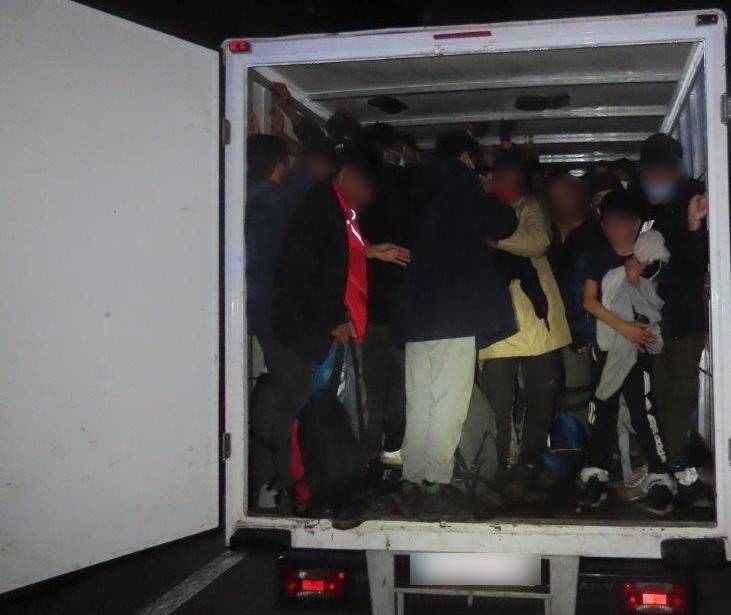
Spanish National Police (Policía Nacional), together with law enforcement authorities from Bosnia and Herzegovina, Croatia, Italy, Romania and Slovenia and supported by Europol and Eurojust, dismantled a criminal network facilitating illegal immigration along the Balkan route. The suspects used vans and trucks to hide the irregular migrants while transporting them in life-threatening conditions. The operation against this criminal group took place under the Operational Task Force Crafter, set-up by Europol.  The two action days on 22 April in Madrid and 7 May 2021 in Bucharest led to 15 arrests (12 in Spain and 1 in Romania, 1 in Slovenia, 1 in Croatia). 77 migrants detected in overcrowded truck  The investigation into this criminal network started in August 2020, when Slovenia reported the arrest of a suspect intercepted while transporting 53 irregular migrants in a van. Mainly Pakistani, but also Colombian, Spanish and Romanian suspects, were among the 17 identified members of the criminal network. So far, 15 of them have been arrested: 13 during the two action days in April and May, with a further two arrested in Croatia and Slovenia. The suspect arrested in Romania is the leader of the network considered a High Value Target by Europol.  The suspects recruited mainly Pakistani migrants from locations close to refugee camps in Bosnia and Herzegovina and would transport them via van to Italy, or in some cases Spain. While transporting them through the Balkan route, the criminals used separate cars as scouts to check the route and alert the ringleaders in case of police checks. In total, law enforcement authorities detected eight migrant smuggling attempts, four of which were aborted by the smugglers due to heavy police presence. Law enforcement authorities in Croatia intercepted a truck smuggling 77 migrants in life-threatening conditions, four of whom were minors. They also detected two other vehicles carrying 47 and 21 migrants respectively. The investigators estimate that the suspects have smuggled at least 400 migrants, earning about €2 million in illegal profits. Up to €20 000 per person from Pakistan to the EU Criminal organisations are extensively involved in facilitating secondary movements across the EU. Transportation through the Balkan route is increasing, with more countries such as Spain investigating networks active along this trafficking route. These secondary smuggling movements along internal European roads are extremely dangerous, with many cases of migrants being harmed along the way. Transported in life-threatening conditions in cars, van or trucks, they often spend days confined with little or no supplies. The amounts charged by the smugglers were also very high; in this case the suspects asked would-be migrants for between €5 000 to €8 000 for transporting one person from Bosnia and Herzegovina to Italy or Spain. They asked €3 000 for just the “trip” from Bosnia and Herzegovina to Slovenia. In total, Pakistani migrants would have paid the suspects up to €20 000 to reach their final European destination. Europol facilitated the exchange of information and provided analytical support. Europol additionally set-up an Operational Task Force to coordinate investigative efforts and support financially operational activities. On one of the action days, Europol deployed an expert to Madrid to cross-check in real-time operational information against Europol’s databases, provide technical support and thus give direct leads to investigators in the field. Headquartered in The Hague, the Netherlands, Europol supports the 27 EU Member States in their fight against terrorism, cybercrime, and other serious and organised crime forms. Europol also works with many non-EU partner states and international organisations. From its various threat assessments to its intelligence-gathering and operational activities, Europol has the tools and resources it needs to do its part in making Europe safer.
Read full story →
Europol Oct 29, 10:11

Europol and European Investment Bank sign Working Arrangement

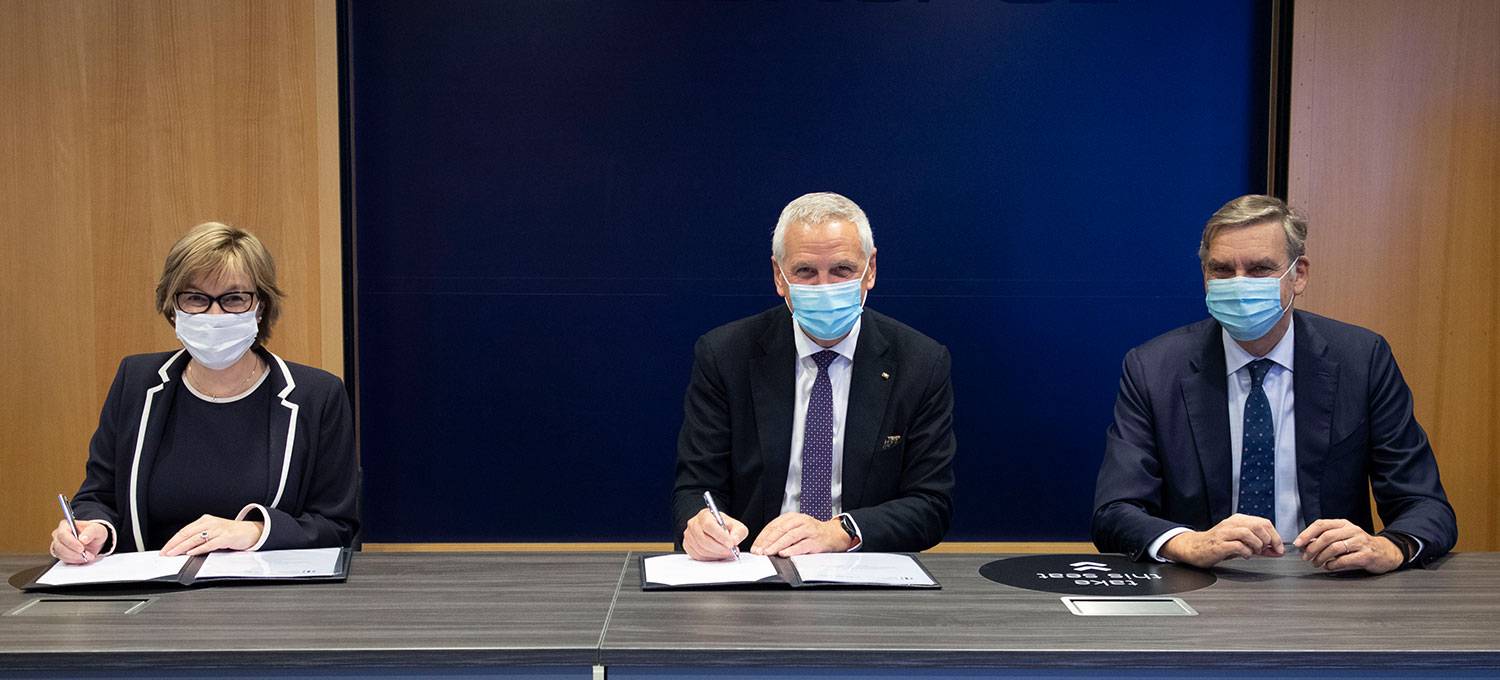
The European Investment Bank (EIB) and Europol have signed a Working Arrangement that facilitates the sharing of information and expertise in the fight against fraud and corruption in Europe. Europol today hosted European Investment Bank Vice-President Kris Peeters for the signing of a Working Arrangement between our two organisations. Mr. Peeters was joined at Europol’s headquarters in The Hague by Europol’s Executive Director, Catherine De Bolle. The Arrangement provides a legal framework for the exchange of information and expertise relating to serious crime, with the objective of preventing organised crime in multiple areas - including financial crime, terrorism, and cybercrime. Today’s official signing seals the integration and cooperation the two parties, particularly relating to the prevention of fraud and corruption risks arising from the post-pandemic economic recovery. Money laundering and the financing of terrorist groups, as well as other forms of serious crime, pose serious threats to the security of the EU and its financial infrastructure. Working Arrangements such as this with the European Investment Bank and other European institutions will foster collaboration that protects rights and prevents criminal activities. Working together on common ground Kris Peeters, Vice-President of the European Investment Bank, said: “The cooperation with Europol reinforces the EIB capacity to prevent and combat fraud and corruption globally. This agreement takes even more relevance in the context of the recovery from the COVID-19 pandemic. While such crisis times require extraordinary measures, zero tolerance of fraud and corruption should remain central for multilateral institutions like the EIB. Resources released to support the recovery must reach their intended beneficiaries and not be diverted by fraud and corruption. Thanks to Europol’s extensive network of law enforcement agencies both within and outside of the EU, we will have more tools to ensure that we as a bank identify and prevent any sources of serious crime. Together the two institutions can make a difference in the international fight against fraud and corruption”. Catherine De Bolle, Europol’s Executive Director, said: “Cooperation between EU institutions is important for combatting organised crime, and for keeping communities across Member States safe. This Working Arrangement with the European Investment Bank enhances our abilities to fight crime on all fronts, especially our shared priorities in tackling fraud and corruption. As the information hub for European law enforcement, we are glad to be able to connect the EIB with expertise and resources to identify and fight back against serious crime.”
Read full story →
Europol Oct 29, 08:00

12 targeted for involvement in ransomware attacks against critical infrastructure

A total of 12 individuals wreaking havoc across the world with ransomware attacks against critical infrastructure have been targeted as the result of a law enforcement and judicial operation involving eight countries. These attacks are believed to have affected over 1 800 victims in 71 countries. These cyber actors are known for specifically targeting large corporations, effectively bringing their business to a standstill. The actions took place in the early hours of 26 October in Ukraine and Switzerland. Most of these suspects are considered high-value targets because they are being investigated in multiple high-profile cases in different jurisdictions. As the result of the action day, over USD 52 000 in cash was seized, alongside 5 luxury vehicles. A number of electronic devices are currently being forensically examined to secure evidence and identify new investigative leads. The ticking time bomb of undetected malware The targeted suspects all had different roles in these professional, highly organised criminal organisations. Some of these criminals were dealing with the penetration effort, using multiple mechanisms to compromise IT networks, including brute force attacks, SQL injections, stolen credentials and phishing emails with malicious attachments. Once on the network, some of these cyber actors would focus on moving laterally, deploying malware such as Trickbot, or post-exploitation frameworks such as Cobalt Strike or PowerShell Empire, to stay undetected and gain further access. The criminals would then lay undetected in the compromised systems, sometimes for months, probing for more weaknesses in the IT networks before moving on to monetising the infection by deploying a ransomware. These cyber actors are known to have deployed LockerGoga, MegaCortex and Dharma ransomware, among others. The effects of the ransomware attacks were devastating as the criminals had had the time to explore the IT networks undetected. A ransom note was then presented to the victim, which demanded the victim pay the attackers in Bitcoin in exchange for decryption keys.  A number of the individuals interrogated are suspected of being in charge of laundering the ransom payments: they would funnel the Bitcoin ransom payments through mixing services, before cashing out the ill-gotten gains.; International cooperation International cooperation coordinated by Europol and Eurojust was central in identifying these threat actors as the victims were located in different geographical locations around the world. Initiated by the French authorities, a joint investigation team (JIT) was set up in September 2019 between Norway, France, the United Kingdom and Ukraine with financial support of Eurojust and assistance of both Agencies. The partners in the JIT have since been working closely together, in parallel with the independent investigations of the Dutch and U.S. authorities, to uncover the actual magnitude and complexity of the criminal activities of these cyber actors to establish a joint strategy. Eurojust established a coordination centre to facilitate cross-border judicial cooperation during the action day. In preparation of this, seven coordination meetings were held. Europol’s European Cybercrime Centre (EC3) hosted operational meetings, provided digital forensic, cryptocurrency and malware support and facilitated the information exchange in the framework of the Joint Cybercrime Action Taskforce (J-CAT) hosted at Europol’s headquarters in The Hague. More than 50 foreign investigators, including six Europol specialists, were deployed to Ukraine for the action day to assist the National Police with conducting jointly investigative measures. A Ukrainian cyber police officer was also seconded to Europol for two months to prepare for the action day. This operation was carried out in the framework of the European Multidisciplinary Platform Against Criminal Threats (EMPACT). The following authorities took part in this operation: Norway: National Criminal Investigation Service (Kripos) France: Public Prosecutor’s Office of Paris, National Police (Police Nationale - OCLCTIC) Netherlands: National Police (Politie), National Public Prosecution Service (Landelijk Parket, Openbaar Ministerie) Ukraine: Prosecutor General’s Office (Офіс Генерального прокурора), National Police of Ukraine (Національна поліція України) United Kingdom: Police Scotland, National Crime Agency (NCA) Germany: Police Headquarters Reutlingen (Polizeipräsidium Reutlingen) Switzerland: Federal Police (fedpol), Polizei Basel-Landschaft United States: United States Secret Service (USSS), Federal Bureau of Investigations (FBI)  Europol: European Cybercrime Centre (EC3) Eurojust 
Read full story →
Europol Oct 26, 10:00

Smuggling network up in smoke: seven arrested in Spain

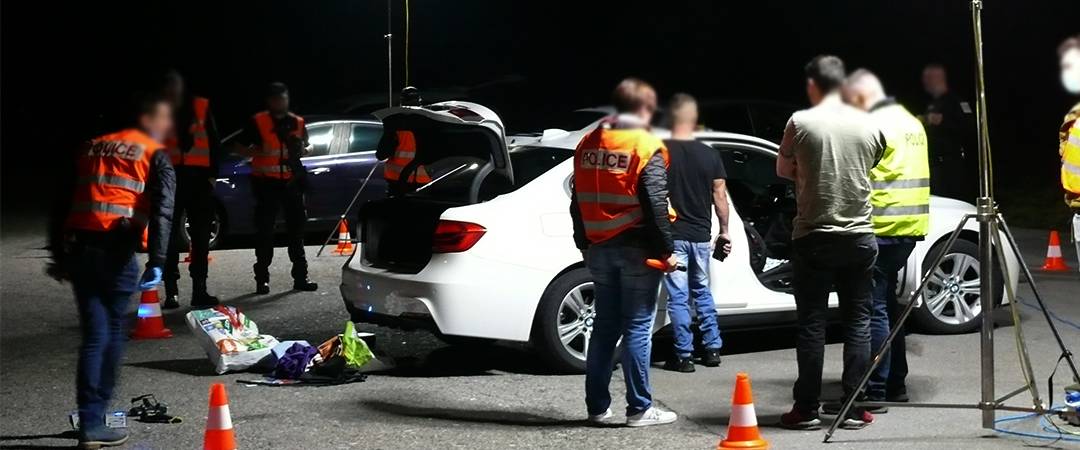
A joint investigation by Spain’s Civil Guard (Guardia Civil) and the French National Gendarmerie (Gendarmerie Nationale), supported by Europol, led officers to dismantle an organised crime group involved in migrant smuggling. The group is believed to have facilitated secondary movements, which is the process of moving irregular migrants from their country of arrival to another destination within the European Union. Incidence of secondary movements is growing, with new organised criminal groups forming in Europe’s transit cities in order to exploit irregular migrants. Results from 14 and 15 October 2021 Simultaneous raids in Spanish cities of Bilbao and Pamplona 2 house searches conducted in Navarra, Spain 7 arrests (6 Moroccan nationals, 1 Malian national), including the group’s three-person leadership New criminal uses for historic tobacco smuggling routes The organised crime group would firstly seek newly-arrived irregular migrants in southern and eastern Spanish coastal areas such as Murcia, Alicante, Vizcaya, Guipuzcoa, Navarra and Barcelona. The migrants arrived by boat from destinations in North and West Africa. Those irregular migrants would then be taken by road to France via former tobacco smuggling routes in Guipuzcoa and Navarra. The main destination point from there would be Bordeaux, France, with the organised crime group facilitating further illegal immigration from Bordeaux to countries across the European Union. The criminal group used at least two vehicles to cross the borders. The first transported the irregular migrants, while the second acted as a scout to warn in advance of possible police checkpoints. The suspects instructed the migrants to step out of the car and pretend to hitchhike in case of police checks. Using historic tobacco smuggling routes between Spain and France, the group was operating for about six months. The criminals charged between €100 and €330 for each border crossing. The investigation suggests that they have facilitated at least 60 border-crossings, with three to four migrants per transit. Europol facilitated the information exchange and provided analytical assistance during the investigation. During the action days, Europol deployed an expert to Pamplona, Spain, to provide operational, analytical and technical support to officers on the ground. The investigation was developed under the umbrella of EMPACT’s Joint Operational Team Dunquett. This project seeks to disrupt migrant smuggling networks active in Europe’s Atlantic coast. Watch the video
Read full story →
Europol Oct 26, 08:05

Employment fraud in the construction sector: twelve arrested in Belgium and Italy

The Belgian Federal Police, the Italian Guardia di Finanza and Luxembourgish Judicial Police, supported by Europol, dismantled a large organised crime group involved in fraud and money laundering. The action day on 19 October led to: 34 locations searched (22 in Belgium, 10 in Italy and 2 in Luxembourg) 12 suspects arrested (10 in Belgium and 2 in Italy) Seizures include 32 high-end cars, real estate, luxury objects, money in 350 bank accounts and €400 000 cash totalling at least €3.5 million. In addition, €10.6 million were frozen in 16 bank accounts in Italy. 20 subcontractors used in Belgium The criminal organisation, managed by a single Italian family, had several companies in Italy, Romania and Slovakia, which recruited workers locally. The workers were then send to in the construction sectors in Western European countries, mainly in Belgium and Luxembourg. In Belgium, about 20 local subcontractors then hired the workers. They working conditions were often poor and the working legal conditions were not met including limit of working hours per day/week, minimum salary and annual leave. The investigation uncovered that the hiring companies had no activity in the countries they were based in and the employees they hired had never actually worked for the original companies. The fraud is estimated at €20 million without the possible VAT losses. Cross-border cooperation Europol facilitated the exchange of information and provided operational coordination and analytical support. On the action day, Europol deployed two experts to Belgium and Italy to cross-check operational information against Europol’s databases to provide leads to investigators in the field. Headquartered in The Hague, the Netherlands, we support the 27 EU Member States in their fight against terrorism, cybercrime and other serious and organised forms of crime. We also work with many non-EU partner states and international organisations. From its various threat assessments to its intelligence-gathering and operational activities, Europol has the tools and resources it needs to do its part in making Europe safer.
Read full story →
Europol Oct 18, 15:43

50th EU day against human trafficking

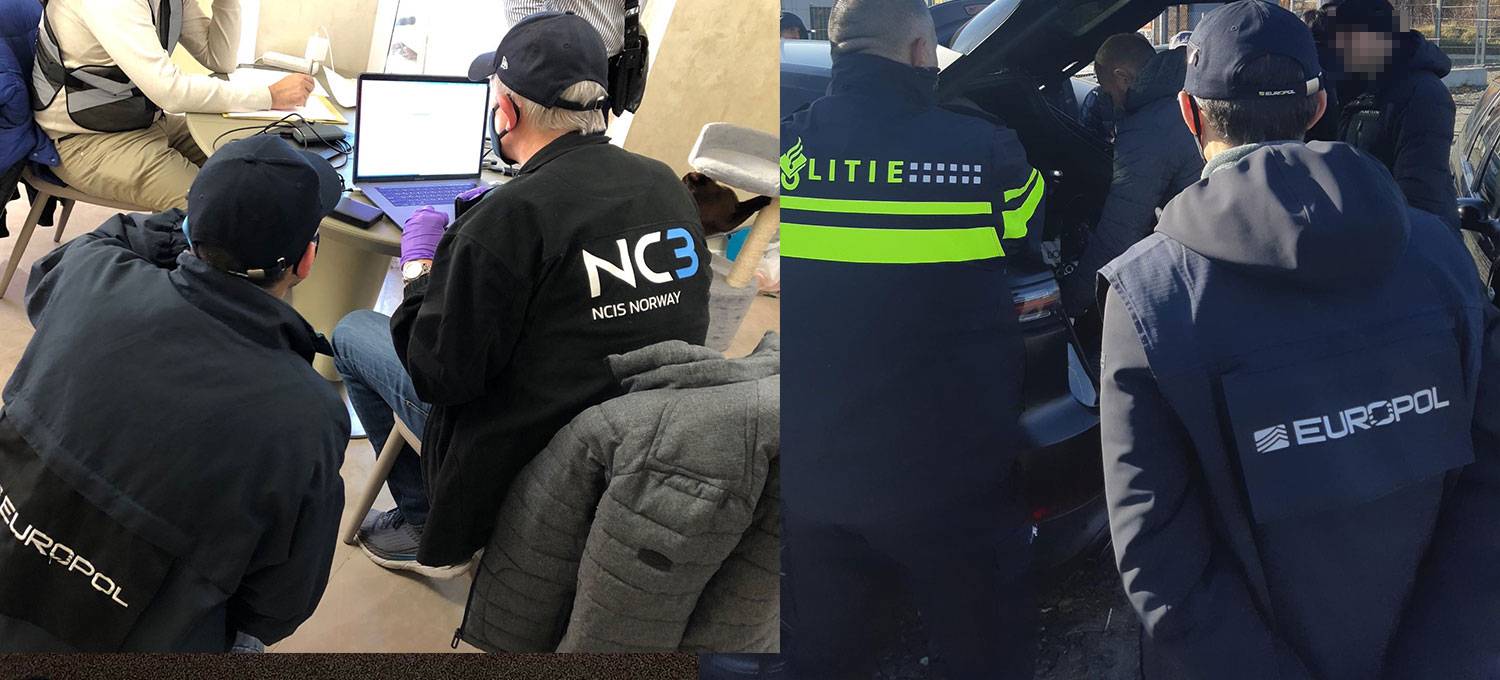
Trafficking in human beings is a key threat perpetrated by criminal networks across the EU and harms victims through different forms of exploitation. Sexual exploitation is carried out in clandestine settings and public environments, targeting both adults and minors of all genders. The origins of victims of trafficking in human beings used for sexual exploitation in the EU are highly diverse, with more than 55 different reported nationalities inside and outside the EU. Labour exploitation occurs in various sectors of the economy, with more loosely regulated sectors being particularly vulnerable. Victims are typically exploited as low-wage and low-skilled seasonal workers. Traffickers also abuse their victims through several other forms of exploitation such as forced begging and  forced criminality. Child trafficking is a particularly serious crime as it targets such vulnerable members of society. The trafficking and exploitation of underage victims occurs across the EU and targets both EU and non-EU victims, for various types of exploitation. Human trafficking has a severe impact on the life of victims, often leaving them exposed to long-term social, physical and psychological harm. Law enforcement authorities have been increasing efforts in tackling traffickers and bringing victims to safety. Additional efforts have been invested as part of the EU’s European Multi-Disciplinary Platform Against Criminal Threats (EMPACT) framework. In 2021, three action weeks specifically focused on combating child trafficking, labour exploitation and labour exploitation in the agricultural sector. These EMPACT activities strengthen the cross-border and multi-agency cooperation in tackling human trafficking. In 2021, the three action weeks led to 416 arrests, more than 130 suspected traffickers identified in addition and the identification of almost 900 potential victims of exploitation.
Read full story →
Europol Oct 15, 10:00

New operation to protect Next Generation EU recovery funds

A new EU-wide operation will target fraud against COVID-19 EU recovery funds being offered under the framework of the NextGenerationEU initiative. Operation Sentinel, launched on 15 October 2021 at Europol’s headquarters, involves the European Public Prosecutor’s Office (EPPO), Eurojust, the European Anti-Fraud Office (OLAF) and 19 EU Member States*. The activities will run for at least a year and will focus on proactive intelligence sharing, information exchange and supporting the coordination of operations to tackle fraud against COVID-19 EU recovery funds. Europol’s Executive Director Catherine de Bolle said: ‘The COVID-19 pandemic has profoundly affected our social and economic structures globally. NextGenerationEU, part of the largest stimulus package released in the European Union, will support Member States adversely impacted by the COVID-19 pandemic. Preventing serious cross-border crime is at the heart of Europol’s mandate, and we are fully committed to supporting the Member States in fighting any attempt by organised crime to infiltrate the EU legal economy and the NextGenerationEU fund. Our message is clear: any threat to the NextGenerationEU is a direct threat to the financial well-being of the European Union and its people. Operation Sentinel will strengthen our joint response to fraud and protect the reconstruction of our communities.’ Ensuring the € 806.9 billion fund is directed towards resilience  Through NextGenerationEU, the European Union will release a total of € 806.9** billion to support EU Member States in repairing the negative economic and social effects of the COVID-19 pandemic. The larger part of this funding, equivalent to € 723.8 billion, will be released in loans and grants to support investments focused on greener, more sustainable and more resilient societies. Recent experience from the evolution of the criminal landscape during the COVID-19 pandemic suggests these efforts will attract criminal groups active in the European Union and beyond. Criminals have shown themselves to be quick in adapting to the pandemic and its impact, and they are using every opportunity to maximise illegal profits. Therefore, Europol has set up Operation Sentinel to anticipate the expected wave of fraud against these recovery funds. For this purpose, Europol will establish a dedicated internal mechanism to process operational data, steer information exchanges and support ongoing cases. The joint activities will target fraud, as well as tax evasion, excise fraud, corruption, embezzlement, misappropriation and money laundering. Four EU entities and authorities from 19 EU Member States have joined forces as part of Operation Sentinel to ensure the recovery funds are directed towards strengthening our economies and the resilience of our communities. *Participating countries Austria, Belgium, Croatia, Denmark, Estonia, Finland, France, Greece, Ireland, Italy, Lithuania, Malta, the Netherlands, Poland, Portugal, Romania, Slovenia, Spain, Sweden **This figure is in current prices. It amounts to €750 billion in 2018 prices.
Read full story →
Europol Oct 14, 08:30

Spanish Police arrests 5 jihadists on suspicion of preparing a terrorist attack

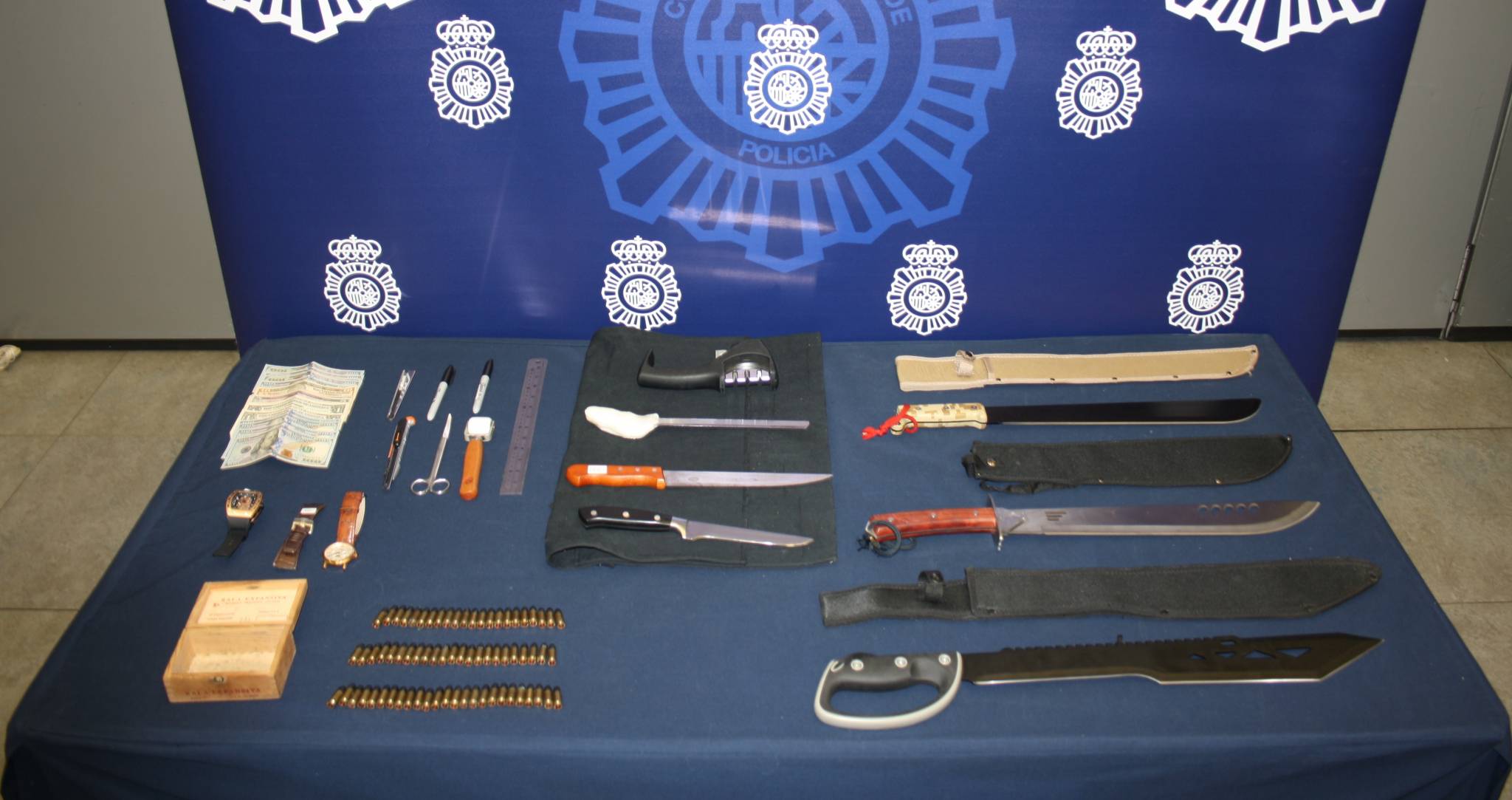
With the active support of Europol’s European Counter Terrorism Centre, the Spanish National Police (Policía Nacional) has arrested in Barcelona and Madrid five suspected members of an Islamic State cell. The suspects – all Algerian nationals, are believed to have been preparing a terrorist attack. The police swooped on the members of this terrorist cell after it became known that they were trying to acquire a Kalashnikov rifle. Several rounds of ammunition were seized at their homes, alongside several large machetes. Known as Operation ARBAC, this investigation began in December 2020 after the Spanish Police detected the entry into Spain of a member of the Islamic State. He and two accomplices were arrested in Barcelona in January of this year on suspicion on preparing a terrorist attack. The investigators were able to link these three suspects to an individual in Algeria known as “Sheikh” who was believed to be leading this terrorist cell. This individual was already known to law enforcement: he had been arrested in Turkey in 2016 while trying to join the Islamic State terrorist group. Once released, this individual toured several countries, such as Malaysia, Tanzania and Algeria where he allegedly recruited members for the Islamic State. In March 2021, he was detected entering into Spain. Special surveillance measures were put in place which allowed for the identification in Barcelona of a group of young, highly-radicalised Algerian nationals surrounding him. All these individuals, including the one known as “Sheikh” were arrested after trying to acquire a Kalashnikov rifle. The evidence seized during the course of the action day is now being analysed to identify further investigative leads across Europe. Europol’s support Europol’s European Counter Terrorism Centre has provided continuous intelligence development and analysis to support the Spanish investigators Two of its experts was deployed to Spain to assist the investigators with the cross-checking of operational information gathered during the action day.
Read full story →
Europol Oct 11, 10:16

Network selling fake financial services online taken down

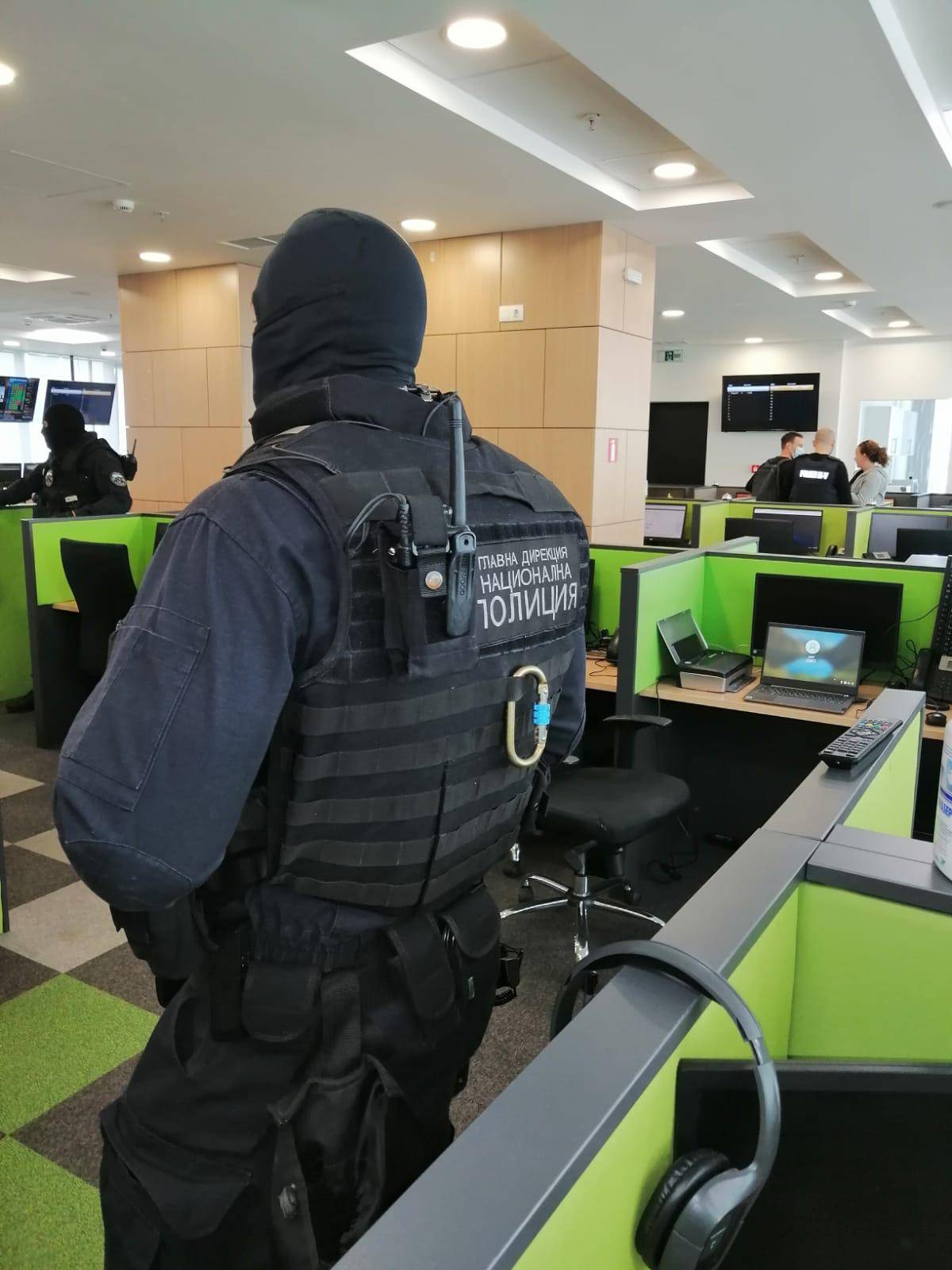
Law enforcement and judicial authorities from Bulgaria, Cyprus, Germany, the Netherlands and Ukraine, supported by Europol and Eurojust, teamed up against an organised crime group involved in binary fraud. The group was behind an online trading platform for financial services with binary options. Europol set up an Operational Task Force to support the cross-border investigation. The Action day on 6 October 2021 in Kiev, Limassol and Sofia led to: 8 house searches (5 in Bulgaria, 1 in Cyprus, 2 in Ukraine) 17 individuals questioned in Bulgaria One high value target arrested in Cyprus Seizures included phones, electronic equipment, bank accounts and data back-ups  At least € 15 million lost on fake options Operating between May 2019 and September 2021, the criminal network lured German investors into making transactions worth a total of at least € 15 million. The suspects advertised the financial services online and via social media, while using over 250 domain names. The criminal network connected to a company, based in Ukraine, set up a call centre in Bulgaria. The approximately 100 employees of the two call centres, located in Sofia, contacted “clients” and advertised pretend financial services in the field of binary options under the guise of financial advisers. To undertake the scam, the call centre employees had scripts containing predefined conversations and key messaging to convince clients to release more funds. However, a subsequent investigation suggests that most of the employees were not aware that the company they were working for was involved in a fraud scheme. Initial profits shown in the user interface encouraged the clients to invest large sums of money. However, clients did not receive payment of their winnings or credit balance once they requested it. The investigation has so far led to 246 criminal proceedings across 15 German federal states. To support the investigation, Europol set up a dedicated Operational Task Force through which it facilitated the information exchange and provided analytical support. During the action days, Europol deployed six experts to Bulgaria, Cyprus and Ukraine to cross-check operational information in real-time against Europol’s databases so as to provide leads to investigators in the field. The experts also provided technical expertise to enable the extraction of information from mobile devices and IT infrastructure. Eurojust hosted a coordination centre to facilitate the information exchange and support cooperation between involved authorities during the action day.
Read full story →
Europol Oct 8, 08:30

Printing shop for forged documents dismantled in Barcelona

Officers from the Spanish National Police (Polícia Nacional) and the Barcelona City Police Force (Guàrdia Urbana de Barcelona), supported by Europol, dismantled an organised crime group involved in property crime, facilitation of illegal immigration and document fraud. Results from 28 July 2021 3 locations searched  3 arrests  Seizures:  mobile devices almost 2 000 forged passports and ID cards of 56 different nationalities about € 13 000 in cash notebook containing accounting records of the criminal activity (orders, prices, deliveries) equipment for forging documents, including two printers, one machine for laminating and one scanner, a dedicated laptop, a press machine, tools to professionally cut the documents, UV inks, sprays, plastics with official security measures, kinegrams, chips for ID cards, needles and threads to sew passport booklets 11 000 fake ID documents were on their way The criminal network was involved in the counterfeiting and distribution of forged documents. It was also trafficking genuine documents, stolen in Spain. These were used by people with similar physical characteristics from Middle Eastern countries to facilitate their illegal entry into the EU. During the action day in July, a raid in the house of the main suspect in Barcelona led to the dismantling of a printing shop for fake documents. He produced the fake documents with high-quality security features such as UV holograms. The investigation uncovered that he had ordered 1 000 similar features for the manufacturing of French ID documents and 10 000 for Spanish ID documents. Europol facilitated the exchange of information and provided analytical support. On the action day, Europol deployed a virtual command post to enable the real-time exchange of information and cross-checking of operational information against Europol’s databases to provide leads to investigators in the field. Europol also deployed an expert to Barcelona to provide technical support with data extraction and analysis of digital evidence. The investigation was developed as part of EMPACT’s Joint Operational Team Doc Fraud to combat document fraud in the EU, targeting organised crime groups involved in the production of fakes and the trafficking of forged or illegally obtained documents.
Read full story →
Europol Oct 6, 13:09

Police raid takes fake flat listings offline

The Budapest Metropolitan Police (Budapesti Rendőr-főkapitányság), supported by Europol, dismantled an organised crime group involved in fraud and money laundering. The operation was supported by the judicial and law enforcement authorities of the Dominican Republic via Interpol. The operational activities targeting this criminal group were initiated in 2017. Between September 2020 and September 2021, Europol supported five of the ten action days, which led to the complete dismantling of the network. The leader of the network was arrested in the Dominican Republic in June 2021, where he was hiding while using fake ID documents. After the action day in June, authorities froze his bank accounts and seized a number of electronic assets. He was extradited to Hungary on 28 September. Overall results: 130 suspects identified 116 searches conducted 477 victims identified € 3.5 million in estimated financial damage since 2014 Fake flat advertisement to steal banking details The criminal organisation defrauded its victims using fake advertisements of real estate properties for rent or sale. Some 100 flats are believed to have been misused for that purpose. The criminal group did not own any of the flats and the real owners did not have ties with the gang. The suspects created fake advertisements for the flats to con victims into sending them deposit money and rent. In a connected fraudulent activity, the suspects were also able to take control of the victims’ computers and intercept their financial details and perform transactions without their knowledge. The suspects also used the COVID-19 pandemic as a reason to install remote control software onto the computers of their victims.  To launder the proceeds, the suspects recruited Hungarian nationals for different jobs, luring them into becoming money mules during a probation period. The job applicants were tasked during that period with different activities such as opening bank accounts, receiving and transferring money, carrying out transactions in cryptocurrencies, and getting involved in the fake sale or rent of real estate. The illegal proceeds were sent to the Dominican Republic. Europol supported and facilitated the information exchange, the operational coordination and provided analytical support for this investigation, which lasted over a year. During the operational activities, Europol deployed a virtual command-post application to facilitate secure communication and real-time analytical support and deployed an expert on the ground during one of the action days. Europol’s specialists also supported the investigation by providing cryptocurrency expertise. Headquartered in The Hague, the Netherlands, we support the 27 EU Member States in their fight against terrorism, cybercrime and other serious and organised forms of crime. We also work with many non-EU partner states and international organisations. From its various threat assessments to its intelligence-gathering and operational activities, Europol has the tools and resources it needs to do its part in making Europe safer.
Read full story →
Europol Oct 6, 10:00

Afghan smuggling network dismantled in Romania and Germany

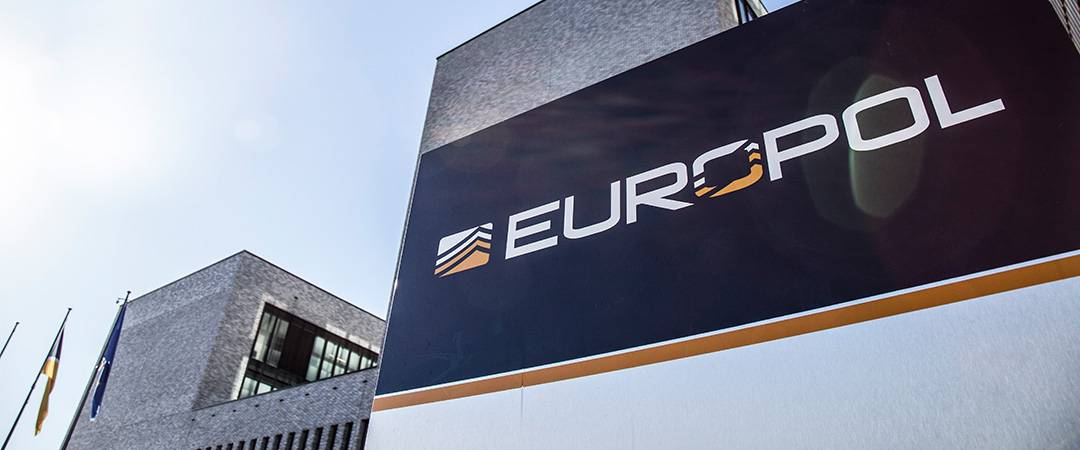
The German Federal Police (Bundespolizei) and the Romanian Police (Poliția Română), supported by Europol and Eurojust, dismantled an organised crime group involved in the migrant smuggling of predominantly Afghan nationals. Results from 5 October 2021 19 locations searched (14 in Timisoara, 4 in Timiş county and 1 in Bucharest) 27 suspects identified, of which 21 suspects arrested (16 Afghan, 1 Iranian and 4 Romanian nationals) Seizures include cash, 83 mobile phones, other electronic equipment and 10 morphine vials) Up to € 2 000 to jump off a lorry in Western Europe The investigative activities suggest that the network had been operating in the Romanian counties Timiş and Arad since May 2020. The criminal network, composed mainly of Afghan nationals, was smuggling Afghan migrants recruited from refugee camps and other places where asylum seekers gather. The suspects are believed to have smuggled about 200 migrants from Romania to countries in Western Europe, mainly France and Germany. The network facilitated the illegal transport and accommodation at transit points. Migrants were paying between € 1 000 and € 2 000 for the dangerous trip in the back of large lorries. Hidden between goods such as tree trunks and pallets, the migrants endured low temperatures and inhuman conditions during several days of transport. German investigators from Rosenheim and Munich detected about 50 similar cases. According to the investigations, the truck drivers were not aware that they had people in the back of their trucks. While the drivers took their sleep breaks in Romania, the smugglers released the sealed ropes covering the doors of the trailers to make an opening. From there, the migrants were able to enter the loading area unnoticed. Once in Germany, they jumped off the truck when the drivers took breaks or unloaded the cargo. Cross-border cooperation Europol facilitated the exchange of information and provided operational coordination and analytical support. On the action day, Europol enabled a virtual command post to facilitate the real-time exchange of information. Europol also deployed an analyst to Romania to cross-check operational information against Europol’s databases to provide leads to investigators in the field. Eurojust set up a joint investigation team (JIT) between Germany, Romania and Europol to facilitate the judicial cooperation. National authorities involved: Germany: Federal Police Inspectorate Rosenheim (Bundespolizeiinspektion Rosenheim), Federal Police District Office for Crime Control Munich , (Bundespolizeiinspektion Kriminalitaetsbekämpfung München), Public Prosecution  Office Traunstein (Staatsanwaltschaft Traunstein) Romania: Specialized Units in Countering Organised Criminality  from Timis, Arad and Caras-Severin Counties within Romanian Police (Poliția Română) and the Directorate for the Investigation of Organised Crime and Terrorism (Direcția de Investigare a Infracțiunilor de Criminalitate Organizată și Terorism (DIICOT) in Timișoara Watch video Headquartered in The Hague, the Netherlands, Europol supports the 27 EU Member States in their fight against terrorism, cybercrime, and other serious and organized crime forms. Europol also works with many non-EU partner states and international organisations. From its various threat assessments to its intelligence-gathering and operational activities, Europol has the tools and resources it needs to do its part in making Europe safer.
Read full story →
Europol Oct 6, 08:00

18 arrested as police across Europe seize 350 firearms

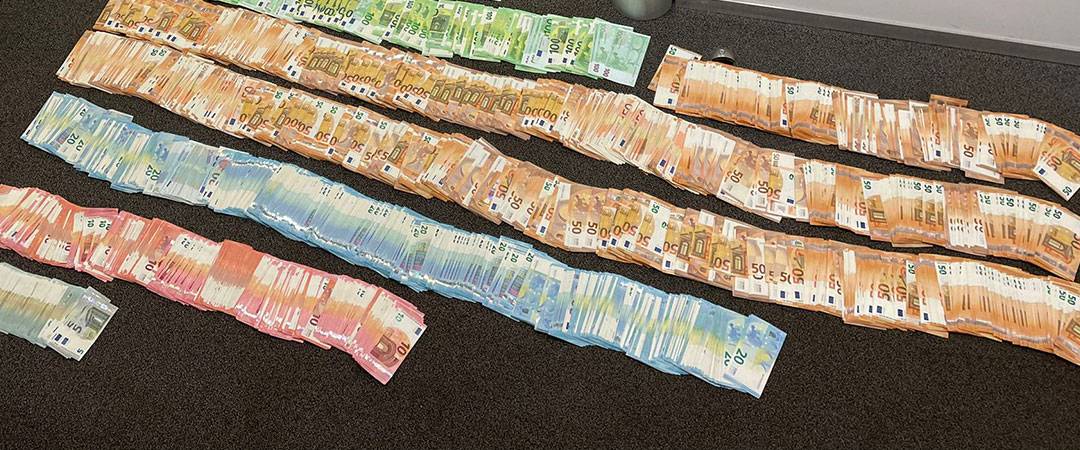
Following a complex investigation supported by Europol, the Dutch National Police (Politie) together with the Czech National Organised Crime Agency (Národní centrála proti organizovanému zločinu) and the Slovak National Crime Agency (Národná kriminálna agentúra) swooped on a gun trafficking gang, arresting 6 of its members this past month in the framework of Operational Taskforce LOS. Two members of the criminal gang were arrested in Slovakia on 13 September, followed by the arrest on 5 October of 4 other members in the Netherlands (2) and the Czech Republic (2). All these suspects were considered as High-Value Targets by Europol. The criminal syndicate under investigation specialised in the conversion of so-called Flobert guns into lethal live-firing ones. They are believed to have supplied over 1 500 firearms to criminal groups in the Netherlands, Austria, Denmark, Germany, Portugal, Sweden and the Czech Republic. The investigation was initiated after 22 firearms were seized in February 2020 in Hoek van Holland, the Netherlands, in a transport vehicle on its way to the United Kingdom. The weapons were all in a live-firing state. In order to bring these gun traffickers to justice, an Operational Taskforce was established at Europol between the Netherlands, Slovakia, Belgium, Spain, Germany, Austria, Poland and the United Kingdom. Since then, over 350 weapons sold by these criminals have been recovered, including submachine guns and assault rifles, alongside several thousand rounds of ammunition. Twelve other suspects have also already been arrested in the framework of this Taskforce for their involvement in this illegal-gun running operation. The evidence seized during the course of the latest action day is now being analysed to identify further investigative leads across Europe. Europol deployed three of its own experts to the action day in the Czech Republic, while also funding the deployment of three Dutch investigators. This action day was carried out in the framework of the European Multidisciplinary Platform Against Criminal Threats (EMPACT).
Read full story →
Europol Oct 5, 12:02

VAT fraud with cash registers uncovered in Germany

The German Tax Office for Investigation and Criminal Matters (Finanzamt für Fahndung und Strafsachen) and the Italian Finance Corps (Guardia di Finanza), supported by Europol, dismantled an organised crime group involved in VAT fraud through the manipulation of cash registers. The action day on 21 September 2021 led to: 93 house searches  23 individuals facing criminal proceedings   Seizure of cash registers, a server and € 275 000 in cash  ‘Tuned’ cash registers hid income The joint operation, supported by Europol, targeted a criminal network selling software solutions for cash registers enabling businesses to manipulate their daily sales records. Cash-intensive businesses such as restaurants were able to use these ‘tuned’ registers to manipulate their income and diminish their output VAT and corporate tax liability. The customers, mainly Italians established in Germany, acquired both the hardware (cash registers and back offices) and the software from an Italian supplier, who had developed this product. This IT solution enabled the businesses to access the database of the cash register securely and decide how much of their daily income to hide and how much to declare to the tax authorities. More than 300 owners of Italian restaurants across Germany have allegedly bought this solution, which is priced significantly higher than an ordinary cash register that cannot manipulate financial records. Analysis and technical expertise to support investigations Europol supported the operational activities, facilitated the exchange of information and provided analytical support. During the action day, Europol deployed two experts to Italy to cross-check in real time operational information against Europol’s databases to provide leads to investigators in the field. Europol also deployed a forensic expert to Italy to provide technical support to take down the server. Europol recently created the European Financial and Economic Crime Centre (EFECC) to increase synergies between economic and financial investigations and to strengthen its ability to support law enforcement authorities in effectively combating this major criminal threat. Headquartered in The Hague, the Netherlands, Europol supports the 27 EU Member States in their fight against terrorism, cybercrime, and other serious and organized crime forms. Europol also works with many non-EU partner states and international organisations. From its various threat assessments to its intelligence-gathering and operational activities, Europol has the tools and resources it needs to do its part in making Europe safer.
Read full story →
Europol Oct 5, 08:25

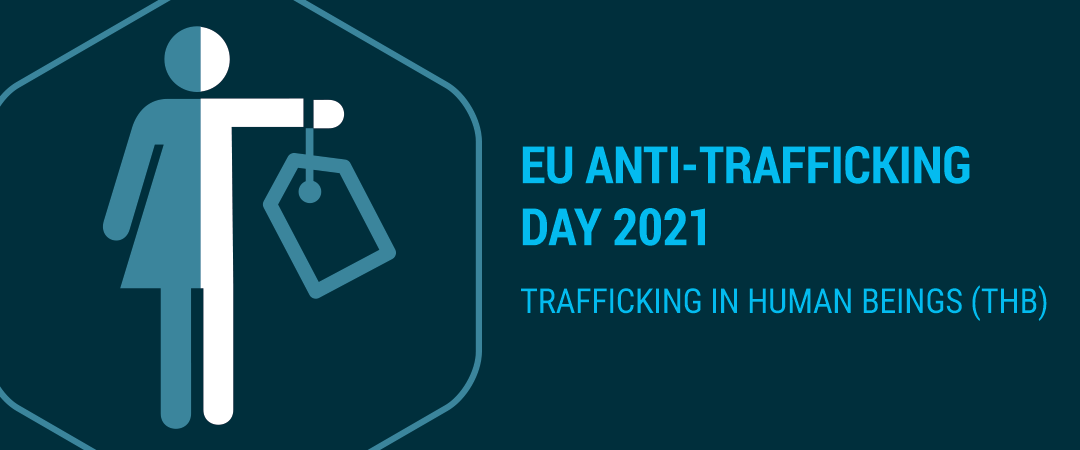
Labour in vineyards and farms checked across Europe

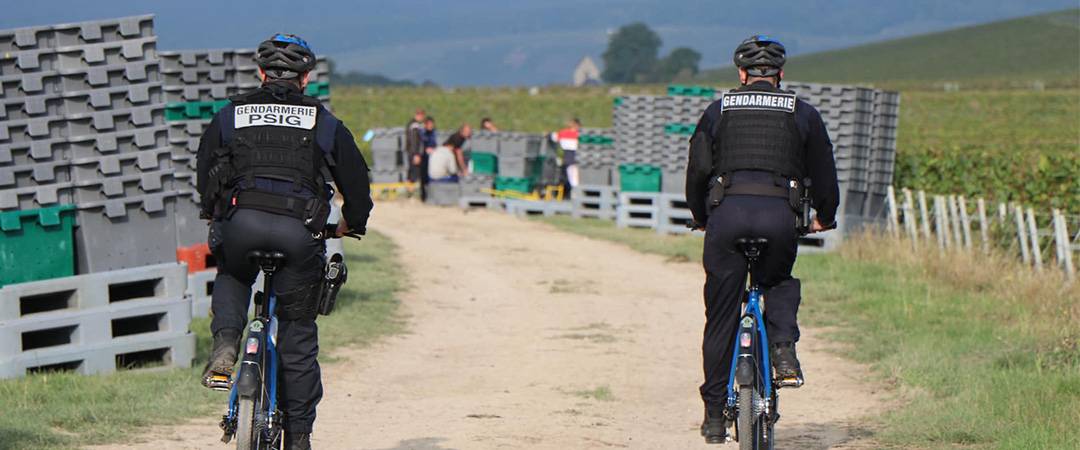
Between 09 and 16 September 2021, Europol supported Europe-wide coordinated action days against human trafficking for labour exploitation in the agricultural sector. The operation, led by France, involved a wide range of law enforcement authorities including police, immigration and border guards, labour inspectorates and tax authorities from Bulgaria, Cyprus, Finland, Italy, Latvia, the Netherlands and Spain. The European Labour Authority also supported the action days. Almost 2 050 officers from national authorities took part in the operational activities on the ground. The action week resulted in: 12 arrests (8 in France and 4 in Spain) 54 suspected traffickers identified (27 in France, 21 in Italy, 2 in Latvia, 4 in Spain) 269 possible victims of exploitation identified, 81 of which of trafficking of human beings (17 in Cyprus, 91 in France, 134 in Italy, 24 in Spain and 3 in Latvia) 704 locations (vineyards, farms and others) checked 273 vehicles checked 4 014 people checked 126 new investigations initiated (14 in Finland, 93 in France, 2 in Italy, 9 in Latvia, 4 in the Netherlands and 4 in Spain) Focus on seasonal workers Law enforcement authorities carried out inspections in working places identified as more vulnerable to exploitation, such as farms and vineyards. The checks focused on the working conditions of the employees. Non-EU nationals have been identified as most vulnerable to exploitation in seasonal employments, while EU nationals are reported to be exploited in the agricultural sector year-round. The action days targeted criminal networks and facilitators involved in the trafficking of human beings, specialised in ‘brokering’ employment on the illegal market. Labour exploitation is a very lucrative criminal activity, damaging the health and rights of the victims. A successful operation in France dismantled a criminal network, which has generated an estimated € 5 million in damages for victims and authorities. During the actions against this network, authorities searched 25 locations and arrested winegrowers, service providers and intermediaries. The fight against human trafficking for labour exploitation requires a consolidated, cross-border effort by different authorities. During this action week, the European Labour Authority organised the first joint inspection, which took place in France and involved officers from the Bulgarian General Labour Inspectorate. Europol coordinated the action days and facilitated the information exchange between the participating countries. Europol provided analytical and operational support 24/7 and facilitated the real-time exchange of communication between the participating authorities. Headquartered in The Hague, the Netherlands, Europol supports the 27 EU Member States in their fight against terrorism, cybercrime, and other serious and organized crime forms. Europol also works with many non-EU partner states and international organisations. From its various threat assessments to its intelligence-gathering and operational activities, Europol has the tools and resources it needs to do its part in making Europe safer.
Read full story →
Europol Oct 1, 13:38

European Police Chiefs Convention 2021

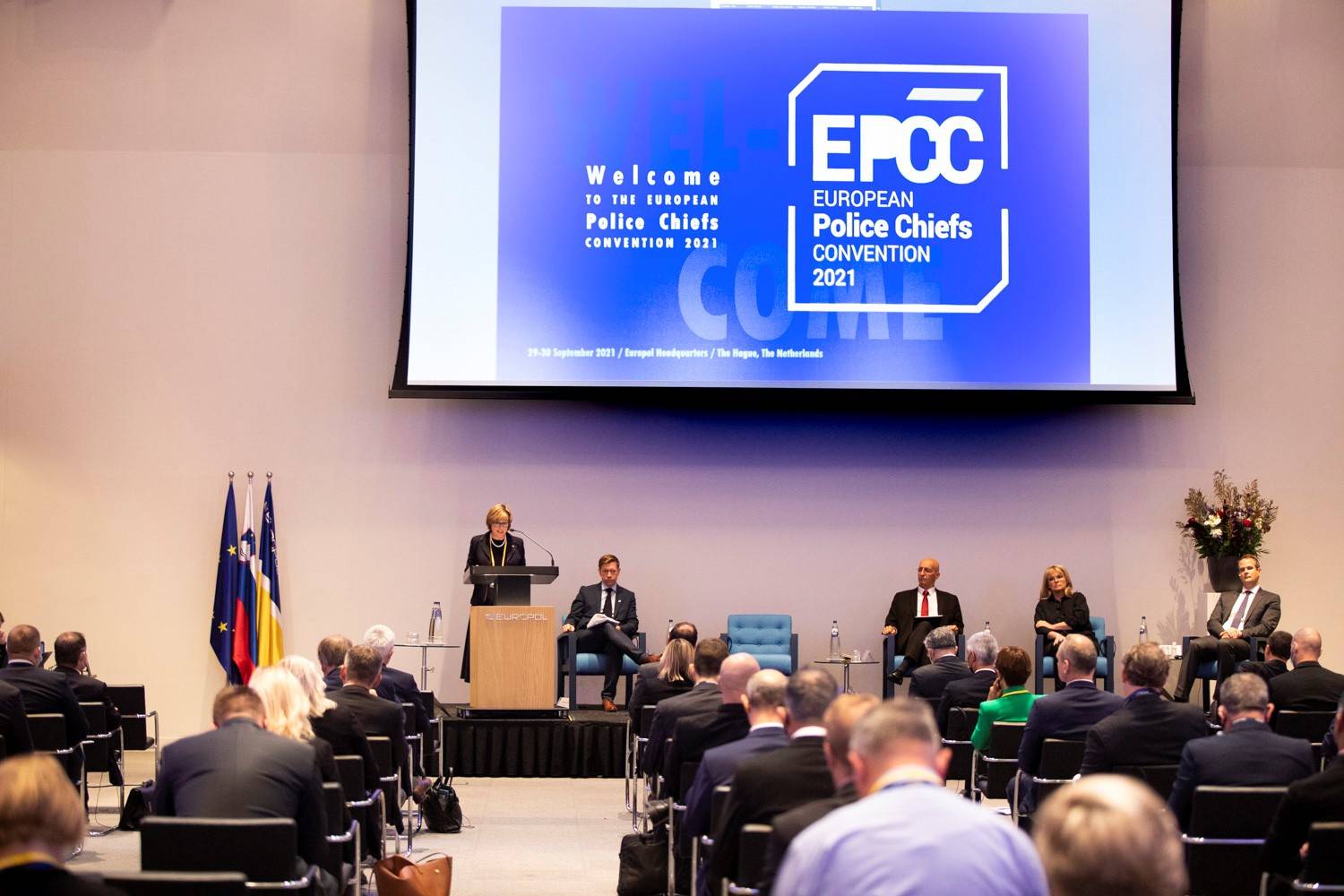
During 29-30 September, European Police Chiefs convened at Europol's headquarters in The Hague to discuss future threats to the internal security of the European Union. Europol's European Police Chiefs Convention (EPCC) is the most significant law enforcement convention taking place in the European Union. Co-hosted by the Slovenian National Police in the context of Slovenia's Presidency of the Council of the European Union, the EPCC covered serious and organised crime and terrorism, and its manifestations and infiltration within European society. Under the leadership of Europol's Executive Director Catherine De Bolle, police chiefs and high-level representatives from the EU Member States exchanged assessments of current and emerging criminal threats, challenges and opportunities across three panels and hundreds of bilateral and multilateral meetings. In their conclusions, the police chiefs addressed the issues of international police cooperation, emerging threats arising from the COVID-19 pandemic, and policing in a digital world.  
Read full story →
Europol Oct 1, 09:45

Europol Excellence Award in Innovation

For the first time, Europol awarded the Europol Excellence Award in Innovation during the annual European Police Chiefs Convention 2021. With this award, Europol aims to put in the spotlight the law enforcement community's most innovative initiatives and operations. Over the past weeks, 105 nominations from law enforcement organisations across 25 nations in Europe and beyond have reached Europol, out of which two have been selected - one award for the most innovative law enforcement project and one award for the most innovative law enforcement operation. Europol’s Executive Director Catherine De Bolle: For us at Europol, innovation is at the heart of modern policing. Having received over 105 nominations, we consider this first Europol Excellence Award in Innovation a great success. Therefore, we want to turn it into a recurrent project linked to the annual European Police Chiefs Convention at our headquarters. Our Innovation Lab team will also create a network and invite all nominees for a follow-up event to exchange innovative ideas. The Excellence Award for the most Innovative Project Fortnite undercover avatar: an innovative tool to fight child abuse online (French Police Nationale) – A creative approach based on the creation of an online avatar in the video game Fortnite to which children could report if they were sexually harassed at home. After validation from the Central Unit for Minors Protection within the Central Directorate of the Judiciary Police, a team of 50 volunteers and psychologists connected to the game 14 hours a day, seven days a week from April to May 2020 to assist children asking for help. During this period, 1 200 children asked for help, out of which thirty percent were in a dire situation. Investigations were opened in a number of cases, and the children safeguarded. The Excellence Award for the most Innovative Operation EMOTET: world’s most dangerous malware disrupted through global action (US Federal Bureau of Investigation) - from 2014, the Emotet malware-infected millions of computers worldwide—enabling cybercriminals to steal victim information, cripple compromised networks and cause hundreds of millions of dollars in damage. Emotet targeted critical industries, including banking, e-commerce, healthcare, academia, government, and technology, and was designed to deliver additional malware to infected computers. In January 2021, the Netherlands, Germany, the United States, the United Kingdom, France, Lithuania, Canada and Ukraine, Europol and Eurojust coordinated a multinational operation to disrupt Emotet's infrastructure. By using lawful authorities in several countries to seize command & control servers, neutralise malware distribution servers, and untether thousands of victim computers from the botnet. They also alerted authorities in more than 50 countries that Internet companies hosted hundreds of Internet Protocol addresses that Emotet compromised in their respective jurisdictions. Innovation in international Law Enforcement cooperation The Europol Excellence Award in Innovation highlights how effective modern-day law enforcement requires partnership and collaboration, whether in teams of officers and staff, between forces, in multi-agency operations or through wider public sector involvement. The award also recognise that accomplishments arise from a blend of innovative, committed and well-trained personnel, serving, engaging and protecting the public while using technology efficiently and effectively. We are convinced the award will inspire the European law enforcement community by providing insights into successful innovation. Europol was mandated by the Justice and Home Affairs ministers from all the EU Member States at the end of 2019 to create an Innovation Lab to support the law enforcement community in innovation. The Lab aims to identify, promote and develop innovative concrete solutions supporting the EU Member States' operational work. These will help investigators and analysts to make the most of the opportunities offered by new technologies to avoid duplication of work, create synergies and pool resources. The activities of the Lab are directly linked to the strategic priorities as laid out in Europol Strategy 2020+, which states that Europol shall be at the forefront of law enforcement innovation and research.
Read full story →
Europol Sep 30, 06:00

9 taken into custody over ATM attack tutorials and string of explosive attacks

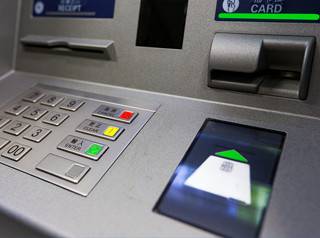
A joint investigation team (JIT) between the Dutch and German authorities has taken down an organised crime group specialised in explosive attacks against Automatic Teller Machines (ATMs). A total of 9 suspects have been taken into custody as a result of this 18-month investigation coordinated by Europol and Eurojust. The criminals were producing step-by-step tutorials on how to blow up cash machines, and have been linked to at least 15 ATM attacks in Germany. The cash machines were blown open using homemade explosive devices, posing a serious risk for residents and bystanders. During one of the test runs of an explosion, one of the suspects died, with the other suspect getting seriously injured. The investigation was initiated in February 2020 after authorities in Osnabrück, Germany, identified suspicious orders of ATMs machines from a German company. Special surveillance measures were put in place, which led the investigators to Utrecht, the Netherlands, where a 29 year-old individual and his 24 year-old accomplice were running an illegal training centre for ATM attacks. There, the pair was ordering different models of ATMs and recording tutorials on how to most effectively blow them up. In the framework of this investigation, links were also established between this criminal organisation and at least 15 ATM attacks in Germany. The total damage, including both the loot and the property damage, is estimated at approximately EUR 2.150.000. The investigation culminated in a series of police raids on 28 September for which two Europol experts were deployed in the field. Seven house searches were carried out in the Netherlands in the triangle of Utrecht, Amsterdam and the Hague, resulting in the arrest of three suspects. These three individuals are currently in custody in the Netherlands and are to be extradited to Germany. Given the cross-border nature of this case, a Joint Investigation Team (JIT) was set-up in April 2021 between the Dutch and German authorities with the assistance and financing of Eurojust. Furthermore, the Agency organised the judicial cooperation and supported the execution of European Investigation Orders (EIOs). In addition, an Operational Taskforce (OTF) was set up between Europol, Germany and the Netherlands to pool investigative resources and expertise. In the framework of this OTF, 18 operational meetings were held at Europol to prepare for the final phase of the action. Explosive attacks against ATMs are a growing concern, as they often put local residents’ and bystanders’ lives in danger. In order to prevent and tackle this type of crime, a close cooperation between law enforcement and the ATM industry is paramount. In this regard, Europol and the European Crime Prevention Network (EUCPN) have worked on a number of recommendations to prevent physical attacks against ATMs. Read more in the Preventing physical ATM attacks report. 
Read full story →
Europol Sep 28, 11:00

330 arrests during EU-wide Joint Action Days

Spain, supported by Europol, coordinated Europe-wide joint action days targeting facilitation of illegal immigration, drug trafficking and trafficking of firearms. The operation took place between 15 and 18 September 2021. The operational activities involving 27 countries (17 EU Member States and 10 non-EU countries) were also supported by Eurojust, Frontex, INTERPOL and other international organisation.* The intelligence-led and multidisciplinary approach of these EMPACT Joint Action Days contributed to the results of this successful cooperation between a wide range of law enforcement authorities including police, immigration agencies and border control agencies.    330 arrests and 37 new investigations The operational activities took place mainly in Southeast Europe, while other countries from across Europe participated by sharing intelligence and conducting operational actions at the national level. The actions, involving almost 11 000 officers on the ground, led to 330 arrests related to different crimes including drug trafficking, the facilitation of illegal immigration, document fraud and the trafficking of firearms. The investigated activities also led to the detection of a number of offences related to the facilitation of illegal immigration and related crimes and legal violations such as visa fraud. Following the concerted actions, law enforcement authorities initiated 37 new investigations. Overall results: 33 418 people checked 724 locations searched 22 605 vehicles inspected Seizures including 154 firearms (65 pistols, 86 rifles and assault rifles, 3 gas alarms), 57 hand grenades and explosives, 2125 pieces of ammunition, 719 kg of cannabis and 920 marijuana plants) Where there are drugs, there are weapons The Western Balkans region is a key hub for the trafficking of firearms into the EU. Multi-national criminal groups source the weapons predominantly from countries form the Western Balkans, where human resources with expertise in firearms are widely available. The firearms are then trafficked to the EU, mainly to Belgium, France, Germany, Spain and the Netherlands. The illegal trade in weapons is closely connected to the trafficking of drugs, specifically to cocaine trafficking. In some cases, criminal networks exchange weapons for drugs. They also use the weapons to gain and maintain control over the lucrative drugs markets. Weapons traffickers offer high quantities and a wide range of firearms, including old and new military grade weapons. Some of the firearms are converted blank-firing weapons, imported from Turkey. Weapons are often smuggled as part of multi-commodity shipments or hidden in vehicles. Their prices in the Western Balkan are currently on the rise, though they are still a lot cheaper than in Western Europe. Coordination centre set up at Europol Europol supported the coordination of the action days and facilitated the exchange of information between the participating countries. During the course of the operation, Europol set up an operational centre to enable the swift exchange of operational information between the participants and provide live analytical support to field operatives. During the action week, Europol also deployed two experts to Montenegro and Bosnia and Herzegovina to facilitate the real-time exchange of communication between the participating authorities. *Participants EU Member States: Austria, Bulgaria, Croatia, Denmark, France, Germany, Greece, Hungary, Italy, Luxembourg, Malta, the Netherlands, Portugal, Romania, Slovenia, Spain, Sweden. Non-EU Countries: Albania, Bosnia and Herzegovina, North Macedonia, Serbia, Moldova, Montenegro, Kosovo*, Switzerland, Ukraine, USA. EU Agencies: Europol, Eurojust, Frontex International and institutional partners: Customs Cooperation Working Party (CCWP) CCWP, IPA/2019  (Instrument for Pre-Accession Assistance) countering serious and organised crime in the Western Balkans, INTERPOL, PCC-SEE (Police Cooperation  Convention For Southeast Europe Secretariat), SEESAC (The South Eastern and Eastern Europe Clearinghouse for the Control of Small Arms and Light Weapons), UNODC. * This designation is without prejudice to positions on status and is in line with UNSCR 1244/1999 and the ICJ Opinion on the Kosovo declaration of independence. Headquartered in The Hague, the Netherlands, Europol supports the 27 EU Member States in their fight against terrorism, cybercrime, and other serious and organized crime forms. Europol also works with many non-EU partner states and international organisations. From its various threat assessments to its intelligence-gathering and operational activities, Europol has the tools and resources it needs to do its part in making Europe safer.
Read full story →
Europol Sep 27, 09:00

Over 60 charged in crackdown on Balkan cartel behind cocaine pipeline to Europe

An unprecedented international law enforcement operation involving 8 countries has resulted in criminal reports being filed against 61 suspects  belonging to a Balkan drug cartel flooding Europe with cocaine. A number of actions have been carried out in the past year in the framework of an Operational Taskforce between Spain, Croatia, Serbia, Germany, Slovenia, Bosnia and Herzegovina, the United States and Colombia, with coordination efforts led by Europol’s European Serious Organised Crime Centre. This highly mobile criminal organisation had branches active in several European countries and was composed mainly of criminals from Serbia, Croatia, Montenegro and Slovenia. An Operational Taskforce was established by Europol in July 2020 to bring together all the involved countries to coordinate a joint strategy to bring down the whole network. Since then, Europol has been provided continuous intelligence development and analysis to support the field investigators. Results of the Operational Taskforce Balkan Cartel 61 members have been charged, out of which 23 have been arrested (13 in Spain and 10 in Slovenia) Seizure of 2,6 tonnes of cocaine Seizure of 324 kilos of marijuana Seizure of €612 000 in cash Seizure of 9 luxury vehicles and 5 motorbikes A coordinated strike In the framework of intelligence activities carried out with their international counterparts, the Spanish investigators developed reliable intelligence that this cartel was preparing a major cocaine importation from South America into Europe in spring of this year. Special surveillance measures were put in place as the criminals moved back and forth between Spain and South America to finalise the details of the cocaine importation, totalling over 1,25 tonnes. The investigation gathered pace in March of this year when the leaders of this cartel travelled to Spain to prepare for the arrival of the cocaine shipment. These two individuals – considered as High-Value Targets by Europol, had until then avoided attending meetings in person in order to evade law enforcement. This was too good of an opportunity for law enforcement to miss: in the early hours of 10 March 2021, officers from the Spanish National Police (Policia Nacional) carried out simultaneous raids in the cities of Tarragona, Barcelona, Gerona and Valencia, arresting thirteen individuals, including the two kingpins and a police officer who collaborated with the criminal organisation. The Spanish investigators also dismantled the cartel’s alternative revenue streams, such as the production and trafficking of marijuana and the sale of luxury vehicles. In a follow-up action in May 2021 some 48 other members of the organised criminal group were charged in Slovenia by the National Police (Policija) for their involvement in the distribution of the cocaine and marijuana throughout Europe. A total of 10 of these suspects are now under arrest. The following law enforcement authorities were involved in this crackdown: Spain: National Police (Policia Nacional) Croatia:  National Police Office for Suppression of Corruption and Organised Crime (Policijski nacionalni ured za suzbijanje korupcije i organiziranog kriminaliteta - PNUSKOK) Serbia: Criminal Investigation Directorate of Serbia (Uprava kirminalisticke policije) Germany: Federal Criminal Police Office (Bundeskriminalamt), Police Headquarters Frankfurt am Main (Polizeipräsidium Frankfurt am Main) Slovenia: National Bureau of Investigation Bosnia and Herzegovina: Federal Police Sarajevo United States: United States Drugs Enforcement Administration  Colombia: National Police (Policia Nacional) This Operational Taskforce was part of Europol’s strategy in countering serious organised crime originating from the Western Balkans. Watch the video
Read full story →
Europol Sep 20, 07:57

106 arrested in a sting against online fraudsters

The Spanish National Police (Policía Nacional), supported by the Italian National Police (Polizia di Stato), Europol and Eurojust, dismantled an organised crime group linked to the Italian Mafia involved in online fraud, money laundering, drug trafficking and property crime. The suspects defrauded hundreds of victims through phishing attacks and other types of online fraud such as SIM swapping and business email compromise before laundering the money through a wide network of money mules and shell companies. Last year alone, the illegal profit is estimated at about € 10 million. Overall results: 106 arrests, mostly in Spain and some in Italy  16 house searches 118 bank accounts frozen Seizures include many electronic devices, 224 credit cards, SIM cards and point-of-sale terminals, a marihuana plantation and equipment for its cultivation and distribution. This large criminal network was very well organised in a pyramid structure, which included different specialised areas and roles. Among the members of the criminal group were computer experts, who created the phishing domains and carried out the cyber fraud; recruiters and organisers of the money muling; and money laundering experts, including experts in cryptocurrencies. Most of the suspected members are Italian nationals, some of whom have links to mafia organisations. Located in Tenerife (Canary Islands, Spain), the suspects tricked their victims, mainly Italian nationals, into sending large sums to bank accounts controlled by the criminal network. They then laundered the criminal proceeds through a wide network of money mules and shell companies. Europol experts to support the field activities Europol facilitated the information exchange, the operational coordination and provided analytical support for this investigation, which lasted over a year. During the operational activities, Europol deployed two analysts and one forensic expert to Tenerife, Spain and one analyst to Italy. Additionally, Europol funded the deployment of three Italian investigators to Tenerife to support the Spanish authorities during the action day. The Joint Cybercrime Action Taskforce (J-CAT) at Europol supported the operation. This standing operational team consists of cyber liaison officers from different countries who work from the same office on high profile cybercrime investigations. Headquartered in The Hague, the Netherlands, Europol supports the 27 EU Member States in their fight against terrorism, cybercrime, and other serious and organised crime forms. Europol also works with many non-EU partner states and international organisations. From its various threat assessments to its intelligence-gathering and operational activities, Europol has the tools and resources it needs to do its part in making Europe safer.
Read full story →
Europol Sep 16, 12:00

Armenia and Europol sign agreement to combat cross-border serious organised crime

On 16 September, Europol and Armenia signed a strategic cooperation agreement to expand cooperation to combat cross-border criminal activities. The agreement will enable both partners to work on some key areas such as migrant smuggling, cybercrime, drug trafficking, asset recovery, money laundering, organised property crime and trafficking in human beings. The agreement allows for the exchange of general strategic intelligence as well as strategic and technical information and operational information with the exception of personal data, and will lead to the secondment of a Armenian Liaison Officer to Europol. The signing of the Agreement on Strategic Cooperation concludes the successful negotiations between Armenia and Europol on how to effectively join forces to fight serious and organised crime. After entry into force of the agreement, this new level of cooperation will be important for tackling priority crime areas affecting both the European Union and Armenia.
Read full story →
Europol Sep 8, 15:27

Nearly 90 victims of labour exploitation identified in Italy

The Italian Carabinieri Corps (Arma dei Carabinieri) and the Moldavian National Police (Poliția Republicii Moldova), supported by Europol and Eurojust, dismantled a criminal network involved in human trafficking for labour exploitation. The actions on 4 September 2021 led to: 6 house searches in Italy  6 arrests 5 Moldavian  nationals and 1 Italian  87 victims identified Seizures include 27 passports of victims and documentation revealing payments from the victims made since 2018, digital equipment and mobile phones and cash The investigation was initiated in 2019 when the Italian authorities detected a family-based criminal association, which recruited Moldavian women and transported them to Italy with tourist visas. The network then placed the women to work for local families without wages or any social benefits such as health insurance. The investigation uncovered that only between January and May 2021 and despite the travel restriction related to the global COVID-19 pandemic, the suspects had arranged at least 16 trips between Moldova and Italy. No rest, no proper bed, nor payment The criminal network composed of six Moldavian and one Italian nationals lured the vulnerable Moldavian women living in precarious social and economic conditions by promising them work as housekeepers in Italy. Once in Italy, the women were forced to work to pay a debt the network was collecting for transporting them and finding them employment. The jobs they were given involved long hours, however, few breaks and extremely poor living conditions. Some of the women were forced to sleep on the floor or to share a bed with several other people, even when they were sick. The network collected the ID cards and passports of victims pending full payment of the ‘debt’, which was often close to impossible due to the additional interest charged by the suspects. The criminal group also used their victims’ documents for fraudulent activities, such as false COVID-19 health certificates and employment contracts. Europol supported the operational activities, facilitated the exchange of information and provided analytical support. During the action days, Europol and Eurojust set up a virtual command post to enable the real-time exchange of information between investigators. Europol’s analysts also cross-checked operational information against Europol’s databases to provide leads to investigators in the field. The investigation was coordinated through a joint investigation team set up by Eurojust and led by Italy, which also involved Moldova and Europol.
Read full story →
Europol Sep 7, 13:45

The cocaine market: more competitive and more violent

More violent, diverse and competitive: these are the main characteristics of the cocaine trade in Europe. The new Cocaine Insights Report, launched today by Europol and UNODC, outlines the new dynamics of the cocaine market, which represents a clear threat to European and global security. The report was launched as part of the work programme of CRIMJUST – Strengthening criminal justice cooperation along drug trafficking routes within the framework of the Global Illicit Flows Programme of the European Union. The fragmentation of the criminal landscape in source countries has created new opportunities for European criminal networks to receive a direct supply of cocaine, cutting out the intermediaries. This new competition in the market has led to the increased supply of cocaine and consequently to more violence, a trend developed in Europol’s Serious and Organised Crime Threat Assessment 2021. Previously dominant monopolies in the wholesale supply of cocaine to European markets have been challenged by new trafficking networks. Western Balkan criminal networks, for instance, have established direct contacts with producers and secured a prominent place in the wholesale supply of cocaine. The report highlights the importance of intervention at the source as this market very much driven by the supply chain. Strengthening cooperation and further increasing the exchange of information between law enforcement authorities will enhance the effectiveness of investigations and the detection of shipments. The report highlights the importance of money laundering investigations to trace the illegal profits and of the confiscation of assists related to criminal activities. These financial investigations are at the core of the fight against cocaine trafficking, ensuring that the criminal activities do not pay. Julia Viedma, Head of Department of the Operational and Analysis Centre at Europol said: “Cocaine trafficking is one of the key security concerns we are facing in the EU right now. Nearly 40% of the criminal groups active in Europe are involved in drugs trafficking, and the cocaine trade generates multi-billion-euro in criminal profits. Understanding better the challenges we face will help us to counter more effectively the violent threat that cocaine trafficking networks represent to our communities.” Chloé Carpentier, Chief of the Drug Research Section at UNODC, highlighted how “the current dynamics of diversification and proliferation of cocaine supply channels, criminal actors and modalities are likely to continue, if left unchecked.”
Read full story →
Europol Sep 1, 09:00

Over 100 arrests in crackdown against Albanian clan running industrial cannabis operation in Spain

An organised criminal network composed mainly of Albanian-speaking criminals, suspected of illegally trafficking drugs, has been dismantled with the support of Europol. 107 persons were arrested during an action day on 13 July which involved law enforcement authorities in Spain, Germany and Albania. The criminal group is believed to have been managing cannabis plantations in Spain where they cultivated and processed the marijuana, before it was transferred to other European countries for further distribution. On the action day, some 400 police officers on the ground carried out simultaneous raids in 42 different locations in Spain (Tarragona, Barcelona, Girona and Castellón). An additional 9 searches were carried out a few days later. These property searches led to the following results: 107 individuals arrested, including Albanian, Spanish, Slovak and Greek nationals 51 cannabis farms uncovered 25 000 cannabis plants seized €70 000 in cash and two-high end vehicles seized This clan-based organised crime group was hierarchically structured, with branches operating internationally. Some of its members arrested have a history of drug trafficking in different countries. The criminals were diverting the electricity supply to illegally cultivate the plants indoors. It is estimated that the stolen electricity amounts to over €1.6 million in lost utility revenue. Europol supported this investigation by providing tailored expertise and extensive analysis support and facilitating the exchange of information through its secure channels. On the action day, a virtual command post was set up by Europol to ensure seamless coordination between all the authorities involved. One of its experts was deployed on-the-spot to Spain to allow for crosschecks against Europol’s databases of the data gathered in the course of the action. Three Albanian investigators were also deployed to Spain in the framework of the Project IPA2019 aimed at countering serious organised crime in the Western Balkans. The following law enforcement authorities took part in this investigation: Spain: National Police (Policia Nacional), regional Catalan Police (Mossos D’esquadra) Germany: Customs investigation Office of Berlin-Brandenburg Zollfahndungsamt Berlin-Brandenburg Albania: State Police (Policia e Shtetit) Europol: European Serious Organised Crime Centre  Watch the video
Read full story →
Europol Aug 20, 08:30

CAPTURE21: Innovating back to normal

Capture21 is this year's edition of Europol's photo competition. Unfortunately, 2020 was a devastating year. Millions of people were out of work and left struggling to pay their bills. Meanwhile, more than a billion children missed out on crucial schooling. To make matters worse, criminals adapted their techniques to exploit our fears around the COVID-19 pandemic, with the aim of profiting by any means necessary. Despite the challenging circumstances, the 2021 competition comes at a time of great hope, together with unpredicted levels of resilience from our communities and the law enforcement officers protecting them. As we enter this new environment, it’s time to frame the new normal. Europol invites professional and amateur photographers working with law enforcement authorities to show the evolving and increasingly innovative nature of their day-to-day work while designing the new normality.Law enforcement officers with a passion for photography can submit up to five photos under two different categories: Making Europe safer. EU law enforcement officers at work to make Europe a safer place. Operational insights into the fight against organised crime, e.g. drugs and weapons trafficking, people smuggling, counterfeiting, etc. Training exercises and manoeuvres. Law enforcement pictured in abstract and artistic form. Re-opening Europe. As vaccination programmes are rolled out across the continent, Europe is slowly reopening. Travel is picking up again. Businesses are opening their doors, and communities are coming back together. We're calling on photographers to share their stories from this latest episode of the COVID-19 pandemic. Also, show us how police forces are adapting, taking on new tasks and helping communities through the next phase. Closing date: 30.9.2021 For full details on how to participate, please visit the competition page. Entries will be used in Europol publications, including calendars, social media and other communication products, as has been the case previously.
Read full story →
Europol Aug 11, 07:30

Unmasked: 23 charged over COVID-19 business email compromise fraud

A sophisticated fraud scheme using compromised emails and advance-payment fraud has been uncovered by authorities in Romania, the Netherlands and Ireland as part of an action coordinated by Europol. On 10 August, 23 suspects were charged as a result of a series of raids carried out simultaneously in the Netherlands, Romania and Ireland. In total, 34 places were searched. These criminals are believed to have defrauded companies in at least 20 countries of approximately €1 million. The fraud was run by an organised crime group which prior to the COVID-19 pandemic already illegally offered other fictitious products for sale online, such as wooden pellets. Last year the criminals changed their modus operandi and started offering protective materials after the outbreak of the COVID-19 pandemic. This criminal group – composed of nationals from different African countries residing in Europe, created fake email addresses and webpages similar to the ones belonging to legitimate wholesale companies. Impersonating these companies, these criminals would then trick the victims – mainly European and Asian companies, into placing orders with them, requesting the payments in advance in order for the goods to be sent. However, the delivery of the goods never took place, and the proceeds were laundered through Romanian bank accounts controlled by the criminals before being withdrawn at ATMs. Europol has been supporting this case since its onset in 2017 by: Bringing together the national investigators on all sides who have seen been working closely together with Europol’s European Cybercrime Centre (EC3) to prepare for the action day; Providing continuous intelligence development and analysis to support the field investigators; Deploying two of its cybercrime experts to the raids in the Netherlands to support the Dutch authorities with cross-checking in real-time information gathered during the operation and with securing relevant evidence. Eurojust coordinated the judicial cooperation in view of the searches and provided support with the execution of several judicial cooperation instruments. This action was carried out in the framework of the European Multidisciplinary Platform Against Criminal Threats (EMPACT). The following law enforcement authorities were involved in this action: Romania: National Police (Poliția Română) The Netherlands: National Police (Politie) Ireland: National Police (An Garda Síochána) Europol: European Cybercrime Centre (EC3)
Read full story →
Europol Aug 2, 10:00

Polish Border Guard arrest 16 after discovery of illegal cigarette factory

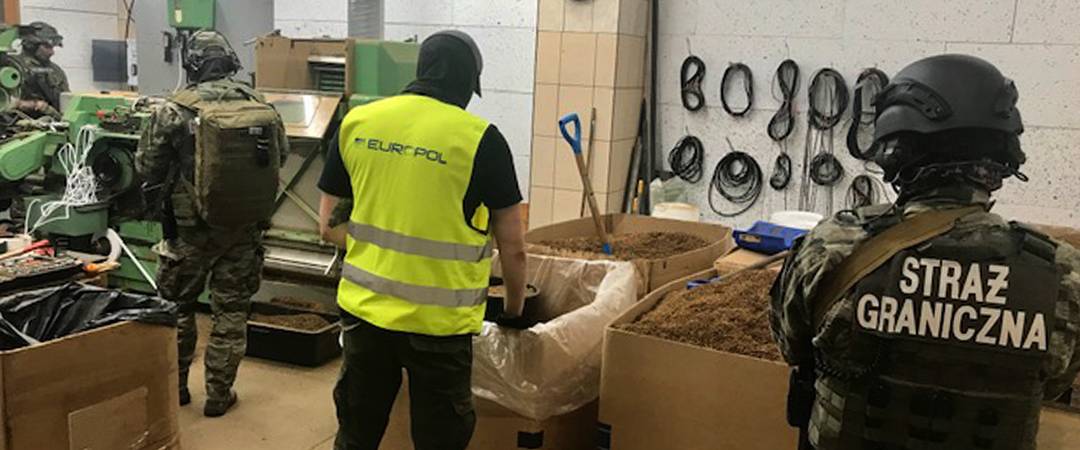
Europol has assisted the Polish authorities in dismantling an organised crime group involved in the production of illegal cigarettes. An action day was organised in Poland on 27 July which saw over 100 officers from the Border Guard (Straż Graniczna) searched a number of locations across the province of Warsaw. An illicit factory was dismantled, and 16 suspects charged for their involvement in this illegal tobacco activity. The leader of the criminal organisation features among those arrested. Over 1.6 million counterfeit cigarettes were seized on site by the Polish authorities, alongside 13 tonnes of tobacco which could have been used to produce a further 13 million cigarettes. The tax loss for the Polish Treasury is assessed at about €3.8 million. The estimated factory’s production capacity was of approximately 1 million cigarettes per day. The counterfeit cigarettes were destined predominantly for the UK and Germany markets, where they would have had a value of up to €9.7 million. Europol support Europol’s Analysis Project (AP) Smoke has supported the providing its secure communication platform and facilitating international cooperation between Poland and other Member States, running cross-checks and providing analytical support and operational expertise. AP Smoke deployed its experts to Warsaw to assist the Polish authorities with their action day. This action day was carried out in the framework of the European Multidisciplinary Platform Against Criminal Threats (EMPACT). Watch the video
Read full story →
Europol Jul 30, 10:30

18 arrested for smuggling more than 490 migrants across the Balkan route

Officers from the Romanian Police (Poliția Română) and Border Police (Poliția de Frontieră Română), supported by Europol, dismantled an organised crime group involved in migrant smuggling across the so-called Balkan route. The action day on 29 July 2021 led to: 22 house searches 18 suspects arrested Seizure of munitions, five vehicles car, mobile phones and €22 000 in cash The criminal network, active since October 2020, consisted of Egyptian, Iraqi, Syrian and Romanian citizens. The criminal group had cells in the countries across the Balkan route from where regional facilitators managed the recruitment, accommodation and transport of migrants from Jordan, Iran, Iraq and Syria. Several criminal cells based in Romania facilitated the border crossing from Bulgaria and Serbia of groups of migrants and arranged their temporary accommodation in the area of Bucharest and in western Romania. The migrants were then smuggled to Hungary on their way to Germany as a final destination. In total, 26 illegal transports of migrants were intercepted and 490 migrants were detected in an attempt to illegally cross the Romanian border. Very well organised, the criminal group was involved in other criminal activities as well, such as drug trafficking, document fraud and property crime. Up to € 10 000 per migrant Migrants were paying between € 4 000 and € 10 000 depending on the trafficking segment. For example, the price for facilitating the crossing from Romania to Germany was between € 4 000 and € 5 000. The migrants, some of which were families with young children, were accommodated in extremely poor conditions, often with no access to toilets or running water. For the safe houses, the suspects rented accommodations or used the residences of group members, mainly situated in the areas of Călărași County, Ialomița County and Timișoara. In one of the safe houses, measuring about 60 m2, the suspects hid 100 people at the same time. The migrants were then transferred in risky conditions in overcrowded lorries between merchandise and in vans hidden in concealments without proper ventilation. Europol facilitated the exchange of information and provided analytical support. On the action day, Europol deployed one analyst to Romania to cross-check operational information against Europol’s databases in real time to provide leads to investigators in the field. Watch the video
Read full story →
Europol Jul 30, 08:43

8 arrests following the seizure at sea of 15 tonnes of hashish by Spanish authorities

With the support of Europol, the Spanish Civil Guard (Guardia Civil) and Tax Agency (Agencia Tributaria), in cooperation with the Portuguese Judicial Police (Polícia Judiciária) have dismantled an organised crime network involved in large-scale drugs trafficking, arresting eight of its members. These criminals were about to smuggle 15 tonnes of hashish into Spain when they were arrested. The investigation began at the end of last year after the Spanish investigators uncovered an organised crime group smuggling hashish from Morroco to Spain using different types of vessels. Europol’s European Financial and Economic Crime Centre (EFECC) assisted with the analysis of the criminals’ financial transactions, mapping out the full network spread out across Spain and Portugal. The investigation quickly focused on one particular vessel – known as the SEEFUCHS acquired by the criminal group in November 2020. The vessel was moved by the criminals to the Portuguese town of Portimao, where they changed its colour and increased its storage capacity. In June of this year, the SEEFUCHS set sail to Morocco, under close surveillance from law enforcement. Once the drugs were loaded onto the vessel, the criminals sailed back towards the Gibraltar Strait. The vessel was stormed by Spanish law enforcement some 100 nautical miles south of the Spanish coast. During the assault, five individuals were arrested and 15 tonnes of hashish seized in the boat’s cargo. Five house searches were carried out simultaneously across Spain, resulting in the arrest of three other members of this same gang, together with the seizure of €60 000 in cash. A luxury yacht which was also used for drugs transportation was seized in Lanzarote. A Europol specialist was deployed to Spain during the action day to support the authorities with the cross-checking in real time of operational information gathered during the raids carried out on that day. This operation was carried out in the framework of the European Multidisciplinary Platform Against Criminal Threats (EMPACT).
Read full story →
Europol Jul 29, 09:00

Russian-speaking hackers arrested in Poland over ATM jackpotting attacks

With the support of Europol, the Polish authorities have arrested two individuals committing so-called ‘Black Box’ attacks against ATMs, in which criminals connect electronic devices to a cash machine and remotely force it to spew out all its cash. The two suspects - both Belarusian nationals, were arrested in Warsaw on 17 July. The investigation uncovered that these criminals committed dozens of ATM attacks in at least seven European countries, stealing an estimated €230 000 in cash. The criminals were always targeting the same brand and model of ATM. The criminals would gain access to the ATM wires by drilling holes or melting parts of it in order to physically connect the machine to a laptop which was then used to send relay commands that caused the machine to dispense all its cash. Europol support Europol, supported by the Joint Cybercrime Action Taskforce (J-CAT), brought together the national investigators on both sides who have since been working closely together to prepare for the action day; Since then, Europol has provided continuous intelligence development and analysis to support the field investigators; Europol has been working closely with the ATM manufacturer targeted by these criminals, making the link with the different law enforcement authorities involved in the investigation. This operation was carried out in the framework of the European Multidisciplinary Platform Against Criminal Threats (EMPACT). The following law enforcement authorities took part in the investigation: Poland: Provincial Police of Bydgoszcz and District of Żnin Germany: Federal Criminal Police Office (Bundeskriminalamt), Police Headquarters Brandenburg (Polizeipräsidium Brandenburg) Austria: Regional Criminal Police of Niederosterreich (Landeskriminalamt Niederosterreich) Switzerland: Federal Police (fedpol) Czech Republic: Bureau of Criminal Police and Investigation Service (Urad sluzby kriminalni policie a vysetrovani) Slovakia: Police Force of the Slovak Republic (Policajný zbor Slovenskej republiky)
Read full story →
Europol Jul 26, 11:45

Good catch in joint actions targeting illegal fishing

The Portuguese Guarda Nacional Republicana led an EMPACT Joint Action Day targeting illegal fishing. The action day, co-led by the Spanish Guardia Civil and the European Fisheries Control Agency (EFCA)and supported by Europol, Eurojustand Frontex, involved authorities from Bulgaria, Croatia, Cyprus, France, Italy, Malta, Portugal, Romania, Spain and Sweden. Law enforcement and fisheries control agencies took part in the actions. Means mobilised: 3 162 inspectors (from police, fisheries, customs, agriculture and health agencies); 260 vehicles; 189 vessels; 18 aerial assets; 2 explosives detection dogs; Overall results: 2 248 persons, 12 vehicles and 194 vessels checked; 64 crimes detected; 185 administrative infringements; 8 arrests; Seizures included plastic explosives, detonating caps and wick, almost 11 tonnes of fish, crustaceans and clams (4.5 tonnes of trout, 6 tonnes of sardines, 50 kg of immature fish, 48 kg of bluefin tuna, 80 kg of fine clams, 31 kg of Norway lobsters), high-tech equipment, computers and documents, 167 illegal fishing nets and 20 other illegal tools. Europol facilitated the information exchange and the operational coordination and provided analytical support. Headquartered in The Hague, the Netherlands, Europol supports the 27 EU Member States in their fight against terrorism, cybercrime, and other serious and organized crime forms. Europol also works with many non-EU partner states and international organisations. From its various threat assessments to its intelligence-gathering and operational activities, Europol has the tools and resources it needs to do its part in making Europe safer.
Read full story →
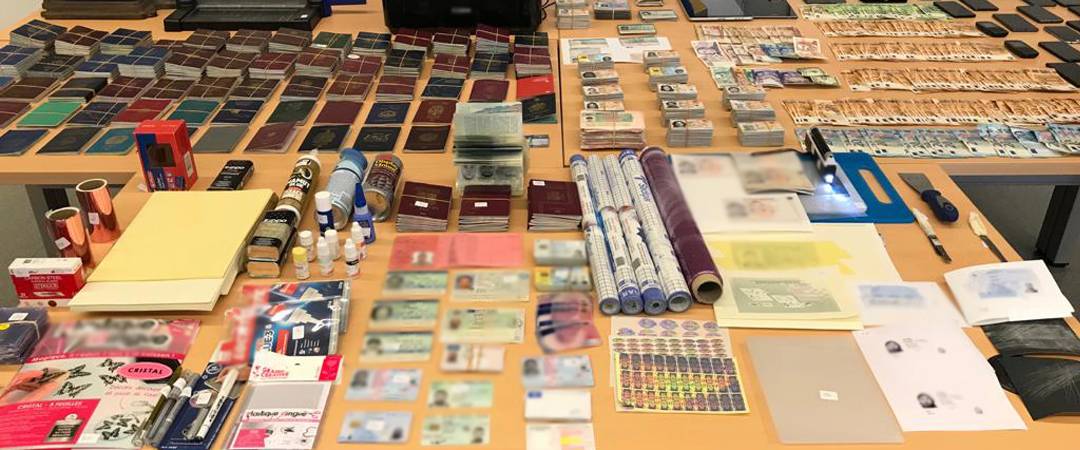
Europol Jul 26, 09:00

Unhacked: 121 tools against ransomware on a single website

Working from home, the beach or a café is a reality for many people today. Everything we need is stored in our digital devices, such as personal computers, laptops and mobile phones, which contain important information about our personal and professional lives. Digitalisation has created a flexible living environment that gives us the freedom to easily access a universe of information. It also provides us with the space to store hundreds of thousands of different files: pictures of our kids and pets, electronic tickets, projects, important matrixes we have worked on for weeks, archives filled with decades of knowledge and memories. Ransomware enables criminals to steal all this in an instant. That is why it is crucial to beware, be aware and protect your digital world. Locked? Check the No More Ransom website for a key The decryptors available in the No More Ransom repository have helped more than six million people to recover their files for free. This prevented criminals from earning almost a billion euros through ransomware attacks. Currently offering 121 free tools able to decrypt 151 ransomware families, it unites 170 partners from the public and private sector. The portal is available in 37 languages. A new No More Ransom website has been launched to mark the project’s fifth year. Modern and more user-friendly, the new home of the Crypto Sheriff offers updated information on ransomware, as well as advice on how to prevent a ransomware infection. Read before you click The best way to stay healthy is not to get sick. That obvious statement also applies to ransomware attacks. Anyone can be a target – individuals and companies of all sizes. So, what can we do? Regularly back up data stored on your electronic devices. Watch your clicks – do you know where a link will take you? Beware of attachments in emails. Ensure that your security software and operating system are up to date. If you become a victim, do not pay! Report the crime and check No More Ransom for decryption tools. For the full picture: read all the prevention advice on the No More Ransom website. Join us in our fight against ransomware The partnership between law enforcement and private industry has contributed to the success of No More Ransom by helping victims and reducing criminal profits. Do you have an innovative solution for ransomware families not covered yet in the portal? We want to hear from you!
Read full story →
Europol Jul 23, 07:49

Red light for migrant smugglers speeding at up to 250 km/h

An investigation by the Bulgarian General Directorate for Combating Organised Crime (Главна дирекция Борба с организираната престъпност), the Hellenic Police (Ελληνική Αστυνομία) and the Hungarian National Police (Magyar Rendőrség), supported by Europol and Eurojust, led to the dismantling of an organised crime group involved in migrant smuggling. The leaders of the gang were arrested during the recent action day. Results from 21 July 2021: Simultaneous raids in Bulgaria, Greece and Hungary 15 location searches 12 suspects arrested (6 in Bulgaria, 5 in Greece and 1 in Hungary) Seizures included 25 vehicles (including 15 high-end cars), electronic equipment (laptops, GPS devices, tablets), more than 40 mobile phones, more than 100 SIM cards, crypto-mining equipment and cash Up to 15 migrants in a car The criminal network was smuggling migrants from Turkey to Greece through the Evros border region. During two years of investigation, law enforcement authorities detected more than 100 high-end cars serving the criminal activity, of which 66 were seized before the action day. The criminal group used vehicles which had been registered in Bulgaria and sometimes in Georgia. The cars were then transported to Northern Greece and Hungary, where they were used to smuggle migrants while driving at up to 250 kilometres per hour to avoid police detection. The suspects were collecting between € 2 000 and € 2 500 per person for the journey, and were transporting up to 15 migrants at a time. Both migrants and smugglers were injured in several speeding incidents. While the smugglers were racing with police at dangerous speeds, migrants were also concealed in the trunks of the vehicles. In the course of the investigation, 43 smugglers were arrested before the action day, while 1 smuggler died in a car accident. In total, 442 migrants were smuggled, of which 13 were injured. Northern Greece is an important hub for migrant smuggling due to the reinforced border protection along the Evros river. Following the crisis situation at Evros in February 2020, several mass migratory movement attempts were disrupted. The operation was carried out under the umbrella of the Greek National Operational Plan signed by Europol and the Hellenic Police in June 2016. The aim of the plan is to disrupt organised criminal networks involved in migrant smuggling and to reinforce secondary security controls in migration hotspots. Europol facilitated the exchange of information and provided analytical support. On the action day, Europol deployed two experts on the spot to enable the real-time exchange of information between investigators, Europol and Eurojust, and to cross-check operational information against Europol’s databases, providing leads to investigators in the field. Watch the video
Read full story →
Europol Jul 22, 15:15

Spain and Serbia dismantle Serbian marijuana trafficking network

Spanish and Serbian authorities have dismantled a large-scale drug trafficking network through a joint investigation team (JIT). In both countries, 43 members of a Serbian organised crime group have been arrested for their involvement in producing and distributing marijuana and hashish. During a major action day in Serbia and Spain on 28 June 2021 and during interventions against the organised crime group in January, the Spanish Guardia Civil and the Serbian Police carried out 19 searches and seized over 17 000 marijuana plants, over 880 kilos of marijuana buds, and at least 130 kilos of produced marijuana and hashish resins. Approximately EUR 250 000 in cash was also seized. Europol’s and Eurojust’s support of Operation Mitikas Europol, as a platform for European policing solutions, was involved in the case since March 2020. Throughout 2020 and early 2021, European Serious and Organised Crime Centre (ESOCC) of Europol supported Operation MITIKAS through the Drugs Unit by cross-checking information received, providing analytical support, and facilitating the coordination of the information exchange between Spain and Serbia. Two Europol specialists were deployed to Spain and Serbia equipped with a mobile office and a Universal Forensic Extraction Device. Information gathered during the operation was analysed and exchanged in real-time and immediately cross-matched against Europol's databases. Eurojust, the European Union Agency for Criminal Justice Cooperation initiated the cross-border judicial cooperation in November 2020, leading to the setting up of the first JIT between Spain and Serbia. It was the first time the Spanish authorities had initiated a JIT with a third country. Operation Mitikas was developed in the framework of the European Multidisciplinary Platform against Criminal Threats (EMPACT) and the operational action plan on cross-border drug trafficking sourced by large-scale herbal cannabis production in the EU. The cannabis market in the European Union The cannabis market remains the largest drug market in the EU, and cannabis trafficking will remain a significant source of income for a wide range of criminal networks. The trade in cannabis but also in other drugs such as cocaine and synthetic drugs is a key threat to the EU due to the levels of violence associated, the multibillion euro profits generated and the substantial harm caused by it. Herbal cannabis is extensively produced within the EU, with estimates indicating that at least 20 000 cultivation sites are dismantled each year, and is a major source of income for the criminal economy. Although herbal cannabis is produced in each EU Member State, this may not be sufficient to satisfy local demand; therefore, intra-EU trafficking exists as it has been shown in Operation Mitikas.
Read full story →
Europol Jul 21, 08:26

15 000 tonnes of illegal food and beverages off the market

Europol and INTERPOL coordinated operation OPSON 2020, which targeted trafficking of counterfeit and substandard food and beverage. The operation, the tenth of its kind, ran from December 2020 to June 2021 and involved law enforcement authorities from 72* countries, including 26 EU Member States. The operation was also supported by the European Anti-Fraud Office (OLAF), the European Commission Directorate-General for Health and Food Safety (DG SANTE) and the European Union Intellectual Property Office (EUIPO), as well as national food regulatory authorities and private-sector partners. OPSON X in brief: 15 451 tonnes of illicit products seized with a value of about € 53.8 million About 68 000 checks 663 arrest warrants 2 409 location searches 42 criminal networks disrupted What are the main illegal products seized? (in order of quantity) Alcoholic beverage Food supplements and additives Cereals, grains and derived products Fruits and vegetables Sugar and sweet products Meat and meat products Seafood  Dairy products Poultry products Livestock Condiments Cooking oil Non-alcoholic beverages Coffee and tea  Canned food Animal food Case examples Trade of bivalves unfit for human consumption: eight arrests, seven companies investigated, seizures of € 120 000, 25 vehicles and 12 vessels; operation of the Spanish Civil Guard (Guardia Civil) and the Portuguese National Guard (Guarda Nacional Republicana), supported by Europol Adulteration of alcohol beverages: the criminal network used colourants to change the quality of the beverages; 14 arrests; seizures included 47 660 litres of whiskey and 9 550 litres of alcohol for the manufacture of fraudulent products; operation of the Guardia Civil and customs authorities, supported by Europol Counterfeiting of wine: five house arrest and three residence obligations, operation of the Italian Carabinieri Corps (NAS Carabinieri), supported by the Swiss Police and Europol #1 Honey or not: corn syrup and sugarcane alterations Targeted action on honey in: Austria, Belgium, Bulgaria, Cyprus, Czechia, France, Germany, Greece, Italy, Liechtenstein, Lithuania, Portugal, Serbia, Spain, Switzerland, the United Kingdom (Scotland), the United States. Fake honey has been in circulation since the 1970s when high-fructose corn syrup became widely available. To increase volumes and illegal profits, criminals add much cheaper corn syrup and sugarcane to genuine honey. This activity affects the market, which becomes inundated with counterfeits that are priced much lower than the genuine product. Consequently, beekeepers are forced to gradually lower the prices of genuine products. This can endanger their activities, leading them to decrease production as well as the bee populations that they maintain. Europol requested that national authorities perform checks on illegal products that could be detected in the supply chain. Dedicated food safety authorities performed checks on the internal markets, including livestock direct sales, collection and processing of bee products, wholesale trades, distributors, deposits, street markets, retail trades and productions of ready-to-eat foods. The authorities mainly checked the analytical detection of sugar syrup and corn syrup. Results: 495 checks 7 % non-compliant products, implying the seizure of more than  51 000 kg of fraudulently treated honey  #2 Fake in a glass Targeted action on alcohol and wine in: Belgium, Bulgaria, Croatia, Czechia, Estonia, France, Germany, Greece, Hungary, Ireland, Italy, Latvia, Lithuania, Luxembourg, the Netherlands, Northern Macedonia, Norway, Poland, Portugal, Romania, Spain, the United Kingdom (Scotland). Alcohol counterfeiting remains a serious threat to consumers while negatively affecting legitimate producers. OLAF coordinated the activities targeting fraud relating to alcohol and wine. Results: 1.7 million litres of wine, beer and alcoholic beverages seized Most infringements related to wine and vodka Reported also: food safety frauds and fiscal infringements #3 Focus on the sale of illegal horse meat Targeted action on horse passports and horse meat in: Belgium, Croatia, Denmark, France, Ireland, Italy, Spain. Operation OPSON IX saw the launch of a dedicated project to support national authorities in combating the sale of illegal horse meat. This action was led by Belgium, Ireland and the Netherlands and supported by DG SANTE. The follow-up activities during OPSON X led to the opening of three new investigations in EU countries. Europol’s Intellectual Property Crime Coordinated Coalition (IPC3) coordinated OPSON IX together with INTERPOL, facilitated the information exchange and provided technical and analytical support to participating countries. Europol also organised the targeted actions. Europol’s IPC3 is co-funded by EUIPO to combat intellectual property crime. Catherine De Bolle, Europol’s Executive Director, highlighted that Counterfeit and substandard food and beverage can be found both on the physical market and sold online. The increased health risk for consumers is proportional to the reduced quality of raw materials used in the food processing system. Europol sees a recent development: low-quality products have infiltrated the food supply chain, an evolution possibly related to the repercussions of the COVID-19 pandemic. With more than 15 000 tonnes of illegal products seized, operation OPSON X illustrates the importance of cooperation between national authorities and the private sector in protecting consumers’ rights and the quality of the products we put on our tables. Jürgen Stock, INTERPOL Secretary General said: Removing such an enormous quantity of illegal and often dangerous products from the market is a concrete example of how international police cooperation is making the world a safer place. Food crime may not always seem like a top policing priority but operations like OPSON X demonstrate the massive profits these products generate, which can then fund other organized crime activities. Ville Itälä, OLAF’s Director General, said: OLAF once again played a leading role in one of the key actions under Operation OPSON, focused on illicit wine and alcohol. The risks posed by these products to EU citizens and businesses are very real, and OLAF is proud to have worked hand-in-hand with Europol and national customs and police authorities in identifying, tracking and stopping the counterfeiters and fraudsters in this important part of the food and drink sector. OPSON X participating countries: * Afghanistan, Armenia, Australia, Austria, Belarus, Belgium, Bosnia and Herzegovina, Botswana, Bulgaria, Burkina-Faso, Burundi, Central African Republic, China, Colombia, Croatia, Cyprus, Czechia, Denmark, Djibouti, Ecuador, Eritrea, Estonia, Eswatini, Ethiopia, Finland, France, Ghana, Germany, Greece, Guatemala, Hungary, India, Indonesia, Ireland, Italy, Jordan, Kenya, Latvia, Liechtenstein, Lithuania, Luxembourg, Moldova, Montenegro, Morocco, Mozambique, Namibia, Netherlands, North Macedonia, Norway, Peru, Poland, Portugal, Romania, Russia, Rwanda, Serbia, Seychelles, South Africa, South Sudan, Slovak Republic, Slovenia, Spain, Sweden, Switzerland, Tanzania, Timor-Leste, Trinidad and Tobago, Uganda, the United Kingdom, the United States, Vietnam, Zimbabwe.
Read full story →
Europol Jul 16, 12:00

Jihadist content targeted on Internet Archive platform

A Referral Action Day (RAD) targeting online jihadist propaganda took place on 14 July 2021. The European Union Internet Referral Unit (EU IRU) at Europol organised the operational activities, which involved law enforcement authorities from Denmark, Germany, Hungary, Portugal, Slovenia, Spain and the United Kingdom. The Referral Action Day targeted online jihadist propaganda disseminated on the Internet Archive platform by referring these materials to the provider with the request to review them against the terms of service. This Referral Action Day focused on strengthening cooperation between Europol and law enforcement agencies together with the Internet Archive platform. It gave the opportunity to identify and assess terrorist content with the aim of raising awareness about the extent of the platform’s abuse by jihadists and their supporters. Among the referred content were propaganda material (videos, audios and digital magazines) of the so-called Islamic State and Al-Qaeda terrorist organisations and their affiliates. The Referral Action Day improved the knowledge about the patterns of abuse by terrorist groups. It also provided insights, which would enhance the content moderation policies in view of the Regulation on addressing the dissemination of Terrorist Content Online (TCO Regulation). The organisation of the Referral Action Day by the EU IRU has taken place in the context of the public-private partnership aiming to address the terrorist abuse of the Internet, prevent online radicalisation and safeguard fundamental rights and freedoms.
Read full story →
Europol Jul 16, 09:28

Child trafficking: 92 minor victims identified across Europe

Europol, Portugal, Spain and the United Kingdom coordinated Europe-wide joint action days targeting child trafficking. The operation, also supported by Frontex, took place between 28 June and 4 July 2021 and involved 18* countries. A wide range of law enforcement authorities including police, immigration and border control agencies, transport police, social assistance and child protection services, and labour inspectorates participated in the joint action. The action days focused on potentially unaccompanied minors or minors who had escaped from shelters, as this group of children are frequently reported for their use of forged or false documents. The focus included minors detected at borders as well as those travelling within EU or Schengen associated countries. Another focus was intra-EU trafficking, where children are often trafficked by family members who are part of large family clans. These victims are mainly trafficked for the purpose of begging, forced criminality and sexual exploitation. The action days also targeted criminal networks and enablers involved in the trafficking of human beings that use fraudulent documents. 175 arrests and 187 potential victims The actions led to 175 arrests, 78 additional suspects identified and 181 new investigations initiated. Overall, 187 potential victims of human trafficking were identified, 92 of whom were confirmed to be minors. The involved national authorities focused on border crossings and main transport hubs to identify potential victims and suspects of human trafficking. Each country adapted their activities according to the types of child trafficking, which were nationally prevalent. 12 511 officers across Europe checked approximately: 186 400 people 12 200 locations 22 500 vehicles 72 850 documents The most vulnerable victims of an underreported crime Child trafficking remains underreported. Human traffickers target the most vulnerable groups and children are among them. Minors are trafficked for sexual and labour exploitation. Criminals force children to beg or commit different crimes, such as the smuggling of illegal goods and petty crimes. Within the EU, children are mostly trafficked by their relatives. These criminal organisations, connected through large clan networks, operate in several countries and move the children across borders. Children are being abused in different ways, including sexual exploitation, forced begging and other types of forced criminality. Minors from non-EU countries can become victims of migrant smugglers collaborating with the adults who accompany the children while pretending to be their relatives or legal guardians. *Participating countries: Austria, Belgium, Bulgaria, Croatia, Cyprus, Germany, Iceland, Latvia, Lithuania, Netherlands, Poland, Portugal, Romania, Slovenia, Spain, Sweden, Switzerland and the United Kingdom Europol coordinated the action days and facilitated the information exchange between the participating countries. Europol provided analytical and operational support 24/7 and facilitated the real-time exchange of communication between the participating authorities.
Read full story →
Europol Jul 12, 09:09

Eighteen arrested in Spain in a sting against migrant smugglers operating overseas

An investigation led by the Spanish National Police, with close cooperation with the Albanian Police and law enforcement and immigration authorities in Austria, France, Italy, Slovenia, Kosovo*, Portugal, the United Kingdom and the United States and supported by Europol, led officers to dismantle an organised crime group involved in migrant smuggling and document fraud. Results from the action day on 29 June 2021, Tarragona, Spain 18 arrests 2 house searches Seizures include: counterfeited documents, financial documentation, records of the illegal activities, electronic equipment, cash and various drugs (cannabis, cocaine and synthetic drugs) Since 2019, the investigation has examined the growing use of specific types of falsified documents by Western Balkan immigrants. Previous phases of the investigation led to the dismantling of a group of criminals identified on the Caribbean island of Saint Maarten who smuggled Albanian immigrants with falsified documents to the United States. Couriers travelling to Kosovo and Albania to distribute the falsified documents were also arrested in December 2020. Four print shops for forged documents in Kosovo were dismantled in March 2021. So far, the investigation has led to 46 arrests, more than 400 migrants identified at airports and 1 000 false documents seized. Eventually, the investigation targeted a criminal network based in the United Kingdom and Ireland, which managed the flights and the reception of the migrants into those countries. Intelligence shared by the US Department of Homeland Security, Homeland Security Investigations (HSI) led to the identification of a high-value target in Spain. From there, the suspect and his accomplices facilitated the illegal entry of migrants through various airports in Spain and Portugal into the United Kingdom, while providing them with forged French identity cards. The operation in Europe is also connected to three ongoing criminal investigations in the United States. Europol coordinated the investigation, facilitated the exchange of information, and provided analytical and forensic support. On the action day, Europol deployed a virtual command post to enable the real-time exchange of information between investigators and deployed an expert to Spain to cross-check operational information against Europol’s databases and provide leads to investigators in the field. Europol also financed the deployment of officers from the Albanian State Police who took part in the action day in Spain. * UN Security Council Resolution 1244.
Read full story →
Europol Jul 8, 10:16

Twenty-five victims of sexual exploitation identified in Romania and Spain

The Romanian Police (Poliția Română) and the Spanish National Police (Policía Nacional), supported by Europol and Eurojust, dismantled a criminal network involved in human trafficking for sexual exploitation. The investigation resulted in two action days, one in Spain in February 2021 and one in Romania in June 2021. The two actions led to: 16 house searches (12 in Romania and 4 in Spain) 13 arrests (6 in Romania and 7 in Spain, 8 of whom were Romanian and 2 Spanish nationals) 25 victims (24 Romanian nationals and 1 Bulgarian national) identified in Romania (9) and Spain (16) Seizures include digital equipment and mobile phones, 5 bank accounts and over € 40 000 in cash The organised crime group – with branches in Romania and Spain – was luring victims into prostitution with the so-called ‘lover boy’ method. The victims were sexually exploited in night clubs in Spain. To avoid detection, the criminal group did not use money transfer services. Instead, Romanian gang leaders smuggled the cash out of the country themselves. The suspects also did their best to avoid using regular mobile networks and traveling by plane. Europol coordinated the operational activities, facilitated the exchange of information and provided analytical support. Europol financed the deployment of two Spanish agents in Romania for operational meetings and participation in the action day.
Read full story →
Europol Jun 30, 11:00

Coordinated action cuts off access to VPN service used by ransomware groups

This week, law enforcement and judicial authorities in Europe, the US and Canada have seized the web domains and server infrastructure of DoubleVPN. This is a virtual private network (VPN) service which provided a safe haven for cybercriminals to attack their victims. This coordinated takedown, led by the Dutch National Police (Politie), under jurisdiction of the National Public Prosecutor’s Office (Landelijk Parket), with international activity coordinated by Europol and Eurojust, has now ended the availability of this service. Servers were seized across the world where DoubleVPN had hosted content, and the web domains were replaced with a law enforcement splash page. This coordinated takedown was carried out in the framework of the European Multidisciplinary Platform Against Criminal Threats (EMPACT). DoubleVPN was heavily advertised on both Russian and English-speaking underground cybercrime forums as a means to mask the location and identities of ransomware operators and phishing fraudsters. The service claimed to provide a high level of anonymity by offering single, double, triple and even quadruple VPN-connections to its clients. DoubleVPN was being used to compromise networks all around the world. Its cheapest VPN-connection cost as little as €22 ($25). International coordination International cooperation was central to the success of this investigation as the critical infrastructure was scattered across the world. Europol’s European Cybercrime Centre (EC3) supported the investigation from the onset, bringing together all the involved countries to establish a joint strategy. Its cybercrime specialists organised over 30 coordination meetings and four workshops to prepare for the final phase of the takedown, alongside providing analytical and crypto-tracing support. A virtual command post was set up by Europol on the action day to ensure seamless coordination between all the authorities involved in the takedown. Eurojust facilitated the judicial cross-border cooperation and coordination, to ensure an adequate response in order to take down the network. For this purpose, and since October last year, six dedicated coordination meetings took place, organised by Eurojust, and set up a coordination centre during the action day, during which the operation was rolled on the ground by the various national authorities involved. The leading Dutch Public Prosecutor Ms Wieteke Koorn stated: This criminal investigation concerns perpetrators who think they can remain anonymous, while facilitating large-scale cybercrime operations. By taking legal action, including the special investigatory power for digital intrusion, we want to make it very clear there cannot be any safe havens for these kind of criminals. Their criminal acts damage the digitalised society and erode the trust of citizens and companies in digital technologies, therefore their behaviour has to be stopped. The Head of Europol’s EC3, Edvardas Šileris, commented: Law enforcement is most effective when working together and today’s announcement sends a strong message to the criminals using such services: the golden age of criminal VPNs is over. Together with our international partners, we are committed to getting this message across loud and clear. Participating authorities and agencies:  The Netherlands: National Police (Politie), National Public Prosecutor’s Office (Landelijk Parket) Germany: Federal Criminal Police Office (Bundeskriminalamt), Prosecutor General’s Office Frankfurt am Main – Cyber Crime Center United Kingdom: National Crime Agency (NCA) Canada: Royal Canadian Mounted Police (RCMP) United States: Federal Bureau of Investigation (FBI), US Secret Service (USSS), US Department of Justice (DOJ) Sweden: Swedish Police Authority (Polisen), Swedish Prosecution Authority (Åklagarmyndigheten) Italy: State Police (Polizia di Stato, Servizio Polizia Postale e delle Comunicazioni Roma, Compartimento Polizia Postale e delle Comunicazioni Lombardia), Public Prosecutor’s Office of Milan (Procura della Repubblica di Milano) Bulgaria: General Directorate for the Fight against Organised Crime of the Bulgarian Ministry of Internal Affairs (Главна дирекция "Борба с организираната престъпност" при Министерството на вътрешните работи на Република България) Switzerland: Cantonal Police Ticino (Polizia Cantonale del Cantone Ticino), Public Prosecutor’s Office Ticino (Ministero Pubblico del Cantone Ticino) Europol: European Cybercrime Centre (EC3) Eurojust
Read full story →
Europol Jun 24, 13:00

Europol helps Belgian and Swiss authorities unravel Vitae Ponzi scheme

With the support of Europol, the Belgian Federal Judicial Police (Federale Gerechtelijke Politie, Police Judiciaire Fédérale) under the jurisdiction of the Belgian Federal Prosecutor’s Office (Federaal Parket, Parquet Fédéral) has taken action against the alleged members of an organised crime group running a worldwide Ponzi scheme. This criminal syndicate was using the social media platform ‘Vitae.co’ and website ‘Vitaetoken.io’ to trick people into investing into a Ponzi scheme. It is believed that some 223 000 individuals from 177 countries have fallen victim to this investment scam. On 22 June, house searches were carried out in 17 different locations in Belgium, mainly in Antwerp, West Flanders and Limburg. A total of five individuals were detained for their alleged involvement in this fraud scheme. The members of this organised crime group are for the most part Belgian nationals who were making use of a company under Swiss jurisdiction. A number of house searches were carried out in parallel by the Swiss Federal Police (fedpol). A total of €1,1 million in cash was seized, alongside €1,5 million worth in cryptocurrencies and 17 luxury vehicles. Europol deployed four of its experts to Belgium and Switzerland to assist the national authorities with the actions in the field. The website and social media platform have now been rendered inaccessible. This operation was carried out in the framework of the European Multidisciplinary Platform Against Criminal Threats (EMPACT).
Read full story →
Europol Jun 23, 13:54

Fake perfumes assembly site dismantled in Italy

The Italian Carabinieri Corps (NAS Carabinieri), supported by Europol, dismantled an organised crime group involved in the trafficking of counterfeit goods including counterfeit perfumes produced in EU-neighbouring countries. The action day on 18 June 2021 led to: 15 individuals reported to the judicial authority; The dismantling of a site used for the clandestine packaging of cosmetics; and  Seizures including 2 000 counterfeit items (perfumes, clothing, leather accessories, watches and IT accessories), famous brand labels, about 2 000 perfumes still to be assembled and cash. The investigation disrupted a consolidated system aimed at trafficking perfumes and counterfeit goods. The criminal network was operating throughout the Italian territory while maintaining close commercial links to producers in EU-neighbouring countries. The goods were transported through the Balkan route and distributed on the Italian market. The criminal network was importing perfumes in bulk filled in tanks, which were then packed in an illegal assembly site. Presumably, the products were packed quickly before being delivered to the buyers, minimising the risk of detection by avoiding stocking in big quantities. The work performed by the underground assembly point was very difficult to detect since the individuals involved created a sophisticated supply chain showing the complete counterfeit product to the buyers only hours before they were delivered. Europol supported the investigation with operational analysis, facilitated the information exchange and liaised with representatives from the private sector. During the action day, Europol deployed an expert on the field to provide real-time analytical support to investigators. This action day was a spin-off operation from Europol’s coordinated Operation Shield. Europol’s Property Crime Coordinated Coalition (IPC3) is co-funded by EUIPO (European Union Intellectual Property Office) to combat intellectual property crime.
Read full story →
Europol Jun 17, 09:30

12 detained in Poland in gun smuggling crackdown

With the active support of Europol, the Polish Border Guard (Straż Graniczna), together with the Internal Security Agency (Agencja Bezpieczeństwa Wewnętrznego) and the National Police (Policja) has seized close to a hundred firearms in raids tackling a gun-smuggling gang. The Polish authorities found the weapons in a series of house searches in the regions of Świetokrzyskie and Łódzkie Voivodeship and charged 12 suspects – all Polish nationals between 32 and 60 – for their involvement in this illegal gun-running operation. The organised crime gang under investigation smuggled weapons illegally from Slovakia to Poland, Russia and Ukraine. The 96 seized firearms include revolvers, pistols, automatic rifles and hand machine guns. Several thousand rounds of ammunition of different calibre and one hand grenade were also confiscated as a result of this action day. Additionally, over EUR 50 000 worth of cash was found during the house searches, alongside 14 marijuana plants and some amphetamine. The case was conducted in close cooperation with Europol, which provided continuous intelligence development and analysis to support the field investigators. This action day falls in the framework of a much larger two-year long investigation led by the Polish Border Guard which, besides this action day, has resulted so far in the seizure of close to 200 firearms, including so-called ‘Flobert’ guns and some 2 700 pieces of ammunition. Fifteen other individuals – 9 Ukrainian nationals, 1 Russian national and 5 Polish nationals had already been arrested. The evidence seized during the course of this particular action is now being analysed to identify further investigative leads across Europe. This action day was carried out in the framework of the European Multidisciplinary Platform Against Criminal Threats (EMPACT).
Read full story →
Europol Jun 16, 08:00

630 potential victims of exploitation identified during Europe-wide coordinated action days

Between 31 May and 6 June 2021, Europol supported Europe-wide coordinated action days against human trafficking for labour exploitation. The operation, led by the Netherlands, involved a wide range of law enforcement authorities including police, immigration and border guards, labour inspectorates and tax authorities. In total, 24* countries took part in the coordinated operational activities. The action week resulted in: 229 arrests (73 for trafficking of human beings); 630 possible victims of different types of exploitation identified;  4 890+ locations checked; 16 530+ vehicles checked; 56 250+ people checked; ~750 new investigations initiated, 150 related to trafficking of human beings. Focus on labour-intensive sectors and domestic workers Law enforcement authorities carried out inspections in labour-intensive sectors, which require low-skilled workers. Employees in sectors such as transport, logistics and construction are more vulnerable to exploitation due to the lower level of education and awareness required with regard to labour rights and human trafficking. The economic impact of the COVID-19 pandemic has also reinforced certain vulnerabilities. For example, victims accept employment in working conditions that may threaten their health. These endangering factors include overcrowded working environments, low hygiene arrangements and no health supervision. Exploitation risks vary among sectors. Transport industries employ many third-country nationals, exposed to the exploitation risks related to overtime shifts and very low wages. The inspections also targeted the labour exploitation of domestic workers employed as 24/7 caregivers for humans and animals. Some labour sectors such as nail salons have been linked to the exploitation of victims of Vietnamese origin. Their vulnerability is often increased by debt bondage related to their travel to the European Union. Authorities also focused on the possible exploitation of migrants applying for refugee status during their asylum procedures. Another focus was on enablers involved in the trafficking of human beings, specifically through the use of fraudulent and false documents. *Participating countries: EU Member States: Austria, Belgium, Bulgaria, Croatia, Cyprus, Denmark, Finland, France, Germany, Hungary, Ireland, Italy, Latvia, Lithuania, the Netherlands, Poland, Portugal, Romania, Slovakia, Slovenia, Spain, Sweden. Third party countries: Switzerland and the United Kingdom. Europol coordinated the action days and facilitated the information exchange between the participating countries. Europol provided analytical and operational support 24/7 and facilitated the real-time exchange of communication between the participating authorities. Headquartered in The Hague, the Netherlands, Europol supports the 27 EU Member States in their fight against terrorism, cybercrime, and other serious and organized crime forms. Europol also works with many non-EU partner states and international organisations. From its various threat assessments to its intelligence-gathering and operational activities, Europol has the tools and resources it needs to do its part in making Europe safer.
Read full story →
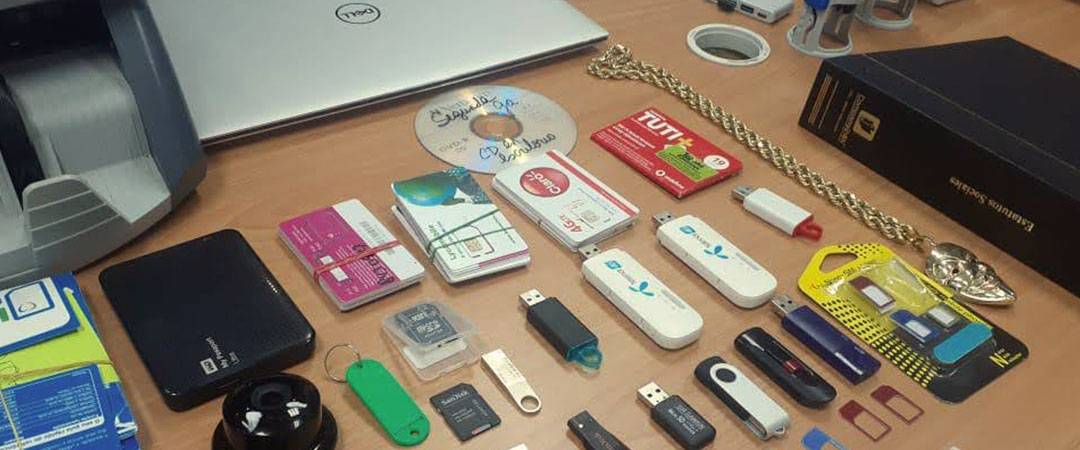
Europol Jun 14, 14:00

Six arrested for armed robberies of jewellery shops across Europe

An organised crime group behind a sting of violent armed robberies committed across Europe has been dismantled as a result of an international investigation facilitated by Europol. A total of six individuals – all Estonian nationals – were arrested over the course of the past two years. The smash-and-grab gang, armed with large hammers and a handgun, would hold up at gunpoint the employees of jewellery shops, before breaking the glass counters and running off with the jewellery. This organised crime group has been linked to two robberies in Bastia (France) in 2016 and 2017, one attempted robbery in Venice (Italy) in 2017 and one robbery in Innsbruck (Austria) in 2017. The investigation into these robberies was carried out by the French Police (Police Nationale), together with the Italian Carabinieri Corps (Arma dei Carabinieri), the Austrian Federal Police (Bundespolizei), the Finnish Police (Poliisi) and the Estonian Police (Politsei- ja Piirivalveamet). The international coordination was carried out by Europol who brought together in 2017 the national investigators who have since been working closely together. Since then, Europol has provided continuous intelligence development and analysis to support the field investigators. This operation was carried out in the framework of the European Multidisciplinary Platform Against Criminal Threats (EMPACT).
Read full story →
Europol Jun 11, 14:00

Five arrested over brazen Paris bank heist

In the early hours of 7 June, officers from the French National Police (Police Nationale) and the Spanish Civil Guard (Guardia Civil) carried out a series of coordinated raids close to Paris (France) and Malaga (Spain). A total of five suspects – 3 French nationals and 2 Algerian nationals - were arrested for their involvement in an armed bank robbery in Paris. In 2019, this organised crime group pulled off a bank robbery off the Champs-Elysee, locking staff and customers in for hours while they opened over sixty safe deposit boxes before fleeing with their loot. The value of the stolen items is estimated at several millions of euros. The arrests this week took place in the region of Paris. A property owned by one of the suspects in Spain has also been seized in the framework of a Freezing Order. Europol support Europol brought together the national investigators on both sides who have since been working closely together to prepare for the action day; Since then, Europol has provided continuous intelligence development and analysis to support the field investigators; On the action day, a specialist from Europol’s Serious Organised Crime Centre (ESOCC) was deployed to Paris to assist the French authorities with the cross-checking of operational information. At the same time, a specialist from Europol’s European Financial and Economic Crime Centre (EFECC) was sent to Spain to assist the Civil Guard with asset recovery. This investigation was carried out in the framework of the European Multidisciplinary Platform Against Criminal Threats (EMPACT).
Read full story →
Europol Jun 10, 11:46

Keeping the UEFA EURO 2020 championship safe

Between 10 June and 12 July 2021, Europol will host an operational centre to support safety and security during the UEFA EURO 2020 football championship. Coordinated by the Dutch Police, the International Police Cooperation Centre (IPCC) of the National Football Contact Points will host about 40 liaison officers from 22 participating and hosting countries. This special operational set-up is created to enable swift cooperation and provide the necessary operational support for a safe and secure championship. The IPCC will serve as a central information hub for national law enforcement authorities. To that end, Europol has created a special Task Force EURO 2020 to enable keeping officers on the ground 24/7 to easily exchange information and swiftly receive leads on ongoing investigations. The operational activities will focus on public safety and criminal threats, which may threaten security during the tournament. Enforcement authorities will target threats such as cybercrime, terrorism, match-fixing, trafficking counterfeit goods including fake COVID-19 certificates, and other intellectual property crimes. Europol’s Executive Director, Catherine De Bolle, said: ‘The UEFA EURO 2020 championship is a unique tournament both for football and for law enforcement. With 24 national teams playing in 11 cities across Europe, teaming up is paramount for the safety of the tournament. Europol will enable this cooperation by hosting the dedicated operational centre. Backed by Europol’s capabilities, officers on the ground will be better prepared to ensure a smooth and safe championship.’ The IPCC’s chief of staff, Max Daniel, said: ‘Combining information about public order issues, supporters, places of stay and travel movements by road, air and rail results in an up-to-date and integrated picture. Being able to easily share that information between countries has proven to be very valuable in the past. Police intelligence officers of all participating countries are doing their utmost to ensure that this unique UEFA EURO 2020 championship will be as safe as possible.’ IPCC UEFA EURO 2020 Participants (total number): EU Member States: Austria, Belgium, Croatia, Czechia, Denmark, Finland, France, Germany, Hungary, Italy, Poland, Portugal, Romania, Slovakia, Spain, Sweden, the Netherlands. Non-EU Countries: Azerbaijan, North Macedonia, Russian Federation, Switzerland, Turkey, Ukraine, United Kingdom. Organisations: INTERPOL and UEFA
Read full story →
Europol Jun 8, 08:16

800 criminals arrested in biggest ever law enforcement operation against encrypted communication

The US Federal Bureau of Investigation (FBI), the Dutch National Police (Politie), and the Swedish Police Authority (Polisen), in cooperation with the US Drug Enforcement Administration (DEA) and 16 other countries have carried out with the support of Europol one of the largest and most sophisticated law enforcement operations to date in the fight against encrypted criminal activities.Since 2019, the US Federal Bureau of Investigation, in close coordination with the Australian Federal Police, strategically developed and covertly operated an encrypted device company, called ANOM, which grew to service more than 12 000 encrypted devices to over 300 criminal syndicates operating in more than 100 countries, including Italian organised crime, outlaw motorcycle gangs, and international drug trafficking organisations.The goal of the new platform was to target global organised crime, drug trafficking, and money laundering organisations, regardless of where they operated, and offer an encrypted device with features sought by the organised crime networks, such as remote wipe and duress passwords, to persuade criminal networks to pivot to the device.The FBI and the 16 other countries of the international coalition, supported by Europol and in coordination with the US Drug Enforcement Administration, then exploited the intelligence from the 27 million messages obtained and reviewed them over 18 months while ANOM’s criminal users discussed their criminal activities.This operation, known as OTF Greenlight/Trojan Shield, is one of the largest and most sophisticated law enforcement operations to date in the fight against encrypted criminal activities.  A series of large-scale law enforcement actions were executed over the past days across 16 countries resulting in more than 700 house searches, more than 800 arrests and the seizure of over 8 tons of cocaine, 22 tons of cannabis and cannabis resin, 2 tons of synthetic drugs (amphetamine and methamphetamine), 6 tons of synthetic drugs precursors, 250 firearms, 55 luxury vehicles and over $48 million in various worldwide currencies and cryptocurrencies. Countless spin-off operations will be carried out in the weeks to come.  Operation Trojan Shield/Greenlight will enable Europol to further enhance the intelligence picture on organised crime affecting the EU due to the quality of the information gathered. This enhanced intelligence picture will support the continued effort in identifying operating high-value criminal targets on a global scale.Criminal demand for encrypted platforms and past takedownsCriminal networks have a huge demand for encrypted communication platforms to facilitate their criminal activities. However, the market for encrypted platforms is considered to be volatile. In July 2020, the EncroChat encrypted platform was dismantled by the Operational Taskforce EMMA (France, the Netherlands). This international operation sent shockwaves in the criminal underworld across Europe and was followed in 2021 with another takedown of a similar nature: an international group of judicial and law enforcement authorities (Belgium, France, the Netherlands) successfully blocked the further use of encrypted communications by organised crime networks via the Sky ECC communication service tool (Operational Task Force Limit).Both operations provided invaluable insights into an unprecedented amount of information exchanged between criminals. After the takedown of Sky ECC in March 2021, many organised crime networks sought a quick encrypted replacement for a communication platform that would allow them to evade law enforcement detection. This was a deliberate and strategic aspect of OTF Greenlight / Operation Trojan Shield resulting in the migration of some of the criminal Sky ECC customer base to the FBI-managed platform Anom.Europol’s Deputy Executive Director Jean-Philippe Lecouffe: “This operation is an exceptional success by the authorities in the United States, Sweden, the Netherlands, Australia, New Zealand and the other European members of the Operational Task Force. Europol coordinated the international law enforcement community, enriched the information picture and brought criminal intelligence into ongoing operations to target organised crime and drug trafficking organisations, wherever they are and however they choose to communicate. I am very satisfied to see Europol supporting this operation and strengthen law enforcement partnerships by emphasizing the multi-agency aspect of the case.”Calvin Shivers, Assistant Director, Criminal Investigative Division, US Federal Bureau of Investigation: “Encrypted criminal communications platforms have traditionally been a tool to evade law enforcement and facilitate transnational organized crime. The FBI and our international partners continue to push the envelope and develop innovative ways to overcome these challenges and bring criminals to justice," said the FBI's Criminal Investigative Division Assistant Director Calvin A. Shivers. "We are grateful to Europol for their commitment to fighting transnational organized crime and their partnership with the FBI. ”Linda H Staaf, Police Commissioner, Head of Intelligence of the Swedish Police (Polisen): “This operation, with an extensive strike yesterday, is one of the largest intelligence-led police operations against violent crime and drug networks ever in Sweden. From the Swedish police’s point of view there were no doubt to be the leading part in Europe together with the Netherlands and Europol. We highly appreciate this type of cooperation between law enforcement agencies. The criminality spreads across borders and international cooperation is crucial to fight serious crime. ”Jannine van den Berg, Chief Constable of the Netherlands Police’s Central Unit: “Operation Trojan Shield is a fine example of innovative and daring police work that is unparalleled. Each partner provided its own unique expertise and together we delivered a fantastic international performance. Thanks to the excellent technical skills of the Dutch police, the millions of messages could be analyzed and interpreted. Just like the investigations into EncroChat and Sky, Operation Trojan Shield also shows that serious criminals wrongly believe that they can operate anonymously and out of sight of the police and that they cannot be caught. Nothing turns out to be less true. My compliments and thanks go to all participants of Operation Trojan Shield.”Australian Federal Police Commissioner Reece Kershaw APM: “The AFP and FBI have been working together on a world-first operation to bring to justice the organised crime gangs flooding our communities with drugs, guns and violence. Europol has been a trusted and committed partner during this time. Very few matters unite law enforcement like bringing to justice those who seek to do our citizens harm. The FBI provided an encrypted communications platform while the AFP deployed the technical capability that helped unmask some of the biggest criminals in the world. The intelligence shared by Europol has helped to ensure this is one of the most significant global taskforces for law enforcement. This week the AFP will execute hundreds of warrants and is expected to arrest hundreds of offenders who were linked to the platform. This is the culmination of hard work, perseverance and an invaluable, trusted relationship with Europol. We thank Europol for their long and integral partnership with the AFP. Crime is local but when we work together our reach is global.”Drug Enforcement Administration Deputy Chief of Operations Matthew Donahue said: “Operation Trojan Shield and Europol Operation Greenlight not only reveal how transnational criminal organizations continue to exploit encrypted communication services for their own illicit gain, but also show the commitment of the law enforcement community to develop innovative strategies to counter this activity. These operations underscore the seriousness of the international drug threat and provide a strong foundation from which future investigations can be built.  As clearly shown in this operation, transnational organized crime is a global problem that requires a global solution, strong international partnerships and timely information sharing which are critical tools in this fight.”Europol’s role and contributionEuropol set up an Operational Task Force (OTF) for Operation Trojan Shield / Greenlight and provided operational support for the participating countries by acting as a criminal intelligence hub, facilitating the exchange of information and coordinating with other investigations supported by Europol. Overall, 16 countries took part in this OTF and sent representatives to Europol in The Hague, the Netherlands, to coordinate their activities at the national and international levels. The large system of international liaison officers at Europol ensures that the interests of law enforcement agencies in the EU Member States and non-EU partners are represented at Europol’s headquarters. Europol supported OTF Greenlight / Operation Trojan Shield, which was led by the US FBI, Sweden, the Netherlands and Australia.The following countries participated in the international coalition: Australia, Austria, Canada, Denmark, Estonia, Finland, Germany, Hungary, Lithuania, New Zealand, the Netherlands, Norway, Sweden, the United Kingdom incl. Scotland, and the United States.
Read full story →
Europol Jun 4, 10:07

Eels shipped by air found in operation Lake-V

Between November 2020 and June 2021, Europol coordinated the fifth Operation Lake, which involved law enforcement authorities from 24* countries, OLAF, the EU Wildlife Enforcement Group and the EU Food Fraud Network. This Europe-wide annual operation targets the trafficking of the protected European eel (Anguilla Anguilla) species, which has seen its population decrease by 90 % in recent years.Operation Lake V led to:58 000+ inspections across Europe52 arrestsSeizures including:387 kg of glass eels and 25 kg of adult eels valued at about EUR 1.241 millionCars, boats and other assets.300 000 glass eels seized in one operationIn November, Spanish law enforcement authorities seized cargo containing more than 100 kg of glass eels (about 300 000 specimens) in Barajas-Madrid airport. This seizure and further investigations led to the arrest of two people, including the leader of the criminal network, who is currently imprisoned. Another complex investigation involving Portuguese law enforcement authorities has led to the dismantling of a criminal network using oysters to conceal glass eels in cargo. The coordinated operation activities led to three arrests and the seizure of assets and €70 000 in cash.Another Portuguese-led investigation uncovered bunker-like structures in which eels were stored before being shipped to Asia. Officers arrested three suspects and seized 60 kg (or about 180 000 specimens) of glass eels and different assets such as cars and boats. A special law enforcement unit was created in France, one of the main trading points for glass eels, to coordinate the controls across the entire territory. Two investigations are still ongoing, while the checks that have already been carried out uncovered several new modus operandi.Europol coordinated the overall operational activities, facilitated the information exchange and provided analytical support. During several action days, Europol deployed experts on the field to cross-check operational information in real time against Europol’s databases.Eels in cargo instead of suitcasesThe global COVID-19 pandemic has also influenced eel trafficking. The investigations in the framework of Lake V uncovered a shift in this criminal activity. In the conditions of an international travel ban, criminal networks have found new ways to smuggle glass eels from Europe to Asia. The most common modus operandi during the global pandemic has consisted of concealing glass eels in shipments with other commodities before transporting them to Asia through air cargo. During previous operations, many travellers were arrested for smuggling eels in their suitcases. During the past year, this trend has been replaced by cargo transportation.The main criminal networks involved in this trafficking are primarily active in France, Spain, Portugal and the United Kingdom – the four European countries producing glass eels. Nationals from these countries manage the illegal fishing while nationals from the destination countries in Asia arrange the logistics and transportation. The investigations during Lake V uncovered criminal networks building special structures similar to bunkers to store the illegally fished glass eels. After arriving in Asia, the glass eels are grown in fish farms and distributed to different markets across the globe.The trafficking of glass eels is one of the biggest, most lucrative illegal trades of protected spaces worldwide, with illegal profits estimated to be up to €3 billion in recent years. Successful law enforcement efforts in combating this threat to European wildlife has made a big contribution to the illegal activity’s significant decrease: estimates show that the trafficking of eels is now 50 % lower than in 2016, the after year Operation Lake was launched.Participating countries:EU Member States: Austria, Belgium, Bulgaria, Czechia, Denmark, Finland, France, Germany, Italy, Latvia, Netherlands, Luxemburg, Poland, Portugal, Slovakia, SpainNon-EU countries: Albania, Bosnia and Herzegovina, Canada, Georgia, North Macedonia, Serbia, Switzerland, United KingdomHeadquartered in The Hague, the Netherlands, Europol supports the 27 EU Member States in their fight against terrorism, cybercrime, and other serious and organized crime forms. Europol also works with many non-EU partner states and international organisations. From its various threat assessments to its intelligence-gathering and operational activities, Europol has the tools and resources it needs to do its part in making Europe safer.
Read full story →
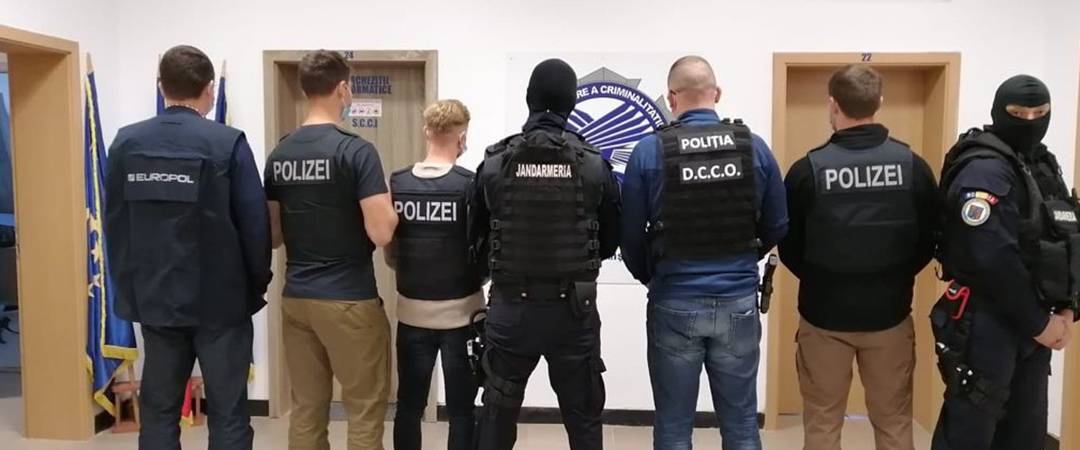
Europol May 31, 13:34

3 arrested for smuggling over 250 Vietnamese migrants to Germany

In the early hours of 31 May, some 740 police officers carried out coordinated raids across Germany and Slovakia against the members of a criminal syndicate smuggling Vietnamese nationals into Europe, arresting 3 individuals. The main bulk of today’s actions took place in Germany, with house searches carried out in the towns of Hamburg, Schönefeld, Recklinghausen, Minden, Bückeburg, Halle, Bitterfeld-Wolften and Leipzig.  A number of searches were also executed in Bratislava in Slovakia. The investigation uncovered that this organised crime group was responsible for facilitating into Germany the entry of over 250 irregular migrants of Vietnamese origin, charging each migrant between €13 000 to €21 000 for the journey. The criminal network provided migrants back in Vietnam with valid Schengen visas issued on false grounds using invitations provided by various companies controlled by the network in Slovakia. Once the migrants arrived in Europe, the network would arrange for their travel to Germany by means of private cars. There, the migrants were deprived of their personal belongings and kept in captivity against their will until they paid back their debts to the criminal network through unpaid work. This sting was carried out in the framework of an Operational Taskforce set up at Europol in November 2020 between the German Federal Police (Bundespolizei), the Police Force of the Slovak Republic (Policajný zbor Slovenskej republiky) and Europol’s European Migrant Smuggling Centre (EMSC). This Operational Taskforce focuses specifically on the organised crime networks smuggling Vietnamese nationals into Europe. Europol support Europol brought together the national investigators on both sides who have since been working closely together to establish a joint strategy to bring down this migrant smuggling network. Since then, Europol has provided continuous intelligence development and analysis to support the field investigators. A virtual command post was set up by Europol on the action day to ensure seamless coordination between all the authorities involved in these arrests and a specialist from its European Migrant Smuggling Centre was deployed the coordination centre in Germany to assist with the cross-checking of operational information.
Read full story →
Europol May 28, 14:49

1st Referral Action Day Against Right-Wing Terrorist Online Propaganda

On 27 May 2021, the 1st Referral Action Day against right-wing terrorist online propaganda was coordinated by the European Union Internet Referral Unit at Europol's headquarters in The Hague. The Action Day was joined by a total of 28 international partners: Australia, Austria, Belgium, Croatia, Czech Republic, Denmark, France, Georgia, Germany, Greece, Hungary, Ireland, Italy, Latvia, Lithuania, Luxembourg, Moldova, Montenegro, North Macedonia, Norway, Portugal, Romania, Serbia, Slovakia, Spain, Sweden, United Kingdom, and the New York City Police Department. Referral Action Days are based on the referral by Europol and specialised units in partner countries of terrorist propaganda to online service providers that are responsible for evaluating the content to establish any potential breach of their terms of service. Among the items referred were: right-wing terrorist and extremist content; material produced by or favouring proscribed right-wing organisations; material produced and disseminated concerning relevant right-wing attacks, such as texts, videos, audio files, publications, images, and social media accounts. During the Referral Action Day, the parties involved reviewed the referral process, from detecting terrorist content to its flagging to online service providers (OSPs). A total amount of 1 038 items were assessed for referral to the OSPs with a request to be reviewed against their terms of service. The threat posed by violent right-wing extremism has been growing. The terror attacks in Christchurch (New Zealand), Poway (USA), El Paso (USA), Bærum (Norway), and Halle (Germany) were part of a wave of violent incidents worldwide, the perpetrators of which were part of similar transnational online communities and took inspiration from one another. The use of the internet is becoming increasingly important in this context. This no longer applies only to radicalisation and recruitment but also to the dismantling of crimes by law enforcement. This first Referral Action Day against right-wing terrorist and extremist online propaganda aimed to discover the sources of Internet activities and develop approaches to combat them.  Similar joint actions will continue to be organised in the future.
Read full story →
Europol May 28, 14:00

Industrial-scale cocaine lab uncovered in Rotterdam in latest Encrochat bust

The cooperation between the French National Gendarmerie (Gendarmerie Nationale) and the Dutch Police (Politie) in the framework of the investigation into Encrochat has led to the discovery of an industrial-scale cocaine laboratory in the city of Rotterdam in the Netherlands. Acting on information from Europol and the  French Gendarmerie, 80 Dutch police officers, accompanied by their SWAT teams and specialised dogs, raided in the early hours of 26 May several addresses in the cities of Rotterdam and The Hague. The clandestine drug laboratory was found hidden in a building also housing a garage used by criminals to customise vehicles with secret compartments to transport drugs across Europe. A total of 7 vehicles already equipped with such compartments were seized on site, alongside a vehicle worth €110 000 and 37 kilos of cocaine hidden in these tailor-made compartments. Both the drug laboratory and garage were run by the same criminal syndicate who was flooding Europe with cocaine. One of its members was arrested in Rotterdam under a European Arrest Warrant facilitated by Eurojust. This sting follows an earlier action day carried out by the French Gendarmerie on 31 March on the occasion of which 450 of its officers were deployed against the same criminal group, leading to the arrest of 8 members of the gang. In addition, €5 million worth of cocaine was also seized in the region of Marseille, alongside €3 million worth of cannabis resin and €3.4 million in cash. The investigation was able to trace back the cocaine to the underground laboratory targeted this week in the Netherlands. Europol support In the framework of intelligence activities underway with its operational counterparts, Europol developed actionable intelligence concerning the activities in Europe of this criminal syndicate. In November 2020, Europol  brought together the national investigators on both sides who have since been working closely together to establish a joint strategy to bring down the whole network. The suspects were identified with the support of Operation EMMA 95/LEMONT 26, the French and Dutch-led investigation against the Encrochat network. Since then, Europol has provided continuous intelligence development and analysis to support the field investigators.
Read full story →
Europol May 20, 12:30

Hit against euro counterfeiters linked to the Camorra

On 20 May 2021, Europol supported the German Regional Criminal Police of Nordrhein-Westfalen (Landeskriminalamt Nordrhein-Westfalen) and the Italian Finance Corps (Guardia di Finanza) of Rome and Naples in dismantling an organised crime group involved in the production and distribution of counterfeit euro banknotes, drug trafficking and tax fraud. Law enforcement authorities from the BelgianFederal Police (Federale Politie, Police Fédérale) and the French National Police (Police Nationale) also assisted the investigation. The suspects are believed to have ties to the Camorra mafia clan. The action day led to: 19 house searches (1 in Naples and 18 in Germany ) 4 persons arrested (Italian nationals) Seizures include various documents such as accounting records, IT evidence and €30 000 in cash Judicial security order of €415 000 in total, issued by Germany  The criminal network is involved in the production of counterfeit euros in the area of Naples in Italy and their subsequent distribution in Germany.  The main suspect is also believed to be involved in the trafficking of different illegal commodities including drugs, stolen vehicles and falsified documents. He is suspected of distributing these illegal commodities, acquired by his associates living in Naples and connected to the Camorra. During the course of the investigation law enforcement officers made several seizures including cocaine, an illegal firearm and counterfeit money for a value of about €160 000.  This investigation also led to the first seizure of a counterfeit banknote of the new €100, just six months after its official release by the European Central Bank. Europol facilitated the information exchange, operational coordination and provided analytical support. During the action day, Europol supported with technical expertise and cross-checked operational information against Europol’s databases and the systems of the European Central Bank. This investigation is part of the Italian DIA Project ONNET, an EU-financed initiative to tackle mafia-type organised crime groups active in Europe. The project was launched at Europol’s headquarters and targets the mafia-style criminal groups in their entirety, rather than one or more of their specific criminal activities. Headquartered in The Hague, the Netherlands, Europol supports the 27 EU Member States in their fight against terrorism, cybercrime, and other serious and organized crime forms. Europol also works with many non-EU partner states and international organisations. From its various threat assessments to its intelligence-gathering and operational activities, Europol has the tools and resources it needs to do its part in making Europe safer.
Read full story →
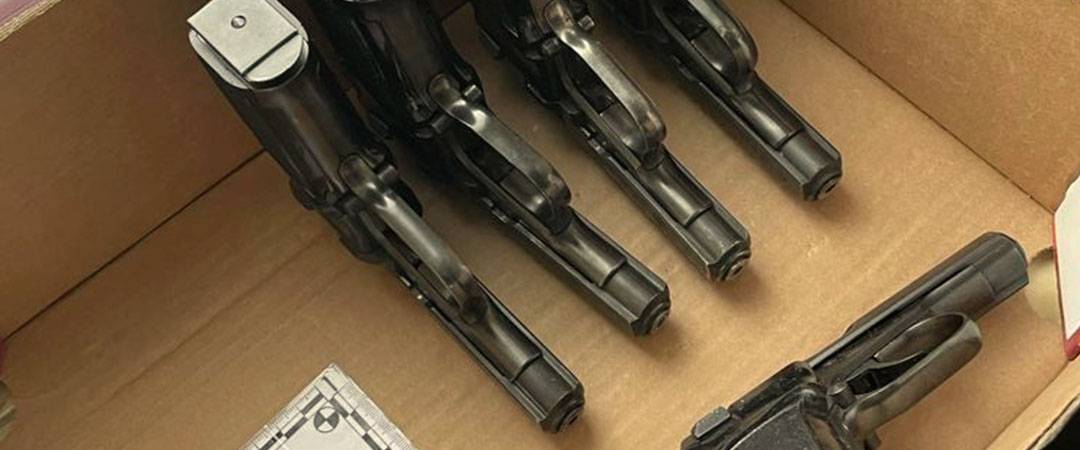
Europol May 12, 14:30

12 arrested in France in latest hit against tobacco smugglers

Earlier this week, the French Gendarmerie (Gendarmerie Nationale) with the support of the French Judicial Customs (SEJF) arrested 5 individuals and seized 250 000 counterfeit cigarettes in a series of raids in the city of Nantes. This action follows an earlier one on 9 April which saw 7 other members of the same organised crime group arrested in the cities of Nantes, Rodez and Montpellier. On this occasion, close to 5 tonnes of counterfeit cigarettes were seized, alongside €37 000 in cash. Europol deployed specialists from its European Financial Economic Crime Centre (EFECC) on both these actions days to support the French authorities. This organised crime group received the illegal cigarettes from two criminal networks based abroad, arranged for their storage in various cities in France and then managed their subsequent distribution through a number of criminal wholesalers – composed mostly of Georgian, Armenian and Ukrainian nationals – onto the French black market. The same organised crime group was also involved in the management of payments and the corresponding financial flows. This criminal group has now been fully dismantled. Since the start of the investigation, the French investigators collected evidence that over 75 tonnes of counterfeit cigarettes were imported and distributed throughout France for a loss to the French budget estimated close to €22 million. Europol support Europol’s Analysis Project (AP) Smoke as part of the EFECC has supported this investigation from the onset and organised coordination meetings with the national investigators involved to discuss procedural requirements and identify a clear way forward. Its experts there after organised the intensive exchange of information needed to prepare for the action days in France. This investigation was carried out in the framework of the European Multidisciplinary Platform Against Criminal Threats.
Read full story →
Europol May 11, 13:30

Eight arrests for selling potentially dangerous food supplements online

Europol supported the Italian Carabinieri (NAS Carabinieri) and the Spanish National Police (Policía Nacional) in dismantling an organised crime group involved in the online sale of illegal food supplements containing active medical ingredients.In 2019, NAS Carabinieri detected some food supplements, allegedly made of natural ingredients, which actually contained the pharmaceutical ingredients sildenafil and tadalafil. The product, recommended for the treatment of erectile dysfunction, was sold on a well-known e-commerce platform. The results of analysis carried out on samples from test purchases of the product confirmed the presence of these active ingredients. Food supplements illegally containing a medical active ingredient could be sold in a deceptive way to consumers, generating high risks for public health. In this case, Sildenafil could be extremely harmful for individuals suffering from heart or blood circulation diseases.The Spanish investigation followed the supply chain and identified that the company was registered in the United Kingdom, while the main perpetrators were operating from Spain. Based on information shared by the Italian Carabinieri through Europol, the Spanish Police then initiated the investigation carried out in the framework of operation Shield II, which led to the arrest of the suspects. Officers carried out twelve house searches in Spain and Italy and blocked seventeen websites. The final results of the operational activities include eight arrests (in Spain), the seizures of 32 500 packages of food supplements (both in Spain and Italy) and the freezing of 21 bank accounts containing a total of €3.5 million.Europol supported the operation by facilitating information exchange and providing analytical support and operational coordination. During the action day, Europol experts cross-checked operational information in real-time against Europol’s databases to provide leads for investigators in the field. Europol also deployed a top expert in Spain to provide technical expertise and support with the extraction and analysis of information from mobile devices.Headquartered in The Hague, the Netherlands, Europol supports the 27 EU Member States in their fight against terrorism, cybercrime and other serious and organised forms of crime. We also work with many non-EU partner states and international organisations. From various threat assessments to intelligence-gathering and operational activities, Europol has the tools and resources required to help make Europe safer.
Read full story →
Europol May 11, 08:00

Over 56 400 cultural goods seized and 67 arrests in action involving 31 countries

Despite constraints imposed by the COVID-19, the 2020 edition of the Pandora operation targeting the illicit trafficking of cultural goods has been the most successful to date with over 56 400 cultural goods seized.  These objects include archaeological objects, furniture, coins, paintings, musical instruments and sculptures. Running between 1 June and 31 October 2020, Pandora V saw the involvement of customs and law enforcement authorities from 31 countries. During the operational phase, tens of thousands of checks and controls were carried out in various airports, ports, border crossing points, as well as in the auction houses, museums and private houses. As a result, more than 300 investigations were opened, and 67 individuals arrested. Given the global nature of this crime, operation coordination units working 24/7 were established by Europol on one side, and the World Customs Organization and INTERPOL on the other, to support the exchange of information as well as disseminate alerts, warnings and perform cross- checks in different international and national databases. This operation was led by the Spanish Civil Guard (Guardia Civil), with the international coordination supported by Europol, INTERPOL and the WCO. PANDORA V was carried out in the framework of the European Multidisciplinary Platform Against Criminal Threats (EMPACT). Operational highlights A total of 27 300 archaeological artefacts were seized as a result of a single investigation carried out by French Customs (Douane). A suspect was arrested, who now faces a prison sentence and a fine of several hundred thousands of euros. The Spanish authorities seized more than 7 700 cultural goods including archaeological artefacts, coins, sculptures and statues, weapons, paintings and archives of sound, film and photography with a value in excess of €9 million. During the operational phase, the Spanish Civil Guard (Guardia Civil) also finalised a complex investigation initiated within the framework of Pandora III. As a result, one individual was arrested and 94 objects stolen in various places of worship were recovered. A total of €165 000 in cash was seized at his home. The arrestee is suspected of trying to sell online these stolen goods, such as a 16th century silver chalice and an illuminated manuscript of the Apocalypse by Beatus of Liébana. During searches on the internet, the Swedish Police (Polisen) identified a folk art item stolen in Sweden in 2019. At that same online auction, the Swedish Police discovered a pair of 17th century candlesticks stolen from a Swedish church 8 years ago. The Italian Carabinieri Corps (Arma dei Carabinieri) reported more than 2 700 cultural goods seized including ceramics, archaeological goods, art and books valued at €1 155 000. The Hellenic Police (Ελληνική Αστυνομία) carried out 34 arrests and recovered a total of 6 757 antiquities, including ceramic and marble objects, as well as 6 452 coins, 5 533 of which were recovered in one single investigation. In one case, two Greek nationals were arrested for trying to sell 6 marble and clay antiquities for €150 000. A total of 50 metal detectors were seized, and 6 of them were seized directly in archaeological sites, clearly demonstrating that such sites are under treat. Several hundreds of Word War II grenades and other explosive devices were seized by the Police Force of the Slovak Republic (Policajný zbor Slovenskej republiky). This is a worrisome development as some of these old explosive devices are still functional and may lead to numerous casualties. Results of the Cyber Patrol Within the framework of the Operation Pandora V, the Dutch National Police (Politie) organised a five-day cyber patrol week focusing on online markets. Law enforcement from 15 countries, with the support of Europol, INTERPOL and WCO, identified suspicious sales online, as a result of which 15 new investigations were opened. International coordination Europol, as co-leader of this action, played a key role in implementing the entire operation by facilitating information exchange, and providing analytical and operational support. The WCO also facilitated intelligence exchange among different agencies through a special user group created on its CENComm communication platform. INTERPOL connected Balkan and European participating countries, facilitating the exchange of information through its secure communications system. A dedicated expert supported the entire operation by double checking searches against INTERPOL's Stolen Works of Art database to locate and identify stolen and missing items. Participating countries: Albania, Austria, Belarus, Belgium, Bosnia and Herzegovina, Bulgaria, Croatia, Cyprus, Czechia, Denmark, France, Germany, Greece, Ireland, Italy, Latvia, Luxemburg, Malta, the Netherlands, North Macedonia, Montenegro, Poland, Portugal, Romania, Serbia, Slovakia, Slovenia, Spain, Sweden, Turkey and the United Kingdom
Read full story →
Europol May 10, 10:00

New Trace An Object uploads: fresh leads needed in child sexual abuse cold cases

We are releasing today to the public a series of new Stop Child Abuse – Trace An Object images in an attempt to solve child sexual abuse cold cases. All six pictures – a t-shirt, a wristband, a bag – have been cropped out of child sexual abuse footage from cases investigators have yet to solve – some of them months old, some years old – before being digitally enhanced and posted online. Investigators are hoping that certain details in the images might serve as clues and that members of the public will recognise a detail which could down the line lead to a child being rescued from harm. What do victim identification specialists do? Victim identification specialists painstakingly go through images and videos frame-by-frame to identify anything that helps with the origin, location or the identity of the victim. Some things the specialists find are quite simple, like a street sign or a news programme on a TV in the background, but others are harder as offenders are becoming more aware of what law enforcement is looking for. In some cases, investigators have exhausted all the investigative leads and that’s where your help is needed. Europol’s victim identification specialists take your tips sent in via the Trace An Object platform and work to verify and develop them further. Sometimes, your tips lead us in a definite direction. The information is then sent to the relevant country for further investigation. So far, the Stop Child Abuse – Trace an Object has helped remove 10 children from harm and arrest 3 offenders with over 26 000 tips received. How to report We urge the public to have a look at the images by visiting https://www.europol.europa.eu/stopchildabuse. If you recognise an object or any details about its origin, be it from a shop, location or a time period, please report it via the platform. You can do so securely and anonymously. No clue is too small.
Read full story →
Europol May 7, 13:56

A spice worth its weight in gold: a multi-million euros fake saffron trafficking scheme uncovered

Europol supported the Spanish authorities in targeting an organised crime group laundering millions of euros of illegal profits coming from the trafficking of substandard saffron. The criminal network mixed real saffron with herbs and chemicals to increase their margins before exporting it. More than 500 shipments of this adulterated saffron have been identified, worth an estimated amount of €10 million. The criminal network laundered their criminal proceeds through multiple bank transfers emanating from a Spanish company to different companies across the EU pretending to having bought this saffron. These companies were not in the import-export business, which raised suspicions. The investigation into the transactions revealed a complex trade-based money laundering scheme set-up across the EU. The criminal network also used carriers to transport large amount of cash derived from the criminal business. The carriers were controlled by money brokers operating in the EU and with connections in non-EU countries acting as nodes in the hawala network. The action day on 25 February in Spain led to: 17 arrests Seizures including: 7 luxury cars and watches, gold and jewellery, 400kg of saffron threads, machines for saffron counterfeiting and €14 500 in cash Europol supported the operation by facilitating information exchange and providing analytical support. On the action day, Europol deployed two experts to Spain to provide technical and analytical expertise and cross-check in real time operational information against Europol’s databases and provide leads to investigators in the field. Headquartered in The Hague, the Netherlands, we support the 27 EU Member States in their fight against terrorism, cybercrime and other serious and organised forms of crime. We also work with many non-EU partner states and international organisations. From its various threat assessments to its intelligence-gathering and operational activities, Europol has the tools and resources it needs to do its part in making Europe safer.
Read full story →

Europol May 3, 07:30

4 arrested in takedown of dark web child abuse platform with some half a million users

Four have been arrested in a multi-agency operation sparked by a German investigation into one of Europe’s most prolific child sexual abuse platforms on the dark web. These arrests were made in Germany (3) and Paraguay (1) earlier this month. The arrested individuals – all German nationals, had various roles in relation to the site seized. The dark web platform, known as Boystown, has been taken down by an international taskforce set up by the German Federal Criminal Police (Bundeskriminalamt) which included Europol and law enforcement agencies from the Netherlands, Sweden, Australia, Canada and the United States. This site focused on the sexual abuse of children and had 400 000 registered users when it was taken down. Several other chat sites on the dark web used by child sexual offenders were also seized on the same occasion. The case illustrates what Europol is seeing in child sexual abuse offending: online child offender communities on the dark web exhibit considerable resilience in response to law enforcement actions targeting them. Their reactions include resurrecting old communities, establishing new communities, and making strong efforts to organise and administer them. The image and video data seized during this investigation will be used for Victim Identification Taskforces organised on a regular basis at Europol. More arrests and rescues are to be expected globally as police worldwide examine the intelligence packages compiled by Europol. The following authorities took part in this investigation: Germany: Federal Criminal Police (Bundeskriminalamt) The Netherlands: National Police (Politie) Sweden: National Police (Polisen) Australia: Australian Centre to Counter Child Exploitation (ACCCE), Australian Federal Police (AFP) and Queensland Police Service (QPS) United States: Federal Bureau of Investigation (FBI), U.S. Immigration and Customs Enforcement (ICE) Canada: Royal Canadian Mounted Police
Read full story →