Top Stories

Europol Apr 29, 15:30

Three arrested in Spain for encouraging terrorist attacks against France and its interests abroad

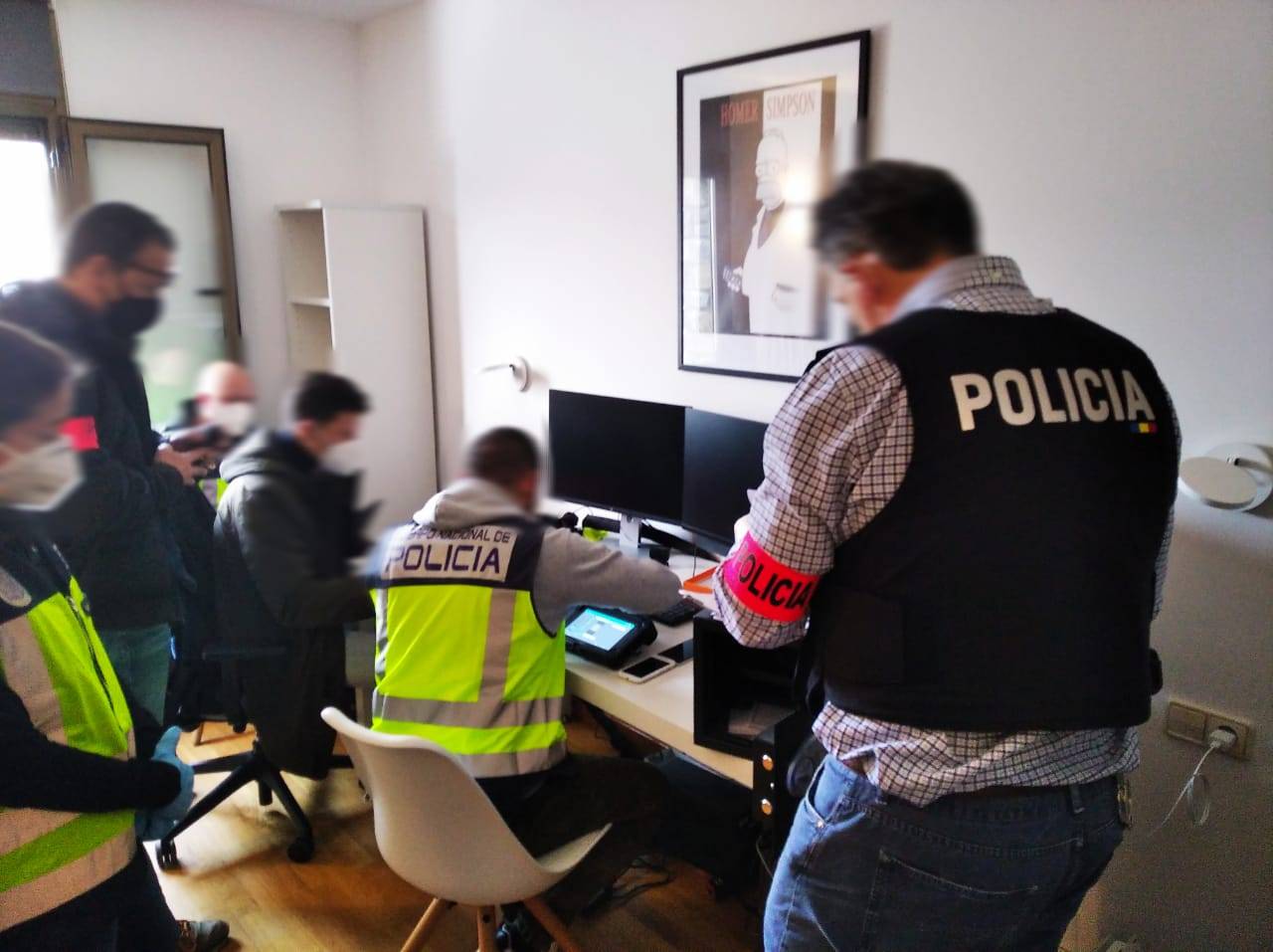
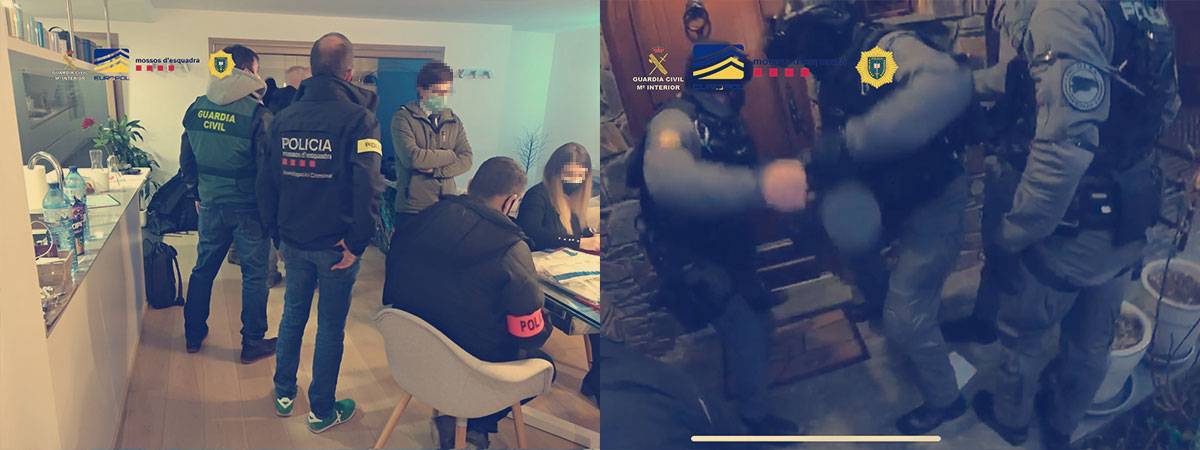
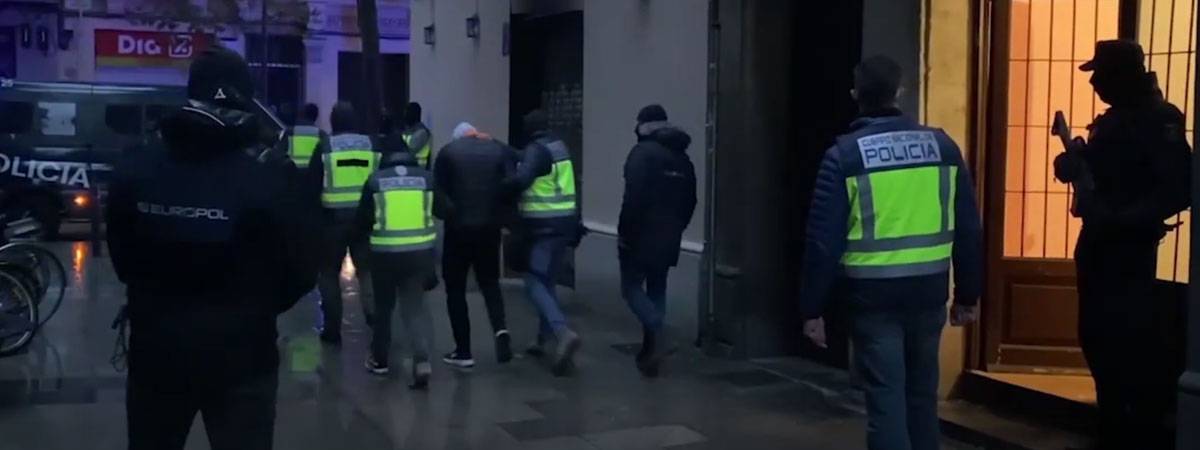
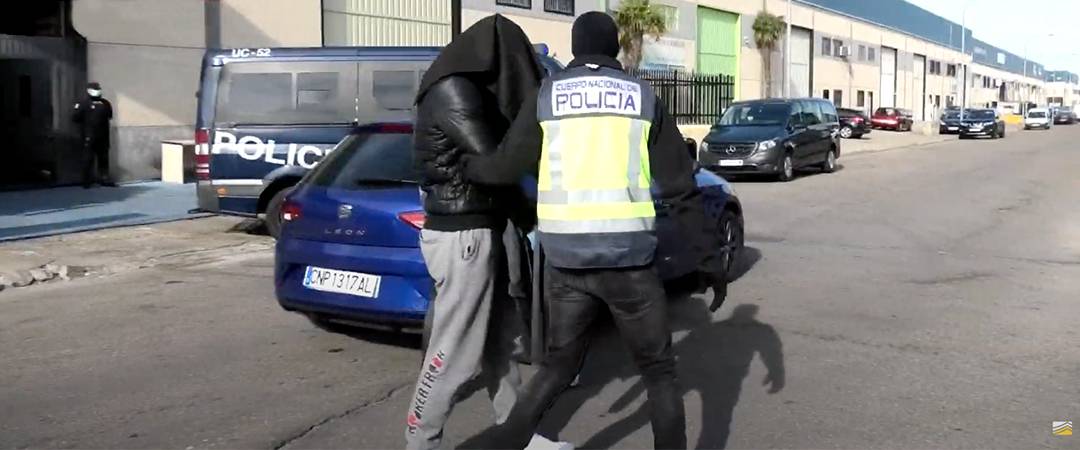
In the early hours of 27 April, officers of the Spanish National Police (Policia Nacional) with the support of Europol swooped on the members of a terrorist cell in the city of Granada. A total of three individuals were arrested on suspicion of encouraging terrorist attacks against France. After the French magazine Charlie Hebdo republished caricatures of the Prophet Muhammad in September of last year, the arrestees posted numerous videos on their social media accounts threatening to carry out violent actions against France, its citizens and interests abroad to avenge the said-publication. The Spanish National Police used its specialist capabilities to identify the individuals behind these social media profiles with totalled almost 19 000 followers. The seriousness of these threats, together with the suspects’ social media following, represented a serious security concern. Europol deployed one of its experts to the field to assist the Spanish authorities during the day of action. The evidence gathered during the house searches will now be analysed by Europol to identify potential links with ongoing investigations.
Read full story →
Europol Apr 29, 12:05

Conditions applicable to the cooperation with the UK since 1 January 2021

The EU and the UK have concluded a Trade and Partnership Agreement specifying the possibilities and conditions for their cooperation after the end of the transition period that followed the UK’s withdrawal from the EU on 31 January 2020. The EU-UK Trade and Partnership Agreement includes provisions on the cooperation between Europol and the competent authorities of the UK. Thanks to the conclusion of the Agreement, Europol could initiate the operational cooperation with the UK as third state already at the start of this year. Europol is working on fully implementing the relevant provisions of the EU-UK Trade and Partnership Agreement as soon as possible in consultation with the UK and under the authority of its Management Board. Until an arrangement fully implementing those provisions is concluded between Europol and its UK counterpart, Europol is adhering to additional data protection safeguards that were defined in consultation with the European Data Protection Supervisor (EDPS) and the Management Board. Europol’s Management Board is an integral part of Europol’s administrative and management structure.
Read full story →
Europol Apr 29, 09:00

1 600 offences detected in a global operation against marine pollution

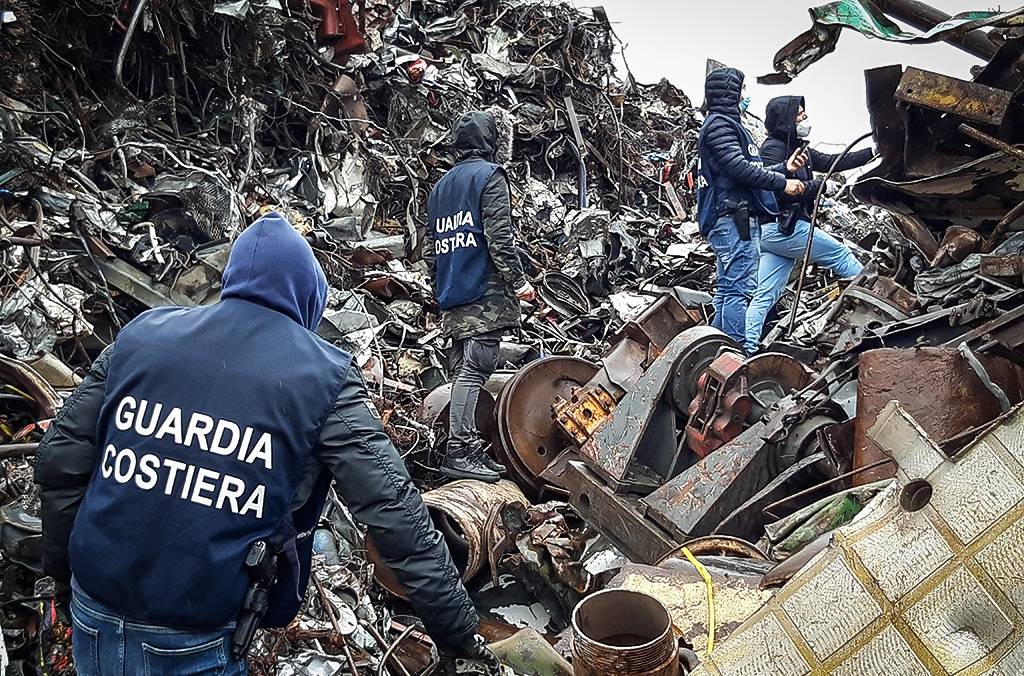
Between 1 and 30 March 2021, 300 agencies across 67 countries joined forces against marine pollution during the third global operation 30 Days at Sea. Europol and Frontex coordinated the European leg of the operation, as part of the EMPACT action plan on environmental crime, while INTERPOL coordinated the global activities. The actions led to the identification of numerous crimes ranging from illegal discharge to waste trafficking and the investigation of thousands of suspects worldwide. Frontline action followed five months of intelligence collection and analysis, enabling participating countries to identify hotspots and targets. The simultaneous actions in March led to: 34 000 inspections at sea and inland waterways, coastal areas and ports;  1 600 marine pollution offences detected in total; 500 illegal acts of pollution committed at sea, including oil discharges, illegal shipbreaking and sulphur emissions from vessels; 1 000 pollution offences in coastal areas and in rivers, including illegal discharges of contaminants; 130 cases of waste trafficking through ports. By using INTERPOL’s wide range of databases and analytical capabilities, countries were able to connect pollution crime with other serious crimes such as fraud, corruption, tax evasion, money laundering, piracy, and illegal fishing. Criminals attempt to abuse the pandemic also at sea With many enforcement resources being reassigned to tackle the pandemic, criminals have been quick to exploit growing vulnerabilities in different crime areas including environmental crime. Inspections uncovered typical forms of marine pollution crime, from vessel discharges to waste trafficking by sea, but also criminal trends that have been growing amid the pandemic. Growing trends included COVID-19 disposable items such as masks and gloves, with 13 cases involving medical waste opened as a result of the operation. A major criminal network trafficking plastic waste between Europe and Asia was exposed, triggering cooperation between authorities from both regions. So far, 22 suspects have been arrested and thousands of tonnes of waste have been prevented from being illegally shipped to Asia. It is highly likely that the waste would have likely been dumped there, contaminating soils and generating considerable marine litter. Several countries from Europe, Asia and Africa reported illegal shipments of contaminated or mixed metal waste falsely declared as metal scraps. In one case, the Italian Coast Guard seized and prevented 11 000 tonnes of metal scraps mixed with plastic, rubber, mineral oil and other contaminants from being loaded onto bulk carriers headed for Turkey. Namibia, the Philippines and Croatia also reported cases of illegal waste shipments from Europe. Global coordination to counter the pollution of our seas Europol and FRONTEX (European Border and Coast Guard Agency) coordinated the European leg of 30 Days at Sea 3.0, while INTERPOL’s Environmental Security Programme coordinating the operation globally. Europol’s Executive Director Catherine De Bolle said: “Marine pollution is a serious threat, which endangers not only the environment but our health and in the long run our global economy. Criminals do not care about the environment; they do not think of tomorrow, but only of increasing their profits on the back of our society. Consolidated law enforcement efforts such as the operation 30 Days at Sea are critical to tackle these borderless crimes and protect our environmental heritage for generations to come.” INTERPOL Secretary General Jürgen Stock said: “The threat of pollution crime is constantly evolving, endangering the air we breathe, our water and soil. Although this is the third edition of 30 Days at Sea, it is never the same exercise. It is thanks to a global yet agile network that we have seen the number of inspections more than double since the first edition: a clear sign that the international community will not stand for criminal attacks on our environment.” “Environmental crime is one of many criminal activities Frontex targets as part of our mission as the European Border and Coast Guard Agency. This is our contribution to the protection of the environment. I’m proud that, as part of 30 Days at Sea, Frontex aerial and maritime assets monitored nearly 1 000 vessels,” said Frontex Executive Director Fabrice Leggeri. All three editions of Operation 30 Days at Sea 3.0 have been carried out with funding from the Norwegian Agency for Development Cooperation (Norad). *Participating countries: 17 EU Member States: Bulgaria, Croatia, Cyprus, Finland, France, Germany, Greece, Ireland, Italy, Latvia, Malta, Netherlands, Poland, Portugal, Romania, Spain, Sweden 50 non-EU countries: Angola, Argentina, Australia, Bangladesh, Benin, Bolivia, Bosnia and Herzegovina, Brazil, Cameroon, Canada, Chilie, China, Cote d’Ivoire, Dem Rep Congo, Ecuador Ethiopia, Fiji, Georgia, Ghana, Guatemala, Guinea Bissau, Honduras, India, Israel, Kenya, Kuwait, Liberia, Malaysia, Maldives, Namibia, Nigeria, Norway, Philippines, Qatar, Republic of Korea, Russia, Saudi Arabia, Senegal, South Africa, Tanzania, Thailand, Ukraine, United Kingdom, United States, Uruguay, Zimbabwe Headquartered in The Hague, the Netherlands, we support the 27 EU Member States in their fight against terrorism, cybercrime and other serious and organised forms of crime. We also work with many non-EU partner states and international organisations. From its various threat assessments to its intelligence-gathering and operational activities, Europol has the tools and resources it needs to do its part in making Europe safer.
Read full story →

Europol Apr 28, 09:00

30 arrested in the Netherlands and Poland after 5,4 million counterfeit cigarettes seized

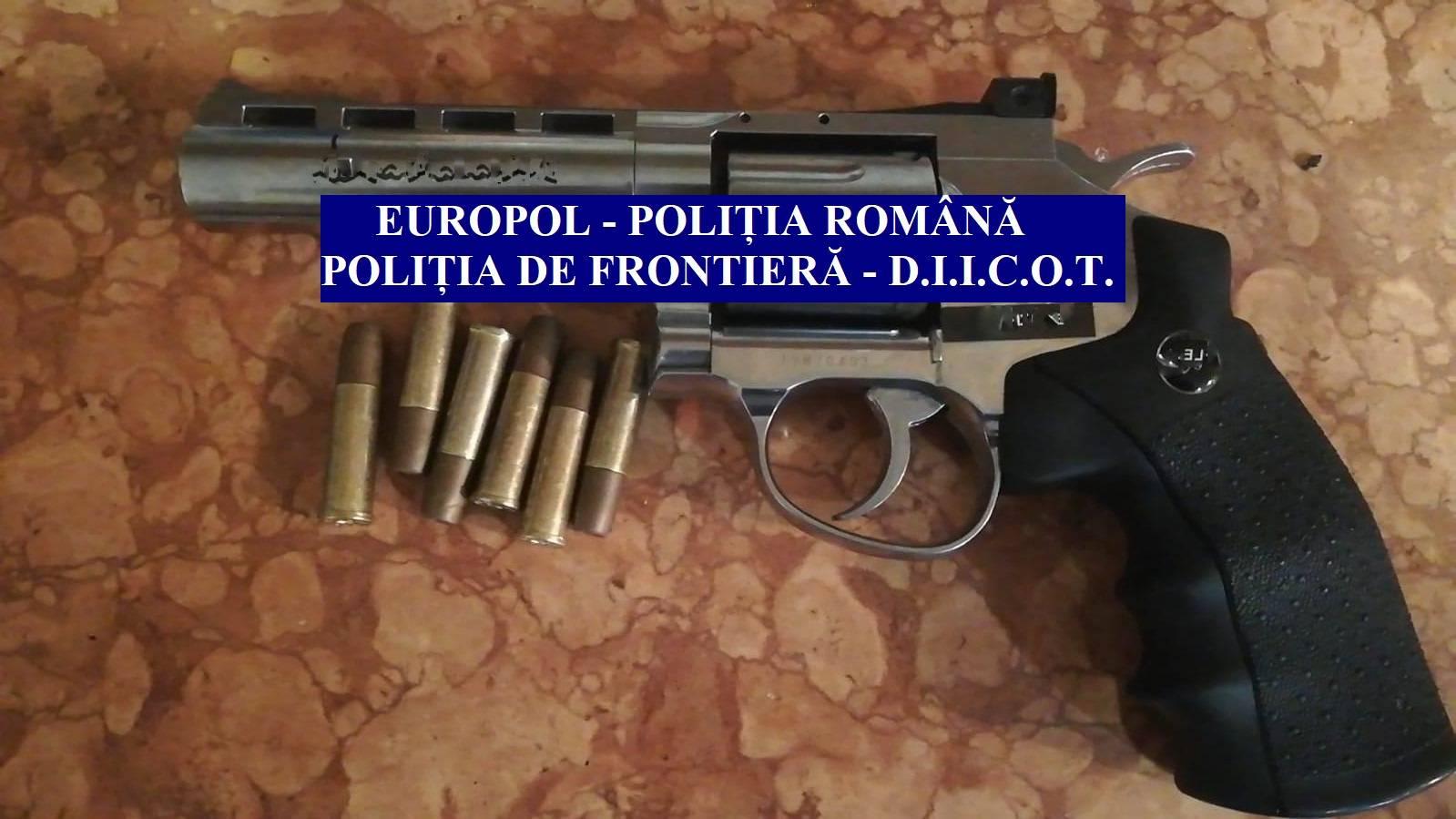
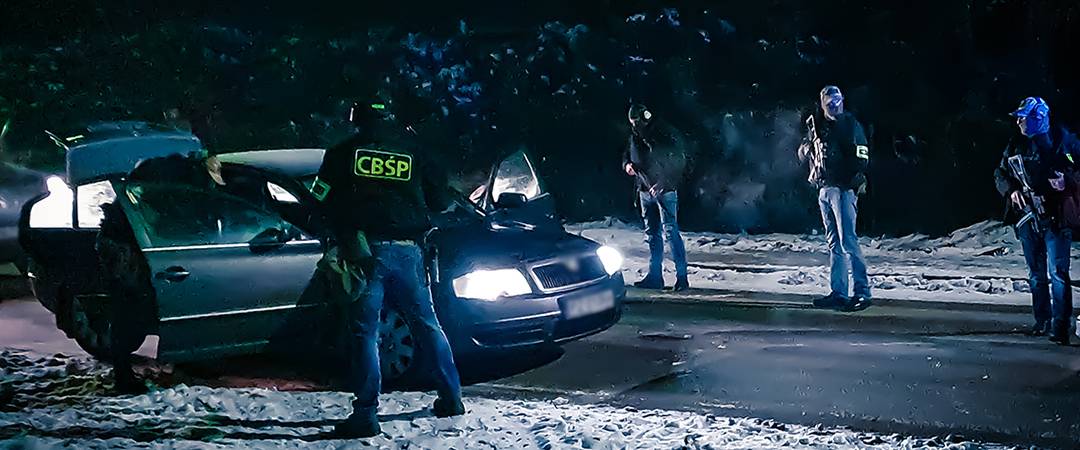
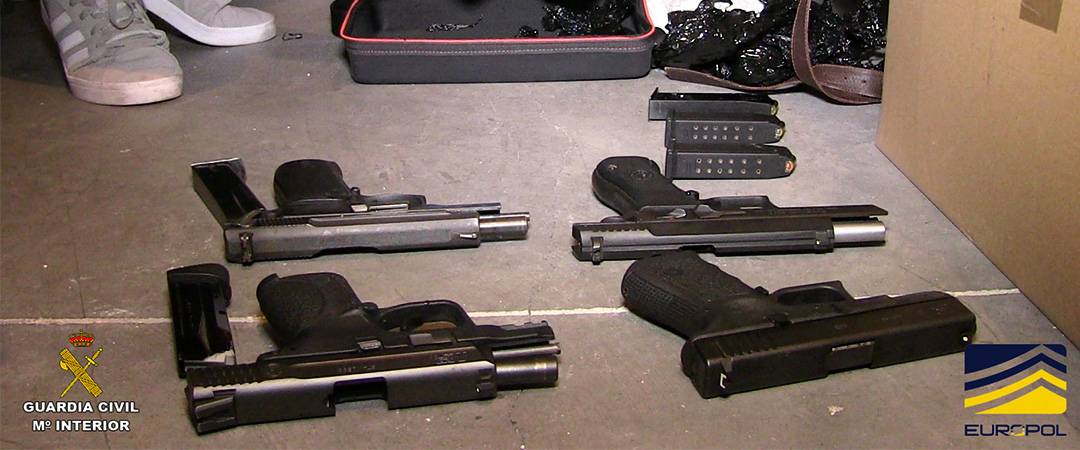
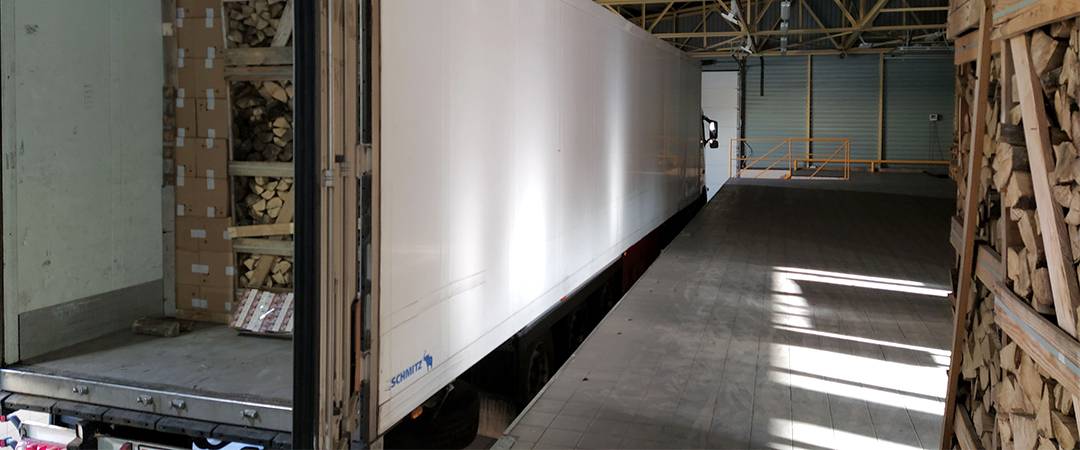
An international law enforcement operation involving the Netherlands, Poland and Europol has resulted in the arrest of 30 members of a prolific organised crime gang flooding Europe with millions of counterfeit cigarettes. A total of 94 tonnes of tobacco and 5,4 million counterfeit cigarettes have been removed from circulation as a result of this international sweep. This gang is also believed to be involved in violent robberies. This operation was carried out in the framework of the European Multidisciplinary Platform Against Criminal Threats (EMPACT). Code-named operation PITBUUL, this operation took part in two phases. A first action day was carried out in the Netherlands at the end of March. Two illegal factories were dismantled in the Dutch cities of Schaijk and Heerlen with a production capacity of over 1 million cigarettes per day, which equates to a tax loss of over €243 000 per day per factory. A total of 21 Polish and Ukrainian workers were arrested on site and 5,4 million counterfeit cigarettes were seized, alongside 40 tonnes of raw tobacco and 800 kilos of hookah tobacco. A second action day was carried out in Poland last week to arrest the criminal masterminds running this gang. On this occasion, Polish law enforcement raided a dozen of addresses across the country. As a result, 9 individuals were arrested and 54 tonnes of tobacco were seized, alongside machinery used for the production of cigarettes. Officers also seized firearms and weapons, alongside clothing resembling police uniforms, radio communication devices and signal jammers. According to initial estimates, the loss to the Polish budget is estimated in excess of €11 million (52 000 000 PLN). Europol supported this case by organising operational meetings, facilitating the exchange of information between the different countries involved and analysing the operational data to identify the main targets. Its experts were deployed both in the Netherlands and in Poland to support the national authorities on-the-spot. The investigation is still ongoing to try to find potential links to other European countries. The following authorities were involved: The Netherlands: Fiscal Information and Investigation Service (FIOD), Customs (Douane) Poland: Central Bureau of Investigation (Centralne Biuro Śledecze Policji), National Revenue Administration (Krajowa Administracja Skarbowa) Europol: Analysis Project SMOKE
Read full story →
Europol Apr 21, 07:00

228 arrests after 70 000 individuals checked across Europe to tackle mobile criminality

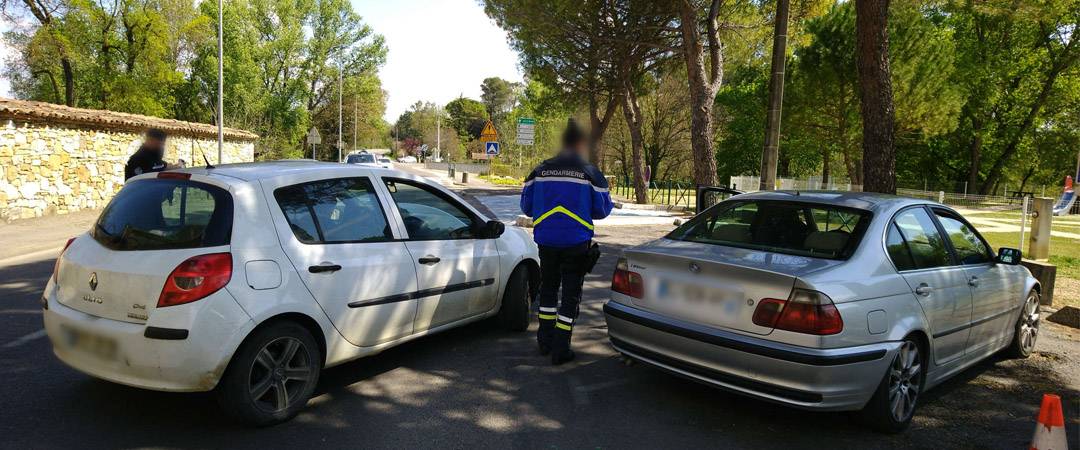
Between 13 and 16 April 2021, law enforcement authorities from 17 countries* targeted mobile organised crime groups active across Europe as part of the latest edition of operation Trivium. The operation was coordinated by the Netherlands and supported by Europol and is part of the EMPACT security initiative. The coordinated actions led to: 228 arrests; 70 000 persons checked; 67 000 vehicles checked; seizures including 88 vehicles, stolen goods, illegal substances and large amounts of cash. One objective of this year’s operation Trivium was to locate wanted convicts of organised property crime on the run. Investigations during the operation identified the whereabouts of a number of these individuals. During the operation, German authorities checked an individual suspected by Danish authorities to be linked to several thefts of GPS devices from agriculture machines. During the check of his vehicle, the German officer discovered 30 GPS units from agriculture machines, approximately 100 kg of gold, silver and ivory jewelleries, nearly 50 new high-end smartphones and 20 laptops. The suspect will be extradited to Denmark under a European Arrest Warrant. A check by the Belgian authorities of a vehicle on a motorway parking led to the discovery and seizure of 380 kg of copper hidden in the nearby woods. Operation Trivium, launched in 2013, focuses on a multi-agency approach to tackle crime. The operation targets criminal networks using the EU’s road infrastructure to perpetrate different cross-border crimes through police checks. The joint actions hit criminal groups trying to stay under the radar of law enforcement authorities by being mobile and changing their modi operandi.  These activities based on a multi-agency approach enhance security on roads and contribute to increased trust and a feeling of safety in local communities. *Participating countries: EU Member States: Austria, Belgium, Cyprus, Denmark, France, Germany, Greece, Italy, Lithuania, Malta, Netherlands, Poland, Portugal, Romania, Spain, Sweden. Non-EU country: Albania Headquartered in The Hague, the Netherlands, Europol supports the 27 EU Member States in their fight against terrorism, cybercrime, and other serious and organized crime forms. Europol also works with many non-EU partner states and international organisations. From its various threat assessments to its intelligence-gathering and operational activities, Europol has the tools and resources it needs to do its part in making Europe safer.
Read full story →
Europol Apr 13, 08:00

Smuggling network connected to four deaths at sea dismantled in Spain

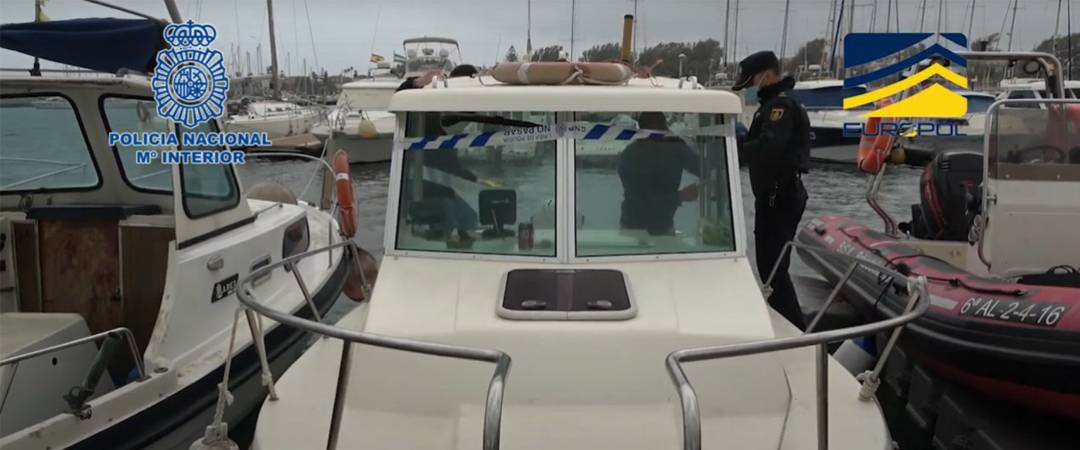
On 29 March 2021 Europol supported the Spanish National Police (Policía Nacional) in dismantling an organised crime group involved in migrant smuggling from Morocco to Spain through the Strait of Gibraltar. More than 150 police officers were deployed in Spain to arrests the suspects, considered dangerous because of their history of violent crimes and suspected possession of weapons. Results from the action day in Spain Simultaneous actions in Algeciras, Ceuta, La Linea de la Concepción and Madrid 6 house searches 20 suspects arrested Suspects charged with migrant smuggling and 4 murders related to the deaths of people who drowned during a sea crossing Seizures including 3 boats (one rubber boat in Ceuta, one fiberglass boat in La Linea and a yacht in Algeciras), jerry cans and big tanks of fuel totalling some 7 000 litres, 5 weapons and mobile devices Four deaths connected to this network The criminal network was composed of Spanish and Moroccan nationals. The suspects smuggled Moroccan nationals through the Strait of Gibraltar on different vessels, some of them stolen. The boats were fuelled at sea to avoid suspicions from the authorities. The migrants, mainly young individuals and often minors were paying about €2 500 per person for the smuggling services. The suspects transported the migrants in life-threatening conditions without any safety measures in case of emergency at sea. Evidence suggests links between the network and a deadly shipwreck, which took four lives in February. Europol facilitated the exchange of information, provided operational coordination and analytical support. On the action day, Europol deployed an analyst to Spain to support with technical expertise and to enable the real-time exchange of information and cross check operational information against Europol’s databases in order to provide leads to investigators in the field. Watch the video
Read full story →
Europol Apr 12, 09:31

Serious and Organised Crime in the EU: A corrupting influence

Today, Europol publishes the European Union (EU) Serious and Organised Crime Threat Assessment, the EU SOCTA 2021. The SOCTA, published by Europol every four years, presents a detailed analysis of the threat of serious and organised crime facing the EU. The SOCTA is a forward-looking assessment that identifies shifts in the serious and organised crime landscape. The SOCTA 2021 details the operations of criminal networks in the EU and how their criminal activities and business practices threaten to undermine our societies, economy and institutions, and slowly erode the rule of law. The report provides unprecedented insights into Europe’s criminal underworld based on the analysis of thousands of cases and pieces of intelligence provided to Europol. The SOCTA reveals a concerning expansion and evolution of serious and organised crime in the EU. The document warns of the potential long-term implications of the COVID-19 pandemic and how these may create ideal conditions for crime to thrive in the future. The report clearly highlights serious and organised crime as the key internal security challenge currently facing the EU and its Member States. Launched at the Portuguese Police’s headquarters (Policia Judicária) in Lisbon during the Portuguese Presidency of the Council of the European Union, the SOCTA 2021 is the most comprehensive and in-depth study of serious and organised crime in the EU ever undertaken. THE MOST PRESSING INTERNAL SECURITY THREAT TO THE EU EU citizens enjoy some of the highest levels of prosperity and security in the world. However, the EU still faces serious challenges to its internal security, threatening to undo some of our common achievements and undermine shared European values and ambitions. As the EU is facing the COVID-19 pandemic, one of the most significant crises since the end of World War II, criminals seek to exploit this extraordinary situation targeting citizens, businesses, and public institutions alike. The analysis presented in the SOCTA 2021 highlights key characteristics of serious and organised crime such as the widespread use of corruption, the infiltration and exploitation of legal business structures for all types of criminal activity, and the existence of a parallel underground financial system that allows criminals to move and invest their multi-billion euro profits. Serious and organised crime encompasses a diverse range of criminal phenomena ranging from the trade in illegal drugs to crimes such as migrant smuggling and the trafficking in human beings, economic and financial crime and many more. Key findings of the SOCTA 2021: Serious and organised crime has never posed as high a threat to the EU and its citizens as it does today. The COVID-19 pandemic and the potential economic and social fallout expected to follow threaten to create ideal conditions for organised crime to spread and take hold in the EU and beyond. Once more confirmed by the pandemic, a key characteristic of criminal networks is their agility in adapting to and capitalising on changes in the environment in which they operate. Obstacles become criminal opportunities. Like a business environment, the core of a criminal network is composed of managerial layers and field operators. This core is surrounded by a range of actors linked to the crime infrastructure providing support services. With nearly 40 percent of the criminal networks active in drugs trafficking, the production and trafficking of drugs remains the largest criminal business in the EU. The trafficking and exploitation of human beings, migrant smuggling, online and offline frauds and property crime pose significant threats to EU citizens. Criminals employ corruption. Almost 60% of the criminal networks reported engage in corruption. Criminals make and launder billions of euros annually. The scale and complexity of money laundering activities in the EU have previously been underestimated. Professional money launderers have established a parallel underground financial system and use any means to infiltrate and undermine Europe’s economies and societies. Legal business structures are used to facilitate virtually all types of criminal activity with an impact on the EU. More than 80% of the criminal networks active in the EU use legal business structures for their criminal activities. The use of violence by criminals involved in serious and organised crime in the EU appears to have increased in terms of the frequency of use and its severity. The threat from violent incidents has been augmented by the frequent use of firearms or explosives in public spaces. Criminals are digital natives. Virtually all criminal activities now feature some online component and many crimes have fully migrated online. Criminals exploit encrypted communications to network among each other, use social media and instant messaging services to reach a larger audience to advertise illegal goods, or spread disinformation. Portugal’s Minister for Justice, Francisca Van Dunem: "The strengthening of the Area of Freedom, Security and Justice requires us all to build a Europe where citizens feel safe, free and protected, a Europe that promotes justice for all, ensuring respect for human rights and protecting victims of crime. Cooperation and information sharing are essential to combat serious and organised crime and terrorism and to tackle the threat the EU is confronted with. Therefore, at a time of transition to the new EMPACT cycle 2022-2025, SOCTA 2021 is of particular relevance in identifying priorities for the operational response to these phenomena". Europol’s Executive Director Catherine De Bolle: "With the launch of the SOCTA 2021, Europol has harnessed its position as the nerve centre of the EU’s internal security architecture with its platforms, databases, and services connecting law enforcement authorities across the EU and beyond. The intelligence picture and assessment presented in the SOCTA 2021 is a stark reminder of the dynamic and adaptable adversary we face in serious and organised crime in the EU.” Ylva Johansson, European Commissioner for Home Affairs: “The 2021 SOCTA report clearly shows that organised crime is a truly transnational threat to our societies. 70% of criminal groups are active in more than three Member States. The complexity of the modern criminal business models was exposed in 2020 when French and Dutch authorities supported by Europol and Eurojust dismantled EncroChat; an encrypted phone network used by criminal networks. Organised crime groups are professional and highly adaptable as shown during the COVID-19 pandemic. We must support law enforcement to keep up, offline and online, to follow the digital trail of criminals.” Minister of Internal Affairs, Eduardo Cabrita: “The EU's Serious and Organised Crime Threat Assessment (SOCTA 2021), produced by Europol, constitutes an important instrument for affirming the European police partnership. It allows police action to go from pursuing criminal facts and minimising their impact, to anticipating trends in the criminal landscape. By placing intelligence at the service of security, we enable police to be more pro-active and efficient in tackling crime.” The SOCTA 2021 assists decision-makers in the prioritisation of serious and organised crime threats. It is a product of close cooperation between Europol, EU Member States law enforcement authorities, third parties such as EU agencies, international organisations, and countries outside the EU with working arrangements with Europol. These crucial stakeholders’ involvement is also reflected in the SOCTA’s role as the cornerstone of the European Multidisciplinary Platform Against Criminal Threats (EMPACT) in the EU. Headquartered in The Hague, the Netherlands, Europol supports the 27 EU Member States in their fight against terrorism, cybercrime, and other serious and organized crime forms. Europol also works with many non-EU partner states and international organisations. From its various threat assessments to its intelligence-gathering and operational activities, Europol has the tools and resources it needs to do its part in making Europe safer.
Read full story →
Europol Apr 8, 10:54

Beware of scams involving fake correspondence from Europol

Scammers are calling and messaging individuals under the false pretence of representing Europol. The fraudsters tell their victims that they are involved in serious crimes or are victims of a crime such as identity theft. They then urge the victims to provide personal information and make payments, while impersonating Europol officials. We have also been made aware these scammers are able to make it appear as if their phone calls originate from real Europol numbers. This is called ‘phone spoofing’, which is the use of fake caller ID information to mask the true source of an incoming call.Scammers are also contacting people via text message, asking them download an app. This app may even feature the Europol logo, and claims to be about EU reports, but please beware that this is fake and installing this bogus app would expose your device to malware. This is fake! Europol will never call or message citizens regarding such claims and will never ask them to download apps or make payments!Please note, it's not just Europol's name being used in these scams. EMPACT and other platforms are now being mentioned too. They will also never contact you, remain vigilant.We have been made aware of scams involving fake correspondence claiming to be from a number of departments at Europol, as well as from its Executive Director, other senior members of staff, and various international law enforcement officials. Emails and messages on social media, written in multiple languages, have been falsely using the names of senior Europol staff including Catherine De Bolle, Jean-Philippe Lecouffe, and Jürgen Ebner, in order to sound serious and legitimate. Scams have also been attempted via fake letters sent by third companies claiming to be acting on behalf of Europol. Don’t be misled – all of this correspondence is fake. Neither Europol nor any of its staff would ever directly contact members of the public requesting immediate action or threatening individuals with opening a criminal investigation. Europol does not issue fines or contact members of the public requesting payments.WHAT TO DO IF YOU ARE TARGETED BY THESE SCAMSIf you receive a suspicious email or phone call claiming to come from a department or member of staff at Europol, please immediately report the matter to your local or national police. The authorities will then contact Europol if required. Europol does not take reports from citizens directly and cannot investigate individual reports.To find out where and how to report a crime, please visit the dedicated section of our website.To learn more about how to protect yourself from scams such as these, read our cyber scam prevention guide. 
Read full story →
Europol Apr 7, 11:00

Dark web hitman identified through crypto-analysis

Europol supported the Italian Postal and Communication Police (Polizia Postale e delle Comunicazioni) in arresting an Italian national suspected of hiring a hitman on the dark web. The hitman, hired through an internet assassination website hosted on the TOR network, was payed about €10 000 worth in Bitcoins to kill the ex-girlfriend of the suspect. Europol carried out an urgent, complex crypto-analysis to enable the tracing and identification of the provider from which the suspect purchased the cryptocurrencies. The Italian police then reached out to the identified Italian crypto service provider, who confirmed the information uncovered during the investigation and provided the authorities with further details about the suspect. The timely investigation prevented any harm to be perpetrated against the potential victim. Europol’s European Cybercrime Centre (EC3) and the Joint Cybercrime Action Taskforce (J-CAT) hosted at Europol supported this investigation with operational analysis and expertise. The Joint Cybercrime Action Taskforce (J-CAT) at Europol is a standing operational team consisting of cyber liaison officers from different countries who work from the same office on high profile cybercrime investigations. Headquartered in The Hague, the Netherlands, Europol supports the 27 EU Member States in their fight against terrorism, cybercrime, and other serious and organized crime forms. Europol also works with many non-EU partner states and international organisations. From its various threat assessments to its intelligence-gathering and operational activities, Europol has the tools and resources it needs to do its part in making Europe safer.
Read full story →

Europol Mar 31, 07:30

Follow the money: members of drug trafficking network arrested for money laundering in Germany and Luxembourg

At the request of France, authorities in Germany and Luxembourg carried out a coordinated blow on the network which was set up to launder proceeds from drug trafficking At the request of Lille’s Interregional Specialised Prosecution Service (JIRS) in France, law enforcement authorities in Germany and Luxembourg have arrested four members of a criminal group suspected of laundering the proceeds from drug trafficking. The crime group consisted of its leader, nicknamed “the Minister”, as well as intermediaries and lorry drivers who were facilitating the trafficking of drugs and cash through various European countries. The investigation began in France in 2017 after customs agents found £225 990 inside a lorry owned by a company registered in Luxembourg. A cocaine seizure made in France in 2019, and the ensuing information exchange, pointed authorities to the possible links between the two seizures. The financial investigations supported by Europol’s European Financial and Economic Crime Centre (EFECC) were key to the success of the case as they allowed authorities to draw clear links between drug trafficking and the money laundering activities of the group. The operational action took place on 23 March and resulted in: Fourteen searches carried out in Germany and Luxembourg. Four members of the crime group including its leader, arrested on the basis of European arrest warrants issued by France. Four properties worth several million of euros and high-value vehicles seized. Several bank accounts frozen with a total value of 187 000 euros. 26 000 euros cash seized Fifty mobile phones and other devices seized for further examination. Europol supported the operation by facilitating the information exchange, providing intelligence and analytical reports, and organising several operational meetings for investigators. Two experts from Europol’s EFECC, equipped with a mobile office, supported the action day in Luxembourg. Eurojust assisted with the execution of European Investigation Orders and the freezing of the bank accounts. The participating authorities: France:  Judicial Customs Investigation Service (SEJF) and Anti-Drug Office (OFAST), under the coordination of the judiciary. Germany: PPOs in Stuttgart, Wiesbaden and Saarbrücken with the support of the Police Departments of Passau, Esslingen, Heidelberg and Westhessen and the State Criminal Police Office Saarland. Luxembourg: Police Grand-Ducal and the Customs and Excise Agency, under the supervision of the investigating judge of the Luxembourg District Court and the Public Prosecutor’s Office (PPO). Europol Eurojust  
Read full story →
Europol Mar 29, 14:53

9 million fake sedative pills removed from circulation by Hungarian and Norwegian Police

Over 9 million counterfeit sedative tablets have been seized as a result of a joint operation between the Hungarian National Police (Magyar Rendőrség) and the Norwegian Police (Politi) with the support of Europol and Eurojust. The two leaders of this criminal network were arrested in Hungary, alongside three of their accomplices, as a result of house searches carried out on 24-25 March. The criminals were producing counterfeit Clonazepam tablets in an underground laboratory. Some 250 kilos and 300 litres of various precursors were found on-the-spot. Clonazepam is prescribed for a range of health issues, including panic disorders and seizures. The counterfeit pills produced by this criminal network were made to look identical to legitimate medication, but failed to meet the quality requirements of their pharmaceutical counterparts. The counterfeit pills were sold across Europe, with Norway being one of the main destinations. Europol’s Analysis Project COPY falling under Europol’s European Economic and Financial Crime Centre (EFECC) was central in this investigation. Its analysts helped identify the country in which the underground laboratory was located. During the action day, Europol also provided to the investigators in the field remote access to its databases, allowing for the cross-check of information in real-time.
Read full story →
Europol Mar 26, 11:00

Three arrested in Spain for terrorist financing

The Spanish National Police (Policía Nacional) supported by Europol, arrested three individuals in Madrid and Santa Cruz de Tenerife for their suspected involvement in the facilitation of terrorist financing. The suspects are believed to have used a non-governmental organisation to finance the activities of Al-Qaeda affiliated militants. The network diverted funds raised in good faith by religious associations, under the cover of using them as humanitarian aid for Syrian orphans. In addition to financing the activities of terrorist fighters, part of the funds were used to cover the costs of a school for orphaned children, which is involved in training future terrorist fighters. The school focused on radicalising, providing combat training and encouraging orphans to continue the terrorist activities of their parents killed in combat. As part of the operational action, officers carried out four searches and seized cash, valuables, documents and technical devices which are being analysed by investigators. Europol was involved in the case since its early stages, facilitating the information exchange and providing operational analysis support. Europol’s European Counter Terrorism Centre (ECTC) will also support the analysis of the digital evidence seized during the action day. Headquartered in The Hague, the Netherlands, Europol supports the 27 EU Member States in their fight against terrorism, cybercrime, and other serious and organized crime forms. Europol also works with many non-EU partner states and international organisations. From its various threat assessments to its intelligence-gathering and operational activities, Europol has the tools and resources it needs to do its part in making Europe safer.
Read full story →
Europol Mar 25, 09:00

Five arrests in hit against investment fraudsters

On 4 March 2021, Europol supported a hit on a large investment fraud network operating in several EU Member States. The investigation, led the by Lithuanian Police (Lietuvos Policija) and involving law enforcement authorities from Germany, Sweden and the United Kingdom was also assisted by Eurojust. The action day in Lithuania led to: 26 house searches (18 in Lithuania and 8 in Sweden) 5 arrests (4 in Lithuania and 1 in Sweden) 38 victims identified Accounts worth more than €1.2 million frozen (€500 000 in Lithuania and €700 000 in other countries) Seizures include electronic equipment and various documents Fake retirement plan fraud worth €1.5 million unveiled The criminal network was specifically targeting academics in Germany. The victims were interested in investing their funds in saving accounts hosted on foreign online deposit platforms. They found the offers themselves and applied for these services. They also send deposits to individual accounts opened under their names. In reality, the accounts belonged to Lithuanian companies running the scam. The suspects offered savings accounts, where the funds were to be deposited for a longer period, usually between six months and three years. They used this trick to earn enough time to escape with the funds and hide their traces. Once received, the funds were transferred to accounts in other EU Member States with part of it being cashed out at ATMs in Sweden. Investigators estimate that the criminal network has defrauded its German victims of a total of €1.5 million. Europol supported the operation by facilitating information exchange and providing analytical support. During the action days, Europol cross-checked operational information in real-time against Europol’s databases to provide leads to investigators in the field.
Read full story →
Europol Mar 20, 09:30

Lured into street prostitution: 19 arrests in latest hit against human traffickers

On 9 March, Europol supported the Spanish National Police (Policía Nacional) and the Service of Countering Organised Criminality Giurgiu within the Romanian Police (Poliția Română) in a hit against an organised crime group involved in sexual exploitation. The suspects belonged to a family-based criminal group composed of Romanian nationals. They recruited the victims from Romania, luring them to Spain with the so-called ‘loverboy method’. Once the victims reached Girona, the members of the criminal gang forced them into prostitution on the streets of the Spanish city. The victims endured harsh living conditions, cold and hunger. Some of them were forced to prostitute themselves while pregnant and at high risk of being infected by COVID in the current pandemic. To prove their ‘ownership’ over the victims, the criminal gang tattooed them. The suspects collected the money from the sexual exploitation and invested it in high-end vehicles, real estate, luxury goods and drugs. During the action day, officers in Romania discovered pornographic material including content depicting the sexual abuse of a minor. The action day on 9 March 2021 led also to: 16 house searches (2 in Spain and 14 in Romania) 19 arrests (8 in Spain and 11 in Romania) 18 victims safeguarded (7 in Spain and 11 in Romania) Seizures include phones and stolen goods, including jewellery worth some €35 000. Europol facilitated the information exchange and provided analytical support. During the action day, Europol hosted a virtual command post to coordinate the activities. Europol also deployed an expert to Spain to cross-check operational information in real-time against Europol’s databases and to provide technical support with phone extraction capabilities.
Read full story →
Europol Mar 17, 14:18

Gang smuggling migrants via the Balkan route busted in Germany

On 17 March, Europol supported the German Federal Police, Criminal Investigation Unit Halle (Bundespolizeiinspektion Kriminalitätsbekämpfung Halle) in dismantling an organised crime group smuggling migrants from Turkey to Germany. The criminal network has allegedly smuggled about 80 migrants originating from the Middle East, mainly Egypt, Syria and Turkey. The suspects used lorries and small vans to smuggle the migrants through the so-called Balkan route, from Turkey to Germany via Czechia or Poland. They used forerunners as a scout preventive measure to avoid detection by the police. The migrants were paying between €3 500 and €12 000 per person to be smuggled, in often life-threatening conditions The action day led to: 6 house searches in Altenburg, Erfurt, Greifswald and Ronnenberg 3 individuals arrested Seizures include a vehicle, electronic equipment and documents Europol facilitated the exchange of information, provided operational coordination and analytical support. On the action day, Europol deployed an expert to Germany to enable the real-time exchange of information and cross check operational information against Europol’s databases to provide leads to investigators in the field.
Read full story →
Europol Mar 15, 11:00

Spanish Police seize first ever narco-submarine made in Europe

The Spanish National Police (Policía Nacional), in close cooperation with Europol and law enforcement from five other countries, have seized in the city of Málaga the first ever half-submersible vessel being built on European territory. Similar vessels captured in the past have always been of Latin American manufacture. The seizure was made in the framework of Operation FERRO, a high-level law enforcement operation against an organised crime group involved in large-scale drugs trafficking. Over 300 police officers carried out this operation in Spain, supported by the National Police of Colombia (Policía Nacional de Colombia), the Dutch National Police (Politie), the Portuguese Judicial Police (Polícia Judiciária), the U.K. National Crime Agency and the U.S. Customs and Border Protection, with international activity coordinated by Europol. Results of Operation FERRO 47 house searches carried out in the Spanish cities of Tarragona (6), Barcelona (11), Gerona (3), Málaga (11), Castellón (4), Valencia (2), Murcia (7), Cádiz (1), Granada (1) and Badajoz (1); 52 individuals arrested; 2 boats seized: one semi-submersible vessel in Málaga and one speedboat worth over €300 000 in the province of Murcia; Over 3 tonnes of cocaine seized, alongside 700 kilos of hashish and over €100 000 in cash. Operation FERRO was carried out in several phases Phase one: Investigators identified an organised crime group, composed of Spanish, Colombian and Dominican nationals, involved in large-scale trafficking of cocaine, hashish and marijuana. The criminals were operating from Spain, specifically Cataluña.  Between April to December 2020, a number of important cocaine seizures linked to this criminal group were made in Colombia.  A total of 2 900 kilos of cocaine were seized. Phase two: In November 2020, police officers in Spain arrested the leader of this criminal network in Tarragona, alongside 13 of his accomplices. Phase three: In February of this year, another branch of this organised crime group was targeted. Four individuals were arrested in Tarragona and a shipment of 583 kilos of hashish on its way to France and Italy seized. House searches were also carried out in Málaga, on the occasion of which the half-submersible vessel was found in a warehouse. The boat – the first ever of its kind seized on European soil, was still in construction when it was found. The craft was 9 meters long and could have been able to transport up to 2 tonnes of drugs. Phase four: One of the main targets was arrested in February at the El Prat airport in Barcelona as he was trying to flee to the Netherlands. As a result of this arrest, a warehouse was searched Barcelona which led to the seizure of 300 kilos of cocaine. Phase five: A clandestine drug laboratory was discovered in Barcelona next to an indoor cannabis plantation with over 1 150 plants. A 15-meter long speedboat belonging to this criminal network and loaded with 7 000 litres of gasoline was also seized in the region of Murcia. Phase six: At the end of February, the remaining members of the criminal network were arrested. Some 6 000 litres of drug precursors were also seized, destined for a clandestine laboratory in Murcia. Europol’s support Europol’s EU Drugs Unit coordinated the intense international activity from the onset of this Investigation. Its team of specialists facilitated the exchange of information between the different countries involved and analysed the operational data to identify the main targets.  
Read full story →
Europol Mar 11, 09:30

Illegal mobile application with more than 100 million users taken down in Spain

Europol supported the Spanish National Police (Policía Nacional) to dismantle a criminal group distributing illegal video streams. The investigation also involved law enforcement authorities from Andorra and Portugal. The investigation started in October 2018 when the Spanish National Police received complaint reports from the Alliance for Creativity and Entertainment, Football Association Pretoria, the Premier League and the Spanish Football League (La Liga Espanola de Fútbol) about a mobile application illegally distributing video streams. The application, downloaded by more than 100 million users via different websites, illegally offered the streaming of videos and TV channels. The investigation identified a number of connected websites and platforms located in Spain and Portugal with connections to servers in Czechia. The Spanish company behind the illegal activity earned its profits through advertisements. Through the computer infrastructure and power, they were able to sell user information to a company related to botnet and DDoS attacks. Investigators estimate the overall illegal profits at more than €5 million. Results 3 house searches (2 in Spain and 1 in Andorra) 4 court orders to take down domains 20 web domains and servers blocked 4 arrests (3 in Spain and 1 in Andorra)  Bank accounts frozen 1 server taken down in Portugal and another one under investigation in Czechia Europol supported the investigation with operational coordination and analysis. Europol supported the action day with the deployment of a virtual command post. This enabled operational coordination, also supported by Eurojust. During the action day, Europol’s experts cross-checked operational information in real-time and provide support to the investigators in the field. Europol’s IPC3 (Intellectual Property Crime Coordinated Coalition) which supported the investigation is a project co-funded by the EUIPO to combat intellectual property crime.
Read full story →
Europol Mar 10, 17:15

New major interventions to block encrypted communications of criminal networks

Judicial and law enforcement authorities in Belgium, France and the Netherlands have in close cooperation enabled major interventions to block the further use of encrypted communications by large-scale organised crime groups (OCGs), with the support of Europol and Eurojust. The continuous monitoring of the criminal use of the Sky ECC communication service tool by investigators in the three countries involved has provided invaluable insights into hundreds of millions of messages exchanged between criminals. This has resulted in the collection of crucial information on over a hundred of planned large-scale criminal operations, preventing potential life threatening situations and possible victims.During an action day on 9 March 2021, a large number of arrests were made, as well as numerous house searches and seizures in Belgium and the Netherlands.  The operation is an essential part of the continuous effort of judiciary and law enforcement in the EU and third countries to disrupt the illegal use of encrypted communications, as was already displayed last year following the successful de-encryption of the EncroChat communication platform.As of mid-February, authorities have been able to monitor the information flow of approximately 70 000 users of Sky ECC. Many users of EncroChat changed over to the popular Sky ECC platform, after EncroChat was unveiled in 2020.By successfully unlocking the encryption of Sky ECC, the information acquired will provide insights into criminal  activities in various EU Member States and beyond and will assist in expanding investigations and solving serious and cross-border organised crime for the coming months, possibly years.Law enforcement in all three countries has been on a continuous stand by during the last month to be able to provide rapid reactions to possible dangerous criminal activities when required. The newly acquired information will now be analysed furtherInvestigations into the tool started in Belgium, after mobile phones seized during searches showed the use of Sky ECC by suspects. Worldwide, approximately 170 000 individuals use the tool, which has its own infrastructure and applications and is operated from the United States and Canada, using computer servers based in Europe. On a global scale, around three million messages are being exchanged each day via Sky ECC. Over 20 percent of the users are based in Belgium and the Netherlands.Europol has and will continue to provide the authorities of Belgium, Netherlands and other affected countries with tactical, technical and financial support and will be dealing with this important flow of information on criminal activities in order to prevent threats to life and major crimes.Eurojust has provided advice and support regarding cross-border judicial cooperation and organised 12 coordination meetings to enable this collaboration. The Agency will continue to provide this support and stands ready for further advice and cross-border operational financial support to all Member States and countries involved, to ensure an adequate cross-border judicial cooperation.The following authorities participated in the operation:Belgium: Federal Prosecutor’s Office, Public Prosecutor’s Office Antwerpen, Investigative Judge Office Mechelen, Federal Judicial Police, Federal Police and DSU UnitFrance: National Jurisdiction against Organised Crime (JUNALCO), Central Directorate of the Judicial Police (DCPJ)The Netherlands: National Public Prosecution Service, Public Prosecutor’s Office Amsterdam, National PoliceUpdated on 12 March 2021For further information:How to get in touch with EuropolTon van Lierop, Spokesman at Eurojusttvanlierop@eurojust.europa.euTel: +31627194773
Read full story →
Europol Mar 3, 08:00

Trace An Object initiative expands to the Asia Pacific region

The Australian Federal Police (AFP) is launching today its own version of the Europol ‘Stop Child Abuse - Trace An Object’ public appeal to help identify more children victim of sexual abuse. A total of nine non-confrontational details of images extracted from child sexual abuse cold cases are being made public today by the AFP, such as piece of clothing or bedding. Investigators believe the victims are in the Asia Pacific region, including Australia, and are calling on the public to view the images and contact the AFP-led Australian Centre to Counter Child Exploitation (ACCCE) if they recognise the objects. The images can be viewed at https://accce.gov.au/report/trace. If you recognise an object and any details about its origin – be it from a shop, location or time period – please report it via the ACCCE website. Latest Trace An Object figures This Australian initiative is based on a project devised by Europol back in 2017. Since its launch, Stop Child Abuse – Trace An Object has yielded the following results: Over 26 000 tips have been sent in via the general public; Investigators were able to narrow down a country in 93 instances; 10 children victim of child sexual abuse have been identified and removed from harm; 3 sexual offenders have been identified and prosecuted. A number of investigations are ongoing in Europe in order to identify more victims and their abusers. A new set of images made public On the occasion of the launch of the Australian initiative, Europol is releasing five new pictures on its own website. These can be viewed at https://www.europol.europa.eu/stopchildabuse     Please have a look and see if you can help us identify a detail which could lead investigators down the line to a child victim of abuse.
Read full story →
Europol Mar 2, 10:52

Gang smuggling Indian nationals busted in Romania

Europol supported the Romanian Police (Poliția Română) to dismantle an organised crime group involved in migrant smuggling. Law enforcement authorities from Austria, Czechia, Germany, Hungary, Poland and Serbia also supported the investigation. Results from 1 March 2021 10 locations searched 7 individuals arrested Seizures include: cash, one weapon, electronic equipment and documents From €5 000 to €6 000 per person During the investigation, police officers detected on 4 separate occasions 30 irregular migrants trying to illegally cross borders. The migrants were legally entering Serbia or Romania before being smuggled further into the EU. The migrants were paying between €5 000 and €6 000 per person to be smuggled in lorries and vans from Romania to Germany, Italy and Portugal. The investigation, initiated in 2019, uncovered a well-organised criminal network with branches in several Eastern European countries. A number of Indian citizens, some of them residing legally in Romania, were coordinating the criminal activities. In November 2020 and in January 2021, Romanian police officers arrested two individuals of Indian origin, suspected of leading the recruitment branch. A gang consisting of Romanian nationals was responsible for the transportation of the irregular migrants to their final destination countries. Europol facilitated the exchange of information, provided operational coordination and analytical support. On the action day, Europol deployed an analyst to Bacau, Romania, to enable the real-time exchange of information and cross check operational information against Europol’s databases to provide leads to investigators in the field.
Read full story →
Europol Feb 25, 09:30

Exploitation on the construction site: 38 arrested in France, Romania and Moldova for abusing migrant workers

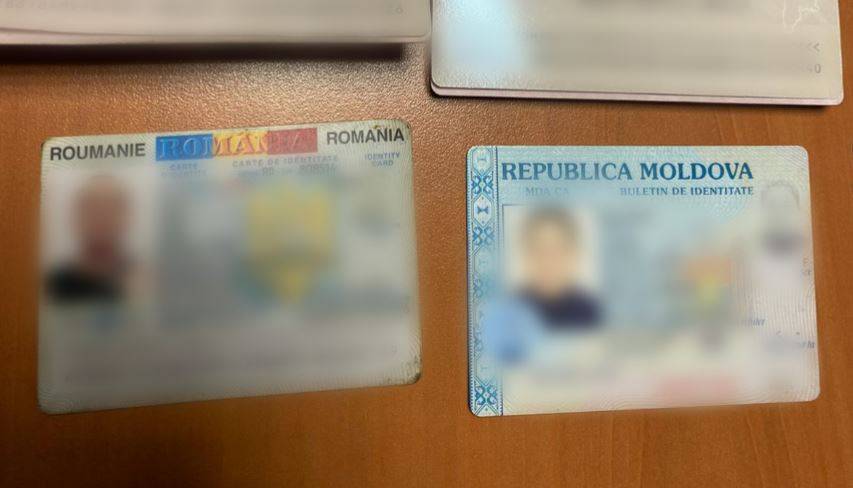
An investigation by the French Border Police as part of the National Police (Police aux Frontières / Police judiciaire), the Romanian Police (Poliția Română) and the Moldovan Police (Inspectoratul General de Poliție), supported by Europol and Eurojust, led officers to dismantle an organised crime group involved in migrant smuggling, human trafficking for labour exploitation, document fraud, social benefit fraud and money laundering. Results from 22 February 2021 Simultaneous raids in France, Romania and Moldova 51 locations searched (17 in France, 14 in Romania and 20 in Moldova) 38 arrests (28 in France, 3 in Romania and 7 in Moldova) Seizures include: 19 vehicles including 15 high-end cars, 2 jet ski, weapons, phones, about €100 000 in cash, 11 bank accounts frozen €14 million in illegal profit The investigation into the criminal network started in 2018 when officers in France intercepted a van transporting ten irregular migrants. They were Moldovan nationals and a number of them had counterfeit Romanian identity cards. The criminal group, organised by a Romanian national living in France, smuggled at least 40 Moldovan nationals to exploit them in the construction business in France. The criminal network provided the irregular migrants with counterfeit Romanian identity cards and driving licences while keeping their real passports as a guarantee. Most of the smuggled individuals had a low level of education and therefore were more vulnerable to exploitation. They worked 55 hours a week for €60 a day. Large construction and renovation companies were also involved in the criminal scheme. This activity was extremely lucrative, with illegal profits estimated at almost €14 million. The suspects laundered the criminal assets through eight shell companies, most of them based in France. Europol facilitated the exchange of information and provided analytical support. On the action day, Europol deployed a virtual command post to enable the real-time exchange of information between investigators, Europol and Eurojust. Europol’s analysts also cross-checked operational information against Europol’s databases to provide leads to investigators in the field. The investigation was developed as part of EMPACT’s Joint Operational Team Doc Fraud. Eurojust set up a Joint Investigation Team between France, Romania and Moldova, signed in May 2020.
Read full story →
Europol Feb 19, 15:54

Police dismantle criminal network linked to international VAT fraud trading vegetable oil

The Polish Central Anti-Corruption Bureau (Centralne Biuro Antykorupcyjne) and German Tax Office for Prosecution and Criminal Matters in Berlin (Finanzamt für Fahndung und Strafsachen Berlin), with the support of Europol dismantled an organised crime group involved in international VAT fraud and money laundering. The fraud scheme revolved around the trade of vegetable oil and caused the Polish treasury to lose an estimated €17.8 million in tax. On an action day on 18 February 2021, investigators raided 45 locations across Germany and Poland resulting in the arrest of twelve suspects. The alleged ringleader of the network is believed to be among the arrested suspects. The criminal gang allegedly set up a fraud scheme involving a string of buffer companies and missing traders to evade tax payment. Through this scam, the missing trader bank accounts did not hold any funds that could have been seized by financial authorities on the suspicion of money laundering. The organised crime group is also thought to have applied to the Polish Development Fund a support package in connection with the COVID-19 economic crisis. As a result of the investigation, the criminals did not receive the financial. Europol actively supported the investigation from 2019 by providing a secure network for the international exchange of information and bespoke analysis. Europol’s operational coordination contributed to effective cross-border cooperation. Europol’s European Financial and Economic Crime Centre (EFECC) helps with identifying and dismantling organised criminal networks involved in cross-border VAT fraud and the tracing and confiscating of the proceeds of missing trader intra community (MTIC) fraud. MTIC is committed through a chain of linked companies when the fraudsters sell goods or services from one EU country to another, taking advantage of the fact that it is legitimate not to charge VAT on such cross-border transactions. MTIC scammers obtain €60 billion in criminal profits every year in the EU by avoiding the payment of VAT or by corruptly claiming repayments of VAT from national authorities.
Read full story →
Europol Feb 18, 15:00

Europol and the World Anti-Doping Agency to tackle doping together

Today, 18 February 2021, Europol and the World Anti-Doping Agency (WADA) sign a Memorandum of Understanding to reinforce the cooperation in the fight against the illegal production and distribution of doping substances and their use for the manipulation of sports competitions. Fighting doping for ‘clean’ sport in and out of competition The illegal production and distribution of doping substances brings significant illicit profit to organised crime groups. They often use these profits to fuel other criminal activities, such as producing and trafficking illegal and substandard medicines and synthetic drugs. Doping substances not only corrupt fair competitions they also endanger the health of athletes as criminals often produce illegal doping substances in underground labs with no hygiene requirements while using dangerous and substandard raw materials. These illicit doping substances poison players in all sports: from track athletes, professional cyclists, skiers and weightlifters to amateur bodybuilders. WADA plays a significant role in combating the use of doping substances by athletes, both in and out of competition. Close cooperation between law enforcement and doping regulatory bodies is key to tackling this area of organised crime, ensuring that competitions are fair and protecting athletes' health and wellbeing. Several investigations supported by Europol have uncovered that the use of doping substances to influence the outcome of professional sports competitions is a recurring phenomenon. By countering organised crime groups involved in the corruption of sports and the production, trafficking and use of doping substances, Europol contributes to the integrity of sports, to fair and transparent competitions, ensuring that success belongs to the best, a key objective of clubs, athletes and sports enthusiasts alike. On the signing of the Memorandum of Understanding, Europol’s Executive Director Catherine De Bolle said: ‘To scale up the global fight against the production and trafficking of doping substances and its use to corrupt fair sports competitions, Europol is strengthening its cooperation with the major player in the fight against doping in sports worldwide. The new agreement will focus on exchanging knowledge and expertise, capacity building, and further collaboration between Europol and the World Anti-Doping Agency.’  WADA President Witold Bańka, who signed the MOU on behalf of WADA, said: “Intelligence and investigations has been an area in which WADA has made great progress since gaining the authority to conduct investigations under the 2015 World Anti-Doping Code. As demonstrated by recent high-profile cases, such as those involving the International Biathlon Union, Operation Aderlass, the International Weightlifting Federation and the Europol-coordinated Operation VIRIBUS, the sharing of information between law enforcement agencies and anti-doping organizations can be crucial in exposing wrong-doing that would not have been detected through testing or other analytical methods. Law enforcement and other government agencies possess the power to attack the source and supply of illegal substances, which sport does not have, as well as the power to search and detain those suspected of crimes. Equally, WADA receives information and develops expertise that can be useful to the police in their criminal investigations. Through partnerships such as this one, we are ensuring that cooperation between these two groups continues to strengthen for the good of clean sport. WADA is very grateful to the European Union for its ongoing enthusiasm and willingness to join forces with WADA in this way.” WADA The World Anti-Doping Agency (WADA) is the international independent organization created in 1999 to promote, coordinate and monitor the fight against doping in sport in all its forms. The Agency is composed and funded equally by the sports movement and governments of the world. Its key activities include scientific research, education, development of anti-doping capacities and monitoring of the World Anti-Doping Code - the document harmonizing regulations regarding anti-doping in all sports and all countries. Europol Europol is the European Union’s law enforcement agency. Headquartered in The Hague, the Netherlands, Europol supports the 27 EU Member States in their fight against terrorism, cybercrime and other serious and organised forms of crime. With over 1 300 staff members, Europol uses state-of-the-art tools to support some 40 000 international investigations each year, serving as a centre for law enforcement cooperation, analytical expertise and criminal intelligence.
Read full story →
Europol Feb 15, 13:57

COVID-19 chiefs of police working group meets to talk pandemic and fighting crime threats

On Friday 12 February, Europol’s Executive Director, Catherine De Bolle welcomed Vittorio Rizzi, Deputy Director-General of Police and Director of the Criminal Police in Italy, to Europol’s headquarters. Together they chaired the fourth Working Group on COVID-19 Crime Threats and Law Enforcement Responses. As the pandemic has changed the landscape of crime, law enforcement has had to adapt their approaches to the accelerated shifts in criminal modi operandi and market focus. The COVID-19 chiefs of police working group is an important initiative for law enforcement agencies to work together in monitoring the situation and coordinating the appropriate responses. European chiefs of police from Austria, Belgium, France, Germany, Italy, the Netherlands, Poland, Portugal, Spain, Switzerland, the United Kingdom and INTERPOL joined the virtual meeting to discuss the latest developments in criminality related to COVID-19 and the priorities of the working group. Some of the priority areas discussed: the risks of criminals taking advantage of vaccination campaigns rolling out across the world to sell fake vaccines. Although still limited, some offers of fake vaccines have appeared on the dark web; the online sexual exploitation of minors remains a great concern given the increase in  the production and distribution online of child sexual abuse materials during the pandemic; fraud schemes are likely to proliferate and intensify due to the economic hardship imposed by the pandemic. As unprecedented financial efforts are made in the EU to boost economic recovery, law enforcement agencies remain strongly committed to preventing and fighting financial and economic crime. Headquartered in The Hague, the Netherlands, Europol supports the 27 EU Member States in their fight against terrorism, cybercrime and other serious and organised forms of crime. We also work with many non-EU partner states and international organisations. From its various threat assessments to its intelligence-gathering and operational activities, Europol has the tools and resources it needs to do its part in making Europe safer. In 2019, Europol supported 1 874 international operations. Related publications: Europol early warning notification: The illicit sales of false negative covid-19 test certificates (02/02/2021) Europol early warning notification: Vaccine-related crime during the covid-19 pandemic (04/12/2020) Europol report: How COVID-19-related crime infected Europe during 2020. (12/11/2020)
Read full story →
Europol Feb 12, 11:00

VAT fraud clampdown: international scam with memory cards uncovered in the Netherlands

On 10 February 2021, the investigation service of the Dutch tax authorities -FIOD (Fiscale Inlichtingen en OpsporingsDienst) busted a criminal network involved in international VAT fraud with electronic devices traded via an online company. Fraudsters established a complex trading scheme with Secure Digital (SD) memory cards for electronic devices, which is believed to have defrauded the Dutch treasury of an estimated €9 million between 2017 and 2019. The international sting involved the collaboration of judicial and law enforcement authorities in Croatia, Czech Republic, Hungary, and Poland with the support of Europol and Eurojust. During the action day, investigators carried out thirteen house searches and seized communications equipment and documents. A complex missing trader intra-community fraud (MTIC) The illegal VAT scheme consisted in the suspicion of a fake trading circuit of memory cards involving a string of companies in the EU. The criminal gang purchased SD cards with VAT from Dutch companies identified as missing traders. The goods were then sold to companies in Croatia, and the Czech Republic and exempted of VAT according to intra-EU tax rules. To evade tax payment, the scheme finally used conduit companies based in Croatia and Poland to sell back the VAT-exempt goods to the missing traders in the Netherlands. The organised crime group also used “buffers” to conceal the illicit transaction chain. These companies purchased the SD cards from the missing traders and only paid VAT on a small margin made from the transactions. As a common practice in MTIC fraud the payment for the transactions was made in advance. It is believed that over the past three years, at least eight missing traders in the Netherlands were involved in this fraud. The criminal gang integrated this so-called ‘VAT carousel fraud’ into the regular commercial activity of an online company selling electronic devices in order to avoid paying VAT. Europol Support Europol actively supported the operation by providing analytical support and operational coordination for an effective cross-border cooperation. Moreover, Europol deployed a mobile office in the field to support the Dutch authorities in real-time. Europol’s European Financial and Economic Crime Centre (EFECC) helps with identifying and dismantling organised criminal networks involved in cross-border VAT fraudand the tracing and confiscating of the proceeds of MTIC fraud. MTIC is committed through a chain of linked companies when the fraudsters sell goods or services from one EU country to another, taking advantage of the fact that it is legitimate not to charge VAT on such cross-border transactions. MTIC scammers obtain €60 billion in criminal profits every year in the EU by avoiding the payment of VAT or by corruptly claiming repayments of VAT from national authorities.
Read full story →
Europol Feb 12, 08:00

SIRIUS Annual Advisory Board Meeting: Celebrating a Full Partnership Between Europol and Eurojust

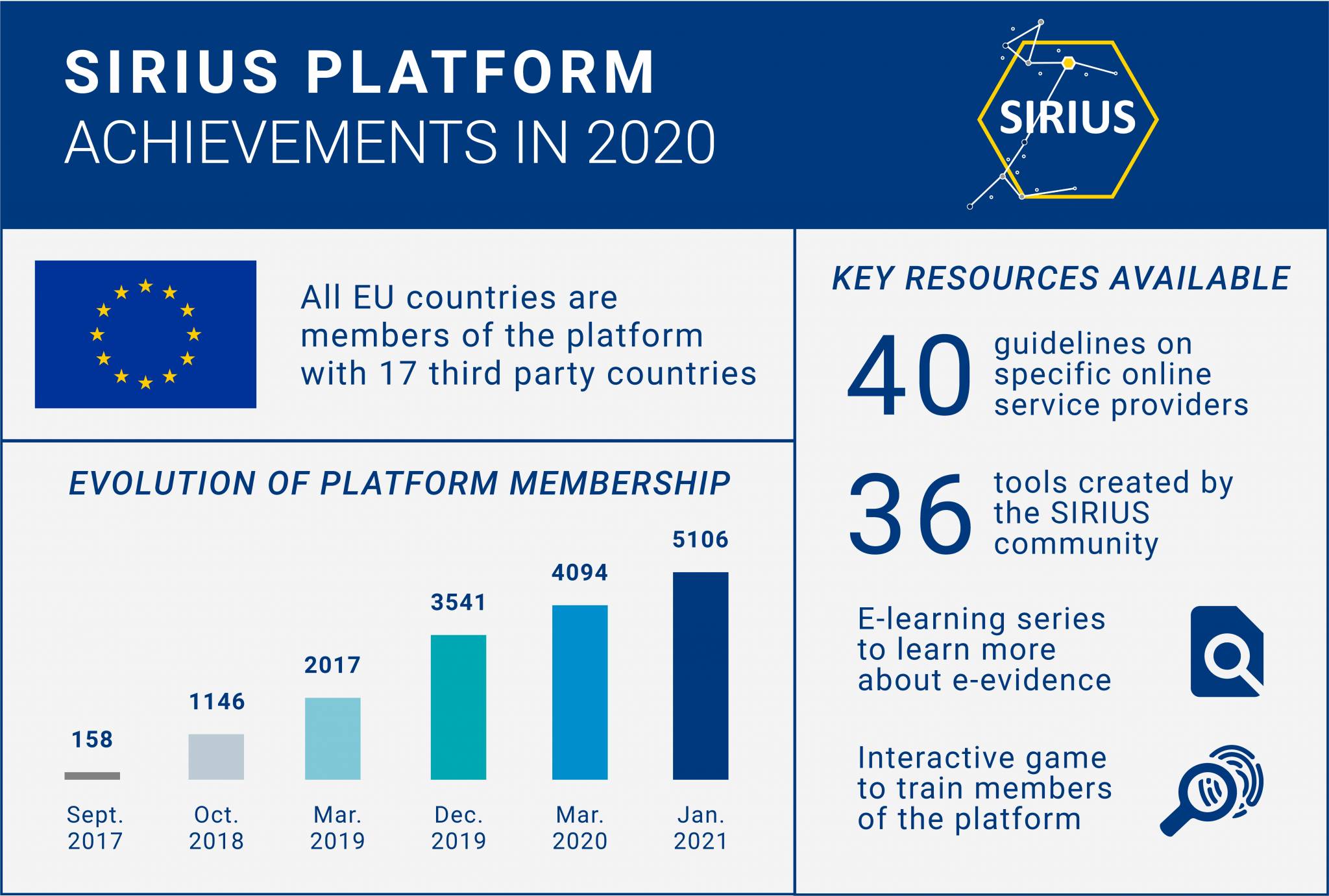
With more than 1,200 new registered members last year, the release of the EU Digital Evidence Situation Report 2020 and a growing hub of information and resources for EU authorities, the SIRIUS project hosted yesterday its annual Advisory Board meeting to present its 2020 main achievements. This event was the perfect opportunity for both agencies to highlight ambitious new activities for the upcoming year. This event brought together representatives of the European Commission, CEPOL, the United Nations Counter-Terrorism Committee Executive Directorate (UNCTED), the UN Office on Drugs and Crime (UNODC), the United States Department of Justice, the European Cybercrime Training and Education Group (ECTEG), the European Judicial Network (EJN), the European Judicial Cybercrime Network (EJCN) and the European Judicial Training Network (EJTN) 2020 MILESTONES Building on a strong record of past successes, in 2020 SIRIUS reached 5,000 members via its platform on the Europol Platform for Experts. This space, dedicated to law enforcement and judicial authorities, now reaches all EU Member States and 17 additional third countries, and serves as a recognised centre of excellence at EU level in the field of electronic evidence. The event was also a chance to showcase the second edition of the EU Digital Evidence Situation Report, which focused on the status of EU authorities in retrieving electronic data held by foreign-based online service providers (OSPs), and highlighted the prevalence of electronic evidence in investigations today. Members of the SIRIUS community now have access to guidelines on over 40 different OSPs, and benefit from 36 tools created by their colleagues. Finally, participants were given an overview of the latest training activities and interactive games developed for the SIRIUS community and designed to facilitate investigations for law enforcement and judicial authorities of EU Member States. LOOKING TO THE FUTURE Looking ahead, the project team will further leverage its established visibility and position to support an even larger number of law enforcement and judicial authorities in developing the knowledge related to the retrieval of electronic data. The creation of new and additional resources tailored for an even larger community of experts will help SIRIUS reach new heights in 2021. ABOUT THE SIRIUS PROJECT The SIRIUS project, co-implemented by Europol and Eurojust, is a central reference point in the EU for knowledge sharing on cross-border access to electronic evidence. It offers a variety of services, such as guidelines, trainings and tools, to help with accessing data held by online service providers. These services are available to law enforcement and judicial authorities via a platform and an application. To this day, SIRIUS serves a community of competent authorities from 44 countries, representing all EU Member States and a growing number of third countries. The SIRIUS project has received funding from the European Commission’s Service for Foreign Policy (FPI) under grant agreement No PI/2017/391-896
Read full story →
Europol Feb 10, 09:00

Ten hackers arrested for string of SIM-swapping attacks against celebrities

A total of 8 criminals have been arrested on 9 February as a result of an international investigation into a series of sim swapping attacks targeting high-profile victims in the United States. These arrests follow earlier ones in Malta (1) and Belgium (1) of other members belonging to the same criminal network. The attacks orchestrated by this criminal gang targeted thousands of victims throughout 2020, including famous internet influencers, sport stars, musicians and their families. The criminals are believed to have stolen from them over USD 100 million in cryptocurrencies after illegally gaining access to their phones. This international sweep follows a year-long investigation jointly conducted by law enforcement authorities from the United Kingdom, United States, Belgium, Malta and Canada, with international activity coordinated by Europol. A NETWORK OF SIM HIJACKERS Initiated in the spring of 2020, the investigation uncovered how a network composed of a dozen criminals worked together to access the victims’ phone numbers and take control of their apps or accounts by changing the passwords. This enabled them to steal money, cryptocurrencies and personal information, including contacts synced with online accounts. They also hijacked social media accounts to post content and send messages masquerading as the victim. This type of fraud is known as ‘sim swapping’ and it was identified as a key trend on the rise in the latest Europol Internet Organised Crime Threat Assessment. It involves cybercriminals taking over use of a victim’s phone number by essentially deactivating their SIM and porting the allocated number over to a SIM belonging to a member of the criminal network. This is typically achieved by the criminals exploiting phone service providers to do the swap on their behalf, either via a corrupt insider or using social engineering techniques. EUROPOL’S INVOLVEMENT Europol’s European Cybercrime Centre (EC3) supported the case from the onset by providing the following: Organised operational meetings to coordinate the international activity; Facilitated the information exchange between all partners and cross-checked data sent in by the partners against Europol’s databases; Supporting the action day by setting up a Virtual Command Post to provide to the investigators in the field real time and secure exchange of information and analytical support. DON’T BE THE NEXT VICTIM It’s not just celebrities who are under attack. Anyone and everyone with a mobile phone can fall victim to sim swapping. Here are a few tips to help you stay one step ahead from the criminals after your personal information: & Keep your devices’ software up to date Do not reply to suspicious emails or engage over the phone with callers that request your personal information  Limit the amount of personal data you share online  Try to use two-factor authentication for your online services, rather than having an authentication code sent over SMS When possible, do not associate your phone number with sensitive online accounts For more advice on how to protect your financial information from such a scam, visit our dedicated page. The following law enforcement agencies took part in this operation: United Kingdom: National Crime Agency United States: US Secret Service, Federal Bureau of Investigation, Homeland Security Investigations, Santa Clara REACT; Belgium : Federal Police (Federale Politie, Police Fédérale); Police Zone RIHO (Politiezone RIHO); Malta: Malta Police Force (Il-Korp tal-Pulizija ta’ Malta); Canada: Royal Canadian Mounted Police Force, Hamilton Police Service, Toronto Police Service, Edmonton Police Service.
Read full story →
Europol Feb 1, 16:24

Sun, sea and scams: six arrests for forging money and documents in Bulgaria

Europol supported the Bulgarian authorities to take down an organised crime group involved in currency and document counterfeiting. US Secret Service also supported the operation. During the operation, the Bulgarian authorities dismantled one print shop counterfeiting currency in a Bulgarian seaside resort and two print shops forging documents situated near the Bulgarian cities Plovdiv and Shumen. The forgery network is suspected of forging and distributing both currencies and identification documents including driving licences. The group advertised the quality of their forgeries with a fake Bulgarian passport of the famous American actor Sylvester Stallone. The counterfeit passport was of a very high quality, with most of the security features perfectly falsified. The investigation uncovered that some of the suspected members of this organised crime group were connected to another one previously busted in 2018. The suspects were using the same location where the Bulgarian authorities found the print shop dismantled in 2018. On the day of this bust, Europol supported the Romanian authorities in a hit against another group of euro counterfeiters. Results: 30 searches of locations and vehicles  9 suspects detained and 6 of them arrested  3 528 counterfeit €100 and €500 banknotes totalling €417 128  7 126 counterfeit $50 totalling $356 300 seized Europol facilitated the information exchange and provided analytical support. --- Headquartered in The Hague, the Netherlands, Europol supports the 27 EU Member States in their fight against terrorism, cybercrime, and other serious and organized crime forms. Europol also works with many non-EU partner states and international organisations. From its various threat assessments to its intelligence-gathering and operational activities, Europol has the tools and resources it needs to do its part in making Europe safer.
Read full story →
Europol Feb 1, 11:00

Europol warning on the illicit sale of false negative COVID-19 test certificates

As long as travel restrictions remain in place due to the pandemic, it is very likely that criminals will seize the opportunity of producing and selling fake COVID-19 test certificates, warns a Europol Early Warning Notification published today. Several cases have already emerged of fraudulent COVID-19 test certificates being sold to travellers: A forgery ring selling negative test results to passengers was dismantled at the Charles de Gaulle Airport in Paris, France; In the UK, fraudsters were caught selling bogus COVID-19 documents for GBP 100; In December 2020, a fraudster was apprehended by the Spanish National Police for selling fake test results for EUR 40. Given the widespread technological means available, in the form of high-quality printers and different software, fraudsters are able to produce high-quality counterfeit, forged or fake documents. Member States are encouraged to share any relevant information on criminal activities related to fake COVID-19 test documentation with Europol. Read Europol’s Early Warning Notification here
Read full story →
Europol Jan 29, 08:00

Organised crime groups fuel a rise in violent crime in the EU

A new report by Europol warns that organised crime groups are increasingly employing violence in pursuit of their criminal objectives, and such violence represents a threat to public security in the EU. Based on an analysis of contributions made by Member States to Europol in recent years, there has been a rise in the number of violent incidents associated with serious and organised crime. Furthermore, the analysis points to an increasing willingness from criminal groups to resort to lethal violence. In this report, Europol highlights the factors underpinning this trend and the challenges it poses to law enforcement and develops a set of recommendations. Underlying factors of violence and risks to the public The involvement in criminal gangs of younger and inexperienced hitmen and the accessibility of firearms and explosives, together with violent incidents often perpetrated in crowded public places and broad daylight are considerable threats to public security. Large ports in the EU exploited by criminal groups as transit points and the streets of the surrounding cities are particularly vulnerable to violence.  International organised crime groups have established footholds in and around these ports, where the corruption and intimidation of workers critical to the unloading and storage of illicit commodities, and the competition for distribution are taking place. The rise in violence in illicit markets can be tied to growing competition among criminal networks. Most drug-related fatal and serious violence have been reported in cocaine and cannabis markets, which have recently attracted new players. The report also points to an increased use of serious violence by organised crime groups to carry out their criminal activities. These violent crimes do not exclusively affect criminals; they target non-criminals including victims of trafficking in human beings, violent robberies, law enforcement officers, lawyers, witnesses and informants, investigative journalists, or uncooperative dock workers. Jari Liukku, Head of Europol’s European Serious Organised Crime Centre said While organised crime groups have always been associated with violence, Europol is observing a spike in serious violent acts. This trend is unlikely to decrease in the short term as violence will thrive from organised crime opening to diversity and competition, becoming more digitalised and expanding its global reach. The cooperation at regional and international level is of utmost importance to tackle this threat posed by organised crime. Law enforcement challenges and Europol’s recommendations Law enforcement is facing a range of challenges in dealing with organised crime including: techniques, tactics and procedures used by organised crime groups members lead investigations to dead-ends; the increased mobility of criminals as well as the support networks at local level and the means available to perpetrate attacks (firearms/explosives, surveillance equipment for target reconnaissance, etc.) complicate reactive investigations; hitmen often remain undetected, as they are not a part of the criminal groups; a homicide seen as an isolated event has no clear cross-border dimension, and countries do not consistently share information with international partners and Europol. The analysis conducted by Europol has drawn up a set of recommendations to support law enforcement authorities in countering organised crime: proactively anticipate trends and shifts in criminal markets and network structures; adopt a comprehensive step-by-step approach which would include detection and deterrence (including by attacking criminal finances at an earlier stage) focus on the processes and resources by which crimes are committed in order to identify choke points for intervention; continue to promote cooperation at regional and international levels. Europol spotlight report: The Use of Violence by Organised Crime Groups Headquartered in The Hague, the Netherlands, Europol supports the 27 EU Member States in their fight against terrorism, cybercrime and other serious and organised forms of crime. We also work with many non-EU partner states and international organisations. From its various threat assessments to its intelligence-gathering and operational activities, Europol has the tools and resources it needs to do its part in making Europe safer. In 2019, Europol supported 1 874 international operations.
Read full story →
Europol Jan 28, 10:30

Half a million in fake euros seized in Romania

Europol supported the Romania authorities to dismantle an organised crime group counterfeiting euros and Romanian lei. Law enforcement authorities from Austria, Belgium, Germany and Spain and the European Central Bank also assisted the investigation. A clue discovered by the investigators led to the action day on 27 January 2021 as the network was planning to put counterfeit banknotes equivalent to €50 000 into circulation. 28 houses searched; 10 suspects arrested; 6 individuals under judicial controls; Almost €450 000 euros in counterfeit banknotes seized in denominations of €50, €100 and €500; Around 16 000 in genuine euros and lei seized; Cocaine and cannabis confiscated. The criminal group, active for three years, was counterfeiting banknotes in denominations of €50, €100 and €500. These banknotes, produced on paper, were later found in several EU countries (Austria, Belgium, Germany, Greece, Italy, Lithuania, the Netherlands, Romania, Slovakia and Spain). The investigation uncovered that the counterfeiters had recently acquired the necessary technology to use polymers and fake Romanian lei. The criminal network adapted their methods and materials for the type of currency they were producing. Overall, 1 300 counterfeit banknotes were identified and withdrawn from circulation. Europol facilitated the information exchange, the operational coordination and provided analytical support. During the action day, Europol supported with technical expertise and deployed an expert on-site to cross-check operational information against Europol’s databases and the systems of the European Central Bank. --- Headquartered in The Hague, the Netherlands, Europol supports the 27 EU Member States in their fight against terrorism, cybercrime, and other serious and organized crime forms. Europol also works with many non-EU partner states and international organisations. From its various threat assessments to its intelligence-gathering and operational activities, Europol has the tools and resources it needs to do its part in making Europe safer.
Read full story →
Europol Jan 28, 09:27

International fraud in forex trade and binary options busted in Andorra

Spain’s Civil Guard (Guardia Civil) together with Catalan police (Mossos d’Esquadra), Andorra and Europol have teamed up to dismantle an investment fraud in foreign exchange and binary options markets. The scam is believed to have an international scope. Led by Andorran Police under the judicial direction of Specialized Batllia Instruction 2, an operation carried out in January has resulted in the arrest of six suspected fraudsters aged between 20 and 34 years. The nabbed suspects allegedly defrauded thousands of clients via an investment training company. Located in Andorra, the company specialised in the training of investment in cryptocurrencies and other assets, and is thought to have also carried out trading activities. During two house searches, police seized: eight vehicles; several electronic devices; an estimated €70 000 in fiat money and cryptocurrencies including Bitcoin, Ethereum, Ripple, OmiseGo; multiple bank accounts linked to the company. Europol actively supported the investigation and operation mobilising experts from both the European Financial and Economic Crime Centre (EFECC) and European Cyber Crime Centre (EC3). During the operation, Europol experts were deployed in Andorra for on-the-spot operational support and forensic expertise. Headquartered in The Hague, the Netherlands, Europol supports the 27 EU Member States in their fight against terrorism, cybercrime and other serious and organised forms of crime. We also work with many non-EU partner states and international organisations. From its various threat assessments to its intelligence-gathering and operational activities, Europol has the tools and resources it needs to do its part in making Europe safer. In 2019, Europol supported 1 874 international operations.
Read full story →
Europol Jan 26, 14:00

Successful hit against drug trafficking in the EU

The Polish Police Central Bureau of Investigation (Policja) arrested seven suspects allegedly linked to a high-risk poly-criminal organised network operating in different EU countries. Supported by Europol and Eurojust, the arrests follow a two-year-long investigation into an organised criminal group producing, smuggling and marketing large volume of drugs, mainly marijuana, from Spain to EU countries.  During the action days, over 100 police officers carried out raids in the provinces of Wielkopolskie and Warmińsko-Mazurskie. The arrested individuals are suspected of taking part in the transport and transfer of large quantities of drugs. They are also said to have recruited truck drivers for smuggling drugs. The international criminal network under investigation is thought to have operated since 2016 and is likely to have trafficked tonnes of drugs. The criminal group controlled the wholesale supply chain – from the production to large shipments across several EU countries, and the marketing of drugs. The truck drivers recruited to transport drugs carried out their illegal activities under the cover of transport legally set-up companies. Successful international cooperation since 2019 This operation is a continuation of an international investigation initiated in 2019 to dismantle the criminal network. Supporting the investigation since its very beginning as a high-priority case, Europol helped set up the international cooperation. Europol actively coordinated and supported the investigation as well as the action days. As a result of the effective cooperation between Polish authorities, Spain’s Civil Guard (Guardia Civil), Europol and Eurojust, 100 suspects have been arrested to date. The investigation has also led to the seizure of around 1.5 tonnes of marijuana, 91 kg of hashish, 43 kg of cocaine, 8 units of weapons, and 27 cannabis plantations. The plantations included over 20 000 plants in various stages of growth and could enable the production of nearly 2 tonnes of drugs. Headquartered in The Hague, the Netherlands, Europol supports the 27 EU Member States in their fight against terrorism, cybercrime and other serious and organised forms of crime. We also work with many non-EU partner states and international organisations. From its various threat assessments to its intelligence-gathering and operational activities, Europol has the tools and resources it needs to do its part in making Europe safer. In 2019, Europol supported 1 874 international operations.
Read full story →
Europol Jan 22, 11:00

Nine arrests in hit against network smuggling migrants via the Greek-Turkish land border

On 20 January 2021, the Hellenic Police (Ελληνική Αστυνομία), supported by Europol, dismantled an organised crime group smuggling migrants from Turkey to Greece by land. After passing the border crossing, the migrants were forced to walk in groups of 3 to 10 people for several days until they reached a predefined location. From there, members of the smuggling network would pick them up by car to bring them to a safe house in Northern Greece. Afterwards, the migrants were transported to Thessaloniki and from there on to Athens, using sophisticated methods to avoid police detection. The investigation identified that the network, active since December 2019, owned over 130 vehicles, most of them purchased with fake documents. Over 10 cars were often registered under the same owner. Relatives of the migrants were paying between €900 and €2500 per person for the smuggling services, transferring the payments via the hawala network. Members of the criminal group were using violence against the migrants to ensure the payments. A high ranked member of the group is believed to be in Turkey. Results: 9 suspects arrested (5 in Thessaloniki, 2 in Katerini, 2 in Athens) The leader of the network is one of the 9 arrested 4 house searches performed  5 vehicles seized Genuine and fake documents and electronic equipment seized  Northern-Greece is an important hub for smuggling of migrants due to the reinforced border protection along the Evros River. Law enforcement authorities have identified a large number of criminal networks attempting to respond to the high demand of smuggling services in this area. Europol provided continuous operational support, tailored analytical support and cross-checking of operational information against Europol’s databases. Europol also supported the action day on the spot by the deployment of a Europol Guest Officer. This allowed for the real-time cross-checking of operational information against Europol’s databases. The operation was carried out under the umbrella of the Greek National Operational Plan signed by Europol and the Hellenic Police in June 2016. The purpose of the plan is to disrupt organised criminal networks involved in migrant smuggling and to reinforce secondary security controls in migration hotspots. Headquartered in The Hague, the Netherlands, we support the 27 EU Member States in their fight against terrorism, cybercrime and other serious and organised forms of crime. We also work with many non-EU partner states and international organisations. From its various threat assessments to its intelligence-gathering and operational activities, Europol has the tools and resources it needs to do its part in making Europe safer.
Read full story →

Europol Jan 21, 09:00

Europol and EPPO establish working relationship

The European Public Prosecutor’s Office (EPPO) and Europol, the EU Agency for Law Enforcement Cooperation, have set the basis of their future cooperation, in the form of a working arrangement. The working arrangement was approved late 2020 by EPPO’s College and Europol’s Management Board and signed in Luxembourg by the European Chief Prosecutor, Laura Kövesi, after Europol’s Executive Director Catherine De Bolle signed it in The Hague. The EPPO is the new independent EU body that is responsible for investigating, prosecuting and bringing to judgement crimes affecting the financial interests of the EU. This includes where the EU financial interests are impacted through e.g. various fraud, including VAT fraud with damages of at least 10 million euro, money laundering and corruption. The EPPO will begin its operations in 2021. Europol is the European Union’s law enforcement agency. With over 1 300  staff members, Europol serves as the centre for law enforcement cooperation, analytical expertise and criminal intelligence in Europe. Its European Financial and Economic Crime Centre (EFECC) supports the 27 EU Member States in their fight against economic and financial crime by enhancing the use of financial intelligence across the EU, for instance to recover criminal assets. The working arrangement is a legal instrument that establishes cooperative relations between Europol and EPPO within the limits of their respective legal frameworks and mandates. Cooperation will mainly exist through the exchange of information between the two parties regarding, for instance, specialist knowledge or criminal investigation procedures, but also through the mutual participation in training activities as well as the provision of advice and support in individual criminal investigations. Executive Director of Europol, Catherine De Bolle: For the EU to work effectively, it is essential that crimes affecting the financial interests of the EU are prosecuted and brought to justice. In this regard, the partnership being established today between Europol and the European Public Prosecutor’s Office is crucial. I look forward to our two organisations working closely together with our complementary competences and tools to ensure, together with the Member States, that no crime against the EU’s budget goes unpunished. European Chief Prosecutor, Laura Kövesi: For the EPPO to be truly efficient and successful in bringing criminals to justice, we have to work closely together with our law enforcement partners in the EU. As the EU’s criminal information hub, Europol will play a key role in this and we will mutually benefit from a strong working relationship. Our cooperation with Europol is a strategic tool to better fight those trying to steal the money of European citizens. The Working Arrangement can be found here.
Read full story →
Europol Jan 20, 13:30

Money-laundering gang with links to South American cartels busted in Spain

Europol supported the Spanish Civil Guard (Guardia Civil) and the US Drug Enforcement Administration to dismantle an organised crime group laundering money for major South American cartels. The criminal network was involved in debt collection and laundering of money coming from drug trafficking. They also provided so-called hitman services involving contract killings, threats and violence targeted at other criminal groups. The criminal organisation used the network of hitmen to collect payments across Spain from other criminal groups buying drugs from the South American cartels to redistribute them locally. The investigation identified also a number of ‘front men’ acquiring luxurious goods for the lifestyles of the group’s leaders. This was only a small part of a large money-laundering scheme that traded high-end cars and used smurfing techniques to place criminal profits into the financial system. Results 4 suspects arrested (Colombian, Spanish and Venezuelan nationals) 7 suspects charged with criminal offences 1 company charged with a criminal offence 3 home searches in Spain Seizures of high-end cars, luxury items, firearms and ammunition Europol facilitated the information exchange and provided analytical support during the whole investigation. Watch Video Headquartered in The Hague, the Netherlands, we support the 27 EU Member States in their fight against terrorism, cybercrime and other serious and organised forms of crime. We also work with many non-EU partner states and international organisations. From its various threat assessments to its intelligence-gathering and operational activities, Europol has the tools and resources it needs to do its part in making Europe safer.
Read full story →

Europol Jan 20, 10:00

France arrests 14 suspects in sweep against child sexual abuse online

A nation-wide operation led by the French Gendarmerie (Gendarmerie nationale) with the support of Europol that targeted suspects who sexually exploited children online has netted 14 arrests. Code-named ‘Horus’ the operation took place between 16 and 20 November 2020. The alleged suspects used social media networks to approach minors aged between 12 and 13 and lured them into sharing intimate images and videos. The arrested suspects are said to have had no links between them and three have already been sentenced. With investigations still ongoing, operation Horus has contributed to identifying eight potential victims and the seizure of 1 058 illicit images. Coordinated by C3N, the French Gendarmerie’s cybercrime centre, over 50 cyber-investigators tracked the online activities of a large volume of users. Suspected users often swapping pseudonyms made the investigations complex. Europol provided support during the action days with operational analysis and real-time database cross-checks to enable the identification of potential suspects and victims. Europol’s European Cybercrime Centre (EC3) supports competent authorities in Member States in preventing and detecting all forms of criminality associated with the sexual exploitation of children. It provides assistance and expertise in combating the distribution of child abuse material through all kinds of online environments and tackles all forms of criminal online behaviour against children, such as grooming, self-generated illicit material, sexual extortion and live-streaming. Online sexual coercion and extortion is a crime. # Say No! - A campaign against online sexual coercion and extortion of children
Read full story →
Europol Jan 20, 08:25

Crime against the elderly: four arrests in Germany and Poland

Police authorities in Berlin (Germany) and Poznan (Poland) have apprehended a group of fraudsters targeting elderly people with a phone scam similar to the one known as the ‘nephew trick’. The imposters called their potential victims in Austria and Germany pretending to be officials calling on behalf of their relatives in need of help. They called elderly people telling them that a relative had been involved in an accident and asked them for money so their relative would avoid arrest. The investigation into this criminal group started two weeks ago and resulted in an action day targeting the fraudsters on 14 January 2021. Europol facilitated the information exchange, provided analytical support and operational coordination. This operation is part of a dedicated project set up at Europol targeting crime against the elderly. On the action day, officers from Poznan detained three individuals suspected of making the calls while the German officers arrested the alleged collector of the funds in Dortmund. Digital equipment used to commit the crime (computers, mobile phones, SIM cards) was seized. ‘Help me aunty, I’m in trouble!’: imposters target the most vulnerable Crime against the elderly is a growing phenomenon both within and outside the EU. Aside from the financial loss, there is also a considerable psychological impact on the victims. In different cases, criminals pretend to be a relative or even a representative of different authorities: a police officer, lawyer, judge or tax investigator. Criminals ask the victims to transfer or hand over money to cover treatment costs or to prevent the relative for prosecution or detention. The fraudsters even show up at their victims’ doorsteps to pick up the money, abusing the vulnerability of the elderly. As this crime has been reported in several EU countries, Europol set up a dedicated project on crime against the elderly in 2010. Europol is currently supporting several ongoing investigations targeting this fraud. Headquartered in The Hague, the Netherlands, we support the 27 EU Member States in their fight against terrorism, cybercrime and other serious and organised forms of crime. We also work with many non-EU partner states and international organisations. From its various threat assessments to its intelligence-gathering and operational activities, Europol has the tools and resources it needs to do its part in making Europe safer.
Read full story →
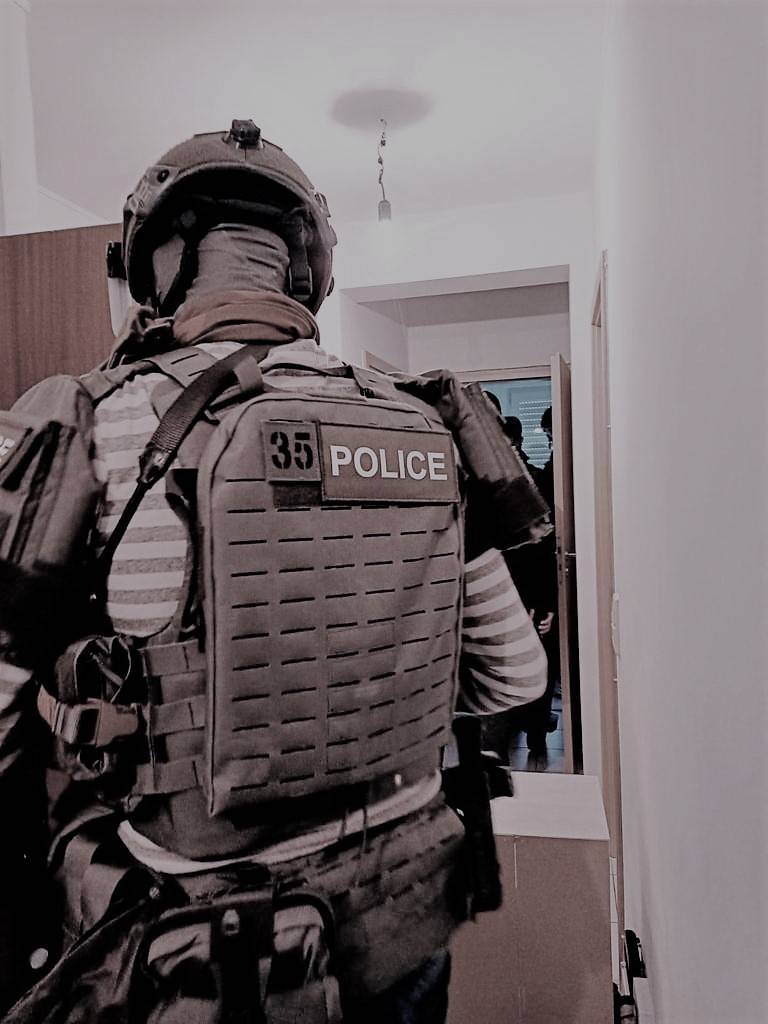
Europol Jan 12, 14:30

Returning foreign fighter arrested in Spain

The suspect was part of the so-called Islamic State in the Iraqi-Syrian conflict zone. Europol supported an operation of the Spanish National Police (Policía Nacional) leading to the arrest of a member of the so-called Islamic State. The suspect had recently returned from the conflict zone on the border of Iraq and Syria. Two other individuals associated with the suspect were also arrested during the operation in Barcelona. On 24 December law enforcement officers detected a potentially dangerous individual that had recently arrived in Spain. The investigation determined that this individual was hiding out in a run-down property in Barcelona. Officers later discovered that the suspect was not living there alone. The fact that the suspect was so determined to cover their tracks and the risk of their location meant officers were swift to act and arrest the individuals. The individual, a jihadist returning from the Iraqi-Syrian conflict zone, would have been active as a member of the so-called Islamic State for a considerable amount of time. On his way back from the conflict zone, the suspect travelled through Iraq, Turkey and Senegal where he continued his terrorist activity. Before entering Spain, the suspect was based in Algeria, where he was in touch with a branch of the so-called Islamic State in North Africa. This arm of the so-called Islamic State has been subject to significant law enforcement operations in recent weeks. Europol facilitated the information exchange and supported the case with operational analysis. On the action day, Europol provided support by deploying two experts to Spain to cross-check operational information against Europol’s databases and provide links to investigators in the field. Europol also provided technical support for the analysis of the seized electronic devices. Headquartered in The Hague, the Netherlands, we support the 27 EU Member States in their fight against terrorism, cybercrime and other serious and organised forms of crime. We also work with many non-EU partner states and international organisations. From its various threat assessments to its intelligence-gathering and operational activities, Europol has the tools and resources it needs to do its part in making Europe safer. Watch the video
Read full story →
Europol Jan 12, 13:36

DarkMarket: world's largest illegal dark web marketplace taken down

DarkMarket, the world's largest illegal marketplace on the dark web, has been taken offline in an international operation involving Germany, Australia, Denmark, Moldova, Ukraine, the United Kingdom (the National Crime Agency), and the USA (DEA, FBI, and IRS). Europol supported the takedown with specialist operational analysis and coordinated the cross-border collaborative effort of the countries involved. DarkMarket in figures: almost 500 000 users; more than 2 400 sellers;  over 320 000 transactions; more than 4 650 bitcoin and 12 800 monero transferred.  At the current rate, this corresponds to a sum of more than €140 million. The vendors on the marketplace mainly traded all kinds of drugs and sold counterfeit money, stolen or counterfeit credit card details, anonymous SIM cards and malware. Germany takes the lead The Central Criminal Investigation Department in the German city of Oldenburg arrested an Australian citizen who is the alleged operator of DarkMarket near the German-Danish border over the weekend. The investigation, which was led by the cybercrime unit of the Koblenz Public Prosecutor's Office, allowed officers to locate and close the marketplace, switch off the servers and seize the criminal infrastructure – more than 20 servers in Moldova and Ukraine supported by the German Federal Criminal Police office (BKA). The stored data will give investigators new leads to further investigate moderators, sellers, and buyers.  Europol's involvement Facilitated international information exchange. Provided specialist operational support. Provided advanced analytics that assisted the German authorities in identifying and tracking down the alleged administrator. Supported Germany in coordinating the cross-border collaborative effort involving international partners. Europol's Dark Web Team One of Europol's initiatives is to create a coordinated law enforcement approach to tackle crime on the dark web. This involves law enforcement agencies from across and outside the EU and other relevant partners and organisations, such as Eurojust. To achieve this goal, Europol’s European Cybercrime Centre (EC3) has established a dedicated Dark Web Team to work together with EU partners and law enforcement across the globe to reduce the size of this underground illegal economy. It will deliver a complete, coordinated approach: sharing information; providing operational support and expertise in different crime areas; developing tools, tactics and techniques to conduct dark web investigations; identifying threats and targets. The team also aims to enhance joint technical and investigative actions, organise training and capacity-building initiatives, together with prevention and awareness-raising campaigns – a 360° strategy against criminality on the dark web. A shared commitment across the law enforcement community worldwide and a coordinated approach by law enforcement agencies have once again proved their effectiveness. The scale of the operation at Europol demonstrates the global commitment to tackling the use of the dark web as a means to commit crime. Headquartered in The Hague, the Netherlands, Europol supports the 27 EU Member States in their fight against terrorism, cybercrime, and other serious and organized crime forms. Europol also works with many non-EU partner states and international organisations. From its various threat assessments to its intelligence-gathering and operational activities, Europol has the tools and resources it needs to do its part in making Europe safer.
Read full story →
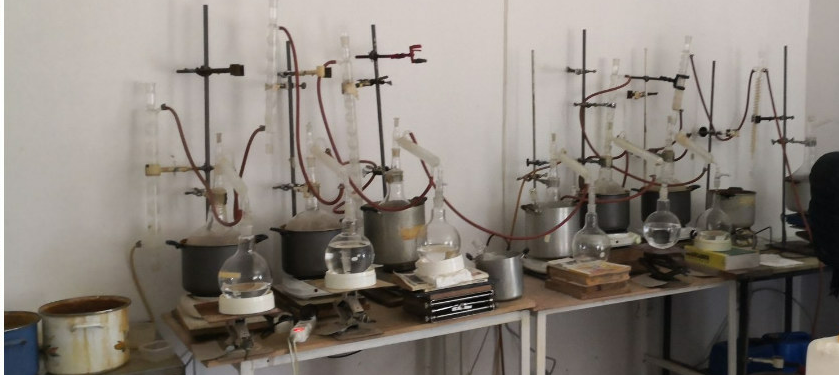
Europol Jan 11, 09:14

Europol and Frontex to exchange liaison officers

In December, Europol and Frontex, the European Border and Coast Guard Agency signed an agreement to exchange liaison officers. The agreement is part of the Joint Action Plan signed by the Executive Directors of the two agencies last year, aimed at strengthening the agencies’ common effort in enhancing the security of EU citizens. The liaison officers will contribute to information exchange between both agencies. “I am looking forward to welcoming the first Europol liaison officer in Warsaw later this year. The exchange of information between the two agencies will improve the work of border guards and support investigations,” said Frontex Executive Director Fabrice Leggeri. “I am glad to welcome the Frontex liaison officer to our headquarters in The Hague. With more than 250 officers from almost 50 countries and agencies, Europol hosts the biggest law enforcement network in Europe. Liaison officers meet and network daily under one roof; they build strong international working relationships, coordinate operational cooperation, and securely share criminal information and best practices,” added Europol Executive Director Catherine De Bolle. The first liaison officers will start working in Warsaw and The Hague later this year.
Read full story →
Europol Dec 23, 16:15

Europol and Eurojust sign new contribution agreement expanding cooperation on the SIRIUS project

This week, Europol and Eurojust signed a contribution agreement that will expand their partnership in supporting law enforcement and judicial authorities with cross-border access to electronic evidence. This new agreement, in place from January 2021 to June 2024, reinforces the success of the SIRIUS project and sets about its second phase of development and enhancement.  Launched by Europol in 2017, the SIRIUS project aims to foster the co-development of practical and innovative tools and solutions for EU law enforcement and judicial authorities that can support internet-based investigations. Eurojust has made a significant contribution to the SIRIUS project by providing the perspective of EU judicial authorities. Under this new agreement, Eurojust becomes a full partner of the project.  The practical measures outlined in the new agreement are:  strengthen and speed up direct cooperation between law enforcement authorities and online service providers to access e-evidence by exchanging experiences;  exchange best practices and training for EU practitioners on applicable rules in the US related to the mutual legal agreement procedure;  expand the geographical focus of SIRIUS to develop collaboration on existing initiatives and projects with selected non-EU countries based on the interest of EU Member States. About SIRIUS Created by Europol in October 2017, the SIRIUS Project is a central reference point in the European Union for knowledge sharing on digital cross-border investigations for law enforcement and judicial authorities. SIRIUS products and services are currently available to more than 5 000 practitioners, representing all EU Member States and 17 non-EU countries. Eurojust, a partner in the project since early 2018, has become a full co-beneficiary of the funded action. Moreover, the European Judicial Network also closely collaborates with the project. The SIRIUS project has received funding from the European Commission’s Service for Foreign Policy Instruments.  
Read full story →
Europol Dec 21, 11:00

Customs thwart illegal cigarette trade in the EU and UK: 17 arrests and 67 million cigarettes seized

Law enforcement authorities from 15 EU Member States* and the UK teamed up last month to dismantle a criminal network illegally trading cigarettes. Supported by Europol and the European Anti-Fraud Office (OLAF), the joint operation took place between 2 and 13 November 2020. Led by the customs departments of Lithuania and the UK, the operation was facilitated by intelligence analysis of excise duty suspension abuse. The fraud scheme consisted of illegally diverting cigarettes from EU internal and external transit customs procedures to the black market without paying millions in taxes. The operation led to: 17 suspects arrested; 67 million cigarettes and 2.6 tonnes of tobacco seized worth €35.82 million, with  88% of the cigarettes seized produced in Belarus; the most significant seizures of the illegally traded cigarettes were made in Lithuania (28.75 million), the UK (9 million), Poland (6 million), Ireland (3.5 million), Romania (2.2 million), Sweden (500 000), Latvia (740 000) and Croatia (150 000); Ten vehicles seized in eight of the participating countries. Excise duty fraud mechanism This joint operation targeted a fraud mechanism of duty suspension abuse: cigarettes produced inside the EU and declared for export or intra-EU delivery were moved under VAT and excise suspension. However, the goods never left EU customs territory or were not delivered within the EU as indicated in customs procedures and the relevant documents;  cigarettes withdrawn from transit regime or released into free circulation in the EU under VAT and excise suspension were distributed illegally without payment of these taxes and duties. Europol and OLAF support Europol and OLAF actively supported the operation. Europol facilitated the cross-border cooperation among Member States, set up preparatory operational meetings, enabled information exchange and cross-checks and provided analytical support and operational expertise. During the operation, OLAF also provided the tools for a secure exchange of information between the customs authorities and monitored and crosschecked the information exchanged.  Headquartered in The Hague, the Netherlands, Europol supports the 27 EU Member States in their fight against terrorism, cybercrime and other serious and organised forms of crime. We also work with many non-EU partner states and international organisations. From its various threat assessments to its intelligence-gathering and operational activities, Europol has the tools and resources it needs to do its part in making Europe safer. In 2019, Europol supported 1 874 international operations. *Participating EU Member States: Belgium, Croatia, Cyprus, Denmark, Estonia, Finland, Hungary, Ireland, Latvia, Lithuania, the Netherlands, Poland, Romania, Slovenia, Sweden. In 2010 the European Union set up a four-year Policy Cycle to ensure greater continuity in the fight against serious international and organised crime. In 2017 the Council of the EU decided to continue the EU Policy Cycle for the 2018 - 2021 period. It aims to tackle the most significant threats posed by organised and serious international crime to the EU. This is achieved by improving and strengthening cooperation between the relevant services of EU Member States, institutions and agencies, as well as non-EU countries and organisations, including the private sector where relevant. Excise fraud is one of the priorities for the Policy Cycle.  
Read full story →
Europol Dec 18, 09:00

Europol and the European Commission inaugurate new decryption platform to tackle the challenge of encrypted material for law enforcement investigations

This week Europol launched an innovative decryption platform, developed in close cooperation with the European Commission's Joint Research Centre. It will significantly increase Europol’s capability to decrypt information lawfully obtained in criminal investigations. The launch of the new decryption platform marks a milestone in the fight against organised crime and terrorism in Europe. In full respect of fundamental rights and without limiting or weakening encryption, this initiative will be available to national law enforcement authorities of all Member States to help keep societies and citizens safe and secure. A virtual inauguration ceremony brought together senior representatives from Europol, the European Parliament, the Council of the EU and the Commission. The event highlighted strong organisational cooperation within the EU and the considerable potential in innovation, research and development of the EU innovation hub for internal security. Ylva Johansson, EU Commissioner for Home Affairs said: This decryption platform will help police to investigate terrorism and serious and organised criminality. It will be important in the fight against online child sexual abuse. National police forces can now send lawfully obtained evidence to Europol for decryption. Addressing the event, Europol’s Executive Director Catherine De Bolle said: Today marks the end of a three-year-long journey. We have made a significant step forward in combating the criminal abuse of encryption with the aim of keeping our society and citizens safe while fully respecting fundamental rights. The new Europol Decryption Platform, funded by the European Commission, will allow us to further enhance our support for Member State investigations. This is the result of successful inter-organisational collaboration within the EU and shows the potential for further joint work and support for the EU innovation hub for internal security. I would like to express my gratitude to the Joint Research Centre for their strong partnership in this project. Europol’s European Cybercrime Centre (EC3) will operate the platform and leverage its in-house expertise in providing the most effective support to national Member State investigations. EC3 is dedicated to strengthening the law enforcement response to cybercrime in the EU and focuses on cybercrime committed by organised crime groups, which generate large profits (online fraud), seriously harm victims (online child sexual exploitation) or impact critical infrastructure and information systems in the EU, including through cyber-attacks. Headquartered in The Hague, the Netherlands, Europol supports the 27 EU Member States in their fight against terrorism, cybercrime and other serious and organised forms of crime. We also work with many non-EU partner states and international organisations. From its various threat assessments to its intelligence-gathering and operational activities, Europol has the tools and resources it needs to do its part in making Europe safer.
Read full story →
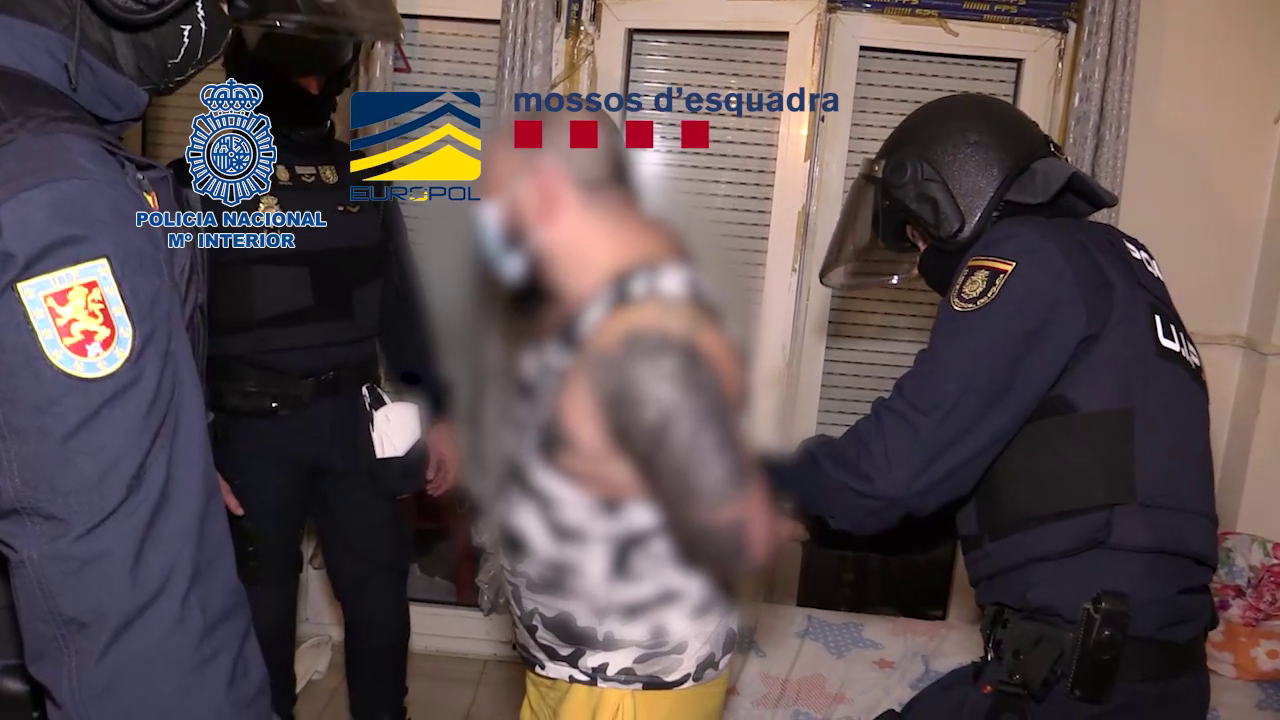
Europol Dec 17, 14:30

19 arrests for smuggling irregular migrants from Morocco to the Spanish Canary Islands

On 3 December 2020, Europol supported the Spanish National Police (Policía Nacional), to dismantle an organised crime group smuggling irregular migrants from Morocco to the Canary Islands.  The criminal network, active in Spain and Morocco, was facilitating illegal and often life-threatening crossings from the Moroccan Atlantic Coast towards the Spanish Canary Islands. The irregular migrants crossed the sea in cayucos – wooden boats similar to canoes capable of sailing in open waters – often purchased from those working in the fishing industry in Africa. The suspects arranged accommodation for the irregular migrants on the island of Lanzarote in abandoned houses, campervans and motorhomes, before routing them by plane or ferries to their final destinations within the EU (France, Finland or Italy). For the irregular migrants to move within the EU, the criminal network supplied them with look-alike/forged documents.  The network charged between €1 000 and €1 500 per person depending on the final destination and the means of transport. The Spanish investigators estimated that the criminal group has generated over €100 000 in illegal profits. The operation led to: 3 house searches 19 suspects arrested in the Canary Islands and other Spanish mainland provinces 3 cars seized 8 mobile devices, 2 hard discs and a server seized Europol facilitated the information exchange and provided analytical support. During the action day, Europol deployed an expert on the spot to cross-check operational information in real-time against Europol’s databases and to provide technical support with digital forensic capabilities.  Watch the video JOT MARE, a long-term Europol project, was established in March 2015 as an EU-led response to the increasing sea smuggling activities. The team focuses on operational support and development of intelligence on sea smuggling and sea facilitated secondary movements in line with the dedicated EMPACT action plan.  Headquartered in The Hague, the Netherlands, we support the 27 EU Member States in their fight against terrorism, cybercrime and other serious and organised forms of crime. We also work with many non-EU partner states and international organisations. From its various threat assessments to its intelligence-gathering and operational activities, Europol has the tools and resources it needs to do its part in making Europe safer. In 2010 the European Union set up a four-year Policy Cycle to ensure greater continuity in the fight against serious international and organised crime. In 2017 the Council of the EU decided to continue the EU Policy Cycle for the 2018 - 2021 period. It aims to tackle the most significant threats posed by organised and serious international crime to the EU. This is achieved by improving and strengthening cooperation between the relevant services of EU Member States, institutions and agencies, as well as non-EU countries and organisations, including the private sector where relevant. Facilitation of illegal immigration is one of the priorities of the Policy Cycle.  
Read full story →
Europol Dec 17, 09:08

Spain dismantles top Russian-speaking organised crime network that had infiltrated public institutions

On 14 December, Europol supported the Spanish National Police (Policiá National) to take down a large Russian-speaking high-risk organised crime network involved in corruption and money laundering in Spain. The large-scale criminal network, implicated in a number of other criminal activities including murder, drug trafficking, arms trafficking, trafficking of human beings and extortion was active across Europe, South America and the United States. Given the high hierarchical position of those investigated, this operation, which began in 2013, is the largest against the Russian-speaking top-level organised crime in Spain in the past 10 years.  The operation led to: 23 arrests 18 house searches   10 weapons seized  23 properties, 16 high-end vehicles, diamonds, and virtual wallets seized bank accounts and property assets worth millions of euros blocked  €300 000 and $35 000 cash seized The large-scale criminal network managed to infiltrate various Spanish public institutions. One of the main targets was able to carry out philanthropic activities in these public institutions, which allowed the criminal group to penetrate the administration. This enabled the network to carry out their business with impunity, overcome legal obstacles and receive a series of administrative favours including protection from police and judicial investigations and facilitation of the acquisition of Spanish residence for the clients of the criminal organisation. Among those ‘investing’ in the group’s activities were eastern European criminals of the highest authority in the underworld – known as ‘thieves-in-law.’ Lawyers, officials, politicians, businesspeople and hackers were connected to the network, increasing their operational capabilities. State infiltration and control over the tourism sector The investigation uncovered how the criminal leaders contacted the investigated individuals to carry out money laundering operations. These activities included various investment projects such as land acquisition to develop luxury real estate projects, and purchasing restaurants, industrial warehouses, plots and boats. To launder the foreign assets the group used a network of bogus companies established in different counties, including South America. The criminals used advanced technologies, such as cryptocurrencies. They were planning to purchase one of the main nightclubs on the island of Ibiza and to take over the nightlife and catering sector, both on the Levantine coast and in the Balearic Islands. This is a clear indication that this dangerous Russian-speaking organised crime network was planning to control key sectors of the Spanish economy, such as the tourism sector, and to infiltrate state institutions.               Europol supported the investigation since its very beginning as a high priority case. Europol facilitated the information exchange and provided analytical support. During the action day, Europol deployed experts on the spot to cross-check operational information in real-time against Europol’s databases and to provide technical support with digital forensic capabilities.  Due to the increased threat posed by the high-risk organised crime groups, Europol is strengthening its activity by delivering agile operational support to the EU Member States or third operational parties, building the strong operational coalitions to tackle top-level organised crime actors. Headquartered in The Hague, the Netherlands, we support the 27 EU Member States in their fight against terrorism, cybercrime and other serious and organised forms of crime. We also work with many non-EU partner states and international organisations. From its various threat assessments to its intelligence-gathering and operational activities, Europol has the tools and resources it needs to do its part in making Europe safer. Watch the video    
Read full story →
Europol Dec 11, 11:17

Finnish Customs take down Sipulimarket on the dark web with Europol support

Today the Finnish Customs (Tulli) have shut down the Sipulimarket dark web marketplace and seized all its content. This latest hit against the dark web was done in close cooperation with the Polish Provincial Police Headquarters in Wroclaw (Komenda Wojewódzka Policji we Wroclawiu) and Europol’s European Cybercrime Centre (EC3) and Eurojust.  Drugs and other illegal commodities were sold in large quantities on Sipulimarket which had been operating on the The Onion Router (Tor) network since 2019. It was the only remaining Finnish language dark web marketplace on Tor after the Finnish Customs shut down Silkkitie (Valhalla) in spring 2019.  Europol supported the Finnish Customs by providing operational support and technical expertise, including hosting the seizure banner. Bitdefender, an internet security company, provided assistance by advising Europol's European Cybercrime Centre (EC3).  This is yet another example of how law enforcement continues to successfully target criminal activity on the dark web.   
Read full story →
Europol Dec 8, 13:30

Four arrested in a top football league match-fixing scheme

Europol supported the Moldovan National Anticorruption Centre to dismantle an organised crime group involved in match-fixing in Moldova’s top football division. Club executives, coaches, managers, football players and other intermediates are believed to be part of the network. This large-scale corruption scheme concerns half the football clubs (5 of 10) in the top division. It is believed that over five months nearly 20 football matches were fixed during the current football season (2020-2021). The criminals would influence the outcome of the games and bet mostly on the Asian market. The bets amounted between €10 000 and €20 000 for a single fixed match. Overall, the criminal profits are estimated at €600 000. Links to EU Member States have been also detected. The investigation is ongoing. Results 4 suspects arrested  34 houses searched including the office of a football club 20 mobile phones, documents and bank cards seized Europol facilitated the information exchange and supported the case with operational analysis. On the action day, Europol provided operational support by deploying two experts to Moldova to crosscheck operational information against Europol’s databases and provide links to investigators in the field. Europol also provided forensic technical support for the analysis of the seized electronic devices.  Headquartered in The Hague, the Netherlands, we support the 27 EU Member States in their fight against terrorism, cybercrime and other serious and organised forms of crime. We also work with many non-EU partner states and international organisations. From its various threat assessments to its intelligence-gathering and operational activities, Europol has the tools and resources it needs to do its part in making Europe safer.
Read full story →

Europol Dec 7, 13:00

Intelligence-led taskforce leads to seizures of nearly 11 tonnes of drugs

In 2015, Europol set up operation Troika with Customs and Police authorities from Denmark, the Netherlands, Norway, Sweden and the UK. The taskforce focused on drug smuggling (mainly heroin, cocaine, cannabis and synthetic drugs) across Scandinavia and the UK. In the framework of the taskforce officers were able to identify numerous criminals as high-value targets and gather and develop intelligence from all EU countries. Joint days of action identified major drug transport operations to the UK, leading to large cocaine seizures. Operation Troika is still on-going and continues to gather intelligence with the aim to disrupt organised crime groups involved in drug trafficking. Main results related to Taskforce Troika: 11 640kg of drugs worth more than €358 million seized  62 arrests 3 joint investigation teams set up Major drug transport operations discovered  Criminal groups disrupted Numerous high-value targets put under investigation Drug concealment trends identified Troika in a nutshell  Gather, enhance and share information and intelligencEuropol analyses the operational information and  intelligence  Identify and monitor subjects of interest Identify modus operandi and movements Headquartered in The Hague, the Netherlands, we support the 27 EU Member States in their fight against terrorism, cybercrime and other serious and organised forms of crime. We also work with many non-EU partner states and international organisations. From its various threat assessments to its intelligence-gathering and operational activities, Europol has the tools and resources it needs to do its part in making Europe safer. In 2010 the European Union set up a four-year Policy Cycle to ensure greater continuity in the fight against serious international and organised crime. In 2017 the Council of the EU decided to continue the EU Policy Cycle for the 2018 - 2021 period. It aims to tackle the most significant threats posed by organised and serious international crime to the EU. This is achieved by improving and strengthening cooperation between the relevant services of EU Member States, institutions and agencies, as well as non-EU countries and organisations, including the private sector where relevant. Drug trafficking is one of the priorities for the Policy Cycle.    
Read full story →
Europol Dec 7, 07:00

Global action against mail order gun traffickers

Over 42 000 parcels were checked and hundreds of weapons seized as part as a joint operation targeting the trafficking of firearms to and within the EU through post and courier services. Taking place between 16-20 November, Operation ARMSTRONG VII saw the involvement of police and customs authorities from 26 countries, with international coordination efforts supported by Europol and the European Commission – DG for Taxation and Customs Union (TAXUD) and DG Migration and Home Affairs (HOME) and the Customs Cooperation Working Party (CCWP). This operation took place in the framework of the European Multidisciplinary Platform Against Criminal Threats (EMPACT) and implements the EU action plan on firearms trafficking 2020-2025 adopted by the European Commission in July 2020. During the action week, police and customs authorities in the participating countries carried out enhanced controls of suspicious parcels and postal shipments. This operational phase was preceded by an intelligence phase in which Europol and DG TAXUD developed risks indicators, including those relating to purchases via the dark web in order to increase the success rates of parcel controls during the action week. Results of the action week 42 124 parcels checked 416 officers involved 6 firearms, 13 firearms parts and 600 pieces of ammunition seized Seizure of 297 other weapons (knives, pepper spray, tasers, etc.) Participating countries Austria, Bulgaria, Cyprus, Czech Republic, Germany, Denmark, Estonia, Greece, Spain, Finland, France, Hungary, Ireland, Lithuania, Luxembourg, Netherlands, Portugal, Romania, Sweden, United Kingdom, Switzerland, Norway, Albania, North Macedonia, United States.  Europol support Europol has been actively involved from the onset of this operation by collecting intelligence from all participating partners on firearms and ammunition seized from postal packages from November 2019 until October 2020. This intelligence was used as input to identify risk indicators that were shared with law enforcement to prioritise checks and identify packages possibly containing firearms or firearms-related commodities. During the action week, Europol set up a virtual command centre and provided a platform for real time information sharing and cross-checking of intelligence, creating a communication network involving both police and custom authorities. Information collected and shared during the action days will be processed and analysed in post operational phase during which concerned countries will be duly informed about any relevant outcomes. The illicit trade of firearms by parcel mail The use of fast parcels or parcel mail has been identified as a key modus operandi for firearms trafficked to and within the EU. Differences in legislations are exploited by criminals, whereby firearms or firearms components restricted in one country easily and openly can be ordered from another through the internet. Moreover, firearms are frequently traded on online platforms, including dark web marketplaces. This development has resulted in a significant increase in the use of parcel and postal services to traffic firearms and firearm components. Strong police - customs cooperation With millions and millions of parcels crossing the borders, finding the particular shipments containing firearms and other prohibited items constitutes a sizeable challenge for police and customs and other law enforcement authorities across Europe. In this endeavour, the key success defining factor is intelligence: knowing what to look for (i.e. consignor), where (i.e. courier company) and when (i.e. at arrival, during customs clearance, etc.) based on emerging new trends. This can only be achieved through active and continuous operation between police and customs and the private industry (post and express courier services). In 2010 the European Union set up a four-year Policy Cycle to ensure greater continuity in the fight against serious international and organised crime. In 2017 the Council of the EU decided to continue the EU Policy Cycle for the 2018 - 2021 period. It aims to tackle the most significant threats posed by organised and serious international crime to the EU. This is achieved by improving and strengthening cooperation between the relevant services of EU Member States, institutions and agencies, as well as non-EU countries and organisations, including the private sector where relevant. Illicit firearms trafficking is one of the priorities for the Policy Cycle.  
Read full story →
Europol Dec 4, 14:22

Europol predictions correct for fake COVID-19 vaccines

While Europe is hit by the second wave of the COVID-19 pandemic, testing is ongoing for potential new vaccines to treat the virus. The European Medicines Agency (EMA) has announced that it will conclude evaluation of the first conditional marketing authorisation application for a COVID-19 vaccine before the end of the year. Several EU Member States have already published their vaccination plans. Europol urges increased vigilance among Member States and third-party countries on the possible involvement of criminals in the vaccine development and distribution process. Today, Europol has published an early warning notification on Vaccine-related crime during the COVID-19 pandemic. Confirmed crime projections of counterfeit vaccines In April this year, Europol announced the potential harm of offline and online scams offering alleged versions of the COVID-19 vaccine. Projections were also made in relation to the announcement of a genuine vaccine and the reaction of organised crime to adapt its methods to meet demand1. These projections were later confirmed in Europol’s November report, where it was identified that the distribution of substandard and counterfeit pharmaceutical products, including preventative COVID-19 vaccines had remained a consistent pandemic-related criminal activity2. Counterfeit vaccines may pose a significant risk to public health  Owing to the pandemic, the demand for influenza treatments has been higher than usual and there are risks of shortages in numerous countries. This high demand may encourage people to seek the vaccine elsewhere. For this reason, once the legitimate vaccine enters the market, counterfeit versions of the brand are expected to circulate rapidly to meet the high demand. It is feared that criminals will share disinformation to defraud individuals and companies alike. There have already been cases of advertisements on dark web marketplaces using the brands of genuine pharmaceutical companies that are already in the final stages of testing3. These counterfeit vaccines may pose a significant risk to public health if they are ineffective or toxic, given their production in labs without the required hygiene standards. These fake vaccines may circulate on illicit markets or be introduced to the legal market for distribution.  Europol actively encourages Member States to share any relevant information on criminal activities related to COVID-19 or flu vaccines. 1 Europol Report:  Beyond the pandemic – what will the criminal landscape look like after COVID-19? 30 April 2020. 2 Europol Report: How COVID-19 related crime infected Europe during 2020 12 November 2020. 3 Europol information.
Read full story →
Europol Dec 3, 13:12

Drugs in Europe: enhancing law enforcement responses to high-risk organised crime

Delegates from EU and non-EU countries and international organisations attended the 4th annual Drugs in Europe conference, Enhancing law enforcement responses to high-risk organised crime. The conference focused on Europe's unprecedented drug situation. As organised crime is increasing, they pose the highest and most diverse risk to EU internal security. Drug trafficking is the cornerstone of the criminal activities of these high-risk organised crime groups and neither the COVID-19 pandemic nor related restrictions have had a decreasing impact on their activities. Europol holds this annual conference to offer a platform for senior law enforcement officials to enhance the situational awareness of drugs and to assess and discuss proper operational future responses. Europol's Executive Director Catherine De Bolle remarked in her keynote speech:  “The fight against drug trafficking is one of the top crime priorities in the European Union and a priority of Europol's strategy 2020+ which led to the establishment of a dedicated Drugs Unit. We will continue to support EU Member States in their investigations targeting individuals that constitute the highest risk of serious and organised crime threats. Europol contributes to a measurable reduction to the availability of illicit drugs by providing operational and strategic services to law enforcement.” Five factors that indicate the seriousness of the situation Supply: the supply of all kinds of drugs is increasing and so are the numbers of substantial seizures. The number of cross-border organised crime investigations supported by Europol has increased between 2018 and 2019. This increasing trend has also continued in 2020 despite the COVID-19 pandemic. Recently, Europol supported an investigation that dismantled an international drug trafficking network, which was responsible for the annual importation of at least 45 tonnes of cocaine into main European seaports, with profits exceeding €100 million in six months. Recent intelligence indicates significant changes in trends of cocaine-related trafficking, with the EU becoming the leading destination. High illicit profits: billions of euros in profits from drug trafficking support a vast underground economy that threatens Europeans’ prosperity, particularly in economic downturn situations such as those created by the current pandemic. High-risk organised crime groups are making extensive profits – at least €110 billion a year. Despite comprehensive money laundering legislation in EU Member States, asset-tracing results in terms of confiscations remain at an extremely low level. Of the billions of euros generated by the illicit drug trade in Europe, a low percentage is confiscated and more needs to be done to address this situation. Drug-related deaths: numbers in Europe are at an all-time high. These mostly affect younger, more vulnerable members of society. This situation looks set to worsen as drug purities increase and an increasing number of hazardous substances reach the market. Violence: the involvement of organised crime groups in the drug supply chain brings violence and security threats to our societies.  Europol sees an increase in the number and quality of violent attacks associated with organised crime and, in particular, drug trafficking in the EU over recent months. Contract killings, shootings, bombings and stabbings are used by drug traffickers to intimidate associates, remove competitors and threaten officials and the public. Corruption: drug trafficking is an entire criminal industry that largely relies on corruption to function. Eliminating corruption will go a long way in reducing the supply of drugs in the EU. Europol organised the annual conference for the fourth year in a row to increase the understanding of the latest trends in illicit drug production and trafficking and to agree on bold law enforcement responses to protect the public from the threats posed by illicit drugs. Given the rapid evolution of both crime trends and operational response measures, Europol hosts this drug conference annually. Europol is the European Union Agency for Law Enforcement cooperation; its primary goal is to achieve a safer Europe by coordinating and connecting national law enforcement authorities and providing operational analysis, forensics, and technical support.
Read full story →
Europol Dec 1, 08:00

Transnational access to electronic evidence for criminal cases: trends and latest developments within the EU and beyond

Europol, Eurojust and the European Judicial Network publish today the second annual edition of the SIRIUS EU Digital Evidence Situation Report. The report outlines the status of EU authorities in retrieving electronic data held by foreign-based online service providers (OSPs) in 2019. Cross-border access to digital information is paramount to an ever-increasing number of investigations, ranging from economic crimes and drug trafficking to terrorism, cybercrime and child sexual exploitation. In one case mentioned in the report, law enforcement officers were able to find an abducted child after requesting GPS data from a social media platform. This report encompasses extensive information gathered from over 325 surveyed officials of EU Member States’ law enforcement and judicial authorities, together with relevant input coming from a dozen major OSPs and reference to national legislation. Increased relevance of electronic evidence in criminal investigations The volume of cross-border requests submitted by EU authorities to OSPs increased significantly in 2019 with a large majority of them issued by Germany (37.7% of requests), France (17.9%) and the UK (16.4%). Requests to access electronic data doubled in Poland and nearly tripled in Finland. Furthermore, emergency disclosure requests increased by nearly half in one year. Datasets needed and challenges in retrieving them In order to better inform authorities and advance future investigations and prosecutions, the report focuses on the most important types of data in criminal cases. However, the acquisition of basic information on users (such as IP addresses used at registration, email addresses or phone numbers) suffers specific challenges. These relate for example to the length of the procedures in place, the very limited amount of time in which data is available and the fact that companies have different standards when cooperating with authorities. Criminal activity arising from online gaming platforms  In the last two years, EU authorities have observed an increase in the relevance of online gaming platforms in criminal cases. Cybercriminals can use online games to steal and sell data, to groom minors or as an avenue for money laundering, for example. In 2019, a third of law enforcement authorities requested the disclosure of data to foreign-based online game companies at least once. Training, knowledge exchange and a centralised approach To cope with the surge in electronic evidence collected as part of criminal investigations, EU law enforcement authorities have significantly increased the number of officers that receive periodic training. This led to an improved and more successful access to electronic data. At the same time, operating in a quickly developing field commits the EU judicial community to deeper connections and stronger knowledge exchanges. This guarantees a viable ‘toolbox’ of shared investigative and prosecutorial solutions that fill the gaps of the current legislative landscape. In some countries, Single Points of Contacts (SPoCs) in charge of centralising and sending voluntary requests for data disclosure to OSPs have also increased the efficiency of the process and the response time in data disclosure requests. The report finally shows how the vast majority of EU authorities would consider the establishment of the centralised approach with SPoCs for voluntary cooperation. Europol’s Executive Director Catherine De Bolle said: ‘SIRIUS is a flagship Europol project and since its creation in 2017 has become of operational benefit to the Member States in the internet-based investigation and prosecution of crime. With this second annual edition of SIRIUS report we continue our effort to shed light into the access and use of electronic evidence in criminal investigations. The persistent relevance of electronic evidence and their importance in conducting successful investigations propound an even greater need to overcome the obstacles and challenges faced by law enforcement and judicial authorities when collecting and accessing digital data. This can be achieved through a common effort in balancing the need to investigate crimes with upholding the fundamental liberties of our system.’ Eurojust President Mr Ladislav Hamran said: ‘This joint Report clearly shows the great impact of electronic evidence on all partners of the EU’s security chain. Prosecutors and judges from across the continent have helped us to identify the obstacles and opportunities in their daily work, resulting in this overview for policy-makers who want to learn more about how electronic evidence is affecting the judiciary. I am convinced that the SIRIUS project will continue to play a pivotal role as a platform for practical knowledge exchange.’ Created by Europol in October 2017, the SIRIUS Project is a central reference in the European Union for knowledge sharing on digital cross-border investigations for law enforcement and judicial authorities. SIRIUS products and services are currently available to more than 4 500 practitioners, representing all EU Member States and 17 third countries. Eurojust, being partner in the project since early 2018, is expected to become a full co-beneficiary of the funded action by the end of 2020. Moreover, the European Judicial Network also closely collaborates with the project. The SIRIUS project has received funding from the European Commission’s Service for Foreign Policy Instruments under grant agreement No PI/2017/391-896. Read the SIRIUS EU Digital Evidence Situation Report 2020. 
Read full story →
Europol Nov 30, 09:00

COVID-19 waste crime: Europe-wide operation to tackle unlawful sanitary waste disposal

Since the outbreak of the COVID-19 pandemic, Europol identified the potential growth in unlawful sanitary waste treatment and disposal, as a result Europol launched operation Retrovirus. Officers carried out inspections and checks on sanitary waste plants and transportation, which were crucial in halting the illegal trafficking, storage, dumping and shipment of waste and document fraud. Thirty countries took part in operation Retrovirus, including the European Commission’s Directorate-General for the  Environment, the EnviCrime Network, Frontex, INTERPOL, the El PAaCTo project and The European Union Network for the Implementation and Enforcement of Environmental Law (IMPEL). Around 280 000 inspections and 102 arrests so far 278 291 inspections performed 102 arrests made  More than 819 entities and individuals given administrative sanctions €800 000 in assets seized  22 seizures of waste 20 arrests in Spain and assets worth €800 000 seized in Portugal The Spanish Civil Guard’s environmental unit, SEPRONA (Guardia Civil) investigated the activities of an enterprise operating in Barcelona, Madrid, Murcia, Valencia, Tarragona and Zaragosa. The company had links with another organisation operating in Lisbon, Portugal. Spanish officers searched 9 locations and arrested 20 individuals for crimes against the environment, labour rights and public health. The sanitary waste, collected by the company, is normally supposed to be sterilised at high pressure to eliminate all hazardous components. To increase profits, the company reduced the time of treatment. This resulted in the waste not being properly sterilised before disposal; an inadequate treatment which caused high risks for public health. In Portugal, the National Republican Guard (Guarda Nacional Republicana) inspected more than 2 000 companies, hospitals and health centres. The activities led to administrative violations, 30 arrests and the seizures of assets worth almost € 790 000.  Law enforcement authorities also focused on the transport of sanitary waste across the EU. Authorities from Czechia, Poland, Romania and Slovakia checked cargo and identified illegal shipments, which were then sent back to their country of origin.  Another trend identified during the operation was the possible pollution of urban residual waters. The Spanish Civil Guard launched operation Arcovid to investigate the filtering treatments of the water for pollutants and the possible presence of COVID-19. First global operation of its kind Europol identified the need for operational activity on this phenomenon early in the pandemic and launched the operation worldwide. Europol supported the operation by providing analytical and operational support and coordination and facilitated a secure instant communication exchange between the participating authorities. Europol also supported investigators with the extraction of encrypted data from mobile devices and operational analysis in real-time during action days. Thirty countries involved This long-term operation has had the involvement of the following countries: Albania, Austria, Belgium, Bosnia and Herzegovina, Bulgaria, Canada, Colombia, Croatia, Czechia, Estonia, France, Georgia, Germany, Greece, Italy, Latvia, Lithuania, Luxembourg, Malta, the Netherlands, North Macedonia, Poland, Portugal, Romania, Slovakia, Slovenia, Spain, Sweden, Switzerland and Ukraine.   
Read full story →
Europol Nov 30, 07:00

Operation In Our Sites takes down 21 910 websites selling counterfeit goods

As part of the international operation ‘In Our Sites’ (IOS) XI, law enforcement authorities from 26 EU Member States and third parties have seized together with Europol and the US National Intellectual Property Rights Coordination Centre over 21 910 domain names offering counterfeit and pirated items over the internet. More than €2.5 million worth of such products have been seized, including counterfeit pharmaceuticals and pirated films, illegal television streaming, music, software and other bogus products.  In its eleventh edition, this joint international operation was facilitated by Eurojust and INTERPOL.  Tackling the website domains selling counterfeit commodities, or involved with online piracy, has become a growing concern for all law enforcement bodies due to the versatility of the criminals, who can easily make large profits and deleting their internet tracks in a very short period of time.  Results of the seizures in brief  22 614 cosmetic products 22 042 accessories for mobile phones 69 657 perfume bottles 8 929 clothing articles 7 480 detergent boxes 4 800 boxes of condoms Participating countries  Albania, Austria, Belgium, Bulgaria, Bosnia and Herzegovina, Colombia, Czech Republic, Denmark, France, Greece, Hungary, Hong Kong- China, Ireland, Italy, Netherlands, Peru, South Korea, Moldova,  Serbia, Romania, Slovakia, Spain, Portugal, Ukraine, United Kingdom, United States of America   Making the internet a safer place for consumers  ‘In Our Sites’ (IOS), launched in 2014, is the continuation of a recurrent joint global operation that has increased significantly year-on-year. The operation is the result of the comprehensive approach which Europol follows with the aim of making the internet a safer place for consumers, by getting even more countries and private sector partners to participate in this operation and providing referrals.  Europol, in cooperation with the European Union Intellectual Property Office (EUIPO), continues to enhance such efforts by successfully supporting many high-priority investigations related to online crimes, providing training related to online investigations, and organising conferences such as the annual Intellectual Property Crime Conference. To raise awareness of this growing threat, Europol’s Intellectual Property Crime Coordinated Coalition IPC3 has developed the Don’t F***(ake) Up prevention campaign. The campaign aims to inform citizens of the risks of buying fake products online and give advice to help identify illicit websites selling counterfeit goods, as well as other means used by counterfeiters, such as fake social media accounts and fake apps.
Read full story →
Europol Nov 27, 15:00

Over 40 arrested in biggest-ever crackdown against drug ring smuggling cocaine from Brazil into Europe

In the early hours of the morning, over a thousand police officers with the support of Europol carried out coordinated raids against the members of this highly professional criminal syndicate. Some 180 house searches were executed, resulting in the arrest of 45 suspects.  The investigation uncovered that this drug trafficking network was responsible for the annual importation of at least 45 tonnes of cocaine into the main European seaports, with profits exceeding €100 million over the course of 6 months. This international sting, led by the Portuguese, Belgian and Brazilian authorities, was carried out simultaneously by agencies from three different continents, with coordination efforts facilitated by Europol:  Europe: Portuguese Judicial Police (Polícia Judiciária), Belgian Federal Judicial Police (Federale Gerechtelijke Politie, Police Judiciaire Fédérale), Spanish National Police (Policia Nacional), Dutch Police (Politie) and the Romanian Police (Poliția Română) South America: Brazilian Federal Police (Policia Federal) Middle East: Dubai Police Force and Dubai State Security    Results in brief  45 arrests in Brazil (38), Belgium (4), Spain (1) and Dubai (2) 179 house searches Over €12 million in cash seized in Portugal, €300 000 in cash seized in Belgium and over R$1 million and US$169 000 in cash seized in Brazil 70 luxury vehicles seized in Brazil, Belgium and Spain and 37 aircrafts seized in Brazil 163 houses seized in Brazil worth in excess of R$132 million, 2 houses seized in Spain worth €4 million, and two apartments seized in Portugal worth €2.5 million Financial assets of 10 individuals frozen in Spain Global cooperation  In the framework of intelligence activities underway with its operational counterparts, Europol developed reliable intelligence concerning the international drug trafficking and money laundering activities of a Brazilian organised crime network operating in several EU countries.  The criminal syndicate had direct contact with drug cartels in Brazil and other South American source countries who were responsible for the preparation and the shipments of cocaine in maritime containers bound to major European seaports.  The scale of cocaine importation from Brazil to Europe under their control and command is massive and over 52 tonnes of cocaine were seized by law enforcement over the course of the investigation. In April 2020, Europol brought together the involved countries who have since been working closely together to establish a joint strategy to bring down the whole network. The main targets were identified on either sides of the Atlantic Ocean, with the support of Operation EMMA 95/ LEMONT 26, the French and Dutch-led investigation against the Encrochat network.   Since then, Europol has provided continuous intelligence development and analysis to support the field investigators. During the action day, a total of 8 of its officers were deployed on-the-ground in Portugal, Belgium and Brazil to assist there the national authorities, ensuring swift analysis of new data as it was being collected during the action and adjusting the strategy as required.  Commenting on this operation, Europol’s Deputy Director Wil van Gemert said: This operation highlights the complex structure and vast reach of Brazilian organised crime groups in Europe. The scale of the challenge faced today by police worldwide calls for a coordinated approach to tackle the drug trade across continents. The commitment of our partner countries to work via Europol underpinned the success of this operation and serves as a continued global call to action.    Headquartered in The Hague, the Netherlands, we support the 27 EU Member States in their fight against terrorism, cybercrime and other serious and organised forms of crime. We also work with many non-EU partner states and international organisations. From its various threat assessments to its intelligence-gathering and operational activities, Europol has the tools and resources it needs to do its part in making Europe safer
Read full story →
Europol Nov 27, 10:00

Sophisticated case of money laundering leads to 15 arrests in Malta

Fifteen people have been arrested in Malta as part of operation Proteus, a highly sophisticated money laundering case, following months of intensive investigations by the Maltese Anti-Money Laundering Section within the Financial Crime Investigations Department. During this operation, the Maltese Police seized: 36 vehicles; €60,000 in cash; a considerable amount of jewellery and designer clothes; mobile phones, computers, and servers; a large number of documents, which are still being analysed; several million euros of laundered money frozen. While investigations into this case are still ongoing, five persons have already been charged in a Maltese Court with money laundering charges and other offences. The Maltese Taskforce was supported by Europol and its European Financial and Economic Crime Centre (EFECC) and its Analysis Project Sustrans, which is involved in cases related to organised crime networks involved in money laundering. Two Europol experts were deployed on-the-spot during the action week in Malta. Highly sophisticated cases of money laundering and fraud that target individuals, companies and the public sector continue to threaten economic growth and the integrity of financial systems. Every year, law enforcement in the EU carries out hundreds of international financial crime investigations, often leading to exceptional results, arrests, and dismantling criminal groups. However, the EU still shows mediocre results when it comes to recovering criminal assets – criminals keep over 98% of their assets. To respond to this threat, Europol has launched EFECC. Europol is the European Union Agency for Law Enforcement cooperation; its primary goal is to achieve a safer Europe by coordinating and connecting national law enforcement authorities and providing operational analysis, forensics, and technical support.
Read full story →
Europol Nov 26, 15:02

Two arrests in Spain for terrorist financing

The Spanish National Police (Policía Nacional) supported by Europol, arrested two individuals for their suspected involvement in the facilitation of terrorist financing in the Spanish provinces of Madrid and Toledo. They are believed to be part of the ‘remittance office’ in Europe of the so-called Islamic State. In direct communication with jihadi fighters, this network aimed at transferring assets to conflict zones. The network had contacts in different European countries who were in charge of collecting financial contributions from followers of the so-called Islamic State. The funds were mainly destined to support foreign fighters in Syria. A hawala network facilitated the final transactions sent from Spain to the conflict zones. In the past year and a half, the Spanish National Police, with support from Europol, has carried out three other actions within the same investigation targeting terrorist financing. These have led to the arrests of three other individuals accused of being part of the same ‘remittance office’ in Europe of the so-called Islamic State. Currently, all of them are in prison. Europol facilitated the information exchange and supported the case with operational analysis. During the action day, Europol provided support by deploying an expert to Spain to crosscheck operational information against Europol’s databases and provide links to investigators in the field. Europol also provided technical support for the analysis of the seized electronic devices. Watch the video Headquartered in The Hague, the Netherlands, we support the 27 EU Member States in their fight against terrorism, cybercrime and other serious and organised forms of crime. We also work with many non-EU partner states and international organisations. From its various threat assessments to its intelligence-gathering and operational activities, Europol has the tools and resources it needs to do its part in making Europe safer.
Read full story →
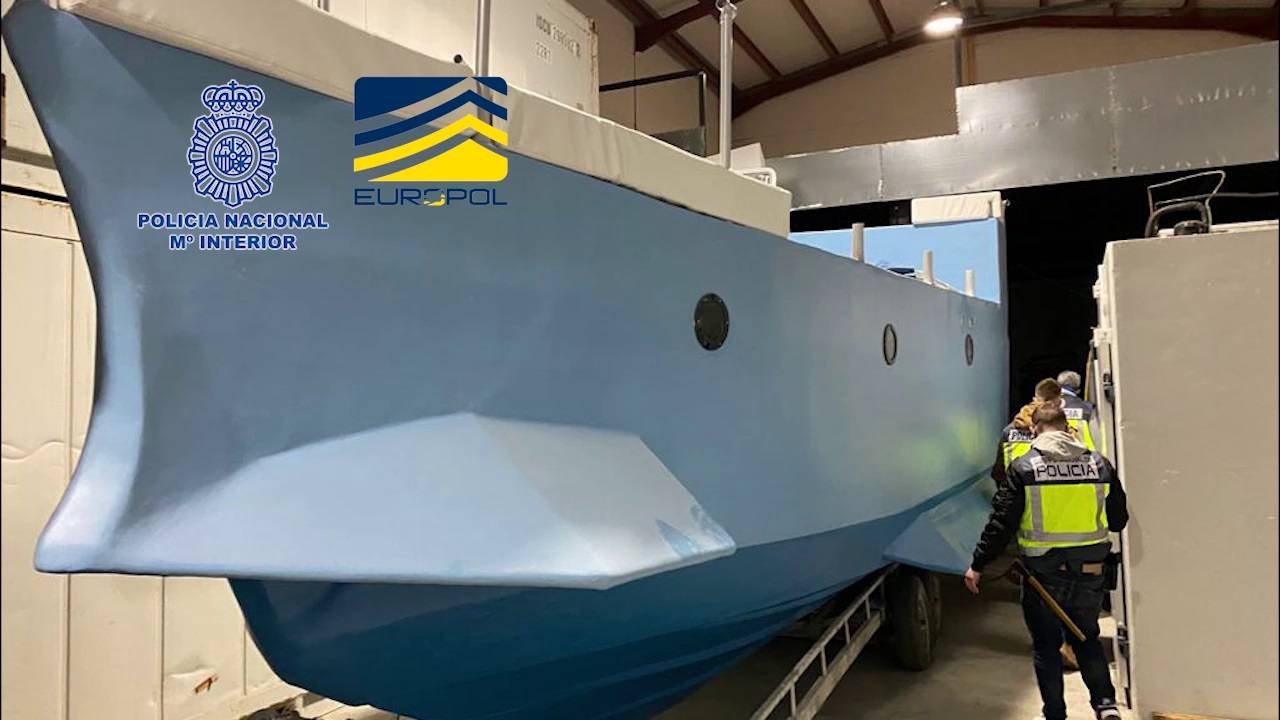
Europol Nov 25, 07:00

Virtual tabletop exercise coordinated by Europol: Disrupting terrorism and violent extremism online

On 23 November 2020, the EU Internet Referral Unit (EU IRU) hosted their second tabletop exercise in a virtual event held under the umbrella of the European Commission-led EU Internet Forum. The aim of the exercise was to test an EU-led voluntary mechanism to enable a coordinated response to a cross-border massive abuse of the internet in the context of terrorism or violent extremism. The EU IRU’s initial tabletop exercise, held on 11 September 2019, was the first of its kind since the launch of the Christchurch Call to Action and led towards closer cooperation between parties involved in advancing the fight against terrorism online.  Recent acts of terrorism in France and Austria in October-November 2020, have further demonstrated the importance of disrupting the dissemination of terrorist and violent extremist propaganda during, and in the aftermath of, terrorist attacks.  The tabletop exercise forms part of a larger consultation process, through which the EU IRU and Member States are improving their operational response to the dissemination of propaganda linked to acts of terrorism.  The exercise reconfirmed the need for real-time coordination and engagement between EU MS and Online Service Providers in order to support investigations while also containing potentially viral content in light of major terrorist incidents.  The exercise was attended by EU Member States (Austria, Belgium, Bulgaria, Croatia, Cyprus, Denmark, Estonia, Finland, France, Germany, Greece, Hungary, Ireland, Italy, Latvia, Lithuania, Malta, Netherlands, Poland, Portugal, Romania, Slovenia, Spain,), third countries (Norway, Switzerland, United Kingdom) and the European Commission.  The EU IRU will expand their 2021 tabletop exercise to include a wider range of participants, including Online Service Providers.
Read full story →

Europol Nov 24, 14:00

Europol Intellectual Property Crime Conference 2020

The Europol Intellectual Property Crime Conference 2020 took place on 23 November in partnership with the International AntiCounterfeiting Coalition. The annual conference brings together experts in intellectual property crime (IP) and addresses the most recent innovations in enforcement strategies of intellectual property rights. The conference offered law enforcement and the private sector views on top intellectual property enforcement issues in Europe, including the importance of IP enforcement during the COVID-19 pandemic.  The conference also covered recommendations and potential resources for public and private stakeholders to fight IP crime. Held as a virtual event for the first time, leading professionals from law enforcement, the private sector and academia attended the conference. Europol's Executive Director Catherine De Bolle, the Executive Director of the European Union Intellectual Property Office, Christian Archambeau, the US IP Enforcement Coordinator, Vishal Amin, and the Chair of the International AntiCounterfeiting Coalition, Dawn Atlas opened the virtual conference.  Catherine De Bolle, Executive Director Europol: Looking back at the last eight months, we can trace how criminals have used uncertainty and change to identify and exploit opportunities targeting individuals, businesses and the public sector. Counterfeit goods sold during the corona crisis do not meet the required quality standards and pose a real threat to public health and safety. In addition, intellectual property crime is linked to other forms of criminality, including money laundering, document fraud, cybercrime, fraud, drug production and trafficking and terrorism. Christian Archambeau, Executive Director of the European Union Intellectual Property Office said: The shocking examples of fake medicines and personal protective equipment circulating during the current pandemic show that IP crime is not a victimless crime. Counterfeiters exploit every vulnerability they can find, no matter what the cost to consumers, and – as our research has shown – use increasingly complex trade routes, with many intermediary points. This makes our joint cooperation even more important. "My congratulations to the esteemed speakers, organizers and attendees of the first virtual EUROPOL IP Crime Conference," said Bob Barchiesi, IACC President. "We are operating in difficult times that require even bolder leadership, more innovative partnerships and collective action to protect legitimate businesses and consumer safety from criminal counterfeiters. We thank our government and industry partners for their continued commitment and look forward to advancing our joint effort to fight fakes."     Europol identified the trade in counterfeit and substandard goods as one of the areas with the immediate impact of the COVID-19 crisis. With the onset of the pandemic, the demand for healthcare and sanitary products (masks, gloves, cleaning products, hand sanitizers) and personal protective equipment increased significantly. The organised crime groups involved in illicit activities related to counterfeit and substandard goods have proven to be highly adaptable in adjusting their business model by shifting product focus and marketing. In 2020, Europol's Intellectual Property Crime Coordinated Coalition (IPC3) experienced an increase of 10% of the contributions received compared to 2019.  In 2021, the Italian Finance Corps (Guardia di Finanza), the Italian law enforcement agency under the authority of the Minister of Economy and Finance, will host the fifth edition of this conference, which will take place in Rome.
Read full story →