Top Stories

Europol Jul 15, 14:00

Large-scale document forgery case cracked in Germany and Greece

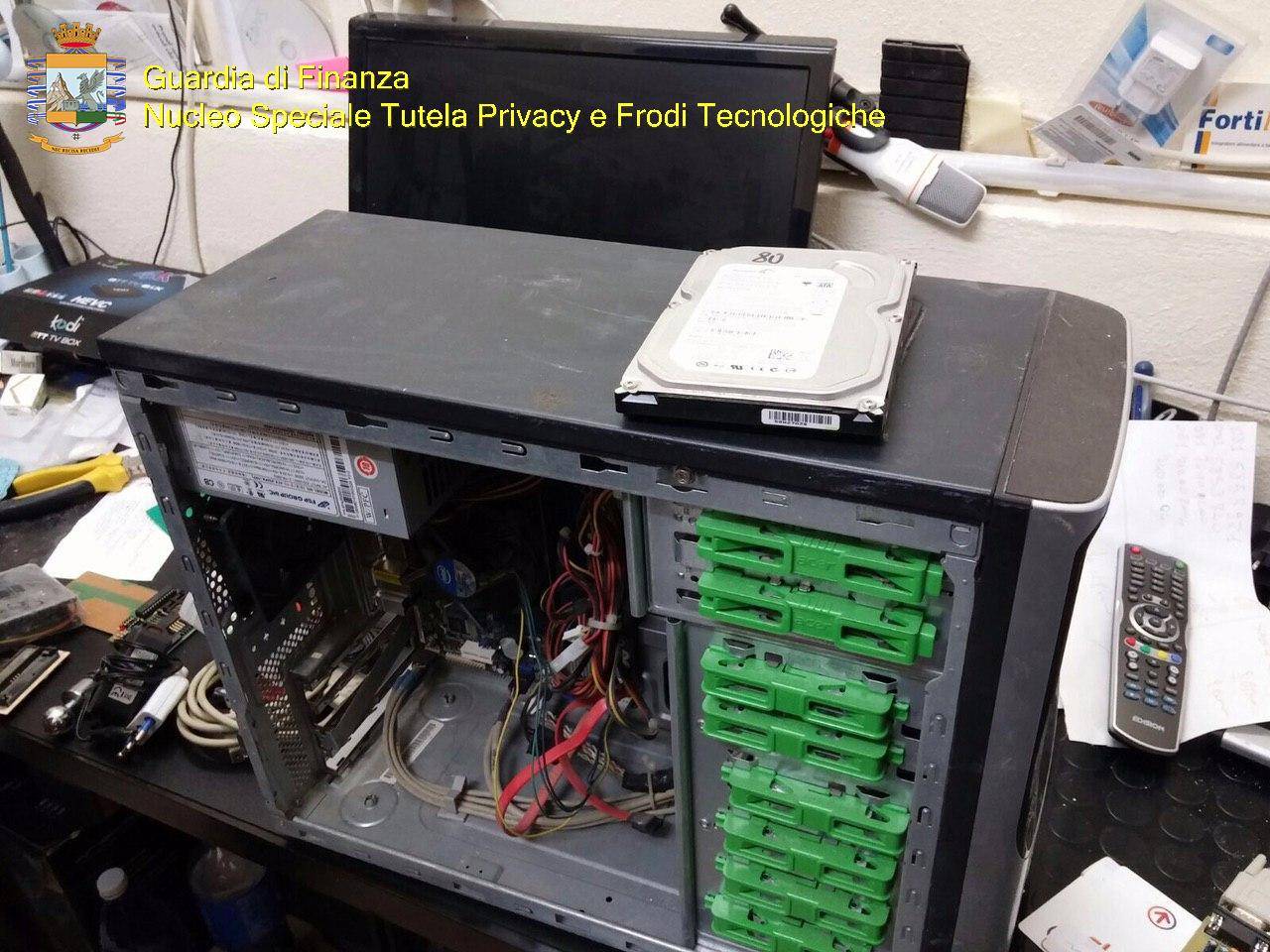
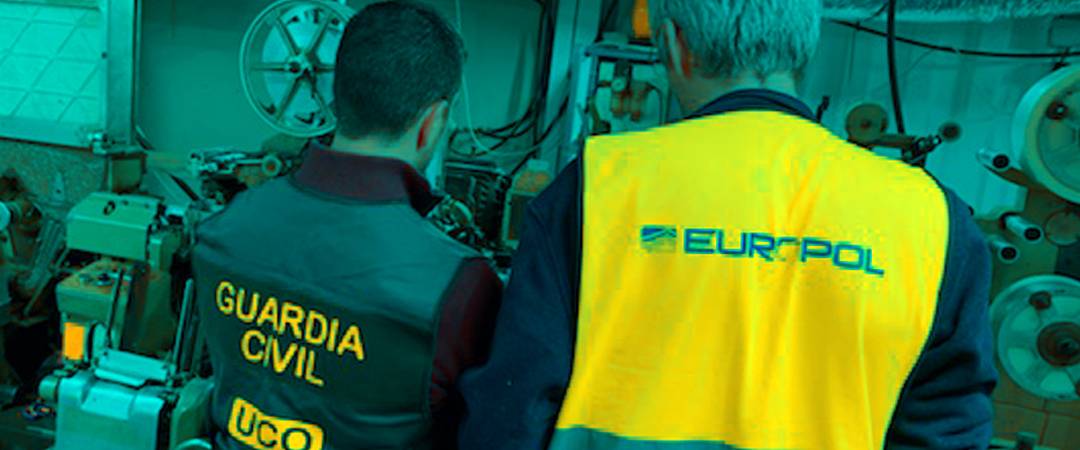
On 15 July, the German Federal Police in Halle (Bundespolizei Halle) and the Hellenic Police (Hellenic Police, Ελληνική Αστυνομία), supported by Europol, carried out an arrest and 12 house searches in Germany and an arrest, two house searches and one shop search in Greece as a result of an investigation into large-scale document forgery. Operation Kosmos, initiated by the German authorities, aimed to bust a network involved in the smuggling of forged documents to facilitate the illegal border crossing of citizens across Europe. The forged documents were mainly passports, ID cards, residence permits and driving licences. After exchanging information with Europol, the investigation led the officers to Greece, where they identified different suspects. This material reveals that the recipients were located in both EU and non-EU countries, such as Afghanistan, Bosnia and Herzegovina, Germany, Hungary, Italy, Spain, Saudi Arabia, Sweden, Syria and Turkey.  During the action day, over 267 German officers carried out 12 houses searches in the country and one person was arrested. Several electronic devices, notebooks and forgery documents were seized. Europol supported this case through the European Migrant Smuggling Centre at Europol (EMSC) by providing analytical and operational support and supporting both German and Greek authorities with mobile offices on-the-spot during the action day. This is one of the first action days carried out with the German authorities since Germany took over the presidency of the Council of the European Union the last 1 July. In 2010 the European Union set up a four-year Policy Cycle to ensure greater continuity in the fight against serious international and organised crime. In 2017 the Council of the EU decided to continue the EU Policy Cycle for the 2018 - 2021 period. It aims to tackle the most significant threats posed by organised and serious international crime to the EU. This is achieved by improving and strengthening cooperation between the relevant services of EU Member States, institutions and agencies, as well as non-EU countries and organisations, including the private sector where relevant. Document fraud is one of the priorities for the Policy Cycle.
Read full story →
Europol Jul 15, 08:00

Stronger together: EU Agencies join forces to respond to COVID-19

Since the start of the COVID-19 pandemic, nine Justice and Home Affairs (JHA) agencies (CEPOL, EASO, EIGE, EMCDDA, eu-LISA, Eurojust, Europol, FRA and Frontex) have been supporting the Member States and EU institutions in meeting the unprecedented challenges resulting from the outbreak of the virus - each agency in its respective area of work, in both the short term and the long term.  In the past months, all JHA agencies have taken the necessary measures to ensure business continuity and uninterrupted operational support. At the same time, the Justice and Home Affairs agencies' network (JHAAN), under the chairmanship of Eurojust, has initiated a dialogue to share their experiences in dealing with the pandemic and consider new avenues for closer cooperation among the agencies and with key stakeholders inside and outside the EU.   The agencies’ individual and joint efforts to deal with the impact of the pandemic have been captured in a Joint Paper on the COVID-19 response by the JHA agencies, which was formally endorsed by the heads of JHA agencies during a videoconference held on 9 July. During their meeting, the heads discussed the latest developments, including the fundamental rights implications of government COVID-19 measures, the quick adaptation of organised crime to the changing circumstances and the recent surge in drug use, domestic violence and child abuse.  To tackle these and other issues more effectively related to the protection of citizens and freedoms, there is a need for increased interagency cooperation in the field of digitalisation and for sustainable financial resources in the coming years. The COVID-19 pandemic coincides with the 10th anniversary of the Justice and Home Affairs agencies' network. In the past decade, this family of JHA agencies joined forces as guardians of the Area of Freedom, Security and Justice. Together, they contributed to the implementation of EU’s objectives in the fields of migration, asylum and external border management, the fight against serious organised crime, drug trafficking and terrorism, gender equality and respect for fundamental rights.  
Read full story →
Europol Jul 10, 13:17

Cross-border VAT fraudsters busted in Portugal: 6 arrests and 32 indictments

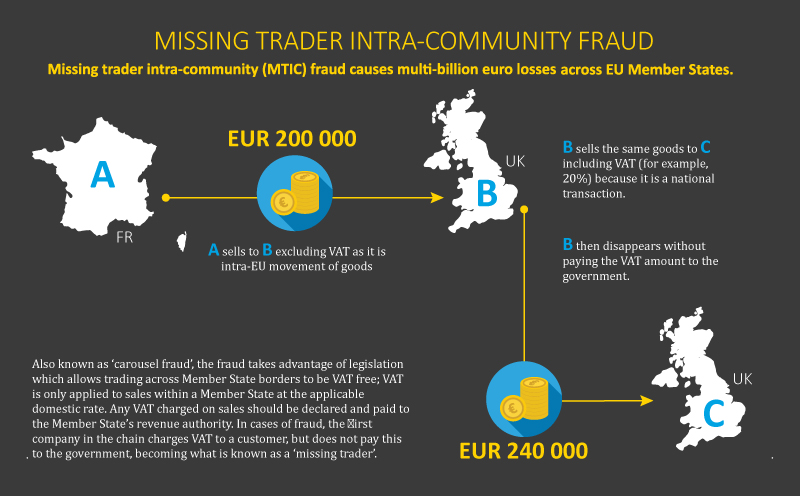
The Portuguese Republican National Guard (Guarda Nacional Republicana), supported by the Spanish Civil Guard (Guardia Civil) and Europol, dismantled an organised crime group involved in cross-border VAT fraud (missing trader intra-community fraud). On the two action days, 7 and 8 July, law enforcement officers carried out 142 house searches (135 in Portugal and 7 in Spain) and arrested 6 suspects while 18 companies and 32 individuals from Pakistani and Portuguese origin were indicted for taking part in the criminal scheme. The operational activities led to the seizure of accounting documentation records, approximately 20 000€ in cash and jewels worth about 45 000€. The suspects set up a complicated scheme to simulate intra community deliveries with zero rated VAT. The criminal infrastructures were based on traders and conduit companies based in Spain and Portugal. By not paying VAT to the Portuguese treasury, the suspects were able to gain a 23% margin (the VAT rate in Portugal). They used this margin to lower the price of the goods, which they were selling on the black market, mainly food and alcoholic beverages. This illegally gained margin gave them unlawful advantage over their competitors on the open market. In addition to this, the losses in taxes are estimated to be more than €4 million. Europol supported the investigation from the beginning by facilitating information exchange and providing analytical support. During the action day, Europol deployed two staff members to Portugal to support the investigators in the field with real time analysis of operational information against Europol’s databases. Technical support was also provided through extracting data stored on the mobile devices. Bringing the money back to taxpayers Missing trader intra-community fraud (MTIC) does not affects only governments, but all citizens. The billions of euros that organised crime gangs defraud from taxpayers through this scam fraud scheme are ultimately robbing citizens affecting the funding of vital public services. A cross-border crime per definition, the effective fight against it requires internationally coordinated operations pulling together the affected Member States, Europol and trusted partners.  Europol recently created the European Financial and Economic Crime Centre (EFECC) to increase synergies between economic and financial investigations and to strengthen its ability to support law enforcement authorities in effectively combating this major criminal threat. MTIC fraud is a priority for the European Union for the period 2018-2021 in its fight against organised crime. Read more about this crime  
Read full story →
Europol Jul 8, 09:00

Massive investigation in Italy combating online child sexual abuse

A successful investigation to tackle online child abuse conducted by the Italian State Police (Polizia di Stato) of Turin and supported by Europol, has led to 50 investigations and several searches across the country. Working from referrals through Europol by the Canadian National Child Exploitation Coordination Centre (NCECC), investigators targeted suspects producing, exchanging and possessing child sexual abuse material. 200 investigators involved across Italy Europol handles the receipt, processing and onward distribution of these intelligence reports from Canada to all of the EU Member States.  In this case, the data was sent by Europol in mid-January 2019.  The Turin Prosecutor’s Office directed the “Operation 50 Community” investigation which was coordinated by the Italian Postal and Communications Police National Centre for Countering Child Abuse Online (CNCPO) and involved 200 investigators across Italy.   The searches reported by the police led to the arrest of 3 individuals, alongside the seizure of thousands of files. During the course of the investigation, the officers discovered that one of the suspects identified had been previously arrested for sexual abuse of children.  Other discoveries included images and videos of sexual violence in which the victims were mainly babies, abuse material involving animals, references to 6 year old children and suspects using abbreviations for pre-teen child abuse.  The Turin Prosecutor’s Office stated that the investigation was long and complex involving the tracing of the nicknames used by the suspects online and finding the suspects behind their activities.  A combination of open source investigation and technical analysis was used during the process.  The Acting Head of Europol's European Cybercrime Centre (EC3), Fernando Ruiz, said:  Europol’s role in providing a secure means of channelling these reports from Canada to the EU Member States’ police is essential to making sure this valuable intelligence can be investigated and acted on.  This operation co-ordinated by our Italian colleagues and directed by the Turin Prosecutor’s Office shows the importance of having a swift international cooperation and dedicated resources to make children safer.
Read full story →
Europol Jul 6, 10:30

28 arrested for smuggling migrants in rubber boats from Morocco to Spain

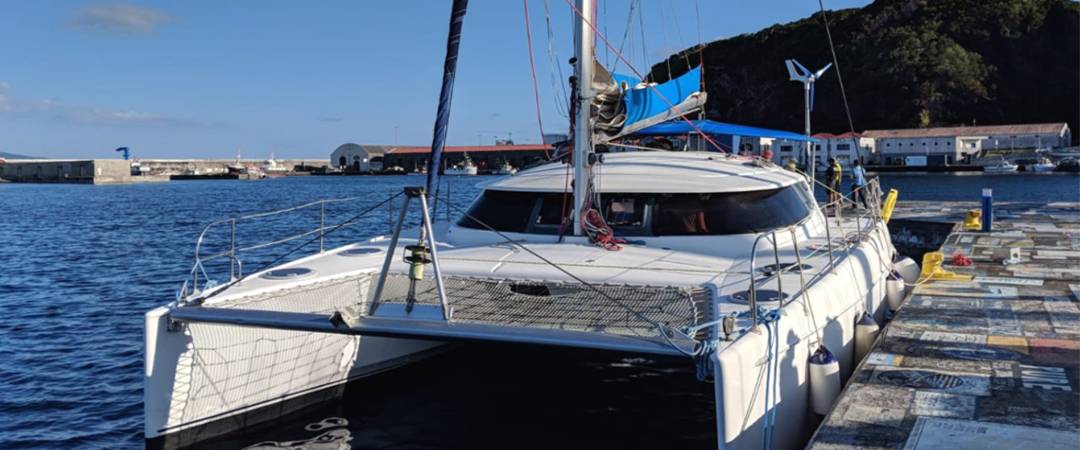
Spanish National Police (Policía Nacional), under the supervision of the Arrecife Investigating Court number 3 and supported by Europol, dismantled an organised criminal group smuggling migrants from Morocco to the Canary Islands.  The law enforcement operation led to the arrest of 28 individuals, 5 house searches were carried out. The arrested individuals are suspected of facilitating the transfer of 20 boats with irregular migrants to Spain, gaining over €350 000 in criminal profits. The migrants were transported from Morocco mainly to the Canary Islands in rubber boats, lacking any safety and sanitary measures. After reaching Spain, they were placed in temporary accommodations before being routed towards their final destinations. The law enforcement operation prevented the departure of eight boats from the Moroccan coast. This is a perilous trip, which could have put the life of more than 200 migrants in danger. Europol supported the operation by facilitating information exchange and providing analytical support. On the action day, Europol deployed an expert to Spain to provide technical support to the Spanish investigators. Watch Video In 2010 the European Union set up a four-year Policy Cycle to ensure greater continuity in the fight against serious international and organised crime. In 2017 the Council of the EU decided to continue the EU Policy Cycle for the 2018 - 2021 period. It aims to tackle the most significant threats posed by organised and serious international crime to the EU. This is achieved by improving and strengthening cooperation between the relevant services of EU Member States, institutions and agencies, as well as non-EU countries and organisations, including the private sector where relevant. Facilitation of illegal immigration is one of the priorities for the Policy Cycle.
Read full story →
Europol Jul 3, 09:00

Counterfeit currencies worth millions of euros prevented from entering the EU economy in Romania and Spain

In June 2020, Europol supported two separate operations, which led to the dismantling of two illegal print shops for currency counterfeiting, one for euros and one for Romanian leu. Columbian Technical Investigation Unit (Cuerpo Tehnico de Investigacion) and Spanish Police (Policia National) targeted euro counterfeiters in Spain and the Romanian police (Poliția Română) took down one of the biggest polymer banknotes counterfeiters.  Production prevented in Spain On the 17 June 2020, an action day in Spain led to the arrests of the two main suspects. During the house searches, law enforcement officers found a significant amount of equipment and raw material. The seizures indicate that the illegal print shop had the initial capacity to print about 300 000 counterfeit euro banknotes. Samples of €20 and €50 were found and seized. The investigation uncovered that the two suspects, Colombian nationals, known by the Colombian authorities for similar activities, have moved to Spain to set up a new production-line of euro counterfeits. The cooperation between Colombian and Spanish authorities, supported by Europol, enabled the early monitoring of the criminal activity and the prevention of a significant amount of counterfeit euros potentially entering the EU monetary circuit. In addition to Europol’s financial and analytical support throughout the investigation, a Europol expert was deployed to Spain during the action day to support the field activities. One of the highest quality counterfeiter of polymer banknotes arrested in Romania On 24 June 2020, the Romanian police searched five houses and took in three suspects for interrogation. In the house of the main suspect investigators discovered an illegal print shop. The seizures they made include machinery such as UV-inkjet printer and cutting devices, different tools for counterfeiting, approximately 400 pieces of 100 Leu counterfeits for a total value of about €8 000, unfinished counterfeit banknotes and raw materials. The counterfeits were made on a polymer material and included all security features detectable by the public, making the identification of the fakes almost impossible for non-experts. The start of production dates back to 2014 when the first high quality polymer banknote appeared in circulation in Romania. Since then, 17 065 counterfeit banknotes have been detected causing a financial damage of about €352 500.  A Europol expert supported the Romanian authorities during the raid and the house searches, and provided with specialised expertise in currency counterfeiting on the spot.   Currency counterfeiting falls under the new European Financial and Economic Crime Centre recently created at Europol. Europol, as the EU Central Office for combating euro counterfeiting, provides all possible support to the EU Member States and its other cooperating partners to achieve the most effective enforcement in the field of the protection of the euro against counterfeiting.
Read full story →
Europol Jul 2, 12:31

46 MEMBERS OF THE SICILIAN MAFIA COSA NOSTRA ARRESTED

On 1 July, Europol coordinated the international police operation which resulted in the dismantlement of the  Sicilian Mafia Cosa Nostra crime syndicate of Barrafranca. Operation Ultra was led by the Italian Special Operation Department (R.O.S. Caltanissetta) of the Carabinieri (Arma dei Carabinieri), the German Bundeskriminalamt (BKA) and the Landeskriminalamt of Niedersachsen.  The suspects were involved in drug trafficking, the use of firearms, as well as extortion and corruption in public tenders. The suspect identified in Germany was taking advantage of his residence in another country to support and re-organise both the criminal assets of the Mafia clan in Sicily and the drug trafficking routes used to fund the criminal organisation. 60 house searches and €1.5 million seized In total, 45 individuals were arrested in various locations in Sicily, and 60 house searches were carried out. Some €1.5 million were seized, alongside important documentation for the investigation. Furthermore, the deputy leader of the Mafia clan was arrested in Wolzburg, (Germany). Operations Ultra is the second phase of operation Kaulonia, which on March 2019 led to the arrest of  25 suspects and revealed connections of the Mafia crime family of Barrafranca (Sicily) with Germany. Europol supported the investigation by coordinating the information exchange and organizing several operational meetings during the investigation. The case was also supported by EU ISF ONNET project (Internal Security Funds), led by the Italian Direzione Investigativa Antimafia, which provides financial support to tackle all types of organised crime groups. Watch the video
Read full story →
Europol Jul 2, 11:00

Dismantling of an encrypted network sends shockwaves through organised crime groups across Europe

At a joint press conference today, French and Dutch law enforcement and judicial authorities, Europol and Eurojust have presented the impressive results of a joint investigation team to dismantle EncroChat, an encrypted phone network widely used by criminal networks. Over the last months, the joint investigation made it possible to intercept, share and analyse millions of messages that were exchanged between criminals to plan serious crimes. For an important part, these messages were read by law enforcement in real time, over the shoulder of the unsuspecting senders.  The information has already been relevant in a large number of ongoing criminal investigations, resulting in the disruption of criminal activities including violent attacks, corruption, attempted murders and large-scale drug transports. Certain messages indicated plans to commit imminent violent crimes and triggered immediate action. The information will be further analysed as a source of unique insight, giving access to unprecedented volumes of new evidence to profoundly tackle organised criminal networks.  In recent years, European countries have been increasingly affected by organised crime groups who are pervasive and highly adaptive, posing one of the most pressing security challenges faced by law enforcement and judicial authorities. In this regard, the abuse of the encrypted communication technologies is a key facilitator of their criminal activities. Since 2017, the French Gendarmerie and judicial authorities have been investigating phones that used the secured communication tool EncroChat, after discovering that the phones were regularly found in operations against organised crime groups and that the company was operating from servers in France. Eventually, it was possible to put a technical device in place to go beyond the encryption technique and have access to the users' correspondence. In early 2020, EncroChat was one of the largest providers of encrypted digital communication with a very high share of users presumably engaged in criminal activity. User hotspots were particularly present in source and destination countries for cocaine and cannabis trade, as well as in money laundering centres. Given the widespread use of the encrypted telephone solution by EncroChat among international criminal networks around the world, French authorities decided to open a case at Eurojust, the EU Agency for Criminal Justice Cooperation, towards the Netherlands in 2019. Further developments in the investigations led to organising the processing of the data, which was captured on the basis of the provisions of French law and with judicial authorisation, through the frameworks for international judicial and law enforcement cooperation. The data was in first instance shared with the Netherlands. Eurojust facilitated the creation of a joint investigation team (JIT) between the two countries and with the participation of Europol, the European Union Agency for Law Enforcement Cooperation, in April 2020. Europol has been actively involved in the investigations led by France and the Netherlands since 2018, relating to the provision and use of encrypted communication services by organised crime groups. Through its role as an information hub and its extensive analytical and technical support system, Europol was able to create and provide a unique and global insight on the scale and functioning of organised crime, as a result of this investigation. This will help law enforcement to combat organised crime in the future more successfully. Europol’s support from the early stages of this JIT included: promoting and arranging international cooperation, providing extensive analytical and financial support, technical expertise and a secured platform for the exchange of information between the countries involved.  A large dedicated team at Europol investigated in real time millions of messages and data that it received from the JIT partners during the investigation, cross-checked and analysed the data, and provided and coordinated with the JIT partners the information exchange to concerned countries. A large number of suspects have also been arrested in several countries which were not participating in the JIT but particularly affected by the illegal use of these phones by individuals active in organised crime, including in the UK, Sweden and Norway. Many of these investigations were connected with international drug trafficking and violent criminal activities. At the same time, numerous operational meetings for the daily coordination between the law enforcement entities of the JIT partners and other countries took place at Europol, partly during COVID-19. Eurojust intensively facilitated the judicial cooperation, during the extensive use of European judicial cooperation instruments such as European Investigation Orders. Throughout the investigation, the JIT members organised five coordination meetings at Eurojust to bring all involved parties together in a secure environment, identify parallel or linked investigations, decide on the most suitable framework for cooperation and solve potential conflicts of jurisdiction.   In France, where the operation takes place under the code name "Emma 95", the Gendarmerie has set-up a Taskforce since March 2020. With more than 60 officers, the Gendarmerie leads the investigations targeting the EncroChat encrypted telephone solution under the supervision of the magistrates of the JIRS of Lille. The Taskforce has been monitoring the communications of thousands of criminals, leading to the opening of a wide range of incidental proceedings. France does not wish to communicate further on these on-going investigations nor on the results obtained. The considerable resources deployed demonstrate the importance of these investigations and the importance attached to their success in France. In the Netherlands, where the operation went under the code name “Lemont”, hundreds of investigators have, with authorisation of the examining magistrate, followed the communications of thousands of criminals day and night since the operation began to unravel and act on the intercepted data stream. The criminal investigation has been led by prosecutors from the Dutch National Public Prosecution Service and the information has been made available to about a hundred ongoing criminal investigations. The investigation has so far led to the arrest of more than 100 suspects, the seizure of drugs (more than 8 000 kilo cocaine and 1 200 kilo crystal meth), the dismantling of 19 synthetic drugs labs, the seizure of dozens of (automatic) fire weapons, expensive watches and 25 cars, including vehicles with hidden compartments, and almost EUR 20 million in cash. The expectation is that information will be made available in more than 300 investigations. In a number of cases, more arrests are very likely to follow in the coming period.  The interception of EncroChat messages came to an end on 13 June 2020, when the company realised that a public authority had penetrated the platform. EncroChat then sent a warning to all its users with the advice to immediately throw away the phones.  While the activities on EncroChat have been stopped, this complex operation shows the global scope of serious and organised crime and the connectivity of criminal networks who use advanced technologies to cooperate on a national and international level. The effects of the operation will continue to echo in criminal circles for many years to come, as the information has been provided to hundreds of ongoing investigations and, at the same time, is triggering a very large number of new criminal investigations of organised crime across the European continent and beyond. What is EncroChat?  EncroChat phones were presented to customers as guaranteeing perfect anonymity (no device or SIM card association on the customer's account, acquisition under conditions guaranteeing the absence of traceability) and perfect discretion both of the encrypted interface (dual operating system, the encrypted interface being hidden so as not to be detectable) and the terminal itself (removal of the camera, microphone, GPS and USB port). It also had functions intended to ensure the ‘impunity’ of users (automatic deletion of messages on the terminals of their recipients, specific PIN code intended for the immediate deletion of all data on the device, deletion of all data in the event of consecutive entries of a wrong password), functions that apparently were specially developed to make it possible to quickly erase compromising messages, for example at the time of arrest by the police. In addition, the device could be erased from a distance by the reseller/helpdesk. EncroChat sold the cryptotelephones (at a cost of around EUR 1 000 each) at international scale and offered subscriptions with a worldwide coverage, at a cost of 1 500 EUR for a six-month period, with 24/7 support.  
Read full story →
Europol Jun 30, 13:02

Fake wines sold under expensive Italian labels off the market

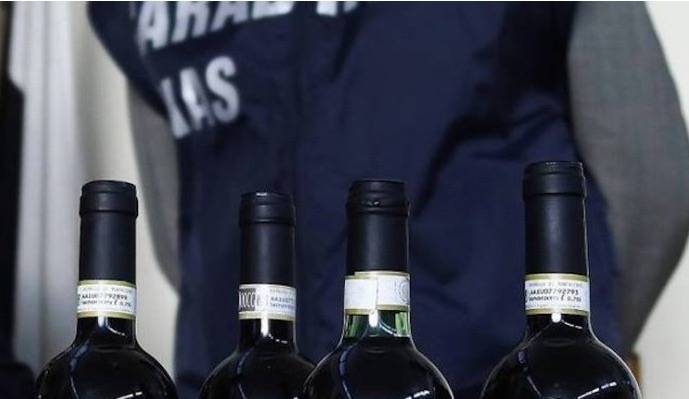
The Italian NAS Carabinieri of Florence (Arma dei Carabinieri), supported by Europol, took down a network of wine counterfeiters, selling online fake premium Italian wines. Law enforcement officers carried out raids in eight Italian provinces (Avellino, Barletta-Andria-Trani, Brescia, Como, Foggia, Pisa, Prato and Rome). The investigation discovered that low quality wines were refilled in bottles under original labels and then sold as real ones on a big online auction platform. The wines were sold in Belgium, France, Germany, Italy, Spain and the United States, often ending in the glasses of unaware customers of wine bars and catering services.  Bottles filled with fake The empty authentic bottles were gathered from restaurants and delivered mainly by two individuals working in the food industry. These bottles were then refilled with cheap wines from different origins, purchased online or at hard discount stores. Afterwards, the bottles were sealed with corks and counterfeit capsules of a different or similar colour to the original. Packaging films and false masking guarantee seals were finally applied to conceal the lack of distinctive signs on the capsules used for the counterfeit units. Once a contact with a buyer was established via the a big e-commerce platform, the counterfeiters expanded even further their promotional offers, setting prices way below the ones seen usually on the market. A magnum format (1.5 l) of some of the counterfeit wines typically exceeds € 1000 per bottle.   This action is part of operation OPSON IX. Europol’s Intellectual Property Crime Coordinated Coalition (IPC3) coordinated OPSON IX, facilitated the information exchange and provided technical and analytical support to the participating countries. The outcome of this action day will enable Europol to further develop the operation and provide the other countries involved with targeted information.  Europol’s IPC3 is co-funded by the EUIPO (European Union Intellectual Property Office) to combat intellectual property crime.  
Read full story →
Europol Jun 29, 08:30

2 500 tonnes of waste trafficked from the Canary Islands to Africa

An organised crime group has been dismantled by the Spanish Civil Guard SEPRONA, with the support of Europol and the Italian Carabinieri for illegally moving hazardous waste from the Canary Islands to several countries in Africa. Those arrested are also suspected of document fraud to carry out their illegal activities. The criminals loaded maritime containers with second-hand items, such as vehicle parts, household goods, and a huge amount of electrical waste and electronic equipment. The investigation carried out by the Spanish officers concluded that the unwanted electronics were shipped to several countries in Africa to be sold on to buyers there. The items sold were all obsolete and were not fit for use as the criminal network had primarily sourced the equipment from rubbish bins and on the street. One Italian woman was arrested while preparing the necessary customs clearance documents for the customs agency. The documents found included falsified certificates of the electrical devices.  In 2018 and 2019, the network shipped goods 138 times from the port of Tenerife (Canary Islands) to several countries in Africa. The total amount of hazardous waste illegally shipped during that period is estimated to be around 2 500 000 kg – over 750 000 kg of which was waste from electrical and electronic equipment. Europol’s support was key to cracking the case given the different nationalities of the suspects. Europol’s experts from the Environmental Crime Unit supported the investigation by providing operational analysis and expert liaison with third parties.   In 2010 the European Union set up a four-year Policy Cycle o ensure greater continuity in the fight against serious international and organised crime. In 2017 the Council of the EU decided to continue the EU Policy Cycle for the 2018 - 2021 period. It aims to tackle the most significant threats posed by organised and serious international crime to the EU. This is achieved by improving and strengthening cooperation between the relevant services of EU Member States, institutions and agencies, as well as non-EU countries and organisations, including the private sector where relevant. Environmental crime is one of the priorities for the Policy Cycle.
Read full story →
Europol Jun 26, 10:30

EMCDDA and Europol join EU institutions in dialogue on the impact of COVID-19 on the world drug situation

On the occasion of International day against drug abuse and illicit trafficking, the EMCDDA and Europol are joining representatives of the EU institutions today in providing the European perspective on the impact of COVID-19 on the world drug situation. The panel discussion will conclude a special event of the United Nations’ Commission on Narcotic Drugs (CND) and is co-sponsored by the European Union and the United Nations Office on Drugs and Crime (UNODC)(1). In a statement marking the day, European Commissioner for Migration, Home Affairs and Citizenship Ylva Johansson said: The route from drug producer, to distributer, to user, and indeed to money launderer, is becoming ever more sophisticated, more circuitous and more profitable. In recent years, illicit drugs have increased in availability, with technology enabling online trade, postal dispatch, and hidden profits throughout the EU. Modern organised crime needs a modern organised response. We will soon present a robust and ambitious EU action on tackling drug smugglers, improving prevention strategies and targeting those who profit from others’ addiction. Floriana Sipala, Head of the Organised Crime and Drugs Policy Unit at the European Commission, will present the opening remarks on the CND panel, followed by a speech from Europol Executive Director Catherine De Bolle. EMCDDA Director Alexis Goosdeel will deliver the closing remarks(2).  The EMCDDA and Europol have been ‘taking the pulse’ of the impact of COVID-19 on drug use, drug services and drug markets. In a report published last month(3), they explored drug market developments under the pandemic and their impact on public health and security in the EU. The analysis reported higher prices, local shortages and reduced purity for some drugs, while noting continued violence among suppliers and distributors. It also described how organised crime groups have remained active and resilient, by adapting transportation models, trafficking routes and concealment methods during the pandemic.   Speaking today, Catherine De Bolle said: The pandemic has had a major impact on our lives, and is slowing down our economy. Unfortunately, this downturn has not been seen in international drugs trafficking. While our legal economy is weakening, criminal markets have continued their business and have become even stronger, generating huge profits. The movement of bulk quantities of drugs to the European Union and between EU Member States has continued and seizures of illegal drugs in some EU countries during the first half of 2020 have been higher than in the same months of previous years. “More than ever, this worrying trend should motivate us to ensure that any recovery from the pandemic is accompanied by a strong and effective law enforcement response, combined with a sustained public health response. We need to collectively establish that drug traffickers do not benefit from the potential social and economic consequences of the crisis”, Executive Director De Bolle added. EMCDDA Director Alexis Goosdeel declared: The economic recession that we have in front of us is likely to be harmful in terms of mental and physical health and could result in a significant increase of substance use in the general population. It can be expected that it will amplify the negative consequences of the pandemic for people who are using drugs and for vulnerable groups in general. Therefore, it is of utmost importance to integrate drug-related services into the essential health services at national level, to provide adequate equipment and tools for frontline workers, and to maintain the funding and functioning of drug-related services in the post-pandemic period. Mr Goosdeel concluded: ‘The way in which the different services and authorities have been working together in the European Union in the times of this pandemic has shown that the “balanced approach” of the EU drugs policy has contributed to care and to protect, rather than to punish’. Notes: (1) For more, see CND event and programme.  (2) EMCDDA Director’s speech and EMCDDA event page. (3) EMCDDA–Europol report: EU Drug Markets — Impact of COVID-19. See also COVID-19 and drugs.  
Read full story →
Europol Jun 23, 10:02

Terrorism in the EU: geographically widespread and multifaceted

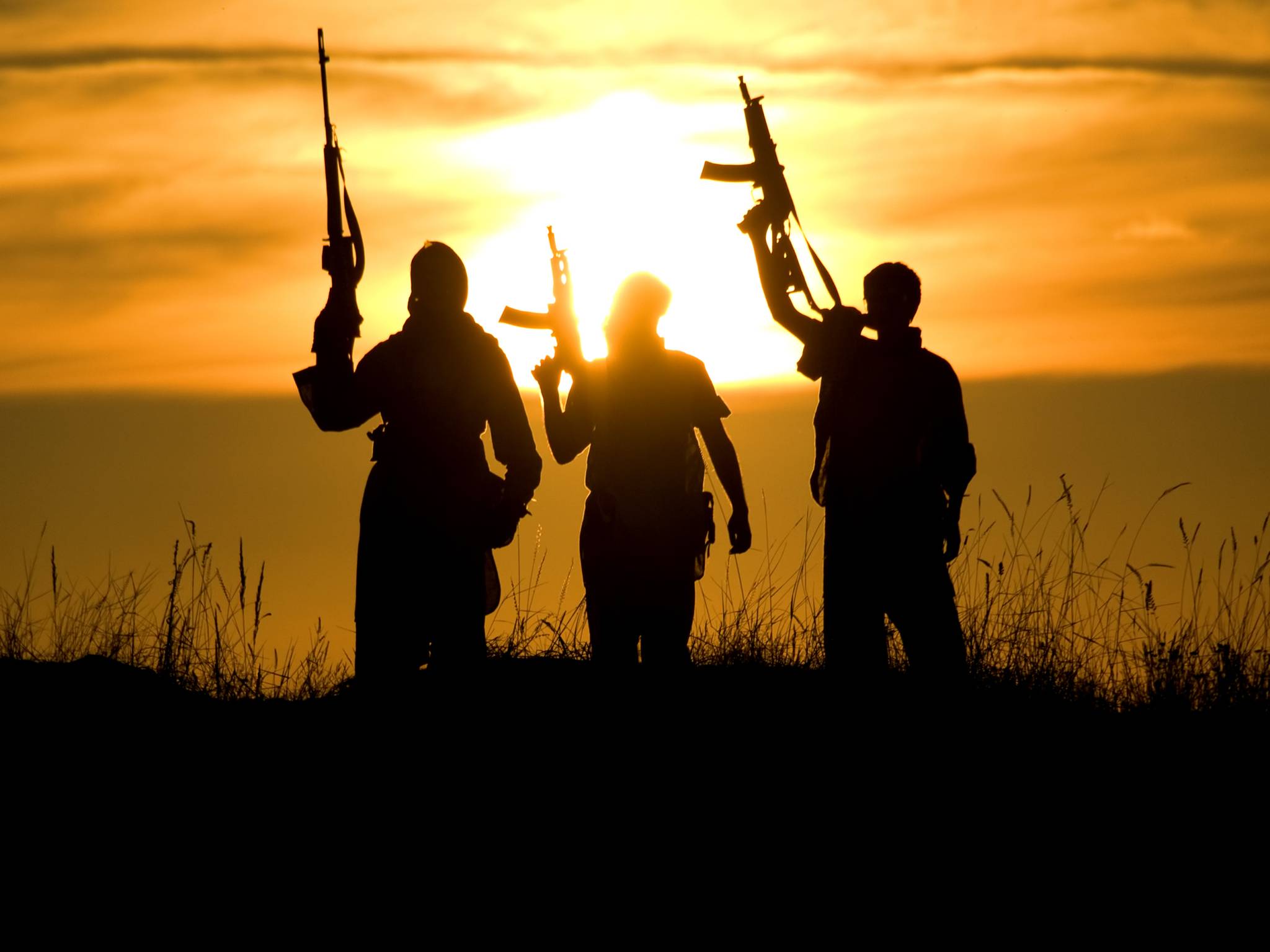
Terrorists’ ultimate goal is to undermine our societies and our democratic political systems. Terrorism generates fear, empowers political extremes and polarises societies.  Europol’s EU Terrorism Situation and Trend report (TE-SAT), published today, pulls together facts and figures on terrorist attacks and arrests in the EU in 2019:  A total of 119 foiled, failed and completed terrorist attacks were reported by a total of 13 EU Member States;  1 004 individuals were arrested on suspicion of terrorism-related offences in 19 EU Member States, with Belgium, France, Italy, Spain and the UK reporting the highest numbers; Ten people died because of terrorist attacks in the EU and 27 people were injured.  Vice-President for Promoting our European Way of Life, Margaritis Schinas, who is leading the European Commission’s work on developing a European Security Union Strategy, said: “Terrorism continues to be a threat for the world, Europe, our citizens, our security and our way of life. More than ever, the EU needs to intensify its counter-terrorist measures, information sharing and law enforcement cooperation both on the ground and online. We will present shortly a new EU Security Union Strategy to set out the areas where the Union can bring added value to support Member States in ensuring security – from combatting terrorism and organised crime, to preventing and detecting hybrid threats, to cybersecurity.” Ylva Johansson, EU Commissioner for Migration, Home Affairs and Citizenship, said: “We cannot afford to lower our guard in fighting terrorism threats, whether jihadists or right wing. Having law enforcement capabilities, tools and cross border cooperation that are fit for the digital age is key. That way, every person in the EU, irrespective of background, should feel safe against these threats”. Catherine De Bolle, Executive Director of Europol, said: “While many right-wing extremist groups across the EU have not resorted to violence, they contribute to a climate of fear and animosity against minority groups in our EU cities. Such a climate, built on xenophobia, hatred for Jews and Muslims, anti-feminism and anti-immigration sentiments, may lower the threshold for some radicalised individuals to use violence against people and property of minority groups as we have witnessed this all too often in recent months. My thoughts are with those people and their families who in 2019 suffered the consequences of terrorist and extremist violence. The ultimate goal of law enforcement officers is to save lives and minimise the number of victims of intolerance and political violence” Nearly all of deaths and 26 injuries were the result of jihadist attacks. One person was injured in a right-wing terrorist attack. In addition, several people were killed in right-wing extremist attacks. The number of jihadist attacks continued to see a decrease – meanwhile, right-wing attacks and, in particular, left-wing attacks saw an increase during 2019. Right-wing terrorism: online communication was observed to strengthen international links between right-wing extremists After a decline in reported attacks in 2018, in 2019 three EU Member States reported a total of six right-wing terrorist attacks (one completed, one failed, four foiled), compared to only one in 2018. Additionally, several attacks not classified as terrorism under national law committed by right-wing extremists were reported by Germany and claimed the lives of three people. Furthermore, last year right-wing attacks in Christchurch (New Zealand), Poway (USA), El Paso (USA), Bærum (Norway) and Halle (Germany) were part of a wave of violent incidents worldwide, the perpetrators of which were part of similar transnational online communities and took inspiration from one another. Violent right-wing extremists maintain international links, for example through participation in concerts and rallies marking historical events in a variety of EU Member States. Right-wing extremist ideology is not uniform and is fed from different sub-currents, united in their rejection of diversity and minority rights. One element of violent right-wing ideology is the belief in the superiority of the ‘white race’, which will have to fight a ‘race war’. Right-wing extremists deem this confrontation unavoidable to stop the alleged conspiracy by the ‘system’ to replace white populations through mass immigration. Jihadist terrorism: the situation in conflict areas outside Europe continued to impact the terrorism situation in Europe The so-called Islamic State (IS) lost its last territorial enclave in Syria, but transformed into an underground insurgency in Syria and Iraq and maintained its global network of affiliates. Hundreds of European citizens with links to IS remained in Iraq and Syria. Al-Qaeda again displayed its intent and ambition to strike Western targets, while its regional affiliates aim to integrate and coordinate populations and armed factions in conflict areas. Last year, eight EU Member States were hit by jihadist terrorist attacks. Left-wing and anarchist terrorism: Greece, Italy and Spain continued to be the epicentre for these attacks The number of left-wing and anarchist terrorist attacks in 2019 (26) reached the level of 2016 and 2017 after a decrease in 2018. All attacks took place in Greece, Italy or Spain. The number of arrests on suspicion of left-wing or anarchist terrorism in 2019 more than tripled, compared to previous years: from 34 in 2018 to 111 in 2019, due to a sharp increase in Italy. Private enterprises along with critical infrastructure and public/governmental institutions were among the most frequent targets for left-wing and anarchist terrorists and extremists. Violent left-wing and anarchist extremists continued to pose a threat to public order in a number of EU Member States. Support for Kurdish populations in Syria remained a central topic, and left-wing extremists and anarchists are believed to have travelled to join Kurdish militias in north-eastern Syria. How was terrorism funded last year? In 2019, several cases of funding the return of foreign terrorist fighters (FTFs) were observed. FTFs in conflict zones continued to seek financial support from people in Europe for the purpose of covering their expenses or even arranging their return back to Europe. Funding for terrorist groups outside Europe decreased compared to previous years, likely as a result of reduced opportunities for transferring funds to IS. Funds are transferred outside Europe mainly through cash, money services businesses or underground banking, such as hawala, and through combinations of these methods. The abuse of virtual currencies, although promoted by some terrorist groups, has been observed mainly to cover expenses of individuals or small cells. Extremist groups in Europe mainly receive funds from their base of supporters. Right-wing extremists, for example, continued to use a mix of traditional and innovative methods to finance their activities in 2019. Right-wing extremist groups collect fees from members and donations from supporters and sympathisers, via bank accounts, in cash during concerts or, rarely, through the production and distribution of propaganda material. The methods: firearms and explosives  The use of firearms and explosives continued to prevail in ethno-nationalist and separatist terrorist attacks and violent attacks inspired by right-wing ideology. Right-wing extremists and terrorists appeared to be increasingly interested in acquiring knowledge regarding the use of explosives. The explosive devices used in left-wing and anarchist extremist attacks were made from an array of readily available materials.  On the other hand, jihadist terrorists were also observed to show a growing interest in the use of firearms and explosives in addition to bladed weapons. Homemade explosives continued to be used in most of the explosive-related cases suspected of being linked to jihadist terrorism. Knowledge on how to make HMEs was for the most part transferred or facilitated online, including via encrypted cloud-based instant messaging services and social networking sites.  In the EU, there is little evidence to suggest that a nexus between organised crime and terrorism exists on a systematic and formalised basis. However, there are indications of a transaction-based convergence of low-level criminals and extremists, who frequently overlap socially in marginalised areas.  Terrorist propaganda continued to be produced in 2019 Both jihadist and right-wing extremist propaganda incite individuals to perpetrate acts of violence autonomously and praise perpetrators as ‘martyrs’ or ‘saints’, respectively. The impact of official IS media decreased, in terms of volume, content, potency and immediacy, following the loss of most of its territory, media production facilities and personnel. Nevertheless, content supporting IS and containing threats continued to be produced by online supporters of the group under a variety of self-styled online propaganda outlets. Such supporter-generated content and recycled material was continuously disseminated in 2019, thereby partially supplementing the decreased production capacity of official IS media. The measures taken by social media platforms to counter the spread of terrorist propaganda led some groups, to return to ‘traditional’ ways of online communication, including websites and news portals. Suspects arrested for terrorist propaganda in Europe sometimes had a long involvement in jihadist activities. Europol has produced the TE-SAT, the EU Terrorism Situation and Trend Report, since 2007. The European Counter Terrorism Centre (ECTC) was established in early 2016 introducing policy and organisational coherence to Europol’s support to the EU Member States’ fight against terrorism. Europol acts as a central hub of expertise working to provide an effective response to terrorism.  DOWNLOAD THE TE-SAT 2020 REPORT HERE  
Read full story →
Europol Jun 19, 10:02

Exploiting isolation: sexual predators increasingly targeting children during COVID pandemic

Video calls with friends and family, social media interaction, online games, educational use: during the corona lockdown children’s lives promptly shifted even further from the real world into an online virtual one. Sex offenders have found in this development a tempting opportunity to access a broader group of potential victims. The report published today by Europol shines a light on the increased sharing of child sexual exploitation images online and how to confront this serious threat to children’s safety. To confront this threat, law enforcement has also increased its efforts to tackle this severe crime, which sees a child being re-victimised every time an image is shared.   Exchange of abuse material in sharp increase during COVID-19 pandemic With both children and sexual offenders confined at home, law enforcement authorities have seen in the past few months the amount of child sexual exploitation material shared online increasing globally. Sex offenders have increased their criminal activities in social media, via peer-to-peer networks and on the darkweb. Attempts to access websites featuring child sexual abuse material, calls to helplines and activities in dark net and surface web chats sharing child abuse material have all increased during the confinement period. In some countries, more sexual abuse offences, such as online solicitation and sextortion, have also been reported.    Offenders hunting for self-generated content Webcam videos have considerably increased in offenders’ forums. This includes videos depicting forced or coerced children, videos produced by children for peers or for social media attention or others which were captured without their knowledge. Video “competitions” organised in child sexual exploitation web forums may have also influenced the increase of exchanged images. The monitoring of these forums shows that abusers were quick to realise the enhanced vulnerability of children being more online. On these forums, offenders exchange not only abuse material, but also “best practices” on how to trick and coerce more victims.  The COVID-19 effect on children’s safety  Although the exchange of child abuse material is usually not motivated by financial gains, offenders pay for some forms of it, such as live distant child abuse. Through livestreaming, offenders unable to travel due, for example, to corona restrictions can have children abused at their request. Child abuse material content can also be disguised behind advertisements bringing criminals profits with a “pay per click” formula. The economic slow-down related to the pandemic may stimulate an increase of child abuse material produced within vulnerable communities for economic gain. With more offenders online, the exchange of abuse material may continue to increase and new victims, abused during the confinement, are yet to be identified.       Educate children and prevent the crime Europol is monitoring the threat and providing continuous support to Member States to identify offenders and victims. With its “Trace an object” campaign, Europol has involved the public in providing leads for the identification of victims and offenders. The Europe wide #SayNo campaign brings awareness to children on the dangers they face sharing explicit material online. As previously reported by Europol, self-generated explicit material represents a significant threat to children’s safety. Society, including law enforcement, needs to focus even more on educating children and prevent them from becoming victims at the first place. Resources are available for individuals with a sexual interest in children to help them divert their behaviour from becoming a destructive reality.  How to act and prevent? See Staying Safe During Covid-19: What You Need To Know  Europol’s Executive Director Catherine De Bolle said, “The COVID-19 crisis has resulted in a surge in online distribution of child sexual abuse material, which was already at high levels prior to the pandemic. The harm resulting from being a victim of this crime is severe, and every time a picture or video is shared, this results in repeat victimisation. The impact of this crime area can hardly be overstated and an effective response is of utmost importance.”
Read full story →

Europol Jun 18, 09:00

Two print shops producing fake EU documents dismantled in Paris

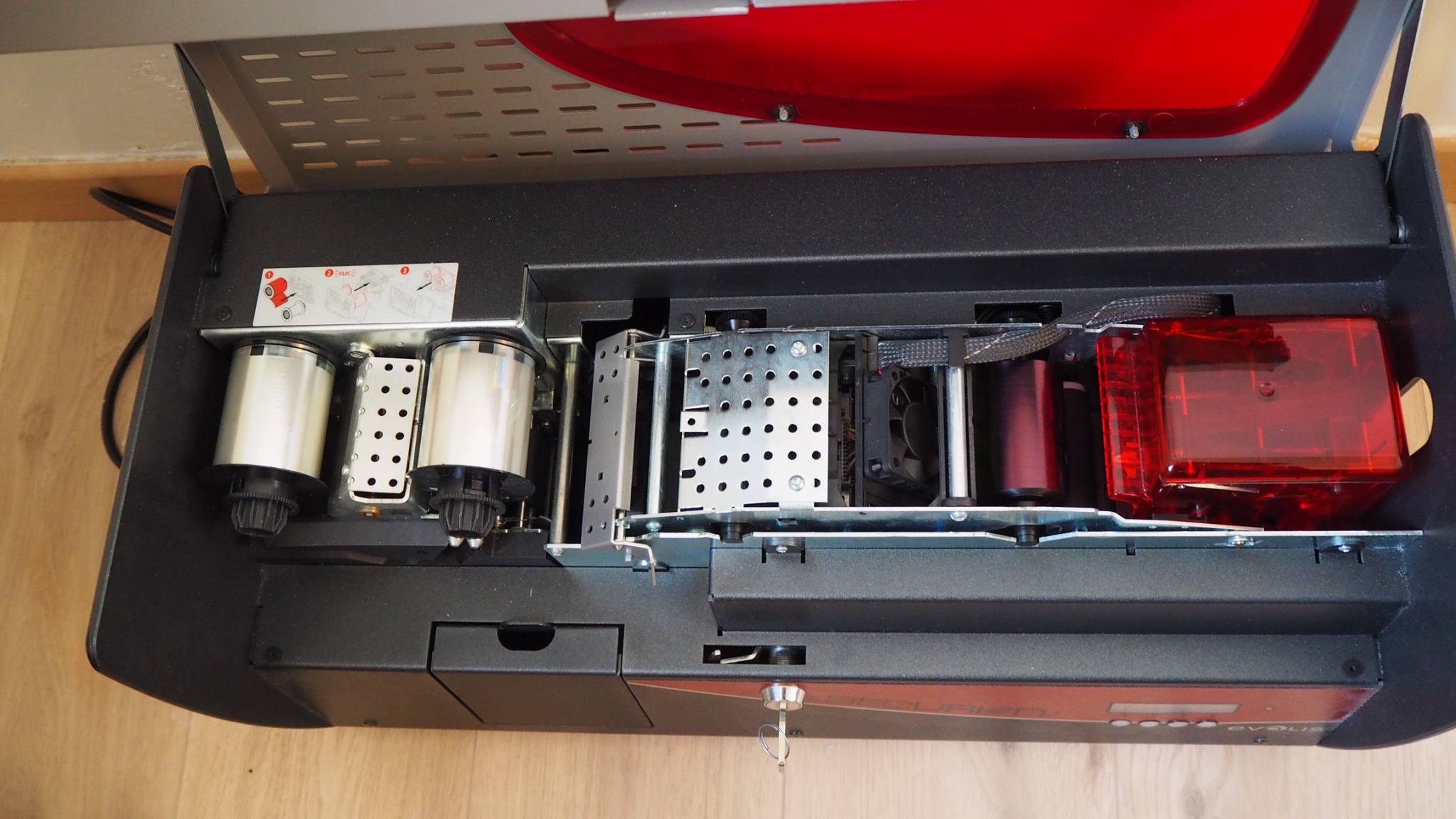
The French Border Police (Police Aux Frontières) within the French National Police (Police Nationale), supported by Europol, dismantled a large criminal network involved in document fraud.  On the action days, 16 and 17 June, officers from the French Border Police raided four houses and arrested three individuals suspected of forgery of documents. During the house searches technical equipment such as a dye diffusion thermal re-transfer printer, two laminators, 1150 blank plastic supports for ID cards and driving licences, holographic bands, as well as sixteen counterfeited ID cards (Belgium, Spanish and Italian), ID photos of customers and forged breeder documents were seized. Active since 2019, the criminal group composed of Algerian nationals was based in Paris and Marseille. Two print shops and two individuals, suspected of document forgery, were identified in Paris, while several intermediaries were targeted in Marseille. The organiser of the illegal activity was connecting intermediaries and forgers producing Belgium, French, Italian and Spanish fake driving licences and identity cards. Active across Europe, the criminal network was at the beginning also collecting and redistributing stolen and lost documents. Used by migrant smugglers to facilitate their criminal activity, some of these documents were sent to Greece in 2019.  Europol supported the operation by facilitating information exchange and providing analytical support. On the two action days, Europol deployed an expert to France to provide expertise and cross-check in real time operational information against Europol’s databases and provide leads to investigators in the field. The operation was developed under the framework of the EMPACT Joint Operational Team DOC FRAUD, focusing on document fraud challenges in the framework of facilitation of illegal immigration. The documents seized will be registered into ProfID database to make crosschecks with the other countries impacted. Counterfeit documents facilitate migrant smuggling activities by providing false identity for illegal entry or stay in the EU.   In 2010 the European Union set up a four-year Policy Cycle to ensure greater continuity in the fight against serious international and organised crime. In 2017 the Council of the EU decided to continue the EU Policy Cycle for the 2018 - 2021 period. It aims to tackle the most significant threats posed by organised and serious international crime to the EU. This is achieved by improving and strengthening cooperation between the relevant services of EU Member States, institutions and agencies, as well as non-EU countries and organisations, including the private sector where relevant. Facilitation of illegal immigration is one of the priorities for the Policy Cycle.    
Read full story →

Europol Jun 11, 12:33

Individual arrested in Madrid for transferring money to Syria to fund the return of foreign terrorist fighters to Europe

On 9 June 2020, Europol supported the Spanish National Police (Policía Nacional) in arresting a man in Madrid suspected of transferring money between several European and Arabian countries via the Hawala informal money transfer system with the aim of reintroducing foreign terrorist fighters in Europe. Seeking for economic support online The information gathered from previous successful operations led the Spanish officers to locate this individual and to identify him as being part of a transnational financial network with links in Europe, the Middle East and North Africa. Despite his young age, the arrestee was experienced in transferring money from supporters of the so-called Islamic State to Syria - where the terrorist leaders are suspected of financially supporting the return to Europe of foreign terrorist fighters. At the same time, these foreign fighters are suspected of using social media networks to collect money to support the so-called Islamic State: once they found a possible investor, they would put that person in touch with the leaders in Syria. A house search was carried out during the action day, alongside the seizure of a vehicle in which the officers found relevant material for the investigation.  During the action day, an expert from Europol’s European Counter Terrorism Centre was deployed to Madrid to provide on-the-spot support and the analysis of the seized data. 
Read full story →

Europol Jun 10, 08:00

Illegal streaming service with over 2 million subscribers worldwide switched off

The Spanish National Police (Policía Nacional) dismantled a large criminal network illegally distributing audio-visual content in Europe, Asia and the Middle East and laundering the criminal proceeds. The investigation, supported by Europol and Eurojust, also involved law enforcement authorities from Belgium, Canada, Czechia, Denmark, France, Italy, Germany, Luxembourg, Netherlands, Poland, Romania, Sweden, the United Kingdom, and the United States. On the action day on 3 June 2020, law enforcement authorities across the EU carried out 15 house searches, arrested 11 individuals (4 in Spain, 1 in Germany, 3 in Sweden, 3 in Denmark) and interrogated 16 others for their possible involvement in the illegal scheme. The suspected leader of the criminal network is among the arrested individuals.  The actions resulted in the seizure of €4.8 million, including properties worth more than two million euros, four cars worth about half a million euros, luxury watches, cash, cryptocurrencies and electronic equipment. Law enforcement authorities took down 50 IP addresses and part of the online criminal infrastructure while 11 bank accounts totalling €1.1 million were also frozen. Over 40 000 TV channels, movies and series were broadcasted illegally  The investigation into the activities of the criminal network started in 2019 when the Spanish National Police detected several websites illegally distributing audio-visual content in different countries across Europe, Asia and the Middle East. The distribution of the illegal services, in breach with intellectual property rights, was set-up via Internet Protocol Television (IPTV) and managed from Spain. The criminal network was offering illegally more than 40 000 TV channels, movies, documentaries and other digital content via websites hosted on an international network of servers. The illegal service was made available through an attractive web environment at prices much more competitive than the ones on the legal market. The criminal network had even put in place a sophisticated technical assistance and quality control through an own customer support online platform. More than 2 million subscribers were receiving these illegal services totalling the profits for the criminal network at an estimated €15 million. The investigation focused on shutting down the servers and disconnecting the IP addresses, and obtaining relevant information to effectively dismantle the criminal group.  Europol assisted the investigation by facilitating the information exchange and supporting the financial investigation. During the action day, a Virtual Command Post was set-up at Europol to facilitate the operational coordination and the real-time information exchange and operational analysis against Europol’s databases. This is a first example of the synergies created by the merger of different teams comprised of economic and financial experts under the new European Financial and Economic Crime Centre recently created at Europol. Europol’s IPC3 (Intellectual Property Crime Coordinated Coalition) which supported the investigation is a project co-funded by the EUIPO to combat Intellectual Property Crime.
Read full story →

Europol Jun 5, 17:45

Spanish High Value Target arrested in Dubai

An intense cooperation between the Dubai State Security Agency, European Law Enforcement, ENFAST and Europol has led to the arrest of a high value target wanted under an international arrest warrant issued by Spain. The fugitive was apprehended by the State Security Agency in Dubai. Europol, the European Law Enforcement Agency, successfully coordinated the highly specialised investigative operation. The fugitive committed two homicide in the Spanish towns of San Pedro Alcántara and Estepona in 2018. He then fled to Morocco and later travel on to Dubai, where he took extraordinary security measures not only in his communications but also in his daily life in order to avoid leaving a trace. The investigators of the Spanish National Police used the European Network of Fugitive Active Search Teams (ENFAST) to turn the case into a High Value Target operation at Europol.  Targeted actions and effective intelligence exchange, supported by Europol, enabled the Dubai State Security Agency to successfully identify, locate and apprehend the international criminal fugitive in order to be extradited to Spain.
Read full story →

Europol Jun 5, 13:54

Arrest in Spain for dissemination of jihadist terrorist propaganda

On 3 June 2020, Europol supported the Spanish National Police (Policía Nacional) in arresting a man in Madrid on suspicion of radicalisation and for dissemination of jihadist terrorist propaganda via the internet. The individual’s constant activity on social media where he glorified the so-called Islamic State (IS) attacks brought him to the attention of investigators. Whilst under surveillance, he showed a high level of radicalisation in his closed circle, and demonstrated a full adherence to the postulates of terrorist groups, fully justifying their violent actions. The suspect, of Moroccan origin and resident in Spain, used his computer know-how to anonymously access radical jihadist content and communicate directly with foreign fighters in Syria. During the action day, an expert from Europol’s European Counter Terrorism Centre were deployed to Madrid  to provide on-the-spot support. This enabled real-time information exchange, and cross-checks of the data gathered against Europol’s databases.
Read full story →
Europol Jun 5, 08:00

Europol launches the European Financial and Economic Crime Centre

Today Europol launched the new European Financial and Economic Crime Centre (EFECC). The Centre will enhance the operational support provided to the EU Member States and EU bodies in the fields of financial and economic crime and promote the systematic use of financial investigations. The new EFECC has been set up within the current organisational structure of Europol that is already playing an important part in the European response to financial and economic crime and will be staffed with 65 international experts and analysts.  Economic and financial crimes are a highly complex and a significant threat affecting millions of individual EU citizens and thousands of companies in the EU every year. In addition: money laundering and criminal finances are the engines of organised crime, without them criminals would not be able to make use of the illicit profits they generate with the various serious and organised crime activities carried out in the EU. According to previous reports by Europol, 98.9% of estimated criminal profits are not confiscated and remain at the disposal of criminals.  Furthermore, the COVID-19 pandemic in Europe has provided ample evidence that criminals are quick to adapt their criminal schemes to changing conditions to exploit fears and vulnerabilities. Economic stimuli such as those proposed in the wake of the COVID-19 pandemic will be targeted by criminals seeking to defraud public funding. To effectively disrupt and deter criminals involved in serious and organised crime, law enforcement authorities need to follow the money trail as a regular part of their criminal investigations with the objective of seizing criminal profits. The Croatian Presidency of the Council of the European Union said on the occasion of the launch of the European Financial and Economic Crime Centre (EFECC): “Enhancing financial investigations to fight serious and organised crime has been one of the priorities of the Croatian Presidency of the Council of the European Union. In this respect, the Croatian Presidency has coordinated the efforts towards the adoption of the Council Conclusions on enhancing financial investigation to fight serious and organised crime, calling on Europol to create a dedicated structure to support the cooperation among law enforcement authorities in their fight against fraud, money laundering, corruption and counterfeiting, while systematically promoting the recovery of criminal assets across the EU and beyond. Reiterating the importance of our common effort to create efficient mechanisms to strengthen financial investigations and asset recovery, suppression of money laundering and financing of terrorism, the Croatian Presidency welcomes the opening of the European Financial and Economic Crime Centre (EFECC).“  Ylva Johansson, EU Commissioner for Migration, Home Affairs and Citizenship, said: “The centre we are launching today will help step up financial investigations across the EU. Financial and economic crime harms us all and doesn’t stop at national borders. And it’s often a key activity of organised crime groups that we can uncover if we follow the money. With our new centre, we’ll be better equipped to fight economic crime together.” Vice-President for Promoting our European Way of Life, Margaritis Schinas, who is leading the European Commission’s work on developing a European Security Union Strategy, said: “After the launch of the Cybercrime Centre in 2013 and the Counterterrorism Centre in 2016, today we are making a decisive step in the fight against financial and economic crime. The EU will leave no stone unturned to hit criminals where it hurts the most. With the new European Financial and Economic Crime Centre inside Europol, we will ensure that financial and economic crime does not pay.” Catherine De Bolle, Executive Director of Europol; said: “The fallout from the COVID-19 pandemic has weakened our economy and created new vulnerabilities from which crime can emerge. Economic and financial crime, such as various types of fraud, money laundering, intellectual property crime, and currency counterfeiting, is particularly threatening during times of economic crisis. Unfortunately, this is also when they become most prevalent. The European Economic and Financial Crime Centre (EFECC) at Europol will strengthen Europol’s ability to support Member States’ and partner countries’ law enforcement authorities in fighting the criminals seeking to profit from economic hardship. EFECC will serve as a platform and toolbox for financial investigators across Europe. We look forward to making lasting partnerships with them and fighting economic and financial crime together. Wim Mijs, CEO of the European Banking Federation (EBF), said he is extremely happy that economic and financial crime will now be tackled by a fully dedicated centre within Europol. “Financial crime undermines the stability of the banking sector and is a serious threat to the whole society. The fight against dirty money aims to cut off resources to organised crime gangs and terrorists and is hence of the utmost importance. At the forefront of this fight, EBF is a trusted partner of Europol and therefore very much welcomes that this cooperation will now benefit from the support of an even more adequate structure and resources”. Tim Adams, President and CEO of the Institute of International Finance (IIF) said: “The creation of the European Economic and Financial Crime Centre (EFECC) at Europol is a critical step to counter the threats posed by illicit flows through the international financial system. The IIF, and the industry broadly, has called for an intelligence-led approach to financial crime, and meaningful initiatives like EFECC are essential to improving outcomes. I urge policymakers to continue their focus on improving effectiveness in the fight against criminal financial activity in partnership with the private sector, as the impacts of financial crime constitute a grave threat to society as a whole.” The exponential increase of financial and economic crime and the involvement of organised crime on a large scale, together with the number of requests for operational support from EU Member States, called for an adequate and coordinated European response. A strategic report published today provides an overview of the most threatening phenomena in the area of economic and financial crime including various types of fraud, the production and distribution of counterfeit goods, money laundering and others. Europol launched the European Financial and Economic Crime Centre at a press conference at its headquarters, modelled along the lines of similar initiatives such as the European Cybercrime Centre (EC3) the European Counter Terrorism Centre (ECTC), the European Migrant Smuggling Centre (EMSC) and the European Serious Organised Crime Centre (ESOCC) hosted at Europol.   
Read full story →
Europol Jun 4, 08:37

The most recent fishing season sees 108 smugglers arrested and over 2 tonnes of glass eels seized in Europe

On the occasion of the World Environment Day, which takes places tomorrow, Europol marks this day by promoting environmental action and its commitment to support EU Member States in tackling environmental crime. The annual Operation Lake aims to combat trafficking of endangered species in the EU and to dismantle violent organised crime groups involved in associated illegal activities, such as environmental crime, smuggling, money laundering, tax evasion and document counterfeiting.The fourth edition of Operation Lake ran from October 2019 to April 2020 and Europol, the EU Wildlife / CITES Enforcement Group, EnviCrimeNet and the EU FOOD FRAUD network coordinated law enforcement authorities from 19 countries* across Europe. The result was the arrest of 108 suspected smugglers, the seizure of 2 013kg of smuggled glass eels with an estimated value of €6.2 million. The rescued animals were reintroduced into their natural habitat to preserve this endangered species. This year’s operation became more challenging for the police officers as the fishing season took place during the COVID-19 lockdown in China. This made the links between the EU and the Asian country more complicated and had an impact on all transactions including illegal ones.*Albania, Belgium, Bosnia and Herzegovina, Bulgaria, Czechia, France, Georgia, Germany, Italy, Latvia, Lithuania, the Netherlands, North Macedonia, Portugal, Serbia, Spain, Switzerland, Sweden and the United Kingdom.6 560 actions in one weekThe results of all the checks and investigations related to glass eels smuggling during the operation were enhanced by a joint action week in February with 6 560 actions taken in the fishing zone, ports, airports and roads - this led to the seizure of over 320kg smuggled species with an estimated value of €490 000.Operational highlightsIn France, the National Gendarmerie, French Customs and the French Central Office against Environmental and Public Health Crime (Gendarmerie nationale, Direction générale des douanes et droits indirects and Office français de la biodiversité) arrested 26 people involved in the smuggling of this species.In Italy, the Guardia di Finanza seized 550 kg of anguilla anguilla from October 2019 to April 2020. During the action week, as the national competent authority for customs controls on international trade in endangered species of wild fauna and flora (CITES), the Guardia di Finanza carried out coordinated checks within Italian airports and in other customs areas involved in the operation.The Portuguese Food Safety and Economic Authority (ASAE), the Tax and Customs Authority (Autoridade Tributária e Aduaneira), the Portuguese National Republican Guard (Guarda Nacional Republicana), the Public Security Police (PSP) and the Portuguese Maritime Police (Sistema de Autoridade Marítima) carried out dozens of arrests and seized hundreds of kilos of glass eels. The Portuguese Republican National Guard arrested 23 individuals and reported 62 suspects for the crime of damage against nature. Portuguese Customs made two seizures with around 200 kg. One of the most significant cases took place in Porto, Braga and Aveiro where the officers seized around 400kg of glass eels – worth it in €2 million. The Portuguese Maritime Police also dismantled two facilities: one dedicated to the production of illegal fishing equipment and another for the preparation and illicit transport of this species via air.The Swedish Customs Administration (Tullverket) carried out checks during the Joint Action Week and found 10kg of smoked eels in transit to Norway. The DNA tests in 5 out of 25 packages showed that these smoked glass eels were Japanese eels (anguilla japonica) and not anguilla anguilla, European glass eels.The Spanish Civil Guard SEPRONA (Guardia Civil) under the Europol’s coordination arrested 56 smugglers, reported 81 individuals and seized more than 722kg of glass eels. During the action week, the Spanish authorities carried out more than 2 000 actions.Different law enforcement authorities from the United Kingdom were involved in the operation by sharing intelligence with Europol. The National Wildlife Crime Unit, UK Border Force, Environment Agency, Centre for Environment Fisheries and Aquaculture Science and the Department of Agriculture, Environment and Rural Affairs from Northern Ireland met at the beginning of the season –which starts later than in southern Europe countries – to set out plans to target inspections in the UK. Watch the videos: Video 1 - Video 2 Europol against environmental crimeGlass eel trafficking is one of the most devastating crimes against wildlife worldwide. Operation Lake is Europol’s flagship environmental crime operation, starting with just four countries in 2016, 15 new law enforcement authorities joined forces in 2020. The European eel population has decreased by 90% in recent years. Law enforcement activities against eel trafficking could be partly responsible for preventing the species from being wiped out.This is the fourth time Europol experts on environmental crime have coordinated a hit against glass eel trafficking by holding coordination and operational meetings and providing analytical support and mobile office deployment to contribute to the success of the investigations in the countries involved.Since 1974, every year on 5 June World Environment Day shines a light on environmental action and Europol is committed to supporting EU Member States in tackling environmental crime.Environmental crime is one of the EMPACT priorities, Europol’s priority crime areas as part of the 2018–2021 EU Policy Cycle. This covers a range of activities that breach environmental legislation and cause significant harm or risk to the environment and/or human health.In 2010 the European Union set up a four-year Policy Cycle to ensure greater continuity in the fight against serious international and organised crime. In March 2017 the Council of the EU decided to continue the EU Policy Cycle for organised and serious international crime for the 2018 - 2021 period. This multiannual Policy Cycle aims to tackle the most significant threats posed by organised and serious international crime to the EU in a coherent and methodological manner. This is achieved by improving and strengthening cooperation between the relevant services of EU Member States, institutions and agencies, as well as non-EU countries and organisations, including the private sector where relevant. Environmental crime is one of the priorities for the Policy Cycle.  
Read full story →
Europol Jun 3, 07:00

A record number of 1 346 tonnes of illegal pesticides taken off the market in 2020 global operation Silver Axe

Europol coordinated the fifth edition of operation Silver Axe which saw twice the amount of illegal products seized compared to last year’s operation. The yearly law enforcement operation, which targets the counterfeit and illicit trade of pesticides, took place between 13 January and 25 April and involved 32 countries. Law enforcement authorities carried out inspections on land and sea borders, inland marketplaces and parcel deliveries, checking more than 3 000 tonnes of pesticides. Altogether, 260 investigations were opened, two individuals arrested and 1 346 tonnes of illegal pesticides seized. Currently, 8 investigations are still ongoing in Belgium, France, Germany, Poland, Slovenia and Switzerland.  Operation Silver Axe V led to the seizure of 1 346 tonnes of illegal pesticides. This quantity could be enough to spray 207 000 km2, or more than all the farmland in Germany which accounts for nearly half the country, almost 75% of farmland in France or more than 150% of the farmland of Romania*. Pesticides worth up to €94 million in criminal profits seized A European study** estimates between 10% and 14% of the EU pesticide market is affected by this illegal trade and criminals netting up to €70 for every trafficked kilogram of illegal pesticides. Some of the organised crime groups trafficking pesticides are also involved in other illegal activities such as trafficking counterfeited cigarettes and illegally trading pharmaceuticals.  Pesticides are one of the most regulated products in the world: they target harmful organisms in plants but are safe for humans and the environment. Illegal pesticides, however, could pose a risk to human health and the environment, which cannot tell us how much damage it really suffers from such toxic substances. The abuse in the trade of illegal pesticides varies from trafficking counterfeit or mislabelled products to the irregular import of banned substances such as chlorpyrifos, specifically targeted during Silver Axe V.  Some of Silver Axe V’s successes include: non-authorised pesticides to Cyprus  from Switzerland intercepted in Belgium;  seizing non-labelled products which were found in small consignments in Poland; Italian authorities seizing 16.9 tonnes of counterfeit pesticides worth €300 000, which were found in a warehouse in the Italian province of Viterbo. 2 568 tonnes of illegal pesticides seized over five Silver Axe operations To respond more efficiently to this threat, a European coordinated approach was developed with the launch of the first operation Silver Axe in 2015. The past five operations have seen a total amount at 2 568 tonnes of illegal pesticides seized. This important international cooperation and the common efforts of the public and private sector have been crucial for the success of the operational activities. Europol supported the overall coordination of the operation, facilitating the information exchange and providing operational and strategic analytical support.  EUIPO, European Anti-Fraud Office (OLAF), the European Commission’s DG responsible for policies on health and food safety, DG SANTE, and from the private sector the European Crop Protection Association (ECPA), the European Crop Care Association (ECCA) and Croplife International contributed in full for the success of Silver Axe V. They joined forces with 32 countries in total, 26 EU Member States (Austria, Belgium, Bulgaria, Croatia, Cyprus, Czechia, Denmark, Estonia, France, Finland, Germany, Greece, Hungary, Ireland, Italy, Latvia, Lithuania, Luxembourg, Malta, the Netherlands, Poland, Portugal, Romania, Slovak Republic, Slovenia, Spain and six non-EU cooperating countries (Australia, Colombia, Switzerland, Ukraine, United Kingdom and the United States).  Catherine De Bolle, Europol’s Executive Director said: “The record number of seizures brought by the fifth edition of operation Silver Axe clearly shows the effectiveness of international cooperation. Since its launch in 2015, the operation has gathered a growing number of countries, EU bodies and private sector representatives to fight this emerging trafficking trend together for the benefit of the human health and the planet on which we live. Our alliance against illegal pesticides is crucial to protect humans, wildlife and nature and preserve the future of the generations to come.” EUIPO Executive Director Christian Archambeau said: “Counterfeit pesticides are a key example of the hazards that fake products pose to the citizens, consumers and the environment. Europol and its IPC3 unit are to be congratulated for their essential operations against the plague of counterfeits. Seizures on this scale make it even more urgent that IP crime is recognised as a priority area for enforcement action against organised international crime.” Géraldine Kutas, Director General of ECPA said: “Selling counterfeit pesticides has quietly grown into one of the world’s most lucrative and least understood criminal enterprises. This is not just an issue for our companies, whose products are being counterfeited, but more significantly poses a risk to health and the environment as these illegal substances do not go through the rigorous safety tests that are required to place pesticides on the market. We are pleased to see the continued success of Operation Silver Axe and are grateful to Europol, EUIPO, DG SANTE and OLAF for taking a lead on this important issue.” * Estimation of the possible use rate of the found products; Surface of farmlands, Eurostat, 2016 ** https://euipo.europa.eu/ohimportal/en/web/observatory/ipr-infringement-pesticides-sector   https://ec.europa.eu/food/sites/food/files/plant/docs/pesticides_ppp_illegal-ppps-study.pdf     
Read full story →
Europol Jun 2, 09:32

Capture20: policing in times of pandemic

Capture20 is this year’s edition of Europol’s photo competition. The 2020 edition comes at a time of unprecedented crisis for our communities and the law enforcement officers tasked with protecting them. At times, it seems as though COVID-19 has penetrated every aspect of our daily lives. It is no different for law enforcement: as criminals have quickly adapted their techniques to exploit our fears around the COVID-19 pandemic, policing must adapt too. Europol is inviting professional and amateur photographers working for law enforcement authorities to show the changing routines of police officers and their work to ease the impact of the virus on citizens across Europe and beyond. Law enforcement officers with an eye for photography can submit up to five photos in two categories. Two winning photos will be selected and the lucky photographers will win a free trip to the Netherlands: Making Europe safer: Show us how police officers carry out their job on a daily basis to fight crime: training exercises, manoeuvres, law enforcement pictured in abstract and artistic form. COVID-19 pandemic policing: Share your stories from the front line of this unprecedented crisis: show us how police are adjusting their work to the ‘new normal’ to ensure the safety of European citizens. Closing date: 15 August 2020 For full details on how to participate, please visit the competition page Entries will be used in Europol publications, including calendars, social media and other communication products, as has been the case previously.
Read full story →

Europol May 29, 10:32

EU Drug Markets: Impact of COVID-19

What effect is COVID-19 having on the largest criminal market in the EU?  This question is explored in EU Drug Markets: Impact of COVID-19, a new report out today from the EU drugs agency (EMCDDA) and Europol.The analysis reports higher prices, local shortages and reduced purity for some drugs, while noting continued violence among suppliers and distributors. It also shows how organised crime groups remain active and resilient, by ‘adapting transportation models, trafficking routes and concealment methods’, even during the pandemic.     The two EU agencies have joined forces to improve understanding of drug market developments under COVID-19 and their impact on internal security and public health in the EU. The findings are based on opinions collected through a targeted EMCDDA online survey of drug experts in the EU Member States, Europol’s operational intelligence gathering on organised crime and structured monitoring of open source information.  According to the report, disruption to the drug trafficking supply chain is seen mostly at the distribution level, due to social distancing measures within the EU. With street dealing severely affected by restrictions on movement, consumers and dealers are increasingly turning to alternative methods, including the use of darknet markets, social media platforms and encrypted communication apps, with cashless payments and fewer face-to-face interactions. But while the logistics may have changed, the movement of bulk quantities of drugs between EU Member States has not ceased, despite border controls, due to the continued commercial transportation of goods across Europe.  There is less evidence of disruption at the wholesale importation level. Drug trafficking by maritime shipping continues at levels similar to the pre-pandemic period, although there has been a marked disruption in smuggling by air passenger transport. Cocaine trafficking via maritime shipping containers continues at levels comparable to 2019 and the number of cocaine seizures in some countries has increased. Heroin trafficking appears to continue along many of the known routes (e.g. Balkan route).  COVID-19 has exacerbated already ongoing disruption to the cannabis resin supply chain from Morocco into the EU. This, along with stockpiling of herbal cannabis by consumers, has led to some cannabis shortages and rising prices. Localised shortages of heroin have also been reported, which could lead to a switch to alternative substances (e.g. synthetic opioids). While the demand for cannabis and heroin remain largely stable, demand for synthetic drugs used in recreational settings has ‘significantly diminished’, due to the closure of clubs, nightlife settings and music events. Despite this, the production of synthetic drugs has continued. Europol Executive Director Catherine De Bolle says: ‘The pandemic has had a major impact on our lives and is slowing down our economy. However, this economic trend has not been seen in international drug trafficking. These illegal markets continue to generate huge profits, including during the pandemic. Seizures of illegal drugs in some EU countries during the first half of 2020 have been higher than in the same months of previous years. More than ever, these findings should motivate us to ensure that any recovery from the pandemic is accompanied by a strong and effective international law enforcement response. We need to establish that drug traffickers do not benefit from the potential social and economic consequences of the current crisis’.  EMCDDA Director Alexis Goosdeel says: ‘COVID-19 is an unparalleled public health emergency and one that has had ramifications across all areas of modern life. This report provides valuable insights into the short-term impact of the pandemic on the EU drug market and will help us prepare for longer-term repercussions. The economic effect of the crisis is likely to make some in our communities more vulnerable to both drug problems and drug market involvement. Furthermore, the growth of online dealing and encrypted communication will place greater strains on law enforcement. In the post-pandemic period, we are likely to see greater volatility, competition and violence associated with the drug trade. By  anticipating these developments now, we will be better prepared to respond quickly and effectively to the new challenges we are likely to face.’  
Read full story →
Europol May 28, 08:00

8 arrested for smuggling migrants from Bosnia and Herzegovina to the EU via Croatia

In the early hours of 27 May 2020, some hundred officers from the Croatian Police (Hrvatska Policija) and the Bosnian State Investigation and Protection Agency (Državna agencija za istrage i zaštitu) with the support of Europol targeted suspected of smuggling migrants from Bosnia and Herzegovina to the European Union via Croatia. As a result, 4 suspects were arrested in Zagreb and Glina (Croatia), and 4 in Bihać, Cazin and Velika Kladusa (Bosnia and Herzegovina).  This coordinated sting follows an investigation initiated earlier this year looking into the activities of this organised crime group. It is believed that this network has managed to smuggle some 50 migrants using this route since January 2020.  How Europol supported the operation   Europol was quick to prioritise the case, helped identify the different members of the criminal organisation and supported the exchange of information between all parties. An expert from its European Migrant Smuggling Centre (EMSC) supported the action day from Croatia with the cross-checking in real-time of the operational information seized during the house searches.
Read full story →

Europol May 27, 13:21

26 arrested for smuggling irregular migrants through Belgium and France

Law enforcement and judicial authorities from Belgium and France, supported by Europol and Eurojust, dismantled a large criminal network involved in migrant smuggling.  On the action day on 26 May 2020, officers from the Belgian Federal Police (Federale Politie/Police Fédérale) and the French Illegal Immigration Agency (OCRIEST) from the French Border Police (Police aux frontières) carried out 27 house searches (15 in the Brussels-Capital Region and 12 in and around Paris). The operational activities led to the arrests of 26 suspected members of the criminal network (13 in Belgium and 13 in France) and the seizure of three vehicles, cash and electronic equipment.  In total, 21 irregular migrants were found and put to safety.  The network may have transported up to several dozens a day The criminal organisation is suspected of facilitating the transit of mainly Vietnamese irregular migrants through Belgium and France towards the United Kingdom. The suspects are believed to have hidden their victims before routing them towards their final destination across the English Channel. It is likely that the network has transported up to several dozen people every day for several months. These criminal activities were particularly dangerous due to the life-threatening conditions of transportation. The urgent operational actions were crucial to safeguard particularly vulnerable victims and to arrest suspects at a high risk of fleeing.   The operation tracked the criminal activity of people smuggling across the continent and was prompted by the tragic discovery of 39 deceased Vietnamese nationals inside a refrigerated lorry in Essex in the United Kingdom in October 2019. Europol set up an operational task force (OTF) to facilitate information exchange and coordination between law enforcement authorities investigating the fatal Essex case. The activities of the OTF also contributed to the preparation of the operation.  Europol supported the operation by facilitating information exchange and providing analytical support. On the action day, Europol deployed an expert to France to cross-check in real time operational information against Europol’s databases and provide leads to investigators. To support national authorities in this high priority investigation, a Joint Investigation Team between Belgium, France, Ireland, the United Kingdom, Europol and Eurojust was set up in November 2019. Eurojust enabled real-time coordination of the actions to facilitate the operational activities.  
Read full story →
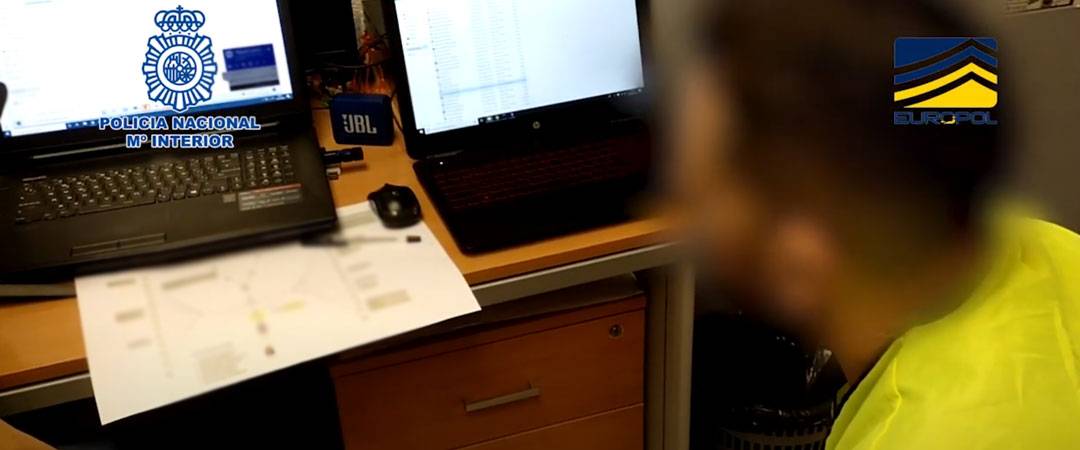
Europol May 27, 10:30

International collaboration leads to arrest of child sexual abuser in Italy

Within 10 days of the discovery of the videos online, a 30-year old individual was arrested by the Italian State Police (Polizia di Stato) as a result of an international police effort to track down this man who produced child sexual abuse material. The videos, which were released and offered for sale on the dark web, showed the suspect violently sexually abusing a pre-school aged girl. Analysis of these videos by the Italian State Police identified the location of the abuse in a region of northern Italy.  Europol was quick to prioritise this case and dedicated several staff members to it.  Valuable information was provided by partner law enforcement agencies across the world including Australia, Denmark, France, the Netherlands and Canada. Victim identification specialists from these countries worked together with Europol to help identify the victim and offender through image and video examination to get information as quickly as possible to the Italian investigators.  Combining that information with open source information and intelligence from Europol, the Italian State Police identified the home of the 30-year old. Working together with the field office of the State Postal and Communications Police (Servizio Polizia Postale e delle Comunicazioni-CNCPO), they carried out a thorough search of the suspect’s home.  Evidence, including items from the abuse videos were found with thousands of images and videos of sexual exploitation of minors. The victim was identified and made safe and the suspect was arrested and awaits trial. 
Read full story →
Europol May 26, 06:30

Europol and Capgemini Netherlands seek pioneering solutions to tackle cyber threats

When it comes to enhancing cybersecurity throughout Europe, collaboration between the private and the public sector is essential for improving digital resilience and exchanging intelligence. With this MoU, Capgemini and Europol have established and agreed to foster collaboration on various activities. This includes the development of cyber simulation exercises, capacity building, and collaborating on prevention and awareness campaigns. As a first step in the roadmap, earlier this month Capgemini joined the No More Ransom Project as a supporting partner.  The Acting Head of Europol's European Cybercrime Centre, Fernando Ruiz, said: ‘Finding innovative solutions to tackle cyber threats is an ongoing effort between law enforcement and private partners. Our collaboration with Capgemini is an excellent step forward in this direction. We aim to combine our knowledge and expertise to achieve a common goal: disrupting the online criminal business model.’   Lout van Montfort, Executive Vice President of Cloud Infrastructure Services Benelux, said: “Protecting businesses, governments and citizens within the European Union from cyber threats requires cross-sectoral collaboration. As a company with a strong global presence, we aim to actively contribute to increasing the cyber resilience of the European landscape. The signing of this Memorandum of Understanding with Europol allows us to exchange expertise and best practices, so that we can work together towards a cyber secure Europe.”                                                                                                                                                                                                  About Europol and the European Cybercrime Centre (EC3): Europol is the European Union’s law enforcement agency. Headquartered in The Hague, the Netherlands, Europol supports the 27 EU Member States in their fight against terrorism, cybercrime and other serious and organised forms of crime. With over 1 400 staff members, Europol serves as a centre for law enforcement cooperation, analytical expertise and criminal intelligence. The European Cybercrime Centre (EC3), set up in 2013, is the response in the EU to protect European citizens, business and governments from online crime. With more than 60 experts working on a daily basis, EC3 is involved in hundreds of high-level online operations providing with data analysis and on-the-spot support to the Member States. About Capgemini: Capgemini is a global leader in consulting, digital transformation, technology and engineering services. The Group is at the forefront of innovation to address the entire breadth of clients’ opportunities in the evolving world of cloud, digital and platforms. Building on its strong 50-year+ heritage and deep industry-specific expertise, Capgemini enables organizations to realize their business ambitions through an array of services from strategy to operations. Capgemini is driven by the conviction that the business value of technology comes from and through people. Today, it is a multicultural company of 270,000 team members in almost 50 countries. With Altran, the Group reported 2019 combined revenues of €17 billion. 
Read full story →
Europol May 15, 14:03

Doping trafficking ring with professional athletes dismantled in Italy

The Italian Carabinieri Corps (NAS Carabinieri), supported by Europol, targeted a criminal network trafficking illegal medicines and doping substances.   On the action day on 14 May 2020, Italian law enforcement authorities arrested four suspected traffickers. The Carabinieri carried out 210 house searches targeting 74 competitive athletes registered to sports federations, 11 gym owners and 4 owners of food supplement stores, located all over Italy. Italian authorities are investigating another 64 individuals for their suspected involvement in the criminal activities; 30 others have been charged with less serious crimes. The seizures included 936 packs of medicines used for doping purposes, 4 437 tablets and 7 778 vials of various doping products for a total estimated value of more than €100 000.The operation was a follow-up of a previous investigation into bodybuilders from Turin who were found in possession of a large amount of anabolic drugs, which were advertised on mobile apps. When first using the app, the potential clients were directed to an encrypted chat to complete the purchase. All payments were made via money transferring services. The packages were then shipped through express courier services, who were unaware of their contents. Europol supported the operation by facilitating information exchange and providing analytical support. On the action day, Europol activated the Virtual Command Post at its headquarters to coordinate the action and facilitate live information exchange. This tool was used also to cross-check operational information in real-time against Europol’s databases and provide leads to investigators in the field.
Read full story →
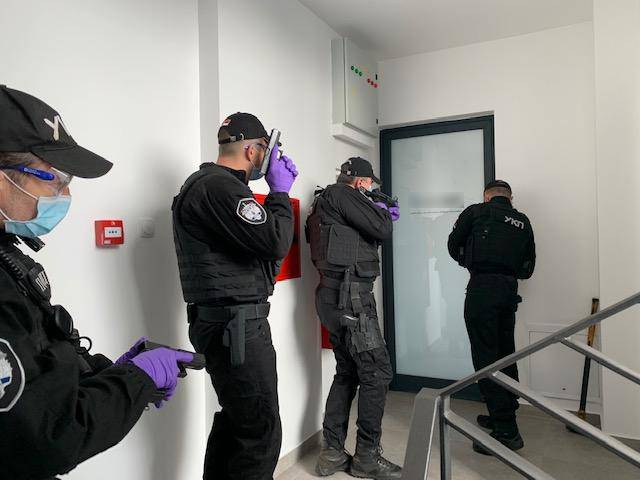
Europol May 15, 08:00

Migrant smugglers and human traffickers to become more ruthless and clandestine says new Europol report

Countries around the world have closed their external borders in a bid to control and isolate COVID-19. In these circumstances, criminals are finding new ways to abuse the vulnerability of irregular migrants wishing to enter or travel across Europe and those financially struggling, victimised in labour or sexual exploitation schemes.   The new report of the European Migrant Smuggling Centre (EMSC) at Europol looks back at the operations supported in 2019 and the intelligence gathered to draw the possible evolution of these crime areas in the upcoming months. A clear outlook of the potential developments would prepare a more effective response to these life-threatening criminal activities.  Criminals are more ruthless to exploit the ‘new normal’ Enhanced border control measures and travel restrictions put in place throughout the EU have led to a shift in the smuggling activities from air to land and sea routes. Small boats are increasingly being used to cross river borders. Migrants are also smuggled hidden in concealments in freight vehicles and cargo trains which still move across borders. The closing of establishments offering sexual services in countries where these activities are regulated may also increase sexual exploitation. The travel restrictions may also complicate the employment of seasonal labour in the agricultural sector and increase the demand for trafficked third-country migrants already present in the areas.  ‘Early in 2020, the European Union’s Member States and partner countries in and outside the Schengen Area were struck by the COVID-19 pandemic. This crisis will have a lasting impact on our societies and economies. The same is true for the organised crime environment where not only cybercrime, fraud and organised property crime is thriving in the wake of this crisis, but the dynamics of migrant smuggling and human trafficking are changing too. To counter this threat, we have to use the great advantage of shared intelligence to target these types of international organised crime and Europol plays a key role.’ said Europol’s Executive Director Catherine De Bolle. Highlights of EMSC’s support in 2019  5 853 cases of migrant smuggling and trafficking in human beings supported by Europol in 2019; 19 211 suspects identified; Nine high-profile investigations in hotspots with the continuous deployment of around 30 Europol guest officers;  Seven EMPACT Joint Action Days with 26 EU Member States and a number of thirty party operational partners (non-EU countries, EU bodies and international organisations) 71 on-the-spot action days with Europol experts; Development of five strategic intelligence reports with other Justice and Home Affairs Agencies of the EU (Frontex and EASO).  Mass movements would endanger the proper registration of migrants entering the EU and would ease the facilitation of secondary movements within the EU. An activity already on the rise in 2019, facilitation of movements within the EU has resulted in deadly incidents.  The main threats identified  Online discussion groups attempting to facilitate mass movements from Turkey to Greece in 2019, detected by Europol and eventually prevented by the Greek authorities; An apparent attempt of the Turkish authorities to facilitate large groups of migrants towards and across the Turkish-Greek land border in early 2020; Transportation of migrants in life-threatening conditions hidden in concealed compartments of vehicles mostly in the Western Balkans region and across the English Channel; Increased use of fraudulently obtained visas and document fraud in general to facilitate primary entries; Increased vulnerability to abuse and violence of unaccompanied migrant along migration routes towards and within the EU; Potential vulnerability to exploitation by traffickers of irregular migrants in remote locations. Economic and emotional vulnerabilities: an incentive for human traffickers  Sexual exploitation is the most reported purpose for human traffickers in the EU, victimising citizens from Eastern and Central Europe and non-EU nationals, mainly from Nigeria. Nigerian poly-criminal networks affect EU organised crime while exploiting their own nationals, recruited locally and indoctrinated through voodoo beliefs and rituals. Their effective dismantling could be impacted by a lack of cooperation with the Nigerian authorities. In general terms, criminals see emotional and economic vulnerabilities as an opportunity to increase their illegal profits. In 2019, they increased their focus on labour exploitation in less controlled industries such as the agricultural sector, and illegal adoptions. The exploitation of underage victims, forced to commit property crimes or to traffic drugs, is a continuous and alarming phenomenon. New efforts to corner traffickers and save their victims A Joint Liaison Task Force migrant smuggling and trafficking in human beings was set up at Europol to speed up cooperation in major investigations such as the Essex lorry incident where 39 Vietnamese migrants were found dead in a refrigerated lorry. A focus on high-value targets and operational task forces have and will further streamline major investigations as Europol is committed to providing increased support to national authorities to protect lives by combating human trafficking and migrant smuggling.   Read the full report of the European Migrant Smuggling Centre (EMSC).
Read full story →

Europol May 13, 09:00

Game on for Europol and CENTRIC

Europol and the Centre of Excellence in Terrorism, Resilience, Intelligence and Organised Crime Research (CENTRIC) sign a Memorandum of Understanding (MoU). The agreement formalises a long-standing partnership and encourages ongoing effective collaboration, combining relevant expertise and state-of-the-art technology. Europol and CENTRIC have worked together on a number of initiatives and research projects, including the development of a cryptocurrency investigation game in 2019. The rapid development of technology not only creates new opportunities but also facilitates new criminal models. Nowadays, almost all forms of crime have an online element, which increases our need for awareness and education, alongside deeper research to further enhance cybersecurity and to strengthen citizens’ and businesses’ cyber resilience. Serious gaming for serious training The MoU between Europol and CENTRIC will assist law enforcement in protecting society and citizens through joint activities, such as:  Applied research and tool development to improve capabilities of law enforcement in reacting, mitigating and recovering from criminal threats, including cybercrime and terrorism. serious gaming for training and capacity-building for police officers; CENTRIC and Europol are working together on several H2020 projects and more recently on initiatives such as CENTRIC’s Security Research Rapid Response to COVID19 platform. In October 2019, Europol launched CRYPTOPOL, the first cryptocurrency-tracing training game of its kind. Developed and co-created with CENTRIC, CRYPTOPOL simulates a cryptocurrency investigation, emphasising hands-on practice using real-life scenarios. The game is available to all law enforcement cryptocurrency investigators around the world, who can request access to the game from Europol. There are ongoing efforts with CENTRIC to apply this concept to capacity building efforts in other crime areas as well. Fernando Ruiz, Acting Head of Europol's European Cybercrime Centre, said: ‘The signature of this MoU with CENTRIC consolidates an existing long-standing partnership. Pioneering projects such as CRYPTOPOL and our collaboration on a number of research projects already demonstrate the added value of this alliance. We are confident that this is just the beginning and we look forward to continuing our successful cooperation.’ Babak Akhgar, Director of CENTRIC, said: ‘I am delighted to formalise the relationship between CENTRIC and Europol by signing the MoU. This builds on years of collaboration in cybercrime, serious and organised crime and counter terrorism and is a milestone in our joint endeavour to bring research and innovation into operational reality in support of law enforcement agencies. I am looking forward to us delivering a positive impact in the fight against crime and terrorism in the years to come.’ The European Cybercrime Centre (EC3) at Europol Europol is the European Union’s law enforcement agency. Headquartered in The Hague, the Netherlands, Europol supports the 27 EU Member States in their fight against terrorism, cybercrime and other serious and organised forms of crime. With over 1 400 staff members, Europol serves as a centre for law enforcement cooperation, analytical expertise and criminal intelligence. The European Cybercrime Centre (EC3), set up in 2013, is the response in the EU to protect European citizens, business and governments from online crime. With more than 60 experts working on a daily basis, EC3 is involved in hundreds of high-level online operations providing with data analysis and on-the-spot support to the Member States CENTRIC CENTRIC is a multi-disciplinary and end-user focused centre of excellence, located within Sheffield Hallam University. The global reach of CENTRIC links both academic and professional expertise across a range of disciplines providing unique opportunities to progress ground-breaking research within security and policing domains.  
Read full story →

Europol May 6, 10:00

101 arrested and 19,000 stolen artefacts recovered in international crackdown on art trafficking

More than 19,000 archaeological artefacts and other artworks have been recovered as part of a global operation spanning 103 countries and focusing on the dismantlement of international networks of art and antiquities traffickers.  101 suspects have been arrested, and 300 investigations opened as part of this coordinated crackdown. The criminal networks handled archaeological goods and artwork looted from war-stricken countries, as well as works stolen from museums and archaeological sites.  Seizures include coins from different periods, archaeological objects, ceramics, historical weapons, paintings and fossils. Facilitating objects, such as metal detectors were also seized.  These results were achieved during the global Operation ATHENA II, led by the World Customs Organization (WCO) and INTERPOL, which was carried out in synchronization with the Europe-focused Operation PANDORA IV coordinated by the Spanish Civil Guard (Guardia Civil) and Europol in the framework of EMPACT. Details of both Operations, which ran in the autumn of 2019, can only be released now due to operational reasons. Online illicit markets Law enforcement officers paid particular attention to the monitoring of online market places and sales sites, as the Internet is an important part of the illicit trade of cultural goods.  During what was called a ‘cyber patrol week’ and under the leadership of the Italian Carabinieri (Arma dei Carabinieri), police and customs experts along with Europol, INTERPOL and the WCO mapped active targets and developed intelligence packages. As a result, 8,670 cultural objects for online sale were seized. This represents 28% of the total number of artefacts recovered during this international crackdown.  Operational highlights Afghan Customs seized 971 cultural objects at Kabul airport just as the objects were about to depart for Istanbul, Turkey. The Spanish National Police (Policia Nacional), working together with the Colombian Police (Policia Nacional de Colombia), recovered at Barajas airport in Madrid some very rare pre-Columbian objects illegally acquired through looting in Colombia, including a unique Tumaco gold mask and several gold figurines and items of ancient jewellery. Three traffickers were arrested in Spain, and the Colombian authorities carried out house searches in Bogota, resulting in the seizure of a further 242 pre-Columbian objects, the largest ever seizure in the country’s history.  The investigation of a single case of online sale led to the seizure of 2,500 ancient coins by the Argentinian Federal Police Force (Policia Federal Argentina), the largest seizure for this category of items, while the second largest seizure was made by Latvian State Police (Latvijas Valsts Policija) for a total of 1,375 coins. Six European Police forces reported the seizure of a hundred and eight metal detectors, demonstrating that looting in Europe is still an ongoing business. Protecting our cultural heritage This is the second time that Europol, INTERPOL and the WCO have joined forces to tackle the illicit trade in cultural heritage. Given the global nature of this crackdown, a 24-hour Operational Coordination Unit (OCU) was run jointly by the WCO, INTERPOL and Europol. In addition to assisting with information exchanges and issuing alerts, the OCU also carried out checks against various international and national databases, such as INTERPOL’s database on Stolen Works of Art and Europol’s European Information System. “Organised crime has many faces. The trafficking of cultural goods is one of them: it is not a glamorous business run by flamboyant gentlemen forgers, but by international criminal networks. You cannot look at it separately from combating trafficking in drugs and weapons: we know that the same groups are engaged, because it generate big money. Given that this is a global phenomenon affecting every country on the planet – either as a source, transit or destination, it is crucial that Law Enforcement all work together to combat it. Europol, in its role as the European Law Enforcement Agency, supported the EU countries involved in this global crackdown by using its intelligence capabilities to identify the pan-European networks behind these thefts.” said Catherine de Bolle, Europol’s Executive Director.  “The operational success of Customs and its law enforcement partners offers tangible proof that international trafficking of cultural objects is thriving and touches upon all continents. In particular, we keep receiving evidence that online illicit markets are one of the major vehicles for this crime. However, online transactions always leave a trace and Customs, Police and other partners have established effective mechanisms to work together to prevent cross border illicit trade”, said Dr Kunio Mikuriya, WCO Secretary General. “The number of arrests and objects show the scale and global reach of the illicit trade in cultural artefacts, where every country with a rich heritage is a potential target,” said INTERPOL Secretary General Jürgen Stock. “If you then take the significant amounts of money involved and the secrecy of the transactions, this also presents opportunities for money laundering and fraud as well as financing organized crime networks,” added the INTERPOL Chief. Background Many activities carried out during the Operation were decided on and conducted jointly between customs and police at national level, with the support and participation of experts from the Ministries of Culture as well as from other relevant institutions and law enforcement agencies.   Watch the video   In 2010 the European Union set up a four-year Policy Cycle to ensure greater continuity in the fight against serious international and organised crime. In March 2017 the Council of the EU decided to continue the EU Policy Cycle for organised and serious international crime for the 2018 - 2021 period. This multiannual Policy Cycle aims to tackle the most significant threats posed by organised and serious international crime to the EU in a coherent and methodological manner. This is achieved by improving and strengthening cooperation between the relevant services of EU Member States, institutions and agencies, as well as non-EU countries and organisations, including the private sector where relevant. Property crime is one of the priorities for the Policy Cycle.  
Read full story →
Europol May 5, 11:00

Hacker group selling databases with millions of user credentials busted in Poland and Switzerland

Polish and Swiss law enforcement authorities, supported by Europol and Eurojust, dismantled InfinityBlack, a hacking group involved in distributing stolen user credentials, creating and distributing malware and hacking tools, and fraud.  On 29 April 2020, the Polish National Police (Policja) searched six locations in five Polish regions and arrested five individuals believed to be members of the hacking group InfinityBlack. Police seized electronic equipment, external hard drives and hardware cryptocurrency wallets, all worth around €100 000. Two platforms with databases containing over 170 million entries were closed down by the police. Hackers target loyalty point scheme for high-end electronics  The hacking group created online platforms to sell user login credentials known as ‘combos’. The group was efficiently organised into three defined teams. Developers created tools to test the quality of the stolen databases, while testers analysed the suitability of authorisation data. Project managers then distributed subscriptions against cryptocurrency payments. The hacking group’s main source of revenue came from stealing loyalty scheme login credentials and selling them on to other, less technical criminal gangs. These gangs would then exchange the loyalty points for expensive electronic devices. The hackers created a sophisticated script to gain access to a large number of Swiss customer accounts. Although the losses are estimated at €50 000, hackers had access to accounts with potential losses of more than €610 000. The fraudsters and hackers, among them minors and young adults, were unmasked when using the stolen data in shops in Switzerland. A number of investigation measures by specialists from the Cyber Investigation Division (DEC) of the Vaud Cantonal Police made it possible to dismantle the InfinityBlack hackers network set up to exploit this data to the detriment of businesses. Between 30 April and 2 May 2019, five arrests were made in the canton of Vaud, Switzerland. Cross-border cross-checks lead to hackers Once the criminal gang cashing out the loyalty points was identified in Switzerland, police exchanged criminal intelligence and uncovered links to members of the separate hacking group in Poland. Transmitting the data on searched computers between the Swiss and Polish authorities led to the arrest of the hackers in Poland. Europol enabled close cooperation between cyber units in Poland and Switzerland through the dedicated network of cyber liaison officers (J-CAT) hosted at Europol’s headquarters. Europol also supported the operation by facilitating information exchange and providing technical and analytical support. Eurojust also facilitated the transmission of information between the Public Prosecutor's Offices in Switzerland and Poland.  
Read full story →
Europol Apr 30, 10:01

Beyond the pandemic - What will the criminal landscape look like after COVID-19?

Based on criminal information from investigations in the Member States, Europol is assessing the impact of the pandemic across three phases; current, mid- and long-term phase. The report anticipates developments across the threat landscape that will have an operational impact on law enforcement authorities across Europe. Europol also identifies five key factors that influence organised crime during and after the pandemic.  Anticipating the long-term impact of the pandemic on serious and organised crime in the EU is difficult. However, Europol can look to previous moments of crisis, such as the economic crisis of 2007 and 2008, and how these unfolded in terms of security threats to anticipate general developments. The three phases Phase 1 – the current situation: Europol’s monitoring efforts to understand the impact on serious and organised crime in the EU has so far focused on immediate developments in the aftermath of the COVID-19 outbreak and the introduction of quarantine measures. COVID-19-related criminality, especially cybercrime, fraud and counterfeiting have followed the spread of the pandemic throughout Europe. More on the current situation can be read in Europol’s previous reports published in March and April 2020. Phase 2 – mid-term outlook: An easing of lockdown measures will see criminal activity return to previous levels featuring the same type of activities as before the pandemic. However, the pandemic is likely to have created new opportunities for criminal activities that will be exploited beyond the end of the current crisis. It is expected that the economic impact of the pandemic and the activities of those seeking to exploit it will only start to become apparent in the mid-term phase and will likely not fully manifest until the longer term. Some of the relevant crime areas are: Anti-money laundering: the pandemic and its economic fallout will exert significant pressure on the financial system and the banking sector. Anti-money laundering regulators must be vigilant and should expect attempts by organised crime groups to exploit a volatile economic situation to launder money using the on-shore financial system.   Shell companies: criminals will likely intensify their use of shell companies and companies based in off-shore jurisdictions with weak anti-money laundering policies at the placement stage to receive cash deposits that are later transferred to other jurisdictions.  The real estate and construction sectors will become even more attractive for money laundering both in terms of investment and as a justification for the movement of funds.  Migrant smuggling: While the economic impact of the COVID-19 crisis in Europe is not yet clear, it is expected that the impact on economies in the developing world is likely to be even more profound. Prolonged economic instability and the sustained lack of opportunities in some African economies may trigger another wave of irregular migration towards the EU in the mid-term. Phase 3 – the long-term impact:  Organised crime is highly adaptable and has demonstrated the ability to extract long-term gains from crises, such as the end of the cold war or the global economic of 2007 and 2008.  Communities, especially vulnerable groups, tend to become more accessible to organised crime during times of crisis. Economic hardship makes communities more receptive to certain offers, such as cheaper counterfeit goods or recruitment to engage in criminal activity. Mafia-type organised crime groups are likely to take advantage of a crisis and persistent economic hardship by recruiting vulnerable young people, engaging in loan-sharking, extortion and racketeering.  Organised crime does not occur in isolation and the state of the wider economy plays a key role. A crisis often results in changes in consumer demand for types of goods and services. This will lead to shifts in criminal markets.  Key factors with an impact on crime during and after the pandemic  Several factors have a significant impact on serious and organised crime during the COVID-19 pandemic. These factors shape criminal behaviour and create vulnerabilities. Based on experience gained during prior crises, it is essential to monitor these factors to anticipate developments and pick up on warning signals. Online activities: more people are spending more time online throughout the day for work and leisure during the pandemic, which has increased the attack vectors and surface to launch various types of cyber-attacks, fraud schemes and other activities targeting regular users.  Demand for and scarcity of certain goods, especially of healthcare products and equipment, is driving a significant portion of criminals’ activities in counterfeit and substandard goods and fraud.  Payment methods: the pandemic is likely to have an impact on payment preferences beyond the duration of the pandemic. With a shift of economic activity to online platforms, cashless transactions are increasing in number, volume and frequency.  Economic downturn: A potential economic downturn will fundamentally shape the serious and organised crime landscape. Economic disparity across Europe is making organised crime more socially acceptable as these groups will increasingly infiltrate economically weakened communities to portray themselves as providers of work and services. Rising unemployment and reductions in legitimate investment may present greater opportunities for criminal groups, as individuals and organisations in the private and public sectors are rendered more vulnerable to compromise. Increased social tolerance for counterfeit goods and labour exploitation has the potential to result in unfair competition, higher levels of organised crime infiltration and, ultimately, illicit activity accounting for a larger share of GDP.  Europol’s Executive Director Catherine De Bolle:  “Serious and organised crime is exploiting the changing circumstances during the pandemic. From the onset of this crisis, Europol monitored these developments to help Member States understand and tackle these emerging phenomena. The full impact of the pandemic – not only on crime but also more widely on society and the economy – is not yet apparent. However, law enforcement should be prepared to be able to respond to the warning signals as the world deals with the fallout of the COVID-19 pandemic. Now more than ever, international policing needs to work with the increased connectivity both in the physical and virtual worlds. This crisis again proves that exchanging criminal information is essential to fighting crime within the law enforcement community. Europol, as the criminal information hub for all law enforcement organisations, will continue to play its part. ”  Europol has been monitoring the impact of the COVID-19 pandemic on serious and organised crime and terrorism in the EU from the outset of the pandemic in Europe. Understanding ongoing developments and their impact on the internal security of the EU in times of crisis and communicating these insights to our partner law enforcement authorities is of vital importance in formulating effective responses at EU and national level. Europol’s monitoring efforts primarily rely on contributions received from law enforcement authorities in the Member States and our law enforcement partners across the world. Any forecasting or foresight exercises are speculative to a degree, but relying on expertise and caution it is possible and necessary to draw up potential developments to formulate responses and reinforce resilience to upcoming security threats, including those from serious and organised crime. Using foresight, we can combat security threats proactively and engage in prevention. Read the full report
Read full story →
Europol Apr 29, 14:46

Child abuse: Nursery school teacher and her partner to be prosecuted in Hungary

The Hungarian National Police (Magyar Rendőrség), supported by Europol and other operational partners, identified a nursery school teacher and her partner to be behind the distribution of child sexual exploitation material on the dark net. The two victims have since been brought to safety and the case is now in the hands of prosecutors. The 2019 investigation uncovered child abuse happening in the nursery school teacher’s home. Her partner is suspected of abusing the teacher’s niece and their own child. During the proceedings, the investigators also found evidence that the teacher took sexually explicit images of several children in the school. The couple disseminated the images of child sexual abuse on various paedophile forums on the dark net, where they used different identifiers in numerous forums over several years. During a search of the suspects’ residence, investigators seized IT equipment which contained additional images and videos of child sexual abuse. Europol supported the operation by facilitating information exchange, providing analytical, victim identification and open source support.  Several Europol Victim Identification Task Forces focused on this case, which is another example of the strong collaborative effort of investigators from around the world to identify these victims and their offenders. The International Child Sexual Exploitation database, hosted at INTERPOL is also an important tool for the success of this collaborative network.   Note to media: Europol encourages you to use the term ‘child (sexual) abuse material’ and not ‘child pornography’ in your reporting. The use of the term ‘child pornography’ helps child sex abusers as it indicates legitimacy and compliance on the part of the victim, and therefore legality on the part of the sex abuser. By using the phrase ‘child pornography’, it conjures up images of children posing in ‘provocative’ positions, rather than suffering horrific abuse. Every photograph or video captures an actual situation where a child has been abused.  This is not pornography.  
Read full story →
Europol Apr 21, 14:00

International police cooperation leads to the arrest of a dark web child sex abuser in Spain

The suspect produced explicit videos of a young boy to gain access to sites and forums on the dark web dedicated to child sexual abuse and exploitation. International cooperation was key to cracking the case: Europol supported the Spanish National Police by analysing information received from Queensland Police in Australia. The COVID-19 crisis forced experts from the Central Cybercrime Unit to carry out their duties from Madrid and coordinate officers on the ground in Barcelona remotely. The operation to bring down a child sex abuser, who had made explicit videos of an underage boy, owes its success to international cooperation. Information from Queensland Police – Australia’s Taskforce Argos sent via Europol’s secure communication channel allowed Europol experts to carry out operational analysis, which revealed that a video from 2015 found in Belgium and France may have been filmed in Spain.  A crucial breakthrough on social media The analysis of the images and video – which showed how the suspect abused a boy who was under five years old at the time – led the Spanish National Police (Policía Nacional) to locate the suspect. When looking into the message published with the video, officers noticed that the suspect used words and phrases from Spain and not from a Latin American country. Using operational analysis, open-source enquiries and cross-checking information, Europol experts found that the suspect was registered on several websites and boards dedicated to child sexual abuse and exploitation on the dark web. The investigation revealed that the suspect was also using a social media network where he was in touch with a woman who shared the same surname as the one in the title of the sexual abuse video. COVID-19 pandemic forces a change of tactics Once the abuser was located in Barcelona, cybercrime experts from the Spanish National Police Central High-Tech Crime Unit located in Madrid moved to Barcelona. Due to the lockdown in Spain, they were assisted remotely by other experts in Madrid. The material seized showed how the arrested suspect was using several email addresses and dark web access points to commit this horrific crime. The material seized is pending analysis, which is of special value as it could provide important clues about other child sex abusers on the dark web. Fernando Ruiz, Acting Head of the European Cybercrime Centre (EC3) at Europol, adds, ‘This type of international cooperation during the COVID-19 crisis shows how children are being protected as a priority by law enforcement from all over the world.  Europol is proud to support this investigation and to bring together the contributions of the Member States and non-EU partners to help identify those sexually exploiting and abusing children. We encourage everyone to be aware of the potential dangers to children during this time. Europol has published preventive messaging on its website and social media channels.’ Watch the video Note to media: Europol encourages you to use the term ‘child (sexual) abuse material’ and not ‘child pornography’ in your reporting. The use of the term ‘child pornography’ helps child sex abusers as it indicates legitimacy and compliance on the part of the victim, and therefore legality on the part of the sex abuser. By using the phrase ‘child pornography’, it conjures up images of children posing in ‘provocative’ positions, rather than suffering horrific abuse. Every photograph or video captures an actual situation where a child has been abused.  This is not pornography.
Read full story →
Europol Apr 17, 10:00

Viral marketing: Counterfeits in the time of pandemic

From websites selling fake COVID-19 blood screening tests taken down by several EU Member States’ law enforcement authorities to the seizure of substandard facemasks originating from Brazil and the sale of chloroquine via instant messaging apps: counterfeiters have been quick to cash in on COVID-19. The outbreak of the coronavirus disease has offered an opportunity for fast cash, as criminals exploit shortages of genuine products and the anxieties of regular citizens. The profits generated by these criminals during this time of crisis are likely very substantial, as these criminals operate in complete disregard of the health and well-being of us all.  In a report published today, Europol provides an up-to-date threat picture of the activities of counterfeiters during the COVID-19 crisis. All information is based on contributions from EU Member States and Europol’s partner countries.  KEY FINDINGS  The organised crime groups involved in the production and distribution of counterfeit goods have once again proven highly adaptable in terms of shifting product focus, marketing and packaging to suit or shape current demand. However, the main countries of production have remained the same. This also applies for modi operandi, routes and the nationalities of suspects involved. An analysis of the operational data provided to Europol reveals that the companies targeting the EU for distribution of counterfeit pharmaceutical products and equipment are registered to addresses both within the EU (Bulgaria, Germany, Netherlands, Poland among others) and outside the EU (China, India, United States). While some product offers for counterfeit goods related to the COVID-19 pandemic have appeared on the dark web, the product offerings available there remain limited compared to the surface web, which continues to host the primary distribution platforms for counterfeit goods. Some of the platforms used to advertise and sell these goods  pre-date the COVID-19 pandemic and have been monitored by law enforcement authorities. In addition to these established platforms, a significant number of new websites were established for the express purpose of profiting from the pandemic. These websites sell fake COVID-19 home test kits and offer unconfirmed and often false advice on the treatment of COVID-19. Some criminal groups may seize opportunities during the COVID-19 crisis to offer counterfeit or substandard food items more widely due to increased demand following some citizens’ fear of perceived food shortage. Particular attention should be paid to developments and criminal innovation if a genuine vaccine for COVID-19 is developed as this will likely prompt a wave of offers for counterfeit vaccines. Europol Executive Director, Catherine de Bolle: “Counterfeit goods sold during the corona crisis do not meet the required quality standards and pose a real threat to public health and safety. People who buy these fake products have a false sense of security, while they are in fact left unprotected against the virus. Therefore, we should not only go after the criminals behind these scams, but also, through prevention work, inform potential victims who are putting themselves and others at risk by using such fake goods.” Europol is currently supporting several operations across the EU to combat the distribution of counterfeit and sub-standard goods during the COVID-19 pandemic. This involves the intensified monitoring of online platforms in order to possibly tackle online COVID-19-related crimes. Cooperation with private industry stakeholders is also a crucial aspect in the work Europol is doing in countering the threat in this area.  Read the full report
Read full story →
Europol Apr 14, 12:29

Corona crimes: multi-million face mask scam foiled by police across Europe

As part of a case coordinated by Europol and Interpol, financial institutions and authorities across Germany, Ireland, the Netherlands and the United Kingdom have foiled an attempt to cheat health authorities out of millions of euros by selling them non-existent face masks.  A chain of referrals  In mid-March, the German health authorities contracted two sales companies in Zurich and Hamburg to procure €15 million worth of face masks. With a global shortage on medical supplies complicating usual business channels, the buyers followed new leads in the hopes of securing the masks. They first got in touch with what appeared to be a legitimate website in Spain selling face masks. Unbeknownst to the buyers, the site was a fake and their legitimate email addresses had been comprised. Through email correspondence, the company initially claimed to have 10 million masks, only for the delivery to fall through. As consolation, they then referred the buyers to a ‘trusted’ dealer in Ireland. The Irish middleman promised to put them in touch with a different supplier, this time in the Netherlands. Claiming to have a strong commercial relationship with the company, the man provided assurances that the alleged Dutch company would be able to supply the 10 million face masks. An agreement for an initial delivery of 1.5 million masks was made, in exchange for an up-front payment of €1.5 million. The buyers initiated a bank transfer to Ireland and prepared for delivery, which involved 52 lorries and a police escort to transport the masks from a warehouse in the Netherlands to the final destination in Germany. Just before the delivery date, the buyers were informed that the funds had not been received and that an emergency transfer of EUR 880 000 straight to the Dutch supplier was required to secure the merchandise. The buyers sent the wire transfer and the masks never arrived. It turns out the Dutch company existed, but their website had also been cloned. There was no official record of the order. Chasing the money When the buyers realised they had been duped, they immediately contacted their bank in Germany, setting off an international race to intercept the funds and follow the money trail. Europol made full use of the possibilities offered by its financial intelligence component to support the case. Key members of the Camden Asset Recovery Inter-Agency Network (CARIN) were mobilised, and private partners of the Europol Financial Intelligence Public Private Partnership (EFIPPP) alerted. Thanks to an alert raised by investigators, the UK bank was able to recall the full amount. Those funds have now been returned to the Netherlands and frozen by authorities. Interpol contacted its National Central Bureau in Dublin as well as the Irish bank. Prompt intervention by the Garda National Economic Crime Bureau allowed them to freeze the 1.5 million in the account and identify the Irish company involved. The Dutch Fiscal Information and Investigation Service quickly tracked down the  €880 000 which had been transferred from the German company. Nearly €500 000 of those funds had already been sent to the United Kingdom, all of which was destined for an account in Nigeria. This operation which has already led to two arrests in the Netherlands is ongoing as investigators across Europe are continuing to work on investigative leads with the continued support of Europol and its partners.   
Read full story →
Europol Apr 7, 11:00

Major investment fraud gang busted in Bulgaria and Serbia

A large criminal network involved in fraud, money laundering and social engineering was dismantled in an international investigation. Europol and Eurojust supported the investigation which involved law enforcement and judicial authorities from Austria, Bulgaria, Germany and Serbia.  The action day, which took place in Belgrade and Sofia, went ahead on 2 April despite the current lockdown. Law enforcement authorities from Bulgaria and Serbia carried out 11 house searches and arrested 9 individuals (5 in Serbia and 4 in Bulgaria). Two of the leaders of the criminal network were arrested in Sofia. The seizures include five properties in Serbia, €2.5 million from a bank account in Germany, electronic equipment and other evidential material. Additionally, 30 other bank accounts were put under surveillance.     More than 1000 victims in Austria and Germany alone The suspected fraudsters, believed to be members of a large criminal network, offered bogus investments in trading products such as binary options and contract for differences (CFDs) on online trading platforms. Victims from all over the world took the bait starting with investments of around €250. Agents from call centres in Bulgaria and Serbia then manipulated the victims to make much higher investments in non-existent trading products including CFDs and forex (currency exchange market). The Austrian Criminal Police Office (Bundeskriminalamt) estimated the total losses of the criminal activities worldwide in the region of €80 million. In Austria alone, it is estimated that 850 victims lost around €2.2 million in the scam. Hundreds of victims have suffered estimated damage of about €10 million in Germany. Europol supported the operation since it was launched one year ago by facilitating information exchange and providing analytical support. During the action days, Europol cross-checked operational information in real-time against Europol’s databases to provide leads to investigators in the field. A Joint Investigation Team between Austria and Germany was set up by Eurojust to coordinate judicial matters.    
Read full story →
Europol Apr 3, 10:01

Catching the virus

During the COVID-19 pandemic, criminals have been quick to seize opportunities to exploit the crisis by adapting their modi operandi and engaging in new criminal activities. Cybercriminals have been among the most adept at exploiting the pandemic. The threat from cybercrime activities during the crisis is dynamic and has the potential to increase further. With a record number of potential victims staying at home and using online services across the EU, the ways for cybercriminals seeking to exploit emerging opportunities and vulnerabilities have multiplied. Europol has been monitoring the impact of the COVID-19 pandemic on the cybercrime landscape since the beginning and has published an updated threat assessment of potential further developments in this crime area.  Among the forms of cybercrime analysed in the report are: ransomware; DDoS; child sexual exploitation; the dark web; hybrid threats: disinformation and interference campaigns.  Europol Executive Director, Catherine De Bolle: ‘This pandemic brings out the best but unfortunately also the worst in humanity. With a huge number of people teleworking from home, often with outdated security systems, cybercriminals prey on the opportunity to take advantage of this surreal situation and focus even more on cybercriminal activities. With this report we want to warn individuals, companies, public institutions and other organisations about these criminal activities. I would also like to draw special attention to the most vulnerable among those victims; I am very concerned about the rise of child sexual abuse online. Europol is investing resources and capacities to support Member States in countering cyber-dependent crime during this difficult situation.’ The findings of this report are mainly based on contributions from EU Member States and Europol’s partner countries.  Main findings The impact of the COVID-19 pandemic on cybercrime has been the most visible and striking compared to other criminal activities. Criminals active in the domain of cybercrime have been able to adapt quickly and capitalise on the anxieties and fears of their victims. Phishing and ransomware campaigns are being launched to exploit the current crisis and are expected to continue to increase in scope and scale. Activity around the distribution of child sexual exploitation material online appears to be on the increase, based on a number of indicators. Both criminal organisations, states and state-backed actors seek to exploit the public health crisis to advance geopolitical interests. Europol is supporting the national law enforcement authorities in the international coordination of cyber-related cases, by connecting the investigations, facilitating information exchange, operational analysis and forensic services. Europol’s European Cybercrime Centre (EC3) is specialised in supporting the prevention and investigation of cyber-attacks, child sexual exploitation, payment fraud and the online trade of illegal commodities through the dark web, becoming a cybercriminal information hub and a platform for cooperation with the private sector and the cybersecurity community. Download the report.
Read full story →
Europol Mar 31, 14:18

90 suspects identified in major online child sexual abuse operation

This case was sparked by the Belgian East Flanders Federal Judicial Police (Federale Gerechtelijke Politie Oost-Vlaanderen) after more than 9 million pictures and videos of the abuse of thousands of children from around the world were found there during a house search. The vast majority of this footage had never been seen in circulation before by law enforcement. Suspecting they were producing their own, the Belgian investigators launched Operation GARGAMEL together with Europol across Europe and beyond .  The image and video data seized during this investigation has been used for Victim Identification Task Forces hosted by Europol through which  70 children and 30 suspects have been identified. The Belgian Federal Judicial Police succeeded in identifying 60 suspects (of which 24 in Belgium) and 40 victims, which brings the actual total to 90 suspects and 110 victims.  Some suspects have already appeared before court in a number of other countries. In Australia, a suspect was sentenced to 15 years in prison. More arrests and rescues are expected globally as police in over 40 countries examine the intelligence packages compiled by Europol and information from the Belgian Federal Judicial Police.  
Read full story →
Europol Mar 27, 06:01

How criminals profit from the COVID-19 pandemic

During this unprecedented crisis, governments across Europe are intensifying their efforts to combat the global spread of the coronavirus by enacting various measures to support public health systems, safeguard the economy and to ensure public order and safety. A number of these measures have a significant impact on the serious and organised crime landscape. Criminals have been quick to seize opportunities to exploit the crisis by adapting their modi operandi or engaging in new criminal activities. Factors that prompt changes in crime and terrorism include: High demand for certain goods, protective gear and pharmaceutical products; Decreased mobility and flow of people across and into the EU; Citizens remain at home and are increasingly teleworking, relying on digital solutions; Limitations to public life will make some criminal activities less visible and displace them to home or online settings; Increased anxiety and fear that may create vulnerability to exploitation; Decreased supply of certain illicit goods in the EU. Building upon information provided by EU Member States and in-house expertise, Europol has published today a situational report analysing the current developments which fall into four main crime areas: CYBERCRIME The number of cyberattacks against organisations and individuals is significant and is expected to increase. Criminals have used the COVID-19 crisis to carry out social engineering attacks themed around the pandemic to distribute various malware packages.  Cybercriminals are also likely to seek to exploit an increasing number of attack vectors as a greater number of employers institute telework and allow connections to their organisations’ systems. Example: The Czech Republic reported a cyberattack on Brno University Hospital which forced the hospital to shut down its entire IT network, postpone urgent surgical interventions and re-route new acute patients to a nearby hospital. FRAUD Fraudsters have been very quick to adapt well-known fraud schemes to capitalise on the anxieties and fears of victims throughout the crisis. These include various types of adapted versions of telephone fraud schemes, supply scams and decontamination scams. A large number of new or adapted fraud schemes can be expected to emerge over the coming weeks are fraudsters will attempt to capitalise further on the anxieties of people across Europe.  Example: An investigation supported by Europol focuses on the transfer of €6.6 million by a company to a company in Singapore in order to purchase alcohol gels and FFP3/2 masks. The goods were never received. COUNTERFEIT AND SUBSTANDARD GOODS The sale of counterfeit healthcare and sanitary products as well as personal protective equipment and counterfeit pharmaceutical products has increased manifold since the outbreak of the crisis. There is a risk that counterfeiters will use shortages in the supply of some goods to increasingly provide counterfeit alternatives both on- and offline. Example: Between 3-10 March 2020, over 34 000 counterfeit surgical masks were seized by law enforcement authorities worldwide as part of Operation PANGEA supported by Europol.  ORGANISED PROPERTY CRIME Various types of schemes involving thefts \have been adapted by criminals to exploit the current situation. This includes the well-known scams involving the impersonation of representatives of public authorities. Commercial premises and medical facilities are expected to be increasingly targeted for organised burglaries. Despite the introduction of further quarantine measures throughout Europe, the crime threat remains dynamic and new or adapted types of criminal activities will continue to emerge during the crisis and in its aftermath. Example: Multiple EU Member States have reported on a similar modus operandi for theft. The perpetrators gain access to private homes by impersonating medical staff providing information material or hygiene products or conducting a "Corona test".  Europol’s Executive Director Catherine De Bolle said: “While many people are committed to fighting this crisis and helping victims, there are also criminals  who have been quick to seize the opportunities to exploit the crisis.  This is unacceptable: such criminal activities during a public health crisis are particularly threatening and can carry real risks to human lives.  That is why it is relevant more than ever to reinforce the fight against crime. Europol and its law enforcement partners are working closely together to ensure the health and safety of all citizens”. The European Commissioner for Home Affairs Ylva Johansson said: “I welcome this new Europol report on latest developments of COVID-19 on the criminal landscape in the EU. The EU and Member States are stepping up efforts to keep people safe: National authorities and EU Agencies like Europol and ENISA are providing valuable input into how we can tackle this challenge together. I am determined to ensure that the Commission does all in its power to support law enforcement in the face of this new threat.” More details can be found in the report.
Read full story →
Europol Mar 20, 10:00

COVID-19 joint statement

The coronavirus outbreak has spurred widespread anxiety and forced many people to work from home. Malign actors are actively exploiting these new challenging circumstances to target remote workers, businesses and individuals alike.   Relevant European Union entities are in close contact with one another to track these malicious activities, raise awareness in their respective communities and help protect confined citizens. The European Commission, ENISA, CERT-EU and Europol , among others, will continue to monitor the situation and coordinate as appropriate to ensure a safer cyberspace for the EU and the world.
Read full story →
Europol Mar 17, 16:43

COVID - 19 Update

Update 17 March 2020 - 17:43 Given the decision of the Dutch Government that the workforce in the Netherlands should work from home as much as possible, Europol’s Executive Director and the Crisis Management Team have decided to implement teleworking from home for the majority of staff until further notice. Europol has a pandemic response plan in place, ensuring that the agency’s essential work to support law enforcement agencies in the Member States of the European Union continues in any scenario.   Europol’s Crisis Management Team has been actively monitoring the evolving situation of the COVID-19 pandemic since the beginning and is prepared for all possible scenarios to ensure not only the well-being of its staff but also business continuity.   Europol already canceled and suspended all meetings with external participants as well as all business trips two weeks ago.
Read full story →
Europol Mar 16, 14:04

Large-scale heroin shipments from the Middle East: 2.4 tonnes of heroin seized and two high value criminal targets arrested

Police in the Netherlands, Poland and Turkey carried out the transnational joint investigation Operation Horizoncity in the beginning of March. Europol coordinated and supported the investigations over the last two years. In addition, Belgium and Germany cooperated actively. Operation Horizoncity aimed at unprecedented large-scale heroin shipments from the Middle East and big amounts of cocaine coming from Latin America.  During the investigations and action day more than 2.4 tonnes of heroin was seized. The majority of the heroin consignments were heading to the Netherlands and destined for the European illegal heroin market. The Turkish Organised Crime Group and their criminal logistic infrastructure and facilitators were dismantled. In total 13 criminals were arrested in the Netherlands, Poland, Turkey and Belgium, including two high value criminal targets. The heroin was hidden in food, in construction materials, compartments for goods in trucks and maritime containers.  Europol provided the necessary capacity and facilitated information sharing through its secure infrastructure. A dedicated team was constantly delivering operational, analytical and financial support during the entire investigation. In addition, Europol organised ten operational meetings and delivered 45 analytical products, including tailor-made analysis. During the final phase of the operation, a mobile office was deployed to support the command centre in the Netherlands. In Europe, the number of high-volume seizures of heroin concealed in trucks and maritime containers has increased significantly in the past years. The seizures often exceeds 1000 kg of heroin per single consignment. This has a significant impact on the availability of heroin on the EU illegal heroin market estimated by the European Monitoring Centre for Drugs and Drug Addiction (EMCDDA) at €7.4 billion.  Afghanistan is the main producer of heroin - above 400 tonnes of heroin was produced in 2019, and up to 150 tonnes is estimated to be consumed in Europe. Meanwhile, the trafficking routes of heroin have diversified at the same time and in most cases the so-called Balkan route and Northern route are used. Concealment methods used include hiding heroin inside legal freight, often food or construction materials and hidden compartments of truck or containers.  
Read full story →
Europol Mar 16, 09:38

Spain and Portugal take illegal ivory off the black market

The Spanish Civil Guard (Guardia Civil) and the Portuguese Civil Guard (Guardia Nacional Republicana) have broken up a criminal network trafficking ivory online.  The investigation led to the seizure of 355 ivory figurines and 2 tusks in Spain and Portugal, all worth about €120 000 on the black market. The operation, which was supported by Europol, resulted in the arrest of eight individuals suspected of crimes against wildlife. The ivory was sold online and at auction. The checks carried out during the investigation detected several companies involved and numerous invoices showing transactions from auctions. High demand fuels the illegal ivory trade The ivory trade is life-threatening for protected elephants and finances other serious criminal activities. Although banned since 1989, the illegal ivory trade has been on the rise over the past decade. The reason is the high demand for ivory items from China and other countries in Asia. Although other trade routes exist, ivory is mainly sourced from Africa and is sent through Europe towards its final destinations in Asia.  Both elephant species – the African elephant and the Asian elephant – are included in the Convention on International Trade in Endangered Species of Wild Fauna and Flora (CITES). To limit elephant poaching, fighting the trafficking of ivory has become a priority for the EU and EU Member States. Ivory is no longer exported from the EU, with the very few exceptions of scientific, enforcement or educational nature. This comes after a recommendation issued in 2017 by the European Commission to stop issuing export documents for raw ivory.  During the operation, Europol facilitated the information exchange and coordinated operational activities between involved national authorities. Europol’s experts also cross-checked operational information against Europol’s databases and provided analytical support to the Spanish and Portuguese authorities.  In 2010 the European Union set up a four-year Policy Cycle o ensure greater continuity in the fight against serious international and organised crime. In 2017 the Council of the EU decided to continue the EU Policy Cycle for the 2018 - 2021 period. It aims to tackle the most significant threats posed by organised and serious international crime to the EU. This is achieved by improving and strengthening cooperation between the relevant services of EU Member States, institutions and agencies, as well as non-EU countries and organisations, including the private sector where relevant. Environmental crime is one of the priorities for the Policy Cycle.
Read full story →
Europol Mar 13, 08:00

The SIM highjackers: how criminals are stealing millions by highjacking phone numbers

It is a common story: the signal bars disappears from their mobile phones, they call the phone number – it rings, but it’s not their phone ringing. They try to login to their bank account, but the password fails. They have become the newest victim of SIM swap fraud and their phone number is now in the control of a criminal.  SIM swap fraud is committed when a fraudster dupes the victim's mobile phone operator into porting the victim's mobile number to a SIM in the possession of the fraudster and so starts receiving any incoming calls and text messages, including banking one-time-passwords which are sent to the victim's phone number. The fraudster can then perform transactions, using credentials gathered by other techniques such as malware, and when the bank sends a one-time-password via SMS, the fraudster receives it and completes the authorisation of the transaction. With SIM swapping making the headlines in recent months, police across Europe has been gearing up against this threat, with two operations targeting SIM highjackers coming recently to fruition. Operation Quinientos Dusim Investigators from the Spanish National Police (Policía Nacional) together with the Civil Guard (Guardia Civil) and Europol targeted back in January suspects across Spain believed to be part of a hacking ring which stole over €3 million in a series of SIM swapping attacks. 12 individuals were arrested in Benidorm (5), Granada (6) and Valladolid (1). Composed of nationals between the ages of 22-52 years old from Italy, Romania, Colombia and Spain, this criminal gang struck over 100 times, stealing between €6,000 and €137,000 from bank accounts of unsuspecting victims per attack.  The modus operandi was simple, yet effective. The criminals managed the obtain the online banking credentials from the victims of the different banks by means of hacking techniques such as the use of banking Trojans or other types of malware. Once they had these credentials, the suspects would apply for a duplicate of the SIM cards of the victims, providing fake documents to the mobile service providers. With these duplicates in their possession, they would receive directly to their phones the second factor authentication codes the banks would send to confirm transfers. The criminals then proceeded to make fraudulent transfers from the victims’ accounts to money mule accounts used to hide their traces. All this was done in a very short period of time – between one or two hours – which is the time it would take for the victim to realise that his/her phone number was no longer working.  Operation Smart Cash  An eight-month long investigation between the Romanian National Police (Poliția Română) and the Austrian Criminal intelligence Service (Bundeskriminalamt) with the support of Europol has led to the arrest of 14 members of a crime gang who emptied bank accounts in Austria by gaining control over their victims’ phone numbers.  The suspects were arrested earlier in February in Romania in simultaneous warrants at their homes in Bucharest (1), Constanta (5), Mures (6), Braila (1) and Sibiu (1).  The thefts, which netted dozens of victims in Austria, were perpetrated by the gang in the spring of 2019 in a series of SIM swapping attacks.  Once having gained control over a victim’s phone number, this particular gang would then use stolen banking credentials to log onto a mobile banking application to generate a withdraw transaction which they then validated with a one-time password sent by the bank via SMS allowing them to withdraw money at cardless ATMs.  It is estimated that this gang managed to steal over half a million euros this way from unsuspecting bank account owners.  Both these cases were referred to Europol’s European Cybercrime Centre (EC3) due to the demanding investigative measures run across borders. Its dedicated teams of specialists helped the national authorities build an up-to-date intelligence picture of the different criminal groups, facilitating the development of a joint strategy to target the criminals.     “Fraudsters are always coming up with new ways to steal money from the accounts of unsuspecting victims. Although seemingly innocuous, SIM swapping robs victims of more than just their phones: SIM highjackers can empty your bank account in a matter of hours. Law enforcement is gearing up against this threat, with coordinated actions happening across Europe,” said Fernando Ruiz, acting Head of Europol’s European Cybercrime Centre. Don’t be the next victim So how can you prevent SIM swapping? Simplistically put, it all starts with identify theft. Criminals can get hold of your personal data by searching for it on social media, by attacking your device with malware that will grant them access to your sensitive data or through social engineering attacks such as phishing, vishing or smishing. Here are a few tips to help you stay one step ahead:   Keep your devices’ software up to date Do not click on links or download attachments that come with unexpected emails Do not reply to suspicious emails or engage over the phone with callers that request your personal information  Limit the amount of personal data you share online  Try to use two-factor authentication for your online services, rather than having an authentication code sent over SMS When possible, do not associate your phone number with sensitive online accounts Set up your own PIN to restrict access to the SIM card. Do not share this PIN with anyone.  If your phone loses reception suddenly in an area where you should have connectivity: Report the situation to your service provider If there are suspicious transactions in your bank account, contact the bank Immediately change all the passwords for your online accounts  Keep all evidence, in case you will need to contact the police  ​For more advice on how to protect your financial information from cyber scams, visit our dedicated page.
Read full story →
Europol Mar 12, 15:46

Dark web child abuse: Administrator of DarkScandals arrested in the Netherlands

Website taken down and splash paged published by the Dutch Police and US Authorities. The site had more than 2,000 videos and images and advertised that it offered “real blackmail, rape and forced videos of girls all around the world.” In an international case, the Dutch Police (Politie), the Dutch Fiscal Intelligence and Investigation Service (FIOD), Dutch National Prosecutor’s office (Openbaar Ministerie), US authorities (Internal Revenue Service-Criminal Investigations, Homeland Security Investigations, Department of Justice), the German Federal Criminal Police (Bundeskriminalamt) and Europol cooperated in an operation that led to the arrest of the administrator, and the takedown of the website DarkScandals. This site, available on both the dark web and clear web, featured violent rape videos and child abuse material.  Europol’s European Cybercrime Centre (EC3) supported the investigation with analysis, information exchange and by providing technical expertise. Europol set up the European Cybercrime Centre (EC3) in 2013 to strengthen the law enforcement response to cybercrime in the EU and thus to help protect European citizens, businesses and governments from online crime. Since its establishment, EC3 has made a significant contribution to the fight against cybercrime. On 9 March, the Dutch Police arrested the administrator of the website in his home in Barendrecht, the Netherlands for the possession and distribution of child abuse material. The Dutch National Prosecutor's Office of the Public Prosecution Service in the Netherlands (OM) and the Child Pornography and Child Sex Tourism team of the Police of The Hague had received intelligence from Europol and investigating authorities in the United States of America, to investigate and prosecute the individual and to take the DarkScandals website offline. DarkScandals hosted and distributed videos and images featuring non-consensual and violent sexual abuse. DarkScandals began operating about 2012 and boasted over 2,000 videos and images and advertised that it offered “real blackmail, rape and forced videos of girls all around the world.”  DarkScandals offered users two ways to access this illicit and obscene content, which was delivered in “packs” via email for customers to download.  Users could either pay for the video packs using cryptocurrency, or upload new videos to add to the content of the DarkScandals sites.  Specific rules for the video uploads to the sites included “real rape/forced” content, and stated a preference for “own made material.”  The site specifically forbade “fake, amateur…or acted movies,” rejecting content if it did not portray real sexual violence.  The arrested administrator allegedly received almost 2 million dollars from selling this obscene and illicit content. In addition to the arrest in the Netherlands, the administrator of DarkScandals was also indicted by a federal grand jury in the District of Columbia, USA for his operation of DarkScandals. The Dutch national was charged with various counts of Distribution of Child Pornography, Production and Transportation of Obscene Matters for Sale or Distribution, Engaging in the Business of Selling or Transferring Obscene Matter, and Laundering of Monetary Instruments. 
Read full story →
Europol Mar 12, 11:00

6 arrested and scores of weapons seized in raids across Slovakia

With the active support of Europol, the Slovak National Crime Agency (Národná Kriminálna Agentúra) has seized hundreds of illegal guns and ammunition, including decommissioned guns that had been restored to their full operation, as part of the Operational Taskforce LYNA. The Slovak police found the weapons in a series of house searches in the region of Košice and charged six individuals for their involvement in this illegal gun-running operation. The criminal syndicate under investigation specialised in the conversion of so-called Flobert guns into lethal live-firing ones. They are believed to have trafficked over 1500 firearms into the European criminal market. These actions were carried out back in December 2019, the details of which can now only be released due to operational reasons. The work from the Slovak National Crime Agency falls under the banner of a Europol Operational Taskforce between Slovakia, the United Kingdom, the Netherlands, Belgium and Poland. As part of this taskforce, several coordination meetings took place at Europol’s headquarters. Europol also deployed specialists to Slovakia to assist with the tactical work on the ground.  The evidence seized during the course of this action is now being analysed to identify further investigative leads across Europe.  Watch video
Read full story →
Europol Mar 11, 15:30

Balkan cocaine cartel taken down in Montenegro

A large Balkan criminal network trafficking drugs, mainly cocaine, from source countries to Europe has been dismantled in a large international operation. This hit has severely disrupted one of the smuggling routes from Central America to Europe.  This complex international investigation was led by Montenegro and supported by Europol, and law enforcement authorities from Austria, Croatia, France, Portugal, Serbia and Slovenia.  On 10 March, law enforcement officers from Croatia, Montenegro and Serbia arrested eight members of the criminal group, one of which is believe to be its leader. The operational activities were also supported on the ground by two investigators from France and Portugal.  In total, 20 locations were searched (18 in Montenegro and two in Croatia and Serbia). Since the beginning of the operation in 2017, 12 individuals were arrested (one in Croatia, 8 in Montenegro, four in Portugal and one in Serbia) and five other suspects are awaiting to be charged.  The operation, launched in 2017 by Montenegro, led to the interception in 2018 in Portugal of a catamaran transporting large quantities of cocaine. The vessel was smuggling 840 kilogrammes of cocaine shipped from the Caribbean to Europe. Four crewmembers of Bosnian, Montenegrin and Serbian nationalities were then arrested. Europol facilitated the information exchange between the participating countries, provided coordination support and analysed operational information against Europol’s databases to give leads to investigators. Europol also supported financially the deployment of investigators on the field. The simultaneous operational activities in Croatia, Serbia and Montenegro were coordinated through a real-time virtual command application, which was set-up at Europol. This operation was a part of a broader European strategy against the Balkan Cartel and its top targets, which involves EU law enforcement authorities, Western Balkan countries and Europol.   In 2010 the European Union set up a four-year Policy Cycle to ensure greater continuity in the fight against serious international and organised crime. In 2017 the Council of the EU decided to continue the EU Policy Cycle for the 2018 - 2021 period. It aims to tackle the most significant threats posed by organised and serious international crime to the EU. This is achieved by improving and strengthening cooperation between the relevant services of EU Member States, institutions and agencies, as well as non-EU countries and organisations, including the private sector where relevant. Drug trafficking is one of the priorities for the Policy Cycle.
Read full story →
Europol Mar 11, 11:30

Fake love: devious men luring young women into prostitution busted in Spain and Romania

The so-called lover boy method entails the recruitment of a victim by establishing a fake romantic relationship between one of the members of the criminal network and a targeted potential victim of trafficking. Once the victim has fallen in love, the deception/involvement of the victim into criminal activity is much easier. When the victims of trafficking are young girls, the younger traffickers are mainly male and applying the lover boy method to recruit the victims. A large network exploiting young Romanian women was dismantled in Spain, Romania and the Czech Republic in a priority operation supported by Europol. The investigation involved law enforcement authorities from the Czech Republic, Romania, Spain and other European countries.  The operation resulted in the arrests of 14 suspects (7 in Romania and 7 in Spain), the safeguard of 10 victims and the seizures of cash, jewellery, high-end cars and digital equipment. During the coordinated operation, 16 house searches were carried out in the Czech Republic, Romania and Spain. Romanian members of the criminal network, using the “lover boy” method, were seducing young women and, creating a dependant manipulative relationship between victim and exploiter, forcing them into prostitution. Once under their influence, the victims were often drugged, threatened, abused and trafficked among the members of the network for up to €6 000 each. The women were also regularly moved from one location to another and one country to another as a strategy to minimise the risks of detection from law enforcement. Investigations are still on-going in other European countries where this network is believed to have been working together with another one. More than 40 more women have already been identified as victims of sexual exploitation of the two criminal networks. The criminal network was then laundering the money through the purchase of real estate, expensive jewellery and vehicles. The profit from the sexual exploitation was also used to create active checking accounts for drug use and gambling. Europol facilitated the information exchange between the participating countries, provided coordination support and analysed operational information against Europol’s databases to give leads to investigators. Europol conducted a financial analysis based on the information provided which highlighted the extension of the criminal activity of the group and the presence and flow of illicit profits to other jurisdictions.   Europol also provided on-the-spot operational support by deploying analysts to Spain and Romania, to provide real-time analytical support during the search and arrest phase of the operation. Watch the video In 2010 the European Union set up a four-year Policy Cycle to ensure greater continuity in the fight against serious international and organised crime. In 2017 the Council of the EU decided to continue the EU Policy Cycle for the 2018 - 2021 period. It aims to tackle the most significant threats posed by organised and serious international crime to the EU. This is achieved by improving and strengthening cooperation between the relevant services of EU Member States, institutions and agencies, as well as non-EU countries and organisations, including the private sector where relevant.Trafficking in human beings is one of the priorities for the Policy Cycle.
Read full story →
Europol Mar 3, 15:51

6 arrested in Germany for smuggling over a hundred Vietnamese migrants to Europe

A key Vietnamese migrant smuggling network was broken up today after the German Federal Police (Bundespolizei), with the support of Europol, targeted suspects across the country, arresting 6 individuals. It is estimated that this criminal network facilitated the entry into Germany of almost 160 irregular migrants of Vietnamese origin, charging each migrant between €5000 and €20 000 for the journey.  The main bulk of today’s actions took place in the greater Berlin area, with house searches also carried out in the towns of Bühl (Baden-Württemberg), Koblenz (Rhineland-Palatinate), Neubrandenburg (Mecklenburg – Western Pomeria), Oschatz (Saxony), Weiterstadt and Wiesbaden (Hesse) and Zetel (Lower Saxony).  Under investigation since 2018, the criminal network provided migrants back in Vietnam with valid Schengen visas issued on false grounds using invitations provided by various companies controlled by the network in Germany and Romania. Once the migrants arrived in Europe, the network would arrange for their travel to Germany by means of private cars. There, the migrants were deprived of their personal belongings and kept in captivity against their will until they paid back their debts to the criminal network through unpaid work.  Europol supported this high-priority case by facilitating the international coordination and providing continuous operational assistance throughout the different stages of the investigation. Experts from its European Migrant Smuggling Centre were deployed on-the-spot during the action day to support the German authorities with the cross-checking of operational information.  “People involved in migrant smuggling are far from being benevolent individuals trying to help other people get a better life,“ said Robert Crepinko, Head of Europol’s European Migrant Smuggling Centre. “They are ruthless criminals who will do everything to make money. This action today with the German authorities sends the clear message that Europol and its partners are determined to pursue those responsible for these terrible crimes.” The investigation as well as the analysis of the secured evidence are ongoing.   
Read full story →
Europol Feb 28, 15:54

Mexico and Europol begin consultations to strengthen cooperation on security and illicit flow of arms, ammunition and explosives

The Mexican Ministry of Security and Citizen Protection (SSPC), the Mexican Ministry of Foreign Affairs and Europol are in talks to expand and deepen collaboration on security matters. Mexico was recently included in the list of priority partners with which Europol intends to establish cooperative relations. For the Government of Mexico collaboration with the European Union is essential to complement national capacities against transnational organised crime and, in particular, to curb the illicit flow of arms, their components, ammunition, and explosives. Consultations were initiated with a view to signing a Working Arrangement between the SSPC and Europol, pending the approval processes, in order to support the Member States of the European Union and Mexico in preventing and combating serious crime, terrorism, and other forms of criminal acts, in line with the Parties’ respective mandates. This is the result of the high priority given by both parties to international cooperation, as well as of the great interest of Mexico to work, via Europol, with the Member States of the European Union, as well as with the other countries and organisations represented at Europol.  
Read full story →
Europol Feb 27, 16:00

Sham marriages in Europe: Ring leader arrested in Germany

A cross-border criminal investigation into Indian nationals entering into bogus marriages for immigration purposes has led to the arrest on 26 February in Germany of the ringleader of the network.  The Schleswig-Holstein State Police (Landespolizei Schleswig-Holstein), working together with the State Criminal Police of Hamburg (Landeskriminalamtes Hamburg), the Lower Saxony Police (Polizei Niedersachsen) and the German Federal Police (Bundespolizei) with the support of Europol carried out the arrest. Some 175 police officers were involved on that day on the ground and carried out 28 searches of private and commercial premises. The arrestee is a 44 years old Indian national from Elmshorn, Germany.This sting follows a lengthy investigation initiated back in 2018 looking into the activities of this criminal group involved in the facilitation of illegal immigration by organising sham marriages, predominantly between Indian and Romanian nationals using forged documents. The husbands were then permitted to stay in Germany, obtained resident permits and illegally profited from social and other benefits.  This action is a follow-up of a parallel investigation for which an action day took place in Greece last year. There, the Hellenic Police (Ελληνική Αστυνομία) swooped on a criminal network involved in the massive production and distribution of falsified or forged documents to third country nationals. 4 individuals were arrested in the region of Attica on 19-20 June. Such documents were shipped through courier companies. These two parallel investigations narrowed down on the same individual in Germany who was receiving a large amount of these parcels containing fake documents to facilitate sham marriages. This subsequently led to his arrest this week.  In 2010 the European Union set up a four-year Policy Cycle to ensure greater continuity in the fight against serious international and organised crime. In 2017 the Council of the EU decided to continue the EU Policy Cycle for the 2018 - 2021 period. It aims to tackle the most significant threats posed by organised and serious international crime to the EU. This is achieved by improving and strengthening cooperation between the relevant services of EU Member States, institutions and agencies, as well as non-EU countries and organisations, including the private sector where relevant. Facilitation of illegal immigration is one of the priorities for the Policy Cycle.
Read full story →
Europol Feb 25, 12:00

Corrupted football officials cornered in Spain

Since 2018, the Spanish Civil Guard (Guardia Civil) has been investigating two football agents linked to one of the most relevant player representation agencies in Europe. They are suspected of money laundering and tax evasion. The operation, supported by Europol and in cooperation with the Spanish Tax Agency, led to five prosecutions. In the following weeks, several dozen will be called for court hearings. €10 million in profit from fake transfers of football players laundered in luxury assets in Spain On 18 February 2020, several raids were carried out across Spain in properties linked to the suspects. The investigation uncovered that the prominent football agents were organising fictitious transfers of football players through a Cypriot football club to launder a large amount of money and evade taxes. The player transfers were only made on paper and with the sole purpose of evading taxes from the lucrative business and serve as a reason for the large money transfers. This undue profit was then turned into assets which the agents owned under a corporate name to conceal their identity. After the ghost transfers were made, the suspects were using a very sophisticated network of companies to acquire assets, while hiding their ownership. At least €10 million was put back into Spain through the purchasing of luxury assets including real estate and yachts. A Maltese “gatekeeper” tax adviser company was helping the agents and their criminal network in setting up the corporate veils to conceal the money flow and true owners of the assets.   The investigation uncovered that the football agents were part of a criminal network which manages football clubs in several countries, among which are Belgium, Cyprus and Serbia.    These ghost player transfers were first revealed through social media and the 2016 investigation on football leaks.    Europol facilitated the information exchange and coordinated the operational activities between involved national authorities. Europol’s experts also provided analytical and specialist support throughout the investigation and on the spot during the action day.   In 2010 the European Union set up a four-year Policy Cycle to ensure greater continuity in the fight against serious international and organised crime. In March 2017 the Council of the EU decided to continue the EU Policy Cycle for organised and serious international crime for the 2018 - 2021 period. This multiannual Policy Cycle aims to tackle the most significant threats posed by organised and serious international crime to the EU in a coherent and methodological manner. This is achieved by improving and strengthening cooperation between the relevant services of EU Member States, institutions and agencies, as well as non-EU countries and organisations, including the private sector where relevant. Money laundering is one of the priorities for the Policy Cycle.
Read full story →
Europol Feb 20, 10:06

Four metres underground: illegal cigarette factory uncovered in a bunker in Spain

On 13 and 14 February 2020, the Spanish Civil Guard (Guardia Civil) dismantled an organised crime group involved in illegal cigarette manufacturing and drug trafficking. Europol supported the operation, which also involved the Lithuanian Customs Criminal Service (Muitinės kriminalinė tarnyba), Polish Police Central Bureau of Investigation (Centralne Biuro Śledcze Policji) and law enforcement authorities from the United Kingdom. Tabaco, beds and pillows  The operation uncovered a full range of production facilities operated by the criminal group. Law enforcement authorities raided the primary production facility where the raw tobacco was cut and prepared for the second production phase. The Spanish law enforcement officers uncovered the manufacturing facility hidden in a bunker four metres underground. In the facility, believed to have been operating since 2019, workers made and packed the counterfeit cigarettes; a complete production line under one roof. Beds and living quarters for the workers were also found underground. This is the first underground factory to be discovered in the EU. Workers there were forced to work in extremely dangerous and toxic conditions. Locked up four metres underground, they were not allowed to leave the facility on their own, and no emergency security was in place. Similar cases uncovered that criminals blindfold the workers when taking them to and from the factory. Although paid for their work in the facility, workers are usually not allowed to leave or make contact with others while working. Criminals often even seal the premises to enforce this. These illegal activities are estimated to bring in about €625 000 per week in criminal profits.    Cannabis plantation also dismantled  During the raids, law enforcement officers searched 13 locations and arrested 20 people, suspected of being members of the criminal group. One of them is believed to be the leader of the organisation.   The production line and the criminal group has been dismantled with seizures including: over 3 million counterfeit cigarettes; 20kg of hashish; 144kg of marijuana; 3 weapons; 8 GPS tracking devices; 1 jamming device. The cigarettes were made in unsanitary conditions and of low-quality components. The criminal group distributed the cigarettes on the European black market, estimated to represent about 46.3 billion cigarettes in 2018. The same studies mention that this costs EU governments about €10 billion a year in lost revenue. Europol facilitated the information exchange between the participating countries, provided coordination support and analysed operational information against Europol’s databases to give leads to investigators. Europol also provided on-the-spot operational support by deploying two analysts to Malaga, Spain, to provide real-time analytical support.  
Read full story →
Europol Feb 19, 15:42

Second staff exchange between EU cybersecurity organisations

After a successful first edition at Europol in June 2019, the second staff exchange initiative between the four parties to the Memorandum of Understanding (MoU) – the European Defence Agency (EDA), CERT-EU, the EU Cybersecurity Agency (ENISA) and Europol’s European Cybercrime Centre (EC3), took place from 17 to 20 February 2020.  As part of the MoU partners’ Roadmap 2020-2021, this programme seeks to promote a better mutual understanding of respective priorities, practices and to deepen the working relationships across the respective organisations.  Jointly hosted by EDA and CERT-EU in Brussels, the experts focused on strategic developments in cyber defence, trained in threat hunting and met with industry representatives.  Olli Ruutu, EDA’s Acting Chief Executive said “The staff exchange is an excellent opportunity to share views and knowledge and further improve our common understanding of the work done by our respective entities. It is also a special moment for thinking outside the box with like-minded colleagues. There is a lot to be taken away from these staff exchanges which fully reflect the collaborative spirit of the Memorandum of Understanding we concluded in May 2018 to leverage synergies between our four organisations and promoting cooperation on cybersecurity and cyber defence.” Saâd Kadhi, Head of CERT-EU said “This second staff exchange builds on the achievements of the one before. It will continue to improve the mutual understanding and cooperation between our organisations, ultimately leading to better collective cyber defence.” Juhan Lepassaar, ENISA’s Executive Director said “The EU Cybersecurity Agency welcomes the staff exchange initiative hosted by EDA and CERT-EU and sees this as a fruitful, knowledge-sharing exercise that fosters increased collaboration between the signatories.” Fernando Ruiz, acting Head of Europol’s European Cybercrime Centre said: “The close cooperation and knowledge sharing between our entities contribute to building a robust European cyber defence. This staff exchange initiative, hosted by the European Defence Agency and CERT-EU, will strengthen the capabilities of our experts to effectively tackle the cyber threat and protect EU citizens, businesses and organisations.”  
Read full story →
Europol Feb 13, 15:00

Metal thieves arrested in France and Romania for great train robbery

A ruthless gang of metal thieves believed to have caused over €1 million of damage to the French national railway company (SNCF) has been dismantled following a series of coordinated actions across Romania on 12 February with the active involvement of Europol.  16 house searches were carried out in four different regions of Romania, as a result of which one suspect was arrested and three placed under judicial control. These arrests follow the ones in France of 9 other members of this criminal syndicate in October last year.   This sting is the result of a year-long investigation by the French Gendarmerie (Gendarmerie Nationale) and the Romanian National Police (Poliția Română) looking into the activities of this criminal network believed to be very prolific: the network is linked to 57 cases of theft of approximately 1 000 metal components of locomotives weighing 38 tonnes.   As a result of the house searches on the action day, €10 000 in cash was recovered and crucial evidence seized in order to support the charges in the French investigation.  Europol supported the involved authorities with analytical expertise and deployed an expert on the ground in Romania to support the local investigators with the crosschecking of data against Europol’s databases. In 2010 the European Union set up a four-year Policy Cycle to ensure greater continuity in the fight against serious international and organised crime. In March 2017 the Council of the EU decided to continue the EU Policy Cycle for organised and serious international crime for the 2018 - 2021 period. This multiannual Policy Cycle aims to tackle the most significant threats posed by organised and serious international crime to the EU in a coherent and methodological manner. This is achieved by improving and strengthening cooperation between the relevant services of EU Member States, institutions and agencies, as well as non-EU countries and organisations, including the private sector where relevant. Property crime is one of the priorities for the Policy Cycle.
Read full story →
Europol Feb 11, 13:43

Over 150 children celebrate Safer Internet Day at Europol

Working together with young people is one of the best ways to stop them from falling victim to crimes like sexual extortion and coercion, cyberbullying, grooming and sexting, online fraud, counterfeit goods and identity theft. Protecting new generations in a cyber world full of threats is a top priority for law enforcement all over Europe. Europol wanted to hear how our children use the internet, so on international Safer Internet Day we invited over 150 students to our headquarters. Pupils came from international and Dutch schools in and around The Hague to celebrate the third European Youth Day at Europol. This year’s theme was ‘Together for a better internet’. On offer was a whole range of activities, presentations and masterclasses with Europol experts and highly experienced cyber professionals. Pupils also took part in workshops and hands-on interactive experiences where they could jump into a police officer’s shoes and follow clues or help two forensic cyber specialists crack a case. Pupils could make the most of our cyber escape room where they had to find a suspect, and a CSI experience where pupils played the part of a cyber squad to help cyber forensic specialists solve an investigation. For this event, Europol worked together with different partners such as Dutch Safer Internet Centre, Dutch Helpline (Expertisebureau Online Kindermisbruik), Dutch High Tech Crime Unit, The Hague police, Twente University, Hack in the Class, Cybersafety4u, LFE management & events, Palo Alto Networks and KPN.  Two years ago, Europol’s European Cybercrime Centre (EC3) launched the European Youth Day at Europol, an innovative project to amplify the voices of children in the area of online safety.  Two key dates were highlighted: the adoption of the 1989 UN Convention on the Rights of the Child and the European Day of the Protection of Children Against Sexual Exploitation and Sexual Abuse.  
Read full story →
Europol Feb 10, 11:17

14 arrests in Spain after cocaine found in boxes of A4 paper

Europol supported the Central Narcotics Unit and the Central Money Laundering Unit of regional Catalan police (Mossos D’esquadra) in arresting 14 members of an international criminal organisation trafficking cocaine and laundering money. Ten members of the criminal organisation have been sent to prison. Different ways to launder the money The investigation began in December 2018 when 1 413kg of cocaine was found at a company near Barcelona. The drugs were hidden inside 800 boxes of A4 paper that came from Brazil. The true content of the boxes was only discovered when a company employee took one of the boxes and dropped it by accident. Two people were arrested in Spain and the investigation revealed that ten people had been smuggling drugs from Brazil as part of a  criminal organisation.  To launder the money they gained from drug trafficking, the suspects created a whole business structure with different companies, such as real estate investments or fashion stores in Barcelona. Another way to launder money was to use people (‘mulas’) that periodically made small cash deposits at several bank branches. 14 searches and 2 marijuana plantations dismantled On 4 February the regional Catalan police carried out 13 simultaneous house and company searches to dismantle the structure of this smuggling organisation, and, together with the Spanish National Police (Policía Nacional), carried out one house search on the Balearic Island of Mahon. Money in several currencies, mobile phones, four simulated weapons, three cars, two motorcycles and several properties were all seized and two marijuana plantations were dismantled. Two Europol experts were deployed for on-the-spot support to extract data from the mobile phones of two of the detainees. A member of Spain’s Europol National Unit also assisted during the action day.
Read full story →
Europol Feb 7, 09:03

42 arrested for trafficking stolen waste from Spain to Asia

The Spanish Civil Guard (Guardia Civil), supported by Europol and the Spanish Central Prosecutor Unit for Environment and Urbanism (Fiscalía de Medio Ambiente y Urbanismo), cracked down on a large criminal network involved in environmental crime and money laundering. The criminal group, was stealing waste and trafficking it to Southeast Asia and isbelieved to have generated about €16 million loss for the municipality of Madrid. From waste management to waste trafficking  The investigation focused on a company, based in Madrid, which was specialised in waste management. Since 2015, the company was organising illegal collection of paper and paperboard in the city. This waste was then mixed with legally collected waste, in breach of the regulative framework, before being shipped to Southeast Asia, mainly to China, India, Indonesia and South Korea.  The investigation into this very well structured criminal network uncovered 9 300 tonnes of paper worth €2.3 million. In addition, 278 illegal shipments with 67 000 tonnes of waste worth €10 million were also discovered. On the action day, the Spanish authorities seized 11 truckswhich the criminal network used for the theft of waste from municipal containers while causing damage to public property. The operation led to the arrests of 42 individuals suspected to be part of the criminal network. Safer environment with strict EU regulations on waste EU regulation establishes a strict procedure for the transport of waste from one Member State to another and to countries outside of the EU. The surveillance and control of such shipments insure the preservation of the environment. Europol facilitated the information exchange between involved national authorities. Europol’s experts also cross-checked operational information against Europol’s databases and provided analytical support to the Spanish authorities.    Watch Video In 2010 the European Union set up a four-year Policy Cycle to ensure greater continuity in the fight against serious international and organised crime. In March 2017 the Council of the EU decided to continue the EU Policy Cycle for organised and serious international crime for the 2018 - 2021 period. This multiannual Policy Cycle aims to tackle the most significant threats posed by organised and serious international crime to the EU in a coherent and methodological manner. This is achieved by improving and strengthening cooperation between the relevant services of EU Member States, institutions and agencies, as well as non-EU countries and organisations, including the private sector where relevant. Environmental crime is one of the priorities for the Policy Cycle.
Read full story →