Top Stories

Europol Feb 6, 15:00

25 arrests in series of police actions against an Albanian drug trafficking gang

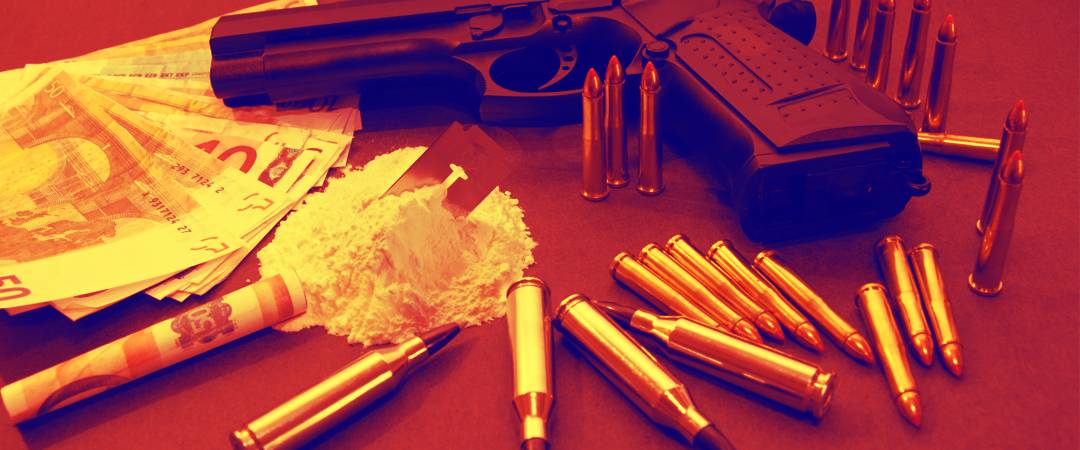
Today, 25 suspects tied to an Albanian-speaking organised crime network were arrested during a simultaneous operation carried out in Belgium, Spain, the Netherlands, Germany and France which saw the involvement of over 600 police officers on the ground.  This cross-border sting follows a complex investigation initiated in 2017 by the Belgian Antwerp Local Police (Politiezone Antwerpen), in cooperation with the Belgian Federal Police (Federale Politie), Spanish Civil Guard (Guardia Civil), the Dutch Police (Politie), the French Judicial Police (Police Judiciaire) and the German Federal Criminal Police Office (Bundeskriminalamt), Sachsen-Anhalt State Police (Landespolizei Sachsen-Anhalt) and the Joint Drugs Investigation Group of the State Criminal Police Office of Saxony-Anhalt and the Customs Office of Hannover (Gemeinsame Ermittlungsgruppe Rauschgift des Landeskriminalamtes Sachsen-Anhalt und des Zollfahndungsamtes Hannover).  The investigation led by the Antwerp Local Police uncovered that the drugs were being smuggled hidden in containers into Belgium before being distributed further throughout Europe by using vehicles equipped with sophisticated hidden compartments. The same criminal group is also believed to have been managing cannabis plantations in Spain and Germany where they cultivated and processed the marijuana, before it was transferred to other European countries for further sale and distribution.  To this day, this operation has resulted in:  9 arrests in Belgium, 6 arrests in Spain, 3 arrests in the Netherlands, 6 arrests in Germany and a further one arrest in France, bringing the total number of arrests to 25; Some 30 house searches; 6 marijuana plantations dismantled; the seizure of €60 000 in cash, mobile phones, handguns and ammunition.   The alleged mastermind of this network features among those arrested in Belgium by a tactical squad of the Antwerp Local Police.  This clan-based organised crime group was hierarchically structured, with branches operating internationally. Some of its members arrested today have a history of drug trafficking in different countries.  Europol supported this investigation by providing tailored expertise and extensive analysis support and facilitating the exchange of information through its secure channels. A number of operational meetings were organised by Europol all over Europe with a view to filling the investigative gaps at the international level and coordinating the simultaneous actions aimed at dismantling the entire structure of this criminal group. On the action day, two Europol experts were deployed on the spot in Belgium and one in Spain to allow for the real-time exchange of information and crosschecks of the data gathered in the course of the action against Europol’s databases. Eurojust assisted in the execution of European Investigation Orders and Letters of Request among the involved parties.   This investigation is part of the Italian Direzione Investigativa Antimafia (DIA) Project @ON network, an initiative to tackle mafia-type organised crime groups active in Europe. The project was launched at Europol’s headquarters in 2018 and comprises 15 Member States and Europol. The @ON network, with its EU-funded Project ONNET which aims to finance the relevant operational activities, targets the mafia-type structured criminal groups in their entirety, rather than one or more of their specific criminal activities. Within the framework of this project, three Italian antimafia experts were deployed to the command centre in Belgium for this particular operation to support the various operations happening in the field.  Such operational achievements as the one today follow the increasing engagement of European law enforcement authorities to tackle Albanian-speaking organised crime. Back in November 2019, in the framework of the @ON Project, experts on this type of criminality convened in Antwerp, Belgium, to discuss how to better tackle these poly-criminal mafia-type clans.   
Read full story →
Europol Feb 5, 15:50

Huge hit to illegal IPTV distributors in Bulgaria

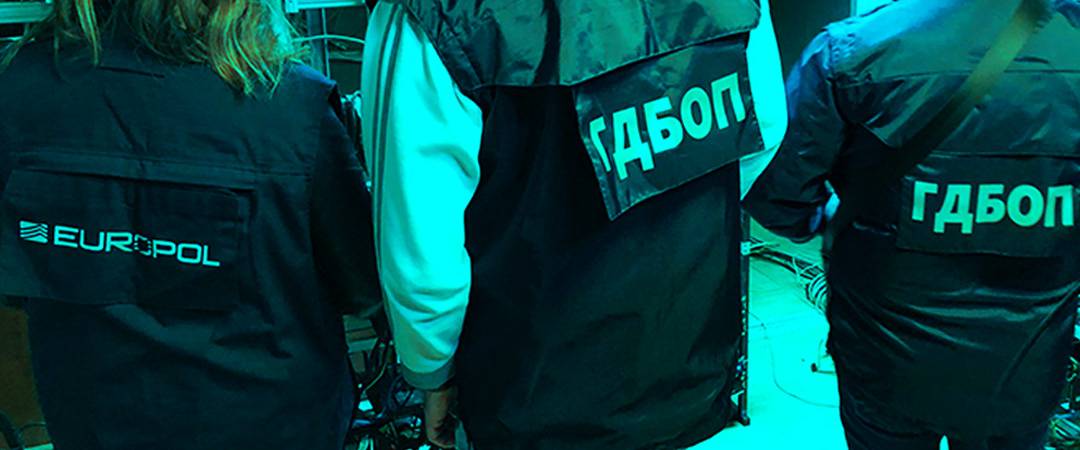
Europol supported a massive crackdown on illegal IPTV distributors in an operation executed by the Cybercrime Unit of the Bulgarian General Directorate Combating Organised Crime (Главна Дирекция Борба с Организираната Престъпност) of the Ministry of Interior and led by the Bulgarian Supreme Prosecutor’s Office of Cassation. This has been Bulgaria’s third successful operation, supported by Europol against illegal IPTV distributors in the past year. The investigation targeted six companies active in the Bulgarian cities of Sofia and Varna and the region of Burgas. The national authorities carried out 17 house searches and seized a large number of documents and digital information. The examination of the evidence concluded that at least 30 000 people were subscribed to the illegally distributed signal. One of the six companies involved was fined €650 000. Following this action, six pre-trial proceedings were opened.  Europol’s Intellectual Property Crime Coordination Coalition (IPC3) supported the investigation on the ground by deploying two experts to Bulgaria. Europol officers exchanged information in real-time and cross-checked operational data gathered against Europol’s databases. The operational deployment, handled by Europol’s IPC3, was partly funded by the European Union Intellectual Property Office (EUIPO). Watch video
Read full story →
Europol Feb 5, 11:00

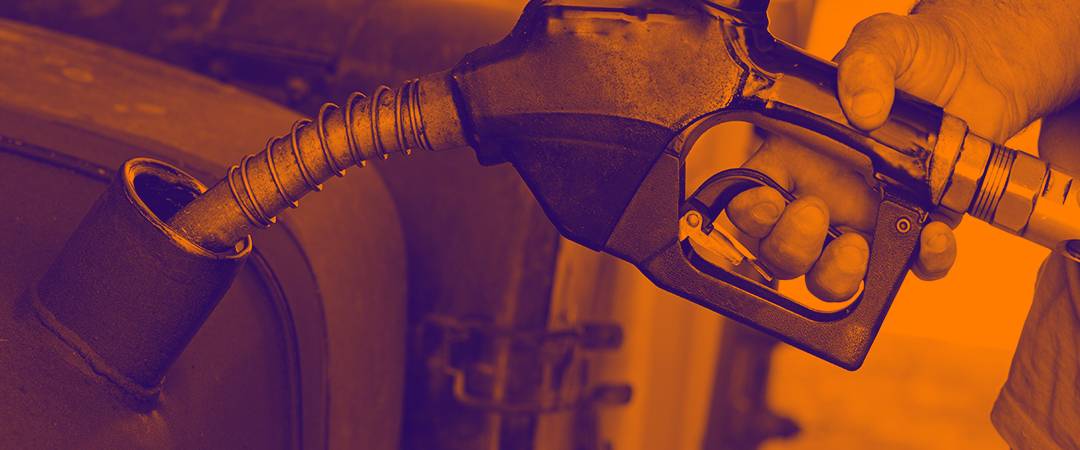
Blow to fuel fraudsters: 59 arrests in Europe

Law enforcement authorities from 23 EU Member States struck a blow at organised crime groups involved in fuel fraud by arresting 59 individuals in a year-long operation. The joint operation was supported by Europol as part of the European multidisciplinary platform against criminal threats (EMPACT). Including the arrests, the operation led to: 5.2 million litres of designer fuel seized (worth in around €6.8 million ); 78 tractor units, 78 trailer units (heavy goods vehicles) and 3 vans seized; 93 investigations initiated; 59 people arrested; €39.2 million in revenue loss prevented; €331 000 and other assets (properties, luxury vehicles, etc.) seized; 186 bank accounts frozen; 4 weapons and telescopic sights seized; 1 jamming device seized; 11 ISO tank containers seized; illegal fuel filling stations and equipment for fuel distribution seized. The operation, led by the Hungarian National Tax and Customs Administration (Nemzeti Adó- és Vámhivatal, NTCA) and the Slovak Financial Administration (Finančná správa Slovenskej republiky), began in early 2019, based on intelligence on the modus operandi, routes, types of products and economic operators involved in this particular type of fuel fraud. Growing designer fuel phenomenon  Fuel fraud is a growing phenomenon and typically involves base-oil fraud, also known as designer fuel fraud. This type of fraud requires relevant expertise and is usually only available from trained chemists. Designer fuel is a mixed product, which in some cases is exempt from tax in the EU. To avoid that the fuel is subject to excise regime once on the market, criminals produce a mixture of gas oil and other added compounds to modify the final physical features of the product, and they can sell it in the black market. Europol’s Analysis Project (AP) Smoke has supported the operation throughout with SIENA (Europol’s secure platform for information exchange) and facilitating international cooperation between the involved Member States, running cross-checks and providing analytical support and operational expertise. The Customs Cooperation Working Party (CCWP) and the World Customs Organization (WCO) also supported the initiative. National highlights:  LATVIA: in May and June 2019, 22 cargo vessels were checked, 3 shipments (containin 26 111kg of designer fuel and 32 571kg of a liquid similar to ethanol) and 6 vehicles were seized and  3 individuals were arrested by the Latvian Tax and Customs Police Department. ITALY: in October 2019, complex investigative work performed by the Italian Finance Corps (Guardia di Finanza) resulted in the apprehension of 6 individuals, the seizure of over 86 000 litres of designer fuel and 12 vehicles, and the dismantling of huge storage facilities in the province of Naples.  POLAND: in November 2019, the Polish Police (Policjia) conducted a large-scale joint operation in cooperation with the National Revenue Administration of PL (KAS); preliminary analysis was performed in cooperation with Slovakia. 250 officers from police, customs and tax administration participated in the action. Perpetrators used intermediate bulk containers, from which they re-pumped designer fuels into tanks and subsequently sold them as fuel. There were more than 80 companies involved in the fraud and 14 people were arrested. In Poznan, suspects were accused of being members of an organised crime group, money laundering and other crimes. One of them was additionally charged with being the leader of the criminal gang.  SLOVAKIA: 16 000 litres of illicit fuel, 5 vehicles, technical equipment and documents showing shipments of up to 348 000 litres of illicit oil were seized by the Financial Administration of the Slovak Republic. Following seven searches of houses and storage units, four members of an organised crime group were arrested. Four weapons, signal jammers as well the vehicle’s licence plate (for which a search warrant had been issued) were also found and seized. (Read more)
Read full story →
Europol Feb 4, 15:00

Eight arrested for smuggling migrants from Greece to Italy

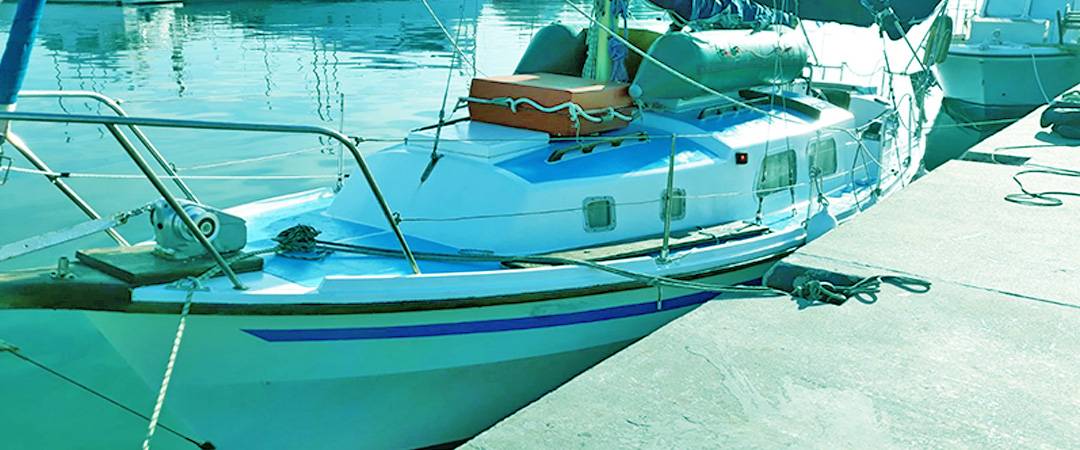
On 2 February 2020, a law enforcement operation supported by Europol saw the arrest of eight individuals suspected of smuggling migrants from Greece to Italy using sailing vessels. Operation Odyssey led by the Organised Crime Unit of the Hellenic Police (Ελληνική Αστυνομία), together with the Hellenic Coast Guard (Λιμενικό Σώμα-Ελληνική Ακτοφυλακή) and the British National Crime Agency (NCA) began in autumn 2019.  Four children among the victims On the day before the operation, the Hellenic Coast Guard detected a vessel with a group of migrants from the coast of Attica in Greece headed to Italy. The boat was stopped and two members of the criminal group were arrested, it was then when the investigators found 19 migrants on board, including four minors. At the same time, six more suspects were arrested in various areas of Attica.  It is believed that the highly structured organised crime group had been in operation since at least November 2019. The criminals bought vessels and identified migrants who wanted to travel to Italy, charging around €4 000 each.  On the action day, the following were confiscated:         a sailing vessel and a small boat;  maps and high-tech GPS navigators; digital storage means and mobile phones; €2 500 and various money transfer receipts; documents for purchasing vessels; two vehicles. Experts from Europol’s European Migrant Smuggling Centre (EMSC), deployed to Greece, provided continuous operational assistance, tailored analytical support and cross-checking of operational information against Europol’s databases.  In 2010 the European Union set up a four-year Policy Cycle to ensure greater continuity in the fight against serious international and organised crime. In March 2017 the Council of the EU decided to continue the EU Policy Cycle for organised and serious international crime for the 2018 - 2021 period. This multiannual Policy Cycle aims to tackle the most significant threats posed by organised and serious international crime to the EU in a coherent and methodological manner. This is achieved by improving and strengthening cooperation between the relevant services of EU Member States, institutions and agencies, as well as non-EU countries and organisations, including the private sector where relevant. Facilitation of illegal immigration is one of the priorities for the Policy Cycle.
Read full story →
Europol Feb 4, 14:03

Spanish police arrest 26 for smuggling migrants from Algeria and Morocco

On 19 November 2019, the Spanish National Police (Policía Nacional) dismantled an organised criminal group specialised in migrant smuggling using speedboats from Algeria and Morocco to Europe. The operation, which was supported by Europol, led to 26 arrests for facilitating illegal immigration. The investigators have obtained two clear statements from a number of the suspects proving their involvement in these criminal activities. From January 2019, the organised crime group allegedly smuggled around 850 Algerian nationals and around 50 Moroccan nationals into Spain. The suspects had links with other European countries, such as Belgium, France, and Sweden. The group is also suspected of trafficking tobacco and forged documents into Spain. The total turnover of the criminal organisation is estimated to be €1.5 million. The results in numbers:  17 vehicles confiscated;  €20 000 in cash seized; a considerable number of mobile phones seized; How Europol supported the operation: intelligence analysis products identifying members of the criminal organisation; mobile office deployment during the action day: all the operational data from arrests, house searches and seizures were cross-checked live, with real-time results; forensic extractions of the phones performed at Europol’s headquarters and the results shared and fully analysed by EMSC experts. One-year waiting list for a three-hour speedboat journey  Before the boats left Algeria, the organisers and skippers themselves contacted their associates in Spain to provide them with logistical details, such as the expected places of arrival, the approximate time and the number of migrants.  The boats mainly departed from  near the coastal city of Oran. It took the speedboats approximately three hours to cross the Alboran Sea and reach Spain. Upon arrival, the migrants received specific instructions on how to move further inland and how to find  safe places to hide without being found out. The migrants waited almost one year for the chance to make the journey across the Alboran Sea. Each migrant was charged between €2 000 and €2 500 for the sea crossing and an additional €500 to be transported away from ports in Spain. The smuggling gang earned a considerable amount of money from this criminal activity. The lucrative purpose of the criminal group is highlighted by the fact that the migrants – who lacked sufficient economic means to reach their final destination – were abandoned on motorways or held in houses owned by the organisation until the migrants paid the agreed amount.  The organisation increased its income by helping Moroccan migrants obtain residence permits through false complaints of gender-based violence. For these services every woman paid €9 000. Joint Operational Team Mare and the Information Clearing House Joint Operational Team (JOT) Mare and the Information Clearing House received information on this organised crime group from Frontex. The information was processed, analysed and put into context through social media intelligence searches, open-source intelligence investigations and cooperation with Frontex, building the case from scratch together with the Spanish authorities. JOT Mare and the Information Clearing House promoted the use of Frontex’s Eurosur Fusion Services to coordinate and exploit the intelligence gathered from the boats’ departure points.   Watch video
Read full story →
Europol Jan 29, 15:08

Fake investors busted in Belgium and France

The French National Gendarmerie (Gendarmerie Nationale) in collaboration with the Belgian Federal Judicial Police (Police Judiciaire Fédérale) and the Israeli Police, supported by Europol and Eurojust, have brought down a large network of investment fraudsters. The criminal group was involved in money laundering and binary investment fraud.  Fake websites and bogus companies to fraud investors In the beginning of 2019, four suspects were arrested in France, three of which were detained. At the end of 2019, five other suspects were arrested and questioned in Israel with the support of an international Operational Task Force set-up by Europol bringing together Belgian, French and Israeli investigators and magistrates. More than one million euros have already been seized from the fraudsters’ accounts. A French-Israeli citizen who has already been convinced of massif fraud related to carbon tax is suspected to be the mastermind. The investigation into this criminal network, active in Belgium and France and controlled by an Israeli branch, started in 2018. The criminal organisation managed to set-up a sophisticated system promising big gains on investments in bitcoin, gold and diamonds. The suspects were offering their financial services on online platforms. The criminal network also set up bogus companies as a part of their money laundering scheme.   No real easy gains  The suspects were promising between 5 and 35% return on investment. They then proceeded to pretend to manage the victims’ wallets and invite them to invest more money. To increase the confidence in their services, they were paying some of the victims the interests on their investments. Once the victims were won over, the fraudsters would offer bigger opportunities, which required higher amounts to be invested. A big French private company and a French local authority are among the victims of this network. The investments of the victims were placed on accounts in different EU Member States before being transferred to other international accounts.  The network is believed to be responsible for frauds which amount to at least €6 million. The investigators have also discovered invoices for few million euros, which the fraudsters had not yet finalised. Europol supported the investigation since 2018 and facilitated the information exchange between the participating countries. A Europol Operation Task Force between investigators and magistrates from Belgium, France and Israel to increase the operational cooperation between the countries involved in the investigation. Europol provided also analytical and technical support and deployed an expert on-the-spot to cross-check operational information against Europol’s databases and thus, provide leads to investigators.      In 2010 the European Union set up a four-year Policy Cycle to ensure greater continuity in the fight against serious international and organised crime. In March 2017 the Council of the EU decided to continue the EU Policy Cycle for organised and serious international crime for the 2018 - 2021 period. This multiannual Policy Cycle aims to tackle the most significant threats posed by organised and serious international crime to the EU in a coherent and methodological manner. This is achieved by improving and strengthening cooperation between the relevant services of EU Member States, institutions and agencies, as well as non-EU countries and organisations, including the private sector where relevant. Fraud and money laundering are two of the priorities for the Policy Cycle.
Read full story →
Europol Jan 28, 11:00

Romanian kingpin of rare book thieves behind bars thanks to Italy

A 40-year-old Romanian national, who was wanted by the British authorities since June 2019, was arrested earlier this month in Turin, Italy, by the Italian Carabinieri (Arma dei Carabinieri -Comando Carabinieri Tutela Patrimonio Culturale).  The suspect was one of the masterminds behind the theft in 2017 of 260 antique books in the United Kingdom worth an estimated €2 million. These antique books were stored in a warehouse with their owners’ permission, to be shipped for display at a book fair in Los Angeles. The books included rare first edition of the sixteenth and seventeenth centuries.  The 15 other members of the criminal organisation to which he belonged were arrested earlier last year in a coordinated operation between the British Metropolitan Police, the Romanian National Police (Poliția Română) and the Italian Carabinieri, supported by Europol and Eurojust.   
Read full story →
Europol Jan 24, 15:48

16 members of the United Tribuns Nomads street gang arrested in Spain

The Spanish National Police (Policía Nacional) in cooperation with the German Federal Criminal Police Office (Bundeskriminalamt) and supported by Europol arrested 16 individuals of this violent street gang for trafficking drugs in Spain. The investigation began when the police officers detected a nightclub on the Spanish island of Mallorca, following similar clubs in the country, where some of their members worked in the security teams, which helped the gang to hide their illegal drug activity. The control of the drug market in the area where they set up the nightclub led them to violent confrontations with other criminal drug traffickers operating on the island.  Criminals impersonated police officers to steal from rival drug traffickers The investigations reveal that the criminals would not hesitate to impersonate police officers to stop and steal the substances trafficked by other criminal gangs, using violence or intimidation using several firearms. The structure of this organisation was similar to the one used by other well-known biker groups, such as Hells Angels or Satudarah: each member has a role and they customise their physical appearance with rituals, leather vests, military patches or tattoos. The profits earned by carrying out their illegal activities were used to fund extreme right-wing groups, especially Hooligans and Neo-Nazis.  A chem lab discovered during the searches During the 18 searches carried out, the police officers found out a chemistry lab where the criminals produced ketamine. Several chemical products, obtained in central Europe, were seized. Thanks to this action, the police were able to stop the 1.5 litres of a liquid made by amphetamine. Cocaine, marijuana and anabolic substances were also seized during the searches, alongside diverse police equipment and GPS beacons to check up on rival criminal organisations. Europol supported the Spanish National Police in this operation by deploying two mobile offices for on-the-spot support during the action days.  
Read full story →
Europol Jan 23, 09:30

Cocaine caravans immobilised: 12 arrests in big bust against drug traffickers in the Canary Islands

A large-scale drug trafficking organisation linked to Colombian and Peruvian cartels was dismantled in Spain and Colombia in an international law enforcement operation. Europol supported the two-year-long investigation, led by the Spanish Civil Guard (Guardia Civil) in close collaboration with the National Police of Colombia and the US DEA.  In total 11 Spanish nationals were arrested in Tenerife (Spain) and a Colombian national – in Cali (Colombia) – is currently awaiting extradition to Spain. €2 million in assets have been seized so far. The investigation was triggered by information on large cash movements in Tenerife, money laundering-related intelligence shared via international cooperation. Caravans with cocaine were travelling to the Canary Islands  The Spanish branch of the network was distributing the cocaine delivered in bulk from South America. The suspects concealed the drugs in caravans travelling between the Canary Islands. A seizure of 60kg of cocaine hidden in a mobile home was made during one of these transfers. To cover up their criminal activities, the suspects used legal businesses. The criminal networks owned vehicle dealerships, auto repair shops and managed long-term caravan parks. These legal businesses provided the criminals with cover to transport the vehicles and launder money. The intermediary, a Colombian living in Cali oversaw the trafficking from South America to Spain. Cocaine’s new route One part of the investigation focused on a Ghanaian citizen. This allowed the investigators to gather evidence on the “African route” of cocaine. This emerging transit route is used by South American drug cartels to send large shipments to Europe. The drugs travel through the west coast of Africa, where they are stored before going to Spanish coasts. Africa has a growing role as a trafficking and transit area, a new trend identified in the 2019 EU Drug Markets Report by Europol and the European Monitoring Centre for Drugs and Drug Addiction (EMCDDA). Tracing money movements to catch drug traffickers Europol supported the investigation from its very beginning by assisting the coordination of the operational activities between the countries involved and by facilitating the information exchange and operational analysis. Europol also provided technical and analytical support and facilitated the exchange of judicial evidence collected during the house searched carried out in Colombia.  On the action day, Europol deployed two experts on the field to cross-check operational information in real-time and provide technical support on the spot. Watch video In 2010 the European Union set up a four-year Policy Cycle to ensure greater continuity in the fight against serious international and organised crime. In March 2017 the Council of the EU decided to continue the EU Policy Cycle for organised and serious international crime for the 2018 - 2021 period. This multiannual Policy Cycle aims to tackle the most significant threats posed by organised and serious international crime to the EU in a coherent and methodological manner. This is achieved by improving and strengthening cooperation between the relevant services of EU Member States, institutions and agencies, as well as non-EU countries and organisations, including the private sector where relevant. Drug trafficking and money laundering are two of the priorities for the Policy Cycle.
Read full story →
Europol Jan 23, 08:36

23 arrests in France and the Netherlands as Iraqi-Kurdish smuggling network busted

The French Border Guard together with the French National Police (Police nationale) and the  Dutch Royal Marechaussee (Koninklijke Marechaussee), supported by Europol and Eurojust, dismantled a large criminal network involved in migrant smuggling.  On the action day, law enforcement authorities arrested 23 suspected members of the criminal network (19 in France and 4 in the Netherlands), carried out five searches and seized firearms and vehicles. Irregular migrants discovered during the searches were brought to safety. Up to €7 000 for a spot in a refrigerated lorry The criminal network is suspected of having facilitated the transportation of around 10 000 Afghan, Iranian, Iraqi-Kurdish and Syrian migrants from the French areas of Le Mans and Poitiers to the United Kingdom. The migrants were transported in life-threatening conditions, concealed in refrigerated – often-overcrowded – lorries (up to 20 migrants in a lorry). The migrants paid up to €7 000 for the dangerous journey. The payments were collected via an undercover hawala banking system run by a suspect established in the Netherlands. In total, the criminal gang is suspected to have gained around €70 million in profit from their illegal activities.  Europol supported this high-priority case by organising two operational meetings, facilitating the information exchange and providing tailored analytical support. On the action day, Europol deployed two experts on-the-spot, one in France and one in the Netherlands, to cross-check operational information in real-time. This case was also developed as part of EMPACT JOT Dunqett operational action.    In 2010 the European Union set up a four-year Policy Cycle to ensure greater continuity in the fight against serious international and organised crime. In March 2017 the Council of the EU decided to continue the EU Policy Cycle for organised and serious international crime for the 2018 - 2021 period. This multiannual Policy Cycle aims to tackle the most significant threats posed by organised and serious international crime to the EU in a coherent and methodological manner. This is achieved by improving and strengthening cooperation between the relevant services of EU Member States, institutions and agencies, as well as non-EU countries and organisations, including the private sector where relevant. Migrant smuggling is one of the priorities for the Policy Cycle.
Read full story →
Europol Jan 22, 16:38

How to Connect the Dots in Davos

The most dangerous phrase in business is “we've always done it this way.” Creative thinkers in the past have always changed the world with their fresh and innovative thoughts. People like Leonardo da Vinci, Isaac Newton and Albert Einstein connected experiences and observations and created a new world view. In its core, creativity is all about connecting things in a new way.  And yes, the times they are changing and technology has always changed our lives. Think of the invention of the printing press, the light bulb, the automobile or the mobile phone. However, in the 21st century, technology is transforming almost every aspect of our lives at an unprecedented pace and scale, creating new challenges. The annual meeting in Davos is engaging world leaders to find creative solutions to these global challenges.  I am attending Davos for the second year and many of the challenges facing law enforcement are reflected in the Davos agenda. Being here is the perfect opportunity to speak to business leaders on behalf of the law enforcement community to find solutions. On my agenda are three areas, for which I see a need for innovative and cross-disciplinary thinking: Environmental concerns are at the top of the list of global concerns. The more we regulate to protect the environment, the more criminals will seek to exploit black markets for profit. The role of law enforcement will be increasingly vital to uphold new and existing laws to protect the environment; not least the ambitious measures of the EU’s ‘Green Deal’ announced recently by the President of the European Commission, Ursula von der Leyen. Currently, Europol supports 400 environmental cases of serious and organised international crime. Cybercrime is an area where public-private cooperation with the business world is essential to Europol’s work. Most of the internet infrastructure is privately owned and too often, the inability to directly receive personal data from private parties is at the core of a number of issues for law enforcement. On the other hand, cybersecurity practitioners have led the way in developing close cooperation, with tech companies lending their expertise to help law enforcement prevent and investigate crime online.  The role of the private sector is also obvious in financial crime because financial institutions have to protect themselves from abuse by money launderers and various kinds of fraud. Unlike the cybercrime field, anti-money laundering and countering the financing of terrorism are heavily regulated. Law enforcement and banks are keen to re-focus on the core purpose, which is to catch criminals and terrorists and stop their money flows. At Europol, we will launch the European Financial and Economic Crime Centre (EFECC) to pay greater attention to financial and economic crime and criminal asset seizures, making sure crime doesn’t pay.  The common theme in all of these topics is the need for diverse actors to work together, to connect their expertise and to find creative solutions. This means working across sectors and working across borders – the specialities of the World Economic Forum and Europol. For me, Davos is all about finding innovative, new ways to tackle global threats. By the end of the week, we will have fresh input, feeding our ambition to continue making Europe and the world safer.
Read full story →
Europol Jan 21, 09:17

48 arrests and 6 organised crime groups dismantled in medicine-trafficking operation

Europol supported a pan-European operation targeting the illicit online and offline trafficking of misused and counterfeit medicines. The operation was led by Finnish Customs (Tulli) and the Central office against environmental and public health crime  of the French National Gendarmerie (Gendarmerie Nationale, Office central de lutte contre les atteintes à l'environnement et à la santé publique) and involved law enforcement authorities from 11* EU Member States, Bosnia and Herzegovina, Ukraine, US Drug Enforcement Agency (DEA) and the European Anti-Fraud Office (OLAF). The operation took place between 15 and 18 October 2019, the results of which can only be released now for operational reasons. The joint Europe-wide actions, coordinated in real-time from the coordination centre set-up at Europol, led to: the disruption of six organised crime groups;  112 house searches;  the arrests of 48 suspects in Cyprus, Finland, France, Hungary, Portugal, Spain, and the United Kingdom; the seizure of around 34.5 million units of medicines and doping products, and other substances such as antihistamines, anxiolytics, erectile dysfunction medicines, hormone and metabolic regulators, narcotics, painkillers, antioestrogens, antivirals, and hypnotics. The seizures are estimated to be worth around €2.6 million.  Treat a cold or go cold turkey: medicine misused to stimulate addictions Criminals misuse pseudoephedrine – an active substance of medicine generally used to treat colds to make methamphetamine – a very addictive synthetic drug. Drug addicts use psychotropics, which are mostly made from hypnotic medicines, to replace opioid drugs like heroin. Pseudoephedrine and psychotropic medicines were among the biggest seizures made on the action days. Stolen with fake medical prescriptions or acquired with the collaboration of complacent doctors and pharmacists, most of these medicines were diverted from the legitimate supply chain. Several thousands of the seized medicines were falsified. The misuse and falsification of medicines is a serious and growing problem that needs to be tackled at European level. Organised crime groups are increasingly turning to this highly profitable crime area marked by relatively low risks of detection and criminal charges.  * The following EU Member States participated to the Joint Action Days: Belgium, Cyprus, Greece, Finland, France, Hungary, Italy, Portugal, Slovakia, Spain, and the United Kingdom  
Read full story →
Europol Jan 20, 10:41

15 arrested in Spain in inedible horsemeat scam

The Spanish Civil Guard (Guardia Civil), supported by Europol, has dismantled an organised crime group selling horsemeat which was deemed unsuitable for human consumption. The criminal organisation – active in the province of Barcelona – falsified documents to support their illegal activities. Law enforcement also carried out searches in various horse stables in Catalonia. Farms, cattle dealers and vets also involved Officers from the Spanish Environment Protection Service (SEPRONA) detected that the horsemeat unfit for human consumption on the market came from 300 horses slaughtered in slaughterhouses. The documents of more than 10 000 horses were checked during the searches. The operation resulted in the arrests of 15 suspects and the investigation of 13 others. The investigation led to the seizure of 185 falsified horse passports and the detection of 100 other horses uncompliant with food market regulations.  The members of the criminal network, active since 2015, falsified the horse passports in slaughterhouses and farms in the province of Barcelona. The seized false documents confirmed that the organised crime group could have been responsible for introducing meat from hundreds of slaughtered animals onto the market, which failed to comply with national and European regulations. The slaughterhouse, several livestock farms, cattle dealers and veterinarians were all involved in the criminal activities. Europol supported the investigation with operational coordination and facilitation of the information exchange. 
Read full story →
Europol Jan 18, 08:30

Sham partnerships for permits: 30 arrested in Spain

On 10 December 2019, the Spanish National Police (Policía Nacional), supported by Europol, dismantled an organised crime group involved in the facilitation of illegal immigration by arranging sham unmarried partnerships in Spain. The partnerships of convenience were set up to ensure legal permanent permits of residence for irregular migrants. The operation led to 11 searches of properties and companies, 30 arrests and the seizures of a luxury car, over €10 000 in cash and a high number of documents. Solid evidence of facilitation of illegal immigration and document fraud was found during the searches.  From €8 000 to €12 000 for a registered partnership The organised crime group recruited Spanish women willing to be part of unmarried partnerships. Non-EU migrants, wanting to migrate or formalise their stay in Europe, acquired similar rights of EU citizens through the fraudulent partnerships with the Spanish women. Each migrant had to pay between €8 000 and €12 000 for this service. The woman in these pretend partnerships were paid €3 000 for their “I do” as a pretend partner.  The members of this highly complex organised crime group owned several shell companies and were Moroccan and Spanish nationals. The women, also members of the crime group, were registered as employees in these companies. Their employment contracts allowed them to justify their revenues and gave the companies a legitimate legal appearance. A money laundering component was also detected during the investigation. Europol provided coordination and analytical support and facilitated the information exchange. On the action day, Europol also deployed experts on-the-spot to cross-check operational information in real time against Europol’s databases and to provide technical expertise.    In 2010 the European Union set up a four-year Policy Cycle to ensure greater continuity in the fight against serious international and organised crime. In March 2017 the Council of the EU decided to continue the EU Policy Cycle for organised and serious international crime for the 2018 - 2021 period. It aims to tackle the most significant threats posed by organised and serious international crime to the EU. This is achieved by improving and strengthening cooperation between the relevant services of EU Member States, institutions and agencies, as well as non-EU countries and organisations, including the private sector where relevant. Facilitation of illegal immigration is one of the priorities for the Policy Cycle.
Read full story →
Europol Jan 17, 15:00

Fuel fraudsters busted for trafficking over 300 000 litres of illicit fuel

Europol supported an international operation led by the Criminal Office of the Financial Administration of the Slovak Republic (Finančná správa Slovenskej republiky) in cooperation with Polish Customs (Służba Celna). The operation began in 2019 with surveillance as part of an investigation targeting mineral oil fraud in the EU. Thanks to this coordinated action, 16 000 litres of illicit fuel were seized in November 2019 and the organised crime group behind this illegal activities was dismantled. Signal jammers to neutralise GPS trackers The criminals worked in a very sophisticated way trying to avoid police operations. They used signal jammers to neutralise GPS trackers installed by the law enforcement authorities on the criminals’ vehicles. At the same time, passenger vehicles accompanied all the oil deliveries, trying to ensure that the consignments could reach their final destination undisturbed. Despite these measures, the customs officers succeeded in detecting and apprehending not only the fraudsters but the ringleaders too. On the action days, police officers carried out seven searches of properties and storage facilities. Consequently, 4 individuals were arrested, 16 000 litres of illicit fuel was seized, vehicles (two semi-trailers and three tractors), technical equipment, and documents proving that 348 000 litres of illicit oil had been shipped. Four weapons and signal jammers were also found and seized during the searches. Europol runs the international cooperation Analysis Project Smoke at Europol continuously supports intelligence and targeting operational actions in this crime area. For this case, Europol’s experts contributed by facilitating international cooperation between the Slovak and Polish authorities, cross-checking data against Europol’s databases and providing analytical support. The investigation is ongoing and the exact amount of the tax evasion still being quantified.      
Read full story →
Europol Jan 15, 10:00

Board Meeting of the Joint Cybercrime Action Taskforce

Today, the Joint Cybercrime Action Taskforce (J-CAT), an international initiative to tackle the most pressing threats of cybercrime, met within the framework of its Board in Rome, Italy, to discuss operational and strategic matters for the year ahead. The objective of this Taskforce, launched in 2014, is to drive intelligence-led, coordinated actions against key cybercrime threats and targets by facilitating the joint identification, preparation and smooth running of cross border cybercrime investigations by its partners.  Romania has become the latest country to join the J-CAT whose membership now spans 16 countries: EU Member States: Austria, France, Germany, Italy, the Netherlands, Romania, Poland, Spain, Sweden and the United Kingdom; non-EU law enforcement partners: Australia, Canada, Colombia, Norway, Switzerland and the United States; All these officers work from the same office within Europol’s European Cybercrime Centre (EC3) to facilitate the smooth and swift exchange of information between the involved countries.  During this meeting in Rome, the Dutch Chairmanship of the J-CAT was extended, while the new Vice-Chairmanship – Switzerland, was elected, replacing the US FBI in this position.  Key successes of 2019 The J-CAT supported 59 high-profile cybercrime cases in 2019, with notable successes including: The arrest of a 36-year old individual in the United Kingdom for the theft of around €10 million in the IOTA cryptocurrency from over 85 victims worldwide.  The arrest of five men and one woman in the United Kingdom and the Netherlands after a 14-month long investigation into a €24 million cryptocurrency theft. The theft, which targeted users’ Bitcoin wallets, is believed to have affected at least 4 000 victims in 12 countries; The arrests in Spain, Italy and France of individuals forming WhatsApp groups to create and exchange child sexual abuse material. That exchange included the creation of emoji ‘stickers’ of child sexual abuse and other extreme material that were subsequently widely distributed.  The takedown of Imminent Monitor Remote Access Trojan (IM-RAT) which was able to give full remote control of a victim’s computer to cybercriminals. This tool was used across 124 countries and sold to more than 14 500 buyers. Search warrants were executed in Australia and Belgium against the developer and one employee of IM-RAT, and 13 of the most prolific users of this tool have been arrested at this stage.  Raising awareness  In a bid to boost awareness and collaboration with national, regional and local cyber police units from current J-CAT member countries, a number of roadshows were organised in 2019 in Switzerland, Norway, Germany and Sweden. These roadshows followed the two Dutch ones organised in Dec 2018. Over 580 cyber law enforcement and judiciary practitioners took part in these roadshows which included presentations on the tools and services provided by Europol’s European Cybercrime in support of cyber cases, as well as the type of support offered by the J-CAT cyber liaison officers.  This programme of roadshows was supplemented by 4 CEPOL webinars, delivered in different languages by the J-CAT members themselves to reach out to cyber investigators at the national and local level in their own language. A further 580 participants from over 30 countries joined these webinars. Such awareness raising activities have already resulted in concrete operational outcomes, such as an increase in the operational contributions as well as the increased use of the tools provided by Europol. 
Read full story →
Europol Jan 13, 11:00

47 arrests for smuggling Moroccan citizens to the EU

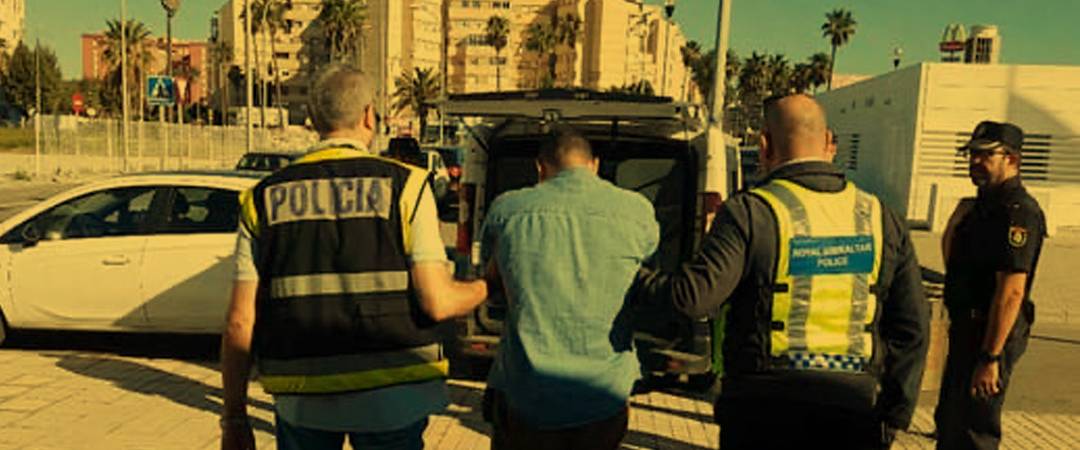
The British Royal Gibraltar Police  and the Spanish National Police (Policía Nacional) supported by Europol, dismantled an organised criminal group smuggling migrants from Morocco to Europe. The operation led to 47 arrests, house searches in Gibraltar and Spain and the seizure of €19 000 in cash, 12 smartphones, five cars and various documents. A total of 16 devices were successfully examined: six mobile phones, four media storage devices and six SIM cards.  Between €7 000 and €8 000 to enter the EU  The organised crime group, active in Morocco, Gibraltar and Spain, was facilitating the UK visa application procedure in the British embassy in Rabat. Each migrant paid between €7 000 and €8 000 to the facilitators. The criminal organisation would have gained about €1 million from these illegal activities. Drivers, taxi drivers and staff to manage travel tickets – also part of the organisation – charged migrants an additional €100 to €200 on top of the €500 to €700 paid for secondary movements within the EU. Once the visas were granted, the migrants arrived in Gibraltar by plane or ferry from Morocco. In Gibraltar they were picked up by members of the organised criminal group and driven to Spain, hidden in off-road vehicles with tinted windows. In Spain, the migrants were provided with temporary accommodation or bus tickets to travel to another part of Spain or cross over to other EU Member States.  Europol supported the investigation with intelligence analysis and facilitated the information exchange. Europol deployed a mobile office in Gibraltar and Spain to cross-check operational information against Europol’s databases. Additionally, forensic extractions of devices were carried out at Europol’s headquarters and the results were analysed by experts from Europol’s European Migrant Smuggling Centre.     In 2010 the European Union set up a four-year Policy Cycle to ensure greater continuity in the fight against serious international and organised crime. In March 2017 the Council of the EU decided to continue the EU Policy Cycle for organised and serious international crime for the 2018 - 2021 period. This multiannual Policy Cycle aims to tackle the most significant threats posed by organised and serious international crime to the EU in a coherent and methodological manner. This is achieved by improving and strengthening cooperation between the relevant services of EU Member States, institutions and agencies, as well as non-EU countries and organisations, including the private sector where relevant. Migrant smuggling is one of the priorities for the Policy Cycle.
Read full story →
Europol Dec 20, 12:00

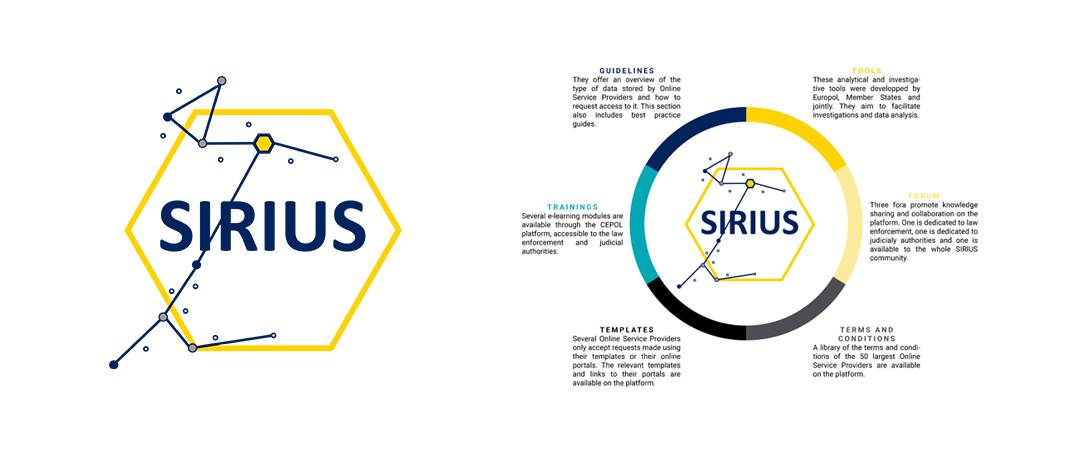
SIRIUS: European Union Digital Evidence Situation Report 2019

A new Europol report aims to draw a picture of the status of access of European Union (EU) Member States to electronic evidence held by foreign-based online service providers in 2018. The report presents data in relation to the volume of requests from EU Member States to online service providers; the main reasons for refusal or delay of EU requests; and the main challenges in the process from the perspective of the different stakeholders. Manuel Navarrete, Head of the European Counter Terrorism Centre at Europol: “This is the first time such an exercise is carried out in a systematic way and including survey with judicial authorities, law enforcement from all EU Member States and input from over 12 online service providers. The information gathered gives indications of short-term actions, which could be taken to improve the swiftness of this process.” The report comprises a set of recommendations that are directed to online service providers and law enforcement agencies and may be applicable regardless of potential future developments in policy and regulations. Recommendations for online service providers Provide clear guidelines for law enforcement authorities, including information about which data sets can be requested and to which legal entity the data requests should be addressed. Prepare periodic transparency reports regarding requests from EU authorities, including standardised data categories across online service providers and files in CSV format. If direct requests or emergency disclosure requests are rejected, inform the requesting authority of the reason for rejection without delay. Recommendations for EU law enforcement agencies Provide periodic training courses to officers dealing with cross-border requests to online service providers. In EU Member States where there is no central unit to submit requests, establish single points of contact within the law enforcement agency to deal with the most relevant online service providers. Collect statistics regarding cross-border requests to online service providers.  The SIRIUS project is a response to the increasing need of European Union authorities to access electronic evidence from foreign-based online service providers, in the context of criminal investigations. Spearheaded by Europol’s European Counter Terrorism Centre and the European Cybercrime Centre at Europol, in close partnership with Eurojust and the European Judicial Network, SIRIUS aims to help investigators and judicial authorities to cope with the complexity and volume of information in a rapidly changing online environment. The SIRIUS project was created by Europol in October 2017.  Download the full report European Union Digital Evidence Situation Report 2019.  
Read full story →
Europol Dec 19, 09:22

43 arrested after 27 poisoned by clams in Spain

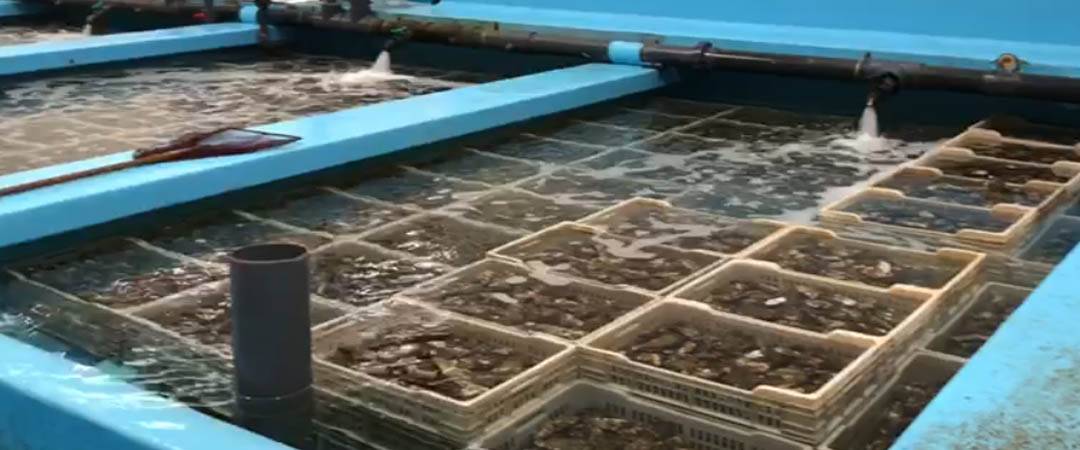
An investigation into the trafficking of contaminated clams resulted in dismantling a large organised crime network involving poachers, intermediaries and distribution companies responsible for the food poisoning of at least 27 individuals in Spain. The investigation involved the Portuguese Economic and Food Safety Authority (Autoridade de Segurança Alimentar e Económica – ASAE), the Food Fraud Network (FFN) of DG SANTE (European Commission) and was led by the Spanish SEPRONA (Guardia Civil’s nature and environment division) and coordinated by Europol. The operation led to 43 arrests (39 from Spain and 4 from Portugal), the seizure of 38.5 tonnes of clams worth €350 000 and €80 000 in cash, and the location of hideouts where they stored clams caught in Portugal. In addition, six searches and seven inspections took place, resulting in 11 companies under investigation. €9 million in profit from 1000 tonnes of clams  The criminal network was active for at least a year earning up to €9 million with more than 1 000 tonnes of illegally caught clams which were then seized by the 11 Spanish companies under investigation. The illegal clams were harvested in Portugal and then moved to Spain for the most lucrative seasons – the summer and the end-of-the-year holidays. After a brief clean up, the contaminated clams were sold in markets and restaurants. Washing the clam got rid of the bacteria (E. coli), but did not eliminate the viruses (Norovirus genogroup I and II and Hepatitis A).   Europol coordinated the operational activities from the very beginning of the investigation, facilitated the information exchange and provided operational analytical support and technical expertise. On the action day, Europol deployed an export on-the-spot to cross-check operational information in real time. In 2010 the European Union set up a four-year Policy Cycle to ensure greater continuity in the fight against serious international and organised crime. In 2017 the Council of the EU decided to continue the EU Policy Cycle for the 2018 - 2021 period. It aims to tackle the most significant threats posed by organised and serious international crime to the EU. This is achieved by improving and strengthening cooperation between the relevant services of EU Member States, institutions and agencies, as well as non-EU countries and organisations, including the private sector where relevant. Environmental crime is one of the priorities for the Policy Cycle. Watch video.
Read full story →
Europol Dec 16, 14:00

Dismantling an international cocaine trafficking network

An international criminal group specialised in cocaine trafficking from South America to Europe through a company from Moldova, has been dismantled with authorities working together from Belgium and the Republic of Moldova, with the support of Europol.  The operation took place thanks to the consolidated efforts in carrying out special investigative measures and the criminal prosecution actions of a joint investigation group formed by the General Police Inspectorate of Moldova, the Belgian Federal Judicial Police of East-Flanders and Europol. At the beginning of December 2018, searches were carried out in parallel in Belgium and Moldova where evidence proving criminal activity was found.  In January 2019, 2 200 kg of cocaine were seized in Suriname which were also destined for Europe and was probably another cargo of the same criminal organisation.  The measures taken so far by the joint investigation team are: 20 targets were arrested in Belgium, the Netherlands and the Republic of Moldova;   confiscation of financial means and other assets estimated at about €1.5 million, coming from the criminal activities; seizure of 12 luxury cars.  In Moldova, the suspects face a prison sentence of up to 15 years; in Belgium they face from 5 to 10 years in prison. Watch Video.
Read full story →
Europol Dec 16, 10:00

Marine pollution: thousands of serious offences exposed in global operation

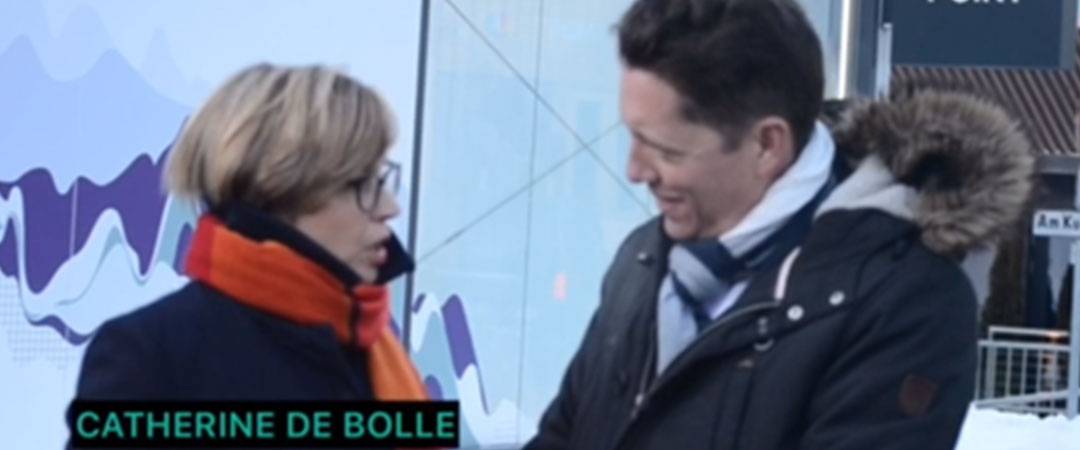
A global law enforcement operation involving 61 countries has identified thousands of illicit activities behind severe marine pollution as well as hundreds of violations and exposed serious cases of contamination worldwide. Codenamed 30 Days at Sea 2.0, the month-long (1-31 October) operation gathered more than 200 enforcement authorities worldwide for concerted action across all continents. Illustrating the severe global extent of marine pollution crime, preliminary operational results have already revealed more than 3,000 offences detected during 17,000 inspections. The offences - such as illegal discharges at sea, in rivers, or in coastal areas - were found to have been committed primarily to avoid the cost of compliance with environmental legislation. Safeguarding sustainable development and public health As part of Operation 30 Days at Sea 2.0, INTERPOL hosted an Operational Command Centre (OCC) in Singapore to focus on the illegal trade in plastic waste, a key threat to marine environment security. The OCC brought key countries together to trigger investigations into cases of illegal export or import of plastic waste. “Plastic pollution crime threatens the food chain, ecosystems, economies, public health and sustainable development,” said INTERPOL Secretary General Jürgen Stock. “INTERPOL has a powerful role in coordinating effective global multi-agency action to help countries tackle this serious form of pollution crime. “We have already seen significant results from the action days but the work will and must continue to identify those behind these crimes who are making a profit at the cost of our environment,” added the head of INTERPOL.  Transnational and interagency cooperation: a stronger response The European leg of 30 Days at Sea 2.0 was coordinated in cooperation with Europol and Frontex - the European Border and Coast Guard Agency. “With incidents of maritime pollution increasing significantly over the last decade, and as Europol considers maritime pollution to be a priority environmental crime area, we are proud to coordinate this operation within the EU Member States in active cooperation with our colleagues from INTERPOL and Frontex,” said Europol Executive Director Catherine De Bolle. “The nature of maritime pollution requires a coordinated and multi-agency approach on a global scale : the impressive results of the second edition of ‘Operation 30 Days at Sea’ illustrate once more what can be achieved when law enforcement agencies work together with the support of the EU and global organisations,” added the Europol Chief. “We are proud that we helped track down severe maritime pollution as part of Operation 30 Days at Sea 2.0 because we take the protection of our seas very seriously,” said Frontex Executive Director Fabrice Leggeri. “Frontex helped monitor and patrol the Mediterranean with its various services and planes and ships taking part in Frontex maritime joint operations,” added Mr Leggeri.  The operation also served to trigger new and stronger working partnerships between national agencies in some countries, which in turn boosted operational results and sustainable cooperation mechanisms In Nigeria, INTERPOL’s National Central Bureau in Abuja coordinated the action of 18 authorities through a task force created to conduct inspections into illegal oil refineries, found responsible for severe oil leakages polluting the country’s waterways.   Information exchanged between Malaysia and The Netherlands permitted authorities to identify the source country of seven containers of plastic waste being illegally shipped into Malaysia from Belgium via Hong Kong, and to initiate their repatriation. As part of the operation, some countries increased collective commitment to tackling plastic pollution crime through awareness campaigns in addition to enforcement actions.  Ecuador conducted a plastic waste collection campaign in the World Heritage site of the Galapagos Islands, resulting in the removal of more than 600 kg of refuse.  Indonesian authorities launched a public awareness campaign on national law enforcement’s newly strengthened approach to tackling marine pollution. INTERPOL is now working with more than 100 enforcement agencies worldwide on investigations triggered by Operation 30 Days at Sea 2.0. Follow the hashtags #PollutionCrime and #30DaysatSea on Twitter for further information on the operational successes.  
Read full story →
Europol Dec 16, 08:57

No crime goes unpunished on the Darknet: 11 arrested for buying counterfeit euros

Between 9 and 11 December 2019 Europol coordinated joint raids against the sale of counterfeit euro banknotes on illegal platforms on the Darknet. Law enforcement authorities from seven EU Member States carried out 36 house searches, detained 44 suspects for questioning, 11 of whom have been arrested, and seized counterfeit euro banknotes, drugs, weapons, doping substances, illegally procured medicines, forged documents and virtual currency. A clandestine documents print shop was also dismantled in Germany. Germany carried out 27 house searches and 9 other raids were done in Austria, France, Greece, Ireland, Luxembourg and Spain. These joint activities were triggered when the Portuguese Judicial Police (Polícia Judiciária) dismantled a digital print shop in July 2019. This Europol-supported operation led to the arrests of five individuals suspected of producing and  distributing counterfeit 10 and 50 euro banknotes mainly via the Darknet. Over 26 000 fake banknotes were shipped to buyers all over Europe, making this criminal group the second-largest counterfeit currency producer operating on the Darknet to be identified so far. Europol analysed the information uncovered during the raid in Portugal and disseminated it to the affected countries, leading to buyers on the Darknet.  Europol, assigned with the role of the European Central Office for combating euro counterfeiting, supported the investigation with operational analysis and facilitated the information exchange.  Watch video.
Read full story →
Europol Dec 12, 14:55

Migrants smuggled by leisure boats on Adriatic Sea: 8 arrested in Greece and Italy

Law enforcement authorities from Greece and Italy, supported by Europol and Eurojust, have dismantled a large organised crime group smuggling migrants by leisure boats / pleasure crafts via the Adriatic Sea. On the action day, law enforcement authorities carried out 13 house searches and arrested 8 individuals of Greek, Italian and Middle Eastern origin suspected to be members of the criminal network. Investigations are still ongoing in both countries.  Active since 2018, the organised criminal group is suspected of smuggling around 150 migrants from the west of Greece via the Strait of Corfu to the southern Italian coast between Otranto and Lecce. The migrants were paying up to €6 000 to travel about 12 hours in leisure boats sometimes as small as ten meters long. Children under 13 years old were among the migrants smuggled this way by the criminal group. Europol has supported this complex cross-border investigation with the deployment of experts from its European Migrant Smuggling Centre. Europol facilitated the information exchange between concerned law enforcement and prosecution authorities and coordinated operational meetings. Europol also provided constant intelligence analysis on the wider phenomenon and case specific intelligence products. On the action day, Europol participated in the coordination centre set-up at Eurojust. Europol supported the exchange of officers between Italy and Greece and deployed experts to support the field activities with cross-checking of operational information in real-time. Europol staff permanently deployed to the European Union Regional Task Forces in Athens and Catania supported this operation during the whole period of the investigation. Watch video. Watch video. In 2010 the European Union set up a four-year Policy Cycle to ensure greater continuity in the fight against serious international and organised crime. In March 2017 the Council of the EU decided to continue the EU Policy Cycle for organised and serious international crime for the 2018 - 2021 period. This multiannual Policy Cycle aims to tackle the most significant threats posed by organised and serious international crime to the EU in a coherent and methodological manner. This is achieved by improving and strengthening cooperation between the relevant services of EU Member States, institutions and agencies, as well as non-EU countries and organisations, including the private sector where relevant. Migrant smuggling is one of the priorities for the Policy Cycle.
Read full story →
Europol Dec 12, 13:00

Migrant smuggling network in France and Italy busted

Law enforcement authorities from France and Italy, supported by Europol and Eurojust, have dismantled a large organised crime group smuggling migrants from Italy via France and Germany towards other European countries. On the action day, law enforcement authorities carried out a number of house searches and arrested 11 Pakistani nationals (10 in Italy and 1 in France) suspected of being members of the criminal network.  Active for the past two years, the network transported Bangladeshi, Indian and Pakistani irregular migrants from northern Italy to western Europe in vans.  The joint operation was triggered by parallel investigations in France and Italy into the activities of the same organised criminal network. The cross-checking of operational data through Europol’s databases brought together these investigations which were looking into the same suspects located mainly in France and Italy.  Europol supported the investigation with operational analysis and facilitated the information exchange. Europol deployed one expert to Turin, Italy to cross-check operational information against Europol’s databases in real time, provide technical expertise and support actions in the field.    In 2010 the European Union set up a four-year Policy Cycle to ensure greater continuity in the fight against serious international and organised crime. In March 2017 the Council of the EU decided to continue the EU Policy Cycle for organised and serious international crime for the 2018 - 2021 period. This multiannual Policy Cycle aims to tackle the most significant threats posed by organised and serious international crime to the EU in a coherent and methodological manner. This is achieved by improving and strengthening cooperation between the relevant services of EU Member States, institutions and agencies, as well as non-EU countries and organisations, including the private sector where relevant. Migrant smuggling is one of the priorities for the Policy Cycle.
Read full story →
Europol Dec 11, 15:47

Three arrested for blowing up ATMs in Germany and Hungary

Law enforcement authorities from Germany and Hungary, supported by Europol and Eurojust, dismantled an organised criminal group suspected of carrying out automatic teller machine (ATMs) attacks in the eastern part of the German state of Hessen. On the action day, German and Hungarian police officers carried out 20 house searches. The operation resulted in three arrests in Germany and the seizures of assets. Five other suspects have been detained for questioning (four in Hungary and one in  Germany). The criminal group, which had been active since 2016, is suspected of blowing up ATMs worth €285 000. Aside from the destroyed ATMs, significant damage was also caused to their surroundings. The suspects broke open the front section of the ATMs and then poured explosive gas into the machine’s safe. Once the gas ignited, the explosion blew open the vault of the ATM. Europol supported the investigation with operational analysis and facilitated the information exchange. Europol deployed experts to Hungary to cross-check operational information against Europol’s databases in real time and support actions in the field. To coordinate the investigations successfully, a Joint Investigation Team including Germany, Hungary and Europol was set up by Eurojust. In 2010 the European Union set up a four-year Policy Cycle to ensure greater continuity in the fight against serious international and organised crime. In 2017 the Council of the EU decided to continue the EU Policy Cycle for the 2018 - 2021 period. It aims to tackle the most significant threats posed by organised and serious international crime to the EU. This is achieved by improving and strengthening cooperation between the relevant services of EU Member States, institutions and agencies, as well as non-EU countries and organisations, including the private sector where relevant. Organised property crime is one of the priorities for the Policy Cycle.  
Read full story →
Europol Dec 11, 12:04

Large-scale document forgery: five arrests thanks to cooperation between Ireland and Spain

On 10 December 2019, the Garda National Immigration Bureau (GNIB) carried out a search and arrest operation – operation Mombasa – which was supported by officers from the Spanish National Police (Policía Nacional) and Europol. Two individuals have been arrested and are currently detained in Ireland. Suspected false documents, phones, financial documentation and cash were also seized. A third individual was arrested during a search and arrest action day on 5 December 2019 and is also currently detained by the Irish authorities.    This operation was attended by the Garda liaison officer to Spain and three officers from the Spanish National Police who are in Ireland to advance the investigation in both jurisdictions.  The Spanish National Police conducted searches in Barcelona on 9  December 2019 as part of operation Mombasa and seized false documents, flight tickets and bookings and evidence from parcel delivery services. Two people were also arrested during the search in Spain.   Multi-jurisdictional investigation  Operation Mombasa is a multi-jurisdictional investigation that was launched in late 2018 and centres on an organised crime group of non-EU nationals (primarily from Georgia) who are known to be resident in Ireland. This organised crime group is involved in the facilitation of bringing Georgian nationals to Ireland and the UK via Spain and France. While the initial connections identified that Ireland and the UK are currently targeted by this criminal gang, further exchanges of information through Europol identified links to other European countries and the USA.   These individuals are believed to be involved in the large-scale production and distribution of false identity and travel documents to order (passports, national ID cards and driving licences) and send these documents from Ireland to individuals outside the country via regular postal and courier services.  125 arrests in the last two years In addition to the investigations which are being conducted in Ireland, there are also several related investigations into the activities of this organised crime group in several other EU Member States such as Finland, France, Germany, Italy, Spain, the UK, coordinated with the support of Europol, and in the USA.  The investigations carried out over the last two years led officers to detain 125 Georgian nationals carrying fake documents through French, Italian, Portuguese and Spanish airports and whose aim was to commit crimes in Europe. Investigations reveal that those arrests might be linked to the ones made in Ireland and Spain this month. Europol supported the investigation with analytical, operational and coordination support, as well as analysis and information exchange. Four operational meetings were funded by Europol and 21 analytical products were prepared and disseminated by Europol’s European Migrant Smuggling Centre to the countries involved. Watch video.
Read full story →
Europol Dec 11, 10:37

Illicit drugs in the EU: the situation is expanding in scale and complexity

On 4 and 5 December, over 150 delegates from EU Member States, third partner countries and 9 international organisations gathered at Europol’s headquarters in The Hague for the 3rd annual conference: Drugs in Europe: tackling top-level drug trafficking organisations and large scale supply. The conference focused on the fact that the drugs situation in Europe is unprecedented, expanding in scale and complexity as the supply is increasing across all drug commodities.  Europol’s Executive Director Catherine De Bolle said: “The illicit production and trafficking of drugs have always been at the heart of Europol’s mandate and will continue to be so, especially given the clear escalation of the situation in Europe. Currently, organised crime poses the highest and most diverse risk to the EU internal security and drug trafficking is the most prolific criminal activity. This situation demands a considerable increase in law enforcement attention and resources devoted to tackling those criminals involved in illicit production and trade.” Trends discussed at the conference: Organised crime groups: The number of identified criminal groups operating in the EU in 2019 stands at more than 5 000 and there are new types of organised criminal groups emerging in Europe, including, among others, street gangs and various groups having their roots outside the EU.  Scale of the drugs market: The drug market is considered to be the largest criminal market in the EU with more than 35% of the criminal groups active in the EU being involved in the production, trafficking, distributing and selling of drugs.  Supply and trafficking: Europol sees a clear increase in drug supply and trafficking activities and the EU is not only a production hub for synthetic drugs but also a key market for cocaine. Trafficking by containers is one of the main methods for transporting cocaine to the EU, with 1% entering as a result of online orders and subsequent parcel post delivery. Violence: Europol is seeing an increase in violence linked to clashes between criminal groups, such as gang-linked killings. The latest trends linked to organised crime groups involved with drugs include increasing violence (shootings and bombings), corruption and rapid formation of global networks. Terrorism: There is clear evidence outside the EU of revenue generated by some organised criminal groups involved in drugs trafficking being linked to terrorism. Fatal casualties: Drug-related deaths in Europe are at an all-time high, mostly affecting younger, more vulnerable members of society.  Asset recovery: Despite comprehensive money laundering legislation in EU Member States, the results of asset tracing in terms of confiscations remain at an extremely low level. Of the billions of euros generated by the illicit drug trade in Europe around only 1% is confiscated and more needs to be done to address this situation. The result is an increasing number of criminal groups with significantly higher profits, which can be used to fund other illicit operations and to infiltrate legitimate business structures. Law enforcement response and Europol’s Strategy 2020+ Law enforcement needs to tackle this development and must invest heavily in supporting drug-related investigations in Europe. This must include an enhanced targeting process against the most prominent criminals, who constitute the highest risk of serious and organised crime in the EU and beyond.  Europol’s Strategy 2020+ aims at bringing Europol’s operational services closer to the investigative activities of EU Member States, improving the quality of intelligence in Europol’s databases and ensuring agile and impactful operational support. Moreover, Europol is currently supporting a large number of investigations into high-risk organised crime groups and their leaders. The EU strategy on serious and organised crime During the conference, delegates discussed the need for having an EU strategy to organised crime and recommended that this strategy cover the following aspects: to prioritise operational law enforcement efforts against high-risk organised crime groups in the EU through a high-value target selection process established by the Member States with the support of Europol; to better tackle communication encryption and other new technology-related methods employed by organised crime groups; to increase the operational cooperation with South American and other relevant non-EU countries as this is essential to tackle the drugs trafficking in general and cocaine trade in specific;   to find a solution for inconsistencies with regard to the legal framework  and working processes concerning drug trafficking and other international organised crime-related investigations in the EU; to put a focus on seizing criminal assets to strengthen the impact against organised crime; to focus on drug trafficking and other crime hubs, such as airports, harbours and other geographical locations, identified by the Member States in the EU and in non-EU countries to ensure efficient information exchange and joint investigations; to enhance the real-time actionable information exchange and related joint investigations between the Member States with the support of Europol. 3rd international drugs conference at Europol Europol organised the annual conference for the third year in a row to increase the understanding of the latest trends in illicit drugs production and trafficking and to agree on bold law enforcement responses to protect the public from the threats posed by illicit drugs. Given the rapid evolution of both crime trends and operational response measures, Europol hosts this drugs conference on an annual basis. In November, Europol and the EMCDDA jointly published the EU Drug Markets Report 2019. The report highlights the increasing importance of Europe, both as a target and drug-producing region, and shows how violence and corruption, long seen in traditional drug-producing countries, are now increasingly evident within the EU. Among the wide-ranging consequences of the drug market presented in the analysis are its negative impacts on society (e.g. gang violence, drug-related homicide) and the strain on public institutions and governance.
Read full story →
Europol Dec 9, 09:43

CROATIAN POLICE ARREST AND DISMANTLE ORGANISED CRIME GROUP IN LARGE INTERNATIONAL INVESTIGATION

Last week, the Croatian National Police Office for Suppression of Corruption and Organised Crime in collaboration with the prosecutor’s office, tax administration, customs and in cooperation with Europol conducted a complex international criminal investigation of an organised crime group (OCG) for acting in a criminal enterprise, tax evasion, money laundering, forgery of documents and fraud. The crimes were committed during luxury vehicle trades in which the OCG established several missing trader companies in different EU countries, giving the impression of carrying out legitimate business. At the same time, they were forging documents and invoices to evade taxes and excise and provided money-laundering services to other criminals and OCGs. The Croatian Police together with German and Czech law enforcement authorities in cooperation with Europol arrested leaders and members of this OCG and conducted numerous searches of houses, offices, vehicles, and digital equipment used by criminals during large international operation. On the action day on 5 December, Europol sent a mobile office to Zagreb to cross-check information obtained and to establish a fast connection with other EU Member State law enforcement authorities.  The Croatian Police has pressed charges against a 48-year-old Croatian citizen for establishing the criminal enterprise and against 10 other people for being members of this OCG.  The investigation ongoing and the Croatian Police expects new charges to be put forward.  
Read full story →
Europol Dec 7, 10:00

68 arrested in Spain for pumping out 76 million kilos of CO2

The Spanish Civil Guard (Guardia Civil), supported by Europol, carried out an operation targeting companies involved in considerable gas emissions attacking the atmosphere. The operation led to the investigation of 30 companies involved in illegal emissions of polluting substances and the arrests of 68 individuals. The companies are suspected of releasing around 76 million kilos of carbon dioxide (CO2) into the atmosphere. To put this into perspective, a car would have to drive 800 million kilometres to release the same amount. The investigation, coordinated by Spanish Central Prosecutor’s Office (Environmental Crime), monitored the activities of authorised centres managing end-of-life vehicles in Madrid, Catalonia and the Basque Country. The investigators looked into the way criminals were disposing of the toxic substance contained in the air conditioning systems. As an example, these systems use refrigerant fluids to reduce temperatures. Therefore, such substances attack the ozone layer, thus contributing to global warming. How old cars kill the ozone layer  Once vehicles are declared as end-of-life, the refrigerant fluids in their circuits must be retrieved and disposed of in accordance with the EU legal framework in place. For this, the owners bring their vehicles to authorised centres and receive documents which testify the disposal procedure has been respected. End-of-life vehicles contain a high amount of pollutingsubstances including hazardous waste. Its improper disposal may involve the emission of polluting substances into the atmosphere, soil and water. Europol supported the investigation with operational analysis, facilitation of information exchange and strategic analysis of the possible connections with the other EU Member States.     In 2010 the European Union set up a four-year Policy Cycle to ensure greater continuity in the fight against serious international and organised crime. In 2017 the Council of the EU decided to continue the EU Policy Cycle for the 2018 - 2021 period. It aims to tackle the most significant threats posed by organised and serious international crime to the EU. This is achieved by improving and strengthening cooperation between the relevant services of EU Member States, institutions and agencies, as well as non-EU countries and organisations, including the private sector where relevant. Environmental crime is one of the priorities for the Policy Cycle
Read full story →
Europol Dec 6, 12:34

Crime group suspected of smuggling nuclear materials arrested in Vienna

Austrian law enforcement together with the General Police Inspectorate of The Republic of Moldova (National Investigative Inspectorate) coordinated and supported by Europol, have jointly investigated and arrested an organised crime group suspected of smuggling nuclear materials.The cooperation, that included transnational investigative measures, targeted a group of criminals when they attempted to sell nuclear container which allegedly contained radiological material to an army for €3 million.During the comprehensive operation three individuals were arrested in Vienna, Austria, two of them had criminal records, and one of them had been already convicted for a similar crime in the past.Europol deployed an expert on-the-spot to support the analysis of the CBRN material and provided analytical and coordination support. Trafficking in nuclear and radiological materials is presently assessed as a potential risk to the EU internal security. Despite the good work being done by law enforcement agencies, the likelihood of the illegal movement of nuclear and radiological materials remains due to the increased availability of misappropriated radiological sources from different conflict zones and their further trade. Watch video
Read full story →
Europol Dec 5, 09:19

Europol coordinates referral action day to combat manuals and tutorials on improvised explosive devices including CBRN

On 27 and 28 November 2019, the European Union Internet Referral Unit (EU IRU) at Europol organised its 17th Joint Referral Action Day with specialised units from EU Member States, non-EU countries 1 and other Europol specialised units.  This joint action was coordinated from Europol’s headquarters in The Hague and mainly targeted manuals and tutorials explaining how to build improvised explosive devices (IED) and use chemical, biological, radiological and nuclear (CBRN) agents in the context or terrorism. During the referral action days, the parties involved reviewed the referral process, from the detection of terrorist content to its flagging to online service providers (OSPs). The focus of this initiative included the detection and referral of terrorist content in a number of platforms. A total amount of 1733 items were referred to the involved OSPs with a request to be reviewed against their terms of service. The joint operation included also dark web investigations focusing on the trade of CBRN explosive agents in dark web markets. In addition, investigators from the participating countries conducted investigations regarding suspicious transactions of chemical precursors in online retailers. Europol promotes cooperative relations to combat terrorist content online. Similar joint actions will continue to be organised frequently. 1Belgium, Czechia, Germany, Greece, Hungary, Italy, Poland, Spain (Civil Guard and National Police), United Kingdom (Metropolitan Police) and the USA (FBI).
Read full story →
Europol Dec 4, 09:00

228 arrests and over 3800 money mules identified in global action against money laundering

Law enforcement authorities from 31 countries, supported by Europol, Eurojust and the European Banking Federation (EBF), have stepped up their efforts to crack down on money mule schemes that rope in victims often unaware that the money they are sending is part of an elaborated money laundering scheme.  The fifth European Money Mule Action (EMMA 5) took place between September – November 2019, resulting in the identification of 3833 money mules alongside 386 money mule recruiters, of which 228 were arrested. 1025 criminal investigations were open, many of them are still ongoing. More than 650 banks, 17 bank associations and other financial institutions helped to report 7520 fraudulent money mule transactions, preventing a total loss of €12.9 million. This year, law enforcement, judicial and financial authorities from Austria, Belgium, Bulgaria,  Czech Republic, Denmark, Estonia, Finland, Greece, Germany, Hungary, Ireland, Italy, Latvia, Lithuania, Luxembourg, Malta, Netherlands, Poland, Portugal, Romania, Slovenia, Slovakia, Spain, Sweden, Australia, Moldova, Norway, Switzerland, the United Kingdom, the United States and Ukraine participated in this international swoop.  Europol and Eurojust organised various operational and coordination meetings in The Hague to discuss the unique approach of each Member State to tackle money muling in their respective country. During the three-month action, Europol supported the operations by assisting the national authorities with cross-checks against Europol’s databases and intelligence gathering for further analysis, while Eurojust contributed to the swift forwarding and facilitation of the execution of European Investigation Orders.  Unsuspecting money mules Money mules, unlike their drug-trade counterparts, are not shuffling illicit goods over a physical border. Instead, they take part – often unknowingly - in money laundering activities by receiving and transferring illegally obtained money between bank accounts and/or countries.  Recruiters of money mules are coming up with ingenious ways to lure in their candidates. This year, cases involving romance scams were reported on the rise, with criminals increasingly recruiting money mules on online dating sites, grooming their victims over time to convince them to open bank accounts under the guise of sending or receiving funds. Criminals are also more and more turning to social media to recruit new accomplices through get-rich-quick online advertisements. This technique is particularly popular when it comes to targeting students and young adults.  Even if money mules act unwittingly, they are committing a crime. Law enforcement will turn first to whoever’s name features on the bank account, and the legal consequences can be severe. Depending on the country’s legal framework, mules may face lengthy imprisonments and acquire a criminal record that could seriously affect the rest of their lives, such as never being able to secure a mortgage or open a bank account. #DontbeaMule To raise awareness of this type of fraud, the money muling awareness campaign #DontbeaMule kicks off today across Europe. With awareness-raising material, available for download in 25 languages, the campaign will inform the public about how these criminals operate, how they can protect themselves and what to do if they become a victim. For the next week, international partners from law enforcement and judicial authorities, together with financial institutions, will be supporting the campaign at national level. Do you think you might be used as a mule? Act now before it is too late: stop transferring money and notify your bank and your national police immediately. Read more information.  
Read full story →
Europol Dec 2, 16:03

Multi-agency meeting targeting illicit cigarette production

On 14 November 2019, Europol’s AP Smoke organised an operational meeting at Europol’s headquarters in The Hague. This multi-agency meeting was attended by authorities from the Netherlands (FIOD), Belgium (Customs), Sweden (Customs), and Spain (Guardia Civil). The meeting targeted an international organised crime group engaged in illicit cigarette production, drug and cigarette smuggling and money laundering.   Following the operational meeting an action day was carried out on 25 November, during which the Belgium Customs raided an illegal cigarette factory in Lanaken, Belgium. Eight arrests were made and a complete production line was seized, preventing it from being packed and moved to another location.  
Read full story →
Europol Dec 2, 10:00

30 506 internet domain names shut down for intellectual property infringement

Law enforcement authorities from 18 EU Member States1 and third parties in a joint investigation with Europol and the US National Intellectual Property Rights Coordination Centre 2, facilitated by Eurojust and INTERPOL, have seized over 30 506 domain names that distributed counterfeit and pirated items over the internet during operation IOS X. These included counterfeit pharmaceuticals and pirated movies, illegal television streaming, music, software, electronics, and other bogus products.  3 arrests and 26 000 luxury products seized During the investigation, officials arrested 3 suspects, seized 26 000 luxury products (clothes, perfumes), 363 litres of alcoholic beverages, and many hardware devices. They identified and froze more than €150 000 in several bank accounts and online payment platforms.  Europol ’s Intellectual Property Crime Coordinated Coalition (IPC³) supported the investigation on the ground by deploying experts with a mobile office. Europol officers carried out real-time information exchange and cross-checks of the data gathered during the course of the action against Europol’s databases. In addition, IPC3 experts organised several online investigation techniques training courses in intellectual property infringements in 2019 with law enforcement authorities all over Europe. Making the internet a safer place for consumers ‘In Our Sites’ (IOS), launched in 2014, is the continuation of a recurrent joint global operation that has increased significantly year-on-year. The operation is the result of the comprehensive approach which Europol follows with the aim of making the internet a safer place for consumers, by getting even more countries and private sector partners to participate in this operation and providing referrals.  Europol, supported by the European Union Intellectual Property Office (EUIPO), continued to enhance efforts in 2019 by successfully supporting many high-priority investigations related to online crimes, providing training for online investigations, and organising the conference on Adaptive enforcement initiatives against new IP crime trends in Malaga, Spain on 18 and 19 June 2019. To raise awareness of this growing threat, Europol’s IPC³ launched the Don’t F***(ake) Up campaign. The campaign aims to inform citizens of the risks of buying fake products online and give advice to help identify illicit websites selling counterfeit goods, as well as other means used by counterfeiters, such as fake social media accounts and fake apps. 1 Albania, Belgium, Bosnia and Herzegovina, Bulgaria, Colombia, Croatia, Czechia, Denmark, France, Germany, Greece, Hungary, Hong Kong,China, Ireland, Italy, Netherlands, Norway, Portugal, Moldova, Romania , Serbia, Slovakia, Spain, Sweden Switzerland, Ukraine, the United Kingdom, and the United States. 2 US Immigration and Customs Enforcement (ICE) Homeland Security Investigations (HSI). Watch video.
Read full story →
Europol Nov 29, 09:00

String of tractor satnav thefts brought to an end by France and Lithuania

On 26 November, the French National Gendarmerie (Gendarmerie nationale) and the Lithuanian Police (Lietuvos Policija) supported by Europol, have dismantled an organised crime group involved in the theft of navigation systems from tractors.  The investigation led to the identification of 47 criminal cases associated with the same organised crime group. It is estimated that the criminal network has caused damage worth more than €575 000. During the operation, four individuals were arrested in Panevėžys, Lithuania, where the network was based. Operating in rural areas through France since 2018, the criminal syndicate is suspected of stealing GPS systems to then resell them mainly outside the EU. Depending on the type of system, each navigation system is worth between €10 000 and €20 000.  Europol supported the exchange of operational information, provided analytical and coordination support. On the action day, Europol experts supported the operation by cross-checking real-time operational information against Europol’s databases. Agro theft: immediate response to the growing trend With 675 cases in 2018 – which represents more than €6.5 million losses in the agricultural sector – an increasing trend of GPS thefts in tractors has been seen in France. Europol provided information exchange and coordination to the French national task force against GPS theft in tractors, which was created in 2018.  In September 2019, another investigation supported by Europol led to six arrests and the dismantling on another Lithuanian organised crime group believed to be responsible for €2.5 million in damage.   In 2010 the European Union set up a four-year Policy Cycle to ensure greater continuity in the fight against serious international and organised crime. In 2017 the Council of the EU decided to continue the EU Policy Cycle for the 2018 - 2021 period. It aims to tackle the most significant threats posed by organised and serious international crime to the EU. This is achieved by improving and strengthening cooperation between the relevant services of EU Member States, institutions and agencies, as well as non-EU countries and organisations, including the private sector where relevant. Organised property crime is one of the priorities for the Policy Cycle.
Read full story →
Europol Nov 27, 14:43

No safe shores for migrant smugglers

Sharing expertise and knowledge is crucial to combat ruthless criminals risking migrants’ lives for their highly profitable criminal activity. On 25 and 26 November, Europol has hosted experts from EU Members states, third party countries and international organisations gathered at the annual meeting of Joint Operational Team (JOT) MARE.  The experts focused on modern communication technologies involved in facilitation of illegal migration, use of specialised forensic examinations and cooperation with source and transit countries to tackle the criminal networks involved in migrant smuggling. During the conference, the Netherlands Forensic Institute presented their preliminary finding on an examination of a rubber boat used to smuggle 78 irregular migrants in life-threatening conditions to Spain. The experts shared the operational value of specialist forensics in the investigations against criminal networks smuggling vulnerable migrants in extremely dangerous condition by sea.       A profitable and widespread criminal activity, migrant smuggling has attracted the most ruthless criminal networks active in the EU and beyond. In 2019, estimated smuggling price varied from €300 for a jet ski to €5 000 for a yacht. Authorities from source, transit and destination countries work to reinforce cooperation and disrupt this highly life-threatening criminal activity. JOT Mare annual meeting provided a platform to strengthen and deepen cooperation by the exchange of best practices and experience in the fight against migrant smuggling.  A particular emphasis was put on the cooperation with African countries. The United Nations Office on Drugs and Crime – Regional Office for West Africa highlighted the challenges and opportunities in cooperation with countries in the region. In addition, a delegation from The ROCK (Regional Operational Centre in Khartoum) shared their experience on operations against human trafficking and people smuggling from the Horn of Africa. Frontex, Eurojust and Interpol focused on the current state of play and the set-up of operational cooperation with countries outside of the EU.  Participants were also updated with main operational developments in the JOT MARE and Information Clearing House teams, with ongoing initiatives and future projects of Europol’s European Migrant Smuggling Centre. Download the EMSC The profits of smugglers infographic. Watch video.
Read full story →
Europol Nov 27, 13:00

FOOTBALL MATCH-FIXING: 9 ARRESTS IN SPAIN

On 26 November 2019, the Spanish National Police (Policía Nacional), with the support of Europol’s experts on sports corruption, arrested nine individuals in connection with match-fixing and money laundering during the second phase of operation Oikos.  The documentation seized during the first phase in May 2019 revealed that the suspects made deals to arrange results of second division matches so the team could reach the playoffs and enter the first division in the Spanish National League. The operation was supported by Europol’s Analysis Project on Sports Corruption. Europol provided analytical support throughout the investigation and supported the operation on-the-spot. A Europol analyst was deployed to Spain to perform real-time cross-checks, analysis and provide digital forensic assistance with a mobile office. Investigations are still ongoing and the operation remains classified.
Read full story →
Europol Nov 27, 11:00

79 arrested in worldwide crackdown on airline fraud

Between 18 – 22 November 2019, 60 countries, 56 airlines and 12 online travel agencies were involved in the 12th edition of the Global Airline Action Days (GAAD), an international and multidisciplinary operation to fight fraudulent online purchases of flight tickets with compromised credit card data, which took place at more than 200 airports across the world. During this international law enforcement operation, targeting airline fraudsters, 165 suspicious transactions were reported. Investigations have been opened and 79 individuals suspected of traveling with airline tickets bought using stolen, compromised or fake credit card details have been arrested or detained.  Some of the reported cases were linked to illegal immigration, where the arrested passengers were in possession of counterfeited IDs or valid documents from other persons from different nationalities.  It is worth noting that during the week of action, after receiving an alert on a suspicious transaction and starting the procedure of cooperation between the different partners, one individual was arrested on the basis of a European Arrest Warrant in a European airport and charged with parental abduction. He was trying to flee Europe and reach India with the child.  GAAD was coordinated from Command Posts at Europol in the The Hague, INTERPOL Global Complex for Innovation in Singapore, Ameripol and Colombia in Bogota, Canada and NCFTA (with the US Secret Service) in the US.  Eurojust assisted during the action days, together with the European Border and Coast Guard Agency (Frontex), which deployed officers to 28 airports. The Airport Communication Project (AIRCOP), implemented by the United Nations Office on Drugs and Crime (UNODC) in partnership with INTERPOL and the World Customs Organization (WCO) and counting the European Union as its main donor, also took part in law enforcement activities at airports in Africa, by deploying one officer at the main Command Post in Europol HQ.  Representatives from airlines, online travel agencies, payment card companies, the International Air Transport Association (IATA), European Airline Fraud Prevention Group and Perseuss, collaborated with Europol’s experts to identify suspicious transactions and provide confirmation to law enforcement officers deployed in the airports. In particular, the Europol’s European Migrant Smuggling Centre (EMSC) joined this year’s operation to provide better support to EU Member States and partners for fighting migrant smuggling networks. The operation was further supported by the Taskforce Travel Intelligence (TFTI). Considering that criminals usually use fraud tickets and fake identification documents to facilitate illegal immigration, Europol specialists and analysts equipped with special technical equipment were deployed to several European airports during the investigations.  “Airline ticket fraud is borderless by nature. This operation was the culmination of many months of meticulous planning between Europol, law enforcement, judiciary and border agencies, airlines and credit card companies, and is a perfect example of how our combined forces can make distinctive contribution in the fight against these criminal syndicates operating across borders”, said Wil van Gemert, Europol’s Deputy Executive Director Operations.  “The Global Airline Action Day operation is an excellent example of how collaboration between the agencies as well as the public and private sectors serves to tackle and prevent crime such as credit card fraud. The operation was underpinned by professional commitment and mutual support across borders between national, regional and international police organizations”, said Paul Stanfield, INTERPOL Director, Organized & Emerging Crime. The cooperation and information exchange between the public and the private sector is the most efficient way of fighting tickets fraud and all other forms of organised crime, such as irregular immigration, trafficking in human beings, drug trafficking. Background The card-not-present (CNP) fraud, the purchases of physical goods with compromised cards, has seen a significant increase throughout the EU and across many sectors such as, airline tickets, car rentals and accommodation. Tens of thousands of crimes are reported in many EU countries and volume is increasing every year. Airline companies are among the most affected by CNP fraud. It is estimated that the airline industry’s losses have reached close to 1 billion USD per year, as a result of the fraudulent online purchases of flight tickets. These online transactions are highly lucrative for organised crime and are often linked to more serious criminal activities including irregular immigration, trafficking in human beings, drug smuggling and terrorism.  
Read full story →
Europol Nov 26, 09:25

2019 EU DRUG MARKETS REPORT FROM THE EMCDDA AND EUROPOL

26.11.2019, BRUSSELS Europeans are spending at least EUR 30 billion on drugs each year at retail level, making the drug market a major source of income for organised crime groups in the European Union. This figure is announced today in the 2019 EU Drug Markets Report, released by the EU drugs agency (EMCDDA) and Europol (1). Around two-fifths of this total (39%) is spent on cannabis, 31% on cocaine, 25% on heroin and 5% on amphetamines and MDMA (2).  The two agencies have joined forces to provide their third state-of-the art overview of the European illicit drug market. The report covers trends along the supply chain from production and trafficking to distribution and sales. It describes how the drug market has wide-ranging impacts on both health and security and how a holistic approach is crucial for effective drug control policies.  Presenting the report’s findings today, Dimitris Avramopoulos, European Commissioner for Migration, Home Affairs and Citizenship said: ‘Organised crime groups are quick to seize new opportunities for financial gain and are increasingly exploiting technological and logistical innovations to expand their activities across international borders. At the same time, drugs are now more accessible to European consumers, often via social media and the internet. Today’s report proves once again that the illicit drug market remains a threat to the health and security of our citizens. We will continue working relentlessly with our Member States and international partners on strengthening our fight against drugs in all its aspects; for our youth, our citizens, our society.’ The strategic and action-oriented analysis combines data from the EMCDDA’s drug monitoring system with Europol’s operational intelligence on organised crime. The latest data (3) show that overall drug availability within Europe remains ‘very high’ and that consumers have access to a wide variety of high-purity and high-potency products at steady, or falling, prices. An important cross-cutting theme in the report is the environmental impact of drug production, including deforestation and the dumping of chemical waste, which can result in ecological damage, safety risks and high clean-up costs.   Rising violence and corruption linked to EU drug market activity The report highlights the increasing importance of Europe, both as a target and drug-producing region, and shows how the violence and corruption, long seen in traditional drug-producing countries, are now increasingly evident within the EU. Among the wide-ranging consequences of the drug market presented in the analysis are its negative impacts on society (e.g. gang violence, drug-related homicide) and the strain on public institutions and governance. The drug market’s links to wider criminal activity (e.g. human trafficking, terrorism) are also explored, along with its negative repercussions on the legal economy (e.g. how money laundering associated with the drug trade undermines legitimate businesses). Trade, tech and criminal tools — driving and facilitating the market  According to the report, globalisation, technology and innovation and criminal tools are three forces driving and facilitating drug market developments. In a ‘more globally connected and technologically enabled’ market, organised crime groups are exploiting opportunities arising from expanding commercial markets, associated logistical developments and digitalisation. The report raises concerns over the greater diversification of maritime drug trafficking and the misuse of general aviation (e.g. private aircraft, drones) for criminal purposes. The use of post and parcel services to transport drugs is also expanding rapidly, following the rising trend of online shopping in Europe and the movement of larger volumes of goods.  Surface web and darknet markets, as well as social media, messaging services and mobile apps provide avenues for online drug sales. While darknet markets remain resilient (around 10 are still operating today), online vendor shops and markets targeting specific nationalities and language groups have also appeared. Illegal firearms, encrypted smartphones and fraudulent documents are among the key criminal tools increasingly used by drug dealers.  EMCDDA Director Alexis Goosdeel says ‘This report is a clear wake-up call for policymakers to address the rapidly growing drug market, which is increasingly global, joined-up and digitally enabled. Hyper production of drugs, within and beyond EU borders, is leading to high availability of natural and synthetic substances. This means that consumers now have access to a diverse range of highly potent and pure products at affordable prices. A mounting concern is the rise in drug-related violence and corruption within the EU. Acting on the far-reaching consequences of the drug market for health and for security must now be an urgent priority.’ Europol’s Executive Director Catherine De Bolle stresses: ‘Europol sees a clear increase in trafficking activity through our operational work and the intelligence contributions we receive from EU Member States. Law enforcement needs to tackle this development and that is why we are investing heavily in supporting drug-related investigations in Europe. Europol is targeting in particular top-level organised crime groups which are making a lot of money for themselves on the back of their many victims.’ Key drug markets under the microscope The report takes an in-depth look at the markets for the main drugs used in Europe, following the flow from production to use.  Cannabis — products increasingly diverse: Estimated to be worth at least EUR 11.6 billion, this is the largest drug market in Europe, with some 25 million Europeans (15–64 years) having used the drug in the past year. The report illustrates that, while cannabis herb and resin still dominate, cannabis products are increasingly diverse in Europe. High-potency extracts, cannabis-based medicinal and health-orientated products and an increasing number of cannabidiol (CBD) or low-THC products are being sold in a range of forms. This makes close monitoring of their potency and potential health effects essential. Increased violence between organised crime groups dealing in cannabis is putting an added strain on law enforcement.  Heroin and other opioids — severe health risks and precursor concerns: Opioid use still accounts for the largest proportion of harms, including deaths, associated with illicit drug consumption in the EU. With some 1.3 million problem opioid users (mainly of heroin) in the EU, the estimated retail value of the heroin market is at least EUR 7.4 billion per year. The Balkan route remains the key corridor for heroin into the EU, but there are signs of increased heroin trafficking along the Southern route, particularly through the Suez Canal. There is also evidence of diversion and trafficking of the heroin precursor acetic anhydride from the EU to heroin producing areas. Highly potent synthetic opioids (e.g. fentanyl derivatives) represent a growing health risk. These are increasingly traded online and dispatched by post, often in small packages containing large numbers of potential user doses. Cocaine — record production and expanding markets: This is the second most commonly consumed illicit drug in the EU, with a market retail value estimated at EUR 9.1 billion. Around 4 million Europeans (15–64 years) report having used the drug in the past year. Use is still concentrated in the south and west of Europe but the market appears to be spreading. Record production in Latin America has intensified trafficking to the EU (mainly in maritime containers), where record seizures have been recorded. The presence of European organised crime groups in Latin America allows them to manage the supply chain ‘end-to-end’. This may be driving competition within the cocaine market, which is linked to violence within the EU. The EU appears to be emerging as a transit area for cocaine destined for other markets (e.g. Middle East, Asia). Amphetamine, methamphetamine and MDMA — large-scale production in Europe for domestic consumption and export: These make up around 5% of the total EU drug market, with an estimated EU retail market value of at least EUR 1 billion for amphetamine and methamphetamine and EUR 0.5 billion for MDMA. Around 1.7 million Europeans (15–64 years) have tried amphetamine or methamphetamine in the past year and some 2.6 million have tried MDMA (‘ecstasy’). Production of these substances takes place sometimes on an ‘industrial scale’ within the EU for domestic consumption and for export. New production methods yield purer and cheaper products, with organised crime groups controlling the whole logistics chain.   New psychoactive substances (NPS) — fewer new detections but potent substances pose serious health threats: These are diverse substances which are not subject to international drug controls. The value of the NPS market is unknown, however 55 NPS were reported to the EU Early Warning System in 2018, bringing the total number of NPS monitored to 731. The main source countries are China and, to a lesser extent, India. Policy responses and law enforcement activity in source countries are thought to have contributed to the slow-down in appearance of NPS (101 were reported in 2014). But NPS continue to pose serious cross-border threats to health, with potent synthetic opioids, cannabinoids and ‘fake’ benzodiazepines appearing on the market, associated with reports of health emergencies and deaths.  Tackling drug markets: actions for current and future scenarios In a drug market which is ‘increasingly complex, adaptive and dynamic’, the report stresses that ‘EU policies and responses need to be equally agile, adaptive and joined-up.’ The report presents a wide array of ongoing actions to target the illicit drug supply chain, from operational measures to tackle corruption at ports to training for officials in dismantling illicit drug laboratories. It also describes a full range of policy tools available (e.g. coordination structures, legislation, cooperation programmes and financial instruments).  Among the key areas for action identified in the report are: tackling the business models of top-level organised crime groups active in the global drug market; reducing vulnerabilities at external borders; and investing in forensic and toxicological capacity to keep pace with innovations in drug production.  The agencies stress that taking a future-oriented approach will boost preparedness to respond to potential future challenges, such as virtual currencies, drone technology, automation in supply chain logistics and artificial intelligence.  Notes (1) The EU Drug Markets Report (including an executive summary) is available in English. It is accompanied by a Highlights for policy and practice publication and 13 background papers addressing gaps identified in 2016. This news release is available in 24 languages. The report is part of a series published every three years (since 2013).  (2) The graphics in the report may be downloaded from the EMCDDA media library  (3) Unless otherwise stated, data in this report relate to 2017.  Watch Video of EU Drug Markets Report 2019 — highlights
Read full story →
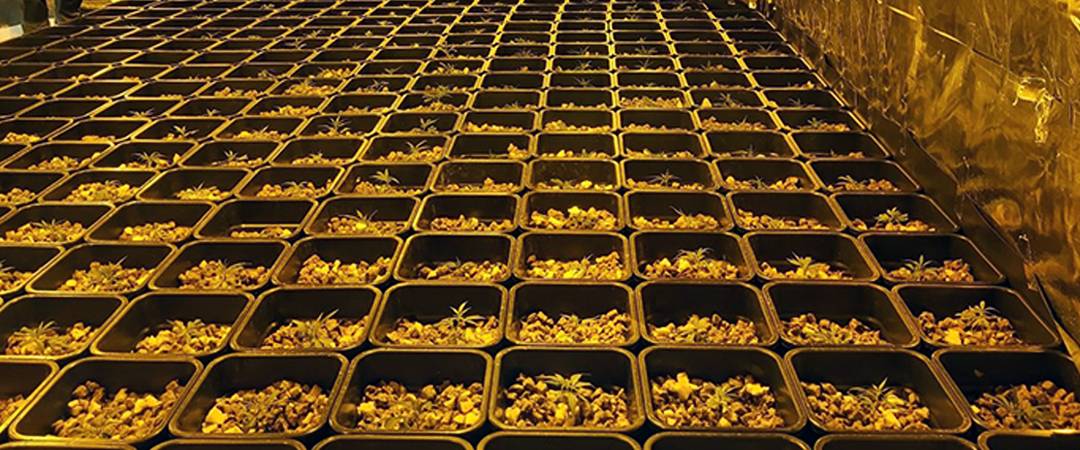
Europol Nov 25, 14:06

EU law enforcement and judicial authorities join forces to disrupt terrorist propaganda online

Between 21-24 November, law enforcement and judicial authorities in Europe launched a joint action against the so-called Islamic State (IS) to disrupt the online activities of this terrorist organisation. The referral action coordinated by the European Union Internet Referral Unit of Europol, supported by Eurojust was joined by 12 Member States and 9 online service providers. It led to the referral of a total of over 26 000 items of IS-supporting content. This process is based on the referral by Europol of branded terrorist propaganda to online service providers who are responsible for evaluating it to establish any potential breach of their terms of service, to ensure that the rule of law is implemented and freedom of speech is safeguarded.  The operation was led by the Belgian Investigating Counter Terrorism Judge and the Belgian Federal Prosecutor’s Office, together with the Belgian Federal Judicial Police of East-Flanders.   Within this operation the Guardia Civil carried out an arrest in Spain of an individual suspected of being part of the core disseminators of IS terrorist propaganda online. This arrest was carried out in coordination with the Central Magistrate’s Investigating Courts number 3 and 5, and the Prosecutor’s Office of the Audiencia Nacional.   Earlier efforts  This latest action ties in with a series of previous joint efforts aimed at taking down the various communication assets of this terrorist organisation.  In August 2016, a first takedown was launched against Amaq’s mobile application and web infrastructure. This action forced the propagandists to build a more complex and secure infrastructure to prevent further disruption from law enforcement.  In June 2017, a second strike led by the Spanish Guardia Civil and supported by Europol, Eurojust and the United States of America targeted part of the news agency’s web assets and infrastructure. The servers seized by the Guardia Civil allowed for the identification of radicalized individuals in 133 countries, and the detection of more than 200 million accesses to the so-called Islamic State propaganda contents by 52 000 possible consumers.  In April 2018, a multinational operation led by the Belgian Federal Prosecutor’s office together with the Belgian Federal Judicial police of East Flanders, and with the support of Europol’s EU IRU, Eurojust and EU Member States finally took down the web infrastructure of IS, forcing the terrorist propagandist to rely heavily on social media and messaging applications to reach wider audiences online. This shift to online service providers allowed Europol and investigators in Member States to focus their work on the social media networks used by the IS media operatives, resulting in the actions day of November 2019.  Europol will continue working towards fostering closer public-private partnerships to ensure the disruption of the dissemination of the terrorist online propaganda, and will continue to support law enforcement authorities in EU Member States to address the terrorist abuse of the internet.  
Read full story →
Europol Nov 25, 14:00

Europol and Telegram take on terrorist propaganda online

On 21-22 November 2019, Europol’s European Union Internet Referral Unit (EU IRU) organised at its headquarters in The Hague the 16th joint Referral Action Days.  This coordinated action focused on the dissemination of online terrorist content. Among the items referred were propaganda videos and social media accounts glorifying or supporting terrorism and violent extremism. Since July 2015, the EU IRU of Europol has been working with law enforcement authorities and online service providers to address the terrorist abuse of the internet in the framework of the EU Internet Forum.  Over the past year and a half, Europol has been collaborating with Telegram in tackling terrorism online. Building upon a previous Referral Action Days with Telegram in October 2018, the event this year was an opportunity for both parties to review the kind of content that terrorist groups attempt to disseminate online and further improve the referral process with the common aim of ensuring that material glorifying terrorism would be removed from internet as soon as possible.  Telegram is no place for violence, criminal activity and abusers. The company has put forth considerable effort to root out the abusers of the platform by both bolstering its technical capacity in countering malicious content and establishing close partnerships with international organisations such as Europol.  Thanks to this collaboration, the already-existing content referral tools available to Telegram’s users have been strengthened and expanded. Now, any user is able to refer and classify the content they find inappropriate and violent via the referral feature in public groups and channels. In addition, new technical developments, such as the advanced automated content detection system, continue to strengthen Telegram’s effort in obliterating extremism on the platform even further.  As concluded by Telegram’s representative: “We found the Referral Action Days productive and useful. We support free speech and peaceful protest, but terrorism and propaganda of violence have no place on Telegram. We are constantly improving our internal procedures and moderation tools to ensure that our platform stays free of abuse”.
Read full story →
Europol Nov 22, 15:00

More cooperation and inclusion to better protect EU citizens

On 22 November, the Heads of the nine EU Justice and Home Affairs (JHA) agencies met at Europol’s headquarters in The Hague. The discussions focused on the implementation of the New Strategic Agenda 2019-2024, the state-of-play of the interoperability project and the common efforts in reinforcing diversity and inclusion in the workplace.   Europol hosted their annual meeting in the framework of its 2019 chair of the JHA agencies’ network. During its chair, Europol has also organised five expert meetings on information technologies and cybersecurity, diversity and inclusion, media relations, training, and data protection.  The outcome of the meetings that took place under Europol’s chair will serve for the drafting of a joint strategic report with recommendations for the EU Council on the future Internal Security Strategy.  The different areas of cooperation and subjects relevant to JHA agencies discussed during the meeting and throughout the Europol chair in 2019 clearly demonstrate the crucial role of the agencies in the EU area of justice, security and freedom.  While each and every agency is doing its utmost to deliver results according to its respective mandate, there are several horizontal challenges which can be addressed only through even closer inter-agency cooperation.  In 2020, Eurojust will follow Europol as chair of the JHA Agencies Network. Spotlight on diversity and inclusion     The network has decided to further step-up its efforts in fostering inclusion and diversity and in addressing discriminatory behaviour. During the meeting, the agencies’ representatives have signed a formal engagement to champion equality and ensure equal opportunities for all staff members while embracing their diversity.  The common statement highlights the importance of inclusive corporate culture and strong diversity values to increase staff engagement, cohesion and organisational delivery. The statement focuses on promoting:      Inclusive corporate culture;  Strengthened diversity; Corporate awareness of fundamental rights and equal opportunities; Countering discriminatory behaviour.   The nine agencies members of the JHA Agencies Network are: European Asylum Support Office (EASO) ;  European Border and Coast Guard Agency (Frontex);  European Institute for Gender Equality (EIGE);  European Monitoring Centre for Drugs and Drug Addiction (EMCDDA);  European Union Agency for Fundamental Rights (FRA);  European Union Agency for Law Enforcement Cooperation (Europol) ; European Union Agency for Law Enforcement Training (CEPOL);  European Union Agency for the Operational Management of Large-Scale IT Systems in the Area of Freedom, Security and Justice (eu-LISA);  European Union Judicial Cooperation Unit (EUROJUST).  
Read full story →
Europol Nov 22, 14:17

17 arrested in Poland for migrant smuggling and using fake documents

On 18 November 2019, the Polish Border Guard (Straż Graniczna) under the supervision of the regional prosecutor’ s office and supported by Europol, dismantled an organised crime group involved in migrant smuggling and facilitation of irregular migration.  On the action day, Polish law enforcement officers arrested 17 suspected members of the criminal network, four of which believed to be the main organisers are being held in custody. During the operation, electronic devices (mobile phones, computers), paper versions of documents of the registered companies used to facilitate the illegal immigration, were seized. Active since 2012, the organised crime group facilitated the illegal border crossing of citizens from eastern Europe, Asia and Africa mainly to Poland, to other EU countries and the United States.  The criminal network collaborated with criminals from different countries, primarily Russia, Turkey and Ukraine, to facilitate the entry of the non-EU nationals to Poland with visas based on fake employment documentation. Once in the EU, they were able to move freely and work illegally in other EU countries, mainly Germany, the Netherlands and Sweden.  The criminal group facilitated the illegal border crossing of at least 13 019 non-EU citizens and earned more than €2.3 million from their illegal activity.  Europol supported the investigation with analytical, operational and coordination support. During the operation, Europol deployed an expert on-the-spot to cross-check operational information in real-time against its databases and provided technical expertise for the analysis of the seized devices.   
Read full story →
Europol Nov 22, 13:02

Referral Action Day against Islamic State online terrorist propaganda

Between 21-22 November 2019, the 16th Referral Action Day coordinated by the European Union Internet Referral Unit took place at Europol’s headquarters in The Hague. This action was joined by a total of 9 online service providers, including Telegram, Google, Files.fm, Twitter and Instagram.   This process is based on the referral by Europol of branded terrorist propaganda to online service platforms who are responsible for evaluating it to establish any potential breach of their terms of service. Among the items referred were propaganda videos, publications, and social media accounts supporting terrorism and violent extremism.    Whilst Google and Instagram deployed resilience mechanisms across their services, Telegram was the online service provider receiving most of the referral requests during this Action Day. As a result, a significant portion of key actors within the IS network on Telegram was pushed away from the platform.    In the past year and a half, Telegram has also put forth considerable effort to root out the abusers of the platform by both bolstering its technical capacity in countering malicious content and by establishing a close partnership with Europol.    Additionally, representatives from Google and YouTube came to Europol’s headquarters for an expert exchange, continuing the companies' ongoing cooperation in tackling terrorism online since the creation of the EU IRU.   
Read full story →
Europol Nov 22, 11:00

Coming soon: 2019 EU Drug Markets Report from Europol and the EMCDDA

Drug trafficking is a highly profitable commercial activity and remains a core business for organised crime groups across Europe today. Understanding the reality of the European drug market requires a holistic approach, following the supply chain from production and trafficking to distribution and sales. Taking such an approach, two EU agencies — the European Monitoring Centre for Drugs and Drug Addiction (EMCDDA) and Europol — have joined forces to provide their third in-depth overview of the European illicit drug market in the 2019 EU Drug Markets Report. To be launched in Brussels on 26 November, this strategic and action-oriented analysis combines data from the EMCDDA’s drug monitoring system with Europol’s operational intelligence on organised crime. Press conference will be held on 26 November 2019 in Brussels RSVP and embargoed copies: press@emcdda.europa.eu The EU Drug Markets Report is published every three years.  
Read full story →
Europol Nov 21, 10:55

Capacity building to tackle audiovisual piracy

During a two-day seminar at Eurojust in The Hague, over 70 law enforcement officers and prosecutors from EU Member States and officers from Europol and Eurojust joined forces to improve the sharing of expertise and information to tackle audiovisual piracy. The experts discussed how to identify a pirate service, the challenges faced in investigating piracy, the importance of knowledge sharing and the collaboration with private sector, as well as the link of audiovisual piracy to organised crime.  In June 2019, police officers from the Bulgarian Ministry of Interior, under the supervision of the Bulgarian Supreme Prosecutor’s Office of Cassation, with the collaboration of Europol and the Audiovisual Anti-Piracy Alliance (AAPA) carried out a joint action against five cable operators in Bulgaria. They were illegally intercepting and distributing premium TV channels (both foreign and Bulgarian), the entire illegal hardware infrastructure used for the criminal activity was seized during the house searches.  
Read full story →
Europol Nov 21, 10:36

354 arrests in cross-border bust of Russian-speaking crime gangs

From 1 January 2017 to 30 September 2019, the German State Criminal Police Office (Landeskriminalamt, LKA) of Berlin in cooperation with LKA Brandenburg managed project LIMES, an EU-funded project from the Internal Security Fund. The international operation targeted international motor vehicle thefts and Russian-speaking organised crime groups. The LKA offices of Saxony-Anhalt and Saxony, and Estonia, Latvia, Lithuania, Sweden and Europol all contributed to the project. Thanks to this cooperation, it was possible to build and strengthen a network of experts, and exchange experience and information. They focused on supporting the international investigations both financially and technically and identifying criminal groups, structures and new phenomena.  Europol supported the planning and drafting of the project plan (Analysis Projects FURTUM and EEOC), networking with potential partners and taking the advisory role on specific matters. Europol also carried out tailored analysis, hosted several operational meetings, took part in several action days and deployed a mobile office on-the-spot. The results: 94 cross-border investigations;  354 arrests; 47 convictions with sentences up to 8 years imprisonment; 94 people from organised crime groups in custody; €59 759 800 euros in damage, €4 227 839 euros in seized assets; 685 vehicles and lorries worth a total of €15 million secured;  10 weapons and tens of kilos of narcotics confiscated.  
Read full story →
Europol Nov 20, 12:00

Nine arrested and three detained in Romania and the UK in sexual exploitation network bust

On 19 November, the United Kingdom’s South Yorkshire Police and the Romanian National Police (Poliția Română), supported by Europol and Eurojust, dismantled an organised crime group involved in human trafficking for sexual exploitation. On the action day, law enforcement officers from Romania and the UK carried out 11 house searched (5 in Romania and 6 in the UK). The operation led to the arrests of nine suspected members of the organised crime group in the UK and the detention of three individuals in Romania. Police further identified eight potential victims of human trafficking, all women aged between 18 and 30 years old.   The criminal group, which had been active since 2017, recruited its victims from economically vulnerable regions in Romania. The victims were promised considerable material gains. The most frequent recruitment method was the “loverboy” method – a way to ensure the emotional dependence of the young women on the members of the criminal group. Many members of the group were actually in a relationship with the sexually exploited victims.  Europol provided operational and analytical support and facilitated the information exchange from the beginning of the investigation. On the action day, Europol deployed an expert to cross-check real-time operational information against Europol’s databases and to facilitate the coordination of the operational activities through the Europol’s Virtual Command Post application. Watch operation video.  
Read full story →
Europol Nov 20, 11:00

Europol hosts second European Youth Day at its headquarters

Europol’s European Cybercrime Centre (EC3) joined the celebrations this year by organising earlier in October the second European Youth Day, the theme of which was “Say No! It’s your life!”.  Building up on the work initiated last year, this event brought together at Europol’s headquarters for a half-day 19 students aged 13 to 15 from the European School  The Hague (ESH) and the International School of The Hague (ISH). This event offered a unique platform for youngsters to make their voices heard on online and offline safety issues. The students were divided in small groups, allowing for an interactive exchange with Europol’s experts on the following two topics: The production of self-generated material (nude pictures and videos) Online safety and respectful behaviour The group was also briefed on the law enforcement reaction to their 2019 Call for action, a document distributed to all EU Member States and partner organisations, in order to amplify the voices of the youth. Read the law enforcement feedback. Background  The number of young people accessing the internet has grown significantly in the past years. As stated by the Internet organised Crime Threat Assessment (IOCTA) 2019, the online solicitation of children for sexual purposes remains a serious threat. As offenders become more aware of anonymisation techniques, law enforcement authorities and industry partners fighting these disturbing crimes continue to face considerable challenges. The European law enforcement community launched back in 2017 a campaign, #SayNO to online sexual coercion and extortion, coordinated by Europol, to give advice to youngsters who have been, or are likely to be targeted, and to strengthen reporting and support mechanisms. The campaign includes a short film, available in all EU languages, which helps people to recognise a potential sextortion approach, provides online advice and highlights the importance of reporting the crime to the competent national authorities. This awareness-raising campaign has been a resounding success throughout Europe. Earlier this month, the #SayNO video in Czech language hit over 400 000 views on Youtube. As a result, the National Organised Crime Agency of the Czech Police was awarded an award by the Ministry of Interior of the Czech Republic for the successful implementation at the national level of this campaign.  Read more about the #SayNO campaign.
Read full story →
Europol Nov 18, 13:00

23 arrests and around 10 000 cultural items seized in an operation targeting Italian archaeological trafficking

On 18 November 2019, an international police operation involving over 350 police officers, supported by Europol (within the framework of EMPACT) and Eurojust, dismantled an international organised crime group involved in large-scale trafficking of looted archaeological items resulting in the arrest of 23 individuals, 80 house searches, and the seizure of around 10 000 cultural items. Operation Achei, was led by the Italian Carabinieri Department for the Protection of Cultural Heritage (Carabinieri) supported by Europol and Eurojust, the French OCBC (Office central de lutte contre le trafic de biens culturels), the German Bavarian LKA (Bayerisches Landeskriminalamt), the Serbian Criminal Investigations Directorate and the British Metropolitan Police Service – London. The investigation began in 2017 to fight the looting of archaeological sites in Calabria, southern Italy where the cultural heritage includes important traces from the Greek and Roman period.  Significant damage to Italian heritage The investigations revealed that the illegal excavations were managed by a well-structured organised crime group able to carry out all phases of the trafficking. The different rings of the network, led by two Calabrians living in the province of Crotone, included looters, fences, intermediaries and mules operating from different Italian regions. The key facilitators were also acting from Djion, Munich, London and Vršac coordinating the supply chain. The damage caused to the Italian cultural heritage by this criminal group is very significant as it the criminals were looting archaeological sites for many years. Europol Analysis Project FURTUM supported the investigation by coordinating the information exchange, holding several operational meetings, preparing the action day and providing on-the-spot analytical support in Italy to cross-check operational information against Europol’s databases. Eurojust supported the execution of the European Investigation Orders and arranged a coordination centre to follow the action in real-time.    In 2010 the European Union set up a four-year Policy Cycle to ensure greater continuity in the fight against serious international and organised crime. In March 2017 the Council of the EU decided to continue the EU Policy Cycle for organised and serious international crime for the 2018 - 2021 period. This multiannual Policy Cycle aims to tackle the most significant threats posed by organised and serious international crime to the EU in a coherent and methodological manner. This is achieved by improving and strengthening cooperation between the relevant services of EU Member States, institutions and agencies, as well as non-EU countries and organisations, including the private sector where relevant. Organised property crime is one of the priorities for the Policy Cycle.
Read full story →
Europol Nov 18, 11:09

10 individuals who robbed moving lorries in France arrested with help of Europol

On 6 November 2019, an international police operation, known as Operation Diligence, supported by Europol, led to the arrest of 10 suspects believed to be behind a number of cargo thefts from moving lorries in France. The operation led by the French Gendarmerie (Office central de lutte contre la délinquance itinérante) in close cooperation with Romania and Europol started earlier this year. At least 21 instances of cargo thefts from moving lorries have been linked to this organised group, comprised of Romania nationals, amounting to a total damage of over €3,5 million. The criminal group was stealing electronics, cosmetics, perfumes, expensive clothes and bags from delivery lorries. The 10 suspects were arrested red handed during the action day in Saran, France, thanks to the excellent cooperation and information exchange of the involved countries and Europol.  Europol’s Analysis Project FURTUM was involved and supported the operation with: Extensive information exchange  Analytical support  Supporting operational meetings   
Read full story →
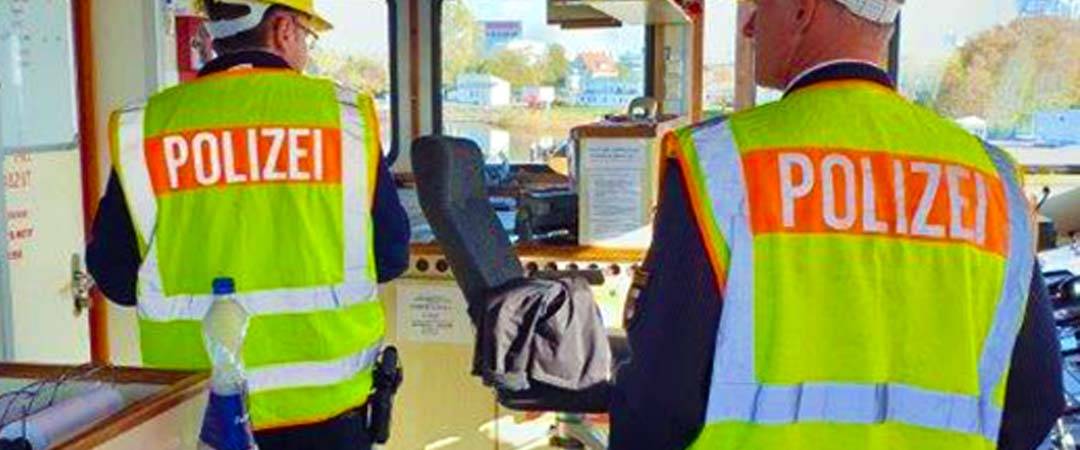
Europol Nov 15, 11:00

1 176 kg of cocaine hidden in bananas seized in Italy

On Monday 11 November 2019, the Italian Carabinieri (Carabinieri) and the Italian Finance Corps (Guardia di Finanza), supported by Italian Customs, Europol and Frontex, seized 1 176 kg of cocaine worth €250 million in the Port of Gioia Tauro, southwest Italy. The shipping documents show that the container was destined for Germany.  The seized cocaine was hidden in 144 packages within a case of bananas stored in a refrigerated container. The drugs were detected after the Italian Finance Corps and Customs authorities performed an extensive risk analysis to several vessels and containers arriving at the port of Gioia Tauro. The case was then referred to the Antimafia District Prosecution Office. This seizure confirms the port of Gioia Tauro as a major hub for the transit of cocaine trafficked to western Europe. This is also shown in other recent Italian investigations against ‘Ndrangheta criminal structures active in the transnational cocaine trafficking. In the past 12 months alone, the Italian Finance Corps and the Customs Agency have seized over 2.5 tonnes of cocaine passing through this port. Europol and Frontex provided technical and operational assistance. The early deployment on-the-spot of Europol experts facilitated the immediate exchange of information with other potentially affected EU Member States.  
Read full story →
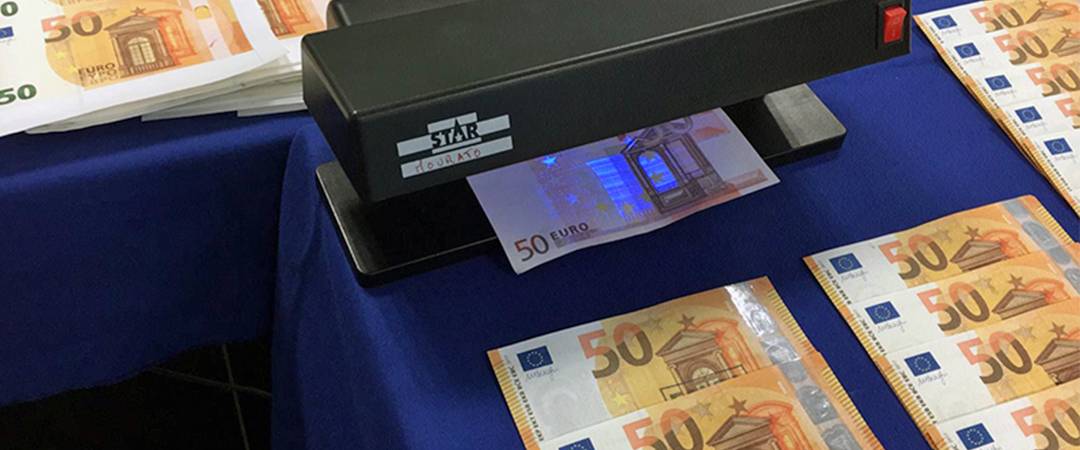
Europol Nov 14, 12:00

Large network smuggling migrants in lorries dismantled in Germany and Romania

On 13 November 2019, the German Federal Police (Bundespolizei) and the Romanian Police (Poliția Română) supported by Europol, concluded their operation into a large criminal network smuggling migrants to western Europe in lorries. Austria, Hungary, the United Kingdom and Eurojust also took part in this two-year, Europe-wide operation.  During this last phase of the operation, the Romanian Police carried out eight searches and arrested four suspected members of the organised crime group. The German Federal Police carried out five searches. Nearly 580 migrants travelled in lorries towards Western Europe  The operation was initiated in Germany in 2018 when authorities detected migrants from Iran, Iraq and Syria entering Germany in lorries via Czechia and Hungary. The investigation uncovered a massive network smuggling people from their countries of origin to Timișoara, Romania then to Germany. During the final leg of the journey to western Europe, the migrants were forced to travel in lorries. Criminals use container smuggling to move people over borders thereby putting them in life-threatening situations. Loaded into cargo vehicles, migrants can suffer from lack of oxygen and dehydration, risking their lives before reaching their final destination.   The investigation into this organised crime group uncovered a network composed of at least 36 members who earned more than €2 million from nearly 580 smuggled migrants.  The final operational results of the two-year investigation include: 580 smuggled migrants identified; Three individuals suspected to be the organisers (high-value targets) arrested in Germany, Greece and the United Kingdom;  36 suspects identified with at least ten individuals arrested (truck drivers and facilitators); Four truck drivers arrested in Czechia and sentenced in Germany ranging from 20 months to over 5 years and another one arrested and awaiting sentencing in Hungary. Europol facilitated the information exchange between the participating countries and analysed operational information against Europol’s databases to provide leads to investigators. Europol also provided on-the-spot operational support by deploying one analyst to Timișoara to provide real-time analytical support. For the needs of the whole operation, a Joint Investigation Team (JIT) and an Operational Task Force were formed in 2018 to tackle the criminal group. Europol organised regular operational meetings for the investigators to identify three high-value targets (leaders of the criminal network); all of them were arrested during the operation leading to the complete dismantling of the criminal group. This operation falls under the EMPACT Operational Action ‘Risk’. This action targets organised crime groups smuggling irregular migrants in concealments mainly through the Balkan route. Frequent detection in central and western Europe or directly in the Balkan region show that migrants are smuggled in these extremely dangerous conditions by organised criminal groups operating from various hubs.    In 2010 the European Union set up a four-year Policy Cycle to ensure greater continuity in the fight against serious international and organised crime. In 2017 the Council of the EU decided to continue the EU Policy Cycle for the 2018 - 2021 period. It aims to tackle the most significant threats posed by organised and serious international crime to the EU. This is achieved by improving and strengthening cooperation between the relevant services of EU Member States, institutions and agencies, as well as non-EU countries and organisations, including the private sector where relevant. Facilitation of illegal immigration, is one of the priorities for the Policy Cycle.
Read full story →
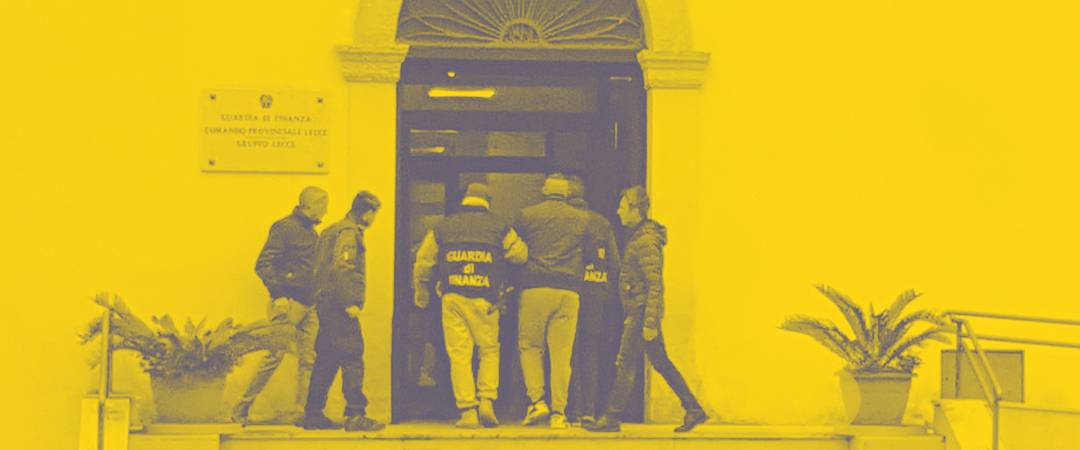
Europol Nov 13, 14:45

15 arrested in a hit against human trafficking gang in Lithuania and Spain

On 12 November 2019, the Lithuanian Police (Lietuvos Policija) and the Spanish National Police (Policía National) supported by Europol and Eurojust, have dismantled a large organised crime group involved in human trafficking for sexual exploitation. The operation led to: two leaders of the criminal network arrested in Spain;  13 suspected members arrested in Lithuania;  50 searches in both in Lithuania and Spain;  118 victims originating from Belarus, Ukraine and other countries identified  seizures of large amounts of cash, drugs, counterfeit documents and fake banknotes, credit cards and SIM cards, weapons and ammunition, masks, and a car with police lights. ​The criminal group, operating in both Lithuania and Spain, was particularly violent. The arrested individuals were previously known by the authorities for crimes such as robbery, trafficking of human beings and sexual exploitation. The individuals have been detained and are awaiting trial. Their assets have been temporarily frozen. Europol supported the investigation by providing coordination and analytical support since the early stages of the joint investigation in 2018. Europol supported the action day by providing on-the-spot technical and analytical support in Lithuania and Spain, and by activating the virtual command post to speed up operational information exchange. Europol also deployed experts to Lithuania to cross-check operational information in real-time against Europol’s databases.  Eurojust strengthened the coordination and cooperation between the Lithuanian and Spanish national judicial authorities and coordinated and facilitated the execution of European Investigation Orders and European Arrest Warrants. Watch video   In 2010 the European Union set up a four-year Policy Cycle to ensure greater continuity in the fight against serious international and organised crime. In 2017 the Council of the EU decided to continue the EU Policy Cycle for the 2018 - 2021 period. It aims to tackle the most significant threats posed by organised and serious international crime to the EU. This is achieved by improving and strengthening cooperation between the relevant services of EU Member States, institutions and agencies, as well as non-EU countries and organisations, including the private sector where relevant. Human trafficking is one of the priorities for the Policy Cycle.
Read full story →

Europol Nov 12, 13:00

Illegal tobacco factory dismantled in Hungary

Six million cigarettes and enough tobacco to produce 21 million cigarettes found in an illegal factory in Budapest.    Hungarian customs officers arrested 20 factory employees and the ringleaders behind the operation. The Hungarian National Tax and Customs Administration (NTCA, Nemzeti Adó- és Vámhivatal) have uncovered an illegal tobacco factory and identified the members of the criminal group behind the operation. The cigarette factory operated in a large rented warehouse in Budapest, which had been completely rebuilt to cater to the network’s illegal activities. Renovations were extensive, with separate tobacco-cutting, fermenting, filling, and packing places constructed with walls made of fibreboard and brick. The factory employees were forced to live and work in the factory, unable to leave the building as the soundproof, purpose-built rooms were locked by the ringleaders from outside.  Following an alert from the European Anti-Fraud Office (OLAF), authorities established that the criminal group – primarily Romanian and Moldavian citizens – sourced their materials from abroad, such as machines, tobacco, filters, cigarette papers and cigarette packs. Some of the material was stored in Hungary and used in the dismantled factory; the rest was sent abroad. Given the international scope of the illicit activity, Europol provided the Hungarian authorities with the necessary analytical support to detect the relevant international links and organised an operational meeting to set out the investigation’s strategy. Rented warehouse purpose-built for illegal venture During the investigation at the premises, officers found one assembly line in operation and another under construction. They also discovered apparatus for tobacco cutting, fermentation and cigarette packing. In total, investigators found six million cigarettes and 35 tonnes of fine-cut smoking tobacco – enough for another 21 million cigarettes – in the factory. A further 300kg of tobacco powder was also found during the operation (1kg of tobacco powder can make around 3 million cigarettes). Investigators were able to uncover 139 pallets of cardboard used for packs of cigarettes, 76 pallets of filters, 169 pallets of cigarette papers, 43 pallets of foil, 600 litres of liquid glue, 30 pallets of foil paper rolls, and accessories, production equipment and a cigarette rolling machine.    
Read full story →

Europol Nov 12, 10:00

Criminal group producing and circulating fake euro banknotes in Spain and Portugal busted

Officers arrested six individuals for producing fake euro banknotes and introducing them into circulation through shops and bars in Spain and Portugal. On the day of the operation, investigators found a clandestine print shop in one of the two facilities searched by the police. They were also able to confiscate €8 230 in counterfeit banknotes (in 10, 20 and 50 denominations), together with raw material with the potential to produce another €250 000 in fake banknotes, two firearms, three printers, three computers and hologram imitations, to make them look similar to genuine euro banknotes and improve the overall quality of the counterfeits. Europol provided tailored financial and analytical support to the investigation. A mobile office was deployed for on-the-spot support during the action day in Huelva, Spain, which allowed for real-time crosschecking of information against the Europol’s databases. Europol, as the EU’s central office for combating euro counterfeiting, facilitates the exchange of information and provides expertise, criminal and forensic analysis, training, financial and technical support to law enforcement agencies inside and outside the European Union. Watch video
Read full story →
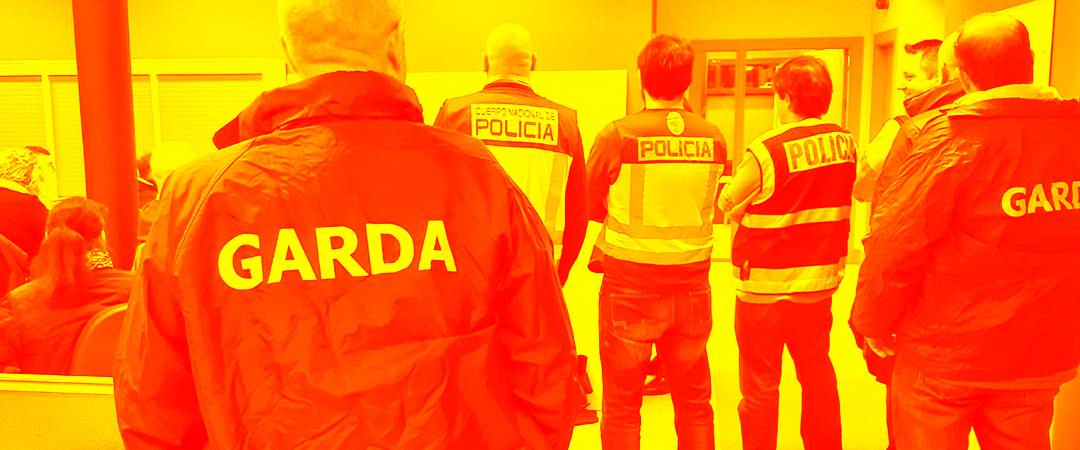
Europol Nov 8, 15:00

2019 Virtual Global Taskforce Releases Environmental Scan

The Internet has transformed the threat of child sexual abuse into a global issue. Despite the improved cooperation amongst countries, there are still many barriers to providing a streamlined global response.  The Virtual Global Taskforce (VGT) has released its 2019 Environmental Scan, which examines the current global landscape of online child sexual exploitation threats, trends and challenges and will inform the strategic direction of the VGT. The Virtual Global Taskforce (VGT) is an international alliance comprised of law enforcement, industry and non-government partners dedicated to the protection of children from online sexual exploitation and abuse.  The Environmental Scan reinforces the global and continuous increase in reports of child sexual exploitation, as well as the complexity of investigations in this field. The Scan found that the largest international threats in the areas of online child sexual exploitation include the increased support for personal privacy, increased production and consumption of child sexual exploitation material, and identifying the location of victims and offenders (i.e. determining where the crime is taking place and who is involved). Despite the concurrent social benefits, increased accessibility to the Internet has also further enabled these threats. The most significant emerging trends observed globally over the last three years included increases in self-generated sexually explicit material, anonymization technologies, the use of social media applications, and the live-streaming of child sexual abuse.  As the Chair of the VGT, RCMP Chief Superintendent Arsenault noted, “the need for collaborative efforts in developing innovative technological strategies is reinforced through the Environmental Scan. Our partnership with Industry is critical. Together, we have the opportunity to act upon these identified threats and make a positive difference in child protection.” Download a copy of the 2019 VGT Environmental Scan. 
Read full story →

Europol Nov 7, 15:00

Strengthening co-operation in the fight against IP crime

The EU’s Agency for Law Enforcement Cooperation Europol and the European Union Intellectual Property Office (EUIPO) have today formally signed an agreement to further increase cooperation in fighting infringements of intellectual property rights, both online and offline. Europol and the EUIPO have been collaborating since 2013 on a range of issues. In 2016, they stepped up their cooperation to create the Intellectual Property Crime Coordinated Coalition (IPC3), a specialist unit within Europol funded by the EUIPO. Since its inception, the IPC3 unit has coordinated and supported cross-border operations aimed at tackling IP crime across the EU. The unit’s operations have spanned sectors like pharmaceuticals, food and drinks, pesticides, counterfeit luxury goods, clothing, electronics, car parts, toys and illegal streaming. In total, counterfeit goods valued over EUR 980 million have been seized. In addition, over a hundred organised crime groups have been identified and/or dismantled as a result of the unit’s work. The investigations coordinated by the IPC3 have also linked IP crime to the health and safety of consumers, drug trafficking, tax evasion, fraud and terror financing.  
Read full story →

Europol Nov 7, 12:25

9 suspects arrested in Poland for luxury car theft

Polish Border Guard and the Swedish police, supported by Europol, have dismantled an organised crime group involved in the theft of luxury cars across Europe. Back in January 2019, the Polish border guards found a car stolen from Sweden, transported by ferry into the country. This discovery initiated a cross-border investigation into an organised crime group specialised in the large-scale theft of luxury cars. The stolen vehicles from Sweden were transported by ferry to Poland to have their identity marks changed or to be dismantled and sold as spare parts. It is estimated that the network gained approximately €280 000  from the theft of several dozens of luxury cars although this amount is likely to increase significantly as the investigation progresses.During the operation, the Polish and Swedish law enforcement authorities arrested 9 individuals, two of which had a European Arrest Warrant issued against them. The seizures included five stolen cars, false VIN (vehicle identification number) stickers, Swedish registration plates, electronic devices for the interception of signals emitted by car keys, GSM jammer, tools for forging identity marks and various spare parts.Europol supported the investigation by hosting two operational meeting at its headquarters and provided analytical support and expertise. During the action day, an expert was deployed on the spot to cross-check operational information in real time against Europol’s databases. The operation was financially supported by the EU-funded German Internal Security Project Limes on Motor Vehicle Crime and Russian speaking organised Crime.
Read full story →
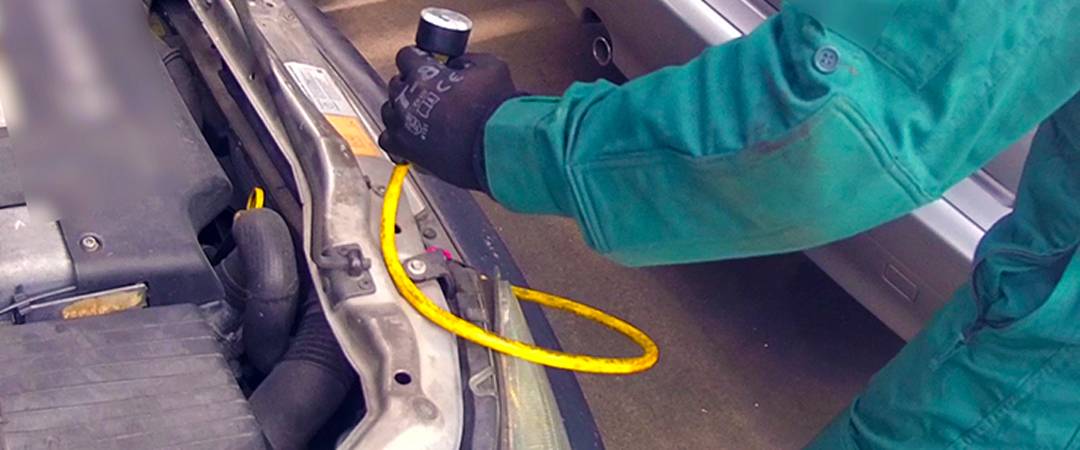
Europol Nov 7, 09:47

17 tonnes of food infected with listeria seized in Spain

 Listeria outbreak in Spain could be linked to case involving eight individuals The group knew the food products contained the harmful bacteria but failed to inform the authorities An operation linked to a harmful bacteria outbreak by the Spanish Civil Guard (Guardia Civil) and with Europol’s support has led to the arrest of six individuals, with a further two detained. Although those responsible had been aware that a number of food products contained listeria since late last year, they did not inform the authorities and continued to sell them. Out of the eight individuals investigated, six have been arrested and two have been detained. The products are due to be incinerated in Cadiz, Spain. Investigations revealed that at least three of the people responsible for the products knew that a batch labelled in December 2018 was infected with listeria but failed to inform the authorities. This batch could be the reason for several cases of a listeria outbreak in Spain.  Up to 193 persons poisoned The officers confirmed that the meat products from a company they were investigating were the reason for the first outbreaks detected in Sevilla last August. It is believed that the number of poisoning instances linked to the case has gone up to 193 since. Although the activities of the company were mainly focused in Spain, there have been several cases detected in Europe: four members from a German family, alongside a British citizen who was in France, are believed to have been poisoned by this bacteria. Europol supported the Spanish Civil Guard (Guardia Civil) in this operation by deploying three experts on-the-spot during two different action days.   Watch video    
Read full story →