Top Stories

Europol Nov 13, 08:01

Six arrests in a kidnap plot against an Albanian drug trafficker

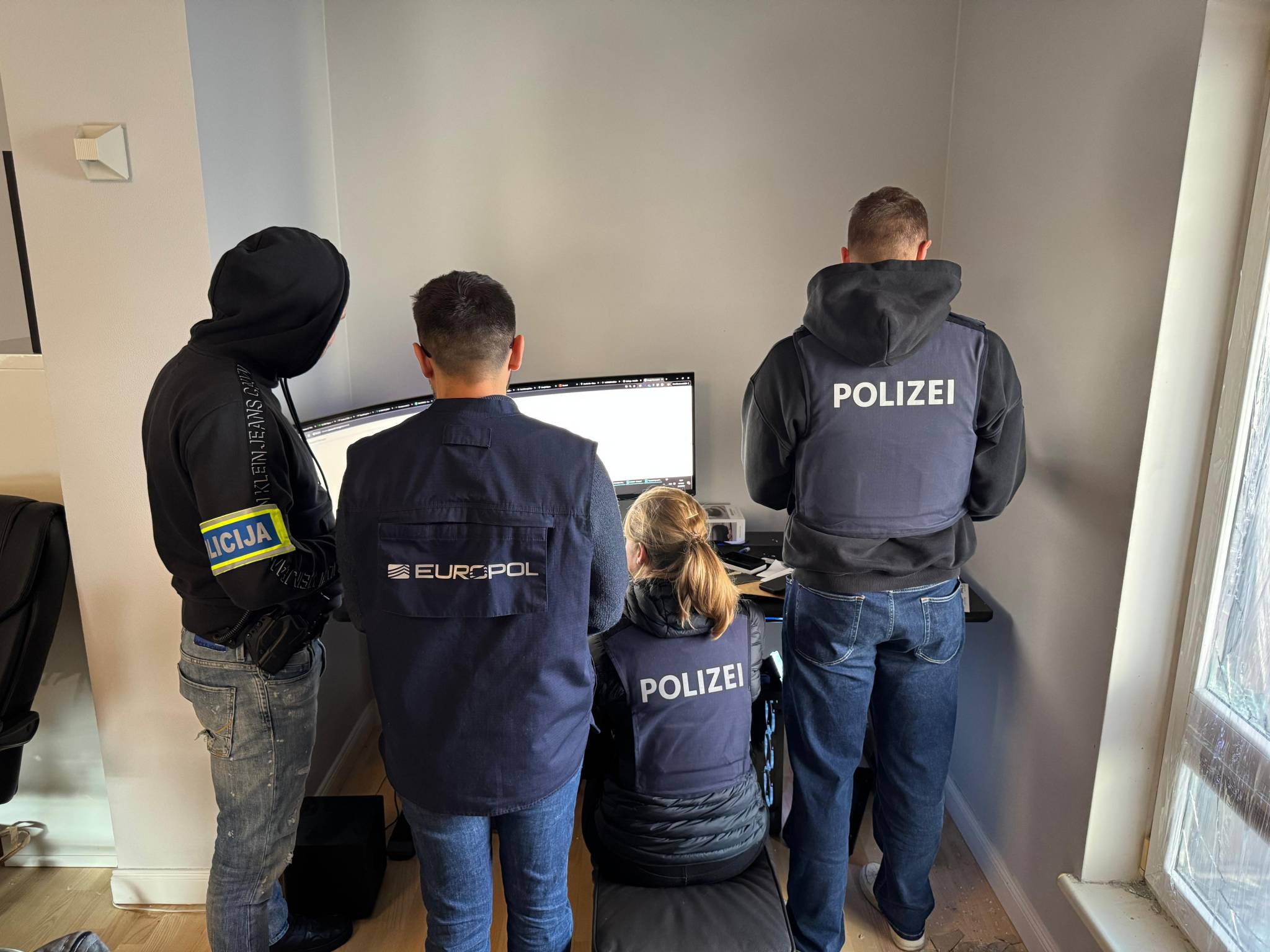
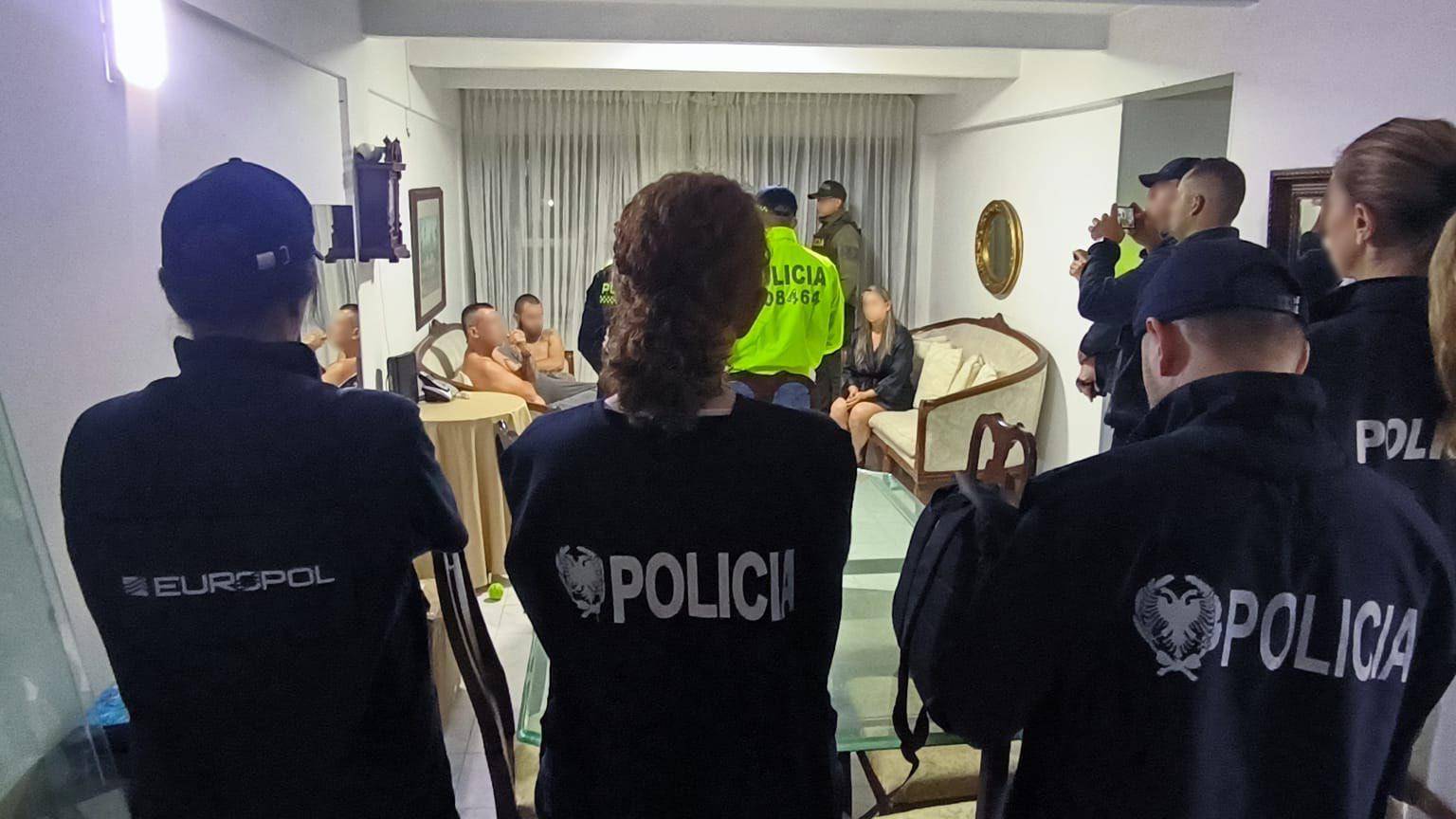
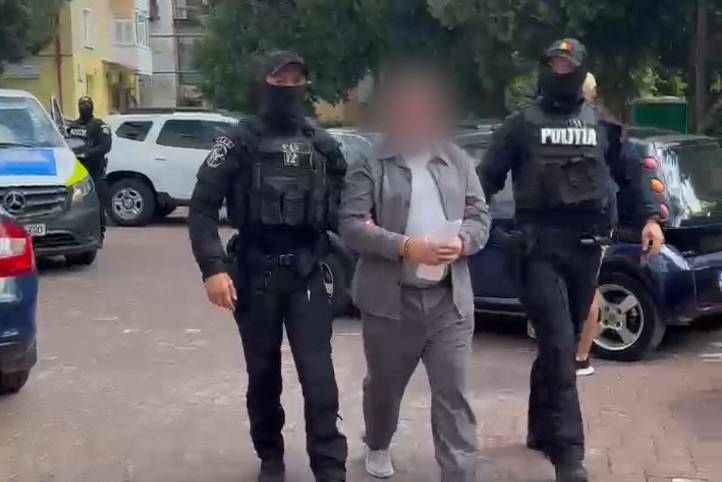
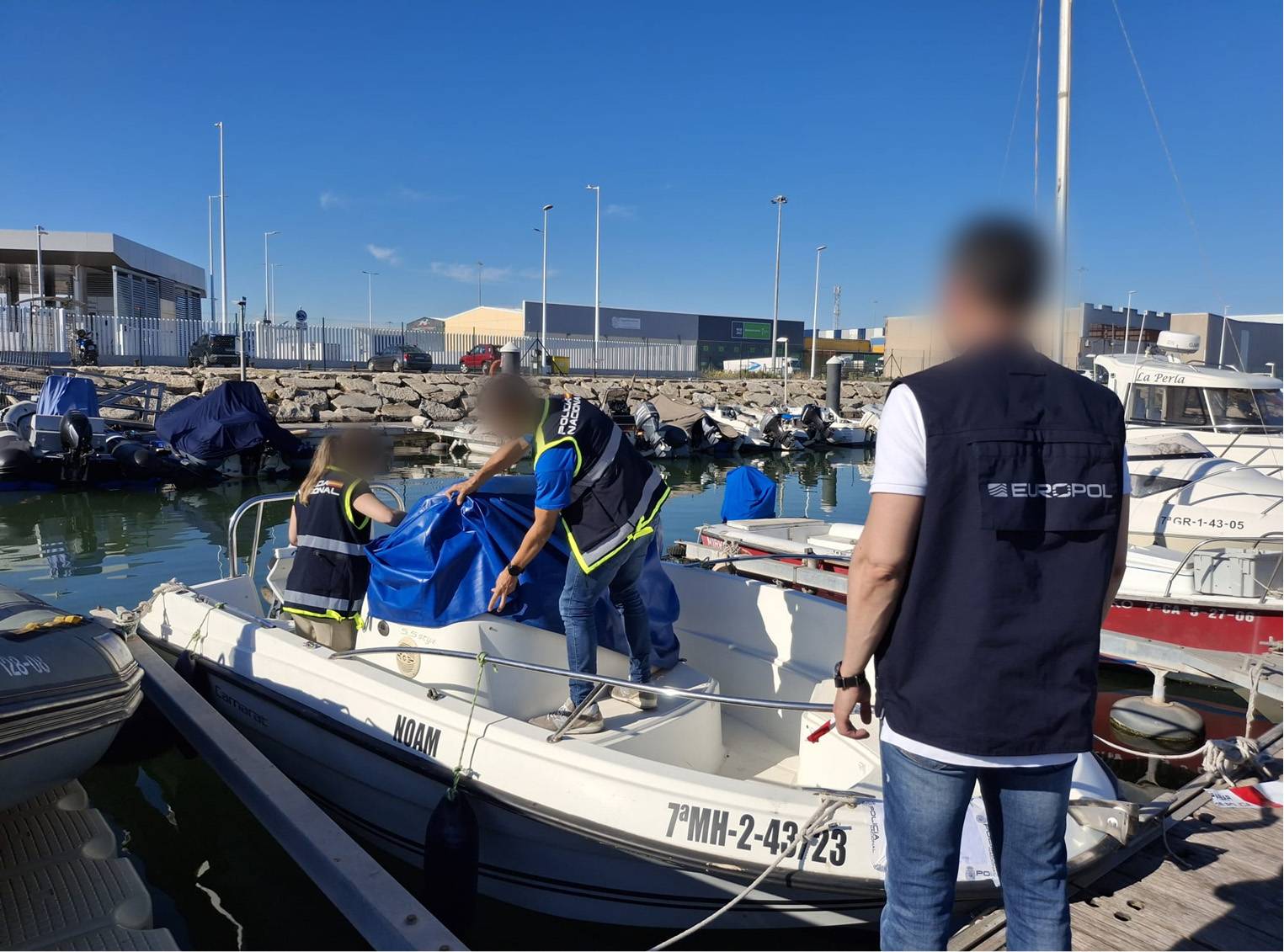
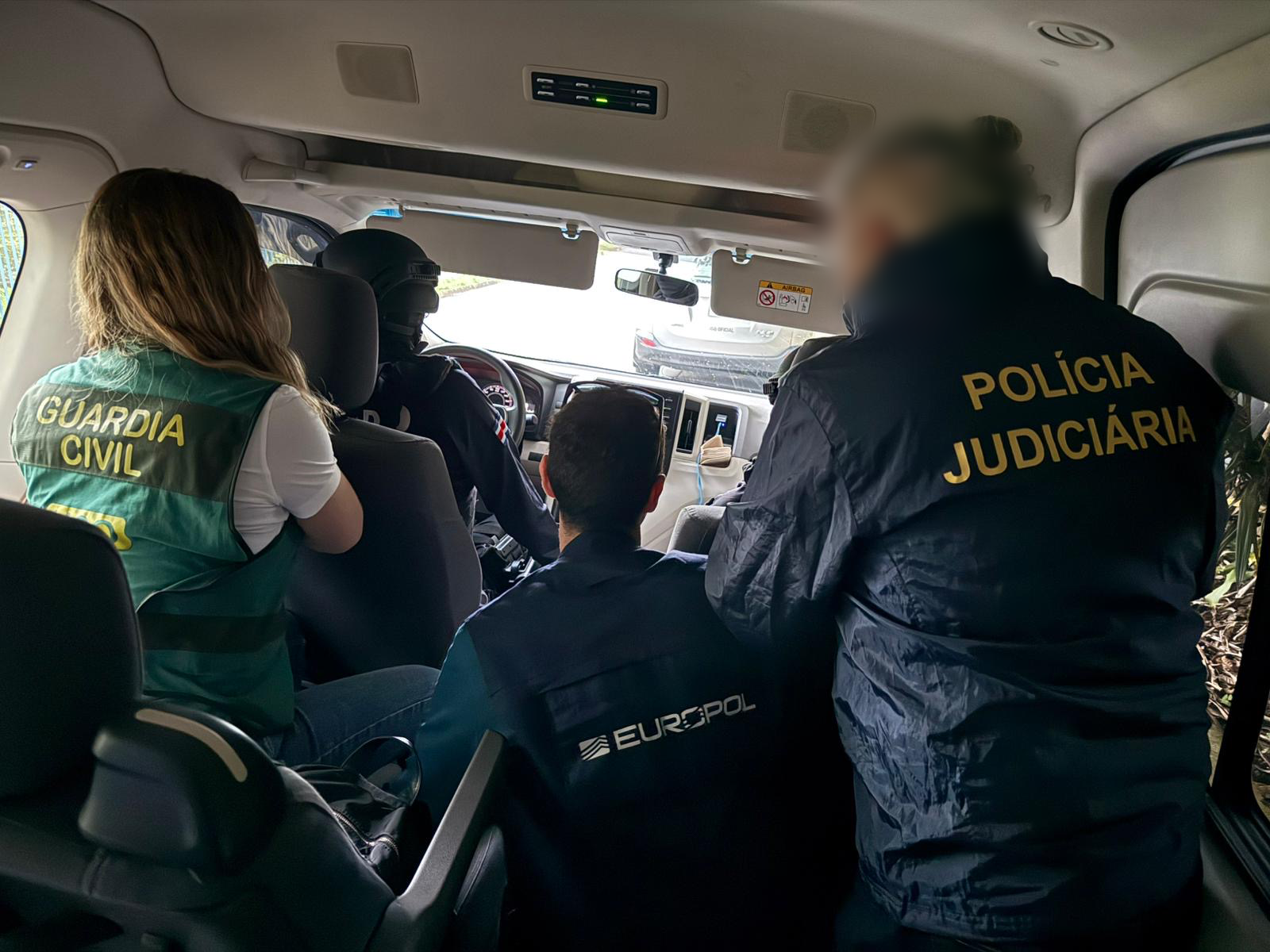
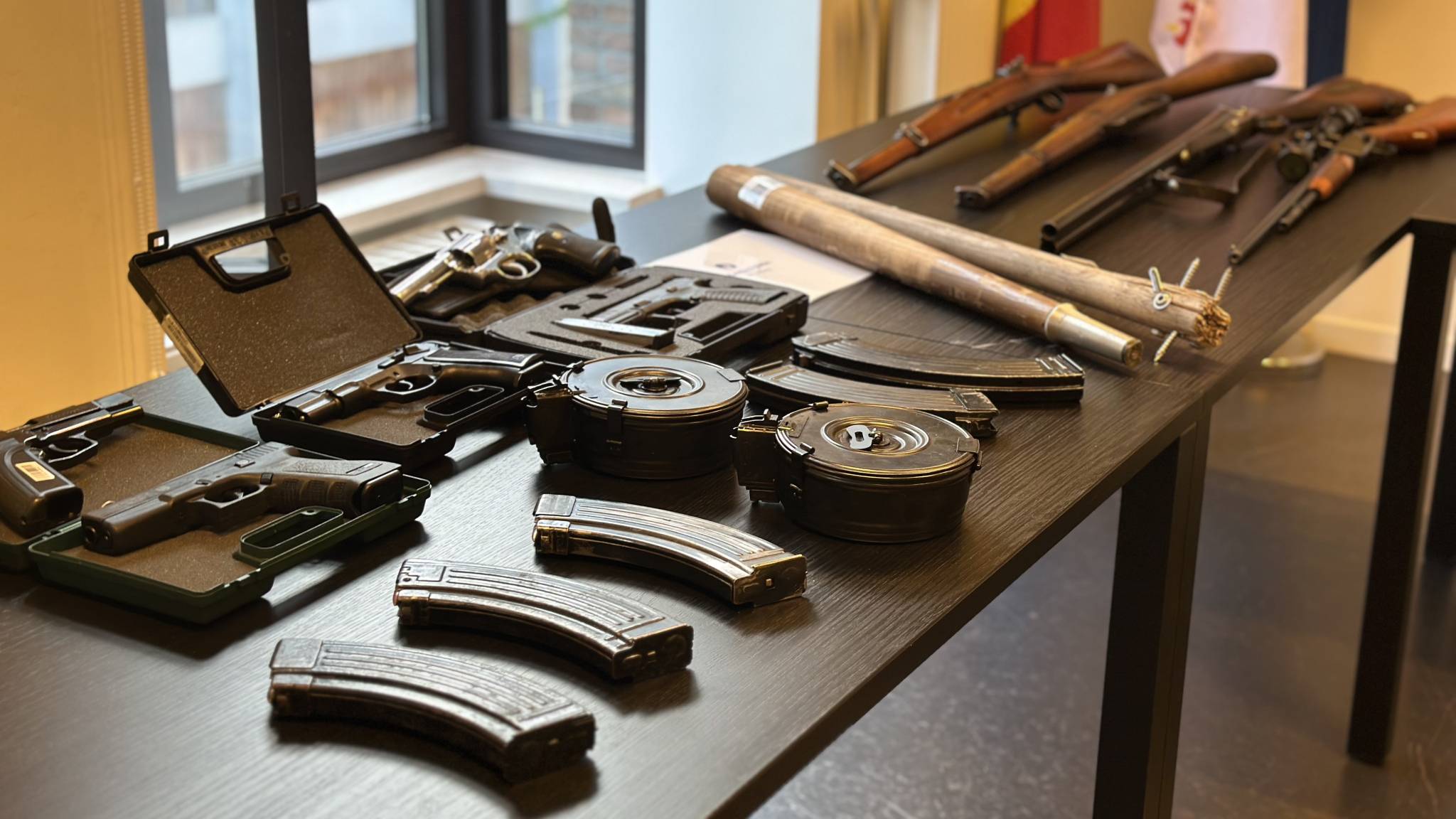
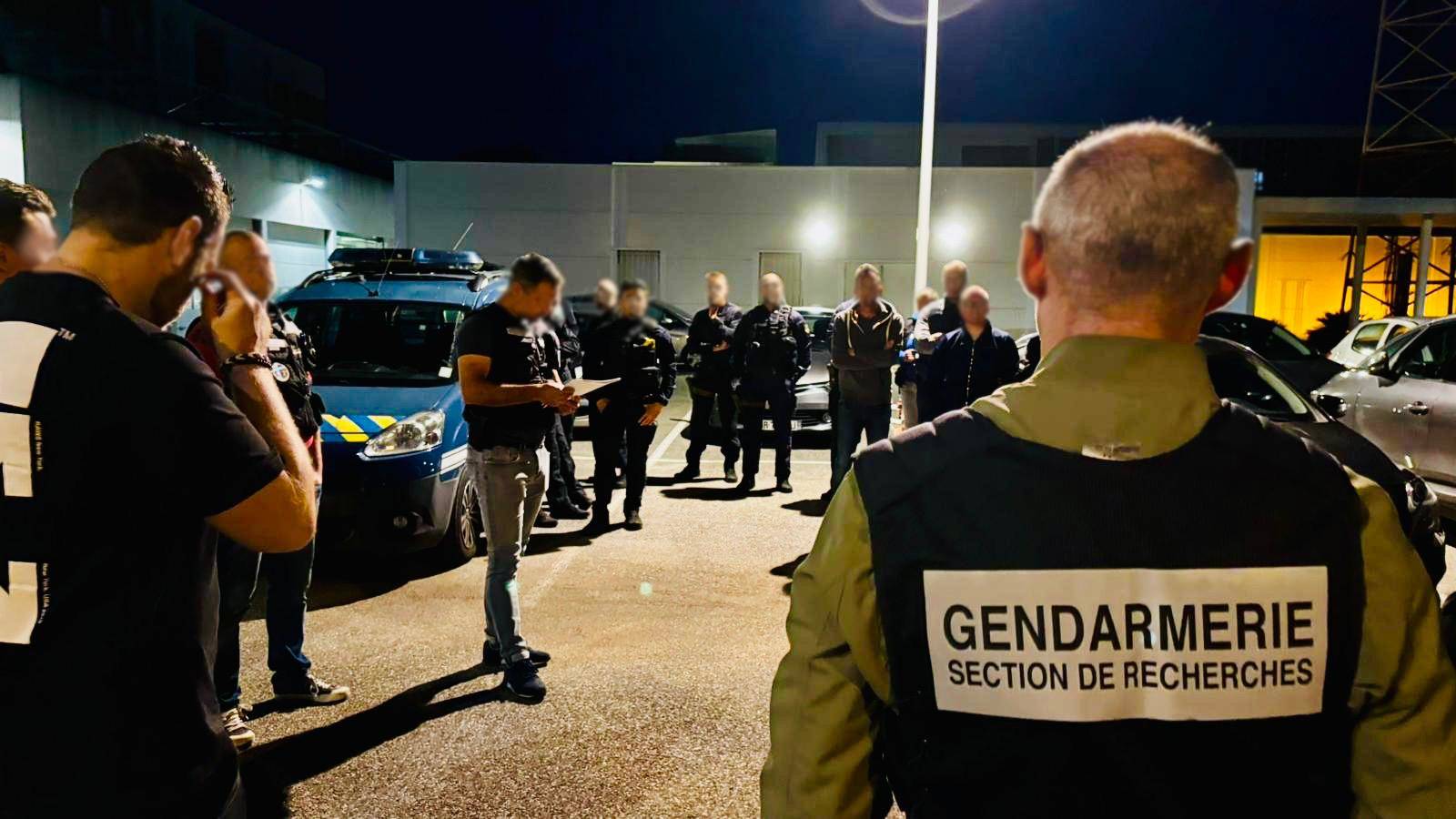
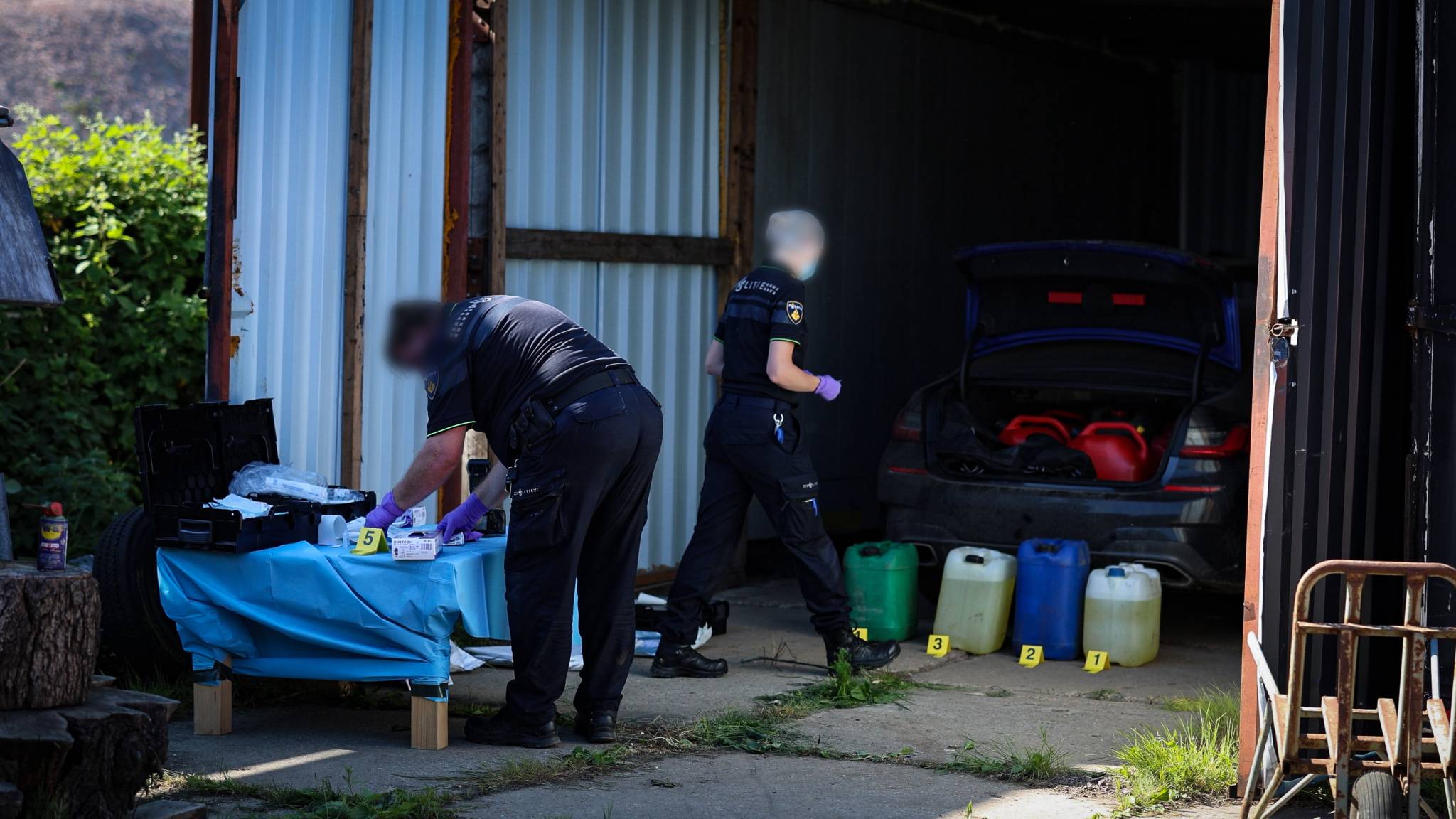
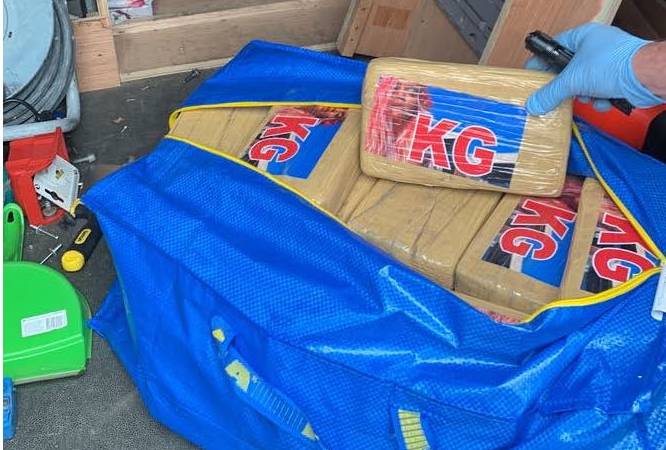
On 12 November 2025, Europol supported a German-led investigation targeting a group of mercenaries hired by a criminal network to kidnap the leader of a rival drug trafficking gang. The operation involved law enforcement authorities from Denmark, France, Latvia and the United Kingdom.The coordinated action focused on Latvian nationals, some of them with a background in the French Foreign Legion. These highly trained individuals were equipped with professional gear and were active on behalf of an organised crime group. They were contracted to abduct the leader of an Albanian drug trafficking network, who is suspected of orchestrating the theft of several tonnes of cannabis worth millions of euros.On the action day, four individuals were arrested in Denmark, France, Latvia and the United Kingdom, while other two, who had been arrested in October 2024 in Germany, have already been convicted by court. Europol played a crucial role by facilitating information exchange, ensuring operational coordination and providing analytical support. On the action day, Europol deployed an expert to Nice, France, to facilitate the real-time exchange of information and cross-check operational information against Europol’ s databases, providing immediate leads to investigators in the field.Mercenaries for hireThis operation is linked to the 'Violence-as-a-Service' phenomenon, in which perpetrators offer their services to commit violent acts on behalf of other criminal syndicates. In this particular case, highly trained specialists are hired by organised crime groups to carry out violent acts. This modus operandi is increasingly detected in various operations linked to serious and organised crime. Investigating the perpetrators' activities underscores the elevated level of this service, as it often involves the use of former special forces members.A few of the suspects in this case are former French Foreign Legion soldiers. This represents an alarming trend emerging from the war in Ukraine. Former combat-trained soldiers, returning from the front, might make use of their skills for organised crime, posing a potential threat. As the war in Ukraine continues and potentially intensifies in its aftermath, Europe may face an increased number of these highly trained individuals engaging in criminal activities. It is crucial to monitor this development and prepare for the potential security challenges it presents.Participating authorities:Denmark: Copenhagen Police/ Københavns Vestegns PolitiGermany: State Criminal Police North Rhine-Westphalia (Landeskriminalamt)France: National Police (Police Nationale) / Service Interdépartemental de la Police Judiciaire des Alpes-Maritimes, Nimes, Office central de lutte contre le crime organisé /OCLOLatvia: State Police of Latvia (Latvijas Valsts policija)United Kingdom: Metropolitan PoliceThis press release was updated following publication to implement last-minute text changes.
Read full story →
BBC Sport Nov 13, 06:13

The great number nine decline - where have England's strikers gone?

The great number nine decline - where have England's strikers gone?Thomas Tuchel's latest squad has laid bare the current dearth of English centre-forwards, with Harry Kane the only out-and-out striker in the 25-man group.Admittedly that is partly down to injury, with Tuchel explaining Ollie Watkins has been rested to manage an ongoing issue, while Dominic Solanke has been sidelined since August and Liam Delap is only just back in action for Chelsea after two months out.We should not forget that some more versatile forwards have been selected, too. Marcus Rashford, Jarrod Bowen, Phil Foden and Anthony Gordon may not be traditional number nines but they could be asked to play through the middle against Serbia and Albania this week.But still, seeing Kane as the only true striker's name is a stark reminder of how heavily England rely on the 32-year-old as the fulcrum of their attack, with the shortage of other options to lead their line a real worry before next summer's World Cup and, especially, beyond.Kane is England's all-time record goalscorer, with 76 goals in 110 senior appearancesKane has been prolific in the Bundesliga with Bayern Munich this season - but just eight English strikers have appeared in the Premier League in the current campaign and 22-year-old Delap is the only one under the age of 26.Behind Delap, there does not appear to be a new generation waiting for its chance, either.England Under-21s went to last summer's European Championship without a recognised striker and their latest squad includes only one, Manchester City's Divin Mubama, 21, who is yet to score in the Premier League and is currently on loan at Championship side Stoke.So, where have all the English number nines gone, and why is the country not producing traditional strikers anymore?There are some English strikers out there, but when you look at their stats, they are not exactly encouraging.Danny Welbeck, who turns 35 at the end of the month, and 33-year-old Callum Wilson are the only ones who have scored more than one goal in the Premier League this season.Of those under consideration by Tuchel who play further afield, Ivan Toney is the most prolific in the current campaign with 11 goals in 15 games for Saudi Pro League side Al-Ahli, whom he joined in 2024.Tuchel picked the 29-year-old for the games against Andorra and Senegal in June, but Toney only featured as an 88th-minute substitute in the Senegal friendly, and has not made it into another squad since.This shortage of number nines is not down to a sudden drop-off in numbers. Instead it's a trend that has been going on for a while.Last season, just three English strikers - Watkins (16), Delap (12) and Welbeck (10) scored 10 or more Premier League goals, the fewest ever.It's a far cry from the first season of the Premier League era in 1992-93, when 20 English strikers passed the 10-goal mark.In recent years, however, what was already a steep decline has fallen off a cliff. Last season, only 67 goals were scored by English strikers, less than half the number in 2020-21.Kane's departure from Tottenham for Germany has played a part, of course, but he left for Bayern in 2023 and English strikers still scored 96 goals in 2023-24.If anything, this campaign is shaping up to be even worse.So far, English strikers have scored only 11 goals between them - and they are on course for a meagre total of 38 collectively, if they continue at their present rate.That's only four more than Andy Cole and Alan Shearer each scored as they topped the Premier League scoring charts 30 years ago.Cole bagged 34 goals for Newcastle in 1993-94 and Shearer netted the same number for Blackburn the following season - still the record haul for English strikers in the Premier League era, albeit in 42-game seasons.The decline of English strikers is down to several factors according to BBC pundit Chris Sutton, who passed the 10-goal mark himself in four separate Premier League campaigns, including a 25-goal haul with Norwich in 1993-94, and an 18-goal season with Blackburn that saw him take a share of the Golden Boot in 1997-98.One reason is a lack of appearances. From the table above, only Welbeck, Watkins and Calvert-Lewin have started more than three league games this season, while Nketiah, Solanke and Barnes have not started any."If you look back at the 1990s, players like Jurgen Klinsmann and Dennis Bergkamp started arriving from abroad but the overall number of foreign strikers was much lower," Sutton explained."The number one striker of my era was Shearer but if you went through the teams, then there were so many brilliant English centre-forwards like Ian Wright, Les Ferdinand, Andy Cole, Teddy Sheringham, Robbie Fowler and David Hirst - you could add Stan Collymore and Dion Dublin to that list too."There was an unbelievable number of them, even before Michael Owen came through ahead of the 1998 World Cup, and all different types of striker too."One of the differences is that they were all playing every week, because how many English centre-forwards start for their clubs in the Premier League now? That's down to the quality which the clubs can attract from elsewhere."Another change we've seen is in the way teams are set up. I am not saying everyone was a rigid 4-4-2 back in my day, because that's nonsense, but far fewer sides play with two strikers now."In other ways, things have gone full circle, because if you look at teams like Manchester City, Arsenal and Manchester United, then the big number nine is back in fashion. There are plenty of strikers in the Premier League, just not many who are English."Shearer, who formed the devastating 'SAS' partnership with Sutton to help Blackburn win the Premier League title in 1995, feels the tactical shifts we have seen over the past 10 to 15 years are the biggest reason for the current shortage of strikers."Because of the way kids have been training and the coaching they have had, no-one wants to play at centre-forward because you very rarely get a touch," the former England captain told The Rest is Football podcast."Instead, coaches want a pass from the keeper, a pass to the side, then a pass into midfield... and then it goes back. As a centre-forward you are thinking 'I am not getting involved'."I am convinced that is why there is a lack of number nines, particularly in our country."The SAS - Shearer And Sutton - partnership that fired Blackburn Rovers to the 1994-95 title scored 49 Premier League goals between them that season, although Shearer did get 34 of themSutton agrees with his old strike partner and, although modern-day wide forwards like Rashford and Bukayo Saka are scoring more goals than old-school wingers ever did, he sees the current situation as "a massive problem"."Alan makes a good point about how everyone wants to mess around on the ball these days," Sutton explained. "Everyone wants to be a creative player off the wide areas, or be a left-footer cutting in off the right wing. Those players can score goals too, but it is very different to having someone who can lead the line."Owen, who shared the Premier League Golden Boot with Sutton as an 18-year-old in 1997-98 and won the award outright the following year, feels he would not be considered as a striker if he emerged now."In today's game, I think I would have been one of the wide players," he told the Rio Ferdinand Presents podcast. "I don't think I had the stature to occupy two defenders, so I guess I would have played on the left."The worry I have for strikers is that I spent my life learning my trade, playing off people. Now, how are we going to reinvent those pairings. I have been waiting and waiting for teams to go back to having two, but will it ever happen?"Owen (number 10) struck up a seemingly telepathic partnership up front with his Liverpool and Three Lions team-mate Emile Heskey (number nine) for club and country. They both scored in England's famous 5-1 win over Germany in 2001, with Owen netting a hat-trickPlaying with two strikers is not an option for Tuchel this week, at least not in the way Owen means."Just on numbers alone, the situation is incomparable to the 1990s," Sutton added. "But when you actually list the players we had then, there was unbelievable depth of quality too and a lot of them didn't really get a look in for England."Ferdinand only won 17 caps but he was phenomenal. Fowler, who only got a few more, was probably the most natural finisher you could ever see. But they were both behind Shearer because he was like a machine with the way he finished."Sutton only won one full cap, coming on as a substitute against Cameroon in November 1997, before falling out with then England boss Glenn Hoddle when he turned down a call-up to the England B team in February 1998."I can joke about how I messed things up with Hoddle but nowadays you would be rubbing your hands if you are a half-decent striker with a World Cup coming up," he added. "We have got Kane, but then what?"If you're an English centre-forward now and you can kick a ball straight, you've got a good chance of going to the World Cup. I feel like dusting my boots off myself."Harry Kane has been England's number nine since 2015, but who will be next to wear the famous shirt?
Read full story →
Europol Nov 6, 09:00

54 individuals arrested in action against labour exploitation

Overall, the results of the action include:22 296 officers from law enforcement and labour and tax authorities participating in the action;194 995 entities checked (including 73 218 persons, 11 815 locations, 26 412 vehicles and 83 958 documents)93 persons suspected of trafficking human beings identified (of which 92 for labour exploitation)54 persons arrested for various crimes (of which 44 for labour exploitation)404 potential victims of human trafficking identified (of which 393 potential victims of labour exploitation)341 new investigations in various crimes launched (of which 43 in labour exploitation)The objective of this recurrent action is for authorities to focus on the forms of labour exploitation most pertinent or widespread in their respective countries. Inspections were conducted across a wide array of sectors, including catering, gastronomy, food delivery, food and meat processing, beauty services, domestic healthcare, logistics and distribution, agriculture, construction, and mining.Several countries have confirmed various modus operandi in trafficking in human beings for agricultural and labour exploitation. These include discrepancies between payments and employees' working hours, violations of minimum wage laws, undeclared work, illegal schemes operated by temporary work agencies, breaches of maximum working hours, poor housing conditions provided by employers, the employment of minors, debt bondage, working without permits, and the retention of ID and travel documents. Additionally, non-EU nationals may use look-alike documents, falsified passports, and forged residence permits. In general, cases of labour exploitation and forced labour are significantly underreported and do not reflect the true extent of the issue.Standout cases from across EuropeSpainDuring a joint action on an agricultural property in Seville, a Nepalese victim of trafficking in human beings for labour exploitation was identified following an inspection at a kebab restaurant. The victim was found living in inhumane, unsanitary, and overcrowded conditions. An investigation has been launched, and the victim has been transferred to a police station for assistance and placed in a shelter. Additionally, labour authorities initiated three investigations involving five workers found working without labour contracts, two of whom were illegal immigrants in Spain. Opening to living quarters Conditions found in Spanish case HungaryFollowing a notification from the victim assistance network, an investigation into suspected forced labour led to the discovery of seven Hungarian citizens, including a 15-year-old, working in inhumane conditions on local pig farms. The victims were forced to perform physically demanding tasks without contracts, pay, or proper accommodation. The farm owner was arrested and detained, and the victims were rescued. The investigation was conducted jointly by law enforcement and labour authorities.In another ongoing investigation into a human trafficking ring recruiting vulnerable individuals from Romania to work in a paper/waste selection factory in Hungary, two additional suspects were arrested in Budapest. They are accused of accommodating victims and forcing them to work in poor conditions. A victim was found and interviewed during a search of the suspects' residences, which revealed isolated sheds with poor living conditions. This case involves a joint investigation team between Hungary and Romania, with a total of 13 suspects arrested to date. Victims were promised better working conditions but were instead subjected to poor conditions, document confiscation, constant surveillance, and withheld salaries.UkraineUkrainian authorities have halted the illegal labour exploitation of 13 Uzbek citizens at an agricultural enterprise in the Kyiv Oblast. Four members of a criminal group (two Chinese citizens, one Ukrainian, and one Uzbek citizen) have been arrested and charged with trafficking in human beings.Multidisciplinary approach and Europol’s supportIn line with previous editions, the operation emphasised a multidisciplinary approach. The efforts of national and regional police forces, border guards, tax authorities, labour authorities, and labour inspectorates were coordinated and supported by Europol and the European Labour Authority. Several joint inspections involving enforcement authorities from different countries were facilitated. Consequently, the operation benefited from improved information flow and enhanced awareness of human trafficking indicators. This close collaboration among various authorities and law enforcement agencies significantly contributed to the success of the action week in combating labour exploitation.Trafficking in human beings: look beyondTrafficking in human beings (THB) involves forcing or duping vulnerable individuals into another country, for the sole purpose of criminal profit. It can happen anywhere, in many different forms, and affects people of all ages, backgrounds, and genders.Learn to spot the signs of THBParticipating countries:Albania, Austria, Belgium, Bulgaria, Croatia, Cyprus, Czechia, Denmark, Estonia, Finland, France, Germany, Greece, Hungary, Ireland, Italy, Kosovo*, Latvia, Lithuania, Luxembourg, Netherlands, North Macedonia, Poland, Portugal, Romania, Slovakia, Slovenia, Spain, Sweden, Switzerland, Ukraine, United Kingdom* This designation is without prejudice to positions on status and is in line with UNSCR 1244/1999 and the ICJ Opinion on the Kosovo declaration of independence.Participating agencies:Europol, European Labour Authority
Read full story →
Europol Nov 5, 12:15

Europol and UEFA united for fair and safe football

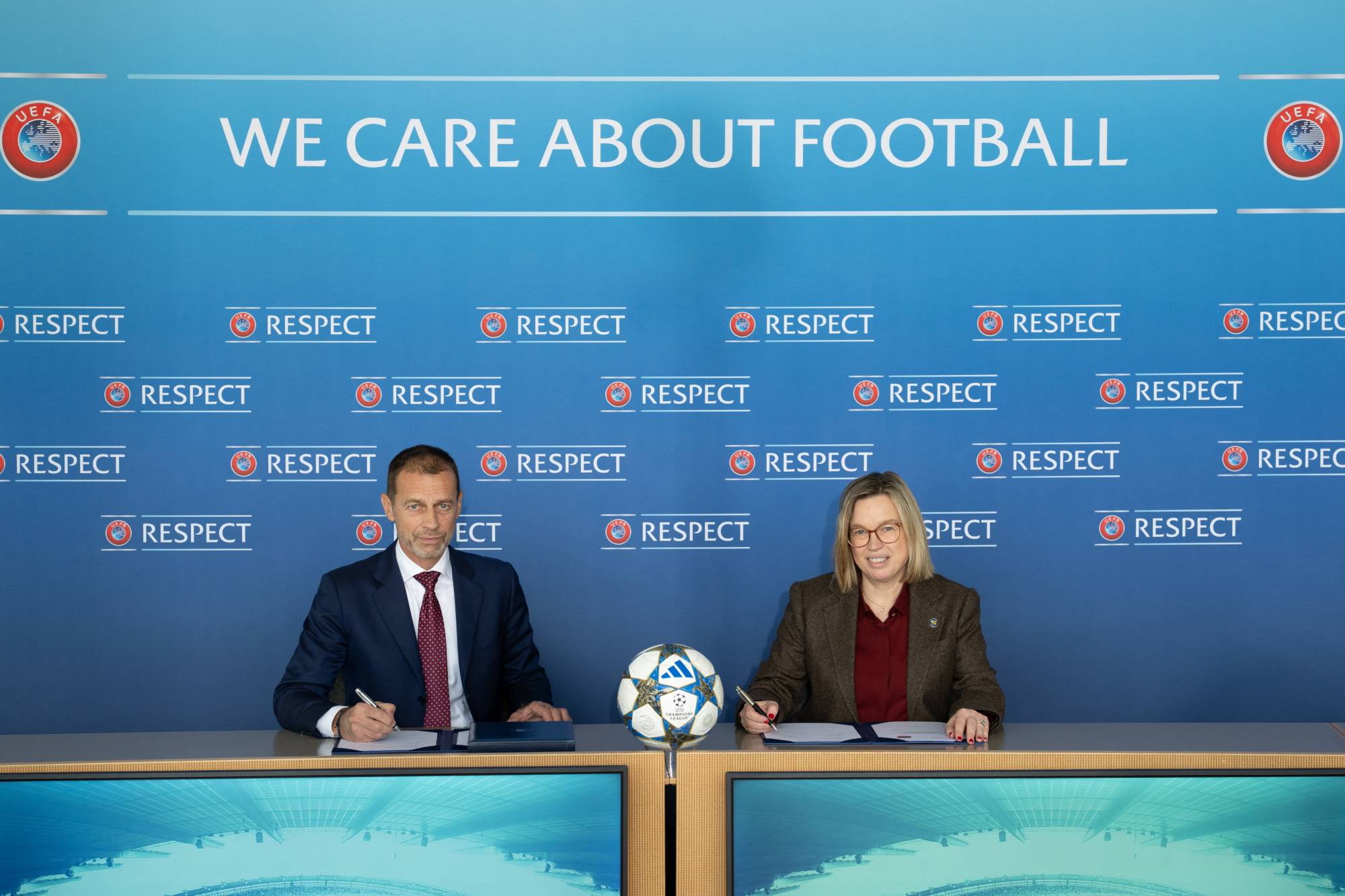
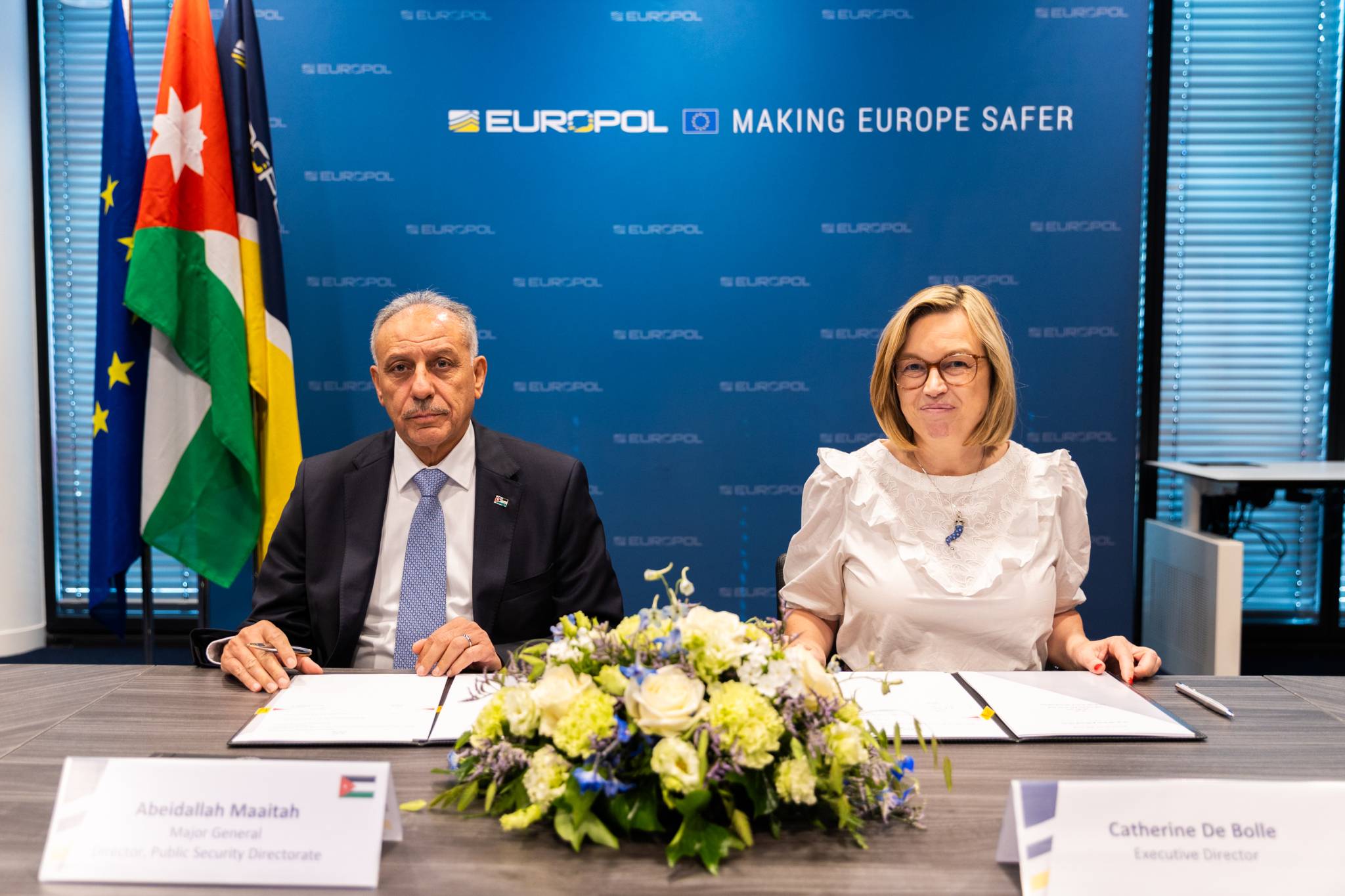
Today, 5 November 2025, Europol and UEFA have renewed and extended their Memorandum of Understanding, focused on preventing and combating crime while protecting the integrity of European football. The memorandum was signed at UEFA headquarters in Nyon by the Executive Director of Europol, Catherine De Bolle, and by the President of UEFA, Aleksander ?eferin. Europol and UEFA committed to cooperate in joint activities and projects. The partnership will enhance joint investigations, information sharing, and expert support for UEFA’s 55 member associations. During her visit to UEFA, Europol’s Executive Director also joined the meetings of the UEFA Governance and Compliance Committee and the UEFA Stadium and Security Committee which were taking place on the same morning. She exchanged views with the members of the committees dealing with many of the topics covered in the new Memorandum of Understanding.Wider scope of cooperation between the organisationsThe agreement builds on the past cooperation between the institutions, especially in the fight against match-fixing, while broadening the scope of cooperation into other organised crime-related threats. The cooperation focuses on information exchange and knowledge sharing in the areas of major football events, sports corruption, match-fixing and money laundering, racism, xenophobia and violent extremism as well as illegal activities around the unlawful streaming or transmission of audiovisual content. Cooperation extends to the detection of suspicious transactions and activities in the areas of transfers of football players, investment in football clubs, trading of football-related financial assets, and sports betting. Awarding and organising of sports competitions can also be abused by criminals to launder illicit proceeds or for corruption purposes and are therefore also among the possible areas of cooperation.Catherine De BolleEuropol Executive DirectorFootball provides a universal language that transcends borders, fostering a shared passion among diverse groups of people. At the same time, we have to note the criminal abuse of this wonderful sport: as with every major societal movement, football is vulnerable to criminal exploitation. Europol stands ready to support UEFA and all competent national authorities in safeguarding the integrity of this beautiful game.Aleksander ?eferinUEFA PresidentAs the governing authority for European football, we collaborate closely with European institutions and agencies, including Europol, to safeguard the integrity, credibility, and long-term sustainability of the game at every level. Through our partnership with Europol, we remain committed to enhancing our coordinated actions to prevent and tackle the criminal exploitation of our sportAbout UEFAUEFA is the governing body of European football and a not-for-profit organisation which supports and ensures the world’s most popular sport continues to thrive at all levels across its 55 member associations. As part of its commitment, UEFA invests 97.5% of its revenue in football-related activities, projects and initiatives that ensure the continued development of the men's and women's professional game as well as youth, grassroots and futsal.About EuropolEuropol is the European Union’s law enforcement agency. Headquartered in The Hague, the Netherlands, Europol supports the 27 EU Member States in their fight against terrorism, cybercrime and other serious and organised forms of crime. With over 1 600 staff members, Europol uses state-of-the-art tools to support some 3 000 international investigations each year, serving as a centre for law enforcement cooperation, analytical expertise and criminal intelligence.
Read full story →
Europol Nov 5, 10:48

Operation Chargeback: 4.3 million cardholders affected, EUR 300 million in damages

Europol supported this investigation, which targeted 44 suspects from Germany and other countries. Among the suspects are individuals allegedly involved in the fraud networks, executives from German payment service providers, intermediaries, crime-as-a-service providers who supplied shell companies, and an independent risk manager. In Germany alone, investigators searched 29 premises across several Federal States and executed five arrest warrants. Over 250 officers from the Federal Criminal Police Office, the Public Prosecutor General's Office in Koblenz, the Federal Financial Supervisory Authority (BaFin), and the tax investigation unit were involved. As part of the investigation, assets worth over EUR 35 million were secured in Luxembourg and Germany.Modus operandi in this alleged fraud schemeBetween 2016 and 2021, the suspects allegedly used stolen credit card data to create around 19 million fake online subscriptions on professionally operated websites, primarily offering pornography, dating, and streaming services. These websites were designed to evade search engine indexing, making them accessible only through direct URLs or links. The charges on credit cards were kept low, around EUR 50 per month, with obscure descriptions, making it difficult for cardholders to identify unauthorised transactions.Involvement of payment service providersThe suspects allegedly exploited the infrastructure of four major German payment service providers to process and launder the illicit transactions. Six suspects, including executives and compliance officers, are accused of colluding with the fraud networks, enabling them to access the payment infrastructure in exchange for fees.Money laundering and shell companiesTo conceal their activities, the suspects used numerous shell companies, primarily registered in the UK and Cyprus. These companies were used to distribute the fraudulent transactions, minimising the risk of chargebacks and detection. The shell companies were obtained through crime-as-a-service providers, who supplied complete corporate structures, including fake directors and Know-Your-Customer (KYC) documents.International cooperationOn the action day on 4 November 2025, coordinated measures were taken in Germany, the USA, Canada, Singapore, Luxembourg, Cyprus, Spain, Italy, and the Netherlands, with support from Europol and Eurojust. Numerous search warrants were executed, leading to the seizure of documents, data carriers and communication devices. Arrest warrants were also served, and significant assets were frozen.The action day followed extensive investigations, both nationally and internationally, involving over 90 legal assistance requests to 30 countries. The success of the operation is attributed to the close cooperation with authorities in the USA, Canada, Singapore, the UK, Luxembourg, the Netherlands, Cyprus, and Spain, as well as the coordination efforts of Eurojust and Europol.Catherine De BolleEuropol Executive DirectorOperation Chargeback is a testament to the power of international cooperation in dismantling complex criminal networks. It underscores the critical role Europol plays in supporting law enforcement agencies across the globe. By leveraging our analytical capabilities and facilitating cross-border coordination, we have been able to bring down the networks defrauding millions of credit card users worldwide. This success demonstrates our commitment to staying ahead of evolving criminal threats. Together, we are making significant strides in the fight against serious and organised crime.Magnus BrunnerEU Commissioner for Internal Affairs and MigrationThe cross-border cooperation within the EU and with partners, coordinated by Europol, leads to meaningful global results. This is why we are working to update Europol's mandate - to better support our law enforcement in protecting our citizens. We must boost our efforts against serious and organised crime by ensuring law enforcement has access to the data it needs. Today, over 85% of investigations rely on online evidence, and without this data, the fight against crime cannot be effective.Europol’s supportEuropol supported this investigation since May 2023, providing analytical support, organising several operational meetings and supporting the localisation of suspects. Law enforcement cooperation across all concerned countries was facilitated by the network of Liaison Bureaux situated at the Europol Headquarters in The Hague. On the action day, a crypto expert was deployed in Luxembourg, while another Europol expert took part in the coordination centre set up at Eurojust to support the joint action day in all countries concerned.Eurojust also enabled the cross-border judicial cooperation with the United Kingdom and United States via their Liaison Prosecutors at Eurojust and with the authorities in Canada and Singapore via its network of Contact Points. The seized evidence is currently being analysed, and further legal actions are expected to follow. For now, the suspects face charges of organised computer fraud, membership in a criminal organisation and money laundering.
Read full story →
Europol Oct 31, 11:38

654 war crimes suspects tied to Russian paramilitary

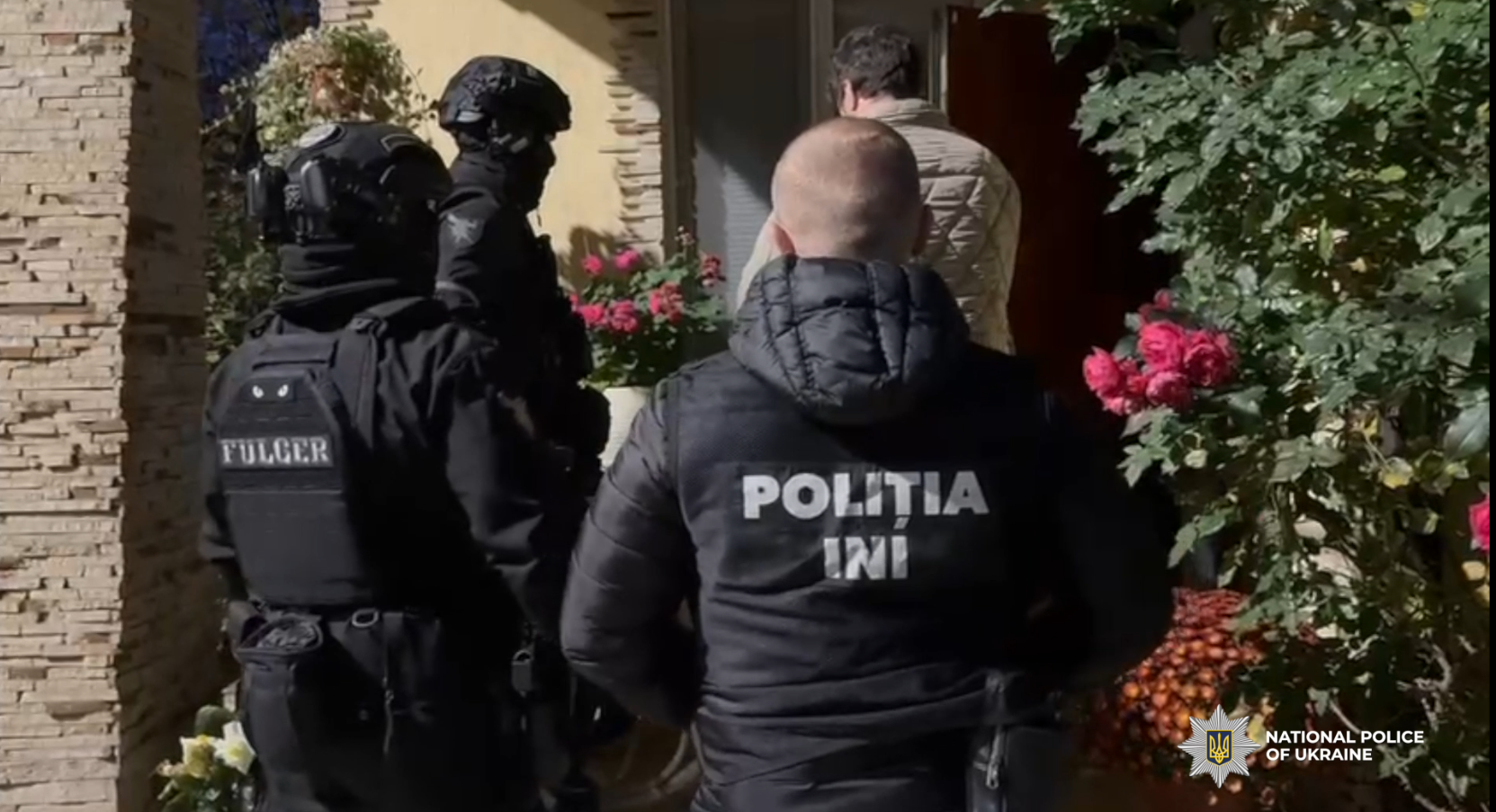
Europol supported the second phase of an investigation by the Moldovan Police and Ukrainian Police against Russian mercenaries. Europol’s Core International Crimes Team assisted national authorities in identifying suspects allegedly involved in war crimes. Europol’s EU Internet Referral Unit also supported the action day, which focused individuals involved in war crimes committed during Russia’s war of aggression against Ukraine.Overall, the investigation led to the identification of a total of 654 members of the Russian private military companies Wagner and Redut involved in combat operations against Ukraine. These suspects include citizens of Ukraine, Moldova, Kazakhstan, Uzbekistan, Tajikistan, Turkmenistan, Azerbaijan, Armenia, and Bosnia and Herzegovina.  These individuals are believed to have committed war crimes such as acts of sexual violence, executions of prisoners of war and executions of civilians.The action day on 29 October 2025 resulted in:70 house searches in Moldova and UkraineSeizures including firearms and cold weapons, ammunition, uniforms, chevrons with the symbols of the Wagner paramilitary company, as well as electronic equipmentCollection of video material and photographic evidence suggesting the participation of citizens of Ukraine and Moldova in hostilities in the territory of Ukraine and the Democratic Republic of the Congo while being part of this Russian private military companyDuring the investigation, Ukrainian authorities shared with concerned countries, via Europol’s secure channels, 280 names of foreign nationals suspected of involvement in combat operations. Since the beginning of the investigation, national authorities uncovered recruitment and training sites, mapped command structures, and documented war crimes including the executions of civilians, the use of banned weapons, and attacks on Ukrainian cities. To date, 11 Ukrainian citizens have been indicted for high treason for joining the Wagner and Redut formations.See footage from the action day in this video from the Ukrainian police:Europol's supportEuropol supported the investigation by facilitating information exchange and providing specialised analytical support focused on the potential involvement of these individuals in war crimes committed in Ukraine. During the action days, Europol set up a virtual command post to facilitate communication among the involved authorities. It also strengthened intelligence gathering by comparing real-time operational data with its databases, including OSINT research.Europol supports joint efforts to disrupt serious and organised crime and criminal networks that threaten the security of the EU and its neighbourhood. To do so, Europol has established robust operational and strategic cooperation frameworks with Ukraine and Moldova as part of the EU’s eastern neighbourhood. Europol signed an operational agreement with Ukraine, which was signed in December 2016 and entered into force in August 2017. Europol and Moldova signed an operational agreement in late 2014, which was then updated in 2020. These partnerships enable Europol to facilitate information exchange and alignment of operational activities and to coordinate law-enforcement responses across borders.
Read full story →
Europol Oct 29, 14:10

Global experts advance the joint fight against crypto-enabled crime

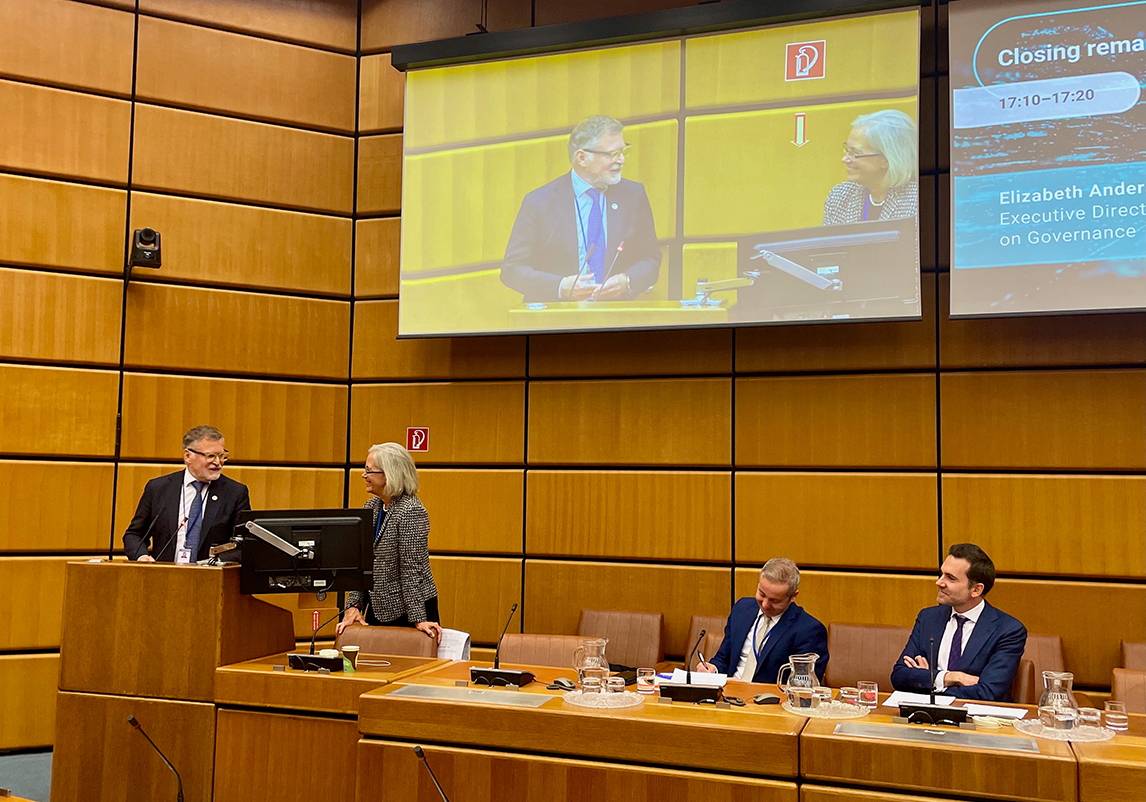
Criminal use of crypto becomes more professionalParticipants at the event in Vienna – jointly organised by Europol, UNODC and the Basel Institute on Governance – gained fresh insights into the evolving ways that cryptoassets and blockchain technology are being misused for crime. The conference on 28 and 29 October 2025 brought together more than 250 in-person participants and more than 1 000 online attendees from a wide range of fields, including law enforcement, prosecutors, regulators, researchers and leading blockchain intelligence firms.The growing sophistication of criminal tactics poses risks, not only to the crypto sector and to scam victims, but to society at large. These risks include serious crimes such as drug trafficking, terrorism financing and sanctions evasion.Burkhard MühlHead of Europol's European Financial and Economic Crime Centre (EFECC)The misuse of crypto and blockchain technology for criminal purposes is becoming increasingly sophisticated, complex and organised. Investigating these crimes places a significant burden on the law enforcement agencies of EU Member States. Europol will therefore continue to invest in innovation, technology and cooperation with private partners, to fulfil its mandate of supporting Member States in complex and international investigations.Professionalising the responseLaw enforcement, private sector partners and academia are rapidly advancing their ability to counter the threats posed by sophisticated crypto-related crimes and money laundering. Advanced tools are reducing reliance on manual tracing, while a host of successful cross-border operations show the power of collaboration. Research and reliable data on crypto’s use for criminal purposes are also crucial for governments to assess risks and respond appropriately.John Brandolino, UNODC Director, Division of Treaty Affairs, gave one example referencing a panel on transnational scams, illicit marketplaces and money laundering networks:Our research into scam centres in Southeast Asia is giving governments and law enforcement the insights they need to disrupt these fast-growing transnational threats.However, gaps remain: in legislation, in implementation, in capacity. Addressing these will require, chiefly, harmonised and evidence-based standards for blockchain investigations and intelligence – the topic of one of this year’s breakout sessions.Cooperation across borders and sectorsThe borderless nature of blockchains means criminal proceeds can cross the globe in seconds, while formal cooperation between authorities can still take days or weeks. Faster inter-agency channels are vital, said participants, as well as closer coordination between investigators and prosecutors. Public-private partnerships have been critical to disrupting illicit activity on blockchain, but they must be enhanced and scaled. This was a key theme on the first day, dedicated to cross-sector collaboration.A side event led by the Wolfsberg Group also highlighted the importance of private-to-private cooperation.Ned ConwayExecutive Secretary of the Wolfsberg GroupAs traditional and decentralised finance merge, clearer channels for information-sharing between banks and virtual asset service providers will greatly strengthen efforts to detect and disrupt illicit finance.Building capacity through training and peer learningCrypto is now a common feature of financial crime investigations, yet many agencies still lack the skills and resources to pursue leads or recover assets. Developing specialist teams and upskilling frontline officers is essential.Elizabeth AndersenExecutive Director of the Basel Institute on GovernanceThere’s a huge opportunity here. Through hands-on training and peer learning, countries can build the capacity to detect and trace cryptoassets linked to crime, and to recover them for the benefit of victims and wider society.A global platform and communityAs crypto use expands and evolves, the joint Global Conference remains a unique platform for dialogue and practical cooperation.By developing clear standards, enhancing cooperation and building capacity, we can collectively ensure financial innovations are harnessed for the public good while preventing their abuse by criminals.Learn more about the conference and find links to any recordings on the 9th Global Conference on Criminal Finances and Cryptoassets event page.
Read full story →
Europol Oct 27, 09:10

Fake number, real damage: Europol urges action against caller ID spoofing

Phone calls and text messages remain the primary entry point for these scams, representing roughly 64% of reported cases. By hiding their true identities and locations, criminals trick victims into revealing personal information, transferring funds, or granting access to devices and accounts, making it extremely difficult for law enforcement to trace and prosecute them.A borderless threatCaller ID spoofing is increasingly exploited by organised criminal networks operating across multiple jurisdictions. Fraudsters impersonate banks, government agencies, or even family members to gain trust. Some use it for so-called swatting incidents, making false emergency calls from a victim’s address, triggering large-scale emergency responses.Investigations show the emergence of a “spoofing-as-a-service” business model, providing ready-made tools for impersonating trusted entities such as law enforcement or financial institutions. Operating from abroad, these networks exploit jurisdictional gaps to evade detection and prosecution.Europol’s call for actionThe current imbalance, where spoofing is easy to commit but hard to investigate, is unsustainable. Europol is urging measures that make it more costly and technically complex for criminals to hide behind spoofed identities, while enabling investigators to act swiftly across borders.A Europol survey conducted across 23 countries revealed significant challenges in implementing anti-caller-ID spoofing measures. This means that the combined population of approximately 400 million people remain susceptible to these types of attacks.Law enforcement highlighted major obstacles, including limited cooperation with telecom operators, fragmented regulations, and a lack of technical tools to identify and block spoofed calls.Towards a coordinated European responseEuropol and its partners have identified three priorities:Harmonised technical standards: develop EU-wide mechanisms to trace fraudulent calls, verify legitimate caller IDs, and block deceptive traffic.Enhanced cross-border collaboration: strengthen cooperation between law enforcement, regulators, and industry to share intelligence and evidence efficiently.Regulatory convergence: align national rules to enable lawful traceback, clarify legitimate uses of caller ID masking, and promote proven anti-fraud tools.While anti-spoofing measures are essential, law enforcement expects criminals to adapt. Emerging threats such as SIM-based scams, anonymous prepaid services, and smishing schemes will require continued vigilance and cross-sector cooperation.Europol’s proposed measures support the ProtectEU strategy, strengthening Europe’s collective capacity to combat organised crime and protect citizens from online and offline threats. Through sustained multi-stakeholder collaboration, Europe can restore integrity to its communication networks and reduce the growing harm caused by caller ID spoofing.
Read full story →
Europol Oct 24, 11:30

Sweden hosts naval exercise with 200 special tactics operators

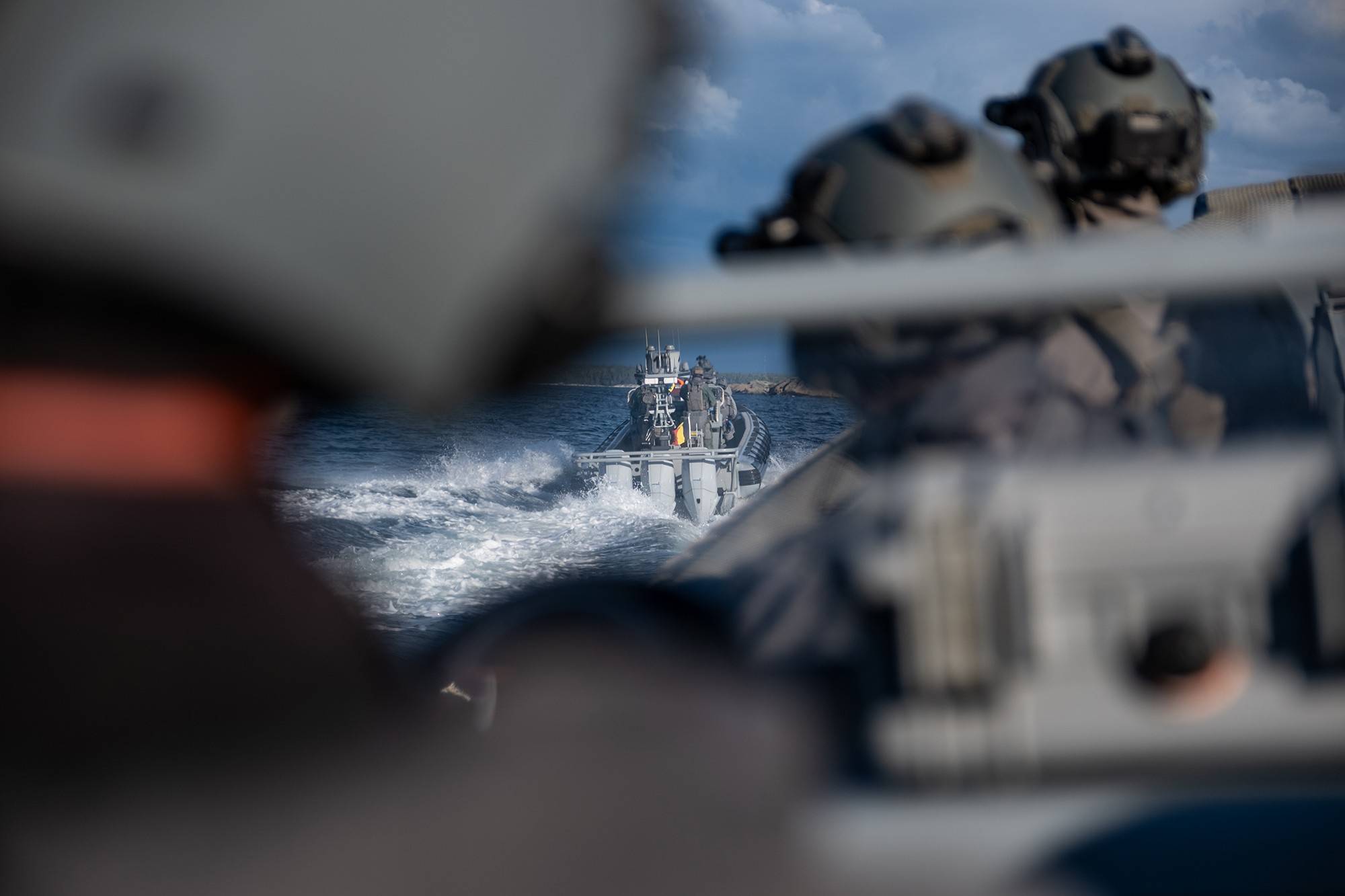
Preparing to fight terrorism on land and seaThe exercise scenario focused on the deployment of special intervention units and naval assets during day- and night-time, simulating terrorist and hostage incidents on board of cruise liners and ferries. Day after day, the participants faced new challenges on the water and on some of the archipelago’s many islands, slowly preparing them for the final exercise under real-life conditions. The attending units brought along their equipment, such as speed boats, sniper rifles, combat diving gear, and helicopters. The exercise was supported with helicopters and naval vessels provided by various Swedish authorities.The attending operators undertook tactical and technical preparations with every new scenario, weighing operational options under time pressure. Teams paired up with colleagues from neighbouring countries, challenging them to work using a common language and allowing them to exchange experience on tactics and equipment. ATLAS exercises, such as TRIDENT, are invaluable for building trust and exchanging experiences, which ultimately enables special intervention units to enhance tactical skills and technical capabilities.Final exercise under watchful eyesThis TRIDENT naval exercise culminated in a large-scale scenario across the archipelago with teams facing several challenges at once. The operational challenges included intercepting a ship transporting weapons for a terrorist cell, as well as securing terrorist-controlled locations with hostages, including some requiring first-response medical attention. This multi-threat scenario tested the participants’ response agility and adaptability throughout the exercise.The Nationella Insatsstyrkan under the leadership of Mårten Langer invited official representatives to observe the final assault. Sweden was represented by the Minister of Justice Gunnar Strömmer, the Head of Swedish Police Petra Lundh, Head of Swedish Coast Guard Lena Lindgren Schelin, representatives from the Swedish Armed Forces, as well as civil servants from other Swedish Authorities. Europol was represented by Jean-Philippe Lecouffe, Deputy Executive Director of Europol, and Anna Sjöberg, Head of the European Counter Terrorism Centre.Mårten LangerCommander, Nationella insatsstyrkan and ATLAS ChairmanIn a time of increasing global conflict, organised crime and terrorism, ATLAS remain united under our motto “All Together to Protect You". Safeguarding Europe’s values of democracy and freedom requires strong cooperation built on mutual trust. Trust is best forged through shared experiences, particularly in high-risk operations and demanding training environments. For almost twenty-five years, the ATLAS network has conducted around fifty joint activities annually, continuously enhancing Europe’s collective security and operational capability. ATLAS special intervention units, thank you for your commitment.Petra LundhSwedish National Police CommissionerExercises of this type are becoming increasingly important given the global situation we are in. We have witnessed the strength we have when we work together, and the joint strength is impressive.Jean-Philippe LecouffeDeputy Executive Director of Europol, Operations DirectorateSpecial intervention units are our critical shield in moments of greatest risk. Their effectiveness depends not only on individual skill but also on seamless cooperation with each other. Through joint, cross-border training exercises such as TRIDENT, we add an element of mutual learning, which allows for the exchange of experiences, builds trust, and increases readiness. Ultimately, in a crisis affecting any Member State, each unit can move swiftly, confidently, and in coordination to protect our common European security.ATLAS NetworkThe ATLAS Network consists of law enforcement special intervention units of the EU Member States and associated countries, maintaining 24/7 readiness to respond to crisis situations affecting European security. Since November 2018, the ATLAS Support Office has been hosted at Europol’s ‘European Counter Terrorism Centre’. This ensures that the ATLAS network is both continuously supported internally and directly connected to other relevant law enforcement networks and EU agencies.Europol provides financial and material support to the dozens of exercises conducted annually by the network. TRIDENT was helmed by the ATLAS Expert Group Naval.Participating countries:Belgium - Directie van de Speciale Eenheden, DSUEstonia – Counter Terrorism Unit, K-KomandoFinland - Helsingin poliisilaitos Valmiusyksikkö, KARHUGermany - GSG 9 der Bundespolizei, GSG9Iceland - Sérsveit ríkislögreglustjóra, VIKINGLatvia - Pretterorisma Vien?ba, OMEGALithuania - Antiteroristiniu Operaciju Rinktine, ARASNetherlands - Dienst Speciale Interventies, DSINorway - Politiet Beredskapstroppen, DELTASweden - Nationella Insatsstyrkan, NIObserving countries:Austria – Direktion Spezialeinheiten/Einsatzkommando Cobra, EKO CobraDenmark - Politiets Aktionsstyrke, AKSIreland - Garda Emergency Response Unit, ERU
Read full story →
Europol Oct 23, 13:00

From CLICK to CRIME: investigating intellectual property crime in the digital age

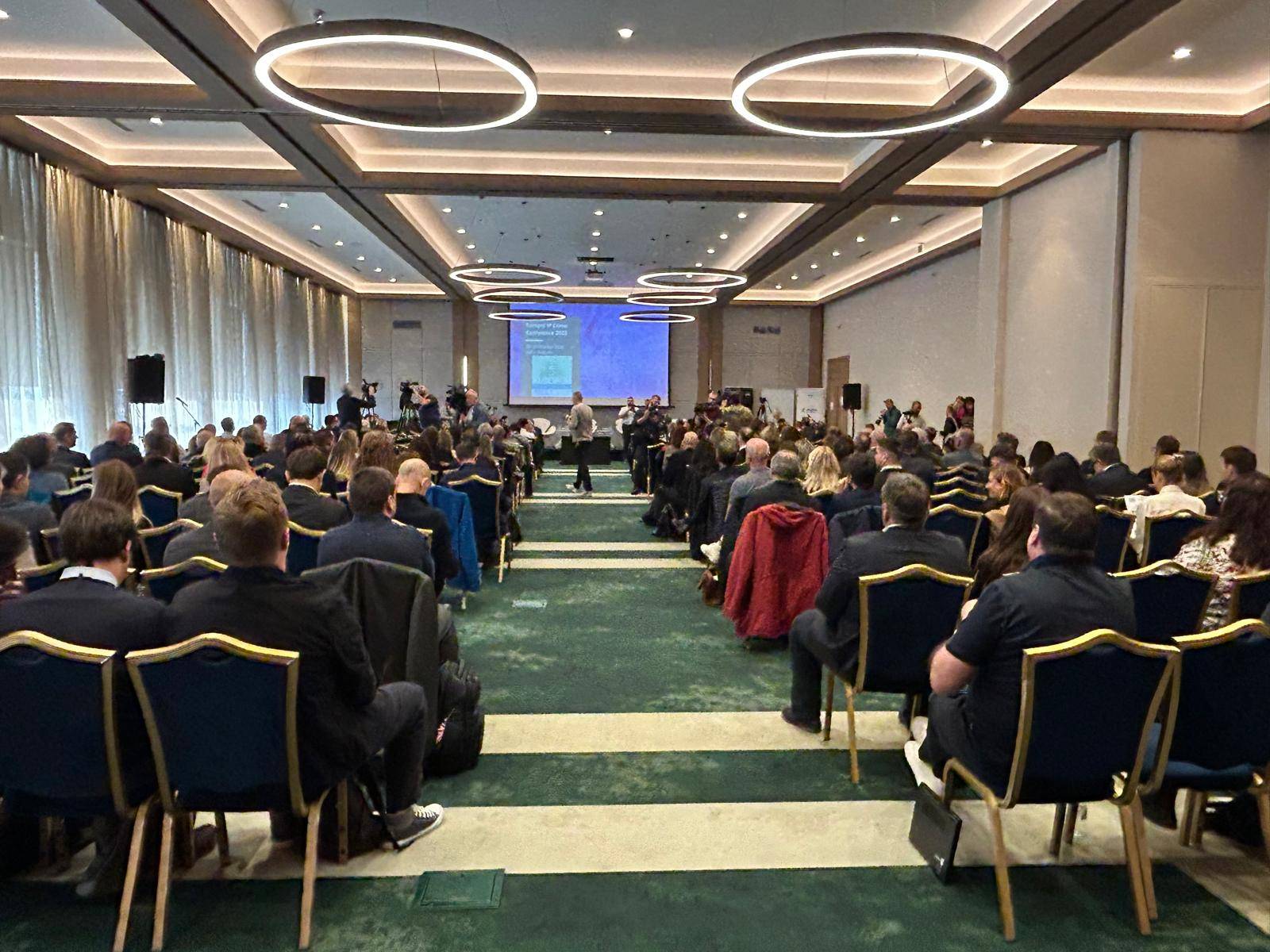
A new wave of online crime is putting consumers, businesses, and the wider economy at risk - from fake medicines and forged wine to illegal streaming platforms. The increase in counterfeit goods and the criminal abuse of intellectual property affect our daily lives more than many realise, with consequences that go far beyond lost revenue.The conference “From CLICK to CRIME: Investigating Intellectual Property Crime in the Digital Age” was held on 22 and 23 October 2025 in Sofia, Bulgaria. Jointly organised by Europol, the European Union Intellectual Property Office (EUIPO) and Bulgaria’s General Directorate Combating Organised Crime (GDBOP), the event highlighted the vital importance of collaboration in tackling online crime. The participants reaffirmed the importance of strong collective efforts in tackling online-enabled intellectual property crime to protect consumers, safeguard creativity and uphold trust in the digital economy.Consider a few key examples of the major threats posed by intellectual property crime:Illegal streaming and sharing platforms not only drain the cinema, publishing, musical and software industries but also expose viewers, especially children, to unregulated and potentially harmful content.Fake pharmaceuticals, supplements and illicit doping substances, promoted on social media and websites, are produced in clandestine labs without testing or quality control. Dangerous products, circulating in gyms and among amateur athletes, can cause severe or even fatal health effects.Counterfeit toys, perfumes, and cosmetics are also trafficked online and carry hidden dangers, trading low prices for high risks to health and safety.Behind many of these schemes are well-structured organised criminal networks that view intellectual property crime not as a secondary activity, but as a lucrative business model. These criminal networks exploit global supply chains, digital platforms and shell companies to maximise their reach and profits. The vast revenues generated through counterfeiting and piracy sustain a broader criminal market, underscoring the importance of financial investigations and asset recovery in dismantling these networks and eliminating their economic incentives.This conference brought together law enforcement agencies, policymakers, and industry experts to expose current threats and strengthen international cooperation in the fight against online intellectual property crime. Participants highlighted successful anti-piracy operations, analysed new criminal tactics, from evolving distribution methods and payment systems to the use of malware, and presented Europe’s latest tools, training, and operational actions to protect consumers and creativity in the digital age.Criminal networks continue to exploit the high demand for low-cost goods, fuelled by the ongoing cost-of-living crisis and consumers’ limited awareness of the economic, health, and environmental risks posed by counterfeit products. According to the EU Serious and Organised Crime Threat Assessment 2025 (EU-SOCTA), published earlier this year, the rapid pace of digital transformation has shifted the trade in counterfeit goods online, leading to a sharp decline in the number of physical retail outlets. The report also highlights that social commerce, the integration of e-commerce with social media, has become a key channel through which counterfeiters reach and entice consumersTo strengthen the fight against counterfeiting and piracy both online and offline, Europol and the European Union Intellectual Property Office (EUIPO) joined forces in 2016 to establish the Intellectual Property Crime Coordinated Coalition (IPC3). “From CLICK to CRIME: Investigating Intellectual Property Crime in the Digital Age” is the sixth conference co-organised by the two agencies, together with a national authority, aimed at enhancing knowledge and fostering a coordinated public-private sector response to intellectual property crime.
Read full story →
Europol Oct 22, 13:00

15th EDEN Event: Data Protection and Cybersecurity in Law Enforcement

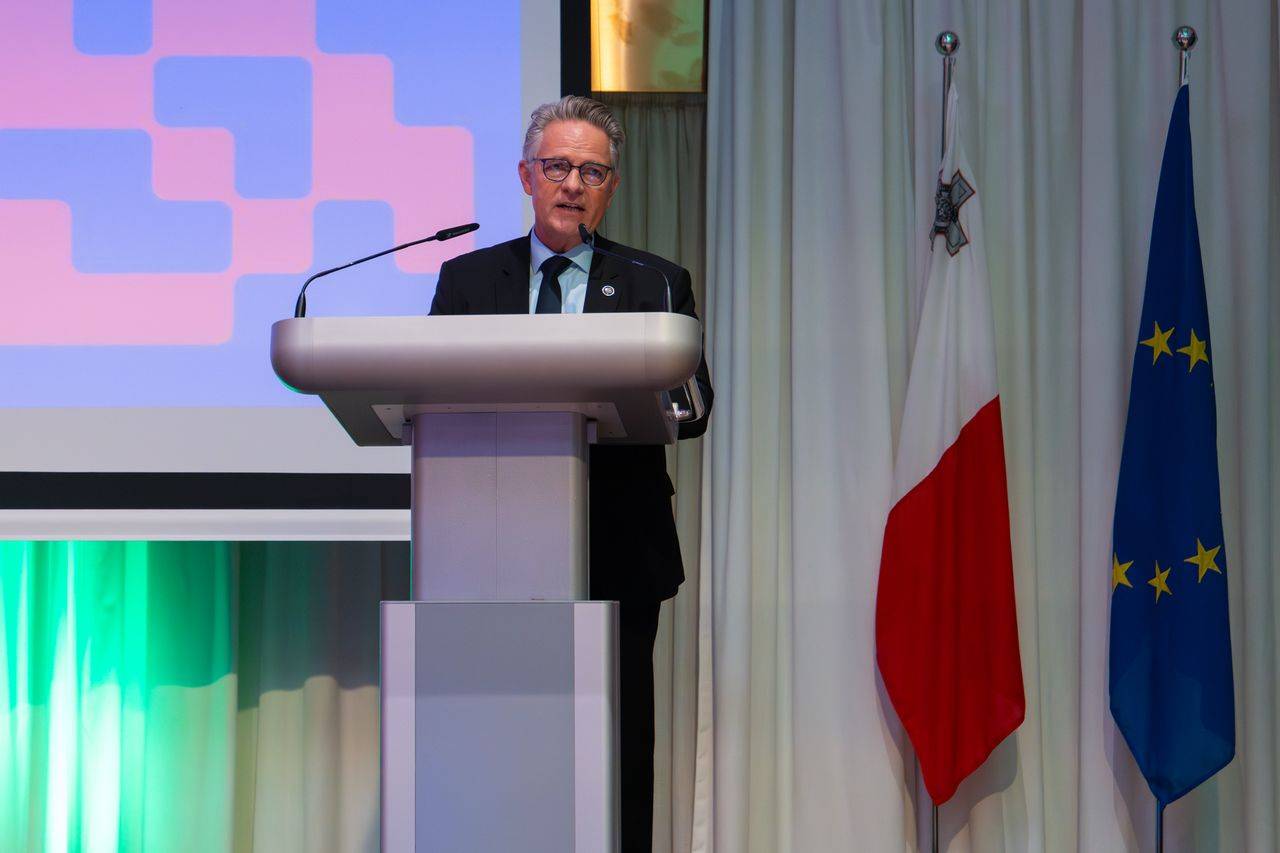
This year’s conference title, ‘Red Light, Green Light! Reduce Complexity, Increase Speed, Defend EU Values’, drew inspiration from a term used in data protection and cybersecurity to signify compliance or non-compliance. This phrase also echoes the children's game popularised by the Netflix series Squid Game, where the stakes are extremely high – life or death. Similarly, data protection and cybersecurity in law enforcement can have severe, real-world implications for individuals.High-level speakers and keynotesThe opening session featured speakers including:Jürgen Ebner, Deputy Executive Director of Europol, Governance Directorate, who discussed the balance between ensuring security and upholding privacy within Europol's operations. He highlighted the agency’s commitment to adhering to high standards of data protection while protecting European citizens.Angelo Gafà, Maltese Police Commissioner, who welcomed the audience as Maltese representative and introduced his take on the importance of data protection in law enforcement. Keynote by Angelo Gafà Michael O’Flaherty, Commissioner for Human Rights of the Council of Europe, who provided a broader human rights-focused perspective on the EDEN conference.Wojciech Wiewiorowski, European Data Protection Supervisor (EDPS), who issued a video statement addressing the crucial role of the EDPS in overseeing compliance and managing the challenges posed by digital transformation and data-driven policing. He advocated for innovative solutions that maintain the balance between privacy and effective law enforcement.Joe Cannataci, Head of the Department of Information Policy and Governance at the University of Malta. He contributed with an academic perspective while building on his experience as first UN Special Rapporteur on the right to privacy.Conference highlightsOver the course of two days, the 180 attendees participated in a variety of panels and discussions that delved into crucial subjects. These included data retention in law enforcement, the intersection of privacy and human rights in the era of artificial intelligence, and the role of data protection officers in ethical policing. Additionally, the programme explored the future of facial recognition technology and AI in law enforcement, as well as the tension between disinformation, digital sovereignty and free speech. The conference also examined the use of surveillance technologies in the fight against atrocities. frameborder="0"Defending fundamental rights in the digital eraWith participation from key European institutions, national authorities and academia, the 15th EDEN conference once again aimed to strengthen cooperation between data protection experts and law enforcement agencies. Discussions focused on how to streamline processes, increase operational speed and maintain the highest standards of data protection, which is crucial in defending the values of the European Union.About EDENThe Europol Data Protection Experts Network (EDEN) provides a platform for dialogue between law enforcement, data protection authorities, academia, NGOs and industry, promoting the exchange of knowledge, best practices and research on privacy and cybersecurity in policing.About ERAThe Academy of European Law (ERA) is a leading provider of training and knowledge exchange for legal professionals throughout Europe, fostering understanding and implementation of EU law.The photo of Maltese Police Commissioner, Angelo Gafà, was updated following publication.
Read full story →
Europol Oct 17, 09:00

Cybercrime-as-a-service takedown: 7 arrested

The criminal network and its infrastructure were technically highly sophisticated and enabled perpetrators around the world to use this SIM-box service to conduct a wide range of telecommunications-related cybercrimes, as well as other crimes. The online service created by the criminal network offered telephone numbers registered to people from over 80 countries for use in criminal activities. It allowed perpetrators to set up fake accounts for social media and communication platforms, which were subsequently used in cybercrimes while obscuring the perpetrators’ true identity and location.Results of the action day:26 searches carried out;5 individuals arrested;approximately 1200 SIM-box devices seized which operated 40 000 SIM cards;hundreds of thousands of further SIM cards seized;5 servers with infrastructure of the illegal service seized;2 websites (gogetsms.com and apisim.com) offering the illegal service taken over by law enforcement and “splash pages” displayed;EUR 431 000 in suspects’ bank accounts frozen;USD 333 000 in suspects’ crypto accounts frozen;4 luxury vehicles seized.The true scale of this network is still being uncovered. Measured by volume, more than 49 million online accounts were created on basis of the illegal service provided by suspects. The damage caused by the renters of the telephone numbers to their victims amounts to several million euros.Enabling a multitude of serious crimesThe criminal network offering this service enabled its clients to commit a multitude of serious crimes that would not have been possible at all without masking the perpetrators’ identities. ‘Phishing’ and ‘smishing’ are methods applied by criminals to gain access to victims’ e-mail and banking accounts. Phishing is a cybercrime where attackers pose as trusted sources through emails, calls, texts, or websites to steal sensitive data like passwords, bank details or credit card numbers, often leading to identity theft, financial loss or malware infections. Smishing is a subtype of phishing carried out via text messages, typically disguised as urgent notices from legitimate sources to trick victims into clicking malicious links or sharing personal information.Other offences facilitated by this criminal service include fraud, extortion, migrant smuggling and the distribution of child sexual abuse material. Some examples-by no means an exhaustive list-of the criminal activities enabled by the network’s offerings are:Fraud on online second-hand marketplacesSome perpetrators specialised in fraud on second-hand marketplaces. They used the SIM card service to create a vast number of fake accounts, which then served as starting points for fraud enabled by phishing and smishing.Daughter–son scamThis type of perpetrators contacts victims via WhatsApp, posing as a daughter or son and claiming to have a new phone number. Citing alleged spontaneous accidents or emergencies and evoking panic with the victim, they demand urgent payments usually in the four-figure range.Investment fraudVictims are usually contacted by telephone and encouraged to deposit larger sums and “invest.” The perpetrators often use remote-access software to gain access to the victim’s device.Fake shops and fake bank websitesRented telephone numbers of the perpetrators were also used in the legal notice and alleged responsible-party details of fake shops and in calls connected to fake bank pages.Fake police officersIn this further large-scale phenomenon, the perpetrators used the telephone numbers to convince their mostly Russian-speaking victims of their legitimacy. This crime had an additional  concerning element, as perpetrators posed as police officers with forged IDs and personally collected funds from the victims.Criminal sophistication and technical ingenuityThe now-dismantled criminal network undertook great efforts to provide its criminal clients with the requested service. This included the professional design and appearance of its website, which was taken offline by law enforcement during the action day. There was also the massive organisational effort of multiple accomplices acquiring thousands of SIM cards in almost 80 countries worldwide to be rented to other criminal organisations. As a side note: one of the main suspects behind this now-dismantled criminal structure had already been under investigation in Estonia for arson and extortion.Joint investigative effortTo prepare for the action day in Latvia, Eurojust and Europol leveraged their strengths to enhance the international law enforcement effort. They assisted in planning and administering the action day, with support from Joint Investigation Team partners Austria, Estonia and Latvia, as well as Finland. Europol deployed specialists to Riga to aid Latvian authorities, and both agencies provided financial support for technical equipment, travel and translation costs.During the operation, the technical infrastructure of the organised criminal network was dismantled in collaboration between Europol and the Shadowserver Foundation. A splash page was displayed on the landing page of the criminal service, which had been offering crime-as-a-service using foreign phone numbers for smishing and phishing. Europol provided analytical support, OSINT analysis for mapping the online criminal service and organised weekly meetings between law enforcement authorities, prosecutors and Eurojust desks. Europol also offered on-the-spot forensic support to secure digital evidence, took down the digital infrastructure and provided large file exchange services for transmitting data evidence.Participating countries: Austria: Federal Criminal Intelligence Service (Bundeskriminalamt), Criminal Investigation Department Salzburg (Landeskriminalamt Salzburg); Vienna Public Prosecutor's Office (Staatsanwaltschaft Wien)Estonia: Estonian Police (Politsei); Northern District Prosecutor’s Office (Põhja ringkonnaprokuratuur)Finland: Finnish Police (Poliisi); National Cyber-enabled Crimes Unit (NCCU Finland); National Bureau of Investigation (Keskusrikospoliisi)Latvia: Latvian State Police (Valsts policija); R?ga Judicial Region Prosecution Office (R?gas tiesas apgabala prokurat?ra); R?ga Northern Prosecution Office (R?gas Zieme?u prokurat?ra)The video in this press release was updated at 12.25 PM CET on 17 October.
Read full story →
Europol Oct 13, 11:00

Over 30 potential victims identified in action against human trafficking enabled online

Over the course of the week, experts investigated social media platforms, marketplaces, dating apps, job searching portals, escort agency sites and instant messaging platforms in search of actors facilitating sexual or labour exploitation online. Their efforts uncovered indications of human trafficking across 44 online platforms and resulted in the below outcome:33 potential victims of human trafficking identified31 potential perpetrators identified53 platforms checked302 URLs related to THB detected137 social networks related to THB detected The operation revealed that escort agencies dominate the market for sexual services and operate across multiple EU countries, although these services appear to be coordinated by a few organised criminal groups. Authorities also observed that possible victims of trafficking for sexual exploitation were always accompanied by a man who appeared to act as their controller.Additionally, experts detected an increase in advertisements generated by artificial intelligence to lure victims, as well as a shift towards sophisticated payment methods, where only cryptocurrencies are accepted. Analysts also found platforms with indicators of organ trafficking and child sexual abuse material (CSAM) sites on the dark web, along with pages claiming to rent, buy and sell minors, including new born babies. Teaming up since 2022Europol participated in the operation by providing coordinated support on site. Its experts also contributed with cross-checking and operational analysis from Europol’s headquarters in The Hague. Eurojust provided analytical support and ensured the swift involvement of judicial authorities besides the Dutch judicial authority.The first EMPACT THB Hackathon was organised in 2022 and has now taken place for four consecutive years. The initiative has become a crucial tool for investigators to pool expertise, coordinate cross-border online monitoring, identify potential victims at an early stage, enhance the detection of trafficking networks and generate new investigations.A phenomenon with global interconnectionsTrafficking in human beings is increasingly nurtured by the online domain. Criminal networks misuse it to circulate fake job offers, build manipulative online relationships and post live-streamed sexual exploitation content, recruiting victims all across the world. A stronger and more visible presence of law enforcement online is crucial to prevent the phenomenon from escalating beyond control, hidden behind encrypted apps, social media platforms and the dark web. The following authorities took part in the investigation: EU countries: Austria, Belgium, Cyprus, Czechia, Finland, France, Germany, Greece, Hungary, Ireland, Italy, Latvia, the Netherlands, Poland, Portugal, Romania, Slovenia, Spain, Sweden.Third countries: Brazil, Georgia, *Kosovo, Moldova, Serbia, Ukraine, United Kingdom.EU Agencies: Europol, Eurojust.(* This designation is without prejudice to positions on status, and is in line with UNSCR 1244/99 and the ICJ opinion on the Kosovo declaration of independence.)The list of participating countries was updated on 13 October 2025.
Read full story →
BBC Sport Oct 10, 12:03

Captain, player, manager, Mister, number one - Davids at Barnet

Captain, player, manager, Mister, number one - Davids at BarnetA team bottom of the Football League, without a victory, who already have a manager. Not the obvious place for one of football's most iconic players to start his managerial career.But that is exactly what happened in 2012.This is the story of how Netherlands legend Edgar Davids arrived at Barnet as player-head coach, almost kept them in the Football League and then oversaw a bizarre few months in the Conference.He remains fondly remembered by Bees fans more than a decade later.Told by those who worked with him at Barnet, it is a tale of contrasts - with Davids skipping some away games and wearing the number one shirt, but not earning a penny during 15 months in charge.Edgar Davids installed himself as captainFirst, the obvious question - why did one of the most famous midfield players of his generation join Barnet?This was a man who had 74 caps for the Netherlands, won multiple trophies with Ajax, Juventus and Inter Milan, and also played for AC Milan, Barcelona and Tottenham before briefly coming out of retirement with Crystal Palace in 2010.Two years later he was still living in London, close to Barnet, and playing Sunday League.Chairman Anthony Kleanthous told BBC Sport: "He was trying to obtain his coaching badges to become a Uefa pro coach and part of that involves coaching with a mainstream club."So we thought there's an opportunity here that can help him and helps us."We got along great. He didn't ask for anything [money] and the rest is history."Striker Jake Hyde called it "completely surreal"."There was a rumour of it on the morning and everyone was like 'no obviously not', I said 'no way he's coming to manage, he's just visiting'."But on 12 October, Davids, then 39, was confirmed as Barnet joint head coach in his first managerial position.However, he wanted to play too."I don't know how much he wanted to be a manager," said Hyde, who was the top scorer under Davids with 20 goals."If he did, he would have started higher and waited for the right opportunity. I think he just loved playing."Mark Robson (l) never managed again - he is currently a coach at West HamDavids came in as joint boss with Mark Robson, who was four months into his first (and only) managerial job having failed to win in his opening 13 games, with the Bees five points adrift at the bottom of League Two.Davids brought childhood friend Ulrich Landvreugd as his assistant manager.Their first game together was a 4-1 home defeat by Plymouth but days later they beat Northampton 4-0, with Davids captaining the team in a man-of-the-match performance."It was just like rolling the clock back 10 years to the original highlights of his career, it was an outstanding individual performance," said then director of football Paul Fairclough.Results picked up - but Davids and Robson as a duo was not working."You ask any football manager if they want someone on his shoulder ready to take his job and it was obvious where this one was going," said Fairclough."Edgar came in and Mark took a backseat. You could see that he wasn't happy because Edgar was a big character."Assistant boss Landvreugd told BBC Sport: "There were two bosses. Two captains on one ship. That's difficult."Around Christmas we had an away game and something happened on the trip. For Edgar, it was enough."He went back and spoke to Kleanthous and said it's Mark or us. Kleanthous chose Edgar and that was the end of Mark Robson."Kleanthous added: "I hoped that they'd be able to work together, but within no time it was made clear to me that wasn't going to quite happen."On 28 December, Davids became the sole head coach.From the start, Davids tried to stamp his authority - telling the players to call him 'Sir' or 'Mister', a respectful equivalent of 'gaffer' common in Italian football.Players were told they would be fined if they called him 'Edgar', 'Davids' or 'gaffer'."A few of us laughed like we were at school. He was being deadly serious," said Hyde."On the training ground that first day, calling for the ball [when Davids had it] was impossible. Nobody wants to be the first one to call him Mister or Sir."As it settles in you realise he's serious and that's who he is - he just became Mister to us."That went into matches, too, and opposition players used to laugh when Barnet players called for the ball saying 'Mister'.Edgar Davids often used to play in training gamesTraining with Davids was an interesting experience for the Barnet players.Hyde said: "It was so entertaining every day. He's won the Champions League and he celebrated every training goal as if it was a massive thing."Mentality wise he the best I've ever seen. He was still in the best shape in the whole team. You could see why he was at the top - he didn't want to get beaten in anything."He didn't want anyone to be better than him at something. He'd make games go on for longer [if he was losing]."Hyde remembers one story when Davids was not in training and they did not know where he was."We turn around and see this Bentley crawl down a grass bank, drive across three pitches and park behind one of the goals. He was sitting there watching training from his car with the heating," said Hyde.A represenative of Davids told the BBC: "Edgar never ran a training session from his car. There was one occasion when he was very sick and chose to stay at a distance so he wouldn't infect the team, that's how committed he was."The Barnet squad Robson had initially assembled was full of players released from Premier League academies with little experience of senior football - some of them struggled with Davids' intensity, as he struggled with their lack of.His assistant Landvreugd said: "For Edgar, when he's training he wants to do it 110%. He wanted to bring the culture to Barnet."The players who gave 100% or 200% really liked him but the players who didn't really saw him from a different side."Hyde, now a player-coach at Woking, said: "Speaking as an older player, one of his best character traits as a manager was – I hope this is what he wanted – the whole changing room came together and unified."It was all about the Davids show and we were like 'we'll show him he can't do that to one of us'. We all go to war together. He created that, through him being out of order to one or two of the lads."As a player, I improved dramatically that [first] season. I had a real fire in my belly. It propelled me in my career. For that, I'll be thankful."Jake Hyde was once asked to play like Dennis Bergkamp, Marco van Basten and Robin van Persie in the same game by Edgar DavidsWhen Davids arrived, Barnet were on three points from 12 games."We were cut adrift. No chance of staying up," said Kleanthous. "And he said to me, 'what do we have to do to stay up?'"I said, well, no-one's ever gone down with 50 points. We've got to get at least 50 points."Landvreugd added: "I was looking to Edgar thinking 'no, we can't manage it' and he said 'don't worry, we'll manage it. We're going to fix it. We will get those points'."We got those points. I think we did one hell of a job."Davids' Barnet remain to this day the only team to ever get 51 points in League Two and be relegated.Their form after Davids' arrival would have had them competing for the play-offs.Edgar Davids was sent off a total of five times for BarnetDavids' second season was more problematic in the Conference."I think if we'd have stayed up, we'd have gone on to have two or three good years in the league," said Kleanthous. "We'd have got promoted, maybe. He'd made a bunch of, well, below average players, above average."But we got relegated and that's when the real problem hit, because he ended up in such an unprofessional division."Davids only agreed to stay on in a part-time role, his camp say, with Landvreugd and a new appointment in head of coaching Dick Schreuder taking on greater responsibility.He made headlines when he took the number one shirt himself."He was captain of the club, manager of the club, wore squad number one and took every set-piece. If you didn't give him the ball he'd go mental. But that was the package we signed," said Hyde.Fairclough added wearing number one "was like waving a red rag to a bull at that level of football".Davids was sent off three times, taking his Barnet total to five, including in the final two matches of his career.Landvreugd said: "People were provoking him. When he had a yellow card, coaches from the opposition team said stand on his feet, give him an elbow in his face and you'll get a reaction."People tried to embarrass him and got him where they wanted him. It's unfortunate that for a legend like him they did that."Kleanthous said opposition players "brutalised him"."He was targeted, singled out every game. Edgar, unfortunately, didn't make life easier for himself because he would hit out," said Kleanthous, who has run Barnet since 1994.Davids used to miss some away games that involved more travel - a deal which had been agreed with Kleanthous.There were rumours he would attend parties or go shopping instead - but Landvreugd said that was not true."He was in Amsterdam with people working for his clothing company," said Landvreugd, who currently manages Den Bosch."It took a lot of time off him. He flew over one day or two days mostly doing that and nothing else."Landvreugd and Schreuder, both popular figures around the club, would take charge of games Davids missed.Fairclough explained: "The players didn't know what was going on. They didn't know who was manager and who was the coach, who was going to take the next training session."Hyde tells a story of Davids sitting on the coach ready for an away game, before discovering it was going to take five hours."He shut his laptop, picked it up and walked off the coach," he said.Davids' camp say this was before the Chester game on 18 January 2014."There was another situation that happened just before the team was about to leave on the coach, which was actually the final straw," a representative said.The fans loved Davids but grew frustrated with him missing games - and Kleanthous asked him if he could commit fully to going to every game.His exit was announced hours after Barnet lost 2-1 at Chester leaving them 10th in the table.Kleanthous accepts Davids had "started to lose interest" at this stage."He'd become less committed in my opinion and at that point it was time to shake hands and call it a day," said Kleanthous.Hyde added: "It's funny if it happens once, but two or three times and you get beaten, and it's your livelihoods, then it's not funny anymore."We've got a manager who doesn't turn up. In professional football, I don't think that's ever happened."Davids left Barnet with 25 wins in 68 games as a manager, plus one goal and five red cards in 39 games as a player.Kleanthous concluded: "I look back on those as great times and I have nothing but respect for what he did."He came in, asked for nothing, worked his hardest, did his best and was a little bit unlucky in the end."Landvreugd and Schreuder were named joint-managers after Davids' exit, but just two months later were replaced by Martin Allen.Davids' only managerial job since was six months in charge of Portuguese third-tier side Olhanense in 2021. He was the Netherlands assistant manager at the 2022 World Cup."He still wishes Barnet all the best, continues to follow them, and keeps in touch with Tony [Kleanthous]," said his representative.
Read full story →
Europol Oct 9, 14:00

Europol welcomes the European Investment Bank to its secure information exchange network

This development builds on the signing of a Working Arrangement between both sides in 2021.SIENA is Europol’s flagship platform for the swift and secure exchange of sensitive and restricted information among European law enforcement authorities, European agencies and bodies such as Eurojust, EPPO and OLAF, as well as trusted partners outside the EU. By joining the network, the EIB will be able to rely on such platform to exchange information with relevant authorities in a secure and timely way.Catherine De BolleEuropol Executive DirectorToday’s signature demonstrates our shared commitment to ensuring the solid protection of EU funds and the financial integrity of the Union. Reinforcing our cooperation with the EIB adds another key actor to the EU’s collective efforts to fight fraud, corruption and money laundering. Connecting to SIENA means having access to a secure and compliant channel linking a wide community of European and international law enforcement agencies, with state-of-the-art security and data protection features.Monique KoningEuropean Investment Bank InspectorFor the EIB, participation in SIENA is a strategic move that enhances our ability to collaborate with law enforcement on fraud, corruption and other financial crimes, as well as to exchange information and intelligence swiftly and securely, enabling us to react timely. This connection will allow the EIB’s Inspectorate General’s Investigations Division to exchange intelligence securely and efficiently, reinforcing the Bank’s role in safeguarding EU and EIB financial interests and supporting broader anti-crime efforts.Over the past year, Europol has expanded its SIENA network from 3 000 to 3 500 connections, adding on average two new partners every day. This expansion reflects Europol's commitment to strengthening cooperation between law enforcement authorities and institutional partners through tools that enable them to tackle increasingly complex criminal threats.The recent entry into force of the Information Exchange Directive (2023/977) designates SIENA as the default channel for cooperation among European law enforcement authorities, further consolidating its role in connecting key actors committed to delivering security for the EU and beyond.
Read full story →
Europol Oct 8, 14:01

Five central suspects arrested in whole-sale cocaine trafficking case

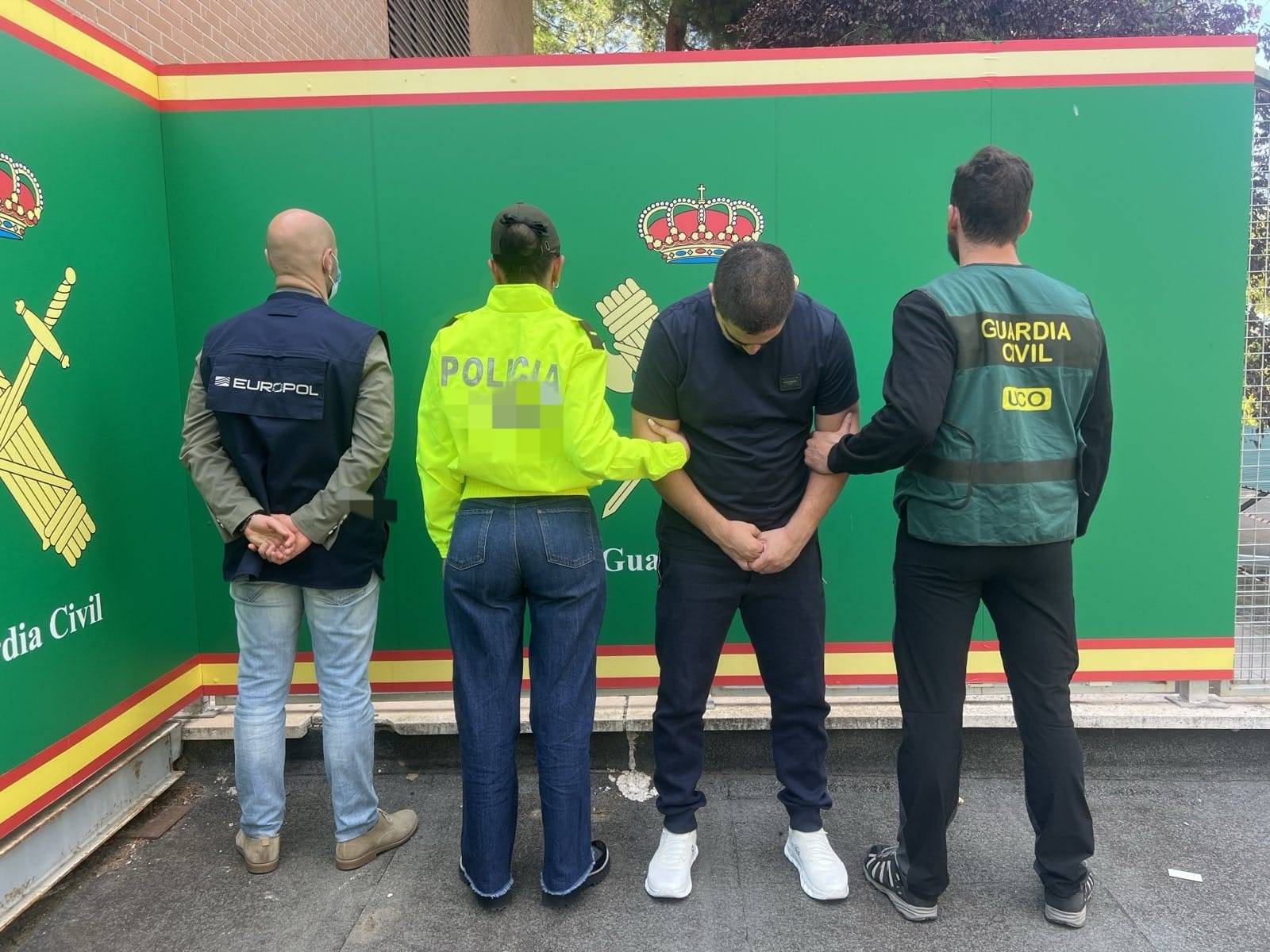
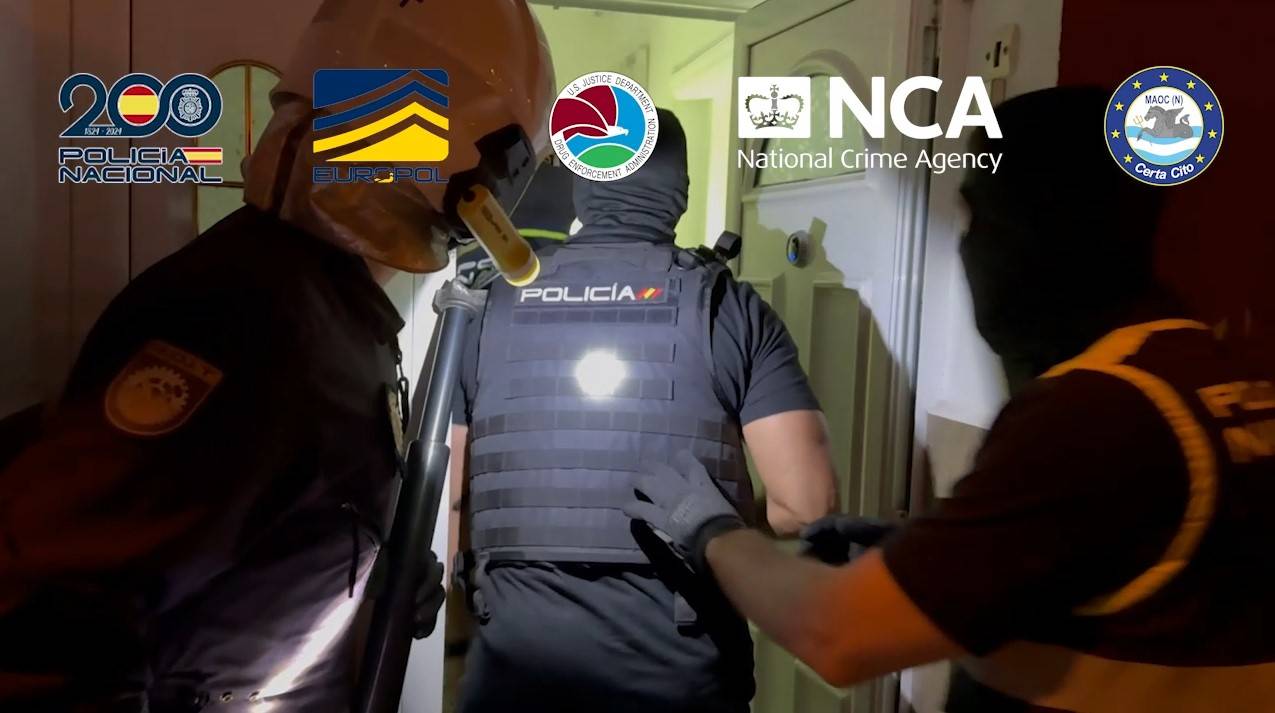
Between 1 and 2 October, the Colombian Police (Policia Nacional de Colombia) and the Spanish Guardia Civil, supported by Europol, targeted four key suspects, linked to the so-called Clan del Golfo, allegedly responsible for whole-sale cocaine trafficking operations from South America to Europe. In particular, the criminal network oversaw first-hand the production, transportation and distribution of cocaine throughout the entire logistics chains. To support field activities on the action day, Europol deployed two experts to Colombia and Spain.This investigation is based on information retrieved from the Sky ECC encrypted communications platform. For a first time Colombia has used Sky ECC data in a judicial proceeding. As a result, data obtained from Sky ECC led to the launch of a judicial case, judicial cooperation, and ultimately the issuing of arrests warrants and seizures. International cooperation has been essential in this case. Europol developed criminal data from Sky ECC and provided operational analysis, facilitated the exchange of information and supported the case coordination.The joint action days in Colombia and Spain led to:5 arrests (2 in Colombia and 3 in Spain), 2 of which High Value Targets7 location searches in ColombiaSeizures in Colombia include: 25 properties, 9 companies and 17 vehicles with an estimated value of EUR 12 millionCatherine de BolleEuropol Executive DirectorCocaine trafficking affects the health of European citizens, the stability of our economies, and especially the safety of our neighbourhoods, where gang violence and organised crime are leaving visible scars. The joint operation between Colombia and Spain, supported by Europol, is a striking demonstration of what can be achieved when law enforcement agencies unite not only across borders, but across continents.Crypto transactions of over 700 million illegal proceeds detectedThe investigation targeted prominent High Value Targets linked to a Colombian drug cartel, who coordinated global drug trafficking activities from Colombia and other Central American countries to Europe. The suspects arrested on the action day played different roles within the network. Some maintained direct contacts with the so-called Clan del Golfo to secure large-scale cocaine supplies. Others managed connections with multiple European criminal groups to facilitate distribution across the continent. A third group focused on laundering criminal assets through complex schemes involving offshore companies and large transfers via cryptocurrencies. The investigation identified active cryptocurrency transactions with an estimated total of 700 million dollars. All targets are Colombian nationals, some base in Colombia and others – in Spain. During the action day, authorities in Colombia and Spain searched the suspects’ luxurious properties located in Pereira, Medellin and Bogota (Colombia) and Madrid (Spain).See footage from an arrest during the action day here:This criminal network was responsible for large-scale international drug trafficking, organised through direct contact with the suppliers from the so-called Clan del Golfo and the distribution channels run by criminal groups in Europe. Cocaine was transported from Colombia to other countries in the region by speedboats and stockpiled in stash houses. The drugs were then shipped concealed in freight cargos to European ports. To sustain these operations, the suspects collaborated with other criminal actors based across several South American countries such as Panama, Costa Rica and Dominican Republic. Over the course of the investigation, significant quantities of cocaine were seized through a series of container inspections carried out both in South American and European Ports. Images in this press release were updated on 9 October 2025.
Read full story →
Europol Oct 7, 10:30

Luxury hybrid car thieves taken down in Belgium, Italy and Spain

The Russian-speaking criminal network, composed mainly of Moldovan nationals, targeted high-end hybrid vehicles across northern Italy and Spain’s Marbella region. The stolen cars and their components (bodywork, battery packs, mechanical parts) were shipped through the European port of Antwerp to international illegal markets.Action dayThe action day on 7 October 2025 resulted in 9 arrests in the regions of Reggio Emilia and Lombardy in Italy. In addition, EUR 35 000 in cash and EUR 150 000 in cryptocurrencies were also seized.Around 100 officers took part in the coordinated action, supported by Spanish Guardia Civil officers deployed to Belgium and Italy, and Italian Carabinieri teams sent to Spain and Belgium. Crypto-experts from Belgium, Italy and Spain joined the searches to secure and recover illicit digital assets.A coordination centre was set up at Eurojust, while Europol deployed experts and a mobile office to Italy and Belgium.Sophisticated modus operandiThe criminals operated with military-style precision. Investigators uncovered:Dedicated teams for car thefts, storage and counterfeitingUse of GPS trackers to monitor targeted vehiclesElectronic tools to bypass security systemsAlteration of VINs and licence plates from decommissioned cars to disguise stolen vehiclesLinks with shipping companies and criminal associates to move cars via AntwerpThe investigation also exposed a complex payment system involving multiple crypto platforms and wallets. Transfers worth around EUR 1 million in cryptocurrency were identified.European coordinationEuropol coordinated the international phase of the investigation, bringing together investigators from all involved countries and hosting operational meetings at its headquarters. Europol also supported national authorities with analysis and intelligence sharing, and will continue to provide on-the-spot support during follow-up actions.Eurojust supported a joint investigation team of the Italian and Spanish authorities set up in 2024 to dismantle the organised crime network.The following authorities took part in the investigation:Belgium: Federal Judicial Police of Antwerp (Federale Gerechtelijke Politie Antwerpen)Italy: Carabinieri of Reggio Emilia (Carabinieri di Reggio Emilia)Spain: Guardia Civil The investigation has been supported by the @ON Network funded by the EU Commission, led by the Italian Antimafia Investigation Directorate (DIA).
Read full story →
Europol Oct 6, 08:00

Counterfeit and substandard food worth EUR 95 million seized in global operation

Overall, Operation OPSON XIV saw:631 individuals reported to judicial authorities;101 arrest warrants issued;13 organised crime groups disrupted;goods worth around EUR 95 million seized;31 165 checks and inspections performed. Expired goods reinserted into supply chainOne of the main trends identified this year was organised crime groups infiltrating waste disposal companies with the intent to get access to expired food awaiting destruction. The criminals then remove the original "best before" or expiration dates using solvents and print new, falsified dates on the packages. These relabelled products are then reintroduced into the supply chain. In terms of quality, they may not only be poor but often also pose a health risk, as seen in cases involving canned fish. As a criminal modus operandi, the practice of relabelling expired food is not entirely new, but its current scale is unprecedented.However, the range of fraud in the food and beverage sector is not only limited to reprinting false expiration dates. Counterfeiting of food and beverages and the abuse of geographical indications are amongst the most common fraudulent tactics. As far as counterfeit and wrongly designated foods are concerned, olive oil and wines featuring a protected designation of origin remain strongly affected types of products.In addition, authorities saw several instances of meat or meat products sold to restaurants or consumers despite having been stored in subpar conditions, or with slaughterers not respecting legal and necessary hygienic standards. Similar modi operandi were seen with seafood (e.g., bivalve molluscs), which was no longer suitable for consumer consumption but nevertheless sold.See a video below from the operation of an illegal slaughterhouse in PortugalChecks from raw material to final productFood and beverage fraud constitutes a significant and serious crime area in need of being tackled on a national as well as on an international level. Operation OPSON was established with the goal to protect public health and safety across the EU.The list of food and beverage items taken off market spans a wide range. Authorities seized staples such fruits, vegetables, poultry, meat, meat products and seafood. The list of food items also covers confectionary, fats and oils, with a special focus on olive oil. In addition, food supplements and additives were covered over the course of OPSON XIV.OPSON XIV operational highlights Europol coordinated OPSON XIV and supported many individual cases by deploying experts with a mobile office to action days. During these checks and raids, the experts on the spot could provide analytical and intelligence support to the national authorities. Moreover, Europol organised operational meetings for the spin-off cases. With hundreds of individual investigations and checks performed by police, customs and national food regulatory authorities in collaboration with private sector partners, more than a few stood out as examples to be highlighted in detail.ItalyAn investigation by the Carabinieri Anti-Adulteration and Public Health Units (Nuclei Antisofisticazione e Sanità dell’Arma dei Carabinieri, NAS) led to the issue of an arrest warrant for seven horse breeders and truck drivers. They were part of a criminal organisation operating in Umbria and Puglia, which clandestinely slaughtered horses treated with pharmaceuticals, posing a significant public health risk. Additionally, authorities discovered and seized a clandestine slaughter facility on a farm, along with a truck containing parts of illegally slaughtered animals.PortugalThe Economic and Food Safety Authority (Autoridade de Segurança Alimentar e Económica- ASAE) conducted an inspection in the northern part of the country, leading to the discovery and dismantling of an illegal slaughter operation. The site lacked proper technical, functional and hygienic conditions, while the meat from various animal species was distributed to restaurants and butchers without mandatory health inspections. This practice posed a significant risk to public health. As a result, criminal proceedings were initiated, and a suspect was arrested. Authorities seized 33 slaughtered animals, 159 sheep and goats, approximately 200 kg of offal, slaughtering instruments and two laptops. To ensure public safety, the slaughtered animals were sent to a legally approved subproduct processing unit to prevent their entry into the human food chain.SpainIn an operation published this summer, the Guardia Civil’s Nature Protection Service, the Portuguese Economic and Food Safety Authority as well as the Maritime Police, supported by Europol’s experts on environmental crime, dismantled a criminal network profiting from illegally harvested and contaminated clams. The operation resulted in 11 arrests and the seizure of over 7 tonnes of clams. Harvested from the River Tajo, the clams were distributed across Portugal, Spain, France, and Italy, posing significant health risks to consumers. Investigators estimate the criminal modus operandi generated up to EUR 2.5 million weekly profits. Apart from crimes such as environmental crime, money laundering, document fraud and health fraud, there are also elements of human trafficking and labour exploitation within the illegal fishing operation.In another operation, the Guardia Civil investigated a company that mislabelled bananas from Madeira as Canary Islands bananas with protected geographic indication. As this company used counterfeit customs documents for imports, this operation led to the investigation of an individual for alleged offenses related to geographical indications, market deception and document forgery. It was determined that approximately 2 000 tons of bananas were irregularly marketed as Canary Islands bananas.GeorgiaThe Investigation Service of the Ministry of Finance of Georgia uncovered a smuggling operation involving non-excised goods. Two non-Georgian citizens were detained for transporting large quantities of undeclared, non-excised alcoholic beverages, tobacco products and other goods across Georgia's customs border. They used false customs declarations and transferred the goods to another vehicle for further transportation and sale. The seized goods are valued at over EUR 73 000 (GEL 230 000).
Read full story →
Europol Oct 3, 14:00

Europol conference warns: cybercrime fight hinges on access to data

Opening the conference at Europol’s headquarters, Executive Director Catherine De Bolle told some 500 participants from around the world:Catherine de BolleEuropol Executive DirectorAt this year’s Cybercrime Conference, we are confronting one of the defining dilemmas of our time: data as both a driver of innovation and the lifeblood of modern criminality. When digital evidence remains out of reach, children go unidentified, terrorist plots advance undetected, and organised crime thrives in the shadows. Lawful access is not a legal abstraction — it is about ensuring that people are protected in their everyday lives.A keynote address was delivered by the Commissioner for Internal Affairs and Migration, Magnus Brunner, who said:Magnus BrunnerEuropean Commissioner for Internal Affairs and MigrationCybercrime knows no borders. Drones threaten our critical infrastructure, cybercriminals exploit encryption and new technologies, and data has become a decisive battleground. To protect people and businesses in the EU, we must mainstream security into all our policies, strengthen Europol’s mandate, and ensure lawful access to data. This is not about new powers – it is about restoring balance in a changing world.Under the theme ‘Dissecting data challenges on the digital frontlines’, the two-day event focused on the fast-growing challenge of data in cybercrime investigations.Delegates discussed five pressing issues:Balancing access and privacy: how data is used in everyday life, from personal decisions to geopolitical strategy.Data in operations: the need for cross-border data availability and stronger public-private partnerships to track and disrupt cybercriminals.Data-driven legislation: the urgency of updating regulatory frameworks as technology evolves.Cyber diplomacy: ensuring collaboration between governments and industry to create resilient systems.Prevention: showcasing innovative approaches that are changing how cybercrime is tackled.Case studies presented during the conference included Europol-supported Operation Eastwood, which disrupted pro-Russian hacktivist activity targeting European infrastructure, and Operation Ratatouille, which saw the arrest of the alleged administrator of one of the world’s most influential Russian-speaking cybercrime platforms.The Cybercrime Conference was preceded by an annual workshop with national Computer Security Incident Response Teams (CSIRTs), organised jointly between Europol and the European Union Agency for Cybersecurity (ENISA), underlining the importance of technical expertise and operational collaboration in building digital resilience. Together with other events on prevention, forensics and global cooperation, the week marked the launch of Europol’s Cyber Week – bringing together communities from across Europe and beyond to strengthen collective defences.Now in its fourth year, Europol’s Cybercrime Conference has become a key annual platform for operational, policy and industry experts to share insights and prepare the next steps in the fight against cybercrime.Europol also publishes the Internet Organised Crime Threat Assessment, outlining the emerging threats and key developments in the field of cybercrime over the last year. 
Read full story →
Europol Oct 3, 11:46

17 suspected human traffickers arrested in Albania and Colombia

The actions led to:16 house searches (7 in Albania and 9 in Colombia);17 arrests (7 in Albania and 10 in Colombia);54 victims originating from South America were identified (44 in Albania, 5 in Croatia and 5 in Colombia);Seizures include evidence and equipment; further seizures are ongoing.International cooperation exposes mobile human trafficking networkA criminal network, composed mainly of Colombian nationals, recruited and transported vulnerable women from Colombia to Europe. Once under the network’s control, the victims were subjected to sexual exploitation in several European countries, including Albania and Croatia. The suspects operated with a high level of mobility, which complicated national investigations. International cooperation between Albania, Croatia and Colombia, facilitated through Europol, was essential in linking the main organisers with local associates who acted on their behalf in transit countries and countries of exploitation. The main suspect, identified as a High-Value Target within a Europol taskforce, coordinated the group’s activities while also distancing himself from the direct exploitation.Call centre to manage the exploitation activitiesThe investigation revealed a highly organised structure within the network, with members assigned to specific roles ranging from recruitment and transport to the direct control and exploitation of victims. Sexual services were advertised on adult websites, with negotiations on pricing and services handled by call centre operators, leaving victims with no control over their own lives. The so-called “agencies” oversaw every detail, from recruitment to money collection, often subjecting victims to psychological and physical violence, as well as threats against family members in Colombia. At least half of the illicit proceeds were channelled to the main organiser, who relied on sophisticated money laundering methods to whitewash the criminal profits.Europol supported the operational activities, facilitated the exchange of information and provided analytical support. On the action day, Europol deployed an expert to Colombia to cross-check operational information in real time, support investigators on the ground and coordinate cross-border cooperation.This investigation was supported by Italy’s Ministry of Interior through the EU4FAST multi-donor project addressing migrant smuggling and human trafficking in the Western Balkans.
Read full story →
Europol Sep 25, 12:00

Major blow to billion-euro glass eel trafficking networks

The latest iteration of Operation LAKE, which ran from October 2024 to June 2025, uncovered large-scale trafficking networks and disrupted the flow of live eels destined for illegal farms in Asia.The operation led to:16,131 inspections carried out across Europe26 arrests22 tonnes of glass eels seizedOrganised crime at the heart of traffickingInvestigations revealed that several organised crime groups were driving the trade. EU nationals sourced the eels through fisheries, while Asian nationals managed smuggling routes out of Europe.Once outside the EU, the eels were raised in farms and sold on the global market as legitimate fish products. Europol intelligence estimates that up to 100 tonnes of glass eels are smuggled each year, generating EUR 2.5–3 billion annually in peak years.This black market not only threatens an endangered species but also fuels a range of criminality, from tax evasion and food fraud to document forgery and money laundering.Traffickers relied heavily on forged paperwork to disguise their activities, falsifying catch records and inventing recipients for shipments to evade checks and move tonnes of live eels out of Europe every year.A long-term commitmentOperation LAKE is Europol’s flagship action against glass eel trafficking and one of the longest-running international operations tackling environmental crime. Since its launch, it has resulted in:Over 850 arrests109 tonnes of glass eels seized or prevented from being smuggledEuropol coordinated operational activities and provided intelligence and analysis support throughout the season. Europol experts worked closely with participating authorities, organised operational meetings, and deployed on the ground to support live investigations.Participating partnersFor this year’s edition, Europol brought together more than 20 partners, including law enforcement from EU Member States and third countries, as well as EU institutions:EU Member States: Belgium, Croatia, Czechia, Denmark, Estonia, Finland, France, the Netherlands, Portugal, Slovakia, SpainPartner countries: Albania, Canada, Georgia, Switzerland, United Kingdom, United StatesEU institutions and agencies: Eurojust, European Commission (DG SANTE), European Fisheries Control Agency (EFCA), European Anti-Fraud Office (OLAF)
Read full story →
Europol Sep 25, 10:00

From crypto-enabled money laundering to online recruitment of minors: European Police Chiefs tackle criminal threats

The annual event brought together the heads of national police organisations, customs administrations, representatives from the European Commission, and international partners to discuss the most pressing threats to security in Europe.Catherine De Bolle, Europol’s Executive Director, and Lene Steen, Deputy National Commissioner of the Danish Police, opened the conference. Keynote addresses were delivered by EU Commissioner for Internal Affairs and Migration Magnus Brunner,  Beate Gminder, Director General for Migration and Home Affairs at the European Commission, and Gerassimos Thomas, Director General for Taxation and Customs Union at the European Commission.Two panels, building on expert-level workshops held prior, highlighted how criminals are exploiting digital technologies in both violent and financial crime, and how to address these threats internationally.Catherine De BolleEuropol Executive DirectorThe social and economic costs of organised crime are simply too high, so politically, economically, and socially damaging that no single country or organisation, however powerful, can confront them alone. That is why the law enforcement community must redouble its efforts to modernise, strengthen, and deepen international police cooperation.Crime-as-a-Service: minors increasingly digitally drawn into criminal networksThe panel on Crime-as-a-Service explored how organised crime networks are offering specialised services, from cyberattacks to acts of violence to clients around the world.Law enforcement experts warned that minors are increasingly targeted and lured through online gaming, social media, and encrypted channels. The phenomenon includes Violence-as-a-Service, where acts of intimidation or assault can be contracted online.Police chiefs emphasised the need for:Centralised, specialised investigative structures to track recruiters, brokers, and enablers across borders;Stronger preventive measures to protect vulnerable youths online, including awareness campaigns, school engagement, and ethical guidance in digital spaces;Enhanced international cooperation and data sharing, supported by AI and data science, to identify criminal networks faster;Regulatory obligation for gaming platforms and social media to prevent harmful content involving minors, and to impose a minimum age for admission to risk-associated platforms and to cooperate with law enforcement when necessary.Follow the Money: digital finance exploited by criminalsThe panel on Follow the Money examined how organised crime, cybercrime, and terrorist financing are exploiting digital financial services, including virtual IBANs, decentralised finance platforms, crypto assets, and fintech tools.Key challenges identified include:Rapidly evolving criminal techniques outpacing law enforcement’s capacity to investigate;Shortage of specialists and high-cost investigative tools for blockchain and crypto tracing;Obstacles in cross-border investigations, especially involving safe-haven jurisdictions with weaker AML standards.Police chiefs discussed practical solutions, such as:Expanding joint investigative “sprints” to trace and seize criminal assets across borders;Pooling resources for specialised investigative tools for crypto and blockchain analysis, as well as boosting investment in training;Treating money laundering as a stand-alone criminal offence to speed prosecutions, accepting reasonably suspicion of the provenance of the funds;Strengthening public–private partnerships to improve information sharing and early warning systems.Strengthening Europe’s security architectureThe 14th edition of the EPCC once again provided a platform for hundreds of bilateral meetings and strategic discussions on the future of Europol and European security cooperation.The European Police Chiefs Convention is Europol’s flagship annual event, bringing together Europe’s law enforcement leadership to address shared security challenges and strengthen operational cooperation.The EPCC also hosted the Meeting of the Directors General of Customs Administrations, providing a dedicated platform for customs leadership to exchange best practices, coordinate on cross-border threats, and enhance cooperation with other law enforcement partners.Recognising innovation in law enforcementThe EPCC also celebrated excellence in innovation in policing. The annual Europol Excellence in Innovation Awards were presented to initiatives that demonstrate outstanding creativity and effectiveness in tackling emerging threats, including digital crime, financial crime, and the protection of vulnerable populations.This year, law enforcement agencies from Portugal, Germany and Norway were honoured for their initiatives in three categories: Ethics, Diversity & Inclusion, Innovative Operation and Technical Innovation.Read more about the winning initiatives. 
Read full story →
Europol Sep 22, 08:00

51 children identified during international taskforce against child sexual exploitation

The experts participating in the task force analysed over 300 datasets depicting victims of child sexual exploitation (CSE). The analysts saw victims of both genders, from toddlers to teenagers, with a variety of ethnic backgrounds and of many different nationalities. Following the operation, national authorities were sent 213 leads for further investigation.Catherine De BolleEuropol Executive DirectorChild sexual abuse material may be created in a single room, yet spread instantly across the world, inflicting lifelong trauma on children. Through advanced analysis, digital forensics and close international cooperation, Europol can sometimes locate the very room where abuse has taken place. But too often, we stand outside that door, knowing what happened inside yet lacking the key to rescue the child. The 17th edition of Europol’s Victim Identification Taskforce was a remarkable success. Yet we must ask ourselves: How many more children could we have safeguarded if we had the right digital tools and the right keys? That is why we must not confine ourselves to old ways of thinking. We must take bold and innovative steps to protect every child we canGrowing CSAM and sophisticated tools: A race against the clockThe Victim Identification Task Force (VIDTF) was first organised in 2014. Since then, the number of analysed datasets has increased exponentially, alongside Europol’s database, which was created in 2006 and now holds over 111 million unique photos and videos of child sexual exploitation.In addition to the growing volume of images, the exchange of child sexual abuse material (CSAM) now appears to be much more frequent than in the past, likely due to the accessibility and large storage capacity of mobile phones. In parallel, AI-generated CSAM has become one of the main ways offenders produce, acquire and store such material.Over the years, offenders have also gained access to more sophisticated tools and resources. Today, they even share tutorials on dark web forums explaining how to create hyper-realistic AI-generated CSAM.Over 1 000 victims safeguarded by bringing partners together National authorities often lack the tools and human resources to cope with the amount of CSAM being created and disseminated. This is why the Victim Identification Task Force is so valuable in the fight against child sexual exploitation: It brings together experts of multiple nationalities, facilitates communication and strengthens cooperation between law enforcement agencies worldwide.Over the previous sixteen VIDTF editions, authorities safeguarded a total of 1 010 victims, arrested 301 offenders, analysed 8 005 datasets and disseminated 2 266 intelligence packages to Europol’s partners. One of the most memorable success stories took place in September 2024, during the 15th VIDTF held at Europol’s headquarters. One of the investigators analysed a video depicting brutal sexual abuse of a five-year-old, committed by an adult male. As the details in the video were insufficient to identify the subjects or the country where it was produced, further checks were made against Europol’s databases. This led to the discovery of a second video depicting the same subjects engaged in similar acts. When the cross-checks performed pointed to France, French specialists participating in the VIDTF took over the analysis, while their colleagues in France initiated an investigation. The victim depicted in both videos was identified and safeguarded, and the offender was arrested.Further investigations revealed that the suspect had sexually abused and tortured two other victims, aged two years and six months, alongside four other men. The five offenders had met in groups hosted on end-to-end encrypted platforms. They had also recorded themselves abusing the three children and shared the files online. All the victims were rescued and safeguarded.Europol’s call: Trace an ObjectEuropol has recently released new pictures to the platform “Stop Child Abuse – Trace an Object”, which calls on all citizens to examine objects from child sexual abuse cold cases and see if they recognise any of them. No clue is too small: Even the smallest detail could help identify and safeguard a sexually abused child.The main goal is to trace the origin of the depicted objects. Anyone who recognises one can provide information to Europol anonymously. Once the country or location is identified, Europol will inform the competent law enforcement authority to investigate further. The aim is to speed up the identification of both the victim and the offender.The following partners took part in the Victim Identification Task Force 17: Australia: Australian Federal Police (AFP)Belgium: Federal Police BelgiumBulgaria: Cybercrime Directorate (GDCOC)Canada: Royal Canadian Mounted Police (RCMP)Croatia: Criminal Police Directorate, National Cybercrime DepartmentDenmark: Danish National Police - National Cyber Crime CenterEstonia: Police and Border Guard BoardFrance: Police nationale (Office Mineurs - Protection des mineurs), Gendarmerie nationale (Centre de lutte contre les criminalités numériques)Germany: Federal Criminal Police OfficeIreland: An Garda SíochánaItaly: State Police (Polizia di Stato- Servizio Polizia Postale- C.N.C.P.O.)Malta: Malta Police Force (Il-Korp tal- Pulizija ta’ Malta)Netherlands: National Police (Politie)Norway: KRIPOS (NCIS)Poland: Central Cybercrime BureauRomania: Police Directorate for Countering Organised CriminalitySerbia: Service for Combating High-Tech Crime, Directorate of PoliceSlovakia: Cybercrime Unit, National Center for Specific Crimes, Presidium of the Police ForceSpain: National Police (Policía Nacional), Guardia CivilSweden: Police AuthorityUK: National Crime Agency (NCA)USA: Federal Bureau of Investigation, Homeland Security InvestigationsINTERPOLNote to mediaEuropol encourages you to use the term ‘child (sexual) abuse material’ and not ‘child pornography’ in your reporting.The use of the term ‘child pornography’ helps child sex abusers as it indicates legitimacy and compliance on the part of the victim, and therefore legality on the part of the sex abuser. By using the phrase ‘child pornography’, it conjures up images of children posing in ‘provocative’ positions, rather than suffering horrific abuse. Every photograph or video captures an actual situation where a child has been abused. This is not pornography.
Read full story →
Europol Sep 19, 14:00

4 arrests for smuggling over 600 migrants across the Western Balkans

A large investigation, involving law enforcement and judicial authorities from Bosnia and Herzegovina, Croatia and Slovenia, has led to the dismantling of criminal network smuggling migrants from Bosnia and Herzegovina to Croatia and towards other EU countries. The investigation into this network active across the Western Balkans route was conducted under Europol’s dedicated Operational Task Force (OTF). Further arrests already took place in previous operational actions.Results of the action day in Croatia on 17 September 2025:The leader of the network (High Value Target) arrested3 other suspects arrested9 locations searchedSeizures include electronic equipment and small amounts of drugsEncrypted communications to secure migrant smuggling operationsThe border section between Bosnia and Herzegovina, Croatia, and Slovenia has now emerged as a key route used to smuggle migrants from the Balkans into Western Europe. This investigation took place under the umbrella of a dedicated Europol Operational Taskforce, established to strengthen the coordinated response to this criminal phenomenon.To date, authorities have linked the network to more than 100 smuggling incidents involving over 600 migrants. Highly organised, the group carefully structured its operations, focusing heavily on secrecy to avoid police detection. The criminals relied on secure communication channels, including encrypted mobile messaging platforms, to coordinate their activities.The network was predominantly composed of Croatian organisers, who recruited drivers from Czechia, Slovakia and other Central and Eastern European countries. In most cases, migrants entered Bosnia and Herzegovina legally, travelling by air from Istanbul to Sarajevo. After a short stay, they contacted members of the network, who then transported them to the Bosnian-Croatian border. The migrants then crossed the border on foot, assisted by guides working for the organisation.Once inside Croatia, other members of the network arranged temporary accommodation, particularly in the Split area. From there, drivers, mainly from Czechia, Slovakia and neighbouring countries, transported the migrants onward in rented vehicles supplied by the organisers.Regional OTF at Europol to tackle shifting migrant smuggling activitiesThe Western Balkans remain a key transit region for secondary movements, where criminal networks actively offer their services to irregular migrants. In response to this criminal phenomenon, Europol set up a dedicated Operational Taskforce (OTF) in March 2023, bringing together authorities from Bosnia and Herzegovina, Croatia, Germany and Slovenia. The OTF’s main objective is to target criminal groups engaged in migrant smuggling along the Western Balkans route.To strengthen these efforts, Europol established a dedicated financial instrument to support complex, high-profile investigations. During this latest operation, Europol coordinated the overall investigative activities, facilitated information exchange and provided tailored analytical support to the involved authorities. The agency also organised operational meetings to ensure effective cooperation among the OTF members.During the action day, Europol deployed an expert to the field in Croatia to cross-check operational information in real time against Europol’s databases. This ensured investigators had immediate access to possible new leads, strengthening the operational impact of the joint actions.
Read full story →
Europol Sep 18, 08:00

New routes and concealment methods identified in cocaine crackdowns in Spain

Cocaine production in Latin America has reached unprecedented levels while wholesale prices in Europe have dropped and are currently at the lowest level ever. Although joint law enforcement investigations and efforts to strengthen port security across European seaports have led to positive results in recent years, criminal networks have quickly adapted by exploiting new methods of trafficking. Their activities have become increasingly global, interconnected and fluid, posing a major challenge for law enforcement authorities. Cocaine shipments entering the EU are now concealed in highly sophisticated ways, including chemical modifications or incorporation into carrier materials, making detection at ports extremely difficult. In the Iberian Peninsula, for example, traffickers often tranship cocaine on the high seas, using go-fast boats or other vessels to bypass port controls.The two distinct investigations conducted between November 2024 and September 2025 led to the disruption of two wholesale cocaine trafficking networks linked to the smuggling of tonnes of cocaine into the EU.Found in Spain and Portugal: cocaine hidden inside cowhidesA first action day led by Portuguese Judiciary Police and Spanish Guardia Civil, with the support of US DEA and Dominican Republic authorities, illustrates how criminal networks are using more elaborate tactics in carrying out their illegal activities. On 3 September 2025, the Europol-supported operation resulted in the arrest of 12 suspects for allegedly smuggling cocaine inside cowhides.  Hidden drugs in cowhide Seized drugs during OP Olimpia This unusual method enabled the perpetrators to prevent the drugs from being detected by both port scanners and drug-detecting dogs. The only way to locate the cocaine was by completely dismantling the shipment. Investigators believe that the suspects had sent dozens of containers of cocaine from the Dominican Republic to various locations in Europe by using this concealment method.  The action day on 3 September was the second phase of the operation. The first one took place between June and July 2025 and led to the arrest of seven suspects nationals from Colombia, Dominican Republic, Portugal and Spain.Overall, the operation led to:19 arrests32 property searches2,232 kg of cocaine seizedEUR 150,000 in cash seizedSeizure of several electronic devices, luxury vehicles, and documentationSecond hit against cocaine traffickingA few days after, on 10 September 2025, Europol supported SVA-Spanish Customs and Guardia Civil in another operation that led to the dismantling of a criminal network smuggling cocaine from South America to Europe using multiple types of vessels. The suspects, Colombian, Cuban, Romanian and Spanish nationals, were involved in extortion, kidnapping and extreme violence due to its rivalry with other criminal organisations. US DEA and Judiciary Police from Cape Verde also participated in the investigation. Law enforcement in action Seized cocaine during operation Seized weapons during operation Results from the action day on 10 September 2025:37 arrests (including a HVT)39 property searchesCocaine cutting laboratory dismantledEUR 600,000 in cash seized200 bank accounts frozen26 vehicles, 56 real estate and 5 vessels seizedSeizure of 3 firearms (1 shotgun and 2 pistols)Fake weapons and knives found in the house of the target responsible for the kidnappings and extortionThe gang was led by a high value target, who was also arrested during the action day. This Spanish citizen offered his criminal services and logistical infrastructure to other criminal organisations in South America and Europe to traffic cocaine. He also established a network of companies related to fishing activities to launder profits and give the criminal activities the appearance of legality.  In November 2024, the first iteration of the operation resulted in the arrest of six suspects who were aboard a fishing vessel, bound for Spain and seized over 1.5 tonnes of cocaine. All in all, authorities have seized over 2 200 kilos of cocaine.A combined strategy to disrupt large-scale cocaine traffickingDrug trafficking remains a key threat to the EU’s internal security. To address this challenge, Europol played a central role in ensuring the success of these two major investigations by coordinating agencies, fostering cross-border police cooperation, providing analytical and financial support, and deploying experts on the ground during action days.Europe has emerged as the primary market for cocaine, with production at record levels and prices falling. While intercepting drug shipments is crucial, it is no longer sufficient on its own.Europol is therefore pursuing a combined strategy that targets both shipments and the criminal networks behind them. As demonstrated by both operations, this approach has enabled authorities to uncover new routes, detect sophisticated concealment methods, and achieve stronger results in the fight against cocaine trafficking.
Read full story →
Europol Sep 10, 07:10

New fugitive uploaded to EU Most Wanted list for major ransomware attacks

The fugitive is wanted by several countries and is considered a top priority target for international law enforcement. The U.S. Department of Justice (DOJ) has announced a reward of up to USD 10 million for information leading to his arrest.The identification of the suspect follows a complex international investigation, supported by Europol, into this ransomware network causing global damages worth billions. The case has involved close cooperation between investigators in France, Germany, the Netherlands, Norway, Switzerland, Ukraine, the United Kingdom and the United States together with Europol and Eurojust.As part of this investigation, several members of the criminal network have already been arrested in Ukraine. Law enforcement has mapped the structure of the group, identifying actors at every level – from malware developers and intrusion specialists to money launderers responsible for handling the illicit proceeds.The wanted fugitive deployed the LockerGoga ransomware to carry out his attacks.Europol will continue to support the international search for the fugitive and calls on the public to check the EU Most Wanted website and share any information that could help law enforcement bring this individual to justice.The profile of the newly added cybercriminal on EU Most Wanted is live now.
Read full story →
Europol Sep 4, 13:16

Europol supports operation leading to 12 arrests in Ecuador

 The targeted criminal network used private security companies as fronts to recruit individuals already linked to their criminal structure. This allowed them to place trusted personnel in Ecuador’s key ports, which remain critical nodes for cocaine trafficking operations. In addition, the network used these private security companies to acquire armoured vehicles and firearms, which were subsequently diverted to local criminal groups across Ecuador. These groups are perpetuating widespread violence and violent deaths, driven by territorial disputes over drug trafficking routes.Waves of arrests and seizure after seizureEuropol supported an investigation launched by Belgian authorities already in 2020. During the first operational phase on 22 April 2020 in Belgium, 14 suspects were arrested and 4.6 tonnes of cocaine as well as 10 firearms seized by the Belgian Federal Police.The most recent operational phase took place this week on 3 September 2025 in the area of Guayaquil, Ecuador. 12 targeted suspects (11 Ecuadorians and 1 Serbian) were taken into custody and over 21 home searches conducted. Law enforcement officers seized 3 armoured vehicles, USD 27 000 in cash, 5 firearms and 7 electronic devices during the raids.This years-long investigation is based on information retrieved from the Sky ECC encrypted communications platform. Over the past years, law enforcement authorities dealt a series of heavy blows to the criminal network, with over 9 344 kilograms of cocaine seized in 11 instances. This includes seven raids with a total seizure of 4 125 kilograms in Ecuador, one large seizure of 4 600 kilograms in Belgium and three seizures of a total of 619 kilograms in the Netherlands.Less than a year ago, Europol supported a hit against a Western Balkans-based criminal group, in line with its strategy to strategically disrupt drug trafficking networks and their supply chains affecting the European Union. The network taken down in Ecuador this week is believed to have supplied cocaine to the suspects arrested in this prior action, which underlines law enforcement’s interconnected approach.Close cooperation across oceansThis success would not have been achievable without the close and trusted cooperation between EU and Latin American law enforcement. Europol provided analytical support and facilitated the exchange of information between Belgium and Ecuador. Europol’s dedicated Operational Taskforce funded the deployment of Ecuadorian colleagues to Europol’s headquarters in The Hague, the Netherlands. Participating countries: Belgium: Federal Police (Federale Politie)Ecuador: National Police (Policía Nacional de Ecuador)
Read full story →
Europol Sep 4, 08:00

8 arrested in a crackdown on human trafficking network active across continents

Europol coordinated a joint action day between the Brazilian Federal Police (Polícia Federal) and the Irish National Police and Security Service (An Garda Síochána) against a criminal network involved in human trafficking for sexual exploitation of victims originating from South America. Active in Ireland and across several EU Member States, the criminal network, composed mainly of Brazilian nationals, is suspected of having exploited several hundreds of victims.  The criminal network is also investigated for forgery of documents, money laundering and other financial and economic crimes. The investigation was carried out within the framework of a Europol Operational Taskforce.The investigation and operational actions led to:Europol coordinated a joint action day between the Brazilian Federal Police (Polícia Federal) and the Irish National Police and Security Service (An Garda Síochána) against a criminal network involved in human trafficking for sexual exploitation of victims originating from South America. Active in Ireland and across several EU Member States, the criminal network, composed mainly of Brazilian nationals, is suspected of having exploited several hundreds of victims.  The criminal network is also investigated for forgery of documents, money laundering and other financial and economic crimes. The investigation was carried out within the framework of a Europol Operational Taskforce.33 house searches (29 in Brazil and 4 in Ireland)8 arrests (4 in Brazil and 4 in Ireland including the main organiser)28 victims originating from South America already identified prior to the actions, with work ongoing to identify the othersSeizures include at least 6 high-end vehicles, multiple bank accounts, luxury watches, one crypto wallet with at least EUR 50 0000, digital equipment and documents.A probe into an individual suspected of being involved in sexual exploitation led to the uncovering of a larger well-structured criminal network spread across borders. Active since 2017, this network operated from Brazil and Ireland, is believed to have been involved in the recruitment, transportation, accommodation, advertisement and overall control of female victims from South America. The women, often threatened with violence, were exploited sexually in multiple countries around the world including Ireland. Investigators estimate that the criminal activities have generated several million euros in illegal profits. Investigative activities are still on-going.Europol coordinated the operational activities, facilitated the exchange of information and provided analytical support. Europol deployed two experts, one in Brazil and one in Ireland, to cross-check operational information in real time and support investigators on the ground with technical expertise.
Read full story →
Europol Aug 27, 10:00

Spain dismantles criminal network smuggling migrants from Algeria to the EU

The Spanish Guardia Civil, supported by Europol, dismantled a criminal network smuggling migrants by boats from Algeria to Spain and onwards to other EU countries. The network, led by a Moroccan national, was comprised of both Algerian and Moroccan suspects based in Spain. Their operations relied on significant financial and logistical resources, misusing legitimate businesses such as maritime trading companies, to procure the means of transport for the smuggling activities. Hawaladars were also used to move criminal funds.The action days between 17 and 19 June in Spain led to:Actions in Almería, Nijar, Tabernas, Espartinas (Seville) and Alicante8 locations (6 houses and 2 industrial premises)14 arrestsSeizures included 15 speedboats between 7.5 and 8 meters, partly equipped with powerful engines (between 200 and 425 hp), boat hull moulds (8 and 14 meters long), maritime and electronic equipment, more than 100 full gasoline canisters, 2 firearms and more than EUR 68 000 in cash.More than EUR 1 million pumped into putting boats together for smuggling runsThe migrant smuggling network was highly structured, with separate branches responsible for different tasks and members playing distinct roles, including investors, intermediaries connecting the various cells, skippers and those preparing the boats.The criminal organisation is believed to have spent more than EUR 1 million on acquiring and manufacturing high-speed boats to support its operations. A complex web of companies in France and Spain was used to arrange the logistics and supply nautical equipment. Migrants were charged up to EUR 7 000 each for a dangerous one-way journey from Algeria to Spain on the often-overcrowded self-made boats.The network was composed of several cells. One cell was responsible for acquiring and managing vessels and maritime equipment, while another coordinated the navigation of boats towards landing spots along the Spanish coast. Other branches provided essential resources for the smuggling operations, including fuel, food, and communication systems, or handled security tasks during crossings.Europol facilitated the exchange of information and provided operational coordination and analytical support. Europol deployed an expert to Spain to facilitate the real-time exchange of information and cross-check operational information against Europol’s databases, providing immediate leads to investigators in the field.
Read full story →
Europol Aug 25, 10:00

Four suspected ATM attackers arrested in coordinated takedown

In total, the action day on 19 August 2025 led to the following results:Four arrests in AustriaTwo cars, explosive devices, mobile phones and further evidence seized in AustriaMobile phones and further evidence seized in GermanyTwo cars, ammunition, EUR 16 500 in cash, GPS trackers and further evidence seized in the NetherlandsAfter a series of ATM attacks in Austria earlier this year, Austrian investigators with the support of Europol collaborated with their colleagues in Germany and the Netherlands to close in on the suspected robbers. Intense investigative efforts revealed that the main suspects were Dutch nationals from the Brabant area, who were well organised and had ties to other criminal groups active in Austria earlier this year.Investigators could also determine that the latest ATM attack by the highly sophisticated group was carried out with the help of a German national, who allegedly brought in facilitators for renting cars and other logistical support. It is believed that the cross-border collaboration between Dutch and German suspects was led by the Dutch suspects.Considerable damage and dangerous getawaysThe investigation showed that some of the suspects were present in Austria weeks before the robberies, scoping out potential attack locations. Cash machine robbers typically scout for suitable attack sites online and on-site. Preferably, they target easily accessible cash machines with comparatively modest security measures and convenient getaway options. Once an attack location has been chosen, the robbers typically strike during the night and rig the cash machines with solid explosives, made of flash powder sourced from heavy pyrotechnics. Activated from a short distance, the blasts often not only destroy the ATMs but also devastate the surrounding area. Photo from Austrian press conference on the arrests As cash machines are often located in residential areas, these attacks can cause serious harm to buildings and their residents. Upon blasting open a machine, sometimes with a second charge, the robbers grab the accessible cash and use high-powered vehicles to flee the scene at high speed. This unscrupulous approach and the extreme risks taken by the perpetrators both at the crime scene and during the escape makes their takedown a priority for law enforcement.Europol’s support to national investigatorsAs reported before, this criminal phenomenon has spread and moved across several EU countries in recent years. With law enforcement and financial institutions teaming up to increase ATM safety features in heavily affected areas, highly specialised criminal groups are forced to travel long distances to perform attacks on easier targets. Some proven remedies include carefully considered ATM locations, restricting access to indoor machines at nighttime alongside elevated break-in technology, glue or dye packs in cash containers, stronger mechanical protection measures as well as smaller stored cash amounts.Another effective remedy is constant pressure from law enforcement, which is why agencies from across the EU are continuously expanding their cross-border collaboration. An Operational Taskforce was set up at Europol, bringing together investigators from several affected Member States. This allowed Europol’s experts on organised property crime to support their colleagues from Austria, Germany and the Netherlands in forming an intelligence picture and preparing the coordinated strike.Participating countries: Austria: Federal Criminal Intelligence Service (Bundeskriminalamt); Provincial Criminal Intelligence Service Lower Austria (Landeskriminalamt Niederösterreich); Provincial Criminal Intelligence Service Upper Austria (Landeskriminalamt Oberösterreich)Germany: Federal Criminal Police Office (Bundeskriminalamt); Düsseldorf Police (Polizeipräsidium Düsseldorf)Netherlands: District Investigation Department ‘s-Hertogenbosch (Districtsrecherche ‘s-Hertogenbosch)
Read full story →
Europol Aug 20, 08:00

Millions in counterfeit cash seized in major international haul

The operation’s success was driven by the outstanding collaboration between authorities from 18 countries, which helped investigators gain a deeper understanding of criminal methods and trafficking routes. Thanks to this joint effort, the operation triggered 102 new investigations targeting criminal networks engaged in currency counterfeiting.Overall results of the operation:297 parcels containing counterfeit currency seized;More than 990 000 counterfeit items intercepted, including banknotes and coins over EUR 280 000, USD 679 000 and GBP 12 000.As a leading EU agency in the fight against currency counterfeiting, Europol provided expertise, coordinated the exchange of information and supported national authorities in detecting suspicious parcels. In addition, Europol helped refine risk indicators, enabling more effective identification of counterfeit currency distribution in the future. The European Anti-Fraud Office (OLAF) also supported the investigation by providing technical infrastructure during the operational phase.New criminal networks uncoveredThe investigation, led by Austria, Portugal and Spain, was conducted between October 2024 and March 2025 and uncovered several new criminal networks engaged in currency counterfeiting. Most of these networks operate from outside the EU, mainly from Asia, but also from America and the Middle East.This operation marked the second phase of an earlier action in which Europol had also been involved. Stronger and improved cooperation between customs and police forces allowed authorities to achieve significantly better results this time. One remarkable success came from Romania, where a single coordinated action by national authorities resulted in the seizure of USD 600 000 in counterfeit currency.As in the first iteration of the operation, the vast majority of the seized items were altered-design banknotes, often referred to as ‘movie money’. These reproductions have a similar shape and colour to real banknotes, but include a small disclaimer indicating they are fake. However, these disclaimers are often overlooked, allowing criminals to pass them off as genuine currency.
Read full story →
Europol Aug 12, 07:00

Internationally active Albanian organised crime network busted – 10 arrests

The 15 search warrants performed led to:10 arrestsSeizure of real estate such as a tourist resort, villas, apartments, land plots as well as vehicles and shares in companies valued at several million eurosSeizure of EUR 111 800, USD 4 000 (around EUR 3 434), Albanian Lek 880 000 (around EUR 9 048) in cash Example of real estate seized Seizure of Sky ECC encrypted communication platform yields results since 2021Even though the Sky ECC encrypted communication platform was taken down over four years ago, its content still brings forward operational results. In-depth and targeted data analysis at Europol allows the cooperating law enforcement authorities to collect actionable information on high-level organised criminal groups and their members. This coordinated approach allows investigators to map out the structure of the high-risk criminal networks and the role of individual High Value Targets.A data-driven successThis particular operation led by the Albanian SPAK revolved around a top-level Albanian target involved in cocaine trafficking and money laundering. Investigators from Albania, Belgium, France, and the Netherlands together with Europol experts analysed encrypted Sky ECC communication data. Among the criminal episodes reconstructed were multi-tonne deliveries of cocaine trafficked from Latin America to the main ports of the EU, including Hamburg and Rotterdam. Investigations have shown that in just one of these shipments, the main target received more than USD 40 million for his cut.The criminal organisation’s leader was in charge of arranging shipments and investing into very large quantities of cocaine. He coordinated these massive criminal undertakings also from remote locations, relying on encrypted means of communication. Prior to his arrest, he was wanted following a decision by an Albanian court recognising a 21-year prison sentence issued by an Italian court for murder, deprivation of liberty, attempted hiding of a corpse, threats, illegal possession of explosives and ammunition as well as obstruction of justice. The Albanian organised criminal network under investigation operated with a truly global scope, as it cooperated with other groups that could facilitate transports to EU harbours. It invested its massive earnings, which reached dozens of millions of euros, in properties and businesses across Albania and other European countries.Europol’s expertise at workEuropol provided broad-ranging expertise on the criminal areas under investigation, covering organised crime structures, large-scale drug trafficking and money laundering. Based on large-data analysis, numerous intelligence and analytical reports were disseminated by Europol to the cooperating partners, who also met and exchanged information in several operational meetings. During the action day, Europol deployed an organised crime expert to Tirana, Albania, who provided support with a mobile office and facilitated international law enforcement cooperation.Participating countries: Albania: Special Prosecution Office for Anticorruption and Organised Crime (SPAK); National Bureau of Investigation (Byroja Kombëtare e Hetimit); State Police (Policia e Shtetit)Belgium: Federal Judicial Police (Federale Gerechtelijke Politie)France: National Police (Police Nationale)Germany: Federal Criminal Police Office (Bundeskriminalamt); State Criminal Police Office Baden-Württemberg (Landeskriminalamt Baden-Württemberg / GER Karlsruhe)Netherlands: Police (Politie)Italy: National Police (Polizia di Stato); Servizio per la Cooperazione Internazionale di Polizia (SCIP)
Read full story →
Europol Aug 11, 08:00

Seven tonnes of clams unfit for human consumption seized in hit against illegal fisheries

Contaminated clams as major health riskIn the border region between Portugal and Spain, the so-called ‘Manila or Japanese clam’ (Ruditapes philippinarum) is harvested illegally in the river Tajo. The criminal modus operandi is simple: illicitly fished clams are gathered and kept alive in water containers to be later introduced to the legal market. To that end, criminals use fake documentation, therefore bypassing any administrative and health inspection measures. Typically, the clams are distributed in Portugal, Spain and even France and Italy, posing a serious risk for consumers. Consumption of contaminated clams may cause food poisoning, gastroenteritis or hepatitis.Several hits against illegal clam fishersInvestigators estimate that the total profits of this illegal business may average up to EUR 2.5 million per week. These proceeds are laundered in various ways, such as with the purchasing and re-selling of luxury vehicles. The suspects’ activities go well beyond environmental crime, with trafficking of human beings - often irregular migrants - for labour exploitation in the fisheries a regular occurrence. Authorities believe that those forced to work under such conditions are paid as little as one or one-and-a-half euros per harvested kilo of clams by the criminals.This Europol-supported investigation, which started in April of this year, led to two action days carried out on 23 and 24 June as well as 30 July 2025. Apart from arresting 11 suspects, law enforcement seized 7 vehicles. The suspects may face charges such as environmental crime, money laundering, document fraud, as well as food and human health fraud.Europol supported the investigation from the start, which took place when the Guardia Civil seized a shipment of 235 kilo of clams and shared this information via Europol’s secure communication channel SIENA, thus setting in motion further operational activities. Europol funded several meetings attended by lead investigators and provided an around-the-clock virtual command post. The Agency’s environmental crime experts coordinated and supported their national colleagues by providing operational and analytical support. On the action days, one Europol expert with a mobile office was deployed on the spot, and Portuguese officers were deployed to Huelva, Spain.Participating authorities:Spain: Guardia Civil Nature Protection Service (SEPRONA)Portugal: Economic and Food Safety Authority (ASAE); Maritime Police (Polícia Marítima)
Read full story →
Europol Jul 28, 10:00

Eight arrested in takedown of fake document distribution hub disguised as Greek travel agency

During the action days, officers carried out 5 house searches and raided a travel agency used by the main suspect, dismantling a fully equipped forgery lab and seizing hundreds of counterfeit documents, passport components, biometric data sets, forgery equipment with two high-end laser printers, mobile phones, vehicles, drugs and over EUR 68 000 in cash.The criminal network was allegedly disguised as a travel agency based in Athens, which served as a distribution hub for parcels containing false or counterfeit documents. As a legitimate business, the travel agency served to veil and facilitate the distribution of illicit documents. With each member fulfilling a specific role in the criminal organisation, the suspects used aliases to send illicit documents to recipients in various EU countries and third countries. Buyers could choose between a variety of passports, ID cards, driver’s licenses or even residency permits from various EU countries. This modus operandi can seriously impact the internal security of the EU.Investigations show that France, Spain and the United Kingdom where among the countries where the most parcels were sent to.The criminal organisation also facilitated migrant smuggling from Turkey to Greece, concealed migrants in a safe house in Athens, and organised secondary movements to other European countries by air using forged documents. During the action day, two undocumented migrants — an Iranian national and an Afghan national — were found in the safe house. The network had intended to smuggle them to Portugal.Europol’s roleEuropol supported the Greek case early on, which soon showed potential links with a German investigation. To facilitate the information exchange between Greek, German and US law enforcement authorities, Europol hosted a virtual operational meeting to prepare the action day. Apart from providing analytical support to the involved authorities, Europol also deployed an expert with a mobile office to Athens to provide real-time support on the spot.Participating authorities:Germany: Federal Police (Bundespolizei)Greece: Hellenic Police (Ελληνικη Αστυνομια)United States of America: U.S. Homeland Security Investigations; U.S. Customs and Border Protection; U.S. Federal Bureau of Investigation (Athens)
Read full story →
Europol Jul 24, 10:00

ATM fraudsters halted in Europol-supported operation led by Romanian and British authorities

The group members ostentatiously used a derogatory name against the police, which was displayed on the license plates of the cars they owned, on the T-shirts or clothes they wore, on posts on social networks, or even custom-made on the metal gate at the entrance to the courtyard of the house where one of them lived.In December 2024, law enforcement conducted an operation against the group in the United Kingdom. On 23 July 2025, a follow-up action was carried out against the gang, this time in Bacău, Romania. This operation led to:2 arrests18 house searchesSeizure of real estate, luxury cars, electronic devices and cash See footage from the operation below.Europol’s roleEuropol provided significant data analysis based on information collected by Romanian and British investigators, which proved essential to the success of the operation. During the course of the investigation, Europol also hosted several operational meetings and deployed an analyst to Romania to assist the national authorities with their enforcement actions. In addition, Europol supported the joint investigation team (JIT) signed at Eurojust by both Romania and the UK. Eurojust not only supported the setting up of the joint investigation team, but also provided cross-border judicial assistance and helped with the preparation of the action day on the ground in RomaniaThe “TRF” methodThe gang committed fraud using the Transaction Reversal Fraud (TRF) method. The suspects removed the screen of an ATM and inserted a bank card to request funds. Before the funds were dispensed, they cancelled the transaction (or reversed it). This allowed them to reach inside the machine and take the cash before it was retracted. Investigators believe the criminal group stole an estimated amount of EUR 580 000 using this method.The perpetrators were also involved in other criminal activities, including skimming, forging electronic means of payment and transport cards, and conducting bin attacks — a type of card fraud carried out using software designed to identify card numbers and generate illicit income through fraudulent payments.The following partners took part in the investigation: Romania: National Police (Poliția Română) and Prosecutor's OfficeUnited Kingdom: Crown Prosecution Service, Eastern Region Special Operations UnitEurojustEuropolThe investigation and the Action Day itself have been supported by the @ON Network funded by the EU (Project ISF4@ON) led by the Italian Antimafia Investigation Directorate (DIA).
Read full story →
Europol Jul 23, 13:00

Key figure behind major Russian-speaking cybercrime forum targeted in Ukraine

The forum, which had more than 50 000 registered users, served as a key marketplace for stolen data, hacking tools and illicit services. It has long been a central platform for some of the most active and dangerous cybercriminal networks, used to coordinate, advertise and recruit.The arrest took place in Kyiv, Ukraine, on 22 July, as part of a series of coordinated enforcement actions aimed at gathering evidence and dismantling the criminal infrastructure.Suspect made millions facilitating cybercrimeThe forum’s administrator was not only a technical operator but is believed to have played a central role in enabling criminal activity. Acting as a trusted third party, he arbitrated disputes between criminals and guaranteed the security of transactions. He is also believed to have run thesecure.biz, a private messaging service tailored to the needs of the cybercriminal underground.Through these services, the suspect is thought to have made over EUR 7 million in advertising and facilitation fees. Investigators believe he has been active in the cybercrime ecosystem for nearly two decades, and maintained close ties to several major threat actors over the years.Operational phaseThe investigation was initiated by the French Police in 2021. In September 2024, the case moved into the operational phase in Ukraine, where French police investigators were deployed on the ground, supported by Europol through the establishment of a virtual command post.It was followed by another action this week, which saw the arrest of the main suspect in Kyiv, Ukraine.Europol supportEuropol provided essential operational and analytical support throughout the investigation, facilitating information exchange and coordination between the French Police and Ukrainian authorities.Europol also assisted in mapping the cybercriminal infrastructure and linking the suspect to other major threat actors. This collaborative approach ensured a swift, targeted response to dismantle the criminal platform and disrupt the illicit activities facilitated through the forum.During this week’s enforcement actions in Kyiv, a Europol mobile office was deployed to support French and Ukrainian teams with on-site coordination and evidence collection. The seized data will now be analysed to support ongoing investigations across Europe and beyond.IOCTA 2025 report underscores the threat from stolen data marketplacesThis operation aligns closely with findings from Europol’s 2025 Internet Organised Crime Threat Assessment (IOCTA), which highlights the booming black market for stolen data as a critical driver of the cybercrime economy.Platforms like xss.is enabled the trade and monetisation of compromised data, hacking tools, and illicit services that fuel a wide range of criminal activities - from ransomware and fraud to identity theft and extortion.The IOCTA reveals how such marketplaces empower cybercriminals by providing access, anonymity and trust mechanisms that sustain their operation.The following authorities took part in the investigation:France: Paris Prosecutor (Parquet de Paris - JUNALCO), French Police - Paris Police Prefecture (Police française - Préfecture de Police de Paris - Brigade de lutte contre la cybercriminalité)Ukraine: General Prosecutor’s Office of Ukraine (Офіс Генерального Прокурора України), Security Service of Ukraine – Cybercrime Department (Служба безпеки України - Кібердепартамент) 
Read full story →
Europol Jul 18, 10:03

From streets to screens: fighting crime in the digital domain

Europol’s Innovation Lab and the European Clearing Board’s Strategic Group on Online Policing have authored a concept paper on ‘policing in an online world’. Based on practical experience collected from partners across the EU, paired with academic insight and the discussion of wider societal trends, this concept paper delivers not only a situational snapshot but a set of guiding principles.The new concept paper is built on these guidelines, which should be exemplary in online interactions with citizens and the fight against criminal networks spreading into virtual communities. Law enforcement practitioners from across Europe contributed to these guidelines based on best-practice examples, core legal values and a fundamental understanding of their own role in our societies.The paper, which is available on Europol’s website, offers inspiration in how police can be present wherever citizens are online, delivering safety and protection much like in the physical world. It guides law enforcement in how to be visible and transparent, and how to create trust with hard-to-reach and at-risk target groups. Some recently established examples in various countries showcase that many citizens are more comfortable contacting the police online rather than calling over the phone. These findings emphasise the importance of lowering the threshold for citizens to contact the police.Europol and its partners at the forefront of innovationEuropol was mandated in 2019 by the EU Justice and Home Affairs ministers to create an Innovation Lab to support the law enforcement community in the area of innovation. The Lab aims to identify, promote and develop concrete innovative solutions in support of the EU Member States’ operational work. These help investigators and analysts to make the most of the opportunities offered by new technology to avoid duplication of work, create synergies and pool resources. The activities of the Lab are directly linked to the strategic priorities as laid out in the Europol Strategy, which states that Europol shall be at the forefront of law enforcement innovation and research.The European Clearing Board for Innovation (EuCB) was launched by the Heads of Europol National Units (HENUs) in November 2020. It is composed of Single Points of Contact (SPoCs) from the Europol Innovation Lab, all EU Member States and the four Schengen-associated countries. SPoCs meet regularly in plenary meetings, during which they update each other on innovative projects and tools and decide on new joint collaboration activities.
Read full story →
Europol Jul 17, 09:07

Drug ring taken down in joint sweep across Belgium, the Netherlands and the UK

Ketamine was the most trafficked drug by the gang, although the perpetrators also smuggled cocaine, heroin, crystal meth, MDMA and precursors for drug manufacture. Law enforcement authorities seized more than 225 kg of ketamine only in Belgium.  The action day in July 2025 was the culmination of months of investigation. Investigators had untangled the criminal network months earlier, carrying out several operations against some of its members already in 2024. Overall, the operations led to:7 arrests11 house searches (9 in Belgium, 1 in the UK and 1 in the Netherlands).Seizure of more than 600 kg of drugs, including ketamine, amphetamines, cannabis, heroin and cocaine.Seizure of more than EUR 5 million.The perpetrators operated not only within Western Europe, but were spread across multiple regions around the world. They used a variety of sophisticated methods to traffic drugs through Europe without detection, including trucks with drugs hidden in deck cargo and mail packages, which were intercepted in Belgium.Close cooperation between Europol and national authoritiesEuropol started supporting the investigation in September 2024 by organising a series of operational meetings and offering financial support to the Member States involved in the case. In addition, Europol’s experts carried out cross-checks and gave operational support to national authorities throughout the investigation. On the action day, two specialists were deployed to Belgium and the UK to provide their expertise in the field and ensure close coordination.Drug trafficking is a dynamic crime with high destabilising potential, given its association with violence, corruption, infiltration in the legal economy, and worldwide interconnections. Europol identifies drug trafficking as one of the key threats to the EU’s internal security.The following police services took part in the investigation:Belgium: Federal Judicial Police of East Flanders (Federale Gerechtelijke Politie)Netherlands: IRC NetherlandsUnited Kingdom: National Crime Agency (NCA)
Read full story →
Europol Jul 16, 12:03

Global operation targets NoName057(16) pro-Russian cybercrime network

The actions led to the disruption of an attack-infrastructure consisting of over one hundred computer systems worldwide, while a major part of the group's central server infrastructure was taken offline. Germany issued six warrants for the arrest of offenders living in the Russian Federation. Two of these persons are accused of being the main instigators responsible for the activities of "NoName057(16)". In total, national authorities have issued seven arrest warrants, which are directed, inter alia, against six Russian nationals for their involvement in the NoName057(16) criminal activities. All of the suspects are listed as internationally wanted, and in some cases, their identities are published in media. Five profiles were also published on the EU Most Wanted website.National authorities have reached out to several hundred of individuals believed to be supporters of the cybercrime network. The messages, shared via a popular messaging application, inform the recipient of the official measures highlighting the criminal liability they bear for their actions pursuant to national legislations. Individuals acting for NoName057(16) are mainly Russian-speaking sympathisers who use automated tools to carry out distributed denial-of-service (DDoS) attacks. Operating without formal leadership or sophisticated technical skills, they are motivated by ideology and rewards.Overall results of Operation Eastwood2 arrests (1 preliminary arrest in France and 1 in Spain)7 arrest warrants issued (6 by Germany, and 1 by Spain)24 house searches (2 in Czechia, 1 in France, 3 in Germany, 5 in Italy, 12 in Spain, 1 in Poland)13 individuals questioned (2 in Germany, 1 in France 4 in Italy, 1 in Poland, 5 in Spain)Over 1 000 supporters, 15 of which administrators, notified for their legal liability via a messaging appOver 100 servers disrupted worldwideMajor part of NoName057(16) main infrastructure taken offlineNoName057(16) DDoS disruption attempts in favour of RussiaOffenders associated to the NoName057(16) cybercrime network targeted primarily Ukraine, but have shifted their focus to attacking countries that support Ukraine in the ongoing defence against the Russian war of aggression, many of which are members of NATO. National authorities have reported a number of cyberattacks linked to NoName057(16) criminal activities. In 2023 and 2024, the criminal network has taken part in attacks against Swedish authorities and bank websites. Since investigations started in November 2023, Germany saw 14 separate waves of attacks targeting more than 250 companies and institutions.In Switzerland, multiple attacks were also carried out in June 2023, during a Ukrainian video-message addressed to the Joint Parliament, and in June 2024, during the Peace Summit for Ukraine at Bürgenstock. Most recently, the Dutch authorities confirmed that an attack linked to this network had been carried out during the latest NATO summit in the Netherlands. These attacks have all been mitigated without any substantial interruptions.Central coordination to target the pro-Russian cybercrime networkEuropol facilitated the information exchange and supported the coordination of the operational activities, serving as a hub for the communication between national authorities and EU agencies. For that purpose, Europol organised over 30 online and offline meetings and two operational sprints. Europol also facilitated cooperation with private partners, who offered their assistance both ahead of and following the operation. The Agency provided extensive analytical support, as well as cryptocurrency tracing and forensic expertise over the course of the investigation. Europol coordinated the prevention campaign, released to alleged affiliates via messaging apps and social media channels.  During the action day against NoName057(16)’s affiliates, Europol set-up a coordination centre at its headquarters with representatives from France, Germany, Spain, the Netherlands and Eurojust, and made available a Virtual Command Post to connect the other participating countries with the coordination centre.The Joint Cybercrime Action Taskforce (J-CAT) at Europol also supported the operation. This operational team consists of cyber liaison officers from different countries who work from the same office at Europol’s headquarters, delivering various forms of support to high-profile cybercrime investigations.Through Eurojust, authorities were able to coordinate the judicial activities and plan their respective measures during the action day. The Agency ensured the execution of Mutual Legal Assists and multiple European Investigation Orders. During the action day on 15 July, Eurojust coordinated any last-minute judicial requests required during the operation.Gamified manipulation to motivate pro-Russian cyberattacksInvestigations by national authorities identified NoName057(16) as an ideological criminal network that has been seen to profess support to the Russian Federation and, in the context of the Russian war of aggression against Ukraine, has been linked to numerous DDoS cyberattacks. During such attacks, a website or online service is flooded with traffic with the objective of overloading it and rendering it unavailable. In addition to the activities of the network, estimated at over 4 000 supporters, the group was also able to construct their own botnet made up of several hundred servers, used to increase the attack load.To share calls to action, tutorials, updates, and to recruit volunteers, the group leveraged pro-Russian channels, forums, and even niche chat groups on social media and messaging apps. Volunteers often invited friends or contacts from gaming or hacking forums, forming small recruitment circles. These actors used platforms like DDoSia to simplify technical processes and provide guidelines, enabling new recruits to become operational quickly.Participants were also paid in cryptocurrency, which incentivised sustained involvement and attracted opportunists. Mimicking game-like dynamics, regular shout-outs, leader boards, or badges provided volunteers with a sense of status. This gamified manipulation, often targeted at younger offenders, was emotionally reinforced by a narrative of defending Russia or avenging political events.Participating countriesCore countriesCzechia - Czech Republic: National Counter-Terrorism, Extremism and Cybercrime AgencyFinland - National Bureau of Investigation (NBI)France - National Cyber Unit of the Gendarmerie Nationale, Paris Public Prosecutor’s Office – National Jurisdiction against Organised Crime (JUNALCO)Germany – Federal Criminal Police Office (Bundeskriminalamt), Prosecutor General's Office Frankfurt am Main – Cyber Crime CenterItaly – National Police (Polizia di Stato)Lithuania – Lithuanian Criminal Police BureauNetherlands – National Police (Politie), Public Prosecutor’s OfficePoland - Central Cybercrime BureauSpain – Guardia Civil, National Police (Policía Nacional)Sweden – PolisenSwitzerland – Federal Office of Police fedpol and Office of the Attorney General of Switzerland (OAG)USA - Federal Bureau of InvestigationSupporting countriesBelgiumCanadaDenmarkEstoniaLatviaRomaniaUkraineParticipating EU agenciesEuropolEurojustENISA
Read full story →
Europol Jul 11, 11:00

Europol signs Working Arrangement with the Public Security Directorate of the Hashemite Kingdom of Jordan

On 10 July, the Public Security Directorate (PSD) of the Hashemite Kingdom of Jordan and the European Union Agency for Law Enforcement Cooperation (Europol) signed a Working Arrangement in order to support the Member States of the European Union and Jordan in preventing and combating serious and organised crime and terrorism.The Working Arrangement provides for a structured legal framework for cooperation and enhanced exchange of information (non-personal data) between Europol and the relevant Jordanian law enforcement authorities. It will enable both partners to work on key areas such as migrant smuggling, drug trafficking, money laundering and firearms trafficking. The Arrangement also covers the possibility of sharing specialist knowledge, general situation reports, results of strategic analysis, the participation in training activities, as well as providing advice and support in individual criminal investigations.Based on this Working Arrangement, the PSD will designate a national contact point to facilitate cooperation between Europol and the relevant Jordanian law enforcement authorities. The Arrangement also provides grounds for the deployment of a liaison officer to Europol to join its unique community of liaison bureaux of law enforcement authorities from more than 50 countries.Once the Arrangement enters into force, the European Union and Jordan will enhance their level of cooperation in addressing serious security threats, further strengthening Europol’s cooperation with another key partner in the Middle East.Catherine De BolleEuropol Executive DirectorThe signing of this Working Arrangement represents a key milestone in our shared efforts to confront common security threats that affect the EU and its Member States and the Hashemite Kingdom of Jordan. This partnership is an expression of the trust and mutual understanding between Jordan and the European Union in the law enforcement domain. It paves the way for an even stronger collaboration in the pursuit of security in the EU and in the wider Middle East.
Read full story →
Europol Jul 11, 08:02

158 human traffickers arrested and 1 194 victims safeguarded in global operation

This year’s edition of the operation codenamed ‘Global Chain’ took place from 1 to 6 June 2025 and was led by law enforcement in Austria and Romania, with coordination and support from Europol, Frontex and INTERPOL. It aimed to detect and disrupt High-Value-Targets and organised crime groups – responsible for most human trafficking cases – as well as safeguarding victims, seizing criminal assets, and initiating follow-up investigations.The operation engaged nearly 15 000 officers from 43 different countries and involved law enforcement, border guards, labour inspectorates, tax- and customs authorities. Potential victims were reported from 64 different countries, with a majority from Romania, Ukraine, Colombia, China and Hungary. Many of the victims had been trafficked across borders, and even continents, demonstrating the global nature of human trafficking schemes. Investigations show that the vast majority of victims of sexual exploitation are female and adult, while the exploitation of underage victims is mostly connected to forced begging and forced criminal activity such as pickpocketing. In many of these cases, the safeguarding of victims can be challenging, as they are often exploited by family members.Jean-Philippe LecouffeDeputy Executive Director of Europol, Operations DirectorateClose and effective cooperation between international law enforcement and border authorities remains essential in protecting those who are most vulnerable to exploitation. The outcomes of this year’s operation ‘Global Chain’ are not just statistics, each individual safeguarded from exploitation represents an invaluable success. Human trafficking can only be tackled together, and I am thankful for all countries and partners who joined forces with Europol to support victims and pursue justice for them.Operational highlightsAustrian law enforcement arrested 7 suspected human traffickers (1 Hungarian, 6 Romanian citizens), while identifying and safeguarding 8 women. Based on the information exchange leading up to the action week, the Romanian family-based organised crime group could be identified and targeted. The criminals were active across several EU Member States in human trafficking for sexual exploitation and forced criminality. Victims were typically recruited using the ‘lover-boy method’ and then forced into prostitution. In addition, the victims were forced to defraud customers, tricking them to hand over large sums of money. In other cases, victims were forced to steal from their customers or lured them to remote places so the traffickers could rob them.Romanian police carried out house searches, summoned 11 witnesses and arrested 9 individuals for the trafficking of 8 child victims, aged 7 to 15, for the purpose of forced begging.In Italy, police raided several massage parlours with suspected links to sexual exploitation. They identified 75 potential trafficking victims from Romania, China and Colombia, and also seized drugs and firearms. An Italian suspect was arrested on trafficking charges. 5 other suspects from Italy, Tunisia, Colombia and the Philippines were arrested for other crimes. Several apartments used for forced prostitution were seized by the authorities.The Maltese Police Force arrested a suspected human trafficker and rescued 3 victims. 3 women (2 sisters and their aunt) from Colombia were offered employment as cleaners by an Italian national. Upon arrival in Malta, however, their passports were confiscated by the suspect under the guise of arranging work permits. The victims were then coerced into prostitution, with the suspect allegedly refusing to return their identification documents and demanding large sums of money in exchange for their return.Albania safeguarded 3 Chinese victims of sexual exploitation. The victims were recruited in Dubai, the United Arab Emirates, by a Chinese human trafficking organisation and then transferred to Albania, where they had to provide sexual services in a massage parlour. So far, 1 trafficker was arrested and another 1 declared as wanted.In Greece and Montenegro, law enforcement authorities arrested several individuals and identified others that were exploiting dozens their own children or close relatives for the purpose of begging. Many victims are as young as two or three years old, with others barely of teenage age. Seized firearms and drugs in Albania Picture from operation in Hungary In Hungary, the police was informed that a 15-year-old Hungarian girl was forced to perform prostitution on behalf of her own family. After a comprehensive and victim-centred interview, the minor stated that she was the only source of income for her own family and that her parents, who kept the majority of her daily income, ordered her to perform prostitution.The father of the victim was arrested during the action week and the victim, now 16-years old, was sheltered in a child-care institution.In Bosnia and Herzegovina, authorities were notified that a minor was forced into marriage by her parents and that the official “proposal” ceremony was to be held on the same day without her consent. When interviewing the victim, law enforcement officers could confirm that the victim’s parents were forcing her into marriage.There is a suspicion that the parents did this to ask for money based on a custom. The victim was placed in a safe house. In a separate case, 13 female victims of sexual exploitation were identified (9 from China and 4 from Brazil), and 3 traffickers were arrested (2 Bosnia and Herzegovina citizens and 1 Chinese citizen).Authorities in Ukraine carried out an undercover operation which exposed a criminal scheme to recruit and transport women to Berlin for the purposes of sexual exploitation. A Ukrainian woman was arrested and a search of her devices revealed evidence of online profiles advertising sexual services in Germany. Picture from operation in Ukraine Picture from operation in Brazil Federal Police in Brazil took down a trafficking ring that recruited victims under false promises of employment, then trafficked them to Myanmar for sexual exploitation.A victim being held captive in southeast Asia was added to an INTERPOL Blue Notice, allowing her to be monitored for safety and subsequently rescued.Thai police dismantled a prostitution ring involving minors, operating through a well-known social media platform.12 individuals were arrested, including seven for human trafficking crimes. 2 victims, aged 14 and 17, were rescued.Significant seizures were also made, including: EUR 277,669 in cash1 tonne of cannabis899 units of other narcotics30 firearms15 explosive components65 fraudulent documents5 real estate properties Picture from operation in Thailand An international response to an international threatEuropol, Frontex and INTERPOL supported the operation, which also led to 182 new investigations through international coordination. To assist officers in the field and support the real-time exchange of information, a coordination centre was set up at the Frontex headquarters in Warsaw, Poland, staffed by officials from 33 participating countries.Europol supported the action around the clock, with multiple experts providing analytical support, processing data and cross-checking it against the agency’s databases. One Europol expert was deployed to the coordination centre in Warsaw for the action week.INTERPOL contributed by providing access to its databases and international notices, as well as offering investigative and analytical support to cases that emerged or progressed during the operation.Throughout the operation days, countries acted on shared intelligence to raid known locations and carry out seizures. Law enforcement presence was also increased at hotspots and key transport hubs to identify both victims and suspects.During the six-day operation around 15 000 officers checked:924 392 individuals842 281 documents181 954 vehicles5 745 flights and vessels20 783 locationsOperation ‘Global Chain’ was carried out under the framework of the European Multidisciplinary Platform Against Criminal Threats (EMPACT), with a high-value grant financing the deployment of Hungarian police officers to Germany and Romanian police officers to Switzerland, in order to conduct common actions. The operation also received funding from Interpol's I-FORCE Project and the German Federal Foreign Office.EU4FAST, the EU support project to strengthen the fight against migrant smuggling and trafficking in human beings in the Western Balkans, financed the deployment of officers from the region to the coordination centre in Warsaw. This year, AMERIPOL joined this international effort for the first time, financing the deployment of Brazilian and Colombian officers.Participating countries:Austria, Albania, Belgium, Bosnia and Herzegovina, Brazil, Bulgaria, Colombia, Croatia, Cyprus, Czech Republic, Denmark, Estonia, Finland, France, Germany, Greece, Hungary, Iceland, Ireland, Italy, Kosovo*, Latvia, Lithuania, Luxembourg, Malta, Moldova, Montenegro, Netherlands, Nigeria, North Macedonia, Poland, Portugal, Romania, Serbia, Slovakia, Slovenia, Spain, Sweden, Switzerland, Thailand, United Kingdom, Ukraine, Vietnam.* This designation is without prejudice to positions on status and is in line with UNSCR 1244/1999 and the ICJ Opinion on the Kosovo declaration of independence.Participating agencies and projectsEuropol, INTERPOL, Frontex, EU4FAST, AMERIPOL
Read full story →
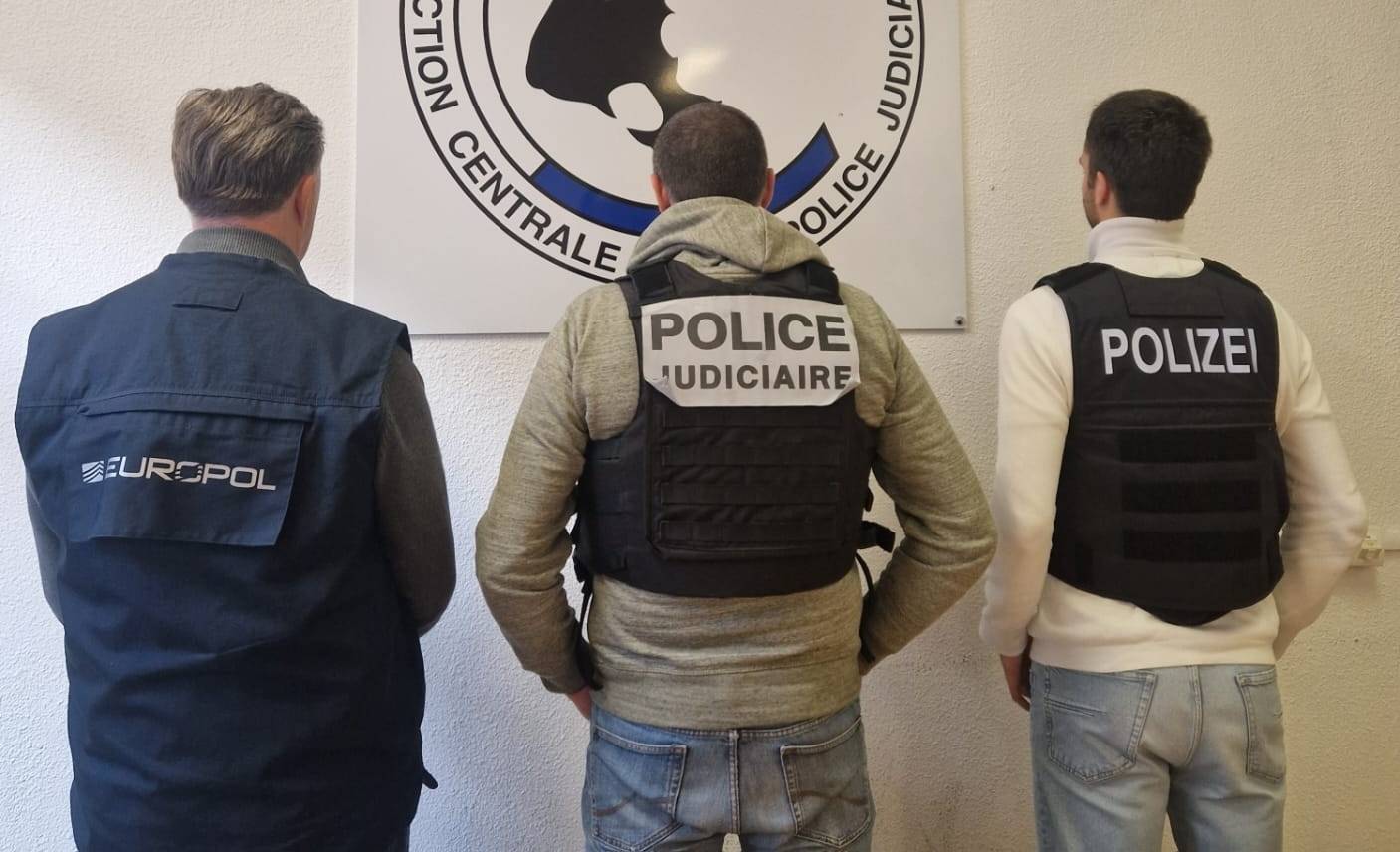
Europol Jul 10, 12:00

Key suspect in Berlin contract killing arrested in Romania

The 58-year-old suspect is accused of fatally stabbing a 26-year-old man with two knife wounds near Alexanderplatz in Berlin on the late evening of 18 March 2019. He is alleged to have waited for the victim near his workplace and to have attacked him suddenly and with intent to kill. He is believed to have entered Germany shortly before the planned act and to have left for Moldova immediately afterward. The two other suspects are believed to have either ordered the killing or passed on the order to someone else. The contract killing is believed to be linked to organised crime. The 58-year-old was arrested in Romania. The 57-year-old suspect was arrested the following day in Riga, Latvia, and the 44-year-old the day after that in Bucharest, Romania.On 27 June 2025, officers from the Berlin Police conducted searches at a total of six residential and commercial premises in Schöneberg and Mitte (Berlin), as well as in Falkensee (Brandenburg) in Germany in connection with the arrests. During the searches, various weapons – including a shotgun, several handguns and bladed weapons – as well as electronic data carriers and business documents were seized.The suspects were identified through intensive investigative work by the Berlin Police and the Berlin Public Prosecutor’s Office, with the support of Europol.The suspects are to be extradited from Romania and Latvia to Berlin. The investigation, particularly into the specific circumstances of the crime and its background, is ongoing.Support by EuropolEuropol supported the investigation led from Berlin from the outset. The agency provided analytical assistance, facilitated the exchange of information, and coordinated operational cooperation between the authorities in Germany, Moldova, Romania, and Latvia. Several operational meetings were held at Europol headquarters in The Hague in the preparation of the arrests.Involved authorities Germany: Berlin Public Prosecutor’s Office (Staatsanwaltschaft Berlin), State Criminal Police Officer Berlin (Landeskriminalamt Berlin)Latvia: State Police (Valsts policija)Moldova: General Police Inspectorate (Inspectoratul General al Poliției)Romania: Romanian Police (Poliția Română)
Read full story →
Europol Jul 4, 08:00

Two-way migrant smuggling network busted in France and Spain

Europol supported the French National Police (Police Nationale/OLTIM Perpignan) and the Spanish National Police (Policía Nacional/UCRIF Central) in dismantling an organised criminal network smuggling migrants of Algerian and Moroccan origin from Spain to France as well as in the opposite direction, from the United Kingdom to Spain. In addition to the arrests made in Spain and France, during action days, French law enforcement intercepted a British national connected to the wider criminal network. The suspect was caught in the act while transporting 12 irregular migrants from the United Kingdom to France across the Channel.The investigation, initiated in August 2024, has revealed the extensive operations of a criminal network involved in large-scale migrant smuggling across the European Union and beyond. Law enforcement authorities have so far uncovered 38 migrant smuggling instances directly linked to this network since the beginning of the investigation. Further intelligence and forensic analyses have enabled investigators to link an additional 100 smuggling incidents, which occurred since 2021, to the same criminal organisation. The network is believed to have facilitated the illegal entry of approximately 1 000 migrants into the EU. The smuggling activities were characterised by well-coordinated logistics and planning, indicative of a highly organised criminal network active across multiple jurisdictions in and out of the EU.The action days 13 to 16 June 2025 in France and Spain led to:7 arrests (3 in France and 4 in Spain)4 house searches (2 in France and 2 in Spain)Seizures included 4 vehicles, over EUR 50 000 cash in different currencies (euros, pounds and dirhams) and electronic devices From Spain to the UK and backThe migrant smuggling network, based in Barcelona, was operating under the coordination of its leader, based in Paris. Through close international cooperation, authorities were able to uncover the structure of the network, which facilitated the movement of irregular migrants via an established smuggling route from Murcia, Spain, towards France. However, since January 2025, investigators have also established that the network’s leader maintained regular contact with UK-based smugglers. These accomplices were responsible for transporting migrants from the UK back to Calais, concealed in cargo vans crossing the Channel by ferry. Members of the criminal network based in France would then drive the migrants to Spain, effectively creating a two-way smuggling operation and generating profits from both directions on the same migrant smuggling route.Wide net for smugglers with shifting tacticsThis criminal network had operational reach across two distinct migratory routes: the secondary movement of migrants from Spain across Western Europe and the English Channel route. The criminal facilitation of secondary movements across the EU consists of inland transfer of irregular migrants who initially entered the EU by sea via the Western Mediterranean and later moved from Spain to France. A feature of the business models used by the network was the use of vans rather than boats, to move migrants across the Channel. During the smuggling operations, migrants were transported from the UK to France in concealed compartments within commercial vehicles, often under extremely dangerous conditions. In many cases, they were found crowded in vans without proper ventilation or safety measures, or hidden among commercial goods loaded onto large cargo vehicles. In addition to the serious risks posed to the lives of the migrants, this method also illustrates the adaptability and cross-border coordination of the criminal organisation.Europol enabled the exchange of information and provided operational coordination, and analytical support. During the action days, Europol facilitated the deployment of one French investigator to Spain, and that of a Spanish investigator to France. Europol also deployed an expert to Spain to facilitate the real-time exchange of information and cross-check operational information against Europol’s databases, providing immediate leads to investigators in the field.
Read full story →

Europol Jun 30, 08:00

Crypto investment fraud ring dismantled in Spain after defrauding 5 000 victims worldwide

The action day led to:5 arrests (3 on the Canary Islands and 2 in Madrid)5 searches (3 on the Canary Islands and 2 in Madrid)Europol started supporting the investigation in 2023. Since then, Europol’s financial crime experts have assisted Spanish authorities by coordinating the investigation, providing operational support, and delivering strategic analysis. On the action day, a crypto specialist was deployed to Spain to assist national investigators, contributing to the successful completion of the operation.A network of criminal sales representatives around the worldTo carry out their fraudulent activities, the leaders of the criminal network allegedly used a net of associates spread around the world to raise funds through cash withdrawals, bank transfers and crypto-transfers. Investigators suspect the criminal organisation of having set up a corporate and banking network based in Hong Kong, allegedly using payment gateways and user accounts in the names of different people and in different exchanges to receive, store and transfer criminal funds. The investigation is ongoing.The following authorities took part in the investigation:Estonia: Police and Border Guard Board (Politsei- ja Piirivalveamet)France: New Caledonia National Gendarmerie (Gendarmerie Nationale)Spain: Guardia CivilUSA: Homeland Security Investigations (HSI)Online fraud: an epidemic threatening the EU’s internal securityOnline fraud is one of the main key threats to the EU’s internal security identified in Europol’s Serious and Organised Criminal Threat Assessment (EU SOCTA), published in March 2025. Online fraud is an epidemic affecting EU citizens, businesses and public institutions alike. The scale, variety, sophistication and reach of online fraud schemes is unprecedented. Europol expects online fraud to outpace other types of serious and organised crime as it is being accelerated by AI, aiding social engineering and access to data.
Read full story →
Europol Jun 27, 10:30

Understanding and mitigating bias to harness AI responsibly

AI is a strong asset for law enforcement to strengthen its capacities to combat emerging threats amplified by digitalisation through the integration of new technical solutions in its tools box against crime. AI can help law enforcement to analyse large and complex datasets, automate repetitive tasks, and to support better informed decision-making. Deployed responsibly, it offers considerable potential to enhance operational capabilities and improve public safety. However, these benefits must be carefully weighed against the possible risks posed by bias, which may appear at various stages of AI system development and deployment. Such bias must be checked to ensure fair outcomes, maintain public trust, and protect fundamental rights. This report provides law enforcement authorities with the insights and guidance needed to identify, mitigate, and prevent bias in AI systems. This knowledge can play a crucial role in supporting the safe and ethical adoption of AI to ensure that the technology is used effectively, fairly and transparently in the service of public safety.Key recommendations for law enforcement:Document: Maintain detailed documentation of all AI lifecycle stages. This ensures traceability, accountability, and aids in identifying where biases may occur.Evaluate: Develop a comprehensive socio-technical framework, engaging a diverse group of stakeholders, to assesses technical accuracy and thoroughly considers historical, social and demographic contexts.Train all law enforcement personnel involved with AI tools to deepen their understanding of AI technologies to emphasise the value of human evaluation in reviewing AI-generated outputs to prevent bias.Test performance, impact and review indicators of potential bias before deployment.Perform case-by-case analysis and train to understanding different AI-biases, their relation with fairness metrics and implement bias mitigation methods.Continuously asses through the implementation of regular testing and re-evaluation of AI models throughout their lifecycle to detect and mitigate biases.Apply fairness testing and post-processing bias mitigation techniques on both AI system output and the final decisions made by human experts who rely on those outputs.Evaluate the context and objectives of each AI application, aligning fairness measures with operational goals to ensure both ethical and effective outcomes.Ensure contextual and statistical consistency when implementing AI models.Standardise fairness metrics and mitigation strategies across the organisation to ensure consistent practices in bias assessment. About Europol’s Innovation LabThe Lab aims to identify, promote and develop concrete innovative solutions in support of the EU Member States’ operational work. This helps investigators and analysts to make the most of opportunities offered by new technologies to avoid the duplication of work, create synergies and pool resources.The activities of the Lab are directly linked to the strategic priorities as laid out in the Europol Strategy Delivering Security in Partnership, which states that Europol shall be at the forefront of law enforcement innovation and research.The work of the Europol Innovation Lab is organised around four pillars: managing projects to serve operational needs of the EU law enforcement community; monitoring technological developments that are relevant for law enforcement; maintaining networks of experts; acting as the secretariat of the EU Innovation Hub for Internal Security.
Read full story →
Europol Jun 24, 07:30

New report: major developments and trends on terrorism in Europe in 2024

These numbers are sourced from Europol’s European Union Terrorism Situation and Trend Report 2025 (TE-SAT), published today. This flagship report – the only one of its kind in Europe - describes the major developments and trends in the terrorism landscape in the EU in 2024, based on qualitative and quantitative information provided by EU Member States and other Europol partners.Catherine De BolleEuropol Executive DirectorAs the TE-SAT report shows, terrorism and violent extremism are high priorities for EU Member States. The tense geopolitical context has continued to amplify violent extremist narratives, driving radicalisation within the EU. We’ve also seen a worrying rise in the number of minors and young people getting involved in terrorist and violent extremist activities across the EU. Terrorist groups target vulnerable individuals, especially those struggling with mental health issues, social isolation or digital dependency. These threats are becoming increasingly complex, reminding us that the threat of terrorism within the EU is neither static nor distant.Magnus BrunnerEuropean Commissioner for Internal Affairs and MigrationThe TE-SAT clearly shows that terrorism and violent extremism remain serious threats. We must be particularly vigilant about the radicalisation of young people and the exploitation of online platforms by terrorists and extremists. Our Terrorist Content Online Regulation is already making a difference, helping us swiftly remove terrorist and extremist content. In ProtectEU, we have outlined further plans to counter these and other threats more effectively. Later this year, we will present a new Counter-Terrorism Agenda, adapted to today’s challenges, and we will strengthen our cooperation with the EU neighbourhood to better protect people in the EU. We will also continue working with online platforms to safeguard EU citizens from hatred and radicalisation—this is especially important for the most vulnerable, such as children.The threat of online communities inciting violenceAlmost 1 out of 3 suspects arrested for terrorism-related offences in 2024 was a minor or a young adult. The youngest offender was 12 years old, arrested for planning to commit an attack. Some recent cases of murder and attacks have been linked to online cult communities leveraging digital platforms to share and normalise extreme cruelty, extort victims and radicalise young individuals into performing acts of violence. The members of these groups specifically target vulnerable minors, on average aged between 8 and 17. Many of these violent groups have ideological connections with jihadist terrorism and violent right-wing extremism, occultism and satanism.Geopolitical developments impacting EU securityThe conflict in Gaza continued to have a major impact on the terrorist threat in the EU. There were numerous attacks and calls to violence across the entire ideological spectrum. Online terrorist and violent extremist propaganda instrumentalised the conflict and ignited hatred, with anti-Semitism being a common denominator in both. The Russian war of aggression against Ukraine was another driving factor for the spread of violent extremist narratives, radicalisation and mobilisation. In Syria, the collapse of Bashar al-Assad’s regime in early December 2024 and the formation of a government led by the leader of Hay’at Tahrir al-Sham (HTS) marked a significant shift with potential greater regional geopolitical implications in the medium and long term. Concerns are growing around the new leadership’s ability to fight terrorism, reports of radicalised violent extremists expressing their willingness to travel to the region, as well as the uncertain future for thousands of captives held in the prisons and camps now controlled by the Syrian Democratic Forces (SDF). These factors are collectively a growing cause for concern about future threats to the EU security.Abuse of emerging technologiesThe use of generative AI to create and disseminate propaganda and hate speech has reached unprecedented levels, especially in the right-wing scene. End-to-end encrypted communication platforms also continued to provide secure channels for communication, coordination, recruitment, dissemination of propaganda and incitement to mobilisation and violence.
Read full story →
Europol Jun 19, 10:00

Teenagers recruited as hitmen: Denmark and Sweden strike back at violence-as-a-service

The arrests follow multiple investigations into attempted murders ordered via encrypted platforms, including a recent attack on 7 May 2025 in Kokkedal. A total of seven individuals aged between 14 and 26 have now been arrested or surrendered to Danish authorities from abroad, notably Sweden and Morocco. Among those arrested are two 18-year-old men apprehended in Western Sweden and suspected of actively recruiting youngsters to commit targeted killings in Denmark and Sweden. Several suspects are also believed to have facilitated the attacks by providing weapons, ammunition and safe houses for the hitmen. These cases are part of a growing trend observed across Europe, where youngsters are recruited online to carry out violent crimes, often across borders. The criminal networks exploit social media to post contract offers for shootings, a modus operandi known as ‘violence-as-a-service’, that increasingly puts minors at the heart of cross-border organised crime.Torben SvarrerChief Police Inspector at the Danish National Special Crime UnitWe are stepping up our cooperation across the Nordic countries and through OTF GRIMM. We know what these criminal networks are doing, and we are determined to prevent these attacks. Let this serve as a warning to young people approached on social media with promises of easy money: our investigations show the reality is far less lucrative than promised, and the consequences can be severe.Theodor SmediusSuperintendent at the Swedish Police’s National Operations DepartmentThrough international police cooperation, we will continue the hunt for those fuelling violence from behind the veil of anonymity on digital platforms – wherever in the world they may be. At the same time, we must again stress the urgent need for platform owners to step up their self-monitoring and remove violent content. They have the technology to do this. When it comes to the safety of our children, both public authorities and private companies – including tech firms – must play on the same team.OTF GRIMM delivers resultsThese actions were supported by Europol through OTF GRIMM, an operational taskforce launched in April 2025 to tackle the growing use of encrypted services to coordinate contract killings across Europe. The taskforce currently brings together Belgium, Denmark, Finland, France, Germany, Iceland, the Netherlands, Norway, Sweden and Europol. Iceland is the most recent country to join, further strengthening the collective effort against violence-as-a-service. More countries are expected to follow in the coming months. Thanks to the intelligence shared within the taskforce, a number of important targets have already been arrested, with investigations continuing across Europe. Joint efforts with online service providers are also underway to help dismantle the criminal infrastructure enabling these attacks. Andy KraagHead of Europol’s European Serious Organised Crime CentreTeenagers being paid to pull the trigger — this is what organised crime looks like in 2025. We are not dealing with petty street crime. This is calculated outsourcing of murder by criminal networks that treat human lives as disposable assets. Through Europol’s OTF GRIMM, law enforcement is tracking down the masterminds and dismantling the infrastructure they hide behind. There is no safe haven — online or offline — for those who trade in violence.Parents and communities are encouraged to remain vigilant and look for early signs of criminal recruitment, such as sudden behaviour changes or unexplained possession of money or expensive items. Europol has developed an awareness guide offering practical advice to help protect young people from falling prey to these manipulative criminal schemes.Further updates on investigations and operational progress will be shared on the OTF’s dedicated landing page as law enforcement advances in tackling this urgent challenge.
Read full story →
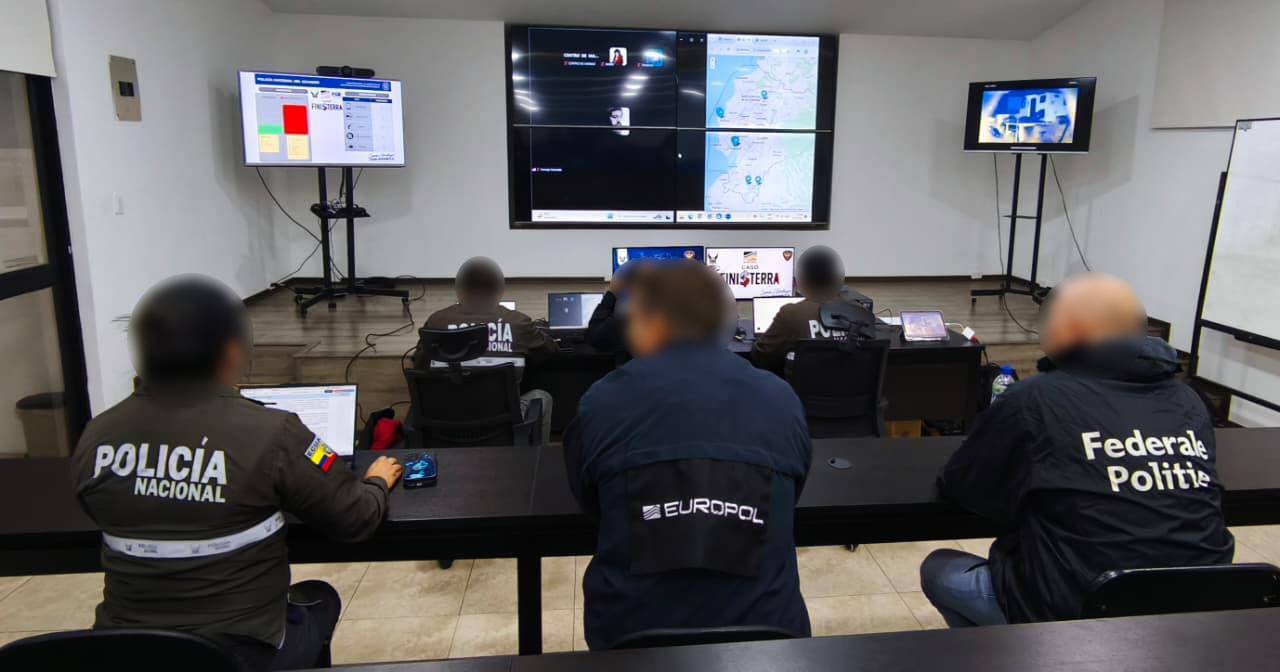
Europol Jun 19, 07:30

8 arrests for migrant smuggling and drug trafficking across the Mediterranean

The action day led to the following results:8 arrests, including the leaders of the criminal organisation (4 in Algeciras, 3 in Ceuta and 1 in Ibiza)7 property searches in Algeciras, Ceuta and IbizaSeizure of 22 kilos of cannabis and 10 800 tablets of a type of medication used by criminals to prepare a dangerous hallucinogenic mix known as “poor man’s drug”Seizure of almost EUR 50 000 in cashSeizure of 5 vehicles, 2 boats, weapons, electronic devices and navigation equipmentDuring the investigation, Europol provided expertise to the Spanish authorities and performed analysis of information that became crucial for the success of the operation. On the action day, an analyst was deployed on the ground to carry out checks against Europol’s databases, and facilitate the coordination of the operation.A “full package” costing over EUR 14 000 per personThe criminal organisation housed migrants in Morocco and smuggled them to Algeciras via Ceuta, in recreational boats. Each migrant paid up to EUR 14 600 for the journey from Morocco to Spain. There, the smugglers arranged accommodation for the migrants, where they lived in precarious conditions, with little access to food and often under constant threat. Along with migrants, the members of the criminal group simultaneously trafficked big amounts of cannabis resin to Spain, using the same vessels. On the way back to Morocco, the gang smuggled Clonazepam in order to maximise their benefits. The Spanish branch of the network operated from Ceuta and Algeciras, whereas the head of the Moroccan branch had his residence in Ibiza.  The criminal group, comprised of Spanish and Moroccan nationals, operated through a three-tiered hierarchical structure: leadership and coordination, maritime execution, and ground-level logistics.Minors lured to perform smuggling operationsThe network used minors as skippers in maritime smuggling operations, often recruited and trained by the organisation itself. This fact not only highlights and amplifies the risk of accidents and fatalities but also exposes vulnerable youngsters to exploitation and coercion. This practice illustrates the ruthless and dehumanising nature of criminal networks, which prioritise profits over human life.As mentioned in Europol’s EU Serious and Organised Crime Threat Assessment (EU-SOCTA) 2025, migrant smuggling has a high impact on the EU and its Member States, as it is a complex challenge that combines security threats with social implications. Fighting organised crime behind facilitation of irregular migrants to the EU requires concerted efforts and significant investment from law enforcement and other authorities. See footage from the operation here:
Read full story →
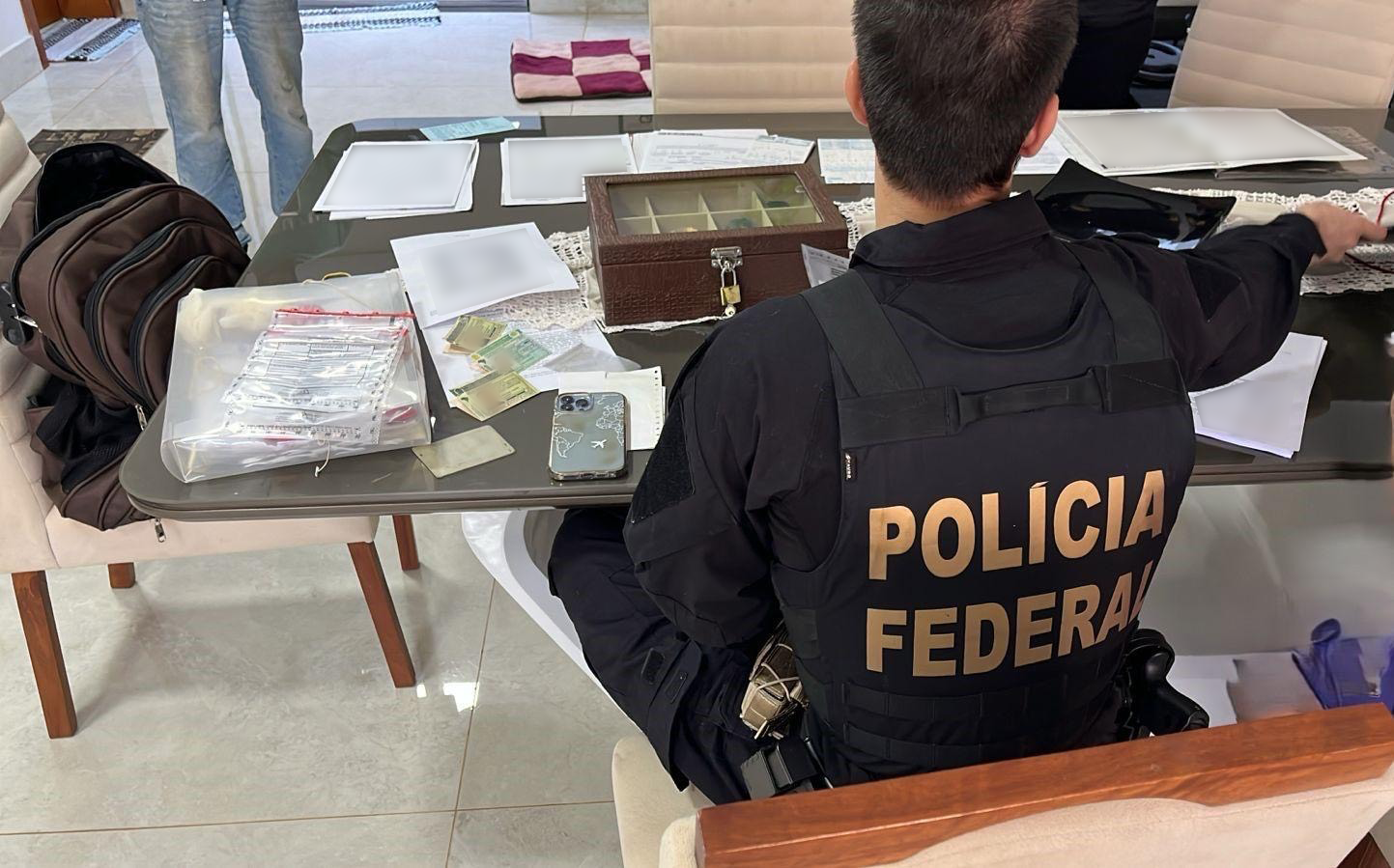
Europol Jun 16, 10:00

Europe-wide takedown hits longest-standing dark web drug market

Between 11 and 13 June, a series of coordinated actions took place across Germany, the Netherlands, Romania, Spain, Sweden, targeting the platform’s administrator, moderators, key vendors, and technical infrastructure. Around 300 officers were deployed to carry out enforcement actions and secure critical evidence.Archetyp Market operated as a drug marketplace for over five years, amassing more than 600 000 users worldwide with a total transaction volume of at least EUR 250 million. With over 17 000 listings, it is one of the few darknet markets that allowed the sale of fentanyl and other highly potent synthetic opioids, contributing to the growing threat posed by these substances in Europe and beyond.As a result of the action, the platform’s infrastructure in the Netherlands was taken offline and its administrator – a 30-year-old German national – was arrested in Barcelona, Spain. In parallel, measures were taken in Germany and Sweden against one moderator and six of the marketplace’s highest vendors, and assets worth EUR 7.8 million seized.This operation led by the German authorities marks the end of a criminal service that enabled the anonymous trade in high volumes of illicit drugs, including cocaine, MDMA, amphetamines, and synthetic opioids. The platform’s endurance, scale and reputation within the criminal community place it alongside now-defunct darknet markets such as Dream Market and Silk Road, both notorious for their role in facilitating online drug trafficking.Europol’s Deputy Executive Director of Operations Jean-Philippe Lecouffe commented: With this takedown, law enforcement has taken out one of the dark web’s longest-running drug markets, cutting off a major supply line for some of the world’s most dangerous substances. By dismantling its infrastructure and arresting its key players, we are sending a clear message: there is no safe haven for those who profit from harm.The takedown follows years of intensive investigative work to map the platform’s technical architecture and identify the individuals behind it. By tracing financial flows, analysing digital forensic evidence, and working closely with partners on the ground, authorities were able to deliver a decisive blow to one of the most prolific drug markets on the dark web.Europol contributed to the efficiency and effectiveness of the international investigations. The agency organised multiple coordination meetings that made it possible for authorities to exchange critical information for the investigation. During the action days and the preliminary investigations, Eurojust coordinated the execution of mutual legal assistance and European Investigation Orders.A seizure banner has been published on the now-defunct marketplace. Further information, as well as a video aimed at the underground economy, is available online at www.operation-deepsentinel.comThe following authorities took part in or assisted with the investigation:Germany: Prosecutor General’s Office Frankfurt am Main – Cyber Crime Centre (Generalstaatsanwaltschaft Frankfurt am Main – ZIT), Federal Criminal Police Office (Bundeskriminalamt)Netherlands: National Police of the Netherlands (Politie)Romania: National Police (Poliția Română)Spain: National Police (Policía Nacional)Sweden: Swedish Police Authority (Polismyndigheten)United States: Homeland Security Investigations (HSI), IRS-Criminal Investigation (IRS-CI), U.S. Department of Justice (USDOJ)EuropolEurojust 
Read full story →

Europol Jun 12, 14:00

SIRIUS SPoC network meets in Warsaw to tackle e-evidence challenges

SIRIUS is an EU-funded project that helps law enforcement and judicial authorities access cross-border electronic evidence in the context of criminal investigations and proceedings. Co-implemented by Europol and Eurojust, the SIRIUS project is a central reference point in the EU for knowledge sharing on cross-border access to electronic evidence.The meeting in Warsaw focused on the impact of the recently adopted e-Evidence legislative framework, Digital Services Act, and the Second Additional Protocol to the Budapest Convention, which together mark a major shift in how electronic evidence is exchanged and cooperation is structured. The event provided an important forum to discuss how this legislative advancement can be operationalised at national and international levels, in synergy with ongoing EU policy developments.A key focus of this year’s gathering was how SPoCs and law enforcement authorities can respond to emergency situations, such as imminent threats to life or public safety. Dedicated sessions explored current processes and legal procedures, identifying challenges and outlining best practices for timely response. Participants also discussed emerging threats, the need to establish robust verification mechanisms and enhancing the SPoCs role.Furthermore, in line with its mission to support international cooperation, SIRIUS announced its plans to expand the SPoC concept beyond the EU, engaging with third countries and building new partnerships. These initiatives aim to create a more inclusive and effective global network for cross-border electronic evidence access. The discussion between the Project, LEAs and SPs focused on acquiring knowledge and ideas how to export the SPOC concept to the countries outside Europe, and consequently to improve cross-border cooperation in this topic. Upcoming pilot initiatives will involve capacity-building activities in non-EU countries.A strong emphasis was placed on the importance of a trusted and transparent public-private partnership, recognising that private companies—particularly major social media and fintech platforms—play a pivotal role in providing access to electronic evidence. Representatives shared updates on their evolving internal policies, increasingly aligned with new legal obligations. These exchanges helped build mutual understanding of legal frameworks, technical constraints, and user safety concerns. SIRIUS reaffirmed its commitment to strengthening this cooperation through capacity building, sharing knowledge and exchanging experiences as well as the development of tailored tools and training.For more information about SIRIUS activities, membership, or resources, please contact the SIRIUS team at sirius@europol.europa.eu.The SIRIUS project has received funding from the European Commission’s Service for Foreign Policy (FPI) under contribution agreement No PI/2020/417-500.
Read full story →
Europol Jun 12, 10:00

Frozen yucca, hidden cocaine: drug route from Costa Rica to Europe dismantled

The investigation targeted a criminal network that used companies in Costa Rica to receive cocaine from Colombia and conceal it in shipments of frozen yucca powder destined for Europe. The group relied on legitimate logistics chains to disguise their criminal activities and move cocaine by sea and air in small quantities to avoid detection.Shifting logistical routes in response to law enforcement pressureDue to intensified police pressure on other well-known ports such as Guayaquil in Ecuador, criminal organisations have increasingly sought alternative, what they believed to be more secure locations for their operations. This drug trafficking organisation has turned to Costa Rica in recent years as a logistical base to receive cocaine shipments from Colombia, store them, and prepare them for shipment to Europe.The criminal network’s most common modus operandi involved concealing cocaine in thin sheets hidden within frozen yucca powder. Due to the density and colour of the product, the cocaine went undetected by scanner systems during customs inspections. The use of frozen cargo also rendered the shipments undetectable to drug-sniffing dogs.This concealment technique allowed the organisation to repeatedly traffic cocaine to Europe.Two-phase takedown across Spain, Portugal and Costa RicaThe first phase of the operation took place on the European continent last year. In the summer of 2024, the Portuguese authorities carried out controlled deliveries and arrested the alleged recipients of these shipments. A total of 7 individuals were arrested then.Later that year, the Spanish authorities followed with the arrest of an additional 13 individuals, including one high-value target.The suspects had established logistics companies to give the shipments a legal appearance and played key roles in transport and distribution. Among those arrested was a Dominican national based in Barcelona who had purchased the cocaine and intended to distribute it across Europe.The second phase took place in Costa Rica on 11 June 2025, targeting the core of the criminal organisation. Costa Rican authorities carried out 12 arrests, including the leader of the organisation, and conducted 20 home searches.To date, the operation has led to 21 seizures across Costa Rica, Belgium, Spain, Portugal, Germany, and the Netherlands, with authorities seizing a total of 5.4 tonnes of cocaine. The series of arrests have led to the dismantling of the entire criminal organisation, both the supplier side operating in Costa Rica and the receiving side in Europe.International coordinationEuropol supported the EU Member States involved in the operation by facilitating the secure exchange of intelligence, providing analytical expertise, and coordinating joint operational activities. Europol also hosted several strategic and operational meetings to ensure seamless collaboration between the national authorities.The investigation was carried out on the European side under the umbrella of an Operational Task Force (OTF) at Europol, which provided a robust platform for multi-agency collaboration and ensured the smooth progress of the case across jurisdictions.The coordination between European partners and Costa Rica was effectively strengthened through the GDIN Project — a framework designed to enhance cooperation and information sharing between EU law enforcement agencies and third countries like Costa Rica. The GDIN Project is financed by the European Union’s ISF and led by the Spanish Guardia Civil.The following authorities took part in the investigation:Costa Rica: Drug Control Police (Policía de Control de Drogas)Portugal: Judicial Police (Polícia Judiciária)Spain: Guardia CivilFootage from the operation:
Read full story →
Europol Jun 11, 11:30

Steal, Deal, Repeat: Cybercriminals cash in on your data

Europol’s 2025 Internet Organised Crime Threat Assessment (IOCTA), published today, reveals how stolen data fuels the digital underworld, powering a criminal ecosystem that spans from online fraud and ransomware to child exploitation and extortion. The report paints a stark picture of a cybercrime economy built on access—access to your systems, your identity, and your most sensitive information.The Head of Europol’s European Cybercrime Centre, Edvardas Šileris, commented: “You can’t defend what you don’t understand. Europol’s IOCTA 2025 report sheds light on the hidden economy of stolen data that powers today’s most dangerous cyber threat, giving law enforcement, policymakers, and industry the intelligence needed to act decisively.”From phishing to phone scams, and from malware to AI-generated deepfakes, cybercriminals use a constantly evolving toolkit to compromise systems and steal personal information. These stolen credentials and data sets are then sold, resold, and repackaged by data and access brokers operating across dark web forums, encrypted channels, and subscription-based criminal marketplaces.Social engineering, reimaginedThe report highlights a rise in the use of generative AI, including Large Language Models, to supercharge social engineering attacks. Criminals now tailor scam messages to victims’ cultural context and personal details with alarming precision. Child sexual exploitation perpetrators are also using AI to scale up grooming attempts and make coercion attempts more effective.Data is no longer just the target—it’s a commodityCybercriminals no longer need technical skills to succeed. Crime-as-a-service platforms now offer everything from stolen data to step-by-step fraud tutorials. Access credentials to remote services, compromised corporate networks, and even personal logins are sold in bulk.Stolen data is also weaponised for extortion, identity theft and abuse—including against children.New threats, old vulnerabilitiesInitial access brokers and ransomware groups continue to exploit known system weaknesses and manipulate human behaviour.Even popular error messages and CAPTCHA boxes are being mimicked in a tactic known as "ClickFix" to trick users into installing malware themselves.While encryption protects users’ privacy, the criminal abuse of end-to-end encrypted (E2EE) apps is increasingly hampering investigations. Cybercriminals hide behind anonymity while coordinating sales of stolen data, often with no visibility for investigators.Recommendations for actionTo counter these threats, the report calls for coordinated policy responses at EU level, including lawful access solutions for E2EE, harmonised rules on data retention, and urgent efforts to boost digital literacy—especially among young people.The IOCTA 2025 draws on operational insights from the thousands of investigations Europol supports each year, particularly through its European Cybercrime Centre (EC3) and its Economic and Financial Crime Centre (EFECC), with contributions from Member States, and private sector partners. It builds on the EU Serious and Organised Crime Threat Assessment (SOCTA) and sheds light on a criminal landscape where data is power—and everyone’s data is at risk.
Read full story →
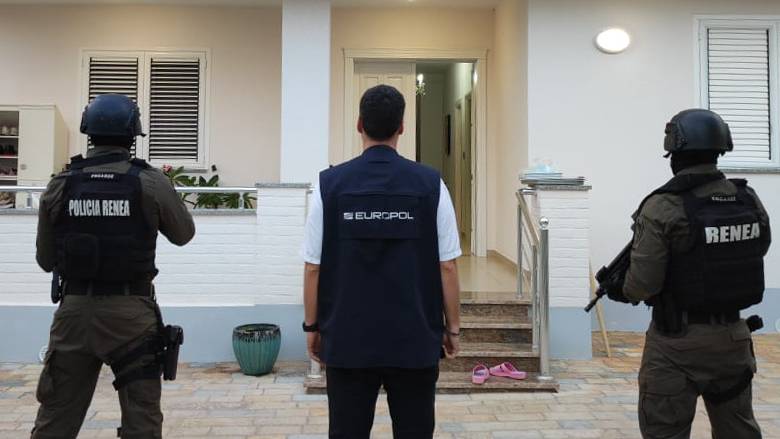
Europol Jun 6, 10:30

50 arrested and 4 tonnes of cocaine seized in major hit against drug trafficking in Spain

Results of the operation:48 suspects arrested3.8 tonnes of cocaine seized29 house searches in Fuerteventura (2), Gran Canaria (13) and Lanzarote (14)69 vehicles seized (19 boats and speedboats)6 properties seizedEUR 100 000 in cash seizedEuropol played a key role in the investigation by providing crucial analytical and financial support that contributed to the success of the operation. On the action day, a Europol specialist was deployed to Spain to support authorities in the field.Speedboats and satellite terminalsFollowing months of investigation, authorities arrested some 50 members of a criminal network on 3 June. The network introduced cocaine from South America to the European Union by using a sophisticated maritime infrastructure.The gang owned 11 speedboats that were used repeatedly, departing from strategic points in the Atlantic Ocean to a mother ship transporting the cocaine. After loading the drugs onto the speedboats, the suspects dropped them off in the Canary Islands, ready for distribution.Additionally, the criminal network used a complex encrypted communications system to evade law enforcement, including the use of satellite terminals, hard-to-trace phones and a coded language.Crucial police cooperationThis successful joint investigation involved the following authorities from both sides of the Atlantic Ocean: Portugal: Judiciary Police (Polícia Judiciária)Spain: National Police (Policía Nacional)Colombia: National Police (Policía Nacional)UK: National Crime Agency (NCA)USA: Drug Enforcement Administration (DEA)Maritime Analysis and Operations Centre (MAOC, Narcotics)
Read full story →
Europol Jun 5, 08:30

Bulgarian authorities arrest 18 for smuggling migrants across its southern border

On 3 June, law enforcement carried out raids in five major cities across Bulgaria under the supervision of the Burgas Prosecutor’s Office. Officers from Greece, Romania and Moldova joined Bulgarian investigators on the ground, with Europol also deployed to support the action. In total, 18 people were arrested, including a high-value target.The criminal network used a variety of vehicles to smuggle migrants across borders, including vans, trucks, tourist caravans and even car assistance platforms. Many of these were fitted with custom-built hiding compartments that the members of the smuggling network patched together in Türkiye, Bulgaria and Romania. These modifications allowed the vehicles to travel directly to destination countries without stopping in shelters or transfer points along the way.This action was part of a wider investigation under a Europol-coordinated Regional Operational Task Force based in Sofia, targeting organised crime groups smuggling migrants through Bulgaria and into Western Europe.Up to EUR 8 500 to reach the EU from SyriaThe criminal network – composed of Bulgarian, Romanian and Syrian nationals – smuggled mostly Syrian nationals from Türkiye through Greece and Bulgaria, using the Balkans as a key transit route. Migrants typically paid EUR 2 000 to 2 500 to cross from Syria into Türkiye. After several months in Türkiye, they were charged an additional EUR 5 000 to 6 000 to be smuggled into the EU.Smugglers recruited drivers directly in Bulgaria, while others – including Moldovans – were recruited online. In a separate case, Bulgarian intelligence led to the discovery of eight migrants hiding in floor compartments of a caravan in Türkiye.Use of false documents and parallel financial systemsThe organised crime group used falsified documents to support their operations. These included fake driving licences issued in Romania, Greece and the United Kingdom, as well as fraudulent vehicle registration documents. Since June 2024, 14 smuggling attempts linked to this criminal network have been detected – 8 in Bulgaria, 2 in Greece, 1 in France and 3 in Türkiye. Five of the drivers were found with fake licences, and in ten other cases, fraudulent vehicle documents were used.The network relied on the underground Hawala system to move money between Türkiye and Bulgaria, with additional transfers made through Western Union by an intermediary.Europol supportEuropol has supported the investigation since the outset, providing analytical and operational support through the Sofia-based taskforce. The agency also facilitated multiple coordination meetings and the exchange of operational intelligence between involved countries.On the action day, Europol deployed an expert with specialised equipment to Bulgaria, enabling the real-time cross-checking of data and enhancing the flow of intelligence on the ground.The following authorities took part in the investigation:Bulgaria: Prosecutor’s Office – Burgas City; General Directorate Border Police; General Directorate for Combating Organised Crime.Greece: Thessaloniki Alien Division.Moldova: General Police Inspectorate.Romania: General Inspectorate Border Police; General Directorate Combating Organised Crime.
Read full story →
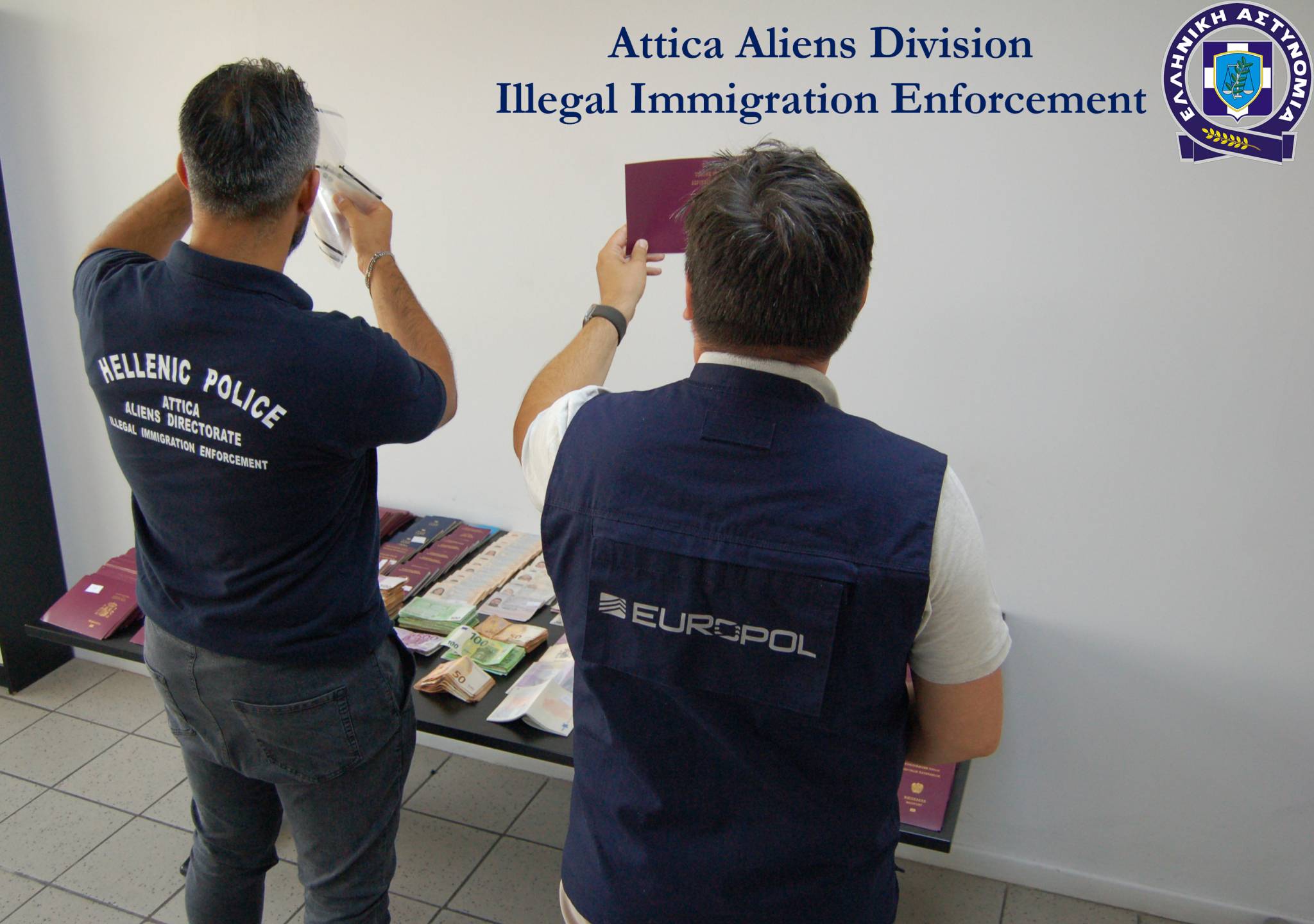
Europol Jun 4, 08:00

74 handguns and automatic rifles seized, 11 firearms traffickers arrested

On the action day, 50 handguns of one specific make, 13 further handguns, 4 machine guns, 4 rifles, 1 revolver, 2 alarm pistols, 4 large-capacity magazines for automatic weapons, 16 other magazines and 2 homemade clubs were seized. In one location, law enforcement officers found a drug laboratory and over 450 kilos of a novel synthetic drug. Furthermore, the site was used as a storage facility for illegal cigarettes.Months-long investigation into firearms traffickers' networkBelgian law enforcement had been investigating this criminal network for months, gaining insight into the organisers, their helpers and various buyers. The firearms traffickers based in Belgium allegedly had contacts with weapon traffickers based all over Europe, including Austria. The Austrian suspects, of which two were arrested in Belgium, are believed to have supplied a large number of weapons to the criminal network. They were already known to law enforcement for obtaining large amounts of weapon parts in Austria and illegally exporting them.Certain weapon parts can be obtained without a license in Austria. This legal situation is often misused by criminals to assemble weapons with parts obtained from various sources. After the arrest of the two individuals residing in Austria and the seizure of 50 handguns by the Belgian police, the Austrian Directorate State Protection and Intelligence Service was able to determine that the grips of these weapons were purchased in Austria. Subsequently, house searches were carried out at the residences of those arrested, as a result of which several data storage devices were seized.Europol supported the national investigations with operational analysis and coordinated the international cooperation by organising operational meetings. On the action day conducted in Belgium, a Europol expert was deployed with a mobile office to provide cross-checks of new evidence against Europol’s databases.
Read full story →
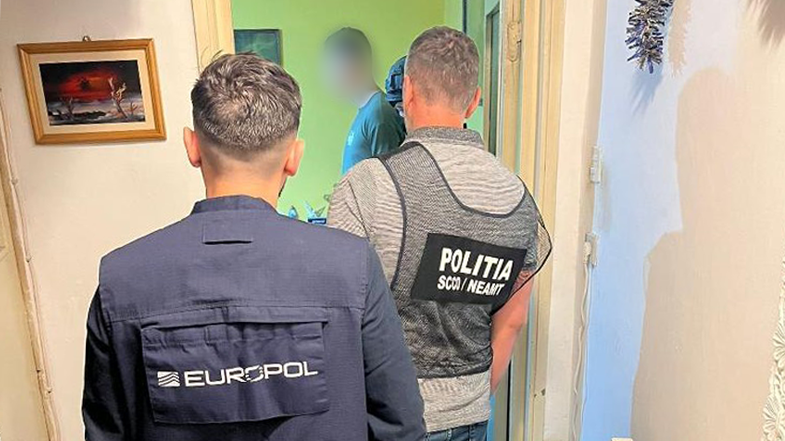
Europol Jun 3, 08:00

Europol coordinates operation against terrorist content online targeting minors

The referral day took place only a few weeks after Europol launched a new Operational Taskforce to tackle the rising trend of recruiting young perpetrators into serious and organised crime. Recent data provided to Europol reveals that minors are now involved in over 70% of criminal markets. Protecting children from being recruited and exploited by criminal networks is one of Europol’s key priorities.Catherine De BolleEuropol’s Executive DirectorTerrorist groups are increasingly targeting young people, exploiting their vulnerabilities but also their abilities to manage online capabilities to advance violent and extremist agendas. Strong collaboration between public authorities and private sector partners is essential to prevent the radicalisation of minors into harming themselves and our society.New wave of propaganda using broader manipulation tacticsTerrorist organisations and their online supporters have developed new tactics to recruit and gain followers, tailoring their message and investing in new technologies and platforms to manipulate and reach out to minors. The propaganda identified during the operational action included content combining images and videos of children with extremist messaging, as well as materials offering guidance to radicalised parents on raising future jihadists.One of the key observations that led to this coordinated action is the use of AI, particularly in the creation of images, text and videos designed to resonate with younger audiences. Propagandists invest in content, short videos, memes, and other visual formats, carefully stylised to appeal to minors and families that may be susceptible to extremist manipulation, as well as content incorporating gaming elements with terrorist audio and visual material. Another type of targeted content is the glorification of minors involved in terrorist attacks. In this regard, terrorist propaganda predominantly targets male minors, manipulating them into joining extremist groups by promoting heroic narratives that portray them as “warriors” and the “hope” of society. Female minors are referenced less frequently, with their roles largely confined to raising and indoctrinating future “fighters” for the cause. Another manipulation technique that has been worrying for the past years is the increased use of victimhood narratives, particularly imagery of wounded or killed children in conflict zones. This manipulation serves a dual purpose: it fosters emotional identification with the victims while simultaneously inciting a desire for retaliation and further violence.In 2024, EU Member States law enforcement authorities contributed to a large number of terrorism related cases involving minors. Europol’s European Counter Terrorism Centre keeps on supporting Member States in preventing and investigating dissemination of terrorist content online to ensure a safer cyberspace for European citizens.The following countries participated in the Referral Action Day (RAD): Albania, Austria, Belgium, Bosnia-Herzegovina, Czech Republic, Denmark, Germany, Hungary, Ireland, Malta, Portugal, Serbia, Slovenia, Spain, Ukraine and the United Kingdom.
Read full story →
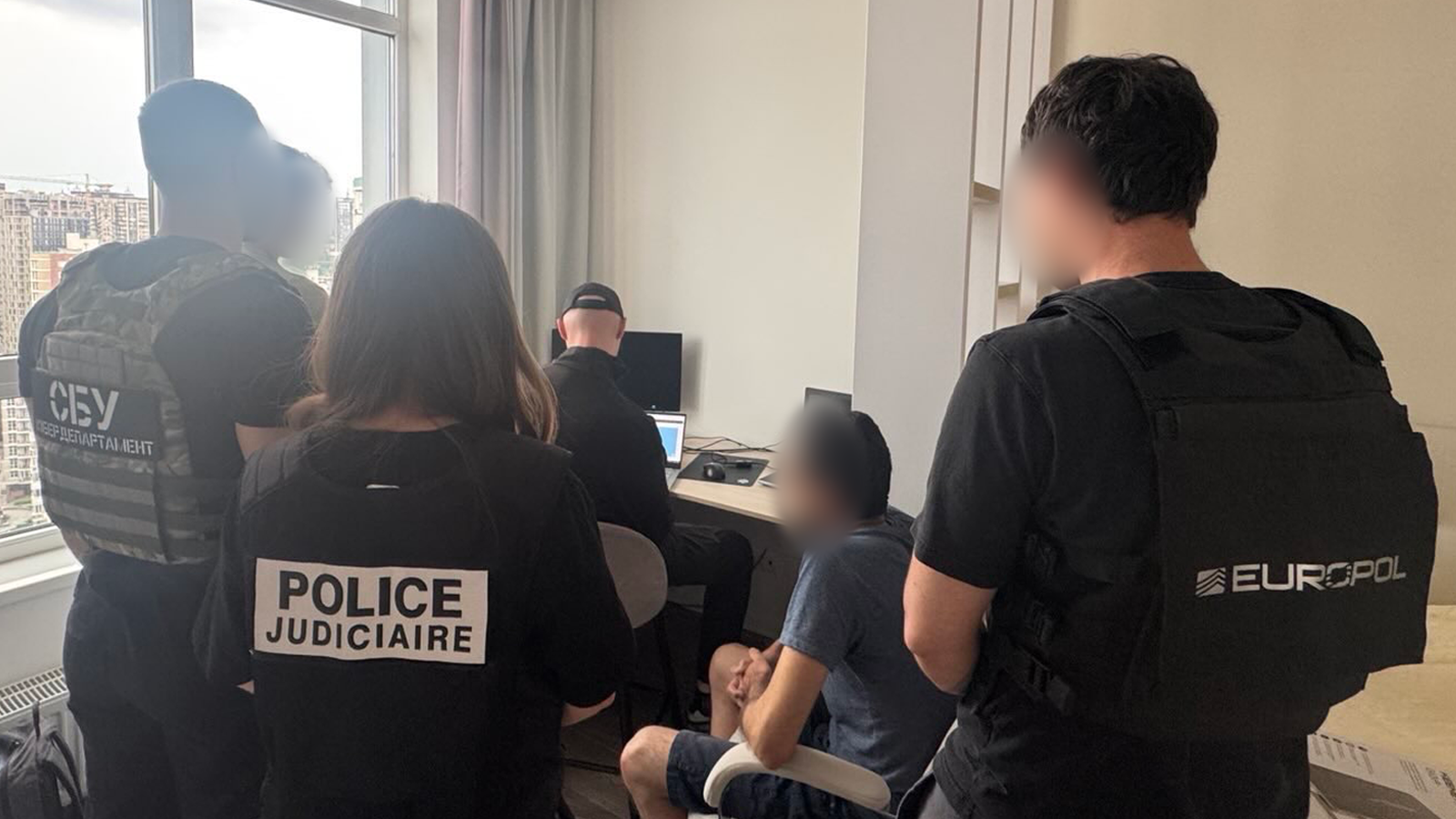
Europol May 28, 10:00

Marseille: 16 arrests in a crackdown on a network with ties to the Sinaloa cartel

Two main organisers identifiedIn June 2024, the French authorities seized 216 kilograms of crystal methamphetamine and arrested two French nationals in connection with the case. The subsequent criminal investigation revealed a criminal network involved in the production and trafficking of synthetic drugs with strong ties to the Mexican Sinaloa cartel as well as to criminal gangs active in Belgium, Spain, the Netherlands and New Zealand.The two main organisers of the network relied heavily on the logistical support, expertise and preparation provided by the Mexican cartels. In turn, these cartels depended on local intermediaries to anchor their operations and expand their influence. This interdependence underscores the transnational nature of the network and the cooperation between criminal actors across continents.Investigators established that the chemicals used in the production of the synthetic drugs had been sourced from China. The pieces of evidence collected during the probe led to the identification of the main organisers, one Algerian and one French national. The two suspects are allegedly responsible for the whole production and dissemination chain including the smuggling of pre-precursors, setting up the lab, “cooking” of the drugs and their subsequent trafficking. They used cryptocurrency to facilitate the illegal financial transactions.The action day on 19 May led to:16 arrests (1 Belgian, 13 French, 1 Serbian and 1 Mexican/American), 15 in France and 1 in Belgium;16 house searches;Seizures including 3 vehicles and luxury goods valued at about EUR 100 000, almost EUR 80 000 in bank accounts, phones and other electronics, and about EUR 10 000 in cash.In addition, some EUR 30 000 in cryptocurrency has been frozen. That part of the investigation is still ongoing with further seizures expected down the line.Synthetic drug production on the rise across the EUDuring the action day, officers searched a former drugs lab site, where they found traces of methamphetamine production. They also discovered evidence of chemical dumping, including discarded containers, chemical residues, and signs of illicit waste disposal such as burying and dumping in the surrounding area, indicating attempts to conceal the scale of the synthetic drug manufacturing activities.Such illegal production labs are not new to the EU. However, production and trafficking of synthetic drugs in the EU are rising sharply, as highlighted in the EU Serious and Organised Crime Threat Assessment 2025 (EU SOCTA). Once limited to a few regions, production now spans more EU Member States, supplying both domestic and global markets. Driven by high profits, the trade is marked by violent competition, corruption, and the infiltration of legal business structures. Already in 2022, a joint Europol-DEA report revealed the increasing collaboration between Mexican cartels and EU-based criminal networks. These alliances have been seen to support the trafficking and local production of methamphetamine and cocaine in Europe. Specifically, successful operations have revealed that Mexican groups provide their EU criminal associates with technical know-how such as skilled methamphetamine “cooks” and help establish cocaine conversion labs.  Europol facilitated the exchange of information and provided continuous analytical support to the investigation. Europol also contributed to the overall case coordination among various agencies. On the day, the agency deployed an expert to Marseille to cross-check operational information in real time and support the investigators in the field.
Read full story →
Europol May 27, 12:00

18 arrested in series of strikes against cash machine robbers

The group composed of up to 20 Dutch nationals was based mostly in the greater Utrecht area, with some individuals based in Amsterdam. As a highly specialised criminal group, they are believed to have targeted cash machines across several Federal States in Germany. Investigations have shown an increasingly sophisticated approach by the criminals, who take measures such as counter-surveillance, collaborate with other groups and rely on infrastructure such as garages when performing the robberies. Dutch and German law enforcement, supported and coordinated by Europol, dealt a series of strikes against the suspected ATM robbers.On 17 April 2024, seven were arrested.On 21 August 2024, one was arrested.On 27 November 2024, four were arrested.On 3 May 2025, one was arrested in Spain.On 13 May 2025, three were arrested.On 27 May 2025, two were arrested.All actions except for the arrest in Spain took place across the Netherlands. Law enforcement authorities performed dozens of house searches, seizing over EUR 360 000 in cash, including bills stained by dye packs. Further, a crypto wallet allegedly used for money laundering worth over EUR 600 000 was seized, along with a large amount of gear used in ATM attacks. This includes explosives, jerrycans with gasoline, license plates, SIM cards, cash counting machines and vehicles, including four linked to several robberies.Cold-blooded robberies and ruthless getawaysThe perpetrators apprehended in this operation followed an established criminal modus operandi: first, they scout for suitable attack sites across several countries, both online and on-site. Easily accessible cash machines with comparatively modest security measures and convenient getaway options are preferred targets. After identifying and scoping out potential attack locations, the robbers return during the night and rig the cash machines with solid explosives. Activated from a short distance, the detonations typically not only destroy the ATMs but also devastate the surrounding area.As these attacks are often performed in residential areas, they can cause serious harm to buildings and their residents. Upon grabbing the accessible cash, the criminals use high-powered vehicles for their hasty getaways. This criminal phenomenon stands out for its unscrupulous nature and the extreme risks taken by the perpetrators, both at the crime scene and during the escape.Europol’s support to the affected countriesIn recent years, this criminal phenomenon has spread and moved across several EU countries. With law enforcement and financial institutions teaming up to increase ATM safety features in heavily affected areas, the criminals shift their focus to easier targets, often travelling long distances to perform the attacks.To tackle this, law enforcement agencies from across the EU are continuously expanding cross-border collaboration. An Operational Taskforce was set up at Europol, bringing together investigators from several affected Member States. Following a cohesive and effective strategy, they jointly developed an intelligence picture and planned a series of coordinated actions against the perpetrators.For this series of hits against this internationally active criminal group, a Joint Investigation Team (JIT) was formed between Europol and law enforcement and judicial authorities from the Netherlands and Germany. Europol experts with mobile offices were deployed to several action days, performing cross-checks of the operational results against Europol’s databases.The EU project ISF Lumen has provided financial support to the police authorities in the fight against this criminal phenomenon. Among other things, the funds were used to purchase special observation technology.Participating countries:Germany: Federal Criminal Police Office (Bundeskriminalamt); State Criminal Police Office Nordrhein-Westfalen (Landeskriminalamt Nordrhein-Westfalen); Public Prosecutor’s Offices Osnabrück and Düsseldorf (Staatsanwaltschaft Osnabrück, Staatsanwaltschaft Düsseldorf – ZeOS NRW)Netherlands: Politie Midden-Nederland; Public Prosecutor’s Office Utrecht (Midden-Nederland) 
Read full story →
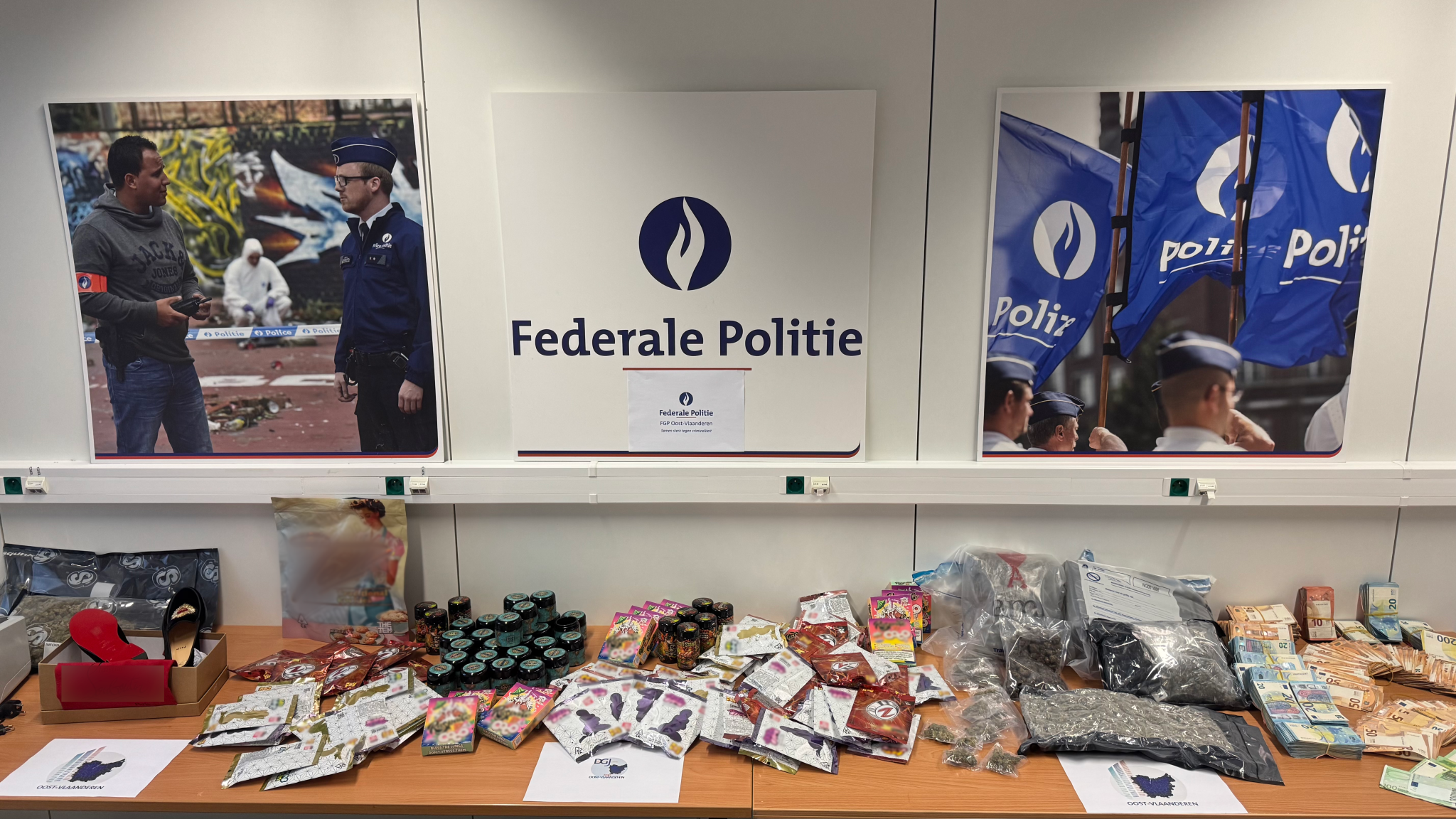
Europol May 27, 10:00

Busted: 14 cocaine traffickers arrested in joint operation in Belgium and Italy

The operation took place in April 2025 and led to:14 arrests (11 in Belgium, 2 in Germany, 1 in Italy)11 house searches in Belgium and ItalyThe seizure of over 780 kg of cocaineThe dismantlement of an underground laboratoryCocaine paste shipped from Colombia to the EUIn the framework of intelligence activities underway with its operational counterparts in the framework of the SKY ECC investigation, Europol developed reliable intelligence concerning the international drug trafficking activities of this organised crime group operating in several countries in Europe.The gang was led by an Italian family in contact with suppliers in Colombia and chemists in Belgium. They imported huge amounts of cocaine paste, shipped from Colombia to European ports. Once in the European Union, they stored the product in warehouses in Belgium, which were used as laboratories for the synthesis process. The criminal organisation was also engaged in heroin trafficking and money laundering. Underground lab dismantled during the operation Crucial cooperation led by EuropolInternational cooperation was key in this case against organised crime and drug trafficking. Europol coordinated the different law enforcement authorities involved in the operation and provided the key intelligence to the Belgian authorities to kick off the investigation. Europol’s analysts played a central role, facilitating the exchange of information and providing analytical support to national investigators, which helped identify the key targets and map the full spectrum of their criminal activities.Eurojust set up a joint investigation team between the Belgian and Italian authorities to ensure critical information for the Belgian investigation was shared by their Italian counterparts.Authorities involved in the investigation:Belgium: Federal Judicial Police (Police Judiciaire Fedérale du Brabant Wallon)Italy: Carabinieri (Carabinieri – Borgo San Lorenzo Unit)Germany: BKASwitzerland: Federal Police (fedpol)EuropolEurojustThe investigation and the Action Day itself have been supported by the @ON Network funded by the EU (Project ISF4@ON) led by the Italian Antimafia Investigation Directorate (DIA).Drug trafficking networks destabilise societyAs Europol already flagged in the 2025 EU Serious and Organised Crime Threat Assessment (EU-SOCTA), the threat posed by drug trafficking networks has increased over the past years and will continue to do so in the future. By using tools like money laundering, like in this case, drug trafficking networks destabilise society and undermine legal economies and trust in institutions.That’s why Europol identified drug trafficking as one of the fastest-growing threats, where criminals are becoming more sophisticated and dangerous, and will tackle it strategically in the upcoming years.  
Read full story →
Europol May 26, 10:00

Three children safeguarded following VIDTF 16

Between 12 and 23 May 2025, victim identification experts from over 30 countries and Europol analysed hundreds of images and videos depicting unidentified victims of child sexual abuse during the 16th edition of the Victim Identification Task Force (VIDTF). This two-week operation at Europol’s headquarters is dedicated to tracking down perpetrators and identifying victims across 100 million images and videos of child sexual abuse material, seized by law enforcement agencies worldwide and contributed to Europol’s databases.The collaborative nature of the task force is one of its greatest strengths. Investigators brought with them specific professional expertise as well as a rich variety of cultural perspectives and language skills, which are crucial in navigating the global scope of these crimes. The diverse backgrounds often prove crucial in interpreting subtle clues perceived on the imagery that can lead to identifying a location or a victim.More than 50 cases referred to national authorities for further investigationDuring the two-week operation, participants examined about 250 datasets, each depicting an unidentified child victim. Thanks to their meticulous analysis and shared knowledge, the likely country of offence was determined in about 190 datasets. Europol has already shared more than 50 of these cases with national authorities, with further dissemination ongoing. So far, three of the victims have been identified and safeguarded by the relevant national authorities.The analysed datasets varied from recordings of direct sexual exploitation committed by unknown offenders against child victims, to recordings of livestreamed sexual exposure committed by minors due to enticement and coercion by various offenders. The victims shown span all ages and come from various regions around the world, from toddlers to adolescents, highlighting the horrific reach and indiscriminate nature of these crimes.Identifying victims in such a large volume of materials is made even more complex by the ever-growing digital landscape. Since 2014, VIDTF operations have helped safeguard over 940 children and contributed to the arrest of more than 283 offenders. These figures reflect the real-world impact of coordinated, cross-border efforts in the fight to protect the most vulnerable.Check the new uploads – no clue is too small!Help us identify the origin of certain objects visible in child abuse material. Just one lead can save a child. Read about Europol’s Trace an Object initiative and see if you recognise any of the objects in the images. Europol has just released a new series of pictures containing non-confrontational details of images extracted from child sexual abuse cold cases. Just as investigators from across the globe contribute through their diverse cultural insights, language skills, and local knowledge, members of the public are encouraged to bring their own unique perspectives to this collective effort. Whether it's recognising a regional brand, a household item common in a specific country, or a language cue, your input could be pivotal. No detail is too small—and your engagement could help safeguard a child or assist in bringing an abuser to justice.Note to media:Europol encourages you to use the term ‘child (sexual) abuse material’ and not ‘child pornography’ in your reporting.The use of the term ‘child pornography’ helps child sex abusers as it indicates legitimacy and compliance on the part of the victim, and therefore legality on the part of the sex abuser. By using the phrase ‘child pornography’, it conjures up images of children posing in ‘provocative’ positions, rather than suffering horrific abuse. Every photograph or video captures an actual situation where a child has been abused. This is not pornography.The following countries took part of the VIDTF 16:EU Member States: Belgium, Denmark, Finland, France, Germany, Greece, Hungary, Ireland, Italy, Latvia, Lithuania, the Netherlands, Poland, Romania, Slovenia, Spain, SwedenNon-EU Member States: Albania, Australia, Bosnia and Herzegovina, Canada, Georgia, Moldova, New Zealand, North Macedonia, Norway, Serbia, Switzerland, United Kingdom, United StatesEU agencies and international organisations: Europol, INTERPOL, The Council of Europe, through its CyberSEE project, and the project “Fighting against Organised Crime in the Eastern Partnership region” also supported the VIDTF 16.
Read full story →